Hood design-Week 2
Hood design-Week 2:
- AIM: To Design the Hood of the automotive car using the master section and OEM's design standards.
- What is Hood?
- The hood is the component that is placed over the engine compartment.
- To protect the engine, to hide the unwanted appearance which occurs during the attachment (such as welding spots and scratches).
- The design of the hood is not only to enhance the look of the car.
- It also improves the aerodynamics of the car and the proper design, which ensures pedestrian safety.
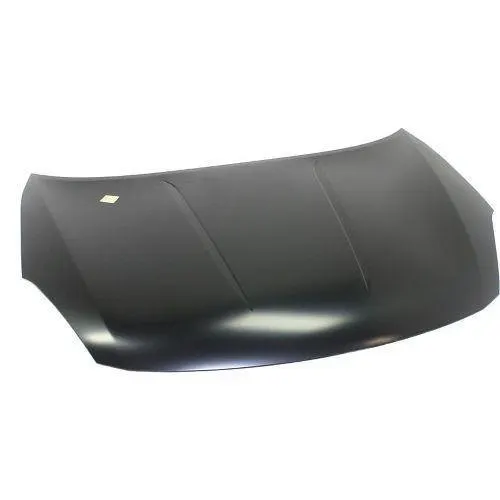
- Hood components:
- Outer Panel:
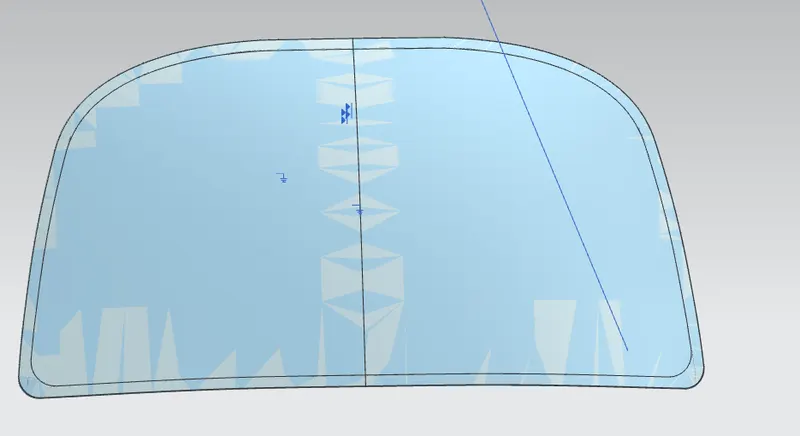
- The outer panel is one of the important components of the hood.
- It's the surface where the customer is going to directly see the part, as the outer panel is an aesthetic surface.
- So, it is very important to maintain the appearance of the outer panel accordingly, we have to design it.
2. Inner Panel:
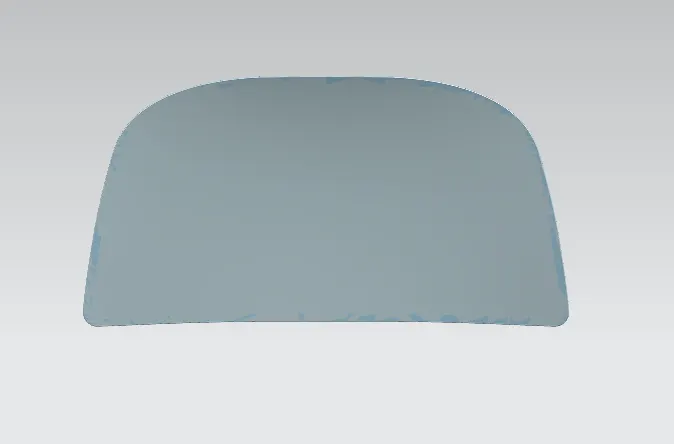
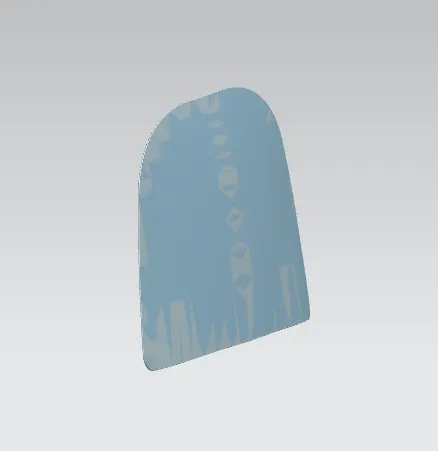
- The inner Panel is the major part that ensures the rigidity of the hood.
- It is used to divert the impact outwards of the hood however possible when the collision occurs.
- It can be achieved by the good inner panel design and the embossing direction in the inner panel.
- To Design this inner panel following the master section,
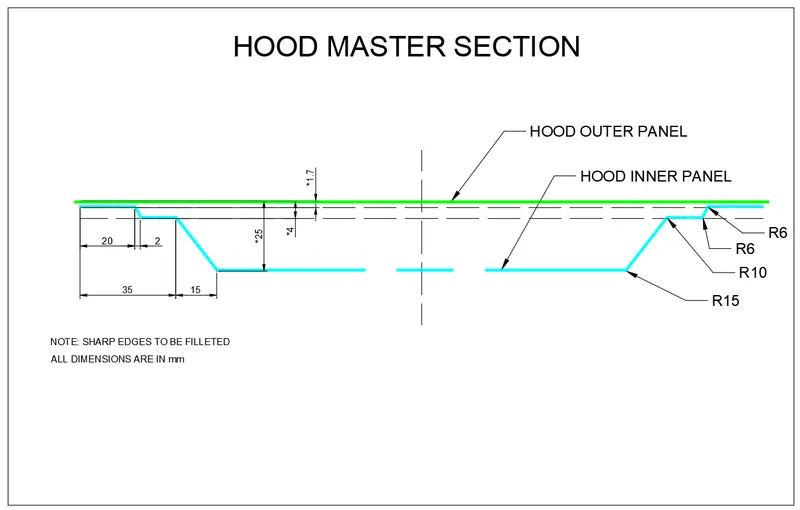
- To achieve this inner panel, there are several flanges and they were having a certain distance.
- So, with the help of the following command in NX cad software, I am creating this flange first,
- Offset curve in the face: offset the curve through the sheet.
- Trim sheet: trim the offset sheet to get the flange.
- After, creating this flange let's use the following command:
- Through curve: to join the trim sheet
- face Blend: To avoid the sharp corner and as per the master section, we will provide the blend.
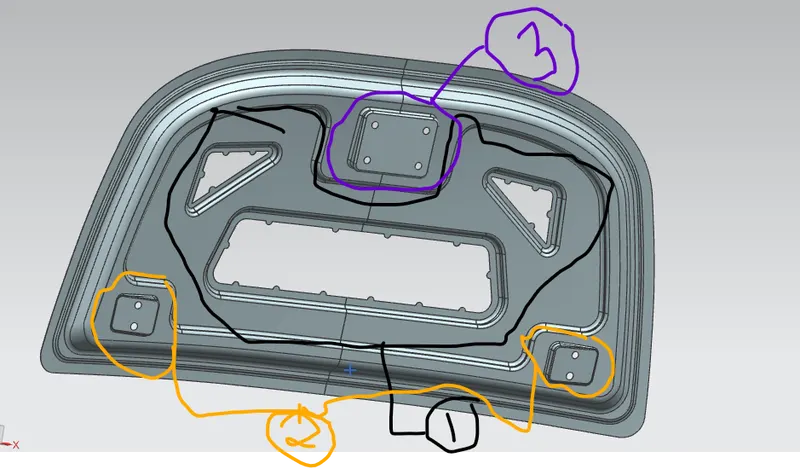
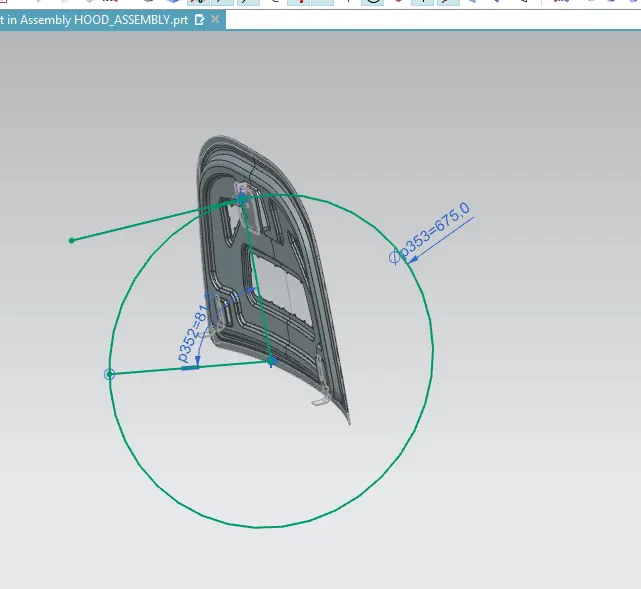
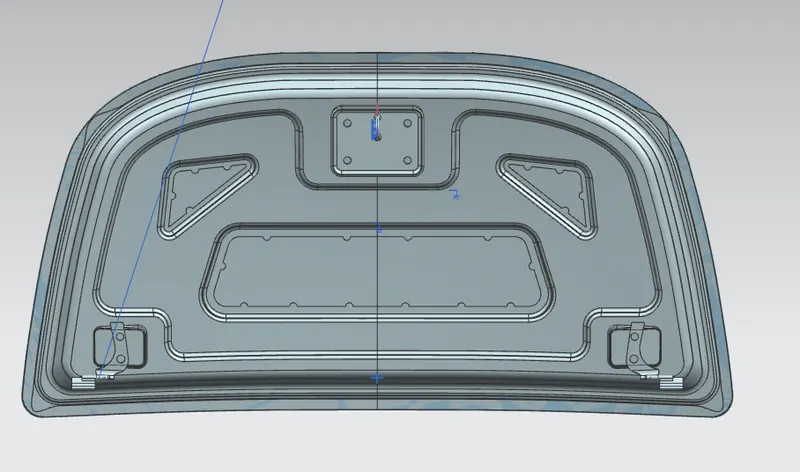
- After completing that, we will be going to create embosses,
- force reinforcement embosses,
- hinge assembly embosses and
- sticker embosses. (Refer to the given pic below)
- In this inner panel, the required holes are made to transport the hood from one station to other and fix the hood in the fixture by using these holes as budding holes.
- Also, the inner panel has embossed mastic points.
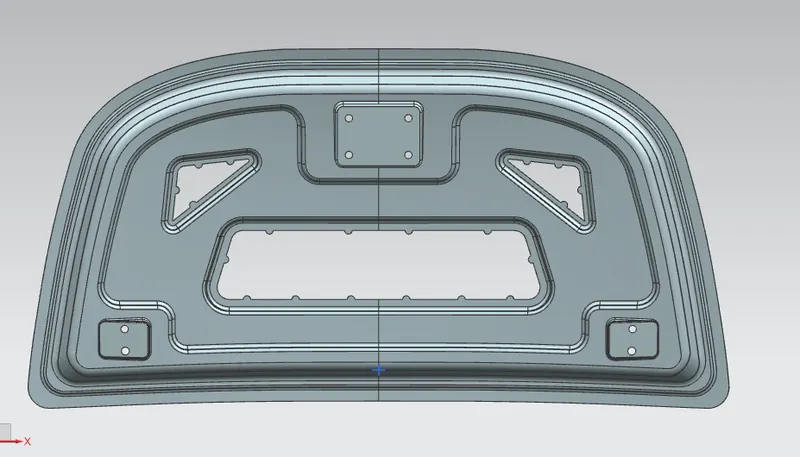
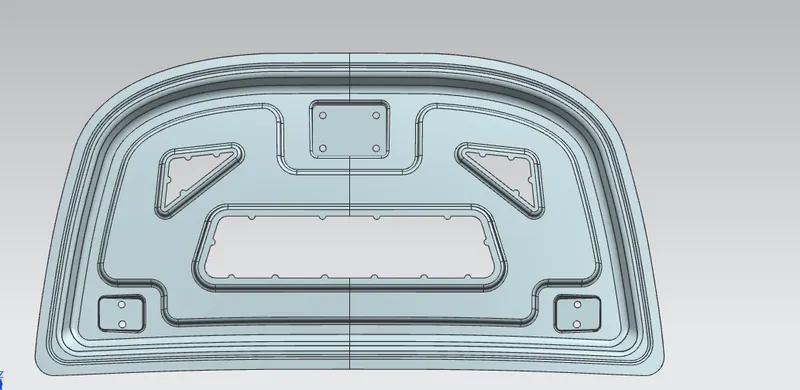
- By considering the given Inner Panel thickness(0.75mm) and offsetting the outer panel styling surface with the given offset data.
- The Inner Panel has been made with embosses and mastic points as
3. Striker and Hinge assembly:
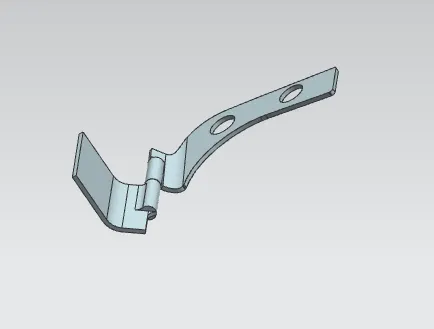
Hinge Assembly
- It is used to fix the hood to the engine compartment.
- For any component to be open and close with an axis, the hinge plays a major role.
- It has two simple parts (one is a hood side hinge; another one is an engine compartment side hinge) and is assembled with a single axis.
- Hinge Assembly is attached at each Outwards end of the hood and the engine compartment.
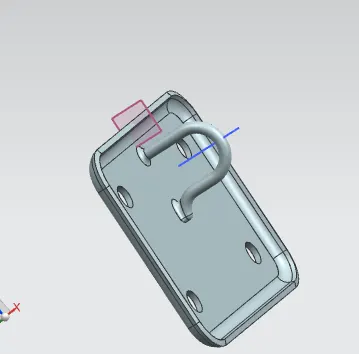
Striker-Latch
- Striker is the part that is used to hold the hood with the engine compartment by using the latch which is attached to the engine compartment when the hood does not require to open up.
- The striker is attached to the bottom of the inner panel and it hits the latch and locks with it when the hood is dropped down.
- There is a lever that is provided inside the cabin to the driver to release the latching pressure. Once it can be done, the hood will open up in an inch, then we can able
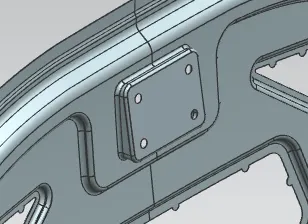
- To assembly this onto the inner panel we have to use the trajectory alignment method,
(Refer to the given below pic)
- Operations used for creating Hood:
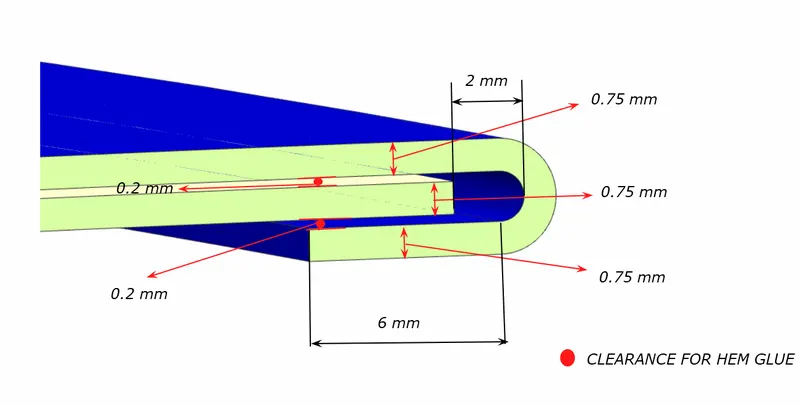
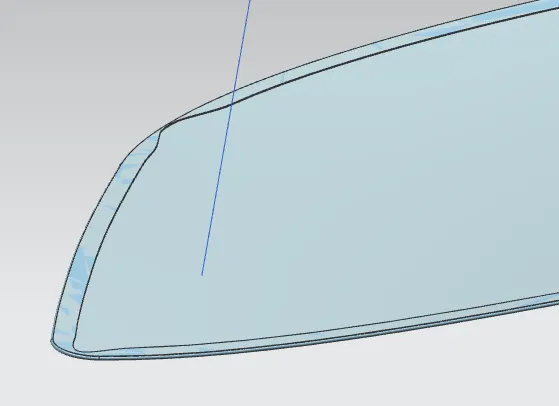
- Hemming:
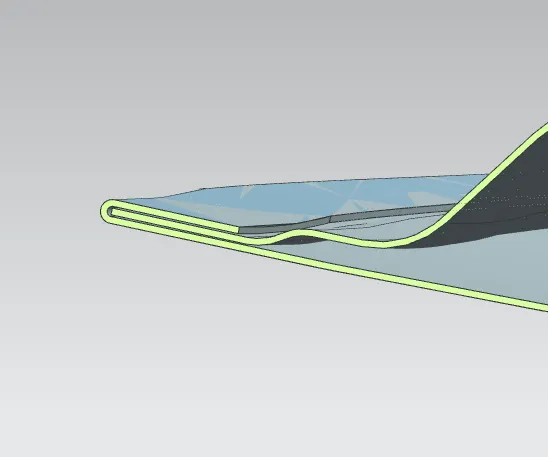
- Hemming is used to fitting the parts together.
- It can be done by the edges of one part is to be folded over the other part to fix within it.
- This operation is done by using the roller.
- There are two types of hemming processes are there,
- Conventional die hemming - In this method, the hemming process is done by using the hemming die to fold the sheet metal edge by the entire length.
- Roll Hemming - In this method Rollers are used to do the process and at the same time two or more rollers are folded the sheet metal from different locations of the sheet metal edge to achieve the hemming which is close to accurate.
- Most automobile manufacturers are following the Roll hemming method due to its easier method when compared to conventional die hemming.
2. Deep Drawing:
- Deep drawing is a sheet metal forming process in which a sheet metal blank is radially drawn into a forming die by the mechanical action of a punch.
- It is thus a shape transformation process with material retention.
- The process is considered a "deep" drawing when the depth of the drawn part exceeds its diameter.
- Final hood Assembly:
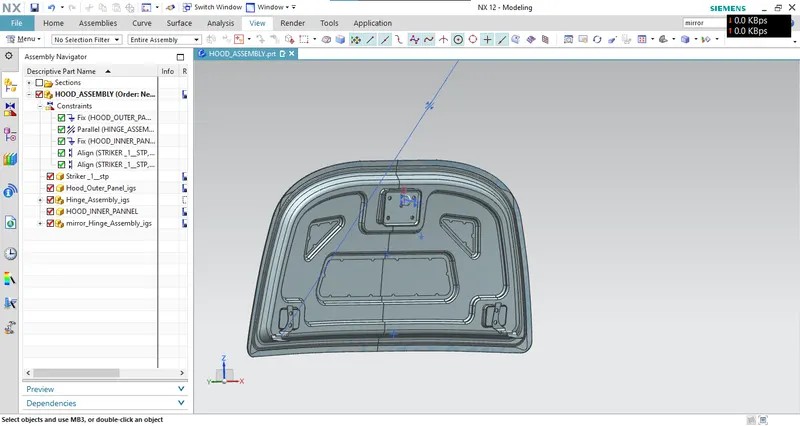
- reference taken from:
- Skill-Lync