Hood design-Week 2
- Hood Design:-
Hood is hinge cover over the motor vehicles which cover and protect the engine and other parts which are connected with engine and for hinge that it can easily open and close the service or maintenance. For design perspective we need to consider some specifice conditions like pedestrian safety, force distribution, manufacturing criteria, hood head zone etc.
- There are some components which are used in design of hood
- Inner hood panel
- Outer hood panel
- Latch and Stiker
- Hinge
- reinforcements
- Support rod
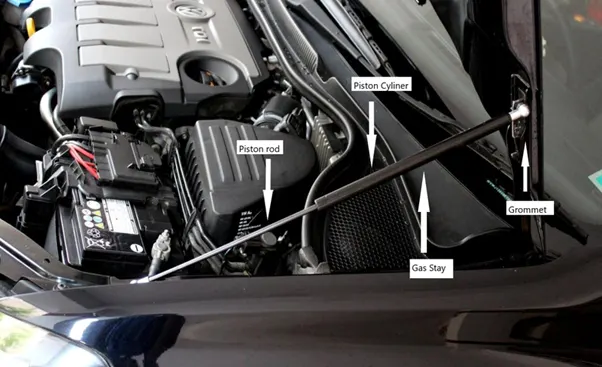
- Gas stay
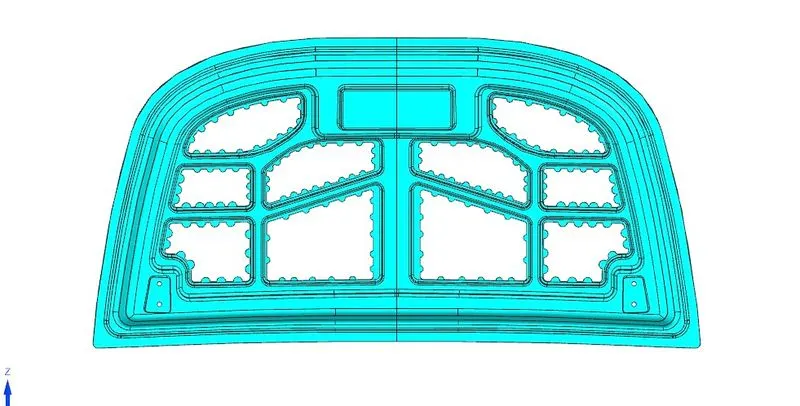
- Inner hood panel:- The main part of hood which gives support to the outer panel of the vehicle and with it's embossing shapes dissipates the force in different directions and when the vehicle takes crashes to not to injure the persons in the vehicle.
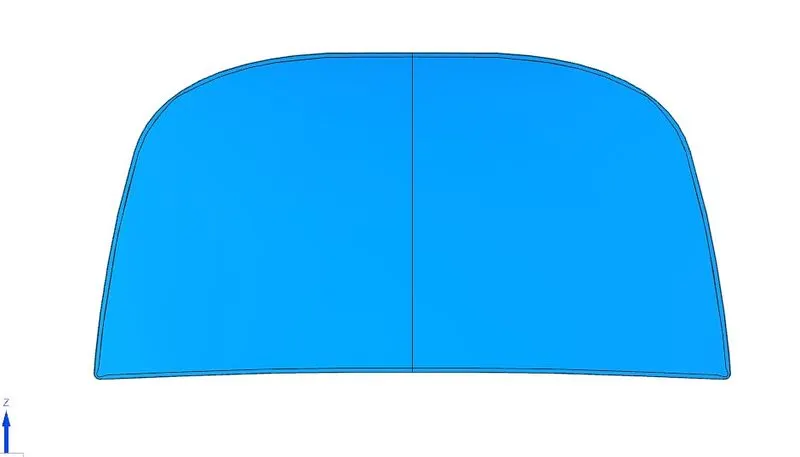
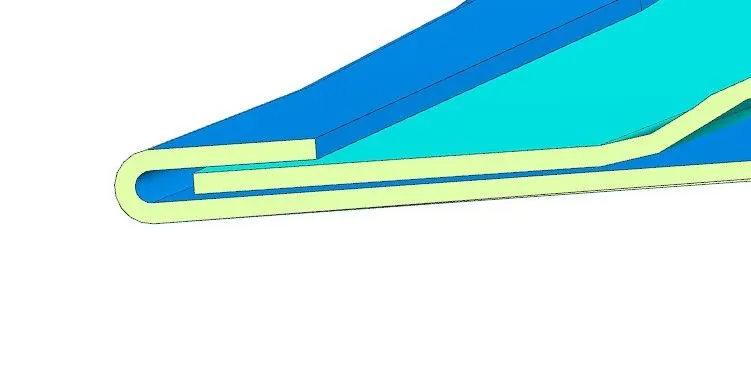
- Outer hood panel:- It is actually called the skin of vehicle which is design by styling team to get good look for a vehicle by covering the inner panel and engine parts of vehicle. This part is not getting welded with inner hood panel but using the sealant with mastic points make contact between inner and outer hood panel which acts as a bond between both and makes the hood stiff and one process which called hamming is used to connect inner and outer hood panel.
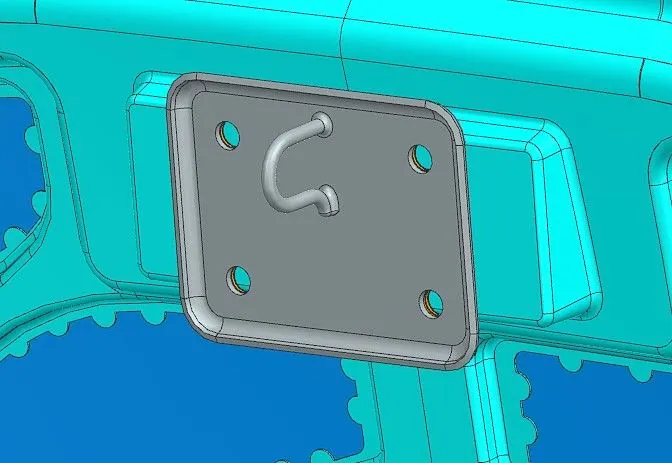
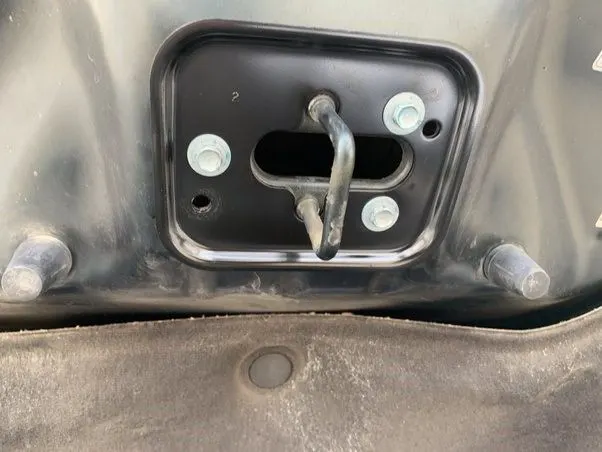
- Latch and Striker:- It is part that helps in locking the hood with striker which mounted on the engine block when it is not in use. It plays major role in opening and closing hood for maintenance of car engine and gives a tight locking position which prevent vibration and noises while vehicle is moving.
- Hinge:- The hinge consists two parts one is hinge at the inner panel and second hinge at the engine compartment and this coupling allows hood to open and close, as well as it makes contact between the engine block to the hood.
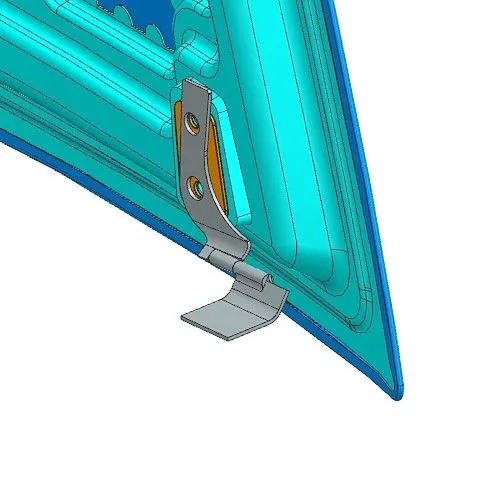
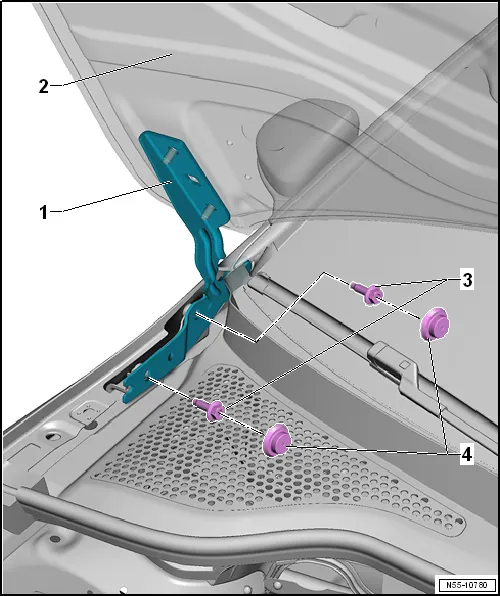
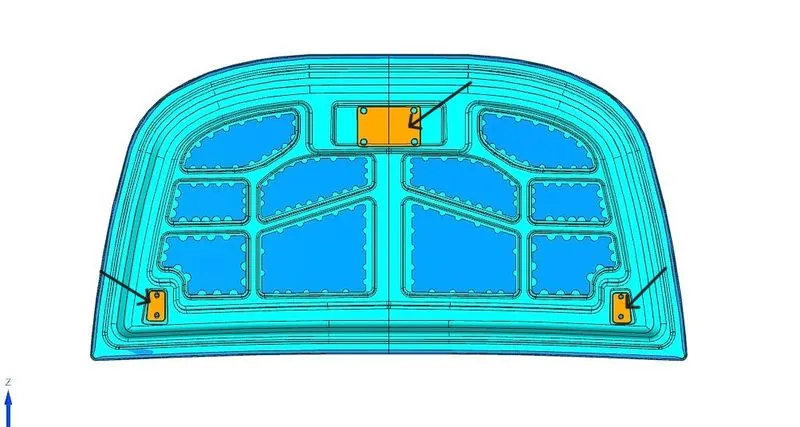
- reinforcements:- It is that part which is used for increase the strength for other sub parts like latch and hinge. It has 1.5mm thickness and get joint which inner hood panel which portion god embossed and it gets joint which spot welding with inner panel. and after total assembly we cannot see these cause it got joint behind the parts.
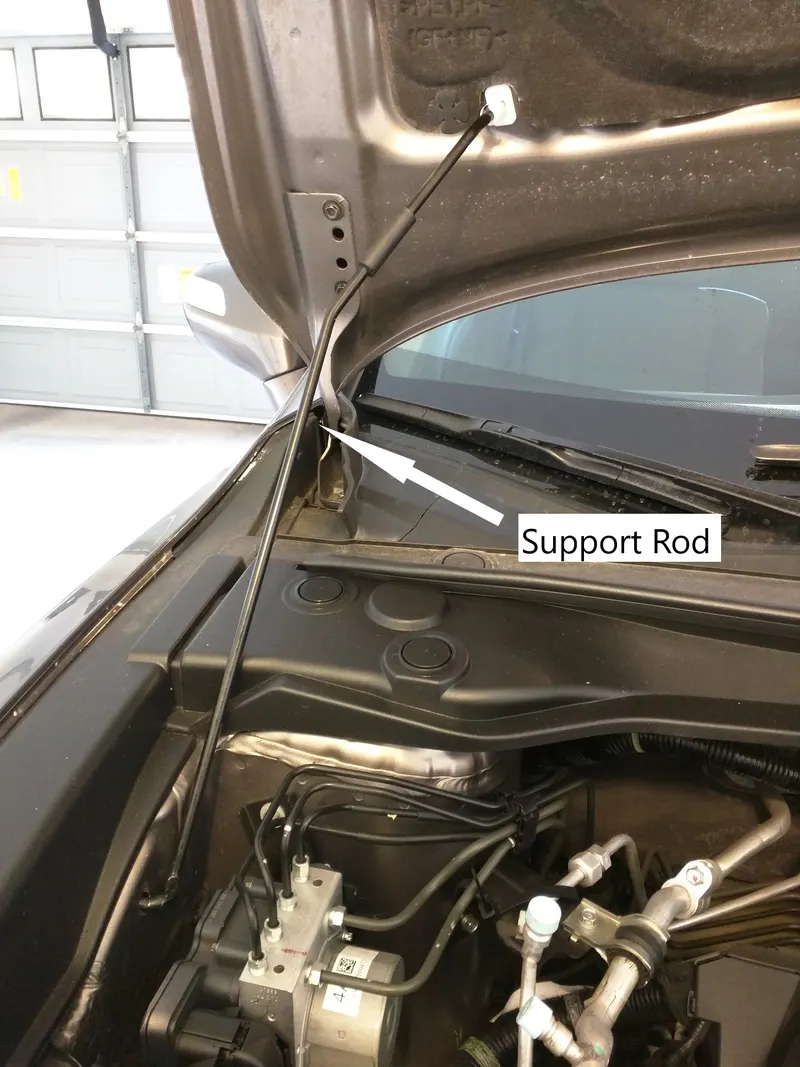
- Support rod:- this is widely used in many cars as the rate is cheap. In this type we have to lift the hood by ourselves and place the support in the space which provide either in engine compartment or in the hood. This is mostly used when the car bonnet weight is light. Support rod can be mounted with groomet side on the engine compartment of body and rod locking in hole hood.
- Gas stay:- This part is also used for lifting vehicle hood but no need to lift all the way we just need to push some space upward side and after it will go up by theirself. This part is used when vehicle bonnet is heavy to lift. It contain nitrogen gas under pressure and some oil to damp movement and lubricate the seals.
- And then there some importants criteria need to considerate for hood design:-
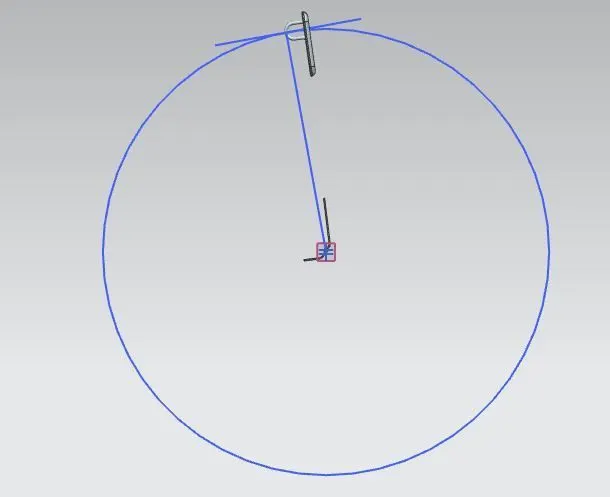
- Latch trajetory:- In the hood and there assembly after connect hinge assembly with hood for latch and striker assembly we need to get perfect in-line axis of both hinge and get there center point between hinge which goes aling through the latch center and need to draw latch tragetory line which help latch to perfectly lock and unlock of hood and which that axis it rotates equally.
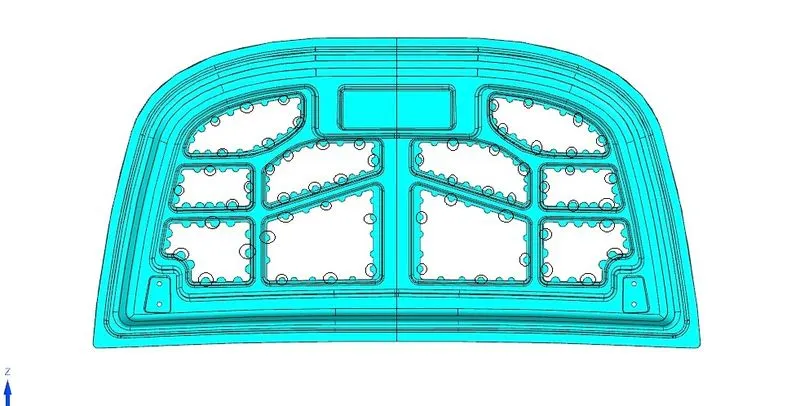
- Mastic data:- As we can see the outer is having plain surface which has no any other hole or design on it for it good look and better viewing so that's why for joining inner panel and outer we have to do hemming and use mastic sealants for join them as we can see below picture inner panel has some round space which is used to put mastic sealant on it and after putting mastic sealant it directly get contact with outer panel and behave like glue. And for that mastic sealant we need to give 2mm gap between inner and outer panel. Then after some time it will get stick and convert into some solid form which also give some strength.
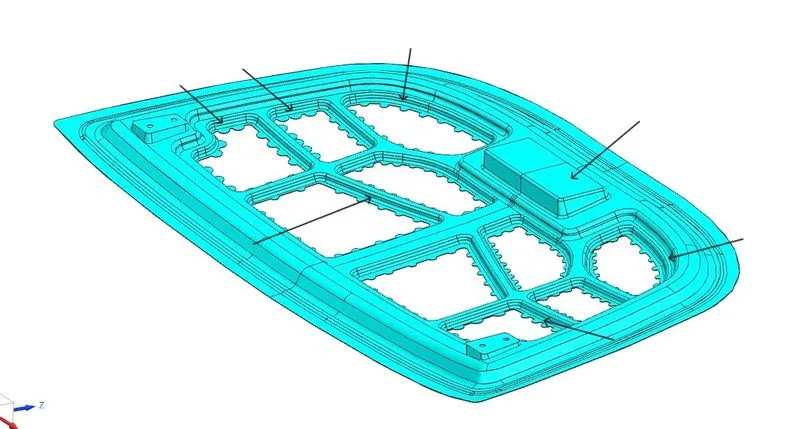
- Emboss surface:- Emboss is that process which change the shape of sheet metal like shown in below picture. If the car get any damage from front or get any accident that major part is hood which will first get crashed and for that point emboss is given in the inner panel of hood which distribute the force and reduce the crash and also reduce the force which occurs towards the driver and passenger and give some safety to them and also reduce harm. And for the draft angle of emboss must be minimun 7° not less than 7 but we can use more than 7 as per requirement.
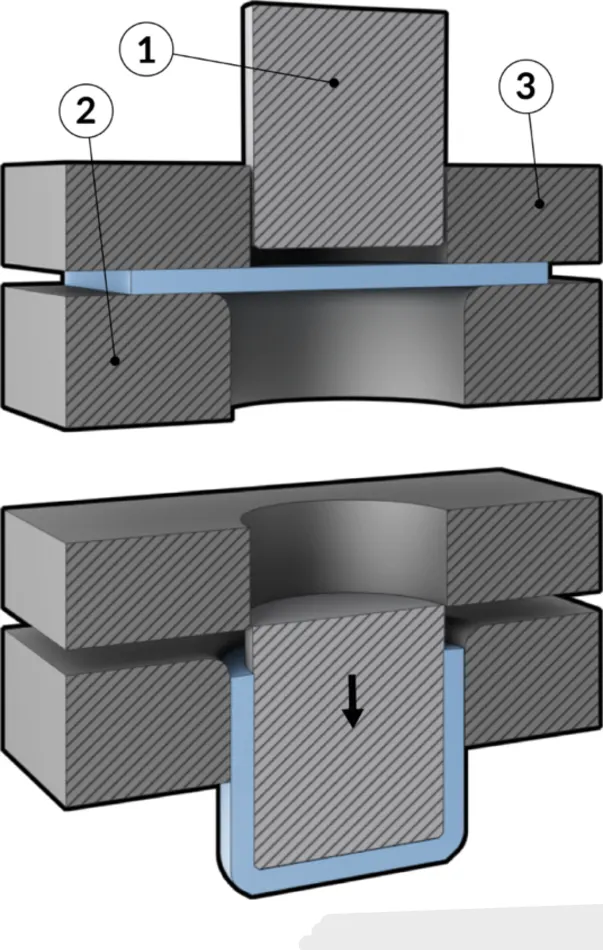
- Deep-drawing:- Deep-drawing is process that a sheet metal is radial drawn or stretch by a forming die with help of punch and it's force for deep-drawing need to make punch and die as per requirement.
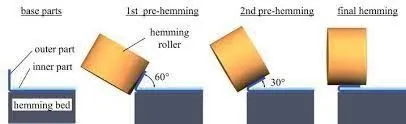
- Hemming process:- Hemming process is usually use for joint two sheet metals where we cannot or we don't want to use welding or bolting. Hemming is that process where rollar is got roll over one sheet metal over again and again with different angle to bend it properaly to other sheet metal like shown in below picture. And in the hood design we need to bend inner hood panel with rollar in hemming process to outer hood panel. Hemming process benefits are hide the rough edges, remove burs and improve it's surface look.
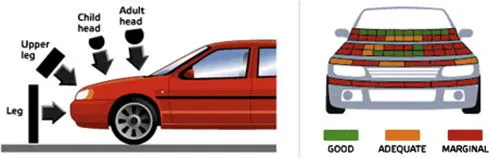
- Pedestrian safety:- It is most important criteria which must focus when we are designing a hood and there assembly. Like while driving car sometime get accident then need to notice whether it's adult or child and depend on that need to design hood. and whether it's adult or child major part is pedesstrian's head which must focus that how it protect their head or it get less injuries. after hood design it gets test with robot that how much that will get injuries and it is tested by euro-NCAP and that will give the rating as per design.
- Here are the parts and assembly design images which i have made:-
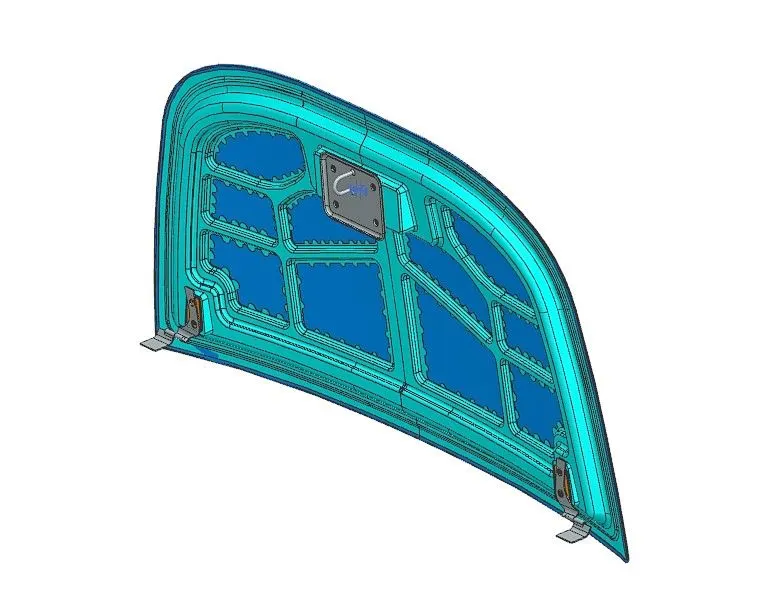
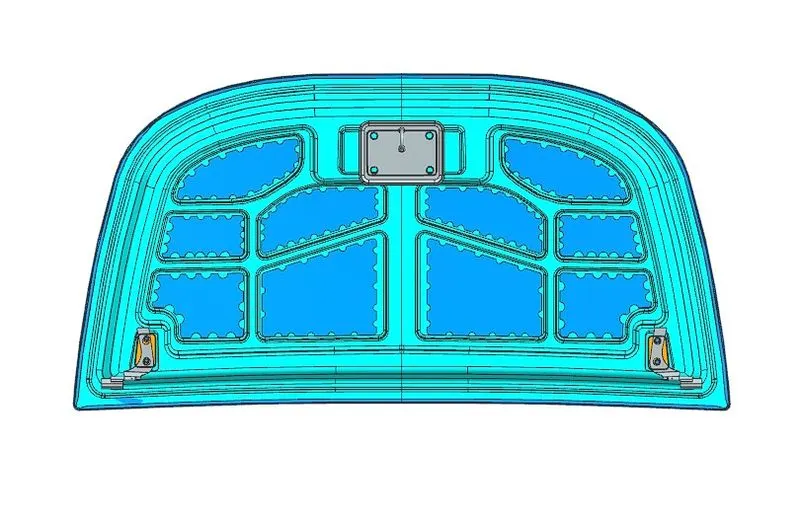
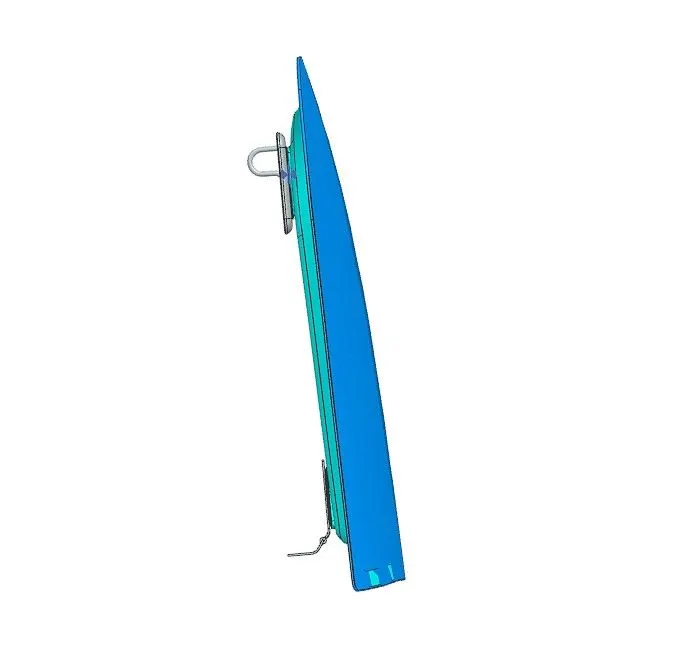
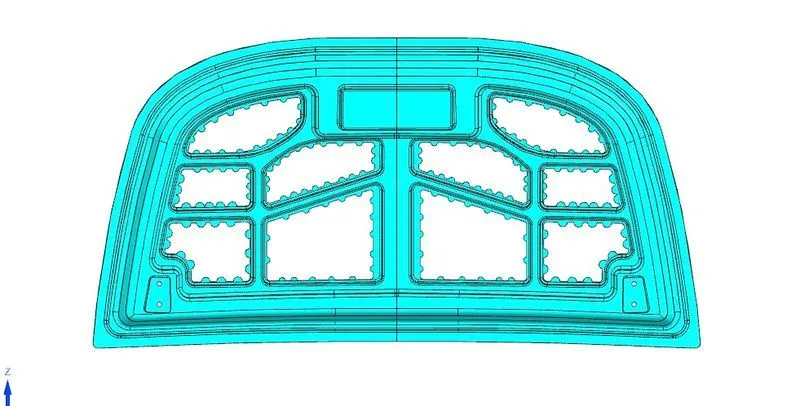
- In this project i have learnt about how to use surface commands in NX and also have learnt how to assemble parts in NX assembly.
- Also i have learnt that how hood is made and how they get joining with different process and what are criteria we need to follow for Hood design and also get knowledge of pedestrian safety and manufacturing process.