Hood design-Week 2
DESIGN OF HOOD INNER PANNEL
HOOD
Hood or Bonnet is the hinged cover over the engine of the motor vehicle. Hood can open to allow access to the engine compartment for maintanence and repair. Besides this function it also keeps the pedestriants safe from heavy injuries in case of collision.

hood always consists of
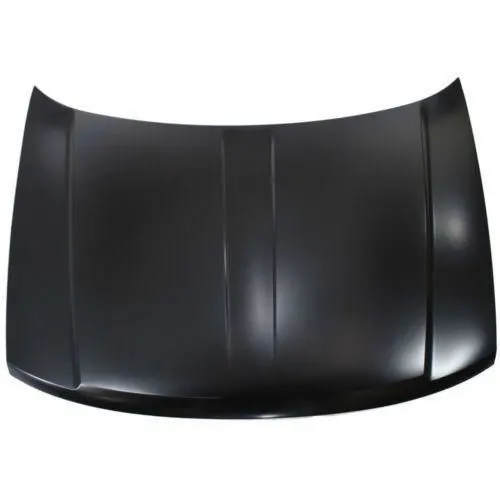
- Hood outer pannel : it contributes to the aesthetics of the vehicle
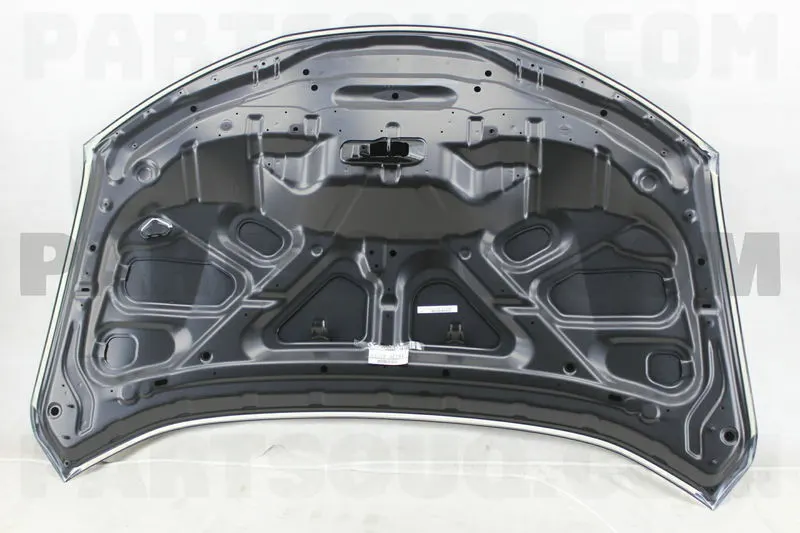
- Hood inner pannel : It provide sufficient strength and rigidity to hood and divert the collision force away from the occupants towards hinges & A pillars
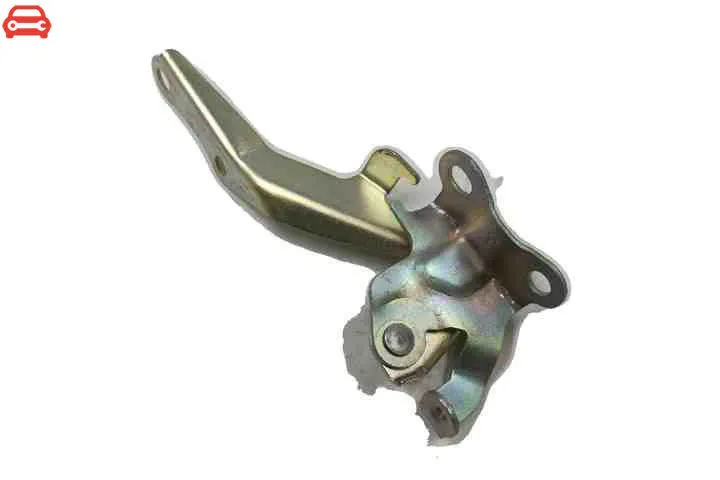
- Hinge assembly : The hood is opened and closed about the hinge axis as pivots
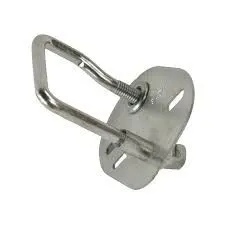
- Striker : A U shaped structure that locks in the latches to secure the hood & prevent vibration during operation
TECHNICAL DESIGN REQUIREMENTS
Opening of Hood
The hood must be designed considering the average human height of that particular region to ensure safe access to the engine compartment for maintanance work. The opening of hood is so important because there is a chance of head injury if hood is not properly positioned in open condition. Mainly two methods are employeed to support the hood 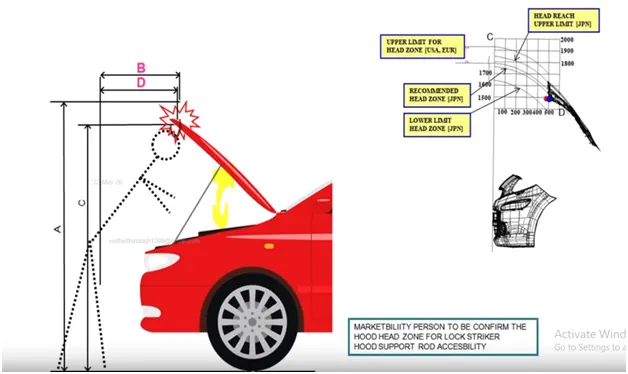
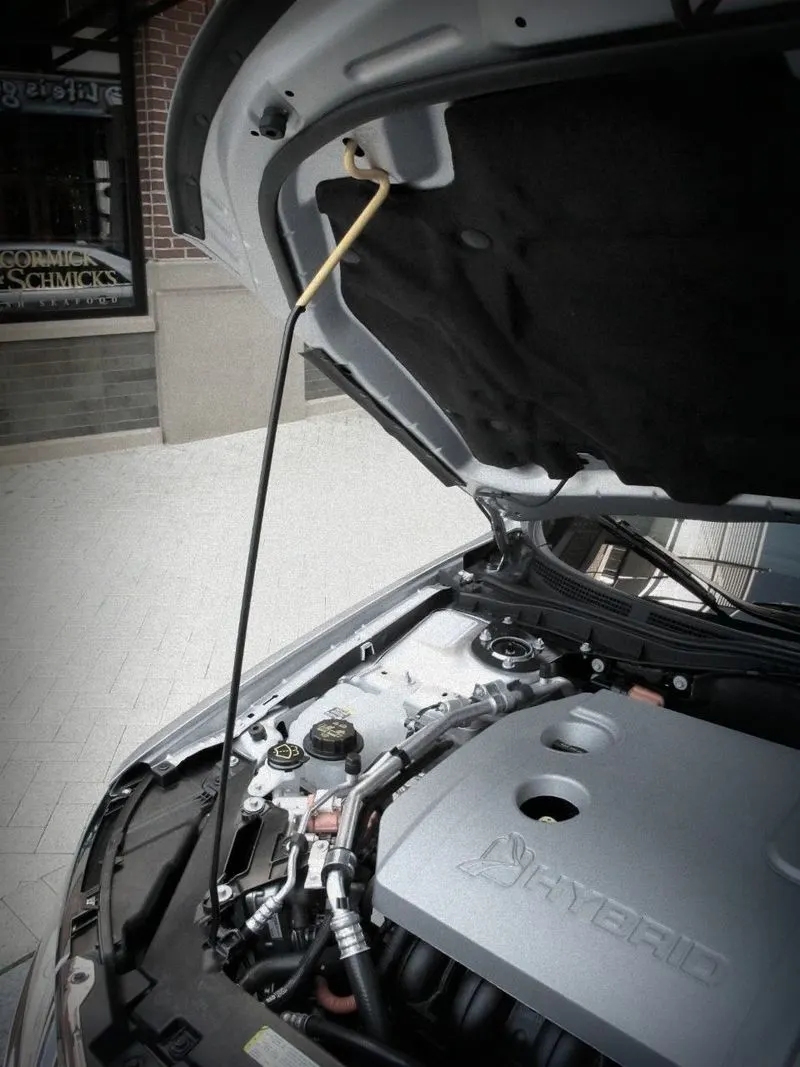
- Support rod : It can be mounted either on hood or on the body of the car .The mounting is always kept opposite to the engine compartment,by varying the length of support rod opening angle can be varied.
- Gas stay : These are used to lift heavy and lengthy hood as in case of coupe and various sports car model. Since gas stay support the weight of hood reinfocement must be given to mounting points, grommets are used to attach the gas stay to hood inner pannel support rod
 gas stay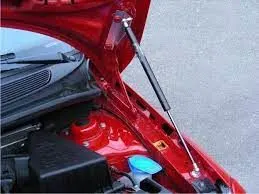
Safety constraints on Pedestriants
The EURO NCAP safety assessment program includes a test protocol for pedestrian protection. The protocol covers lower leg, & head impact test shown as in fig. 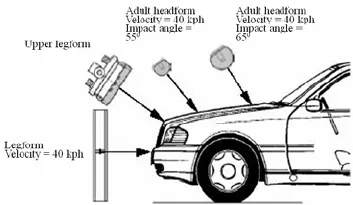
The head impact assessment result mainly depend on hood structure whereas leg impact test results are highly influenced by components adjacent to hood.The new hood concept is evaluated according to the Euro NCAP test protocol. In this test semi spherical head forms are used(3.5 kg for child & 4.5kg for adult headform).The head forms are launched such that the angle at impact is 50 degree for child headform & 65 degree for adult headform at a velocity of 11.1m/s. The measurements from accelerometers in headforms are processed to calculate the corresponding HIC values.
WRAP AROUND DISTANCE : It is the distance from road to the point where the head of the pedestrian collide witthe hood 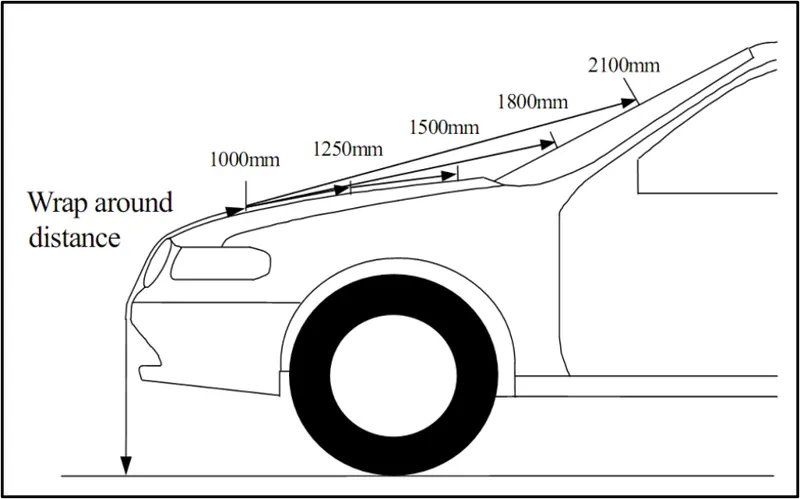 SIDE REFERENCE LINE : A line drawn at 45 degree from the ground such that it touches the end of the hood. This type of hood is called inlayed hood. If the end point of side reference line is at A pillar it si called wrap around hood.The psition of side reference line is important because if side reference line is on hood resulting in abigger hood the wrap around distance will be less hence impact zone will be more.I f side reference line falls on fender which make the size of fender bigger resulting in a lessert hood size which in turn result in high wrap around distance & lowering impact zone.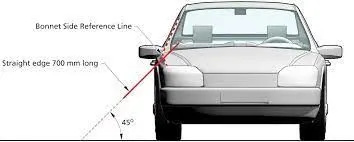
Safety of Passengers
It is done by strenthening the inner pannel by creating embosses and the design of emboss should be such that the force due to impact should directed outwards away from inner cabin
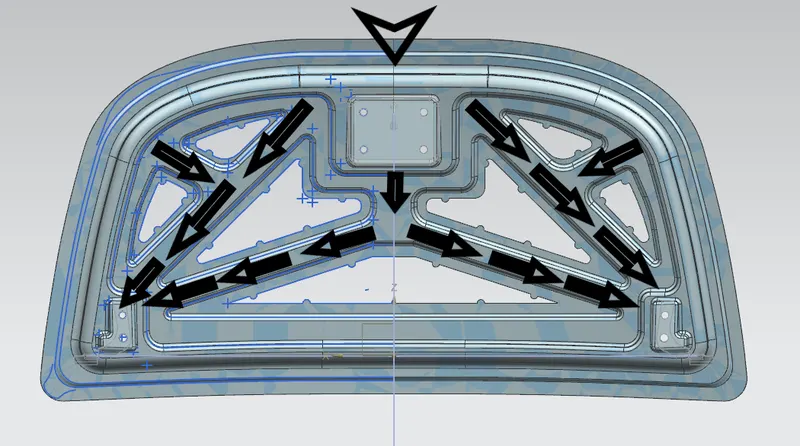 Collision Force distribution towards the hinges
Manufacturing Process
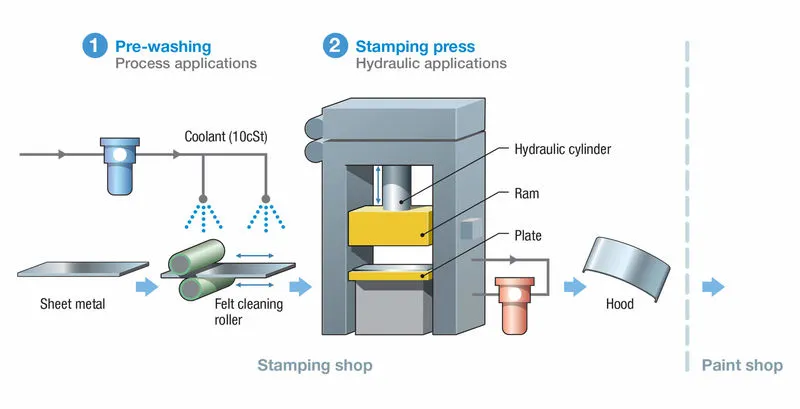
Blanking : The process of cutting out the required size of sheet metal from the sheet metal rolls 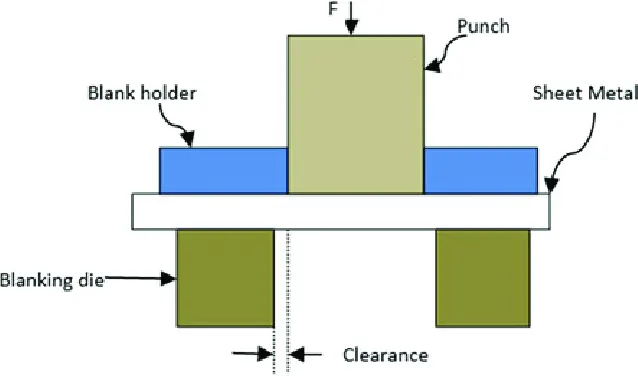 stamping : The process of imparting emboss shapes on to the blank produced with appropriate dies this is the deep drawing of metal
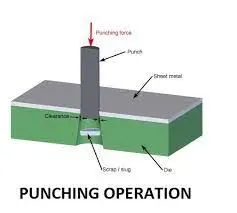
 Punching and Trimming : It is the process of cutting out the desired shape in emboss called emboss cutouts and trimming out the sheet for better dimensional tolerance
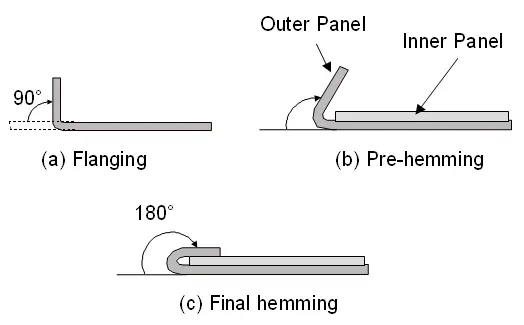
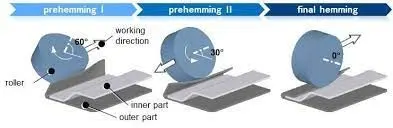
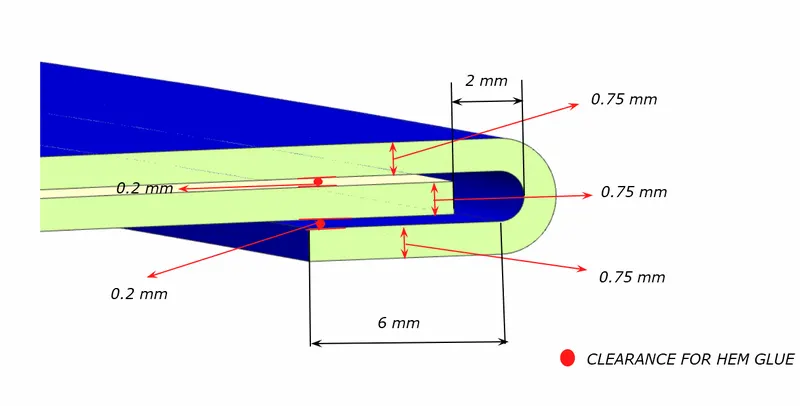
Hemming : Hems are folds to the edge of a part to create a rounded, safe edges. Hems may be open,flat,or tear- dropped,and tolerances depend on the hem's radius,material thickness,and features near them. The process of creating hems is called hemming.
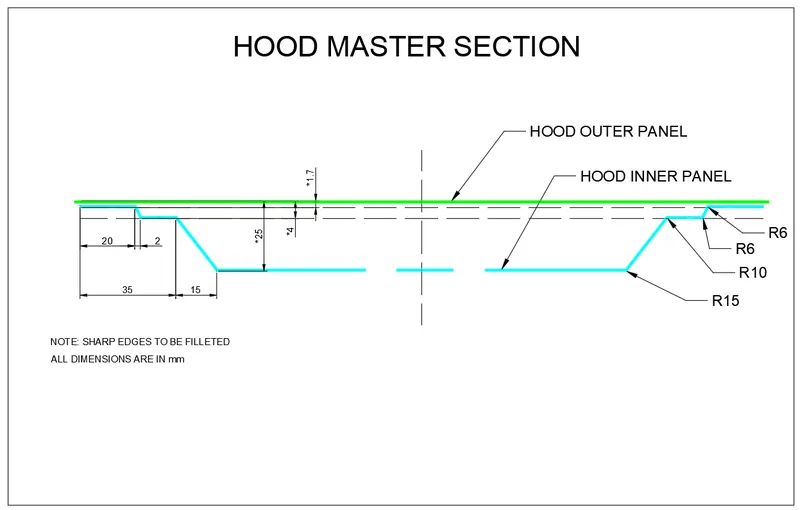
Given criteria for Hood Inner Pannel Design
- Master section
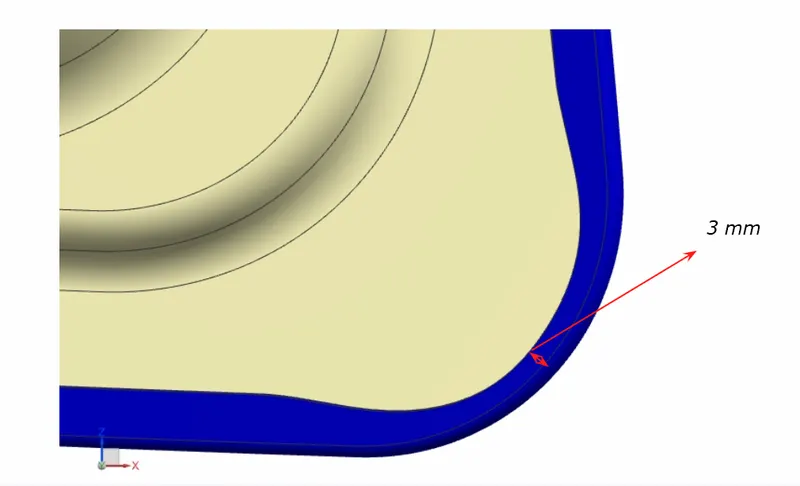
- Hemming Data and corner reliefs
Designed Hood Inner Pannel using NX CAD shown below as per given criteria
- INNER PANNEL WITH EMBOSSES
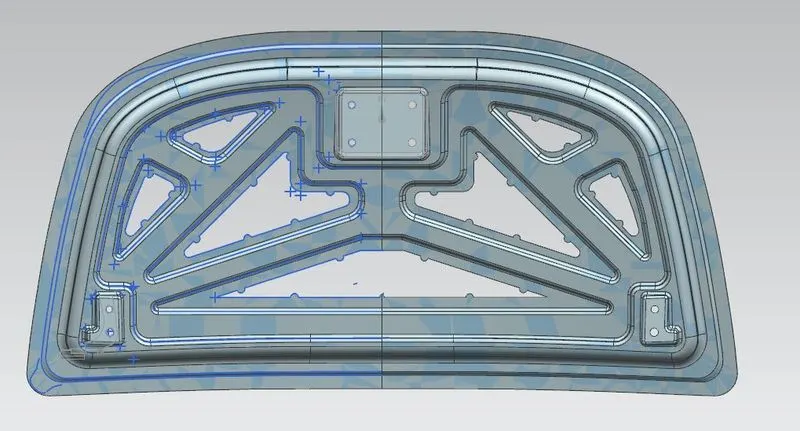
- INNER PANNEL WITH HINGE ASSEMBLY
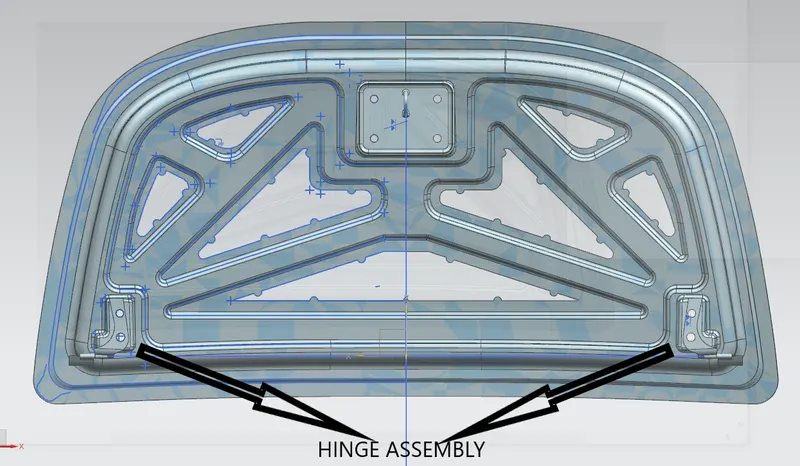 Hinge assembly makes the opening and closure of hood possilble, hinge axis act as the pivot for rotation of the hood, hinges are joined to the hinge embosses along with reinforcements to compensate the strength losses, the position of hinge axis is so important to locate the striker on hood inner pannel.
 - MASTIC DATA & MASTIC POINTS
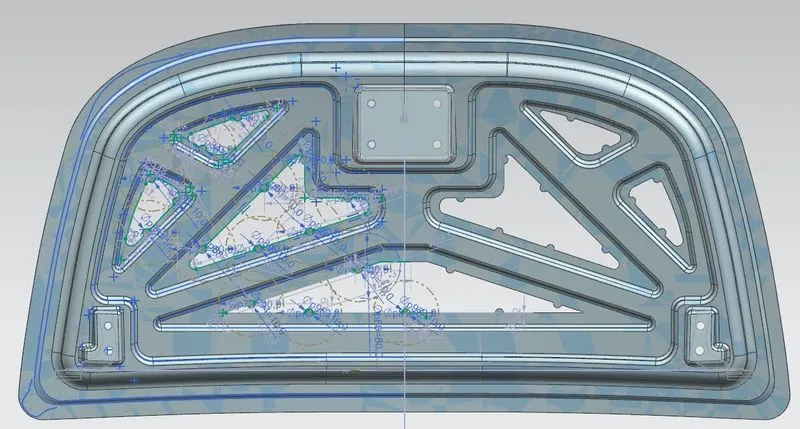
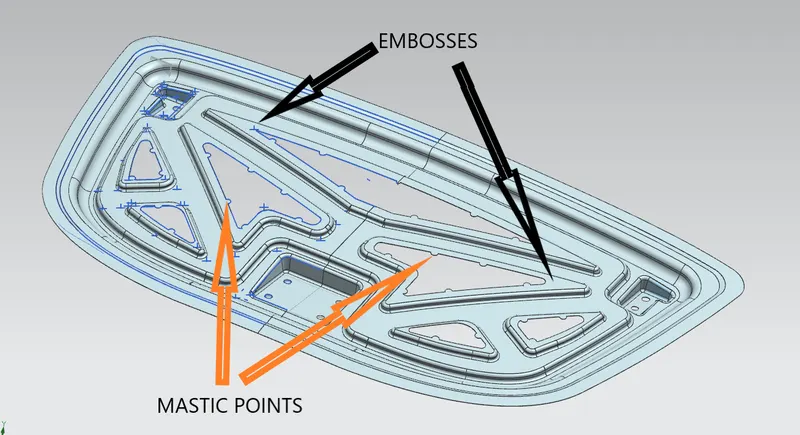 Mastic sealents are used to crate a firm join with the outer pannel and inner pannel as the gap between them being around 5mm. It avoids the vibration of outer pannel in running condition, each mastic points are located 80 mm apart to avoid interference while expanding.
 - POSITION OF HINGE AND STRIKER TRAJECTORY
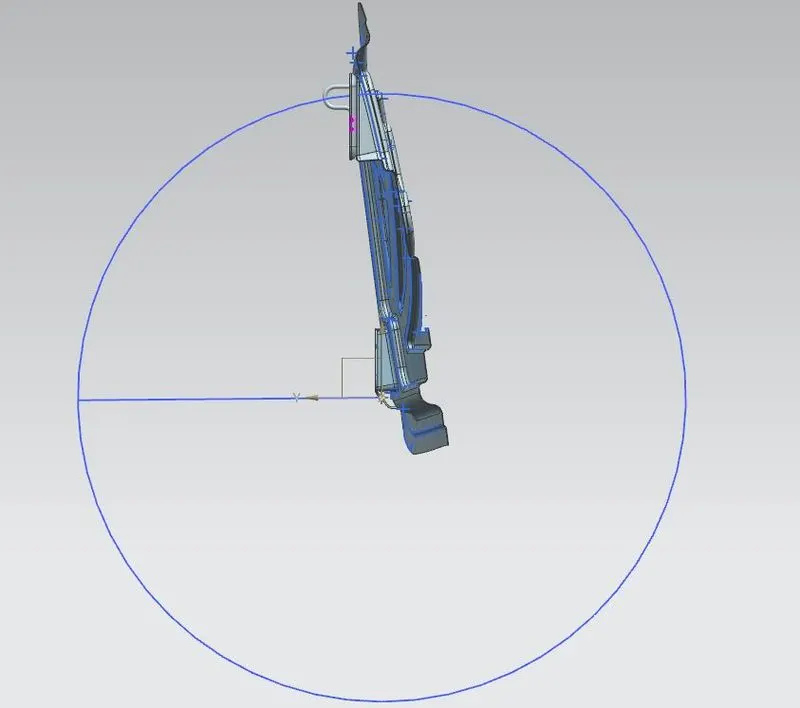 Striker is placed according to the hinge axis position so that the striker follows the desired trajectory for proper locking of the hood. A circle is drawn with hinge axis as the center as shown above and the striker should be tangent ro the circle so that it follows the trajectory along the circle.
5. HEMMING DATA & CORNER RELIEFS 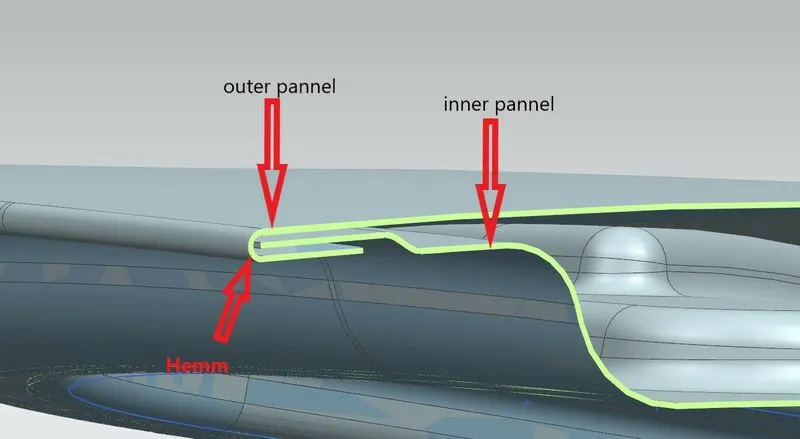
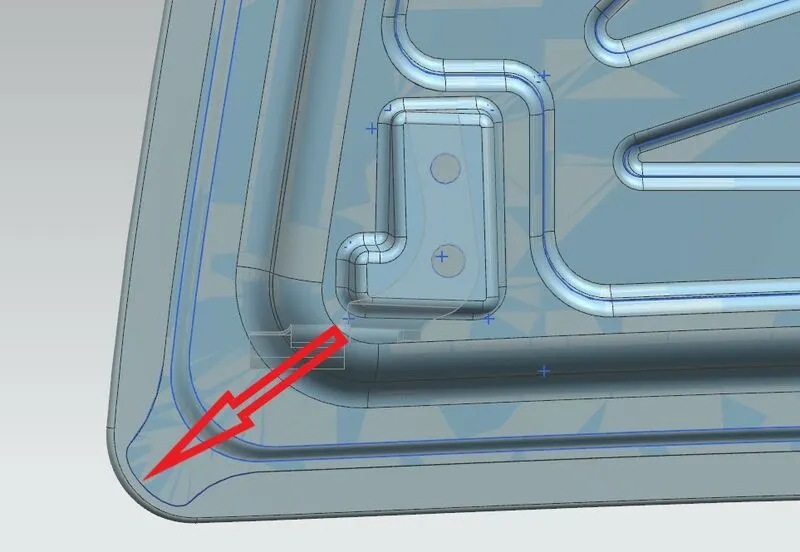
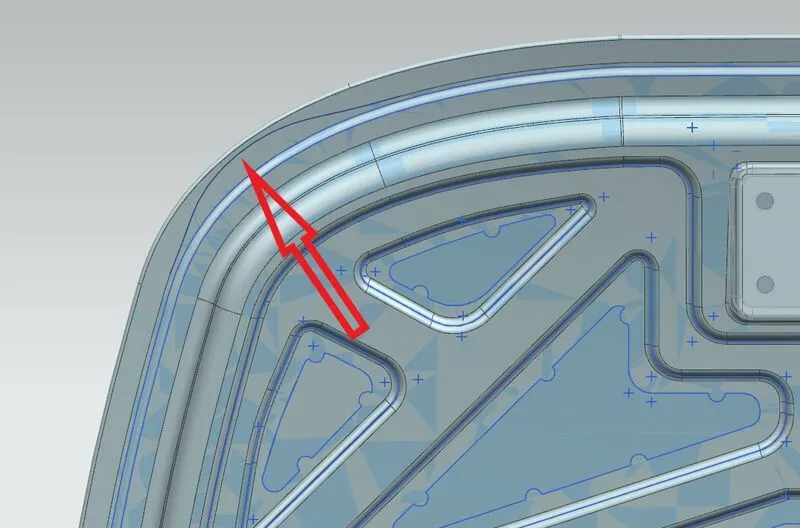 Rear section corner relief of 3mm Front corner relief of 3mm
CONCLUSION
The Hood inner pannel is successfully created with Hinge Assembly, Striker, Embosses,Mastic points & assembled with the outer pannel by hemming as per the given criteria using NX CAD software