Hood design-Week 2
HOOD DESIGN
AIM: Create an ASSEMBLY of Hood Inner Panel, Outer Panel, Latch, Hinge and the Reinforcements
INTRODUCTION
The Hood is an opening body panel that covers the engine in a front engine vehicle. The hood is also considered as another type of door in a vehicle as it contains of outer panel and inner panel. The inner panel provides strength while the outer panel functions as the metal cover.
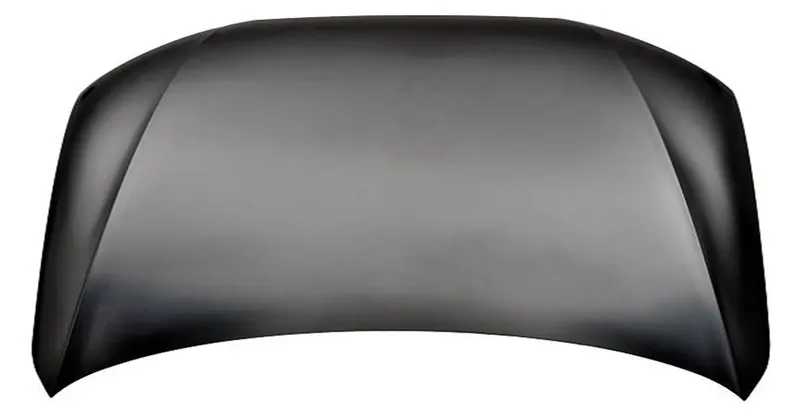
Hoods are typically made out of the same material as the rest of the body work. This may include steel, aluminum, fiberglass or carbon fiber.
Components of hood Assembly
- Hood outer panel
- Hood inner panel
- Hinge assembly
- Striker
- Hood Outer Panel
It is the top and outer part of the hood assembly it enhances the front look of the car and also protects the passengers from front impact accidents.
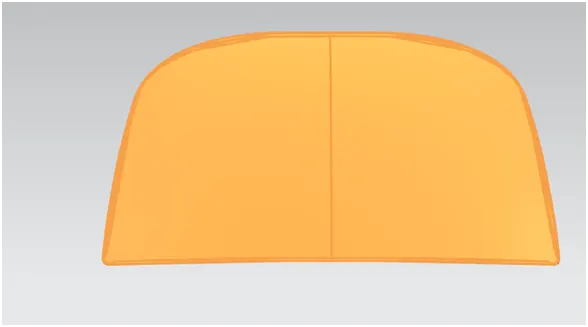
- Hood Outer Panel
It is the inner most part of the hood it gives additional strength to the outer panel.
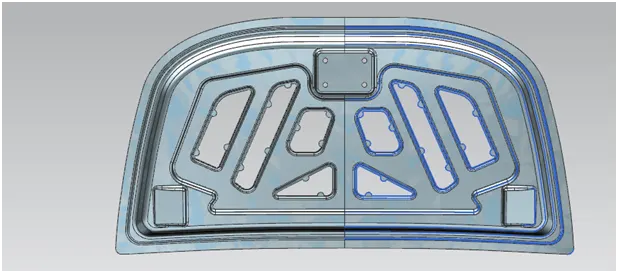
- Hinge Assembly
Hinges are provided to the hood though which it can opened and close.
Hinges are mounted to the car body.
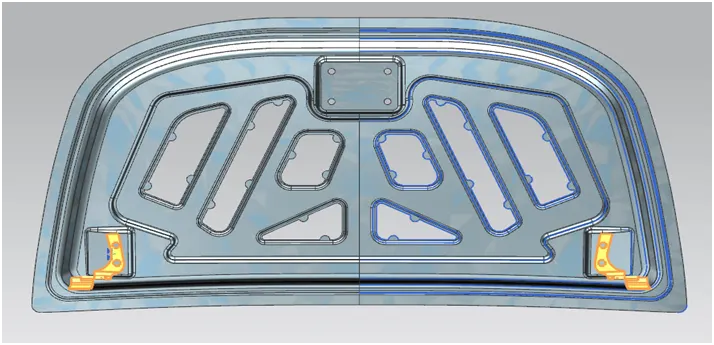
- Striker
It is part situated at front portion of the car’s hood, it locks the hood with the car body.
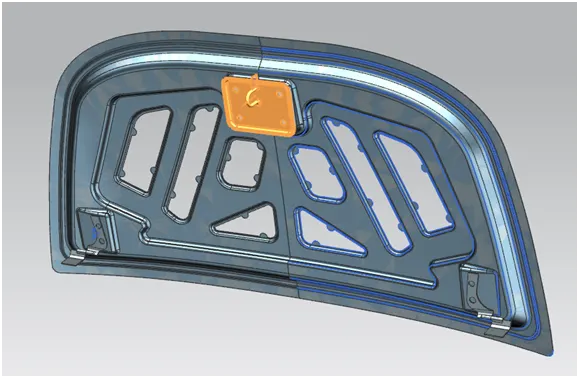
Hood Assembly
The below part shows the assembly of hood outer panel, inner panel, hinge assembly and striker.
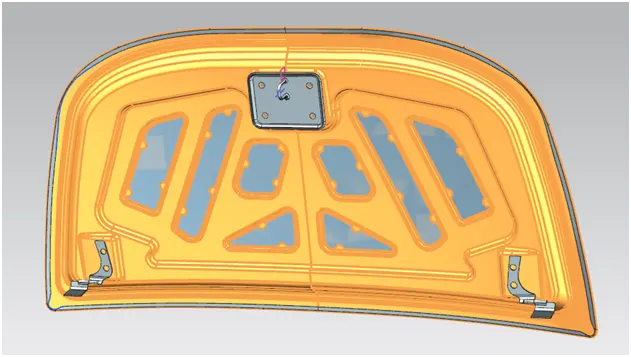
Latch Trajectory
It is the hinge axis though which the hood open & close can be done.
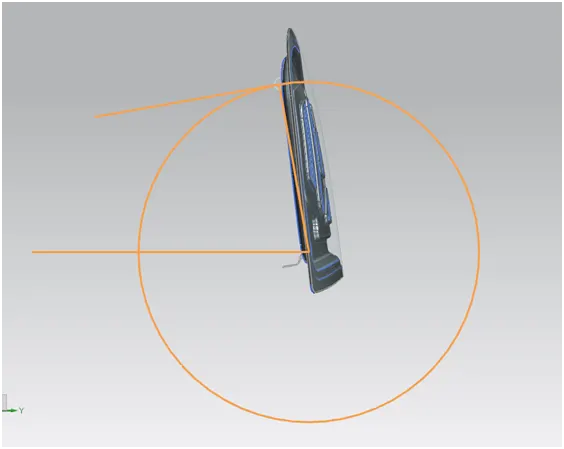
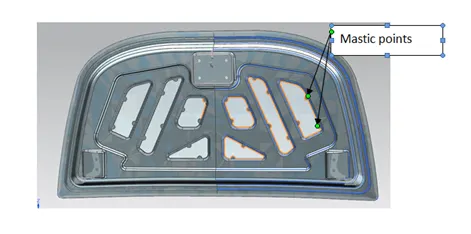
Mastic Data
Mastic data is the semicircular points on the inner hood embossed cut points
Mastic seal is used in between the hood inner & outer panel to improve (reduce) the NVH (Noise, Vibration & hardness)
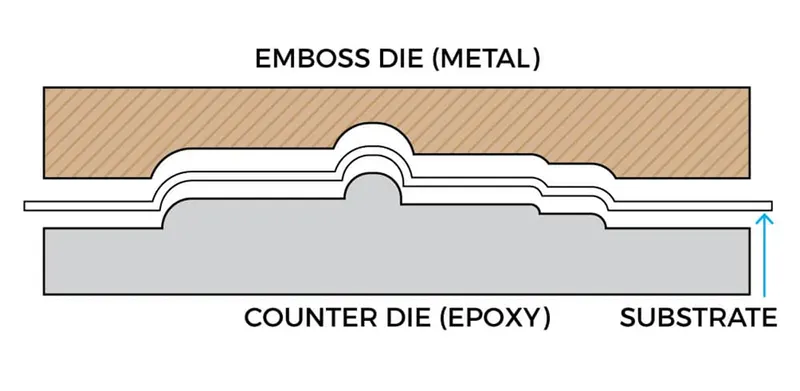
Emboss
Embossing is a stamping process for producing raised or sunken designs or relief in sheet metal. This process can be made by means of matched male and female roller dies, or by passing sheet or a strip of metal between rolls of the desired pattern. It is often combined with foil stamping to create a shiny, 3D effect.
Metal sheet is drawn through the male and female roller dies, producing a pattern or design on the metal sheet. Depending on the roller dies used, different patterns can be produced on the metal sheet. The pressure and a combination of heat actually "iron" while raising the level of the image higher than the substrate to make it smooth. The term "impressing" refers to an image lowered into the surface of a material, in distinction to an image raised out of the surface of a material.
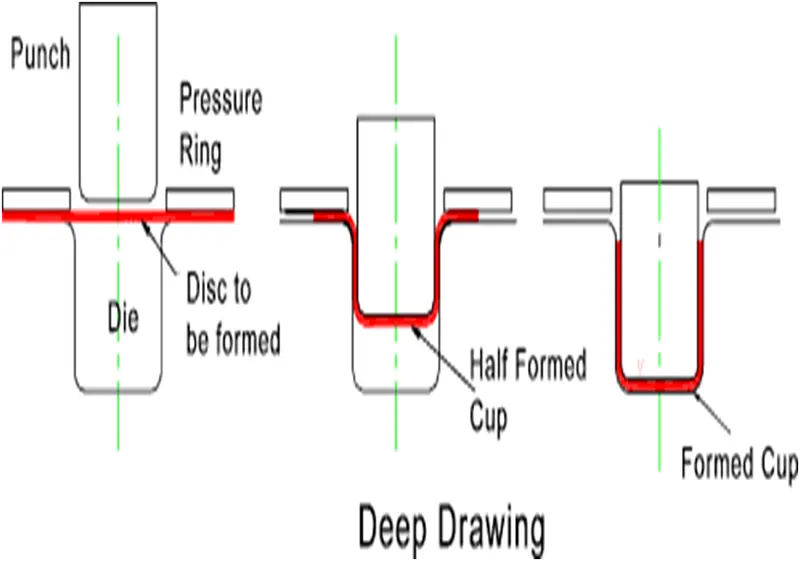
Deep Drawing
Deep drawing is a sheet metal forming process in which a sheet metal blank is radially drawn into a forming die by the mechanical action of a punch. It is thus a shape transformation process with material retention. The process is considered "deep" drawing when the depth of the drawn part exceeds its diameter.
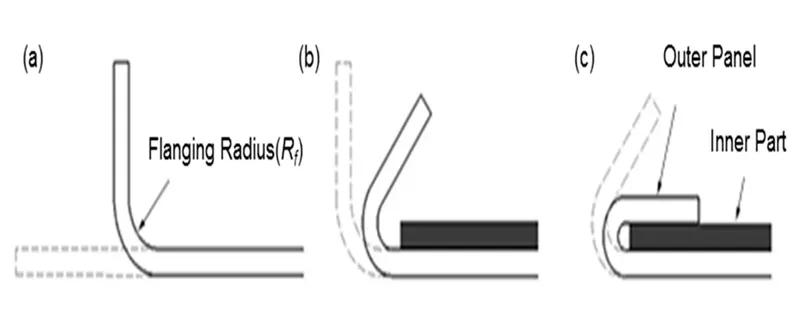
Hemming
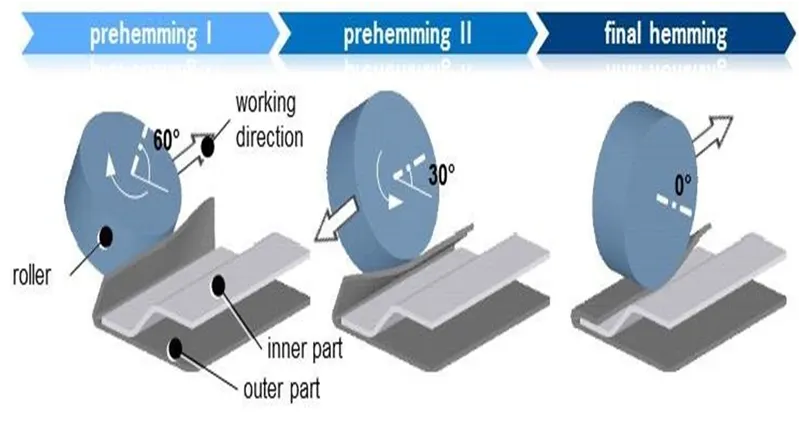
Hemming is a forming operation in which the edges of the sheet are folded or folded over another part in order to achieve a tight fit. Normally hemming operations are used to connect parts together, to improve the appearance of a part and to reinforce part edges.
In car part production, hemming is used in assembly as a secondary operation after deep drawing, trimming and flanging operations to join two sheet metal parts (outer and inner) together. Typical parts for this type of assembly are hoods, doors, trunk lids and fenders.
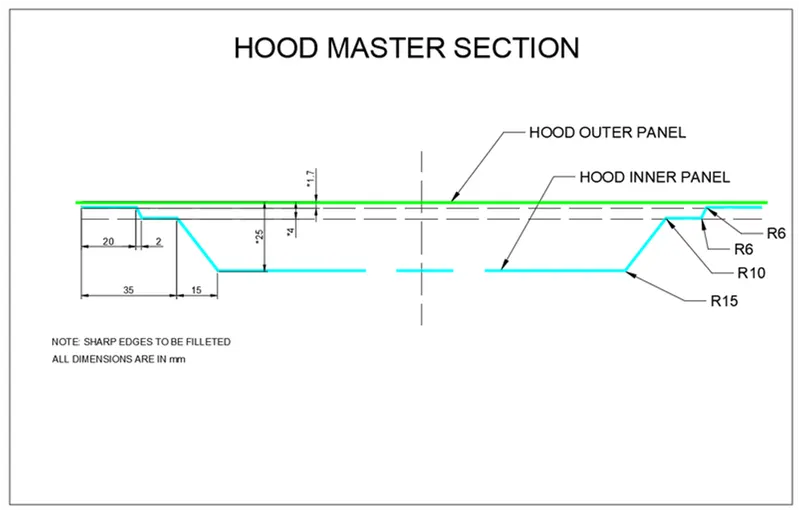
Hood master section
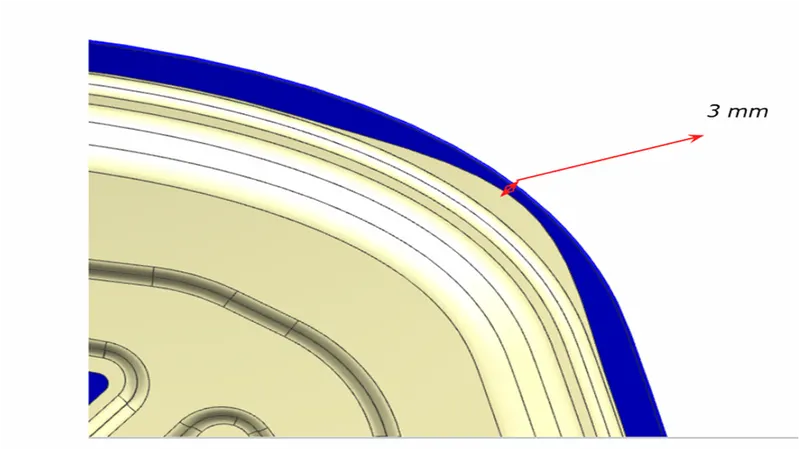
Hood design is done considering below drawing dimensions.
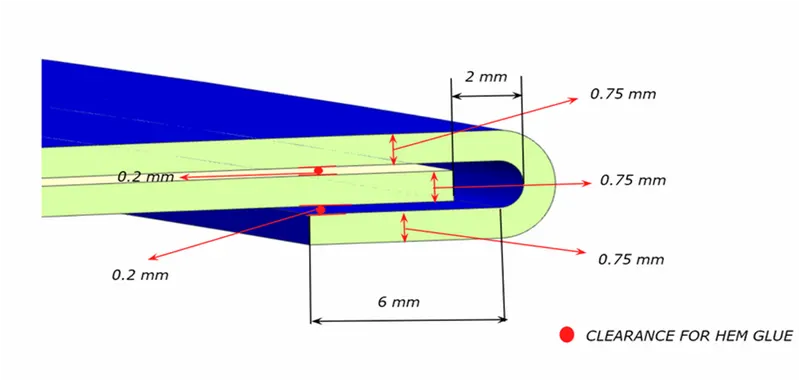
Hemming data
Rear relief Section
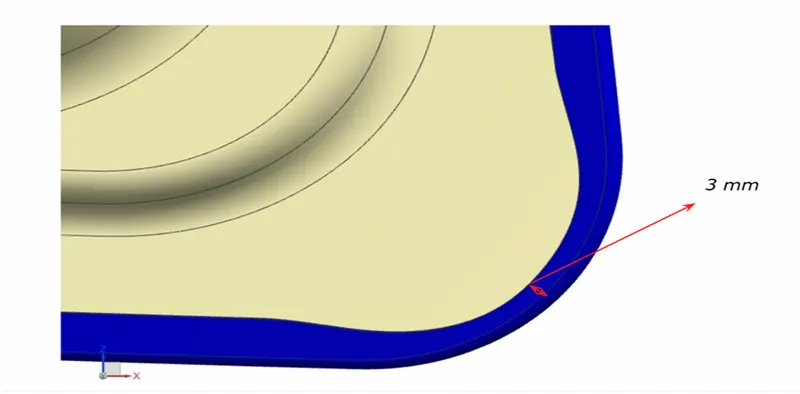
Front Relief