Hood design-Week 2
Aim:
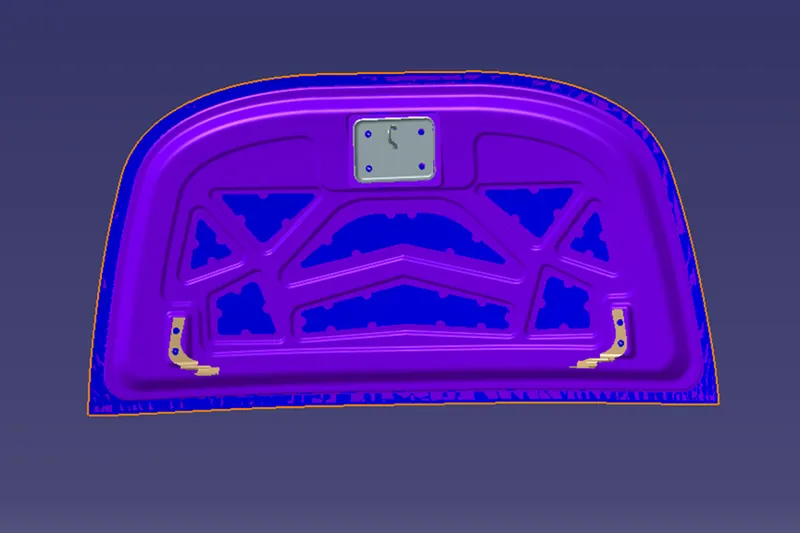
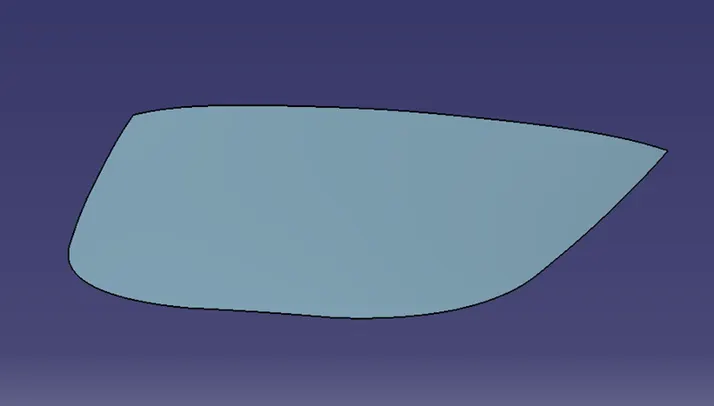
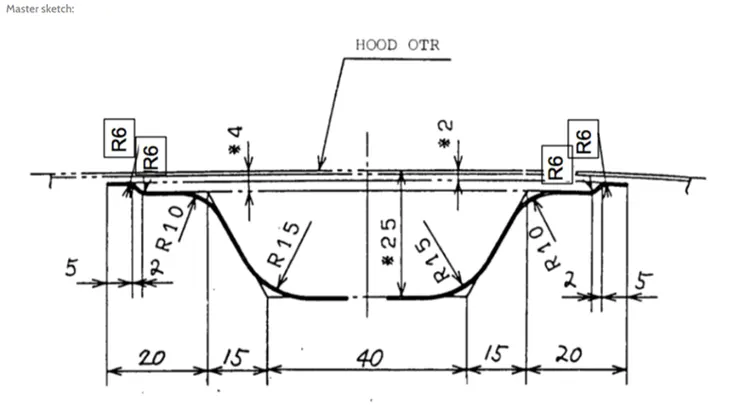
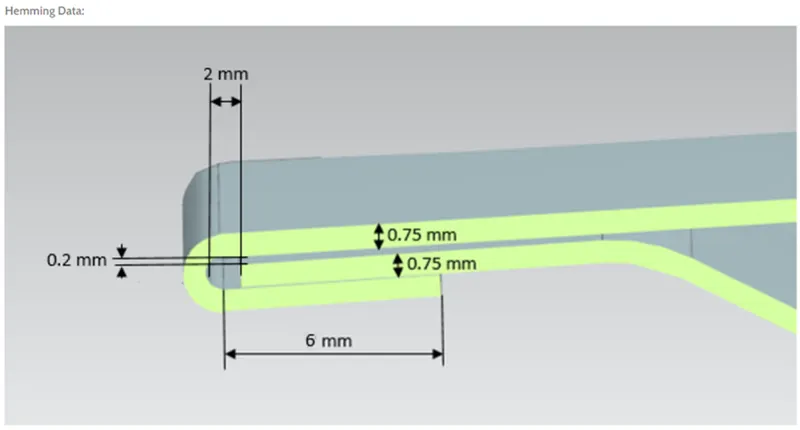
Design Hood outer panel, inner panel and the necessary reinforcements by following the Master section mentioned with the design parameters.
Given Inputs:
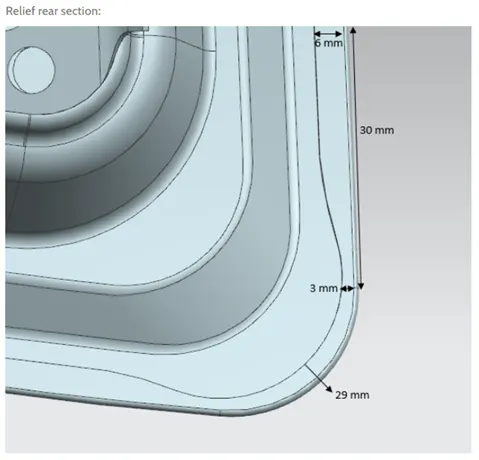
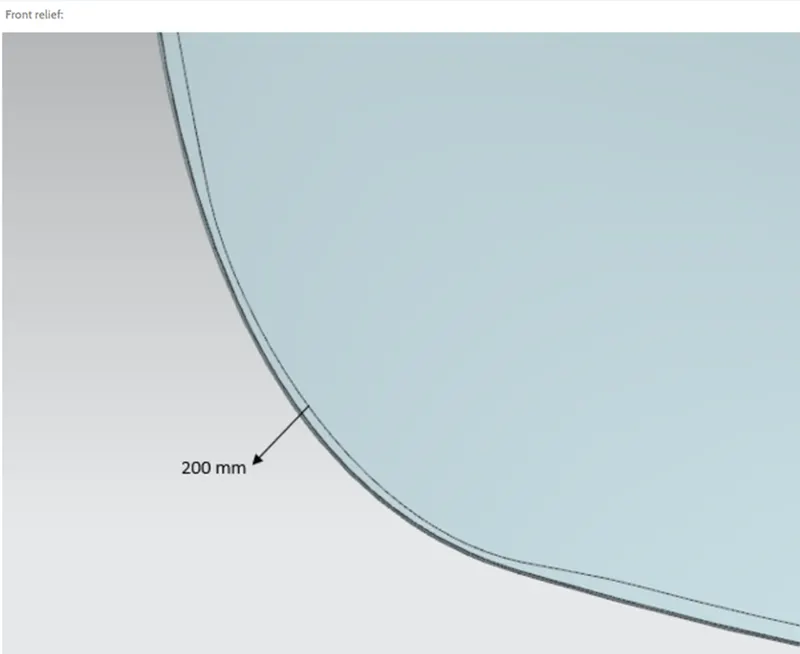
HOOD:
The hood or bonnet is the hinged cover over the engine of motor vehicles. Hoods can open to allow access to the engine compartments.
Design of hood and its component:
The hood or the Bonnet consists of the following componenrts.
- Hood outer panel
- Hood inner panel
- Latch and Striker re-enforcement
- Hinge re-enforcement
- Gas stay re-enforcement
Hood Inner Panel:
The inner panel of the hood is not visible to the customer but this is the engineering feature of the outer panel The outer panel has the aesthetic look to it but on its own is very weak and not capable of handling force during impact. This puts the passenger's life in danger, so we need to design the inner panel so as to provide strength to the outer panel.
While designing the inner panel hood that will be manufactured using the deep drawing process, there are some minimum requirements that we need to fulfil:
- Minimum fillet radius = 3mm+Thickness
- No sharp corners inside the component
- No curvatures lesser than 5mm
- Small embosses should not exceed the maximum depth of 6mm (staying on the safe side)
- Mounting areas and welding areas need to be flat
- Provide appropriate corner relief on the area of curvature.
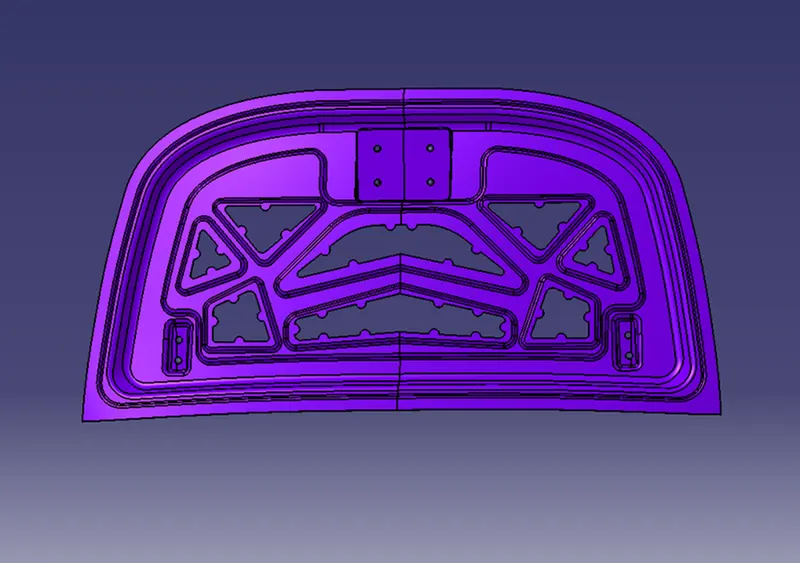
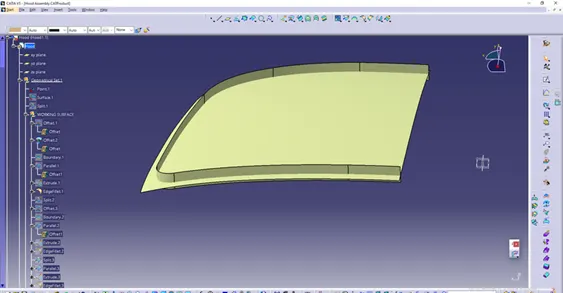
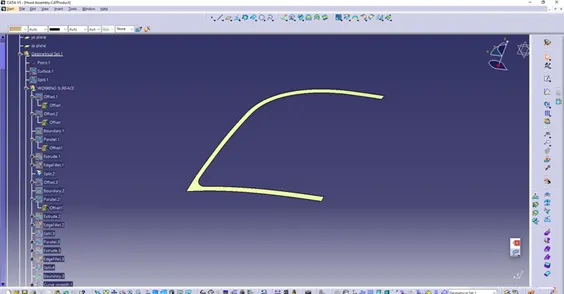
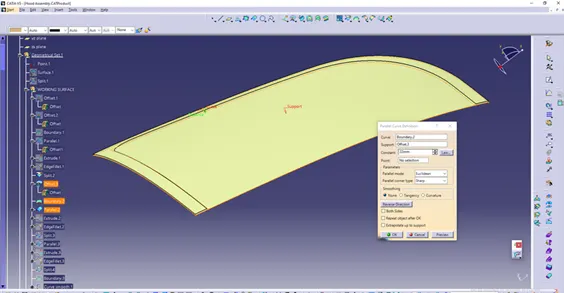
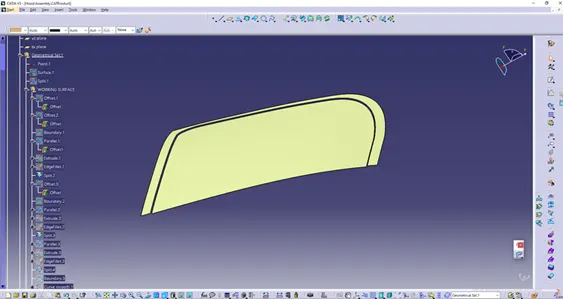
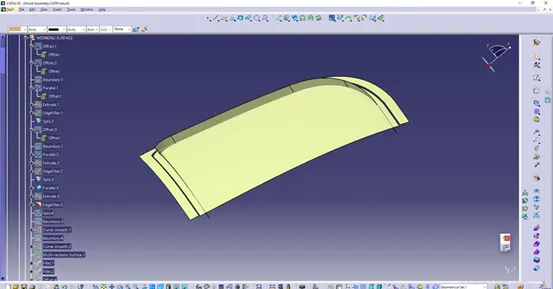
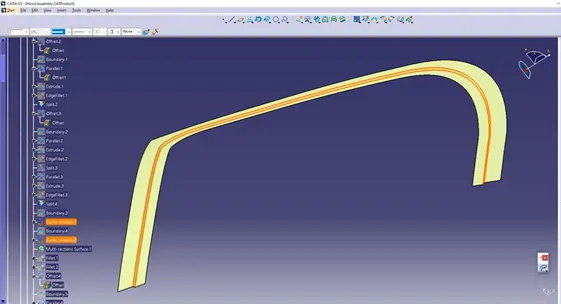
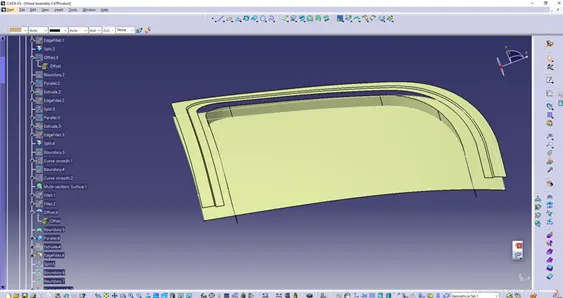
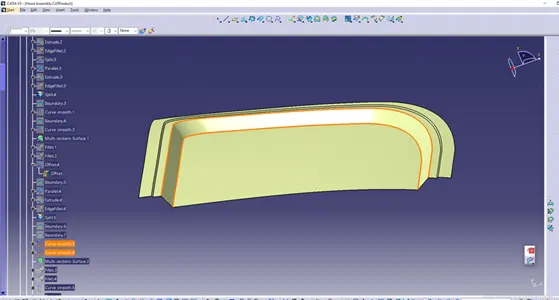
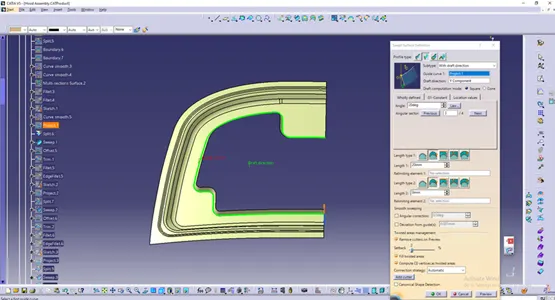
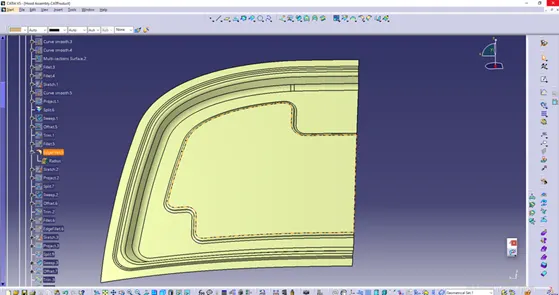
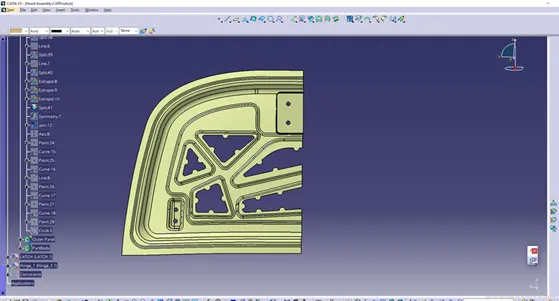
- Steps was followed to Creation of hood inner panel:-
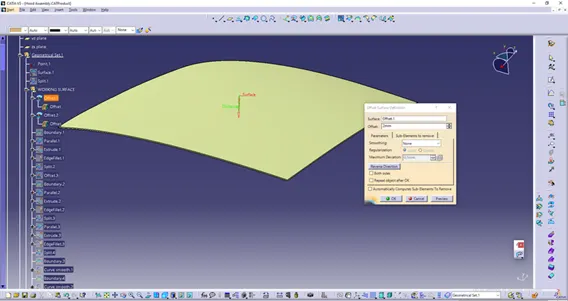
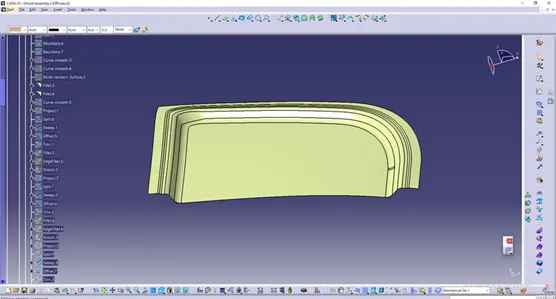
- Embossing:
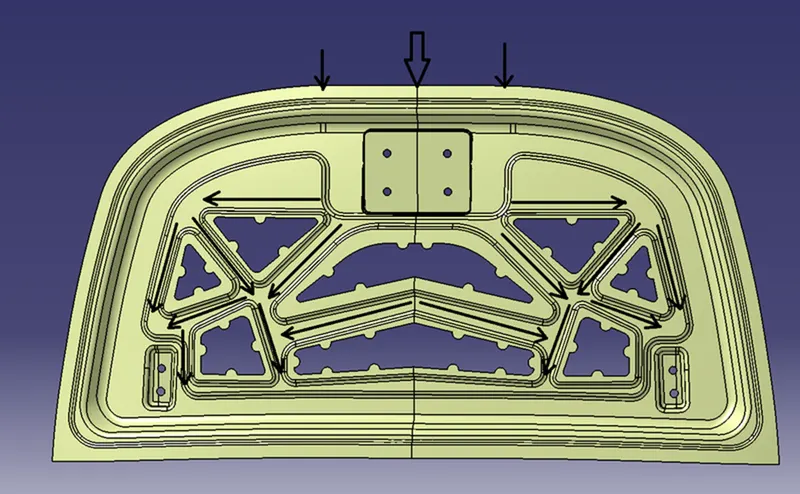
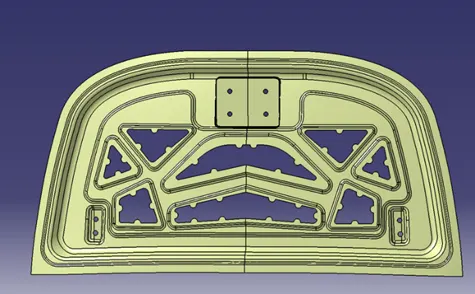
After performing the initial stages of design, we will provide local embosses to strengthen the component. The component will be strengthened based on the master section. When a force impacts the hood from the front, it travels in an upward direction. The component is designed to divert the force away from the passengers into the hinges.
The embossed channels were designed to direct the impaa force towards outside of the structure
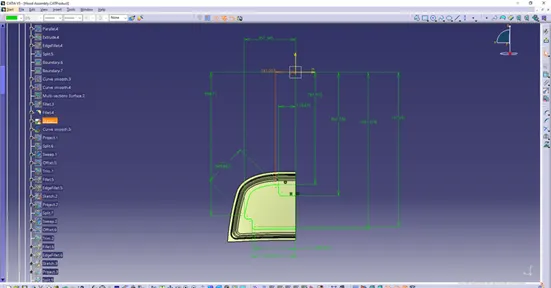
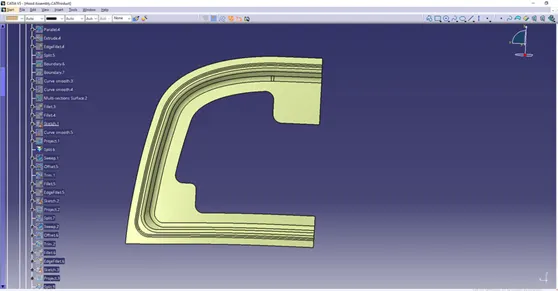
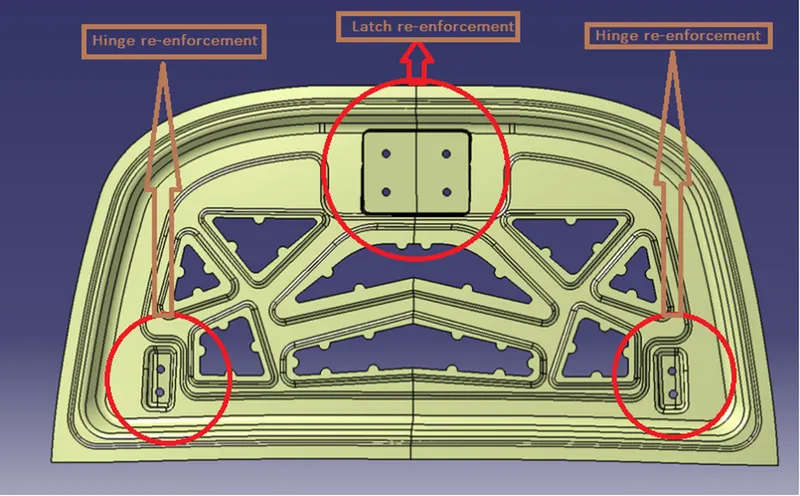
- Latch and hing re-enforcement:-
After the development of the entire inner panel for the hood, we need to develop some additional necessary re-enforcements. The Latch striker and the hinges will need a re-enforcement that needs to be developed.
Mastic data:-
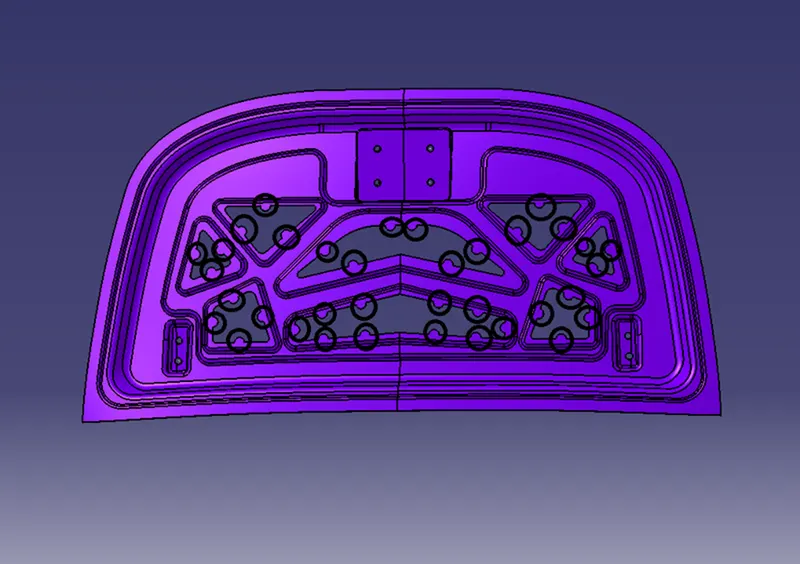
The Mastic data is an elastic compound that behaves like a rubber The mastic points are defined on the hood inner panel where the hood can easily deform. They help the hood outer panel to come back to its original shape after it gets deformed. The mastic has an influence area of 80mm
Positioning of Hinge and Striker:-
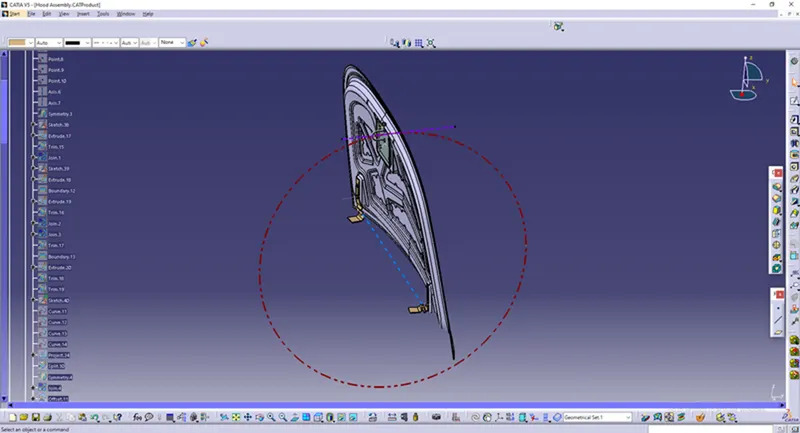
- Hinges help with the opening and closing of the hood as it constrains all other motions and allow the hood to only rotate in the hinge axis. This makes the positioning of hinges an important aspect in hood design Striker is the part of latch arrangement Striker is the part which actually locks the hood in closed position.
- The positioning of the latch is usually defined using the data from the parent car or by the design calculations The important point here is the relationship between striker point and hood trajectory.
- It is essential that the striker point is perpendicular to the hood trajectory for better fit and finish.
- The trajectory of the hood is traced by drawing a circle with radius equal to the distance between striker point and hinge axis centre The hinge axis centre is adjusted by tentatively placing the hinge assembly to meet the condition
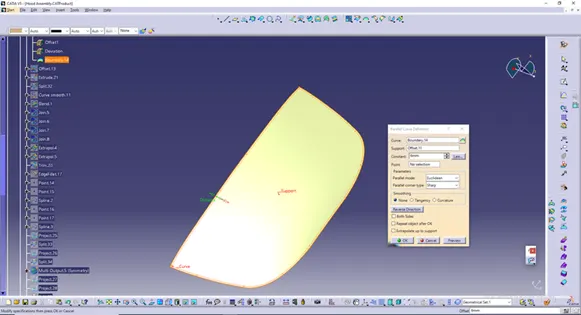
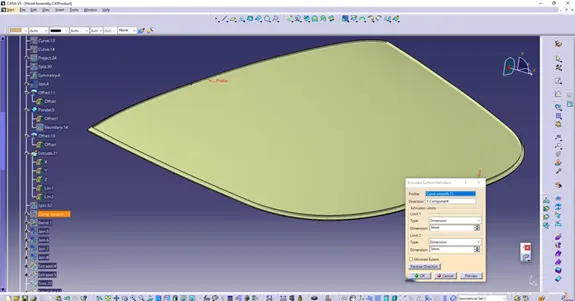
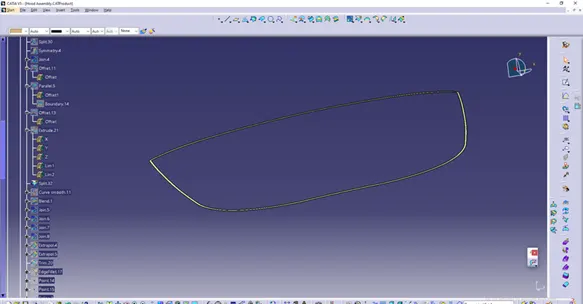
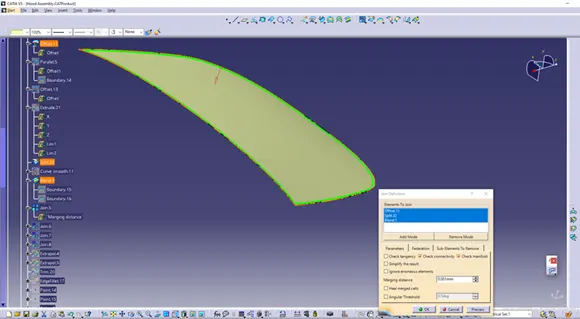
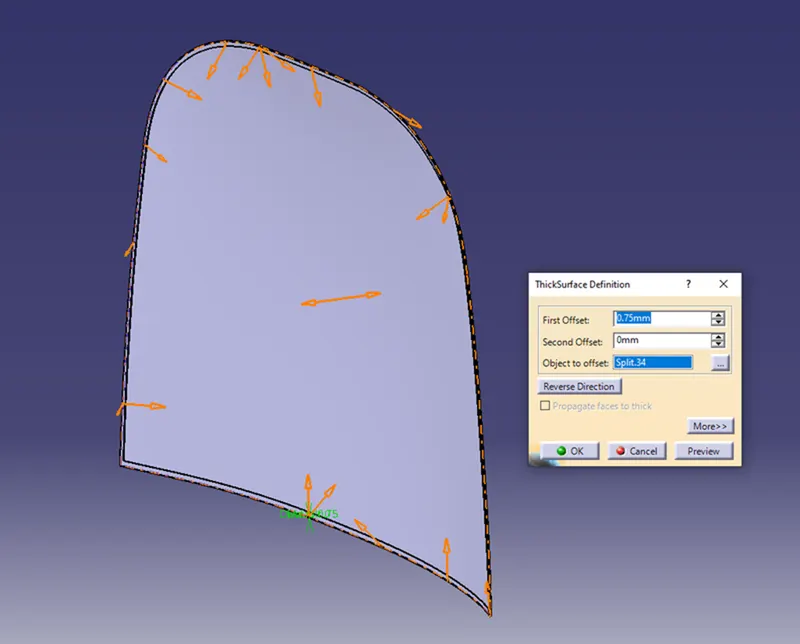
Hood Outer Panel with hem:-
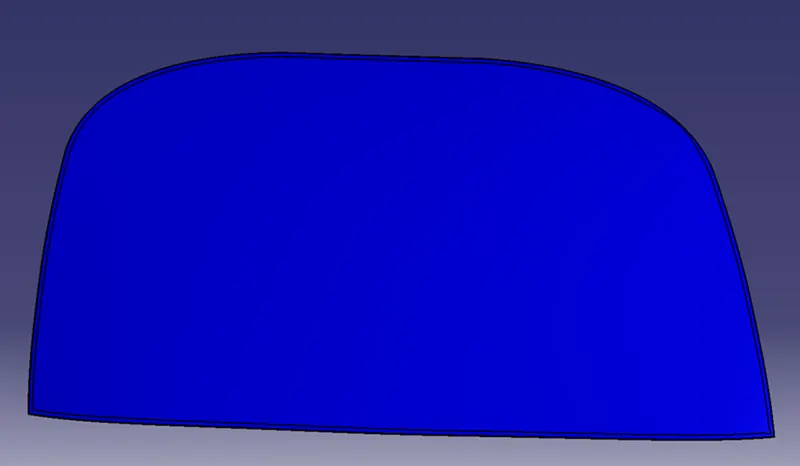
Final outer panel:-
Final inner panel:-
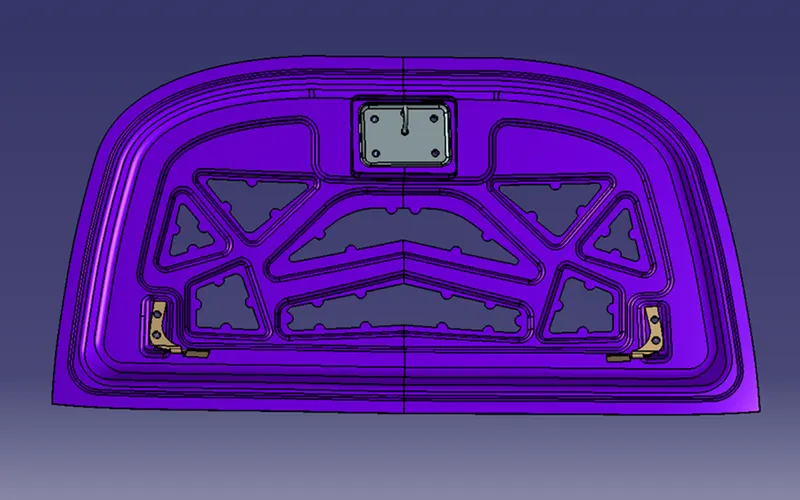
Assembly of latch, striker and hinge:-