Hood design-Week 2
Hood:
A car hood also known as bonnet, is the hinged cover that rests over the engine bay of a front-engine vehicle. The hood proctects the engine and connected parts from the elements while providing easy access for repairs and maintenance.
Latch Trajectory:
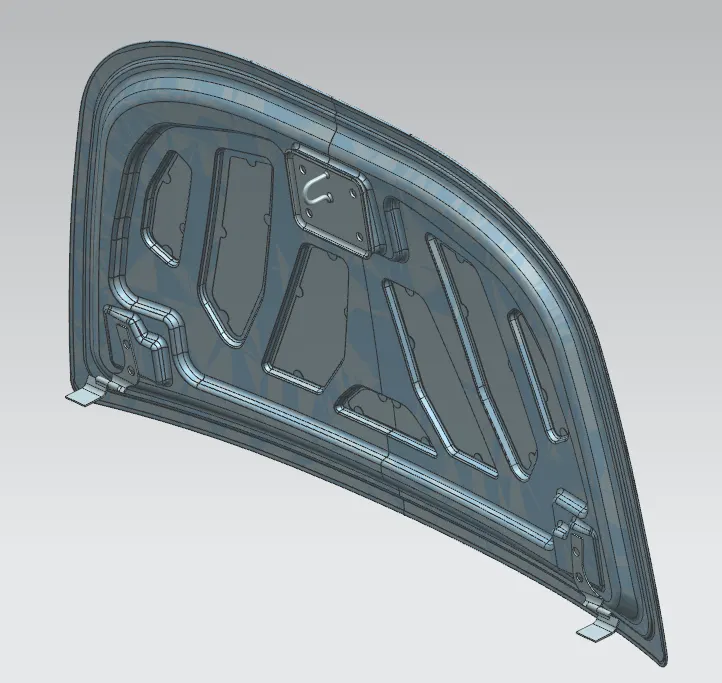
Latch trajectory is the path on which is followed by the hood during its opening and closing. Here the crcle represents the trajectory. The line drawn represents the Hinge axis about which the hood will open and close.
Mastic Points:
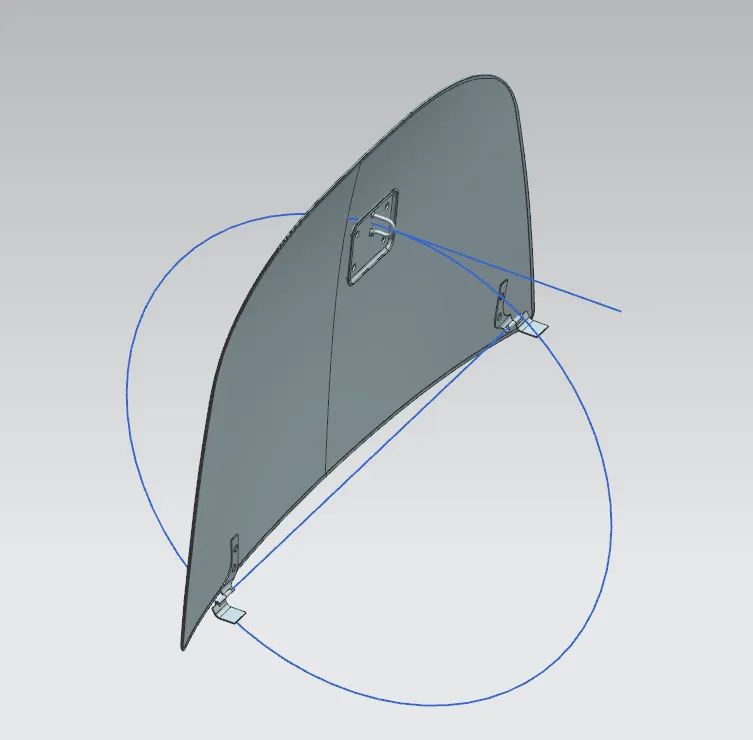
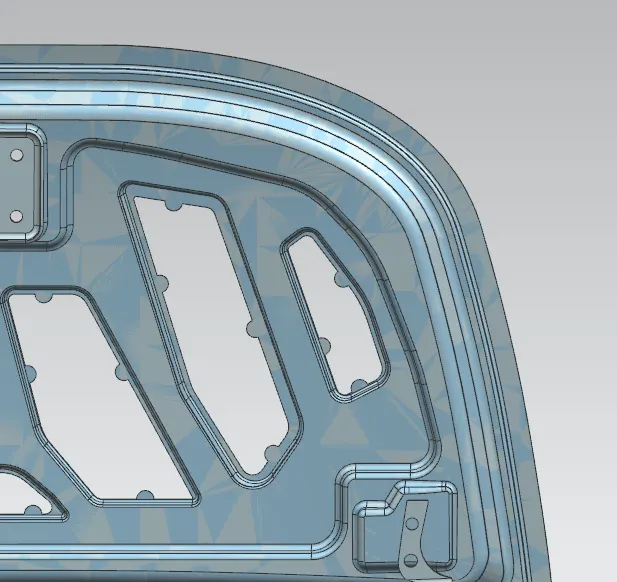
The mastic sealent points must be between inner and outer panel. Mastic sealents are used to join inner and outer panel as welding both panel will neglect the elegent look of outer panel. So the joining of both the panels is done by Hemming and Mastic sealent
.
Emboss:
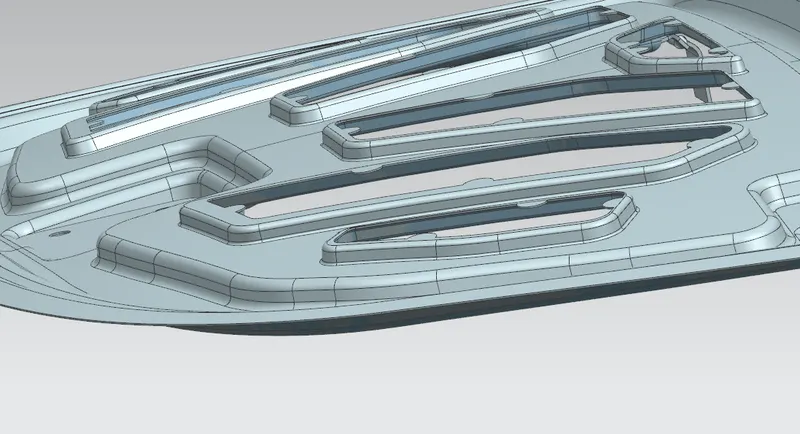
Sheet metal embossing is a stamping process for producing raised or sunken designs or relief in sheet metal. This process can be made by means of matched male and female roller dies, or by passingsheet or a strip of metal between rolls of the desired pattern.
Deep Drawing:
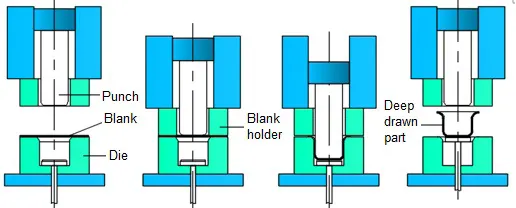
Deep drawing is a sheet metal forming process in wchich a sheet metal blank is radially drawn into a forming die by the mechanical action of a punch. It is thus a shape transformation process with material retention. The process is considered deep drawing when the depth of the drawn part exceeds its diameter.
Hemming:
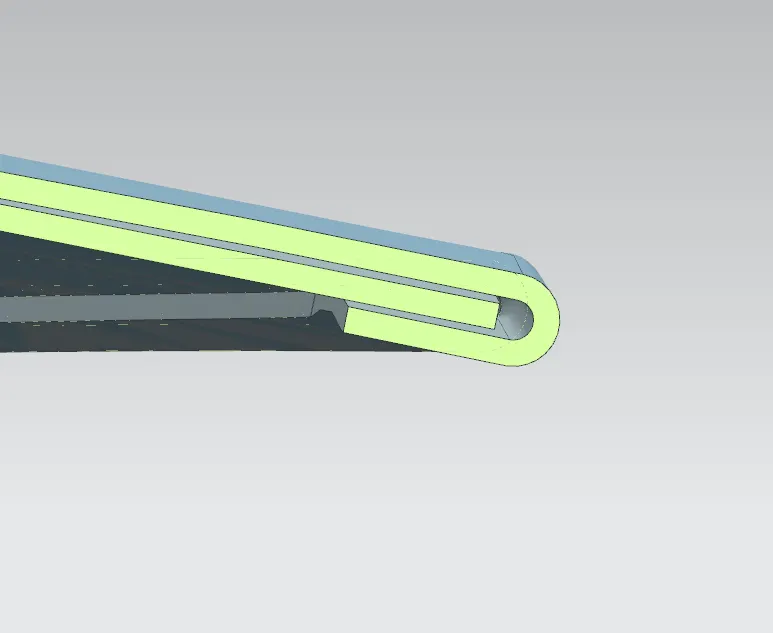
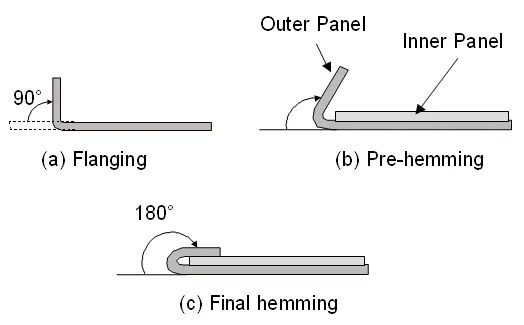
Hemming is a sheet metal forming process in which sheets are joined by bending it usually to 180^. Automotive body panels and automotive parts such as deck-lids, trunk-lids, doors, hoods and tailgates are formed by hemming process.