Fender Design Challenge
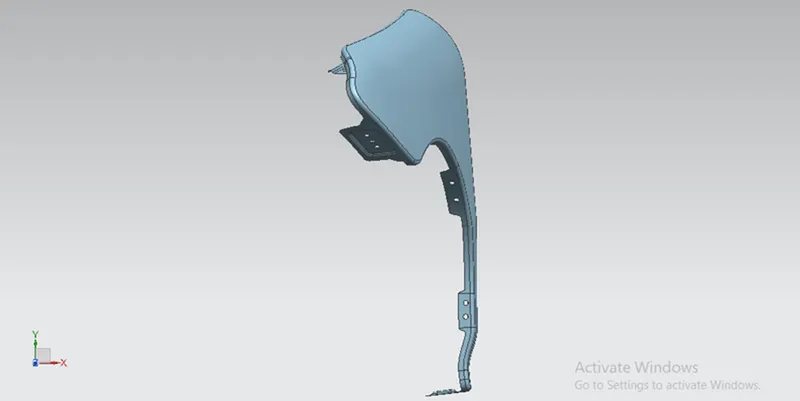
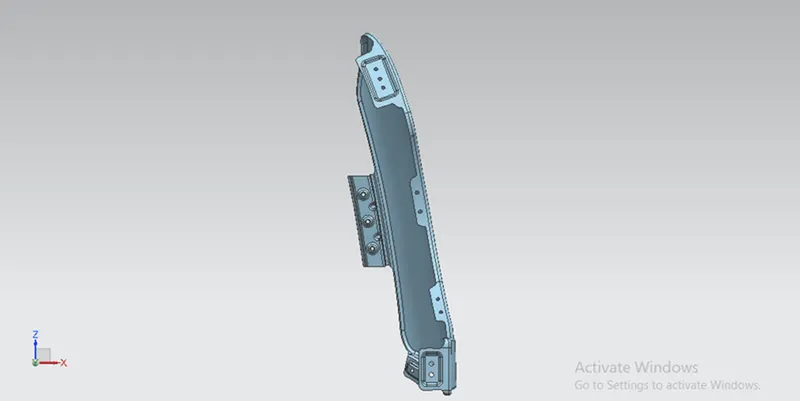
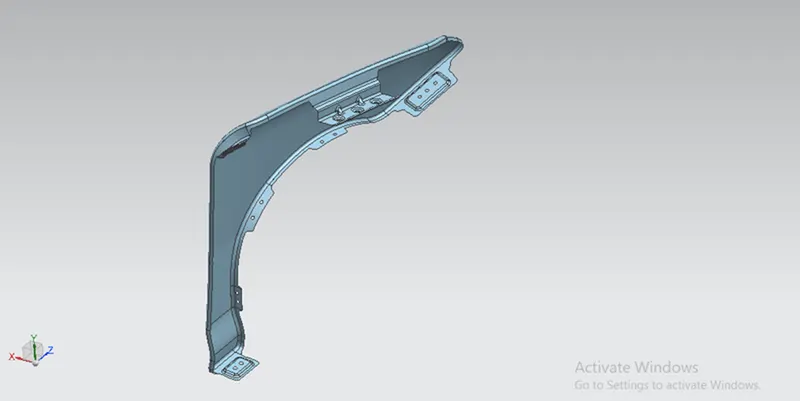
AIM: TO DESIGN FRONT FENDER AND THE NECESSARY MOUNTINGS BY FOLLOWING MASTER SECTION WITH DESIGN PARAMETERS.
INTRODUCTION:
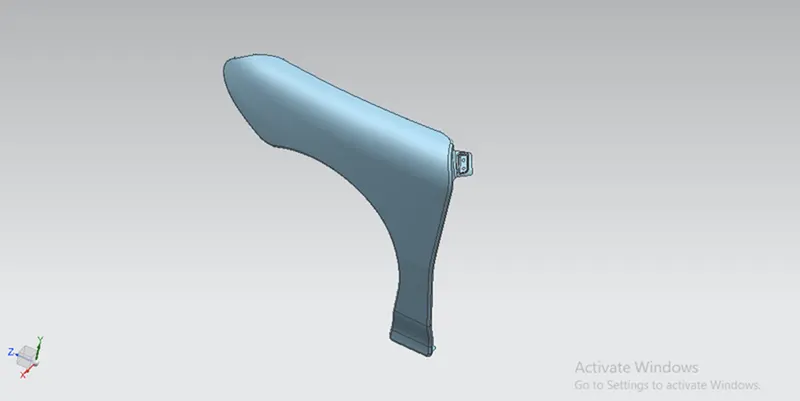
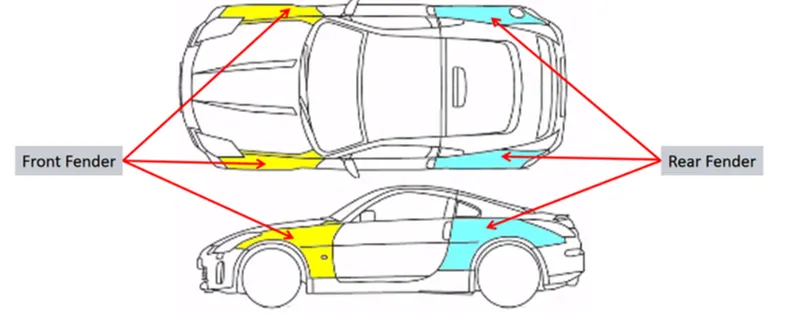
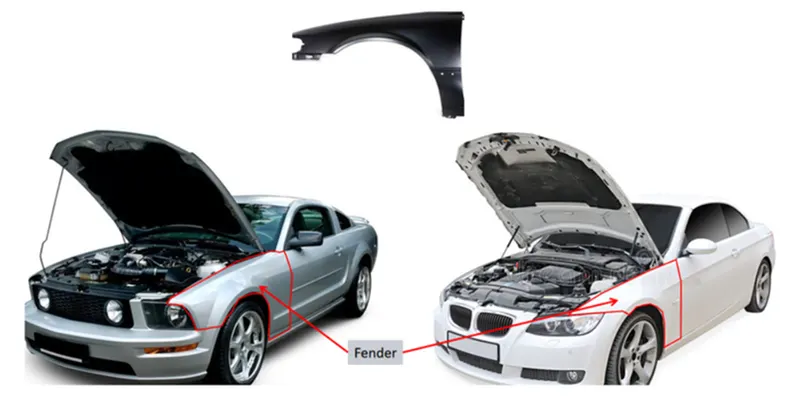
Fender is the American English term for the part of an automobile, motorcycle or other vehicle body that frames a wheel well (the fender underside). Its primary purpose is to prevent sand, mud, rocks, liquids, and other road spray from being thrown into the air by the rotating tire. Fenders are typically rigid and can be damaged by contact with the road surface.
Sticky materials, such as mud, may adhere to the smooth outer tire surface, while smooth loose objects, such as stones, can become temporarily embedded in the tread grooves as the tire rolls over the ground. These materials can be ejected from the surface of the tire at high velocity as the tire imparts kinetic energy to the attached objects. For a vehicle moving forward, the top of the tire is rotating upward and forward, and can throw objects into the air at other vehicles or pedestrians in front of the vehicle.
The fender is located over the wheels of the vehicle. As such, there are four fenders on a typical vehicle: front right, front left, rear right and rear left.
MOUNTING LOCATIONS:
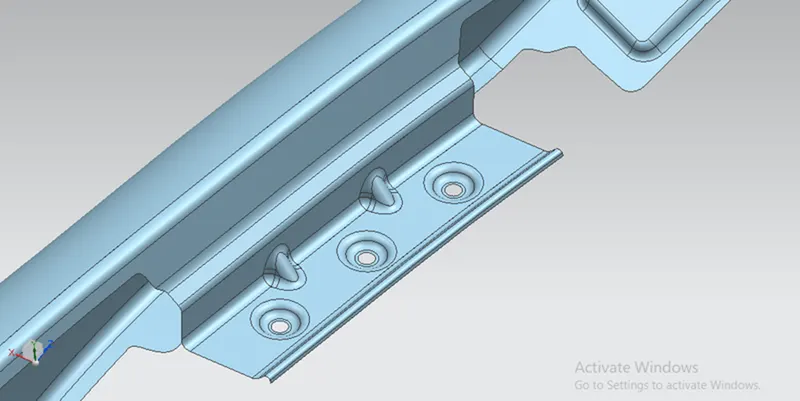
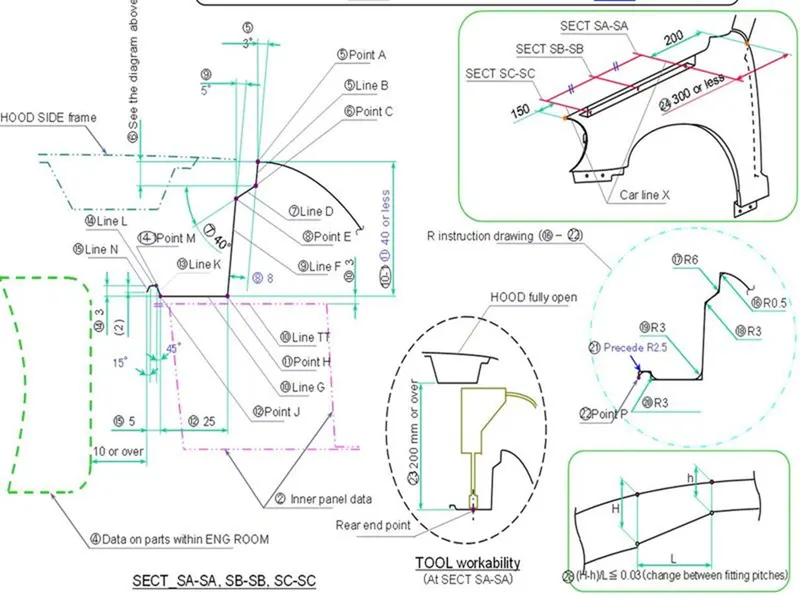
1) DRIP AREA: It is the area through which fender is attached to engine housing through fasteners. There should be some consideration followed to design the drip area of fender. From back side of front fender, there will be 200mm clearance for cowl(wiper motor) mounting area.
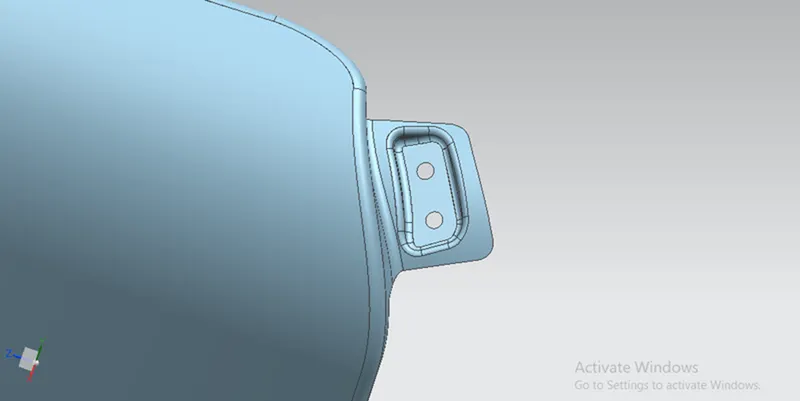
2) A PILLAR AREA: “pillars” refer to roof pillars, and they're lettered front to back. A-Pillars straddle the windshield.
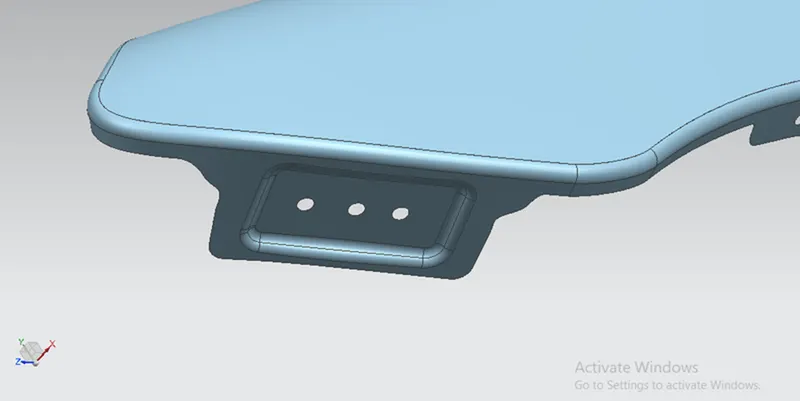
3) BUMPER AREA:
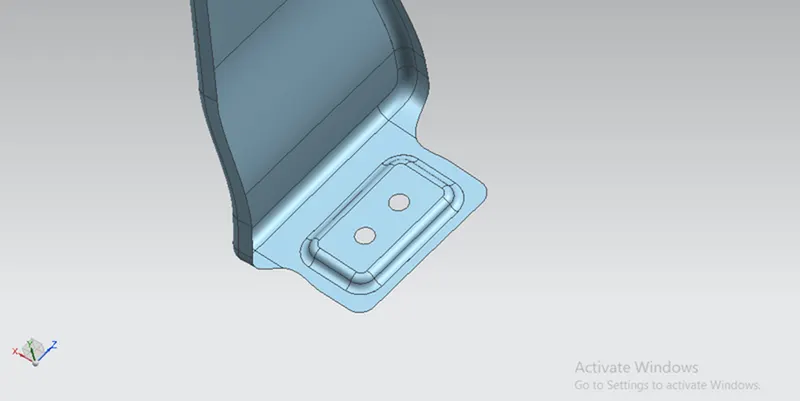
4) SILL AREA:
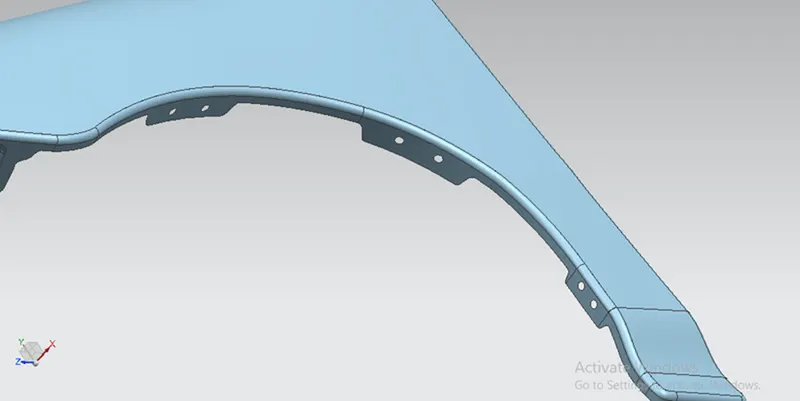
5) BAFFLE AREA:
MANUFACTURING PROCESSES:
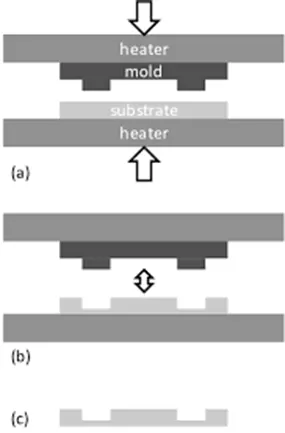
1] EMBOSSING: Sheet metal embossing is a stamping process for producing raised or sunken designs or relief in sheet metal. This process can be made by means of matched male and female roller dies, or by passing sheet or a strip of metal between rolls of the desired pattern.
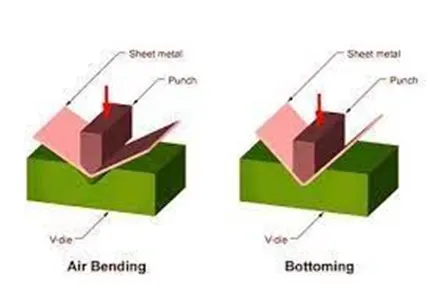
2] BENDING: Bending is a manufacturing process that produces a V-shape, U-shape, or channel shape along a straight axis in ductile materials, most commonly sheet metal. Commonly used equipment include box and pan brakes, brake presses, and other specialized machine presses.
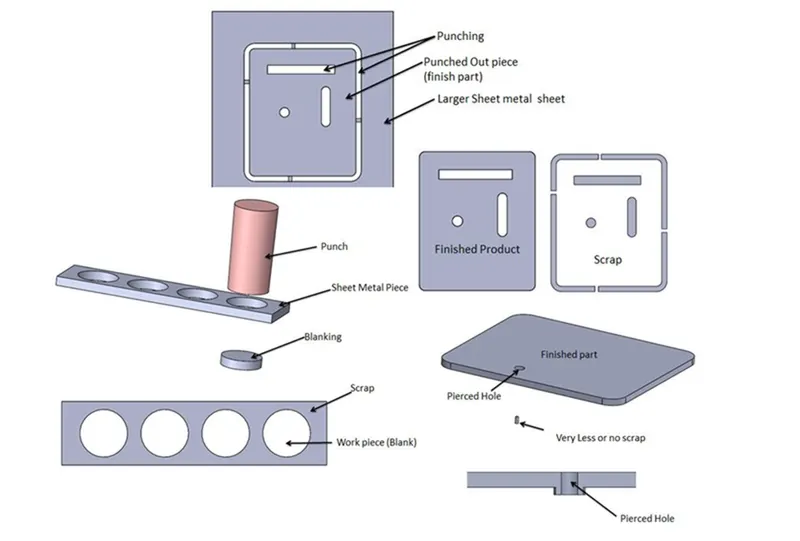
3] CUTTING AND BLANKING: Blanking is a cutting process in which a piece of sheet metal is removed from a larger piece of stock by applying a great enough shearing force. In this process, the piece removed, called the blank, is not scrap but rather the desired part.
FENDER MEASUREMENTS:
FINAL FENDER IMAGES: