Fender Design Challenge
DESIGN OF FENDER MOUNTINGS
Fender - Introduction:
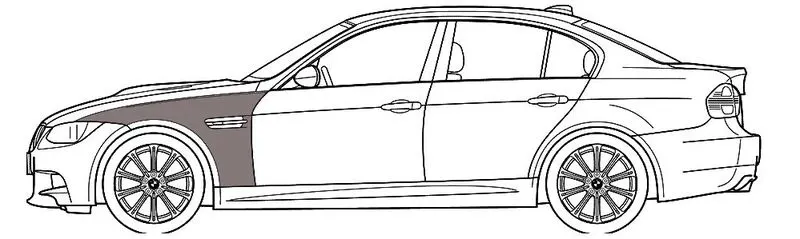
A fender is a car component, which is used to protect the engine compartment and objects from driving, it is the body part above the front wheels of the car. The fender covers the wheel to prevent damage to the car body due to rocks thrown at the body by the tires. The fender also is designed to provide safety to the pedestrian. Fender is one of the styling components which is exposed to the customer front which cannot be welded. Most of the assembling jointing is done using fasteners, retainer clips, and proper fitting.
Types of Bumper:
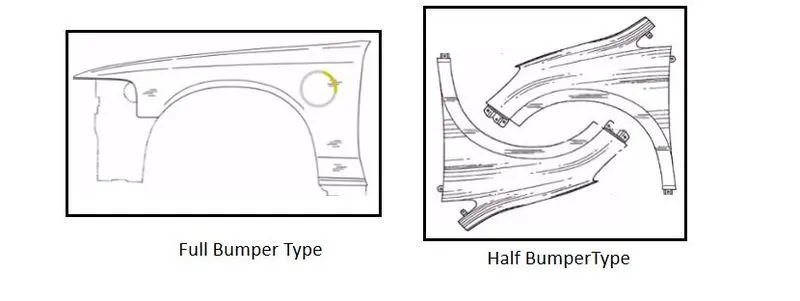
- Full Bumper Type
- Half Bumper Type
Full Bumper Type:
This type of bumper is not commonly used because this design is more scrap producing one during manufacturing. The blank of steel or aluminum used to produce this type has more wastage. This type is not economically good to manufacture. Also it increases the material cost unavoidably. If we use full bumper type the material has to be either aluminum or steel, since these matenals were generally used for fenders. This extension of material usage in bumpers might increase the proportion of weight and consequently reduce the performance of vehicle. Nowadays plastic material components are in use for bumper making. Plastics have high tendency in absorbing the shock and impact loads. And being light in weight it is easy to mount them on chassis.
Half Bumper Type:
This is the most commonly used typed of fender. The con's of full bumper type is satisfied in this design, and the blank area of wastage while producing the part is drastically reduced by scrap management. In this type by slightly increasing the blank size 50% of wastage is reduced by making two fenders on a same single blank of steel or aluminum. Also this design provides space for using plastic components in the bumper. Thus facilitating way for reducing a high proportion of weight and increase the vehicle's performances significantly.
Mounting:
There are 5 mounting points in a fender.
1. Drip Mounting
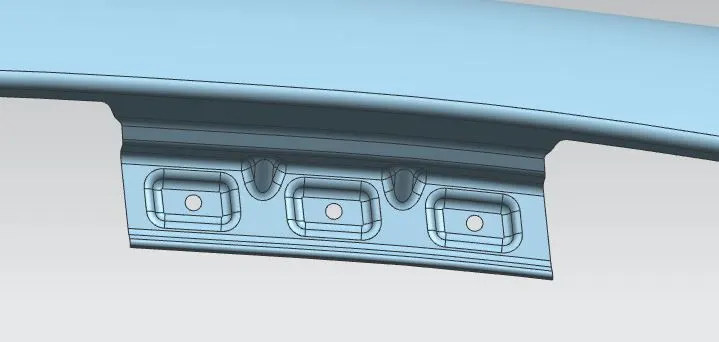
2. A Pillar Mounting
3. Sill Mounting
4. Bumper Mounting
5. Baffle Mounting
Master Section:
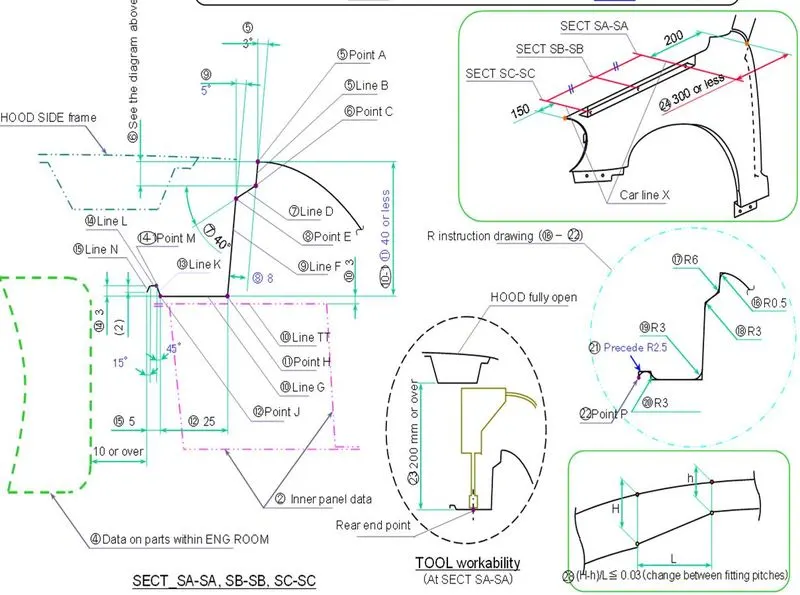
This master section is used to create drip area and rest of the mounting points should be created as per the design requirements.
Drip Mounting:
A Pillar Mounting:
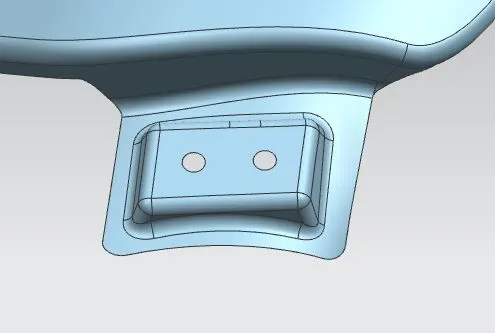
Sill Mounting:
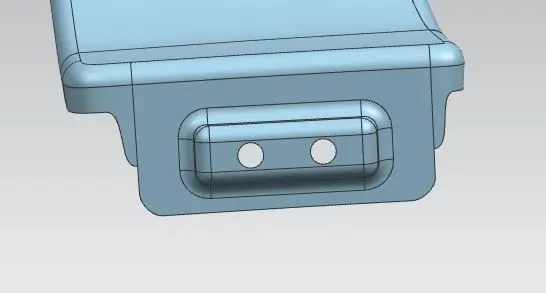
Bumper Mounting:
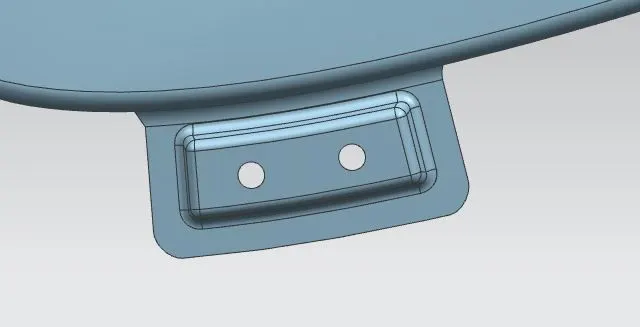
Baffle Mounting:
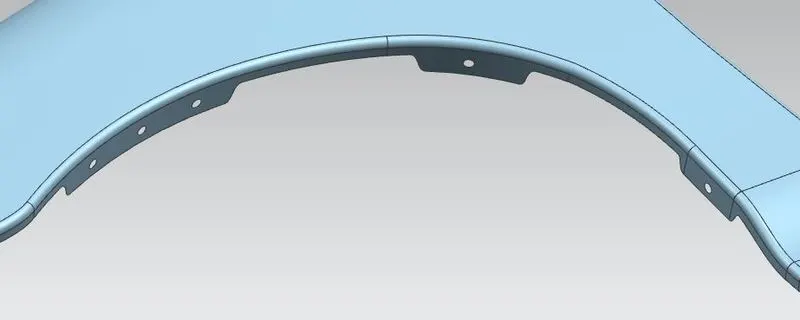
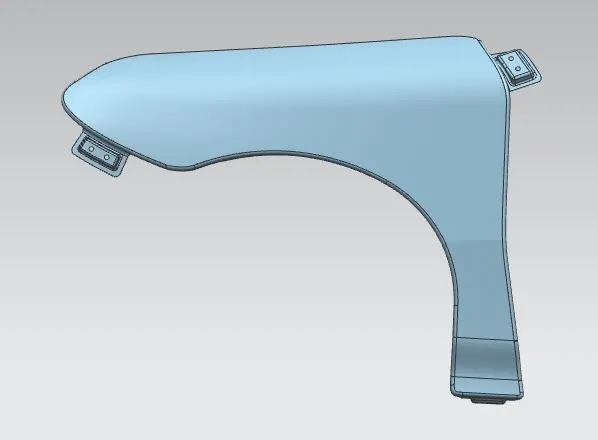
Front View:
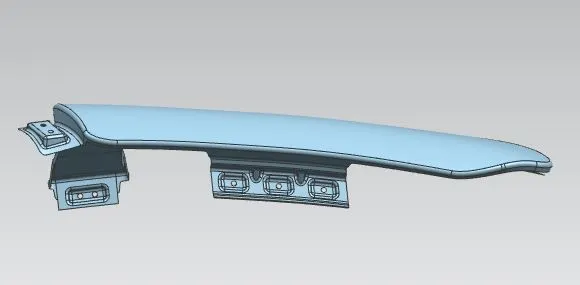
Top View:
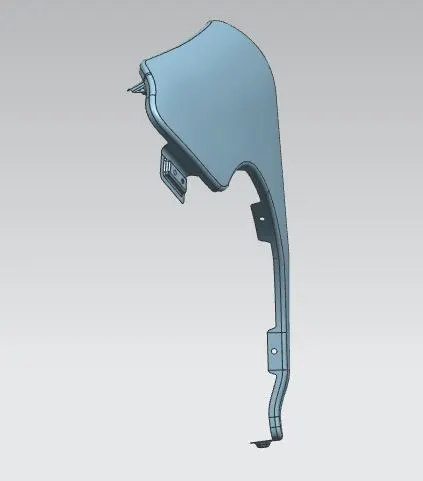
Side View:
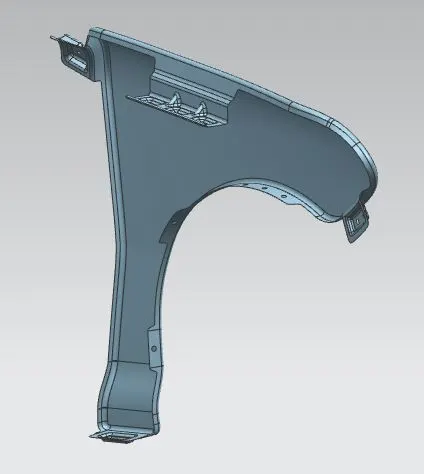
Isometric View:
Manufacturing Process:
Fender is manufactured in different stages according to the complicity of the part. Usually the stamping process included are Deep Drawing, Bending, Punching and Trimming.
Deep Drawing:
Deep drawing is a sheet metal forming process in which a sheet metal blank is radially drawn into a forming die by the mechanical action of a punch.
Bending:
It is a process by which metal can be deformed when applying force to the subject, which causes it to bend at an angle and form the anticipated shape, which often results in it being in a V or a 'U' shape.
Punching:
Punching is a machining process that involves the removal of scrap metal from a sheet of raw metal. It requires the use of a punch press to compress a tool through a sheet of raw metal.
Trimming:
Trimming basically presses a part through a cutting die that runs the periphery of the work. The cutting die are precisely designed to remove the flash from a particular part.
Conclusion:
Thus the mountings on the fender are designed as per the given design parameters using the master sketch.