Fender Design
FENDER DESIGN WORKBENCH
Objectives: The objective of the project is to learn the essential things of surface modelling of FENDER DESIGN using the Class-A Surface. In this project the main thing is to develop a design idea for the fender. It’s a sheet metal component so by keeping in mind all engineering constraints the model will be designed. DRIP areas are the B-side features so by considering all the sheet metal defects norms the part is going to be created. This starts with the TOOLING AXIS creation from the Class-A surface.
FENDER:-
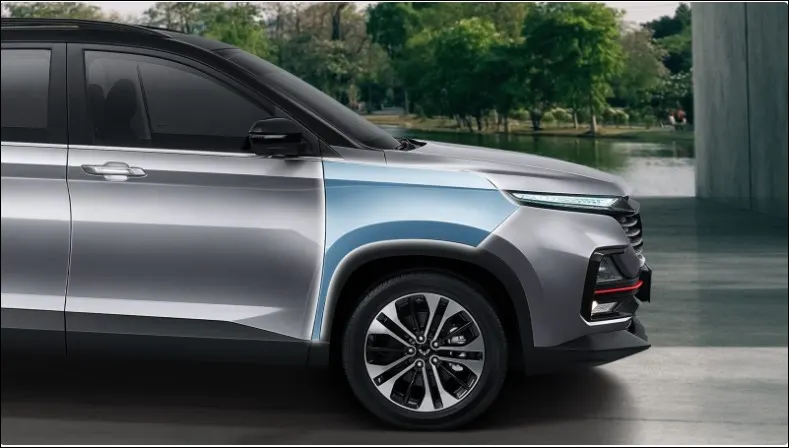
A fender is a part in the automobile that is usually placed above the wheels and below the hood. A fender connects to the hood through the drip area and the body of the vehicle through the sill mounting area and to the A-Pillar through the cowl area. The main function of car fenders is to protect tires and braking systems from mud or other impurities so that they are safer and more efficient. Fenders also help prevent mud, dirt, dust particles and other liquids from being thrown into the air when the tires are rolling. This component is installed as well as part of the car frame, and is available in various models and sizes. Curved shape, located right near the wheel.
Many drivers are still confused in distinguishing fenders and bumpers. In fact, there are also those who call the two components the same. In fact, the bumper itself is not on the side of the vehicle wheels. Bumper only in front and rear of the car’s body that serves to anticipate small collisions. Meanwhile, fenders not only function as a safety net, but can also be used as accessories, so that the appearance of the vehicle is even more attractive. In addition, this component is also useful for anticipating mud splashes so as not to hit other road users.
Fenders are useful as wheel protectors from unexpected things that could happen on the road. This also applies to protecting pedestrians and other road users. The debris that comes from the street can potentially cause discomfort to others. A fender is manufactured based on the road conditions in each country. Every country has their own standards that the manufacturer needs to follow. It also covers the inner parts of the car to make it aesthetically beautiful. The most important and crucial part of a fender is its drip area. The angles and distances need to be maintained for perfect mounting.
For example: - rocks, mud, or other liquids so they don't get thrown into the air. The debris will be stuck when the wheels are moving. As a result, driving becomes more comfortable and does not disturb other road users. It is distributed in two different types FULL BUMPER TYPE FENDER and HALF BUMPER TYPE FENDER.
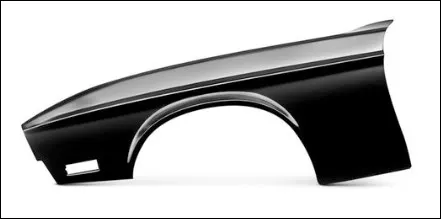
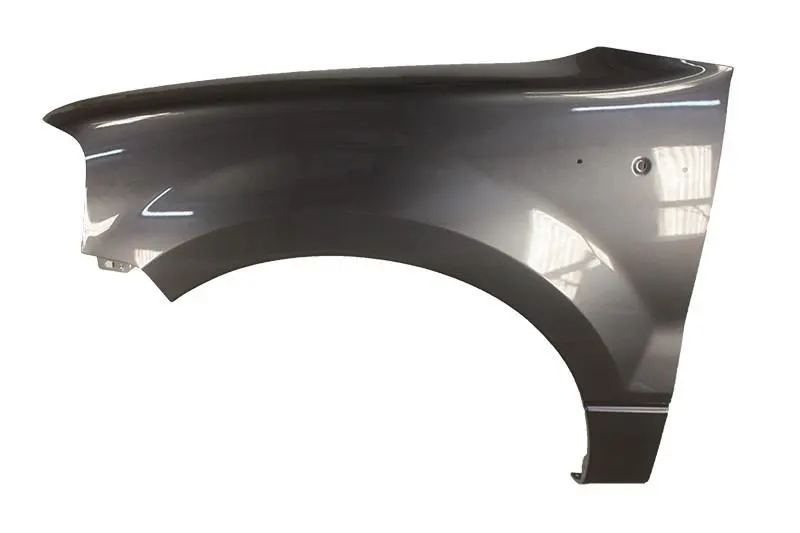
INPUT STANDARD DATA
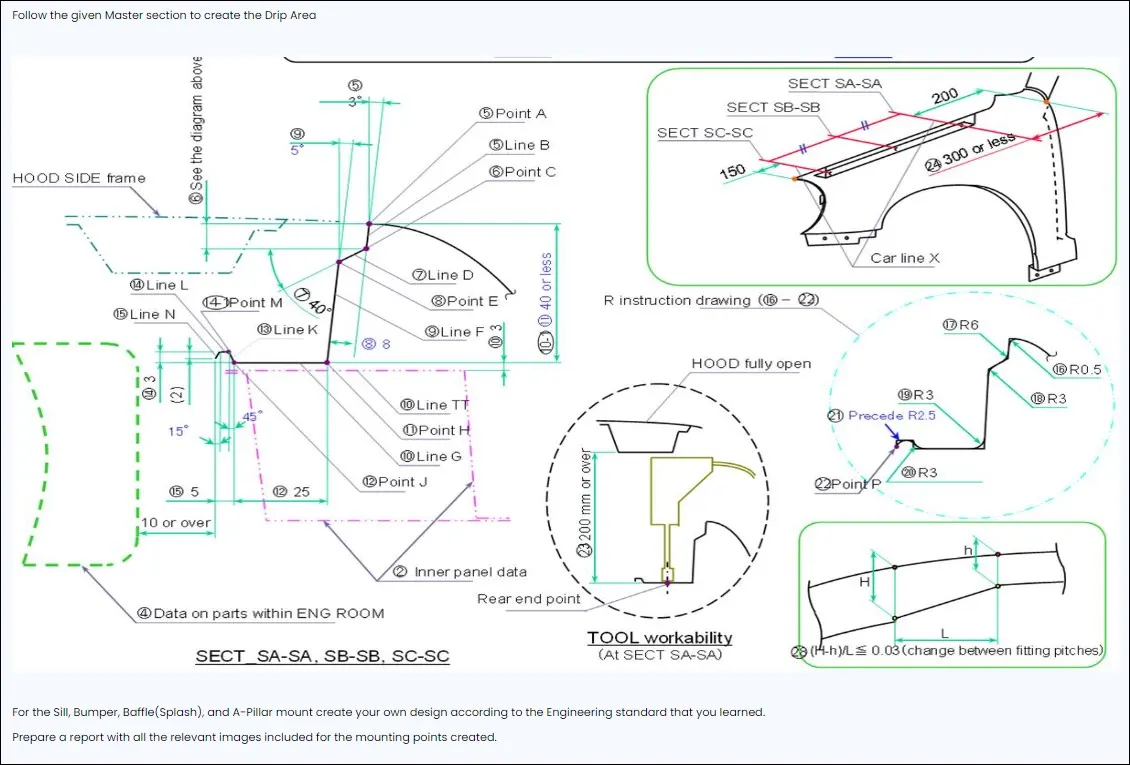
Through this standard data the fender and B-side features is going to be design.
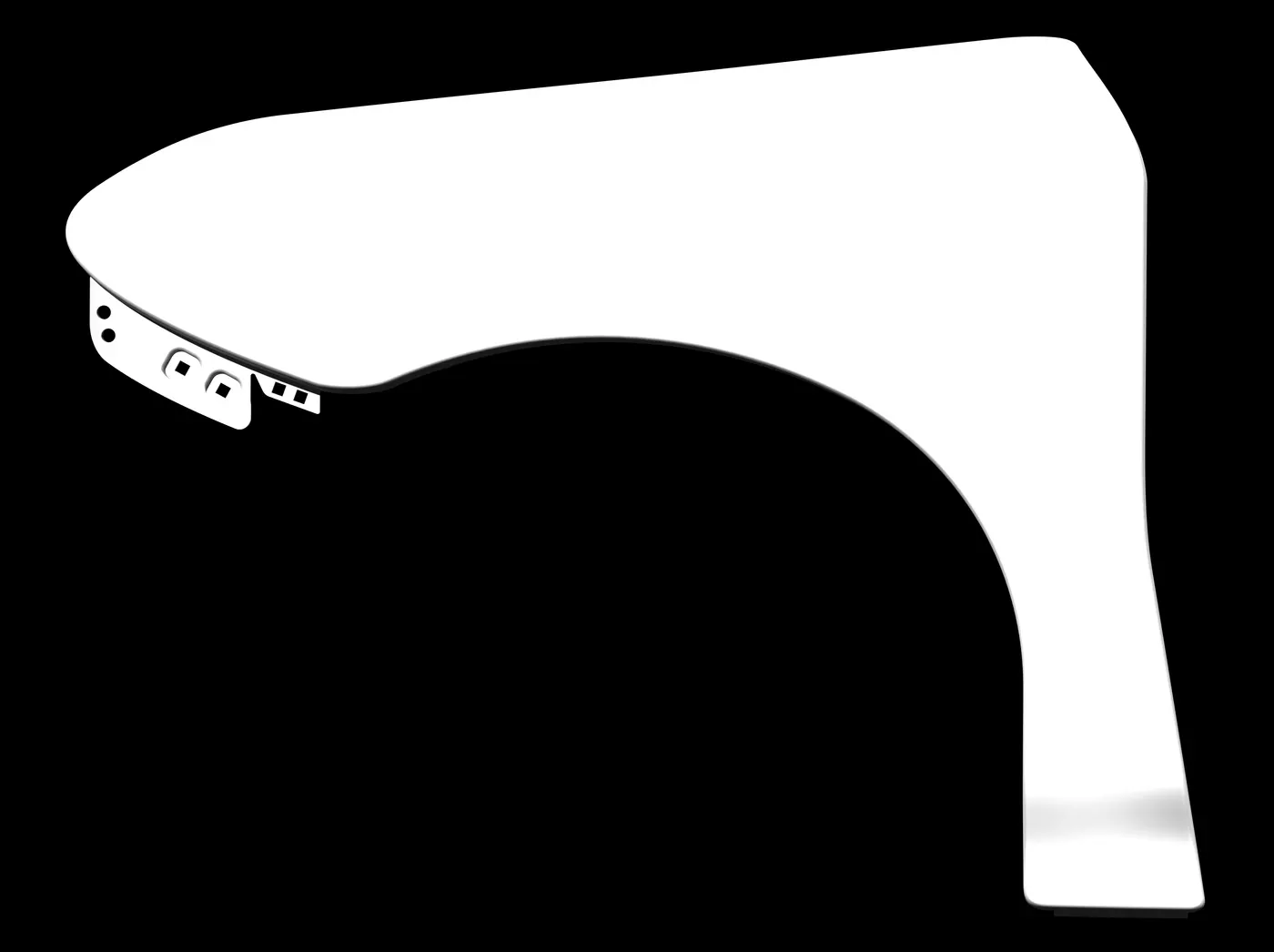
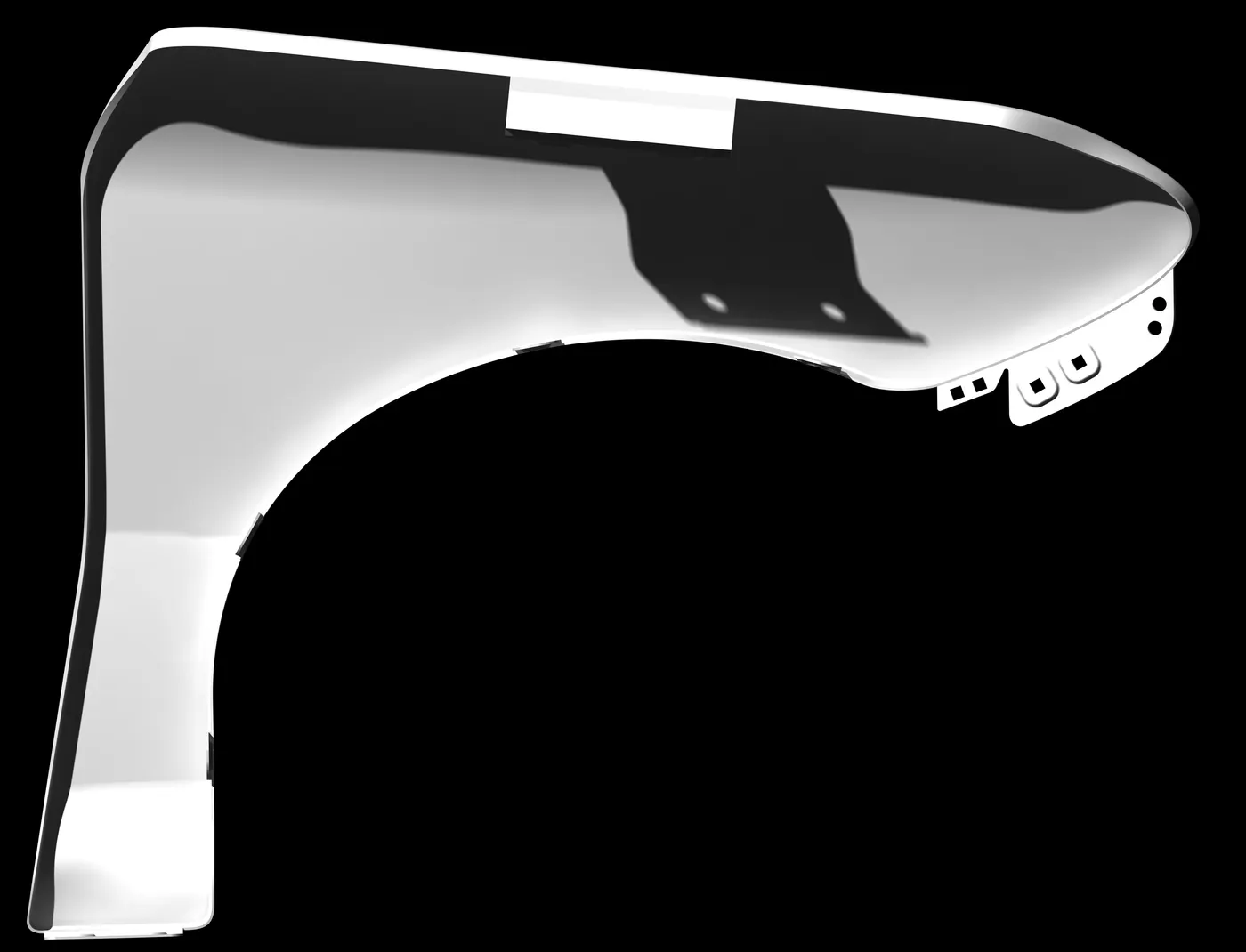
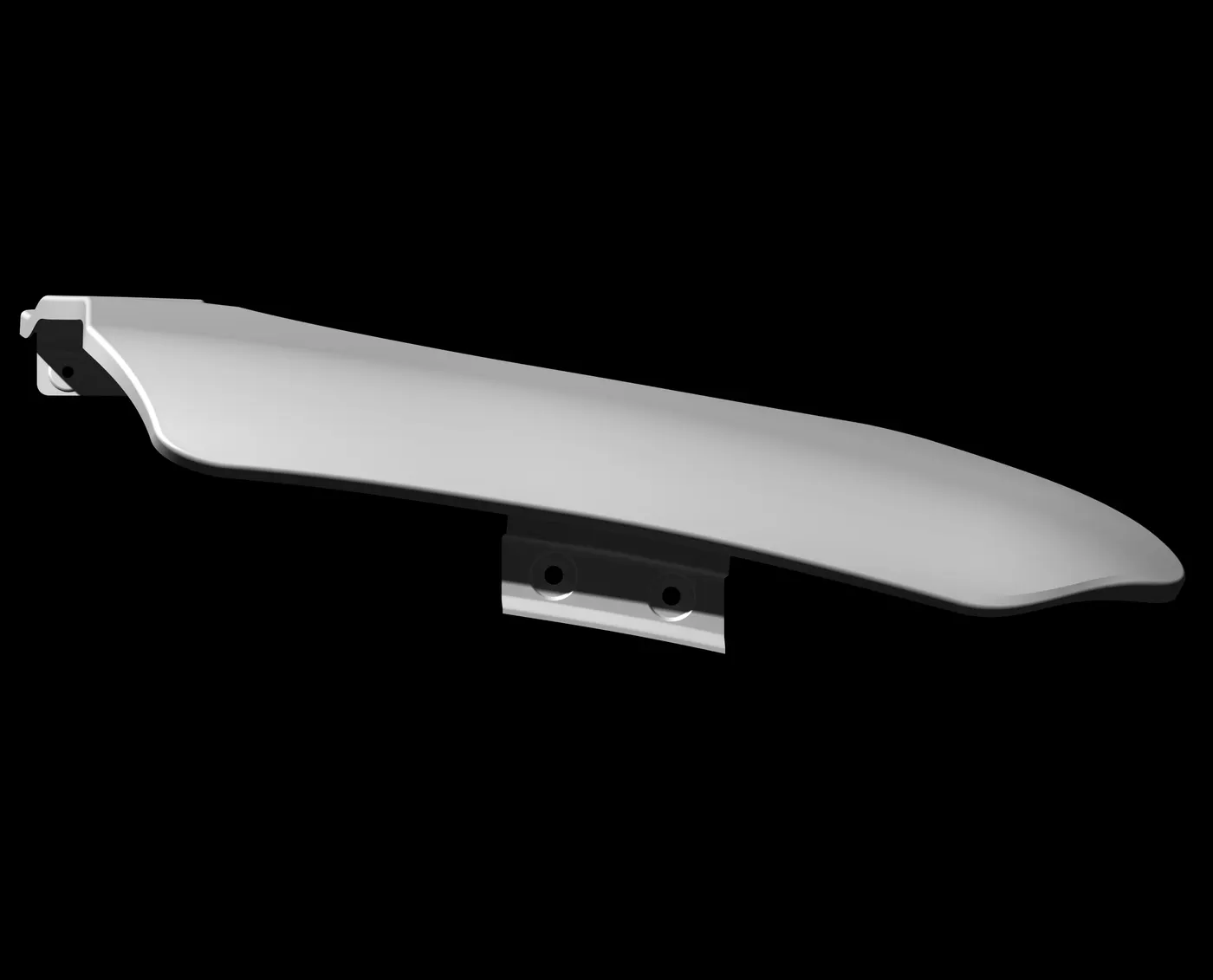
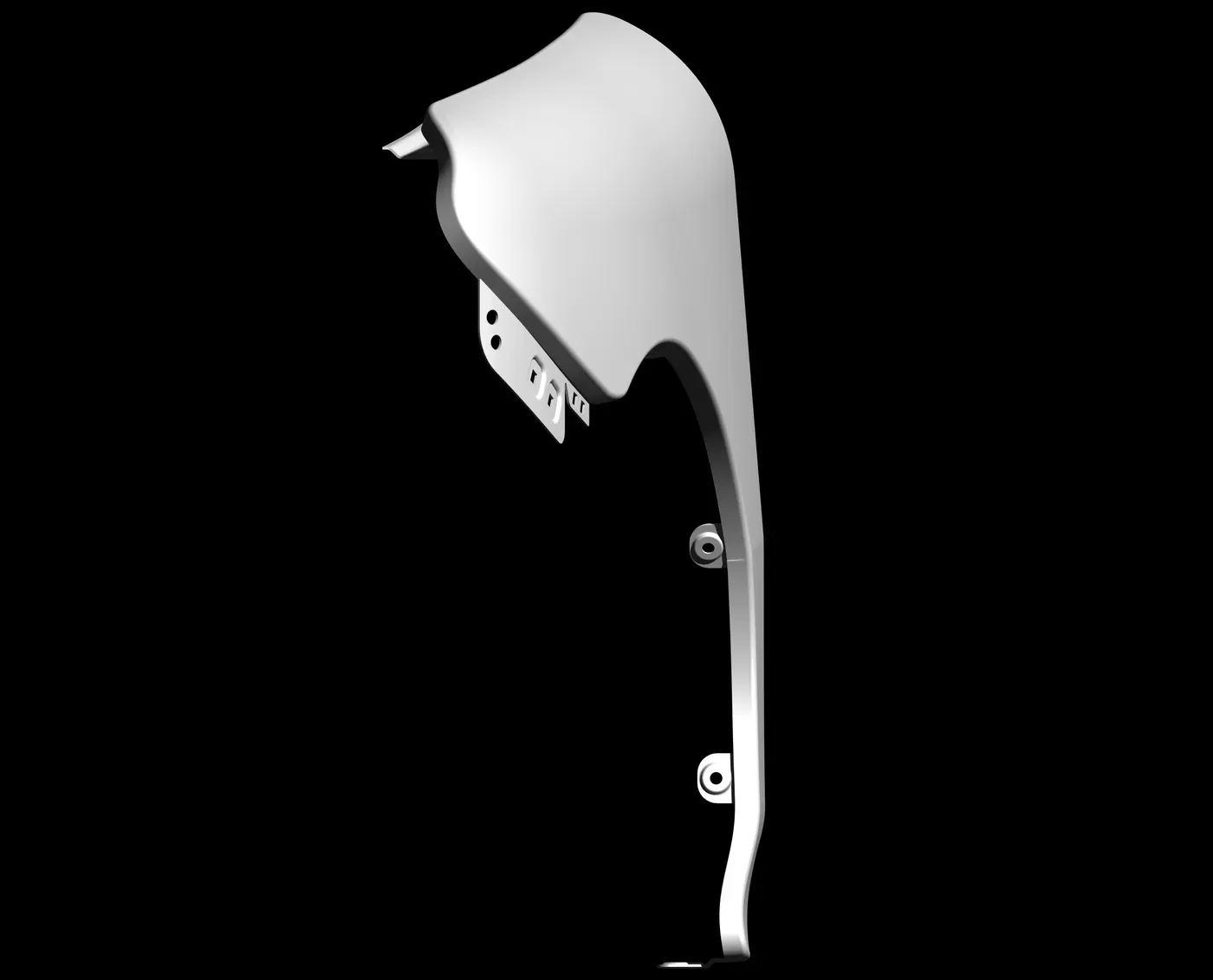
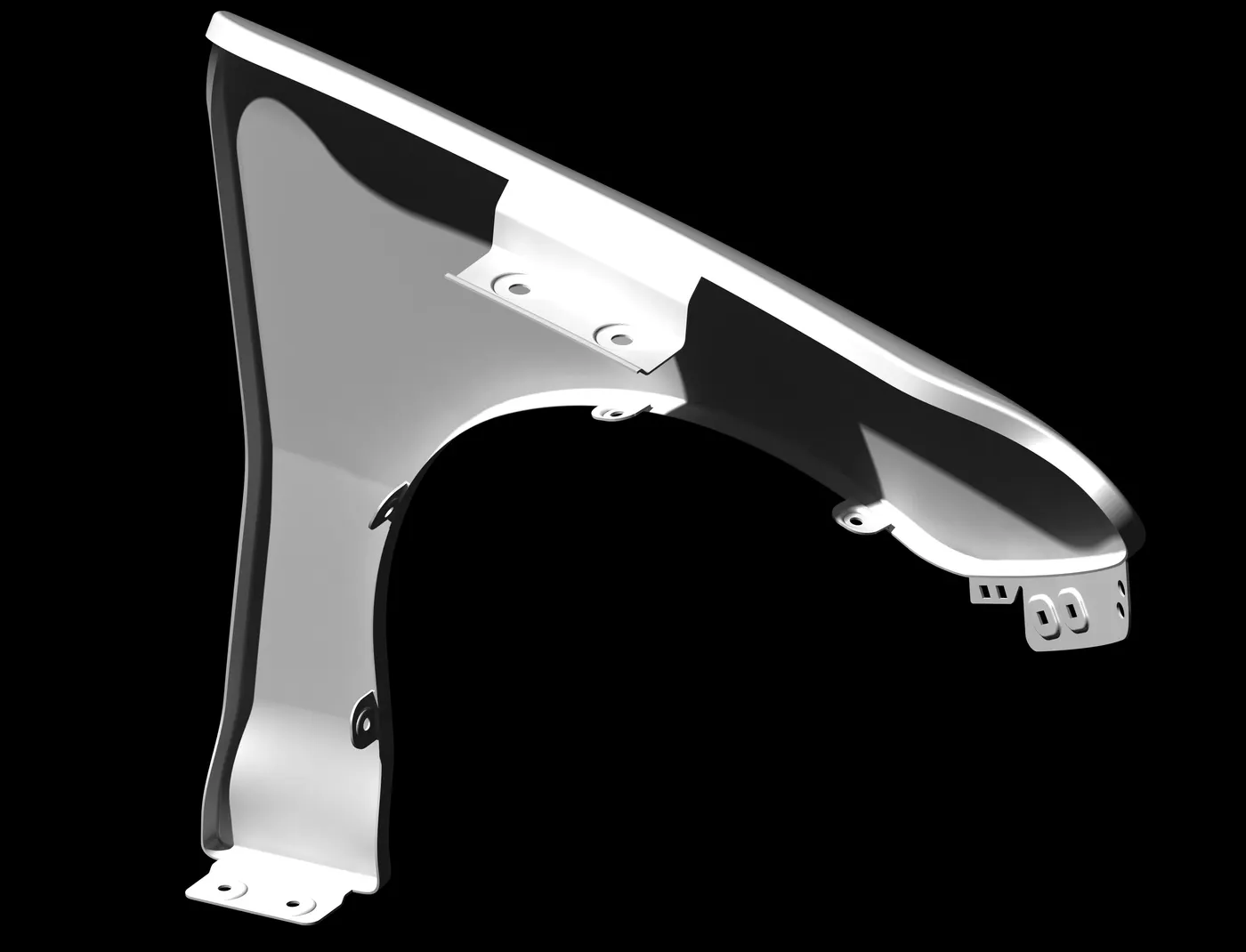
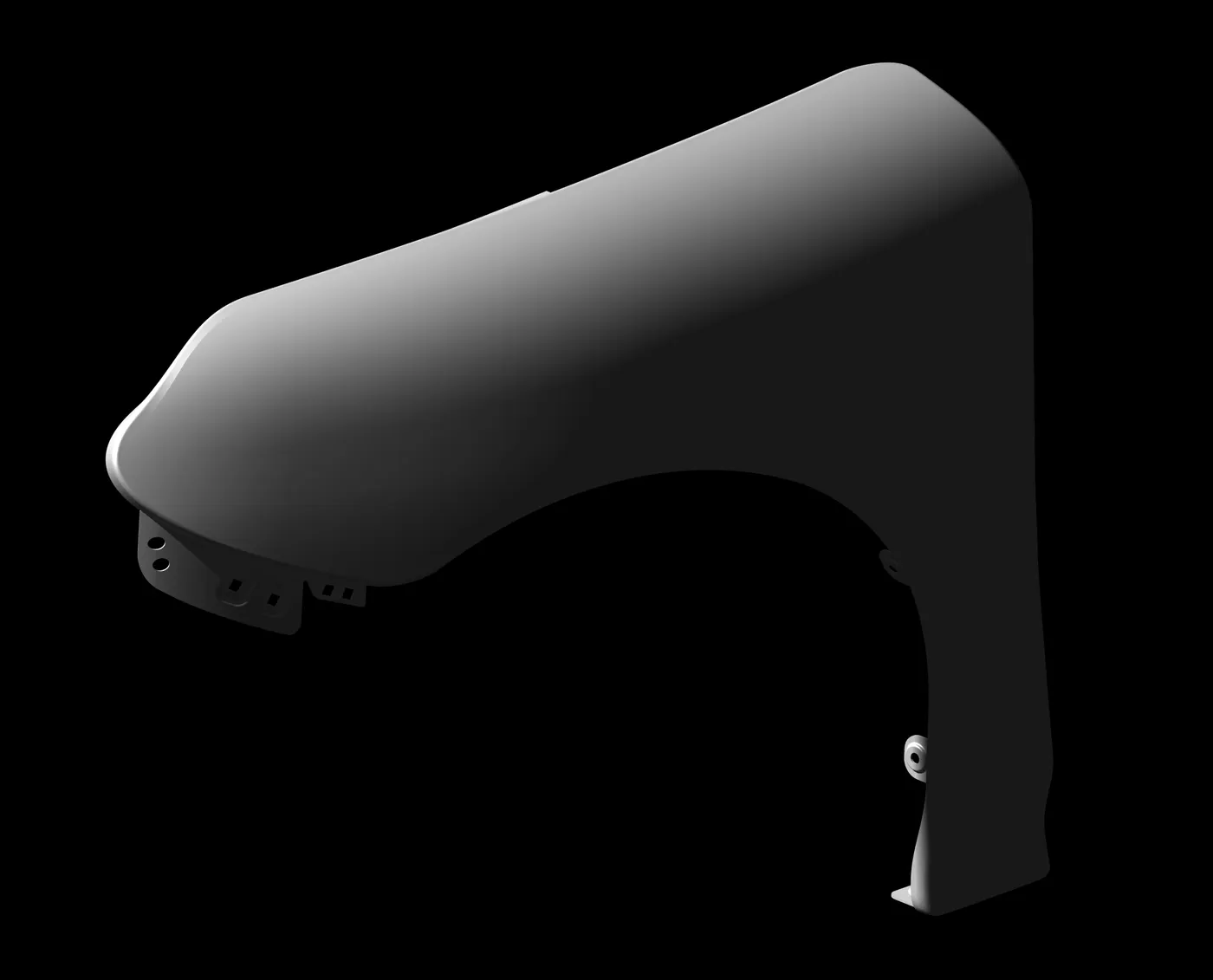
ANALYSATION ON THE GIVE INPUT CLASS-A SURFACE
- The input Class-A surface was OK when draft analysis done on it.
- But the fender does not have good flow of surface or smooth surface, it has or looks improper bends.
- When trying to modify it according to my perspections there are to many small patches at the fillet sections ( Try to make it smooth as much as possible).
- At the time of filleting the edges, some edges didn't get filleted below radius 2.
- After modifing Class-A surface, it didn't get offset for Class-B surface.
- Finally after so many different trials the closed surface is achieved, but as much as possible I tried to fixed it, can't manipulate according to my requirements.
Conclusion: Hence, we have completed our fender by modeling the component. The component is designed by following all the standard dimensions as given in input data, also learnt about DRIP area and manufacturing process of fender component.
NOTES:- MY LAPTOP GOT SOME PROBLEM THE LED SCREEN NOT WORKING, SO I HAVE TO SEND IT TO REPAIR THAT'S WHY IT TO LONG TO SUBMITTTE.