Fender Design
REPORT on Automotive Fender
The automotive fender stands as a pivotal element, seamlessly blending functionality with aesthetics in vehicle design. This document meticulously explores the intricacies of fender design, encompassing its primary roles, challenges, and the diverse array of types and mounting options available.
1. Purpose and Functionality
1.1 Primary Purpose
The fender meticulously contours the wheel well of automobiles, motorcycles, and various vehicles, aiming to curtail the projection of road debris—ranging from sand and mud to rocks and liquids—propelled into the air by the rotating tire.
1.2 Challenges
Challenges emerge as fenders, robust yet susceptible to road contact, navigate encounters with sticky substances like mud and dislodged objects such as stones. These challenges necessitate a delicate balance to uphold both structural integrity and the safety of fellow road users.
2. Materials and Construction
Fenders find their construction in a strategic amalgamation of lightweight, durable materials such as steel, aluminum, or cutting-edge composites. The judicious selection of materials profoundly influences considerations such as strength, weight, and resistance to corrosion.
3. Design Considerations
3.1 Shape and Contour
The aerodynamic shaping of fenders takes center stage, a nuanced dance aimed at minimizing air resistance and enhancing fuel efficiency. The contours seamlessly intertwine with the vehicle's overall design, contributing to a harmonious aesthetic.
3.2 Wheel Well Coverage
Integral to fender design is the mandate for complete wheel well coverage, acting as a shield against the ejection of road debris propelled by the tire's rotation.
3.3 Aesthetics
Fenders play a pivotal role in shaping the vehicle's overall visual appeal. Design elements seamlessly align with the vehicle's aesthetic and brand identity, contributing to its distinctive character.
4. Types of Fenders
4.1 Full Bumper Type
This fender variant extends from the front bumper to the rear, delivering comprehensive coverage and a robust protective shield.
4.2 Half Bumper Type
Designed for sportier or stylized vehicles, this fender type strategically covers a portion of the wheel well, adding a touch of flair to the design.
5. Mounting Options
Strategic mounting options include:
- Bumper
- Drip
- A Pillar
- Sill
- Cowl
These mounting points intricately influence overall stability, rigidity, and seamless integration with other vehicle components.
7. Safety
Adherence to safety regulations is paramount. Fender designs undergo scrutiny to ensure they provide optimal protection to the vehicle and its occupants.
Conclusion
The art of designing automotive fenders is a delicate dance, harmonizing functionality, safety, and aesthetics. Engineers and designers collaborate to craft fenders meeting safety standards while elevating the vehicle's visual allure. The judicious choice of materials, aerodynamic contours, and protective coatings collectively contribute to this delicate equilibrium.
images
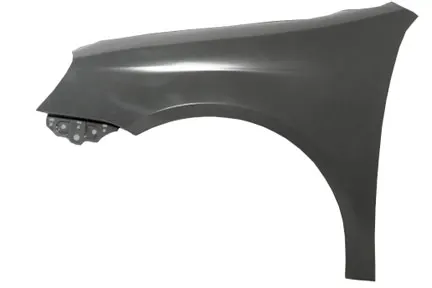
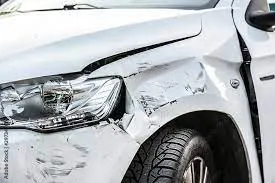
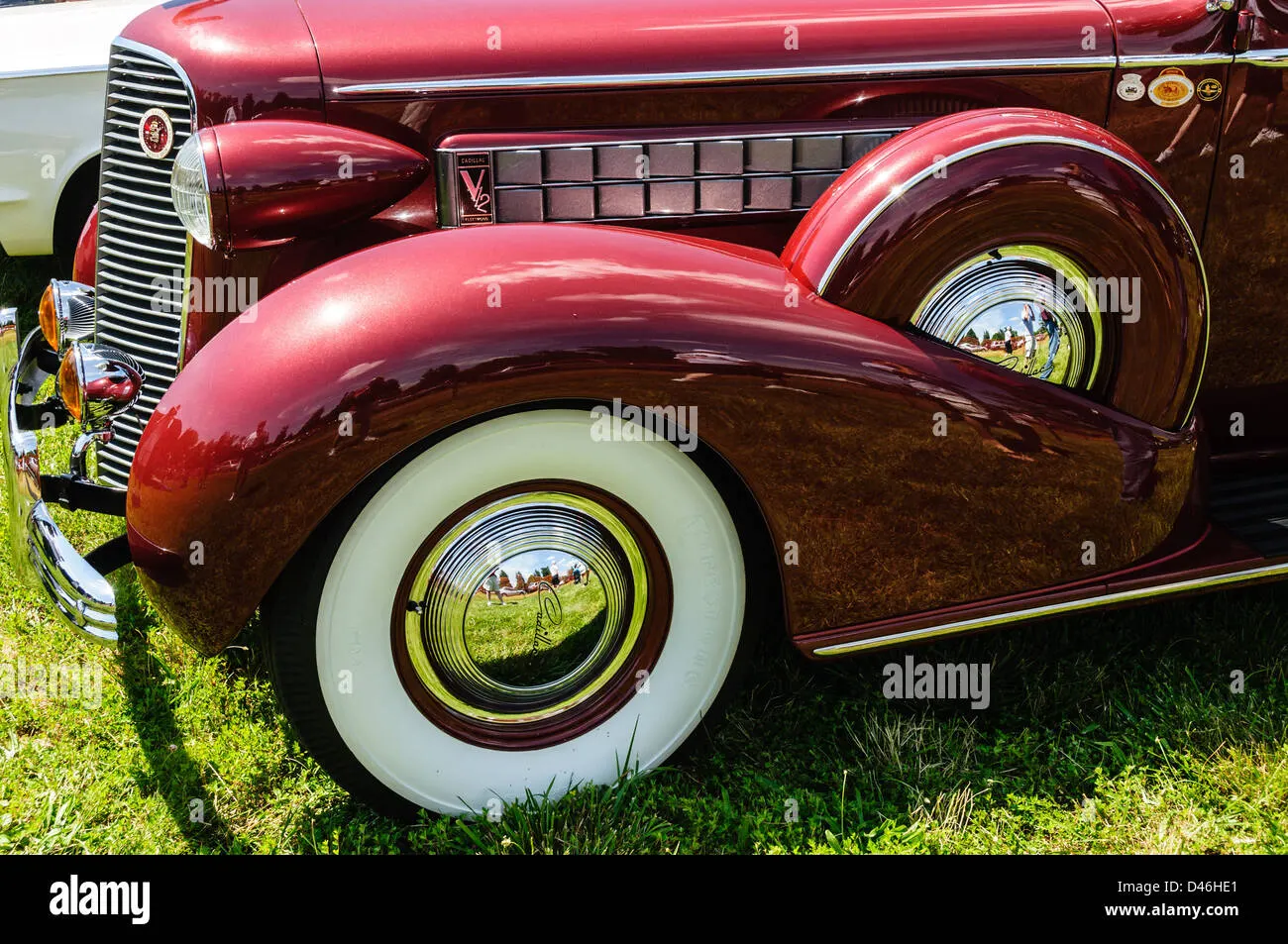
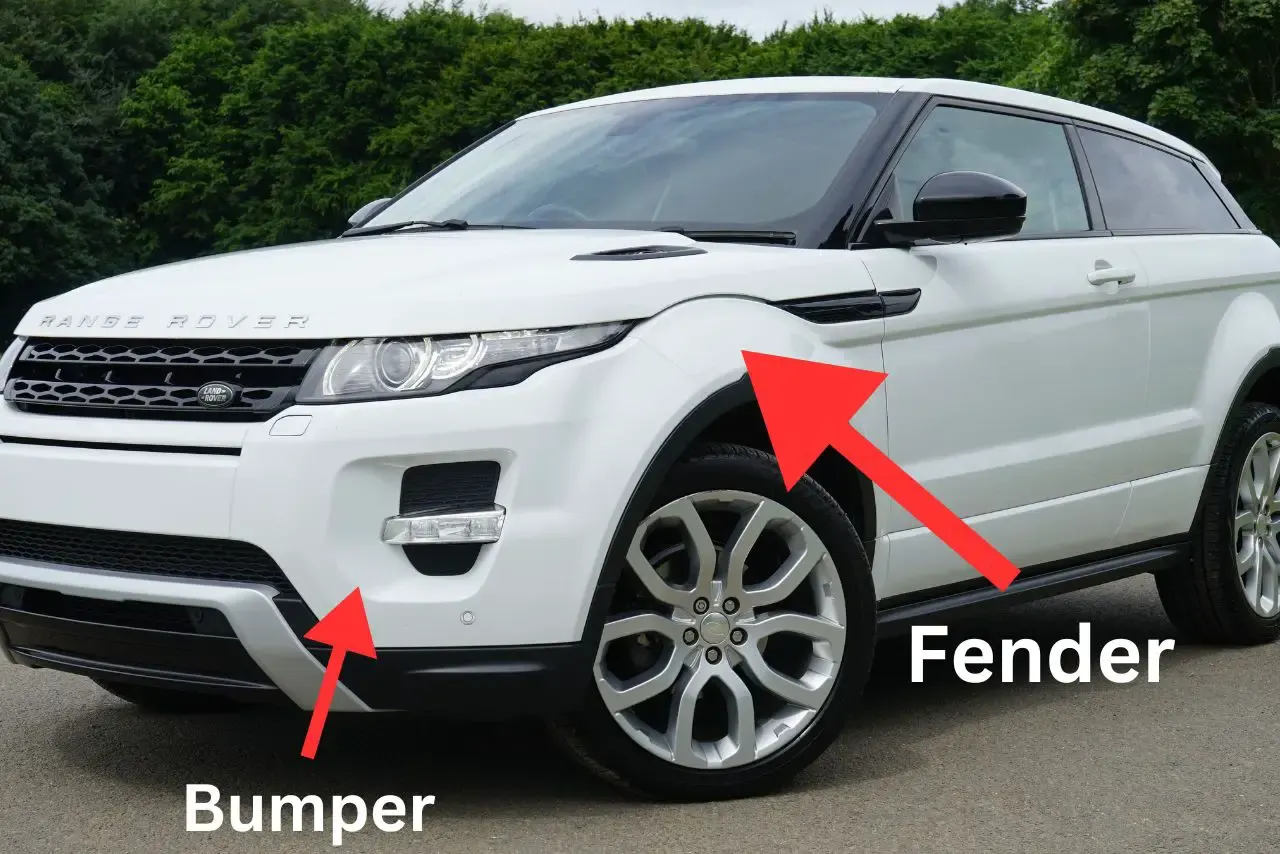
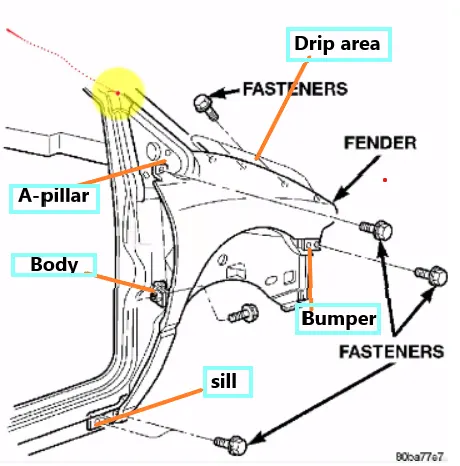
fender
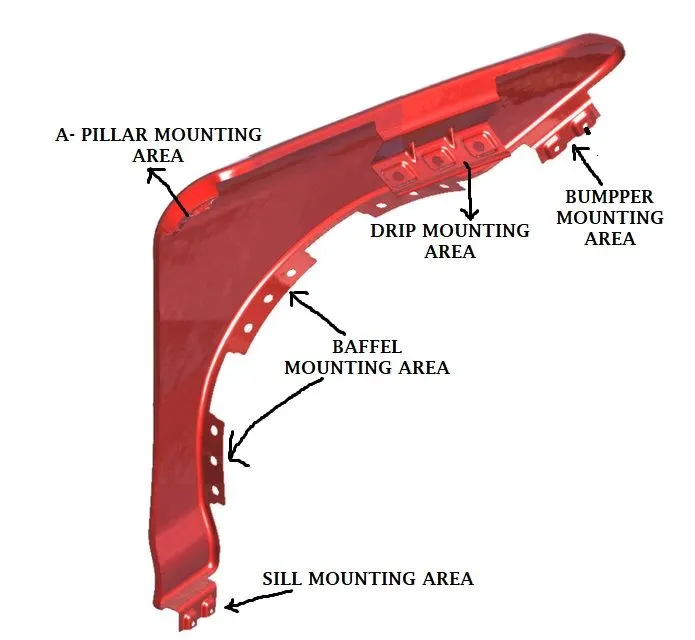 **the above image is ony for reference ,for illustrataion of feature names
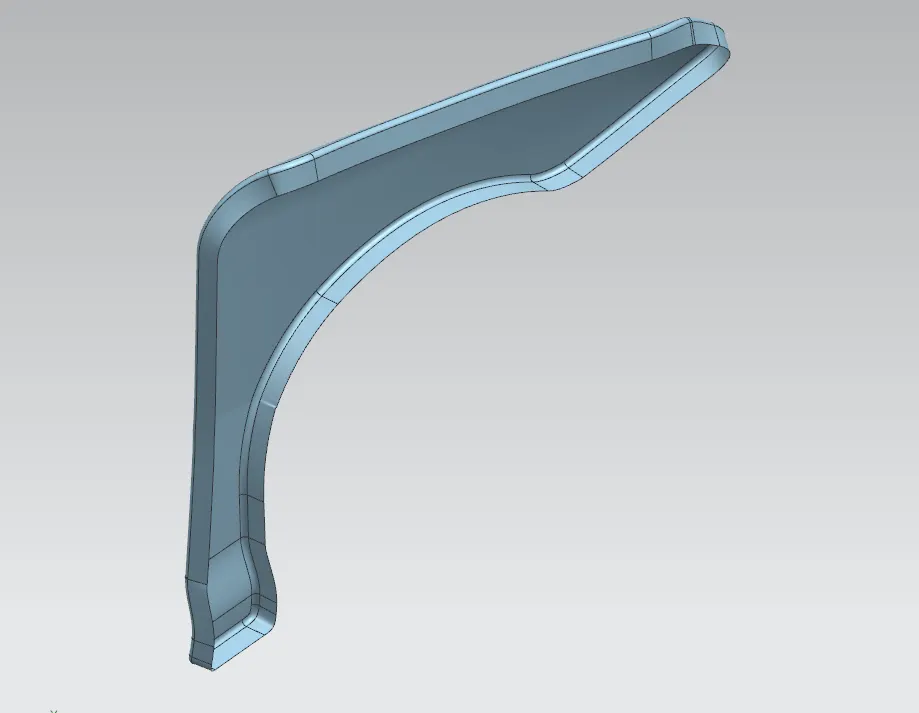 given surface,class A
1
 2
2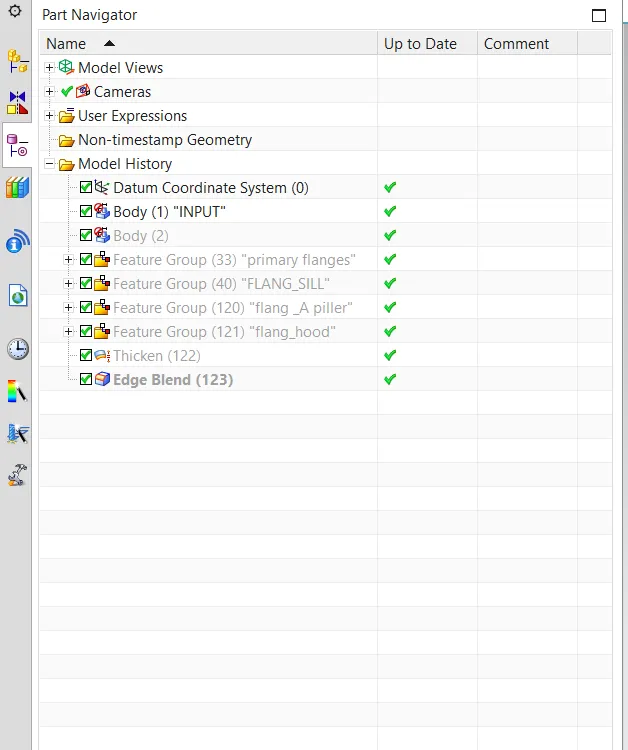 3
3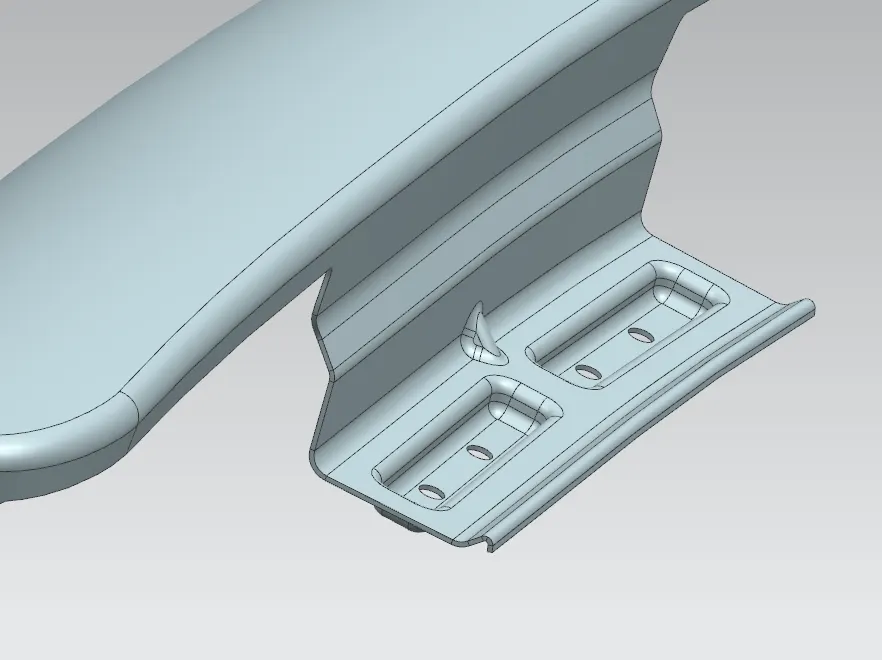 4.
4.
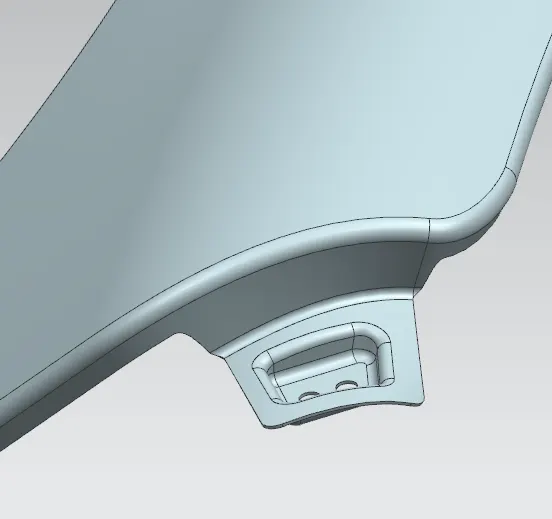
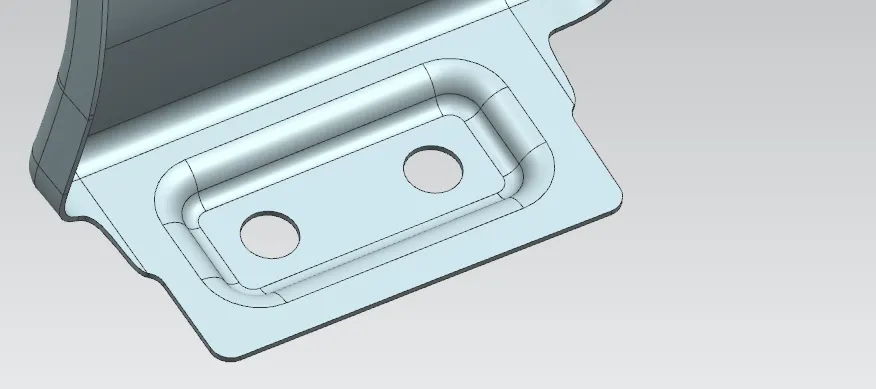
5.
6.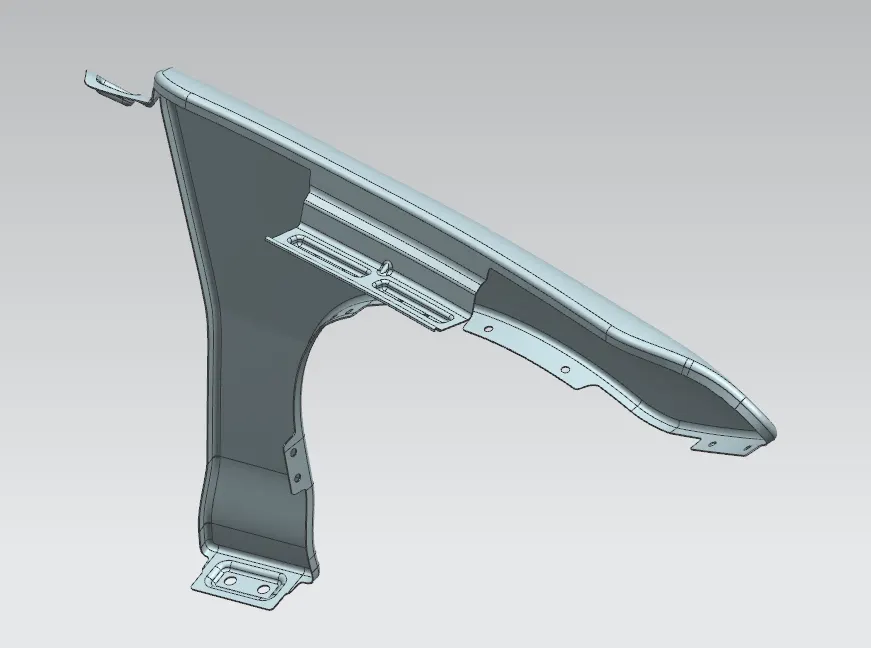
THE FENDER DESIGN IS COMPLETED SUCESSFULLY, CONSIDERING THE DESIGN RULES
**NOTES
I HAVE ATTACHED THE ZIP FILES, BUT ANYHOW I ALSO DROPPED THE DRIVE LINK TO AVOID ANY TROUBLES
https://drive.google.com/file/d/1n15ShAeg9HFoJaGJAB_NmiKlWccNHoF9/view?usp=sharing, https://drive.google.com/file/d/1uKohD5P1KKZ5D_HghVS8PMsCoBp0s7IN/view?usp=sharing