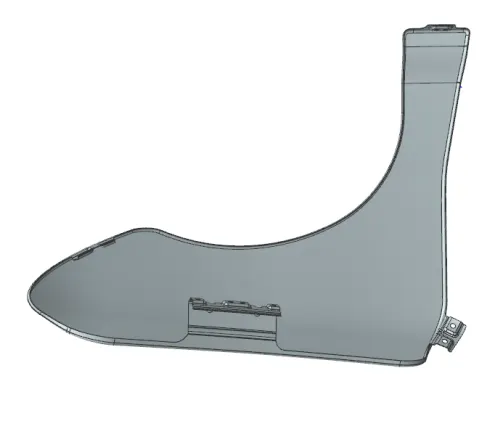
Fender Design
Fender Design
Objective:
Design a front fender from the given skin data and the master section provided with Drip mounting, A-pillar, Sill, Bumper, C mounting and Splash mountings.
Description:
The front fender of a car is a component that is mounted on the front portion of the vehicle, above the front wheels, and extends from the front bumper to the hood. Its primary function is to protect the car's body from mud, water, and debris that are kicked up by the front wheels while driving. The front fender also plays a role in aerodynamics, as it helps to direct airflow around the car and reduce drag. Additionally, the front fender can be an important styling element of a car, with different shapes, sizes, and finishes used to create unique designs and visual appeal.
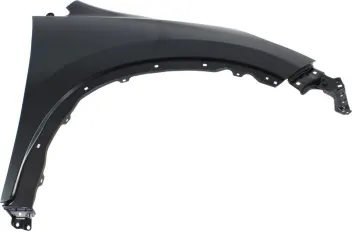
Types of Front Fender
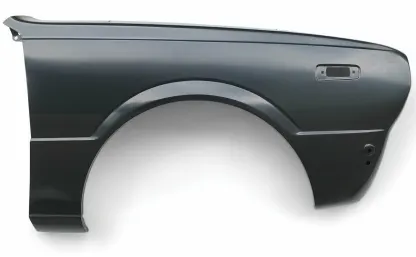
Full Bumper Type Fender:
- The full bumper type is basically the traditional type that is used in older cars.
- It is considered heavy when compared to the half bumper type.
- It produces more scrap.
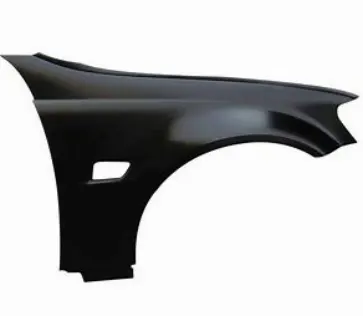
Half Bumper Type Fender:
- Half bumper type is used in the present generations.
- It is less in weight which results in improving the performance of the vehicle.
- It produces less scrap.
Factors to be considered while designing front fender:
Wheel clearance: The fender must be designed to provide adequate clearance for the wheels and tires, ensuring that they can move freely without rubbing or interfering with the fender.
Protection from road debris: The fender must be designed to protect the vehicle from mud, rocks, and other debris that can be kicked up by the wheels. This may involve incorporating features such as a lip or flare to redirect debris away from the car.
Aerodynamics: The shape and design of the fender can impact the aerodynamics of the vehicle, affecting factors such as fuel efficiency and handling. Therefore, it is important to consider the overall shape and contours of the fender to ensure that it does not negatively impact the vehicle's performance.
Styling and Aesthetics: The front fender is a highly visible component of the car, and therefore its design should also take into account the styling and aesthetics of the vehicle as a whole.
Manufacturing and Assembly: The design of the fender should also be practical and feasible for manufacturing and assembly, taking into account factors such as the materials used, manufacturing processes, and assembly requirements.
Inputs:
Fender Skin
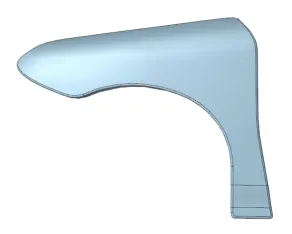
Print:
Mounting Points in a Fender
Drip Mounting:
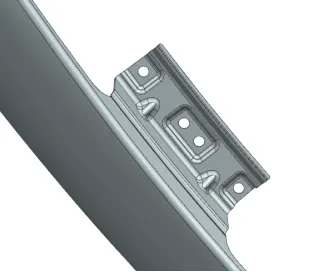
A - Pillar Mounting:
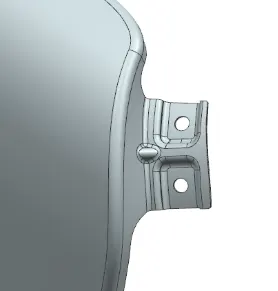
Sill Mounting:
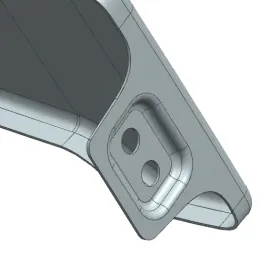
Bumper Mounting:
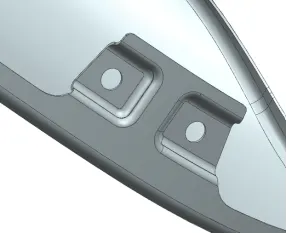
The front fender of a car is typically mounted using one or more of the following methods:
Bolts and Screws: This is the most common method of mounting a front fender. The fender is bolted to the car's body using a series of bolts and screws that are inserted through holes in the fender and into corresponding holes in the body.
Clips and Fasteners: Some front fenders are designed to be held in place using clips and fasteners that snap into place. This method is often used on plastic or fiberglass fenders.
Welding: In some cases, the front fender may be welded directly to the car's body. This method is typically used on custom or high-performance vehicles.
Adhesives: Some modern cars may use adhesive bonding to attach the front fender to the car's body. This method can provide a more secure and lightweight attachment but may require specialized tools and materials to remove the fender.
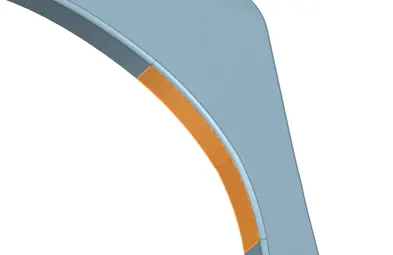
Improving the Class A surface Quality
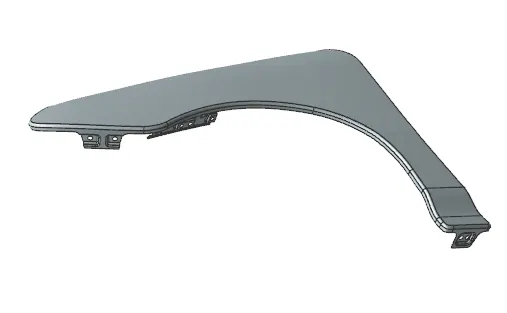
Front Fender Views:
ISO View
Top View
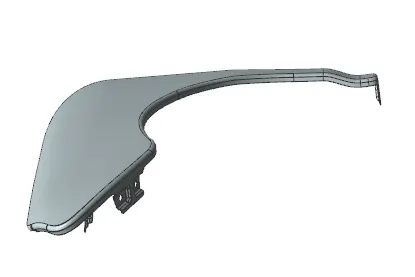
Front View
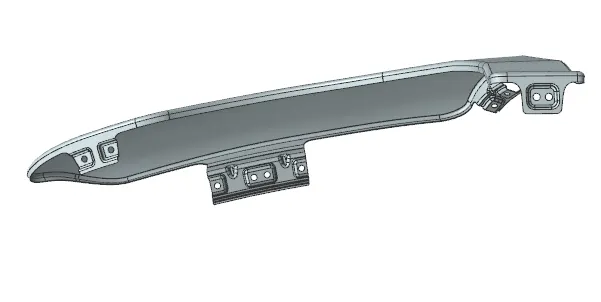
Side View