Fender Design
TITLE:- To discuss design considerations for fender model and create 3d model of fender
- INTRODUCTION:-
FENDER is use in the automobile, it is prevent mud, rocks, sand and other road spray from being thrown into the air by the rotating wheels.
When we are driving a car, Then the dust particle comes on the tire of the car. The fender prevents dust and water from coming directly onto the tires.
In this project we are discussing about fender and design considerations. as per the considerations we are making 3d model of fender and located mounts on the fender.
- OBJECTIVE:-
1.to discussed fender and their design considerations , their mount area and pedestrian safety.
2. to create 3d model of fender and mount.
3. Manufacturing process for fender.
- Fender
FENDER is use in the automobile, it is prevent mud, rocks, sand and other road spray from being thrown into the air by the rotating wheels.
When we are driving a car, Then the dust particle comes on the tire of the car. The fender prevents dust and water from coming directly onto the tires.
In the car , there is a four fenders. Two front fender and two rear fender.
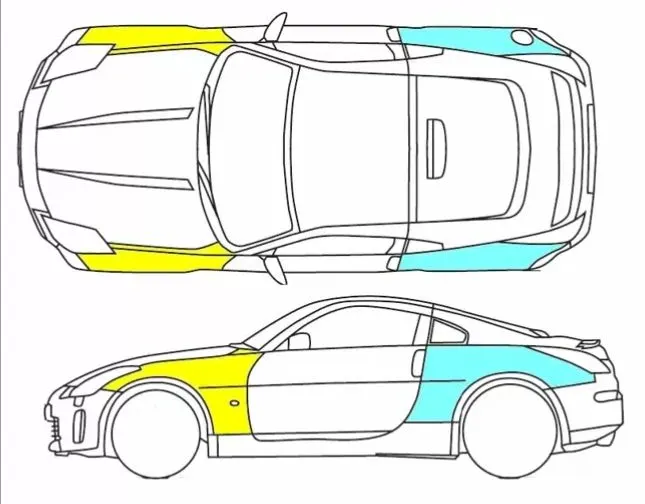
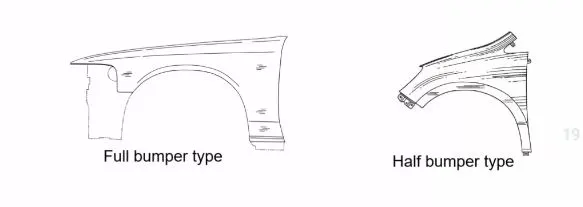
Fender have two types
1. Full bumper type
2. half bumper type
Design consideration for fender
Fender and its components
Functional requirements
Drip area
Wheel arch
Baffle and ORVM mount area
Frontal crash regulation and requirements
Gap and flushness requirement
Mounts In fender
Body
A pillar
Sill
Cowl
Drip
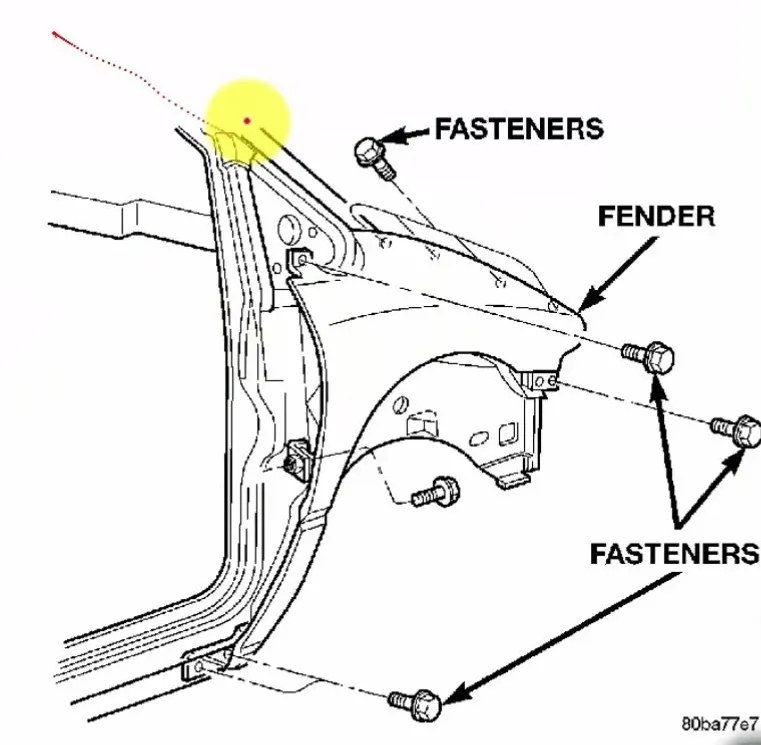
1.Study of fender drip area
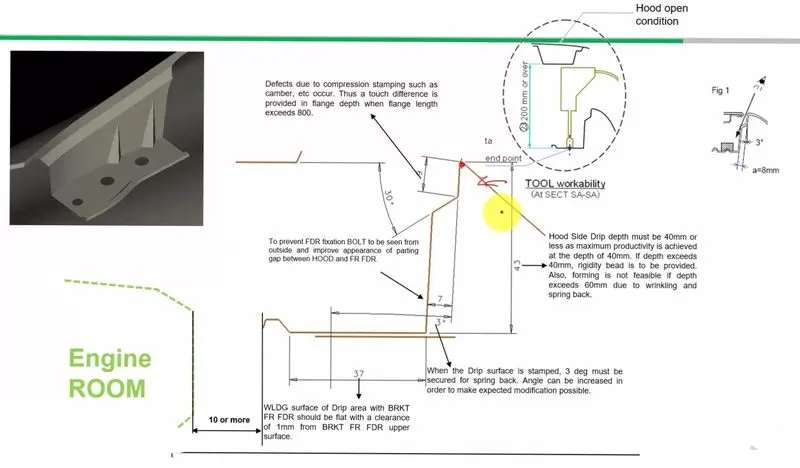
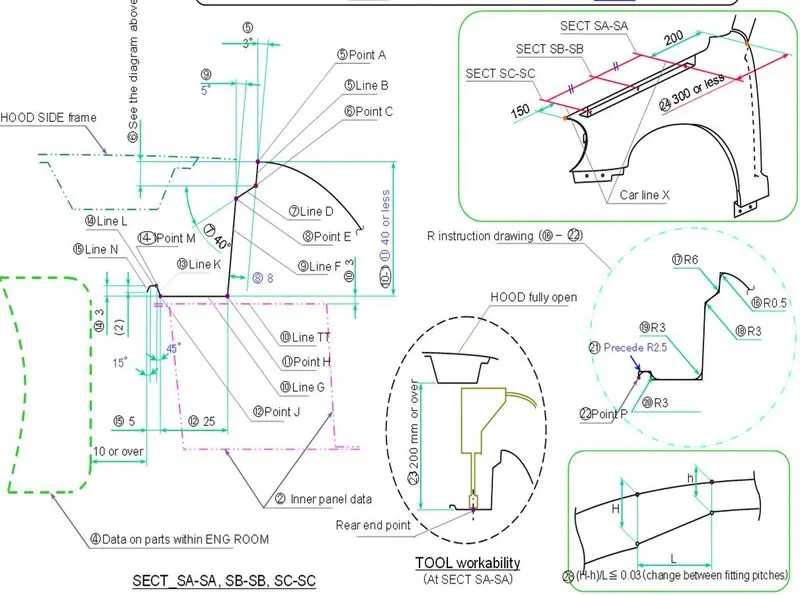
Automobile companies keep the length of drip area less than 800mm. Comapny keeps the distance between pillar mounts and drip area less than 300mm.Keeps 150mm distance from front to drip mount.
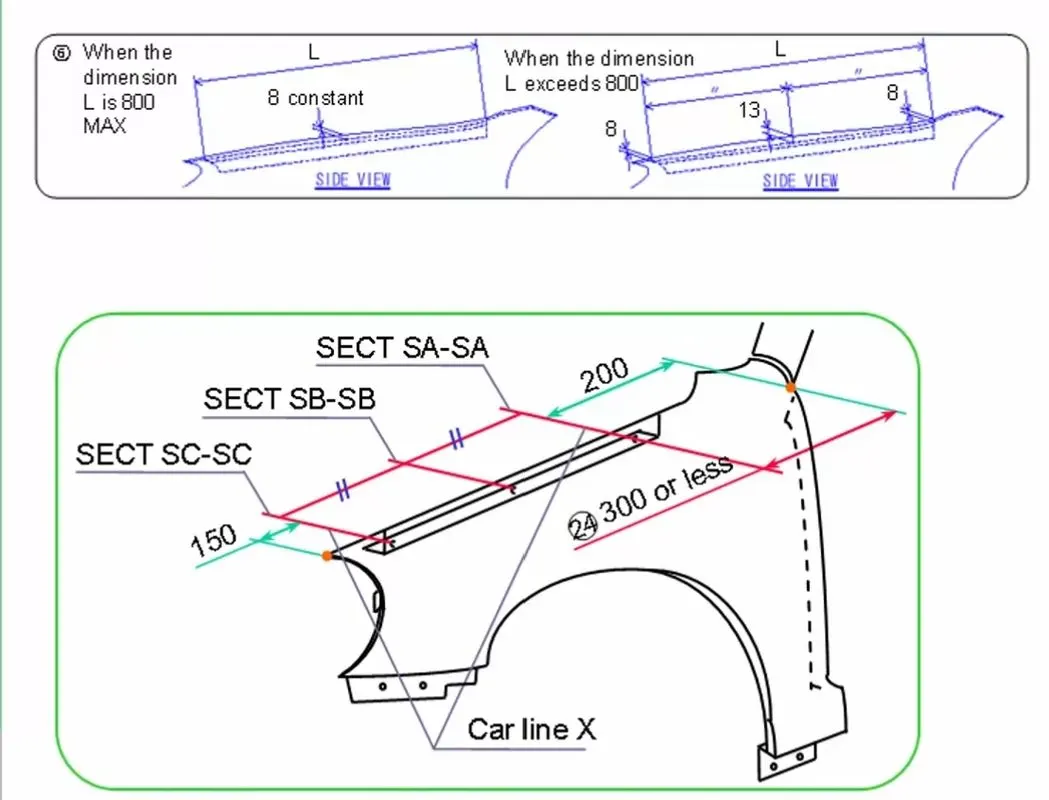
Automobile companies determine fender drip area dimensions according to the below figure.
2. Fender drip area pedestrian safety
- Pedestrian safety hood and fender
The hood has two types, one is wrap around hood and second is inlaid hood. End point of the car touches the fender is called inlaid hood , but end point of the car touches on the hood is called wrap around hood.
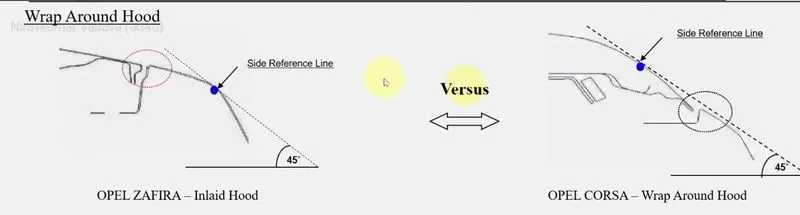
Side reference line is the trace of the highest contact point between straight edge inclined at angle of 45 and side of the vehicle.
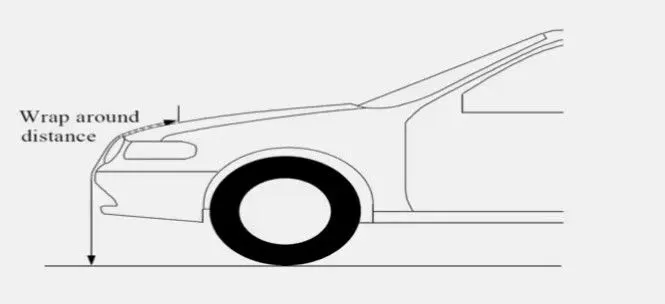
Wrap around distance is the trace of the points received on the front structure, when one end of flexible tape of required length held at ground reference level and other end in contact with the front structure.
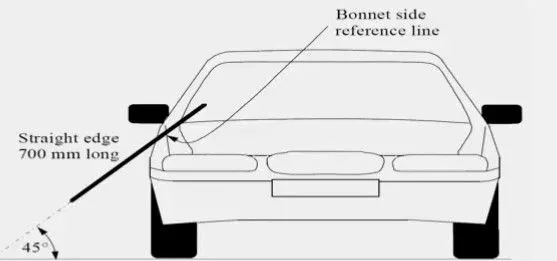
To find the child head impact zone and adult head impact zone, we use side reference line.
the company make fender design according to the pedestrian safty rules
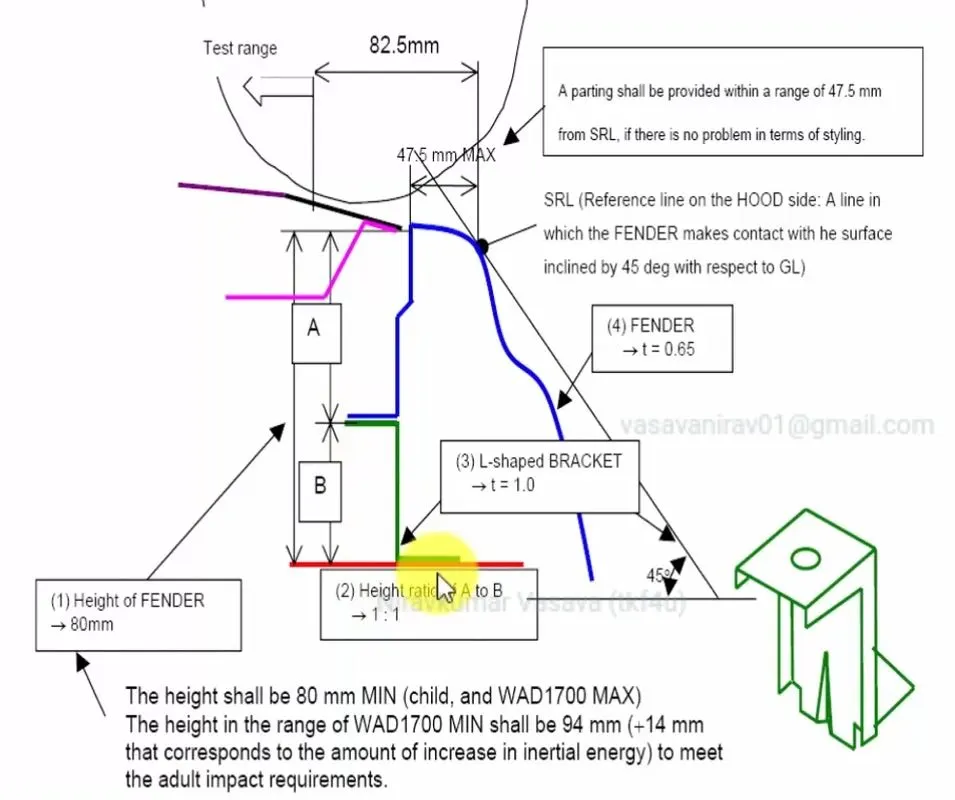
A line in which the Fender makes contact with he surface inclined by 45 degree with respect to ground level.
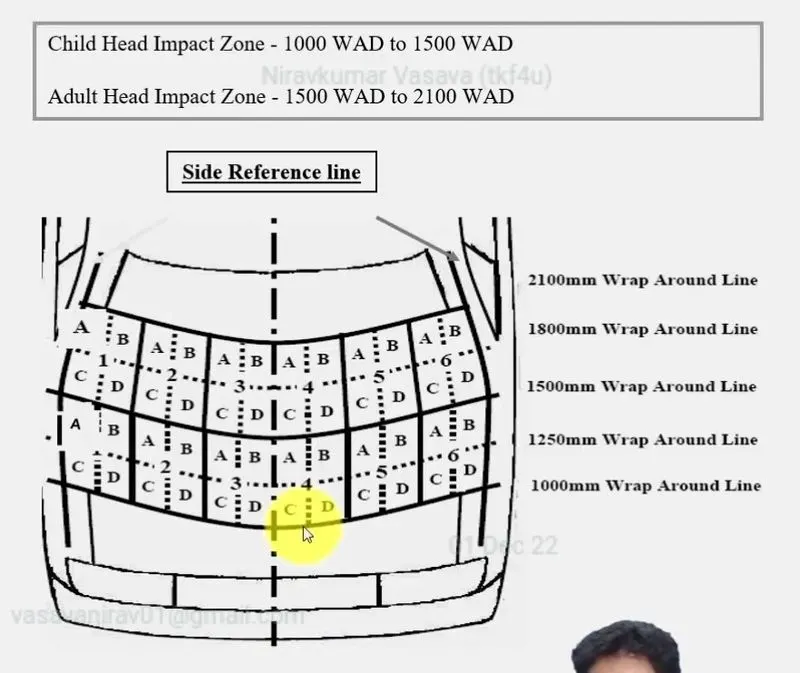
child crash on the car, it fall on the child hood area and adult crash on the car, it fall on the adult area.
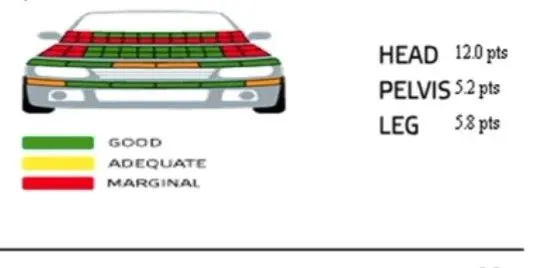
when side reference line touch the area, area become red and line is not touch ,it is become green.
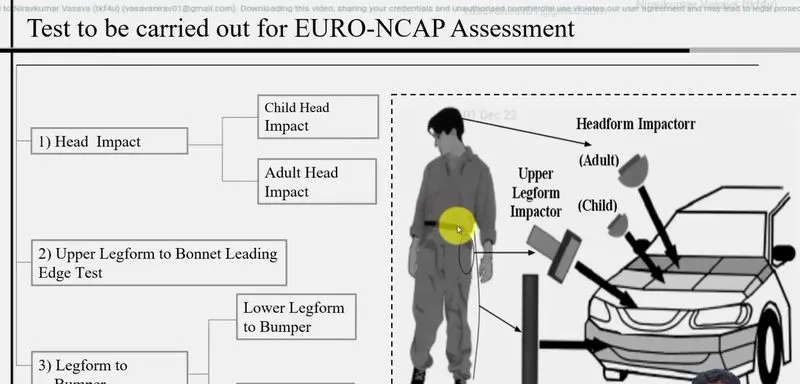
EURO-NCAP is the team that test the car and check how safe is the car.
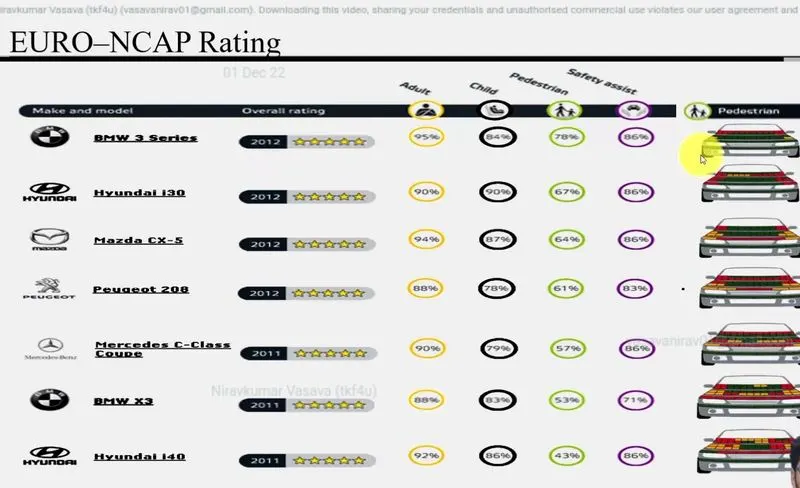
the image shows the NCAP rating, there is rad area is impact zone and green area is less impact zone.
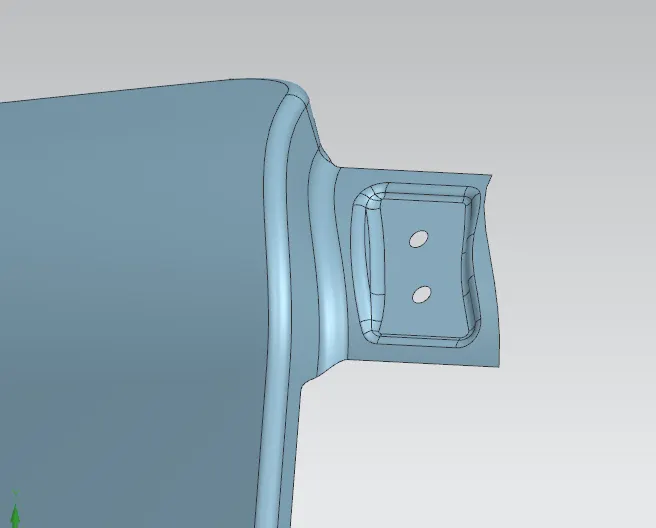
3. A piller mount
These pillar mounts are designed in area according to the dimensions of their bolts and the strength of the mount.
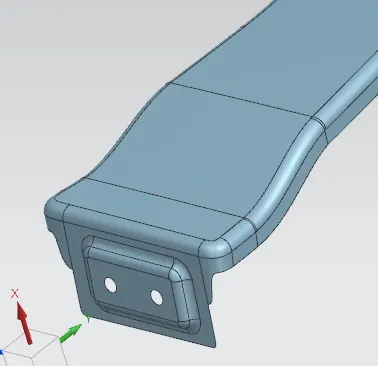
4. Sill mount
these mounts are designed in area according to the dimensions of their bolts and the strength of the mount. it change when the bolt dimesion change.
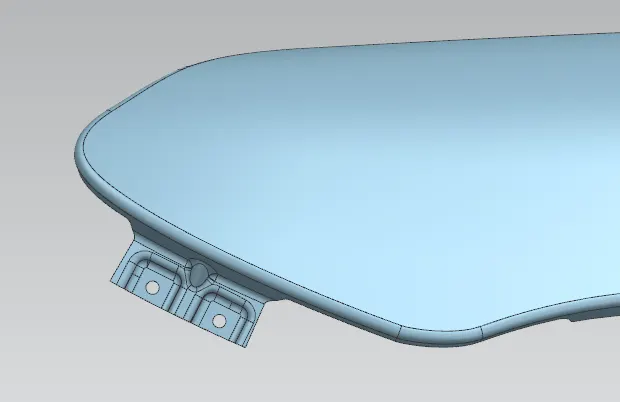
5. Bumper mount
6. Baffle mount
In the buffle mount we will use Rubbr Nut and it is used to keep the plastic part joint.
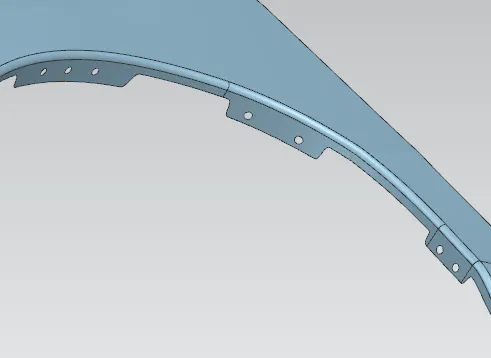
- Some manufacturing process use in automotive company
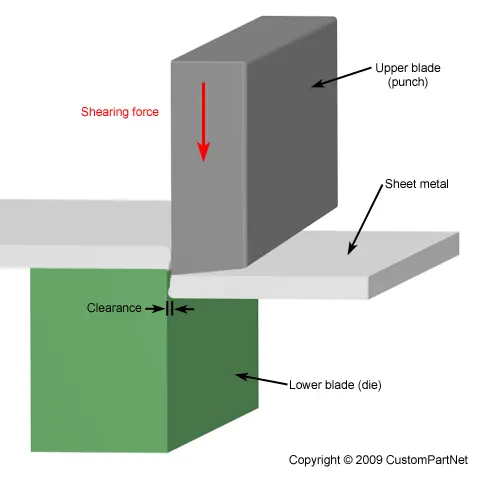
- Shearing, also known as die cutting, is a process that cuts stock without the formation of chips or the use of burning or melting. Strictly speaking, if the cutting blades are straight the process is called shearing; if the cutting blades are curved then they are shearing-type operations. The most commonly sheared materials are in the form of sheet metal or plates. However, rods can also be sheared. Shearing-type operations include blanking, roll stilling, and trimming.
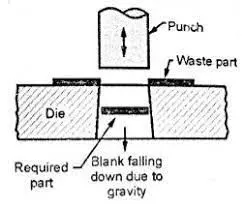
- Punchingis a forming process that uses a punch press to force a tool, called a punch, through the workpiece to create a hole via shearing. Punching is applicable to a wide variety of materials that come in sheet form, including sheet metal, paper, vulcanized fibre and some forms of plastic.
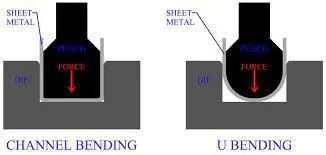
- Bendingis a manufacturing process that produces a V-shape, U-shape, or channel shape along a straight axis in ductile materials, most commonly sheet metal.
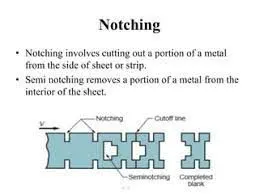
- Nothing is a shearing-related metalworking process that involves the use of a punch press to selectively cut unwanted material from the outer edges of a workpiece. After the workpiece is secured in place, the punch press cuts away the unwanted material from its outer edges using a cutting tool. The end result is a smaller workpiece with a different shape.
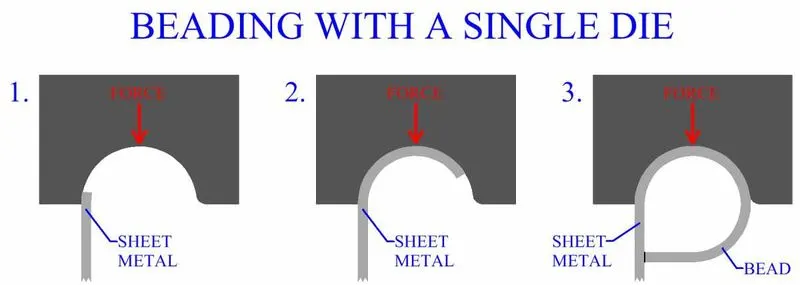
- Beading is one of the common bending operations which are used to form beads at the end of the sheets. In beading, the periphery of the sheet metal is bent into the cavity of the die as shown in following figure. A bead or a round corner is formed at the end of the sheet.
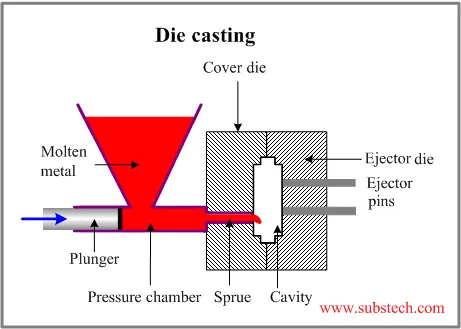
- Die castingis a metal casting process that is characterized by forcing molten metal under high pressure into a mold cavity. The mold cavity is created using two hardened tool steel dies which have been machined into shape and work similarly to an injection mold during the process. Most die castings are made from non-ferrous metals, specifically zinc, copper, aluminium, magnesium, lead, pewter, and tin-based alloys. Depending on the type of metal being cast, a hot- or cold-chamber machine is used.
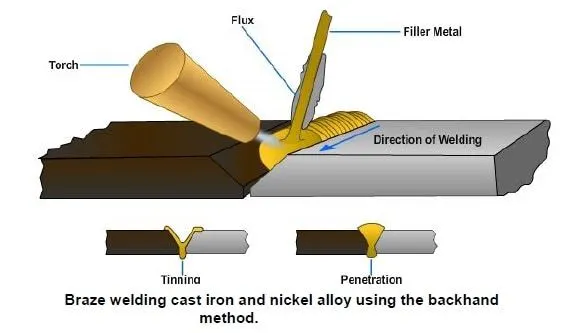
- Welding is a fabrication process whereby two or more parts are fused together by means of heat, pressure or both forming a join as the parts cool. Welding is usually used on metals and thermoplastics but can also be used on wood. The completed welded joint may be referred to as a weldment.
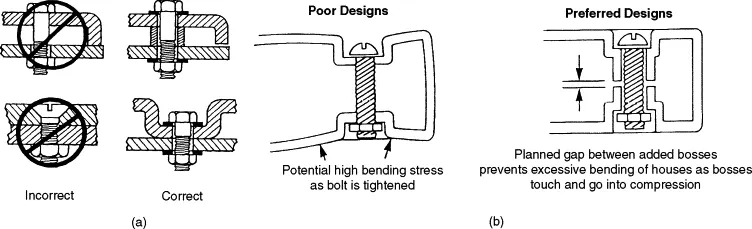
- Fastening is one temporary joining process that employs additional elements to mechanically assemble or attach two or more parts together. Additional mechanical elements that are used for fastening is called fasteners. There are three main types of threaded fastener; Bolts, Screws and Studs. Bolts have a head on one end (this is usually a hex head) and are threaded on the other. They are generally used in conjunction with a nut (and sometimes a washer) to hold them in place.
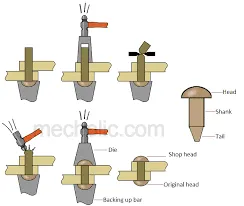
- A rivet is a permanent mechanical fastener. Before being installed, a rivet consists of a smooth cylindrical shaft with a head on one end. The end opposite to the head is called the tail. On installation, the rivet is placed in a punched or drilled hole, and the tail is upset, or bucked, so that it expands to about 1.5 times the original shaft diameter, holding the rivet in place.
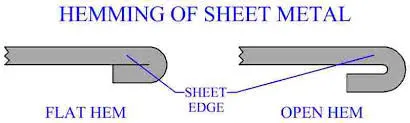
- Hemming is the process in which the edge is rolled flush to itself, while a seam joins the edges of two materials. Hems are commonly used to reinforce an edge, hide burrs and rough edges, and improve appearance.
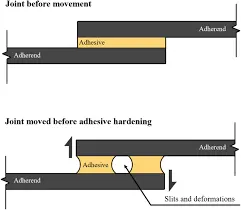
- Adhesive bonding is a joining process for metals and non-metals that uses and adhesive or glue, typically in the form of a liquid or a paste. It offers the major advantage of being able to join a wide array of materials, but is limited by joint strength and applicable service conditions.
- Master section of fender and ready fender images
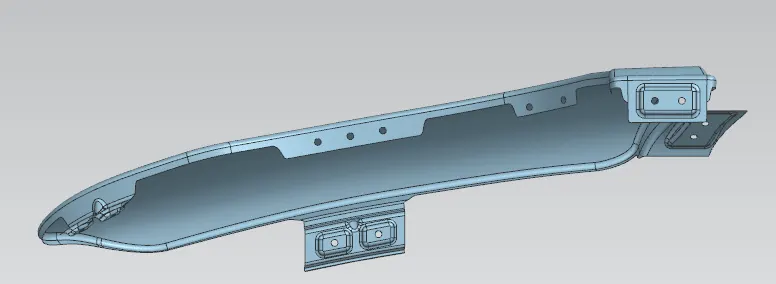
According to the master section, We made the fender and its mounts in Nx CAD.
fender front image
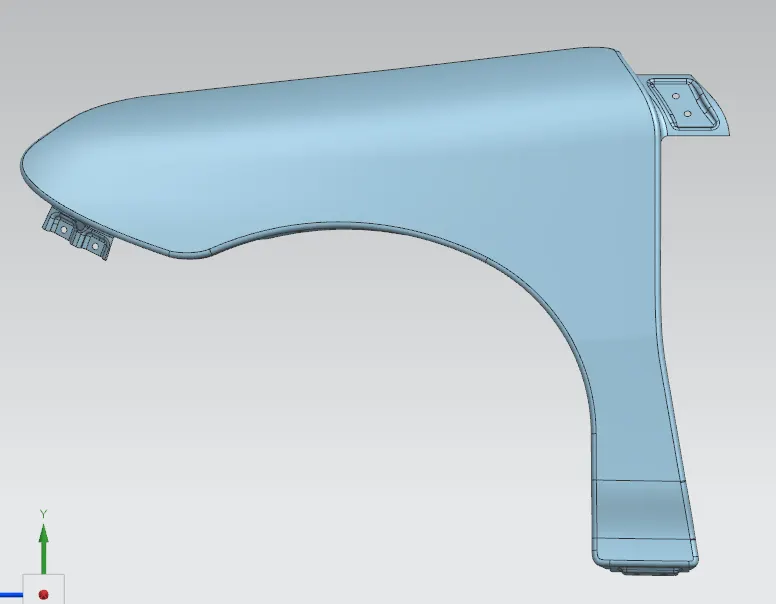
side fender image
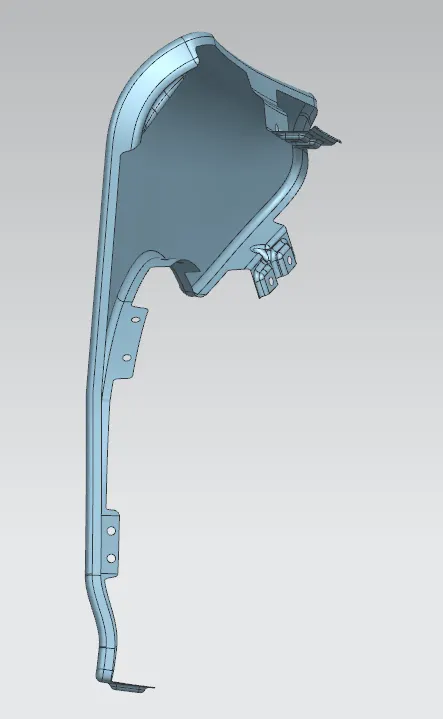
top fender image
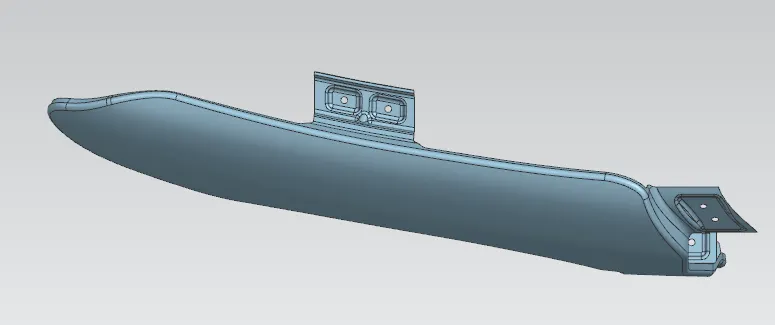
bottom fender image
- conclusion
In this project we discussed the fender design and its mounts and with its help we prepared the fender design.Mounts are made on the fender to attach the fender to the car body.