Fender Design
OBJECTIVE:
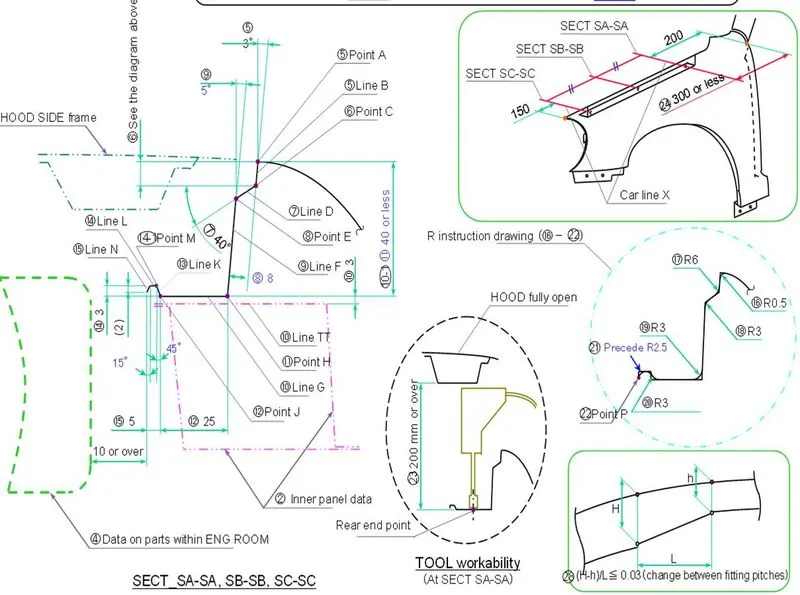
To prepare the fender design with drip area, Sill mount, Bumper Mount and A-Pillar mount with Engineering standard.
INTRODUCTION:
FENDER -is the american english term for the part of an automobile, motorcycle or other vehicle body that frames a wheel well (the fender underside). Its primary purpose is to prevent sand, mud, rocks, liquids, and other road spray from being thrown into the air by the rotating tire. Fenders are typically rigid and can be damaged by contact with the road surface.

Sticky materials, such as mud, may adhere to the smooth outer tire surface, while smooth loose objects, such as stones, can become temporarily embedded in the tread grooves as the tire rolls over the ground. These materials can be ejected from the surface of the tire at high velocity as the tire imparts kinetic energy to the attached objects. For a vehicle moving forward, the top of the tire is rotating upward and forward, and can throw objects into the air at other vehicles or pedestrians in front of the vehicle.
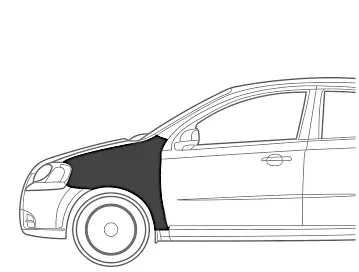
front fender
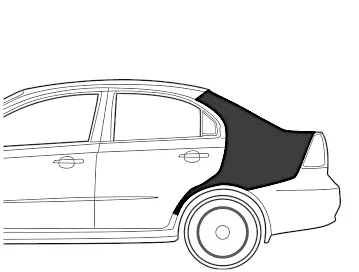
back fender
Functions of Fender:
Fenders are panels on a car that are located on the sides of the car in front of the doors. They serve a number of functions, not least of which is aesthetic. Drivers may be most familiar with the fender in the context of a “fender-bender,” a minor accident in which the fenders of a car are dented or damaged as a result of a collision. Many cars have been designed with easily replaced fenders because such collisions are quite common.
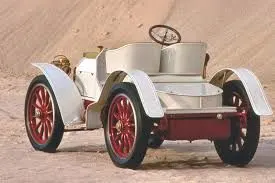
One of the primary functions of a fender is to keep dirt, dust, and road debris away from the wheel and front braking system. Many have small flaps or wings that are designed to enhance this protective function. The fender will also help to keep debris off of the rest of the car as well, which be useful when a car throws up a rock or stick from the road.
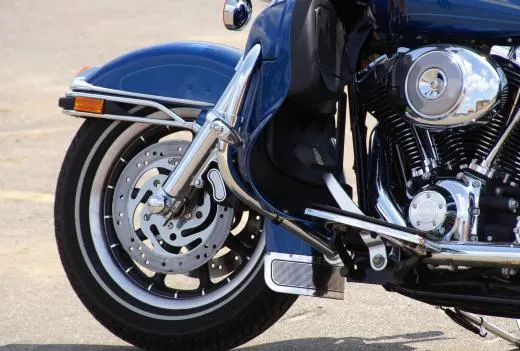
Depending on the design, fenders can also act to make a car more aerodynamic. Many sports cars have very sleek fenders for this reason, and they may have additional features such as grooves or grillwork which are designed to enhance the car's performance at high speed.
The other function of fenders is of course aesthetic. Most people do not want to look at the framework of a car, and the panels cover the frame and the sides of the engine block. They can also be used to add flair and style to a car; many cars in the 1950s, for example, had bubble fenders, which stuck out prominently to create a desired look. They can have a wide variety of design features which make them more interesting or stylish to look at.

Depending on the make of the car, fenders may be made from fiberglass, steel, or other materials. Many of these materials are designed to crumple in a crash, distributing the impact across the frame of the car to make the crash more survivable for the occupants of the vehicle. Depending on the materials used, fenders can sometimes be bent back into shape after a minor accident; in other cases, they will probably need to be replaced.

In addition to being seen on cars, fenders can also be found on bicycles and motorcycles, along with other wheeled methods of transportation. Many companies make specialized custom fenders with designs like flames, pinstriping, and other decorative features, for people who want to replace their factory-standard panels with something a little more exciting.
Basically fenders are of two types:
- Full bumper type
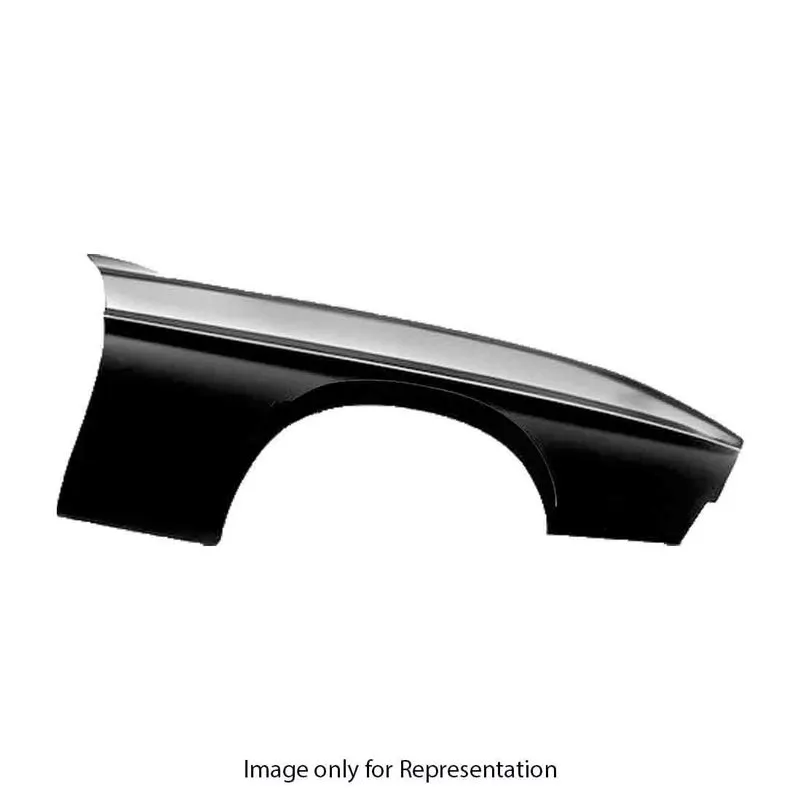
- Half bumper type
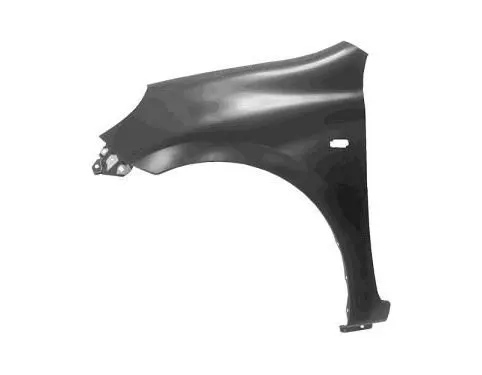
Fenders have generally 5 mounting areas, these are as follows:
- Drip mount
- Sill mount
- Bumper mount
- A-Pillar mount
- Baffle mount
- Drip mount
Drip mount area is a mounting area of car fender, which is mounted with car engine compartment. It is placed at a distance of 200 mm from cowl or A-pillar top and its length is upto the distance of 150mm from bumper mount area.
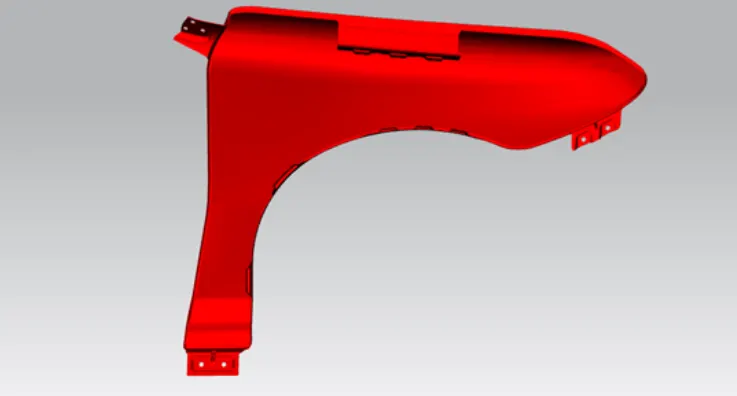
- Sill mount
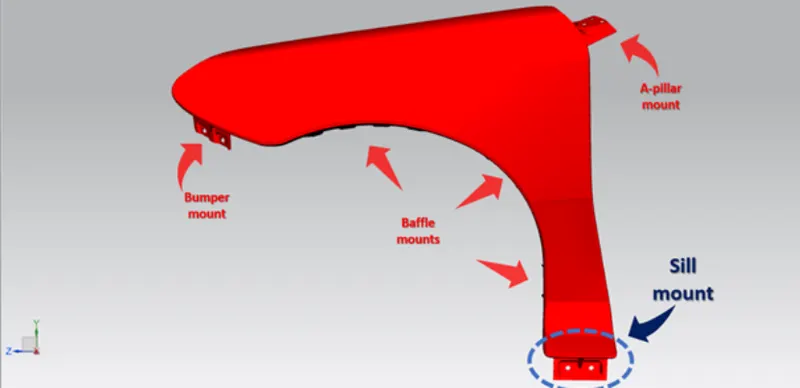
Sill mount area is mounted at the base of door opening which is called rocker panels or sills.
- Bumper mount
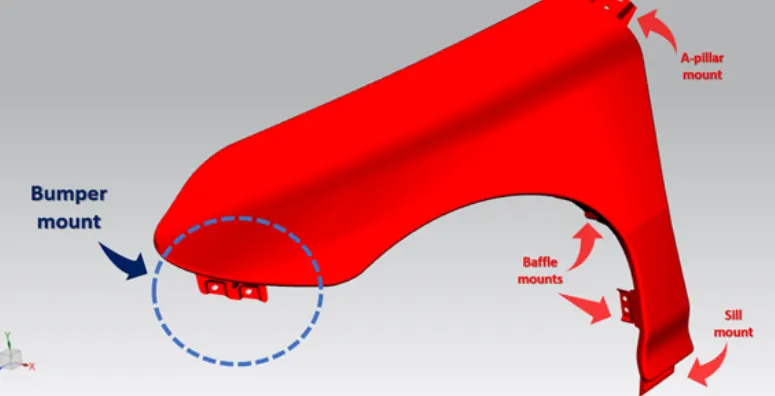
One side corner of bumper is mounted with the help of bolt or fastners.
- A-Pillar mount
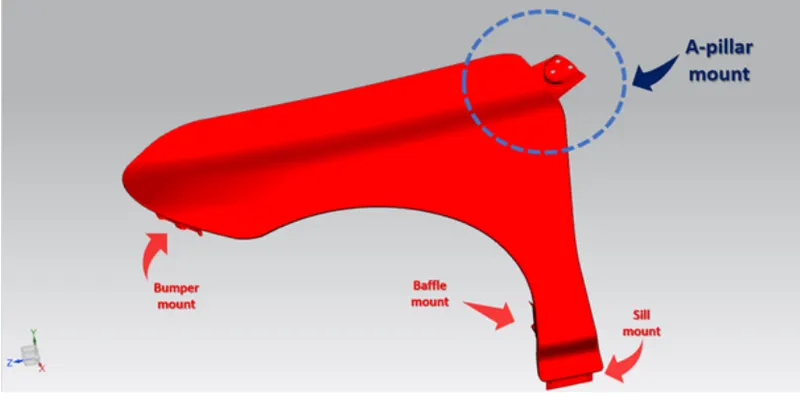
The mounting area is located near the cowl top of the car, where it is fastened with the cowl.
- Baffle mount
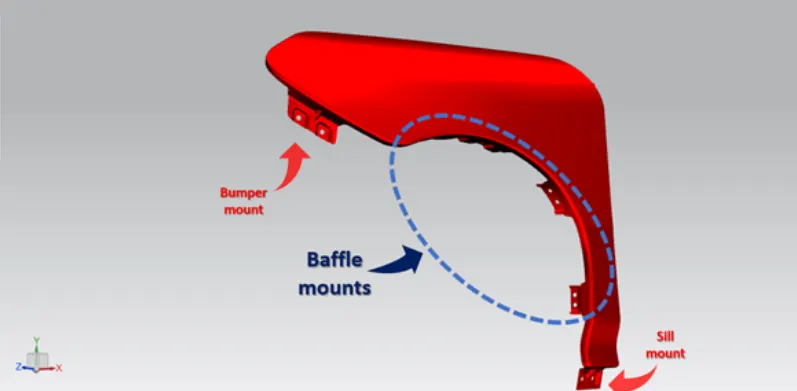
In this mounting area, baffles are mounted using fastners,whisch is used to seal the opening between wheel & engine campartment. So that, engine compartment can't be harmed by any kind of debris or mud splashes over it, by the rotating wheel.
Conclusion:
In this project I have learnt the basic surface modelling commands of NX cad & prepare a part of car fender using the given data. All the mounting areas are designed as per the manufacturing requirements. .