Design of backdoor
Design of Backdoor
Objective: To design Back door of car using the given surface.
Introduction:-
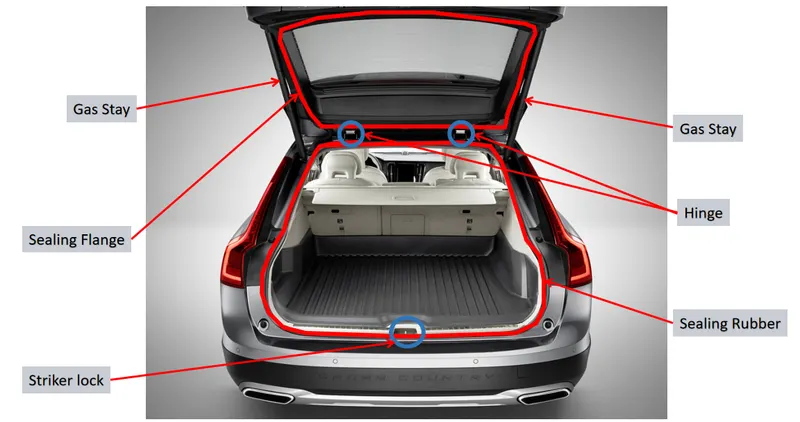
It is a hinged board or door that may be raised or lowered to facilitate loading and unloading.
Other names for the back door include "Hatch," "Tailgate," "Trunk-lid," and "Boot-door." It is the area of the car closest to the back that features mounts for the taillights, hinges, wiper motor, gas stay, etc.
Functions of the Backdoor:
- It safeguards against damage to the passengers' belongings and luggage.
- It houses the tail lamp assembly, the wiper motor, and other parts.
- It acts as a point of entry and exit for passengers' and luggage.
- It has windscreen glass, which improves visibility from behind.
- It has parking sensors and a rearview camera attached.
Types of Backdoor
- Top mounted
A station waggon, pickup truck, and a few other sports utility vehicles employ this style of back door. Modern automobiles include top-mounted tailgating devices that are motorised and gas-powered. Compared to other models, these tailgates offer better rear view.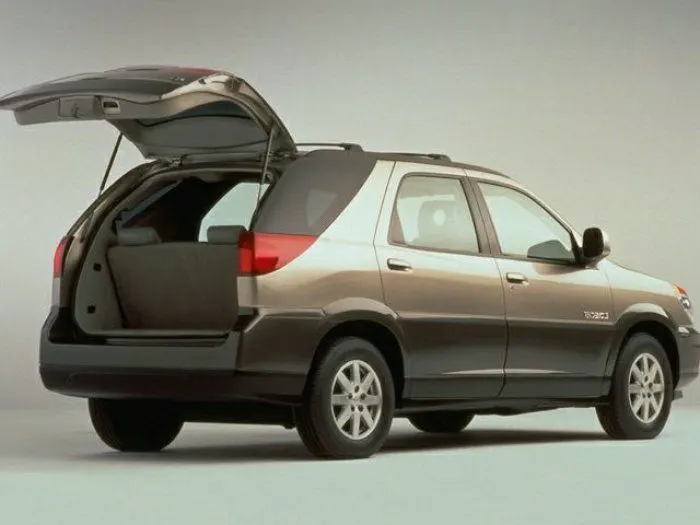
- Side mounted
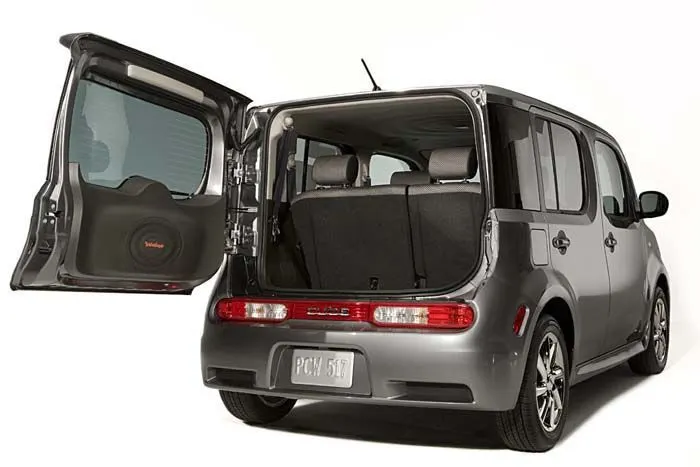
Typically, van-type MPVs, SUVs, and pickup trucks employ it. Compared to top mounted ones, these side mounted doors and barn doors are much simpler. These doors can usually be opened quickly and are typically tiny in size. When one door is left open, these doors are more practical for goods handlers moving long pipes and bulky products. It prevents unintentional head blows as well. In cars with side-mounted doors, it is more simpler to load and unload cargo.
- Bottom mounted
Estate cars, pickup trucks, and some upscale SUVs use bottom type or split type backdoor systems. These are the most practical backdoors, with the bottom split serving as a support or perhaps a table for travellers.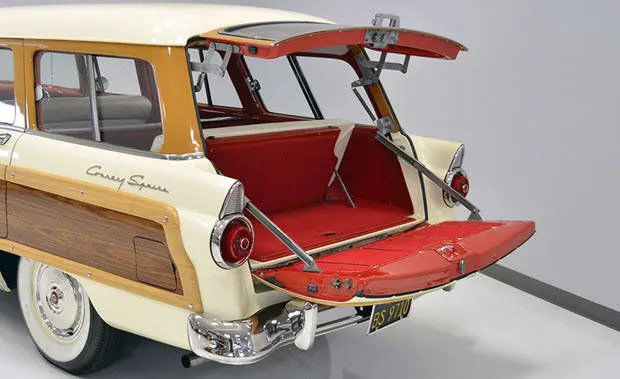
Materials Selection:
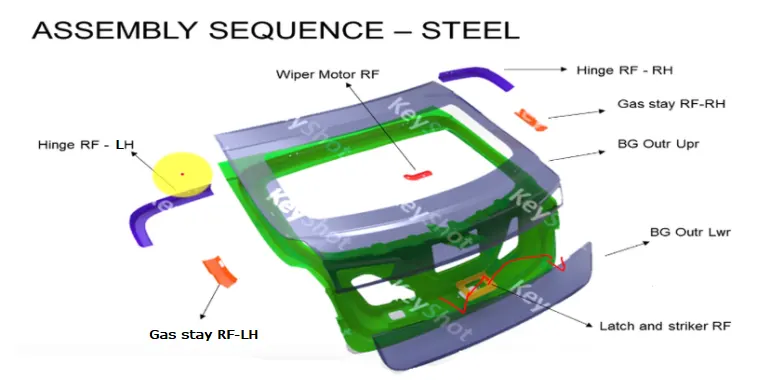
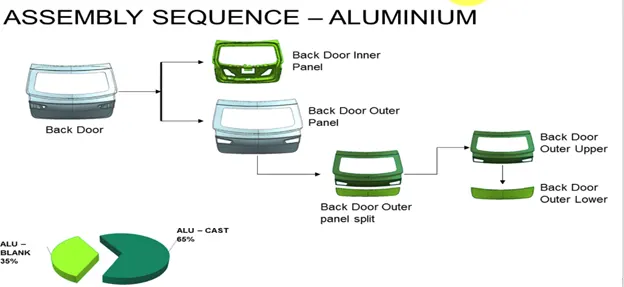
The back door's overall weight is significantly influenced by the material choice. Steel and aluminium are the most often utilised materials. Because steel has a denser composition than aluminium, the door is heavier. The backdoor's construction material is determined by the car's budget; most low-cost cars utilise steel because it is less expensive than aluminium. Another thing to keep in mind is that using cast aluminium parts rather than deep drawn steel parts eliminates the need for reinforcements and reduces the car's overall weight by about 5 to 10 kg, improving performance. Additionally, the draught angle for cast components is approximately 3 degrees, while deep drawn components have an angle of 7 to 10 degrees, which helps to expand the luggage and cabin space.
Components to be designed:
1) Outer panel
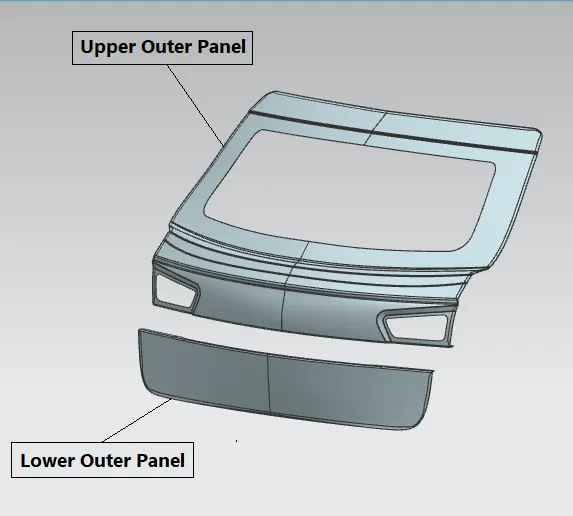
It is the back door's outside styling skin surface. It features multistage coatings that provide properties like scratch resistance and corrosion avoidance. Through the process of hemming, it is wrapped around the inside panel.
2) Inner Panel
One of the most crucial parts of the backdoor assembly is the inner panel. With the aid of the embossed patterns on it, it offers strength and aids in the absorption of external pressures. It assists in mounting accessories like as hinges, wiper motors, gas stays, latches, and strikers, among others.
The inner panel is made either through casting or deep drawing.
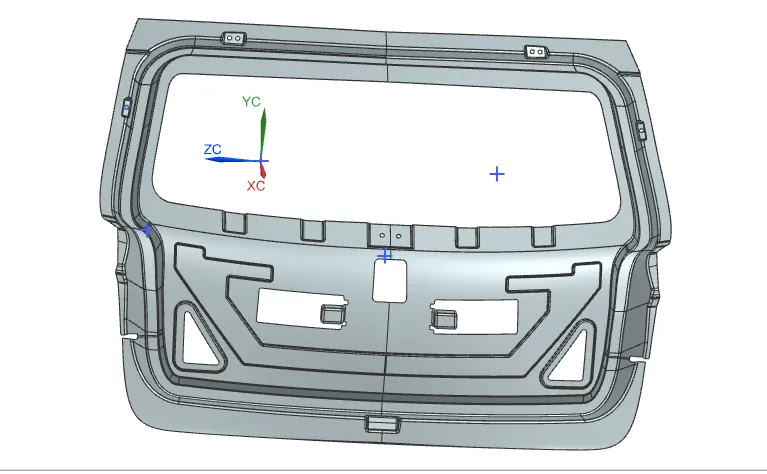
Most aluminium parts are cast, whereas deep drawing is used to create the steel inner panels. There must be a tooling direction via which that panel must be deep drawn if such is the case.
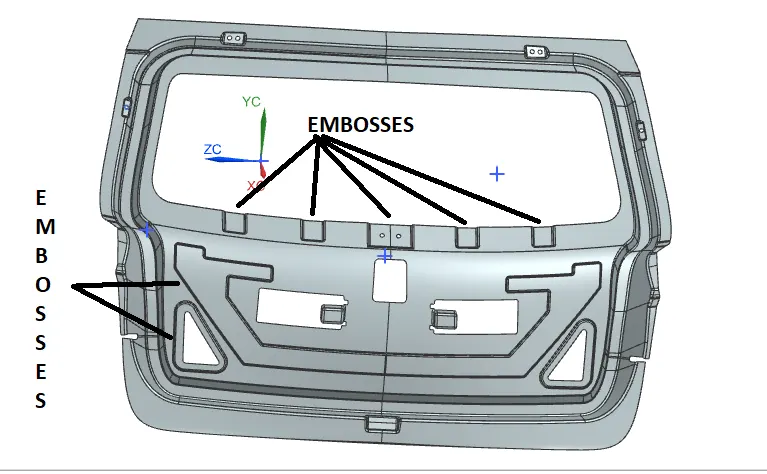
Embosses: These are offered to provide sheet metal panels more strength and to aid in channelling forces and energy in a particular direction. Here, embosses (Y/V emboss) are made in such a way that they face the exterior of the backdoor, as seen in the illustration.
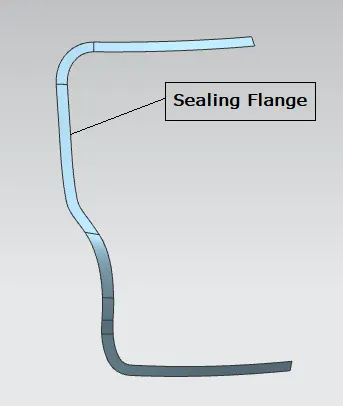
Sealing flange:The inner panel's sealing flange is the part that allows the backdoor to rest over the car's rear body side. Its design is crucial because it determines how a backdoor is mounted on the rear body side of the car and limits how much outside matter can get inside.
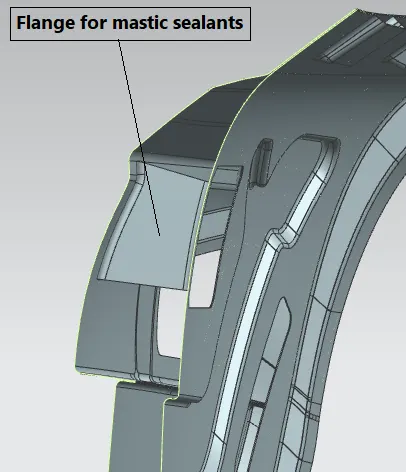
Mastic Sealants: Since the outer panel contributes to the vehicle's aesthetic appearance, we cannot join parts using bolts, spot welding, or any other method that detracts from the panel's aesthetic appearance. Mastic sealants are thus employed to bond the inner and outer panel parts. The distance between places where mastics are to be applied must not be less than 5 mm.
Reinforcements:
In order to maintain the rigidity of the panel assembly, reinforcements are typically placed to increase the strength of the panel in specific localised areas that are relatively small compared to sheet metal parts for absorbing loads imposed thereon and dissipating such loads throughout the panel assembly. The panel used in this section is 0.75mm thick, whereas the reinforcements are typically 1-1.5mm thick.
Reinforcing the hinges:
The backdoor's whole weight is supported by the hinge, a pivoting device. As a result, reinforcements are added for rigidity and strength.
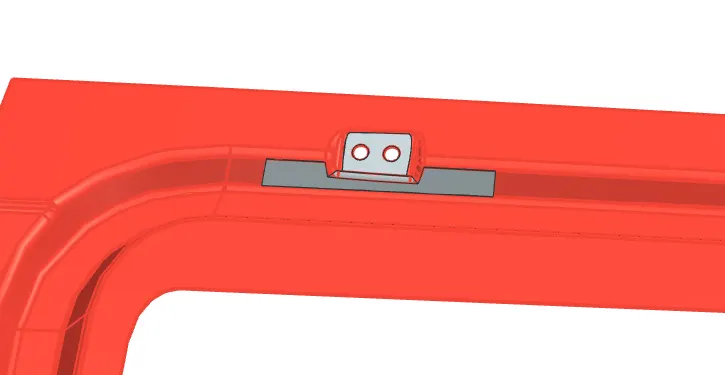
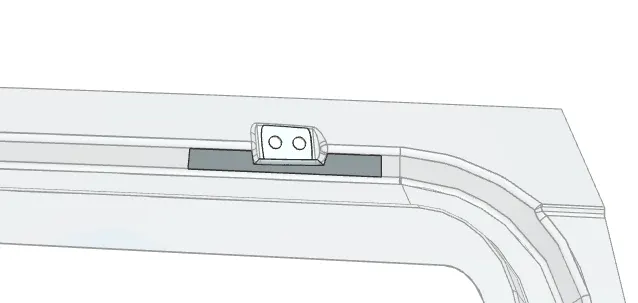
Gas stay reinforcements:
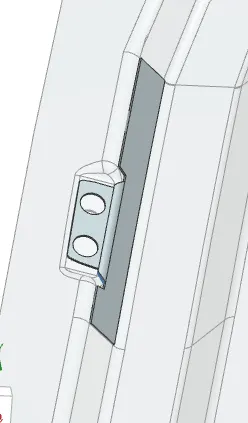
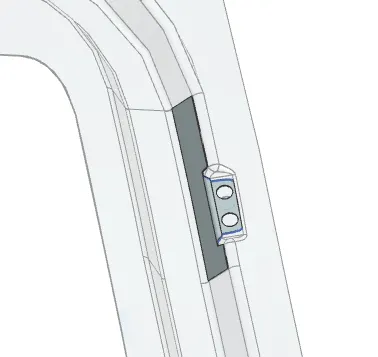
The backdoor is raised automatically by a gas stay, which also serves to support the backdoor while it is open. It comes in two varieties. both partially and entirely automated.
Reinforcement for the wiper motor:
The rear visibility is affected by dust and wetness on the windscreen, which is removed with a wiper. The motor, which is located on the interior panel, operates it. The inner panel becomes distorted as a result of the motor's vibration and heat, which reduces the panel's strength and stiffness and causes poor noise, vibration, and harshness (NVH). In order to prevent these circumstances, reinforcement is given.
Latch and Striker Reinforcement:
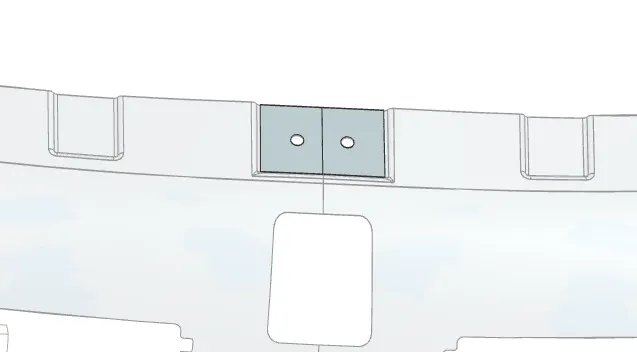
For the placement of the latch and striker assembly, an emboss is made in the bottom portion of the panel. The door is being opened and closed abusively and repeatedly, necessitating the installation of reinforcing.
Striker and latch position and trajectory:
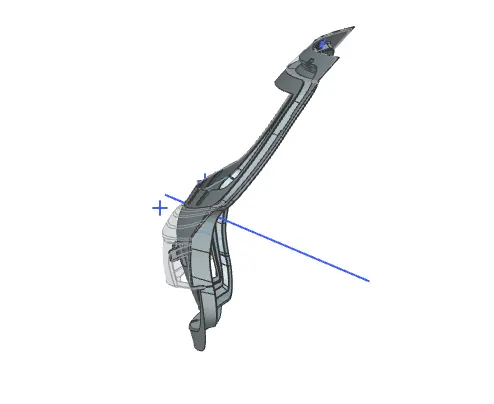
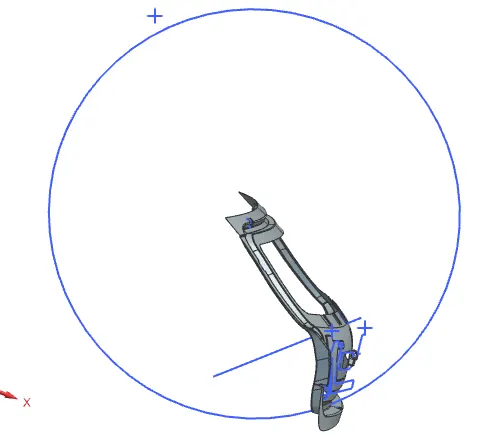
The backdoor's swinging portion revolves around the hinge axis. For the backdoor to open and close correctly, the latch striker's position and orientation are crucial. The striker is passed through at the proper position in relation to the inner panel by a circle whose centre serves as the hinge's axis.
Considerations for design
- Backwards visibility
- Accessibility and boot space
- Filtering Flange
- Supporting elements such as hinges and gas stays.
- Wiper motor, taillight, and other wiring loops mounting brackets
- regulation on rear crashes
- joining methods include spot welding, hemming, etc.
- Gap and flush specification
Draft analysis:
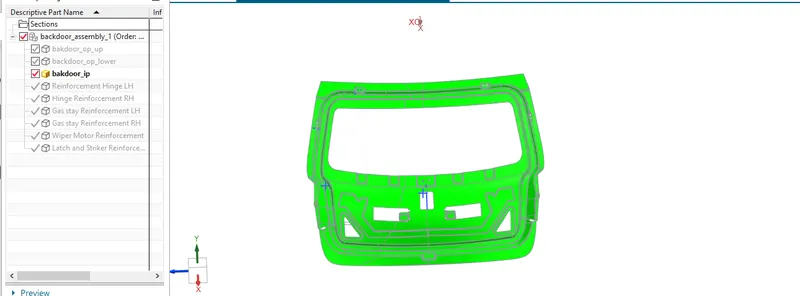
Every component made with a press tool or another type of forming tool needs some positive draught on the faces that are perpendicular to the tooling direction. On these faces, if we don't provide any draught (Zero Draft) or provide any negative draughts, the material will stick to the surface of the mould and, when the mould is in motion, it will obliterate the surface, lowering the surface finish. Therefore, using the Draft Analysis command, we can determine whether or not the component we have drafted can be easily expelled. Additionally, it provides information on the crucial zones, allowing for any necessary design modifications.
CONCLUSION
The style surface along the tooling direction was used to assist in the design of the back door's outer and inner panels.
The inner panel underwent a draught study, and all of the reinforcements were created and positioned appropriately.