Design of backdoor
AIM :
To design a Backdoor of the car on sheet metal using the appropriate design and provided skin data by considering design rules.
OBJECTIVE :
To design Back door of car using the given Class ‘A’ surface.
INTRODUCTION :
Backdoor are one of the type of door of the vehicle which are located next to the passanger seat which provides access to the luggage compartment. In most automobiles the back door opens upward which is hinged to the car roof and a gas stay Support fixed at the body side outer for keeping the back door in an open position.
The Back door of a car is cover the boot space or luggage area, Also there are more functions that come with it which has to be considered while making a design of the same like rear visibility criteria and boot space. Alos there are sealant flange is in the back door which is contact with the side body of the car which is provide to stop the dust,muds,rocks,sand comming inside of the car when it is driving.
Back lights/ Tail lamps and Braking lights which is mounts on it, Rear windshield is fixes between inner and outer panel, sometimes in some back door spare wheel can be mounted, also car registration number plate mounts on it , so backdoor gives a complete closed design to the car.
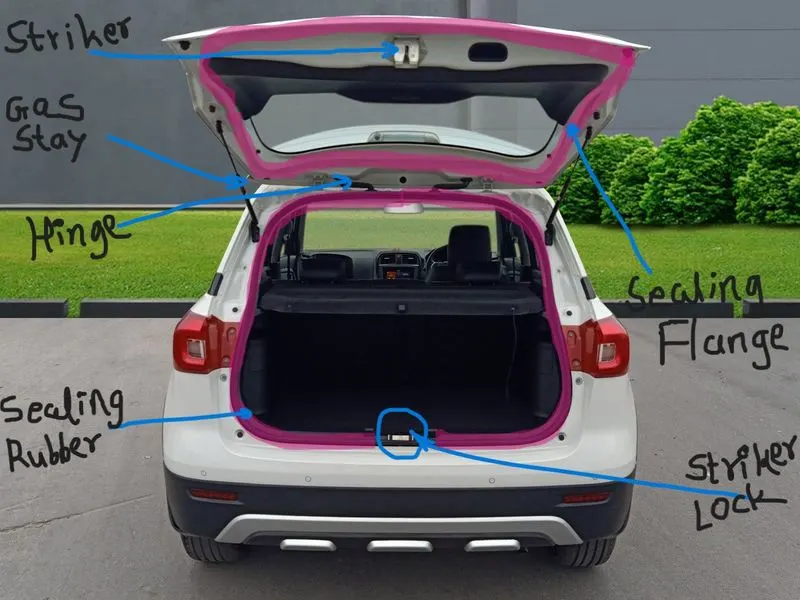
COMPONENTS OF THE BACK DOOR :
- Outer Pannel
- Inner Pannel
- Gas Stay
- Hinge Mounting
- Wiper Mounting
- Striker
In the below images the components of the back door is shown.
TYPES OF BACK DOORS :
- Top Mounted
- Side Mounted
- Bottom Mounted
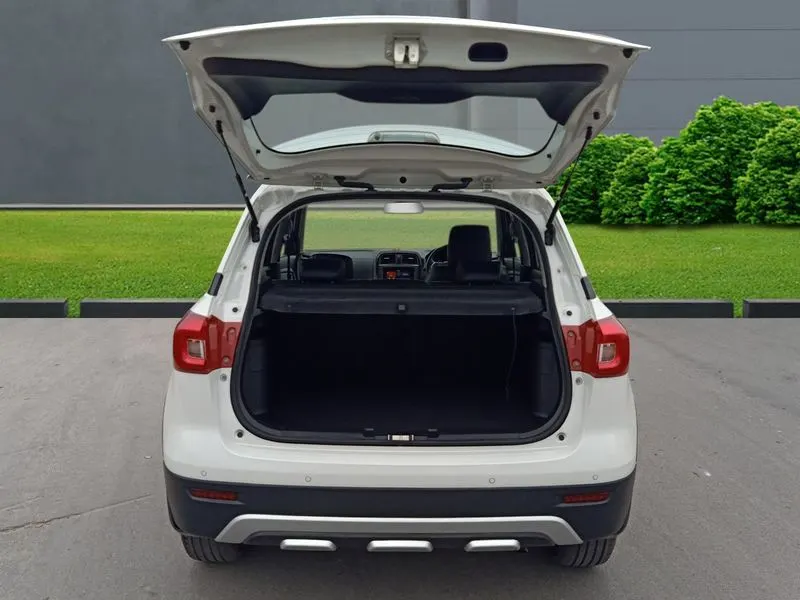
Top Mounted Door :
These type of back doors are used in a station wagon, pickup truck and some other sports utility vehicles. Today’s modern cars use top mounted tailgating systems which are both powered and also gas stay supported. These tailgates provide greater rear visibility compared to other types.
Example of top mounted door is shown in below image.
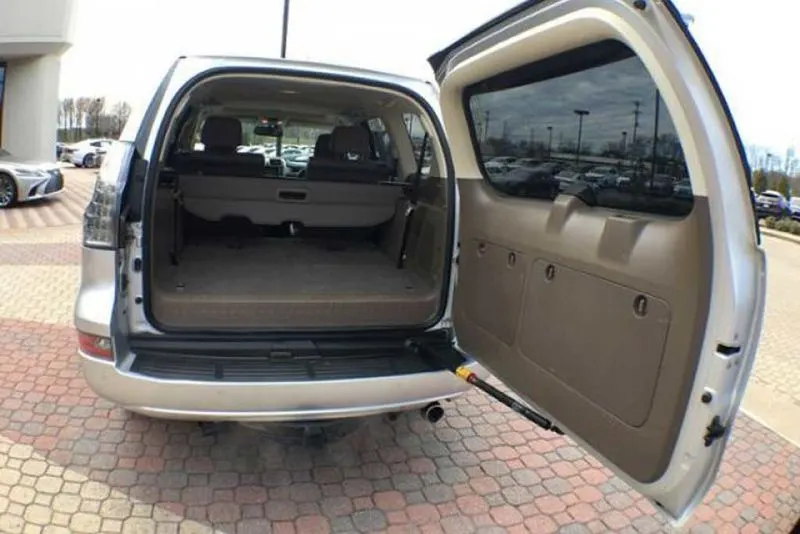
Side Mounted Door :
It is generally used in van type MPVs, SUVs, pickup truck vehicles. These side mounted door or barn doors are a lot easier compared to top mounted doors. These doors are generally small in size and can be easily accessed. These doors are more convenient for the goods handlers for carrying lengthy objects, long pipes where the door is kept open. It also saves accidental head impacts. It is a lot easier to load or unload items in vehicles having side-mounted doors.
Example of Side mounted door is shown in below image.
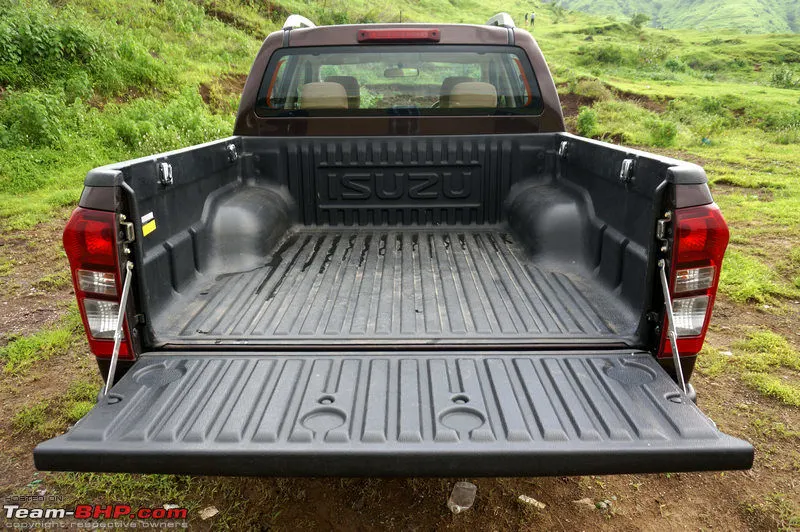
Bottom Mounted Door :
Bottom type or split type backdoor system is used in estate type cars, pickup trucks and some luxury SUVs. These are most convenient type of backdoor in which the bottom split is used as a support or even as a table for the touring people.
Example of Bottom mounted door is shown in below image.
FUNCTIONS OF BACKDOOR:
- It protects the occupants and luggage from getting damaged.
- It houses assembly of tail lamps, wiper motor and other components.
- It serves as entry and exit point for luggage/passengers.
- It houses windshield glass which helps in rear visibility.
- It contains Parking sensors, rear view camera, number plate are mounted on it.
- It protects against the mud,rock,dust entering in the luggage area. also provide the pedestrian safety during accident from backside.
DESIGN CONSIDERATIONS :
- Rear Visibility for safety and functionality
- Support Structures(reinforcements) like Hinge, Gas stay, striker, Wiper motor,etc
- Rear Crash regulations
- Boot Space(luggage area) & accessibility
- Sealing Flange which is in contact with sealing rubber while closing condition
- Mounts for wiper motor, tail lamps
- Strength criteria, gap and flush requirements
- Joining techniques such as hemming, spot welding etc
- Draft Analysis
MATERIAL SELECTION :
The material selection for the commodity depends upon the cost of the project and also the overall weight of the back door. The common materials used are Steel & Aluminum. Aluminium is better suited for developing the part as it can be cast and does not require Reinforcements for strengthening the part but, is costlier. steel panels are generally used as they are cheaper but require reinforcements. steel also tends to increase the overall weight of the car. The draft angle for casted parts is around 3 degrees while for deep drawn parts is around 7-10 degrees which helps in increasing the luggage/ cabin space.
The below table gives a comparative information about Steel and Aluminium.
| Aluminium |
Steel |
| Parts are Casted | Parts are Stamped |
| Reinforcements can be neglected | Reinforcements are necessary |
| Thickness can be varied | Thickness should be uniform |
| Lighter in weight | Heavier in weight |
| Less number of components | More number of components |
| Costly as compared to steel | Cheap as compared to aluminium |
MANUFACTURING PROCESS :
The metal deep drawing process is used for manufacturing of the back door inner pannel. Also the casting process used in case of the Aluminium material is used to produce the inner pannel. There is stamping and rolling process is used for emboss, cutouts and hamming.
Deep Drawing Process :
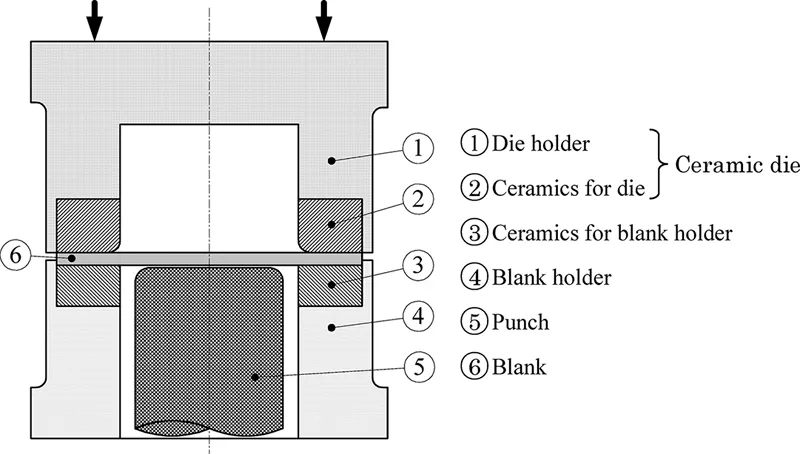
Deep drawing is a sheet metal manufacturing process. This operation transform a flat sheet blank into a three dimensional part. Usually the depth of the drawn part exceeds its diameter it is the reason why this process is called “deep”.
The way to carry out a deep drawing process is with a punch and a die. The punch has the desired shape of the base of the part. The die cavity matches the punch and is a little wider to allow for its passage, as well as clearance. Clearance must be enough to avoid cut the sheet and allow the material flow.
Sheet metal piece, called blank, is hold over the die opening by pressure apply by a blank holder. The punch travels towards the blank. The punch forces the sheet metal into the die cavity, forming desired shape. Parts manufactured by deep drawing cannot be complex shapes, being necessary do the process in several phases for complex parts.
Hydraulic or mechanical presses are necessary to carry out this industrial process. Hydraulic presses can control blankholder and punch separately but the mechanical presses are usually faster.
Deep drawing has a big production rate and a very good dimensional precision, but also generates too much strain on the material may cause defects as wrinkling or fractures. To prevent these defects is necessary to ensure an acceptable draw ratio, a proper lubricant and a correct holder force.
Hemming:
The inner and outer panels are joined by the process of hemming.
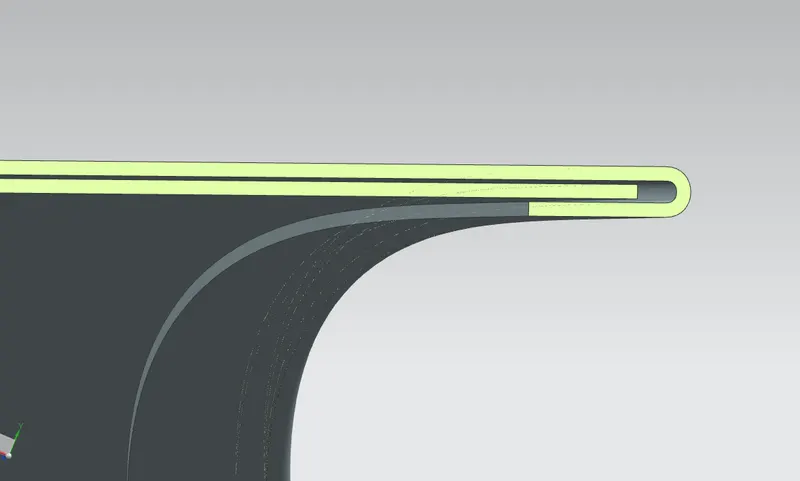
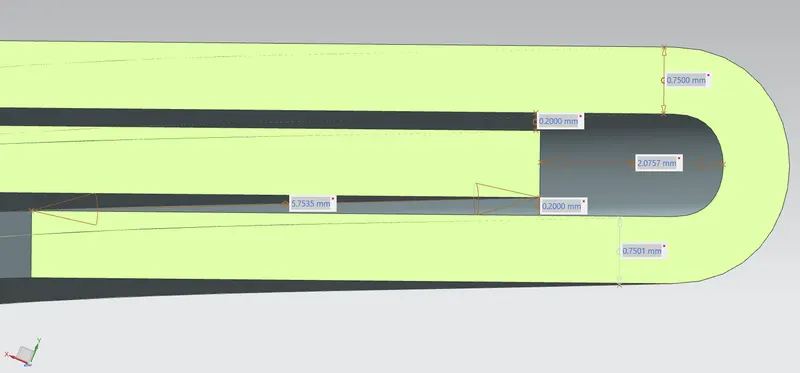
Hemming is a forming operation in which the edges of the sheet are folded or folded over another part in order to achieve a tight fit. Normally hemming operations are used to connect parts together, to improve the appearance of a part and to reinforce part edges.
In car part production, hemming is used in assembly as a secondary operation after deep drawing, trimming and flanging operations to join two sheet metal parts (outer and inner) together. Typical parts for this type of assembly are hoods, doors, trunk lids and fenders.
The accuracy of the hemming operation is very important since it affects the appearance of the surface and surface quality. Material deformations, which occur during the hemming process, can lead to dimensional variations and other defects in parts. Typical hemming defects are splits or wrinkles in the flange, material overlaps in the corner areas or material roll-in. This is why it is important to use simulation tools in order to, on the one hand, better understand the hemming process and, on the other hand, significantly reduce the number of “trial and error” loops during tryout und production.
There are various types of hemming operations:
- Conventional die hemming
- Roll hemming
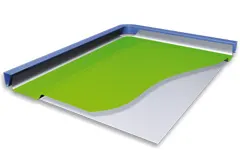
Fig:In conventional die hemming, the flange is folded over the entire length with a hemming tool.
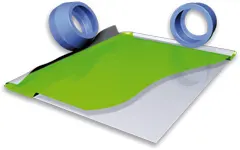
Fig:In roll hemming, the hemming roller is guided by an industrial robot to form the flange.
Conventional die hemming:
Conventional die hemming is suitable for mass production. In die hemming, the flange is folded over the entire length with a hemming tool. Normally the actual hemming is a result of a forming operation in which the flange is formed with a hemming tool after the drawing and trimming operations have been completed. The formed flange is then hemmed in several process steps. These steps include, for example, the pre-hemming and final hemming depending on the respective opening angle of the flange. Production plants for conventional die hemming are very expensive, but the cycle times are very low.
Roll hemming:
Roll hemming is carried out incrementally with a hemming roller. An industrial robot guides the hemming roller and forms the flange. Roll hemming operation can also be divided into several pre-hemming and final hemming process steps. Roll hemming is very flexible to use and tool costs are significantly lower as compared to those of conventional die hemming. However, the cycle times are much higher since the hemming is realized using a hemming roller which follows a defined path.
DESIGN PROCESS OF BACKDOOR :
The Outer Panel is a styling surface of the back door design which is provided. Now, using this there's other components of the back door are designed. First of all we have to check for the any surface irregularities in the given skin data. If irregularities are presence, then we have to repair those surface using through curve mesh and sew it.
OUTER PANNEL :
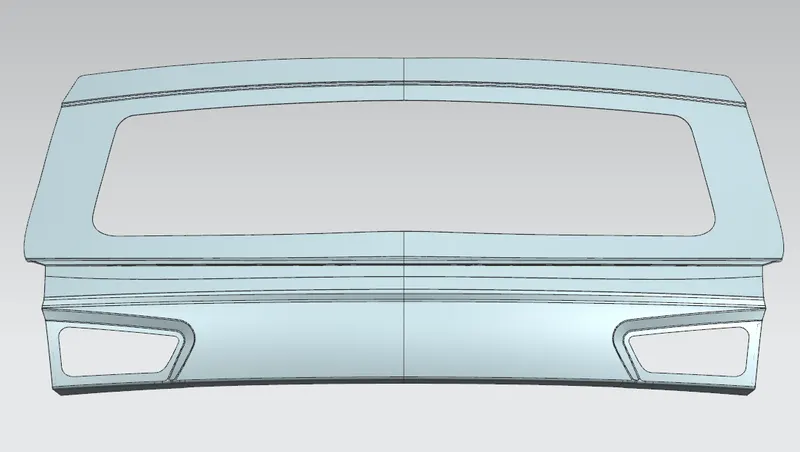
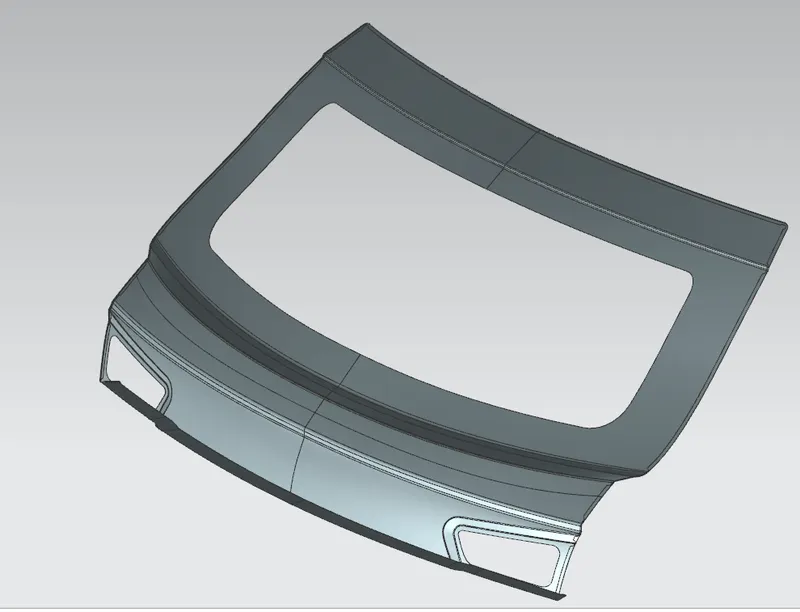
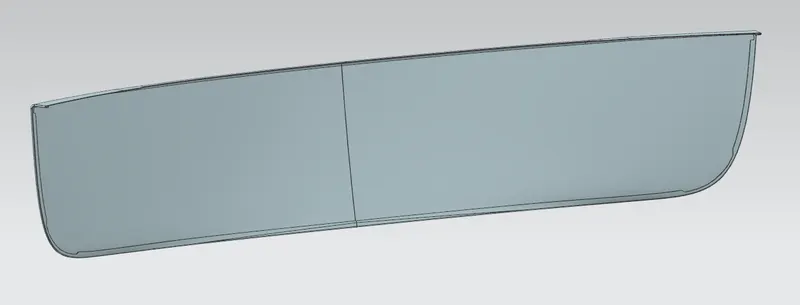
In designing the outer panel it is divided into two parts which is
- Outer Upper Pannel
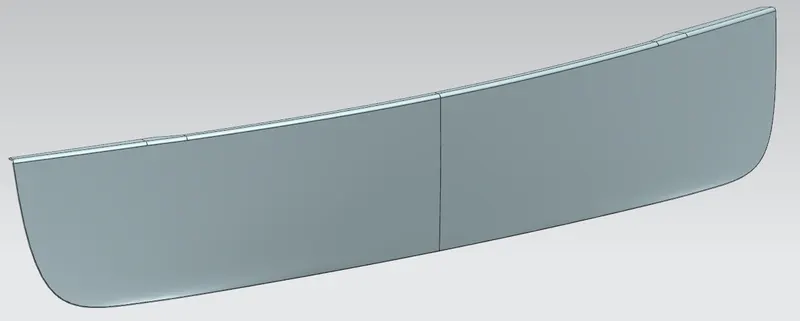
- Outer Lower Panel
Outer Upper Panel :
The outer upper panel is extracted from the given styling surface by modifying the irregularities. In the outer pannel there are hamming is done and the corner relief is done by using the curve on surface command. after that the thickness is provided of 0.75mm in the lower direction.
Outer Lower Panel :
The same procedure as outer upper pannel is done in the designing of outer lower pannel.
INNER PANNEL :
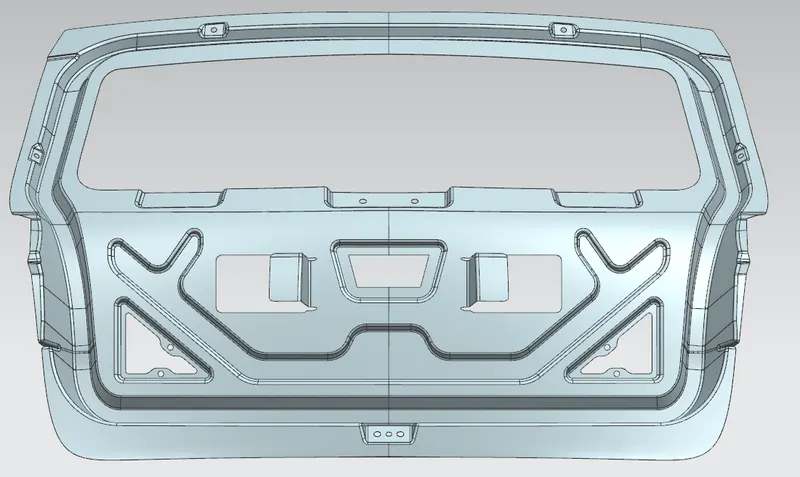
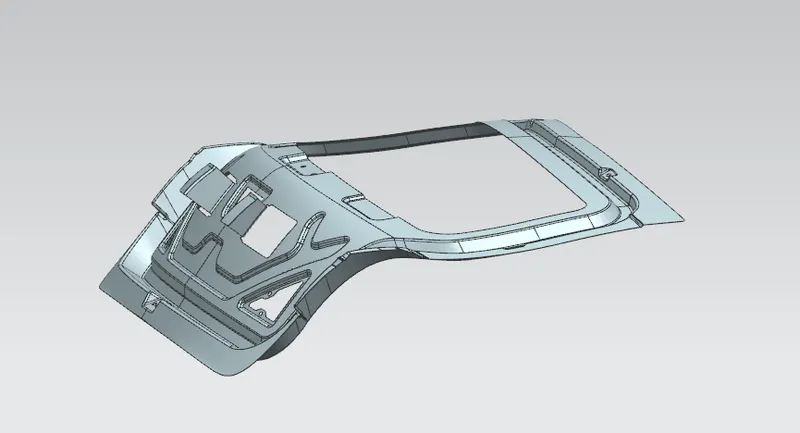
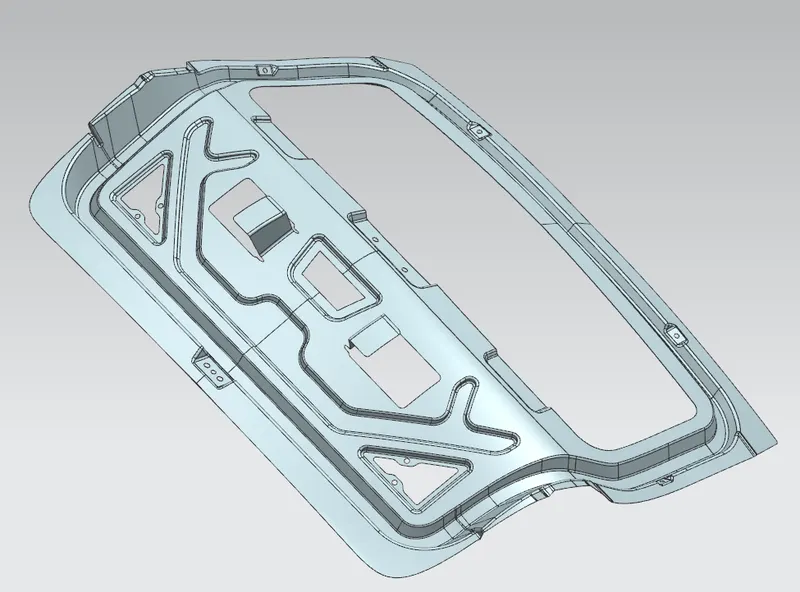
The inner panel is one of the most important components of backdoor assembly. It provides strength and helps in dissipation of forces outside the part with the help of embosses made on it. It helps in mounting of accessories like hinges, wiper motor, gas stay, latch & striker etc. The inner panel is produced by either casting or through Deep drawing process.
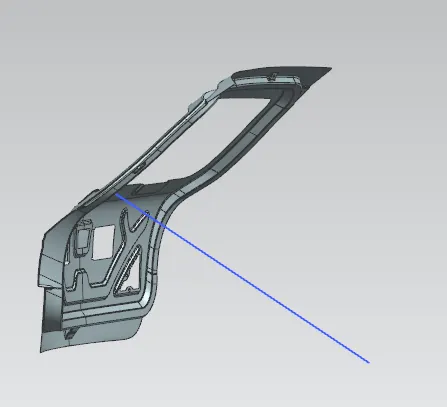
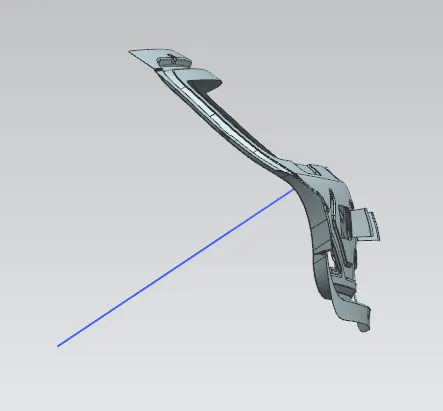
After completion of the outer pannel designing we have to extract the surface in the inner pannel and first of all we have to defining the tooling axis for the inner pannel.
Tooling Direction :
The back door is going to be manufactured by deep drawing process. In Deep Drawing process have a tool which is Punch and Blank. The Punch follows the single Straight path the inclination angle of the Blank is known as a tooling direction. The tooling direction/axis is created so, that the Manufacturing team take the reference of this tooling axis and manufacture the part accordingly.
Sealing Flange :
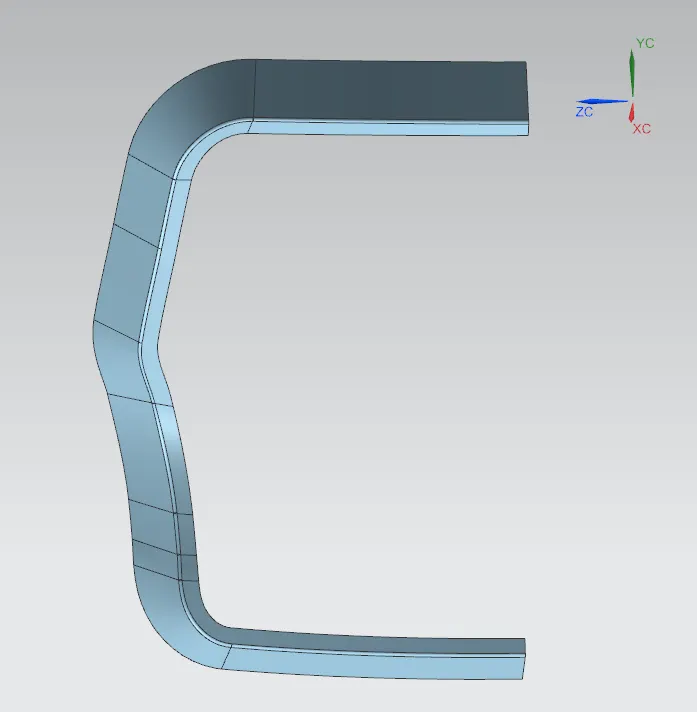
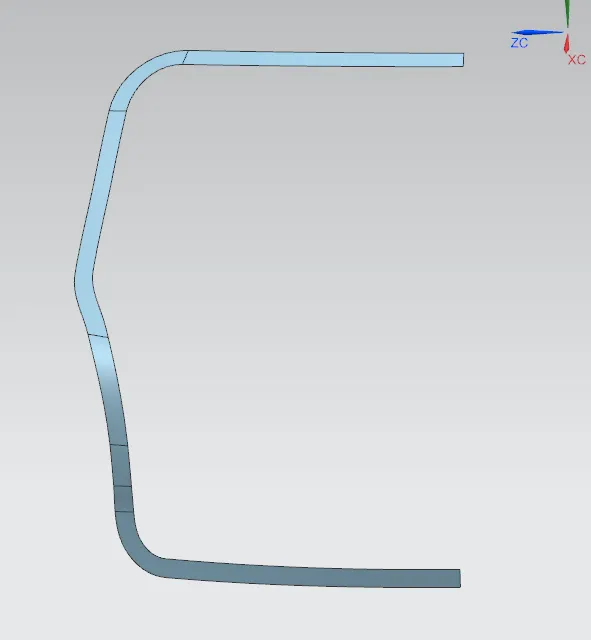
Then we create a sealing flange. Here the sealing flange is created by maintaining a gap between inner panel to the sealing flange. It is that section of the inner panel which enables the backdoor to sit over the rear body side of the car. Its design is important because it restricts any external matter to enter inside the vehicle.
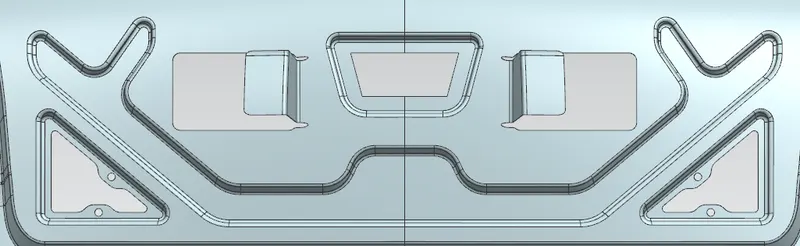
Embosses :
It is provided to give extra strength to sheet metal panel. It is also used to disipate the forces sideways. Here embosses (Y/V emboss) are designed in such a way so as to direct force towards the outer end of the backdoor as shown in the image.
Mastic sealant :
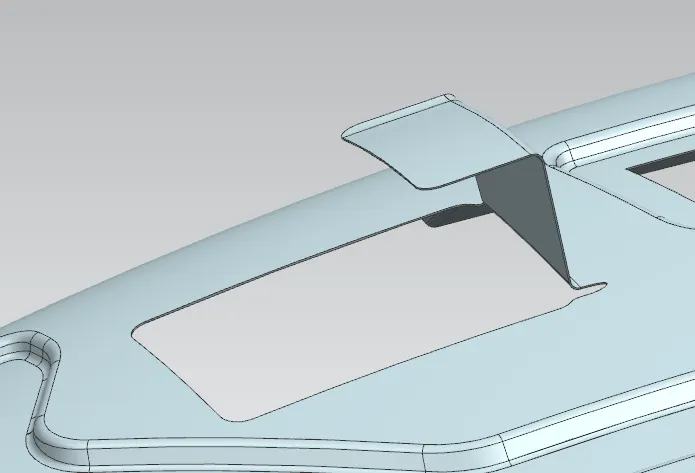
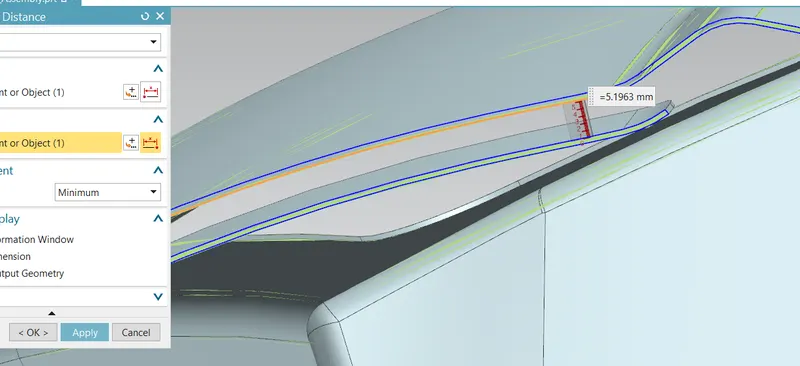
Mastic sealant is used to fix the inner panel and the outer panel which increases the NVH( Noise, Vibration, Harshness) factor and stiffness of the back door. Mastic sealant is used because prevent to damage the aesthetic looks of the outer pannel. Here, the sheet is bend with the help of another die to make the flange in "L" shape. A maximum gap of 5mm is to be maintained in between parts where mastics are to be applied.
REINFORCEMENTS :
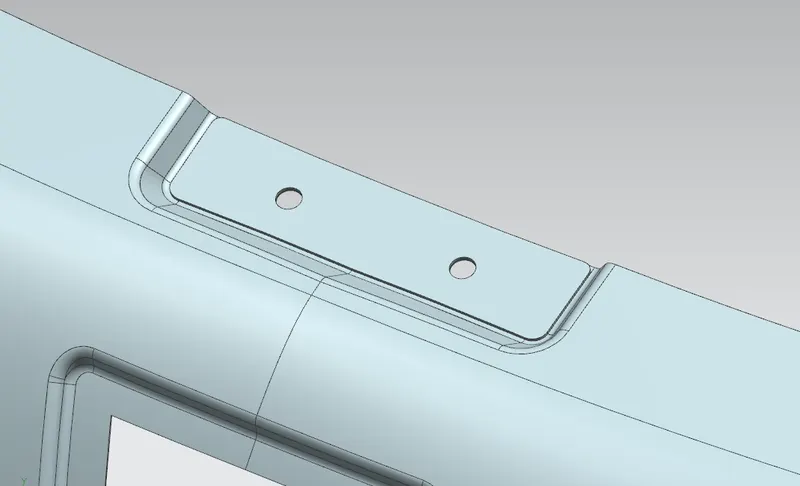
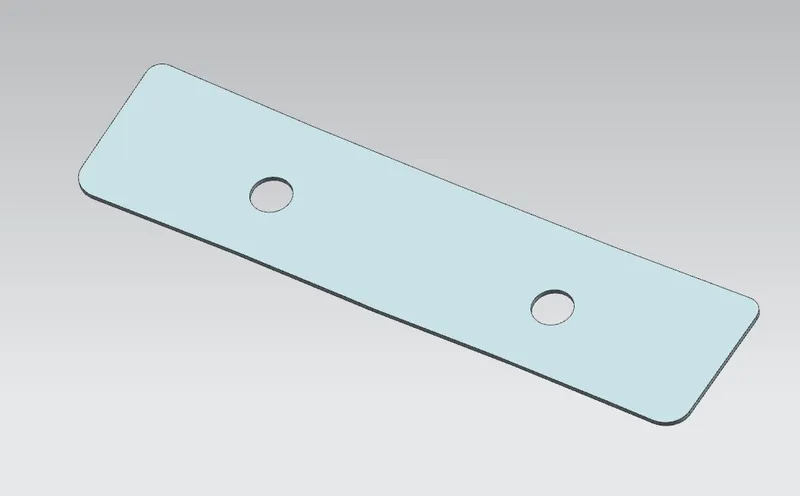
Reinforcements are generally placed to increase the strength of the panel where the mountings are attached because due to mounting are placed that area of the inner pannel becomes weak and for giving strength to that area we required to create reinforcements. The thickness of the reinforcement is generally taken as 1.5mm.
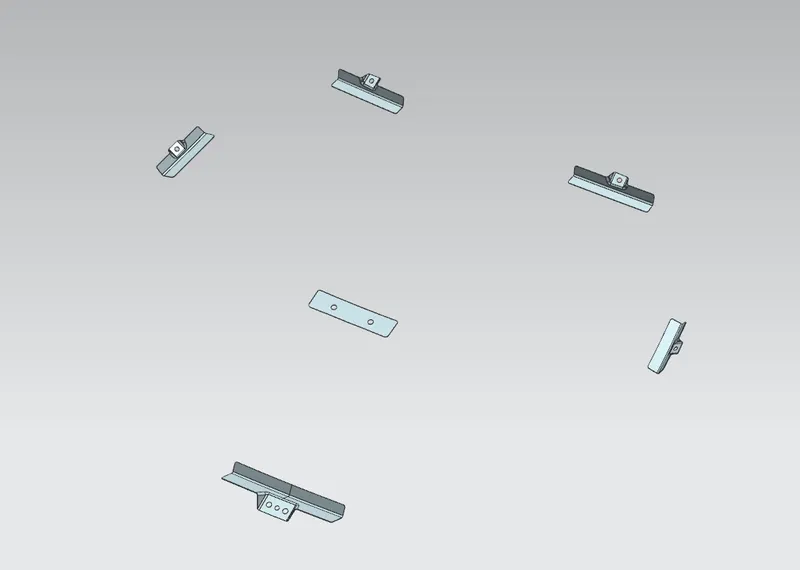
Hinge Reinforcements :
Hinge is a pivot mechanism which supports the total weight of the backdoor. It allow the opening and closing of the back door. One end of the hinge is fixed on the back door and the other and on the roof. So reinforcements are added for strength and rigidity.
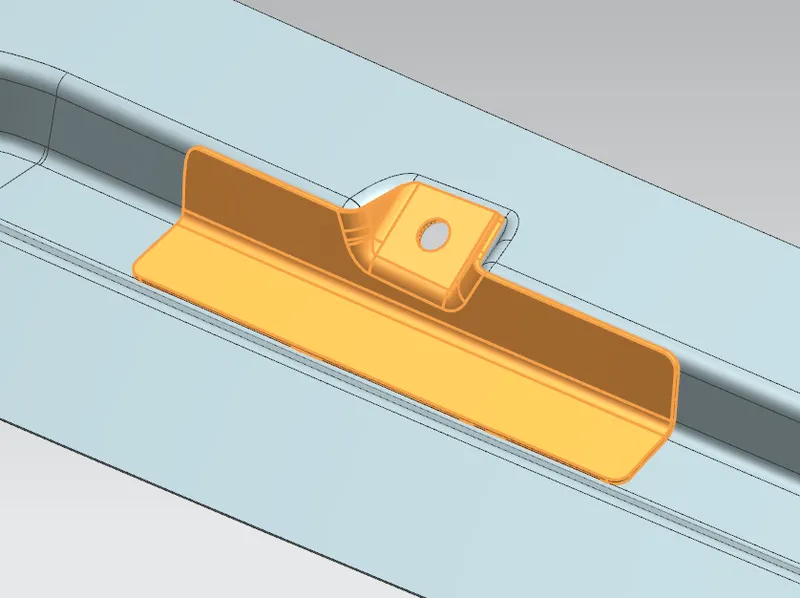
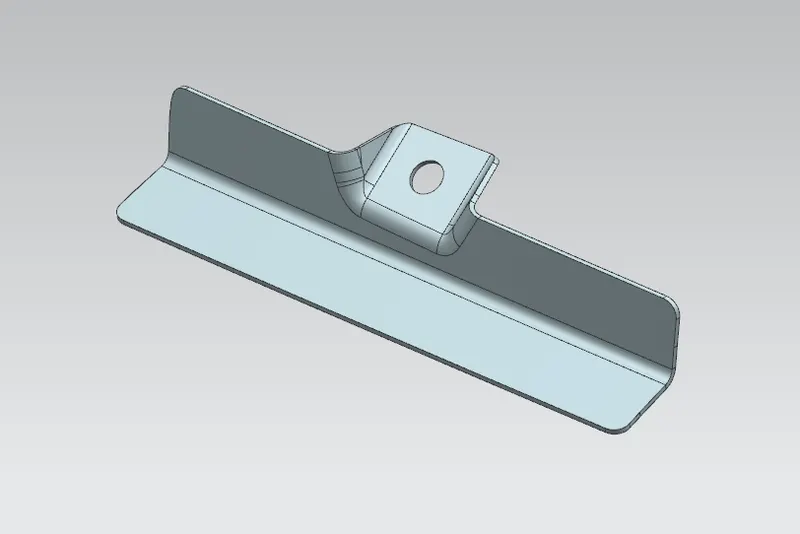
Gas Stay Reinforcements :
Gas stay is used to lift the backdoor automatically upward and is used to support the backdoor in its open position. It can be of Two types Semi-automated and fully automated. one end of the gas stay is mounted on the side body and the other end of the gas stay is mounted on the backdoor.
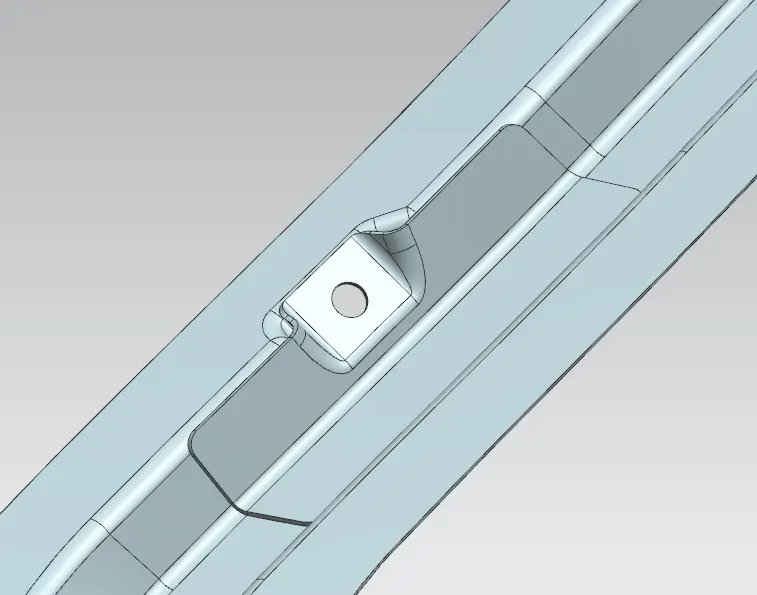
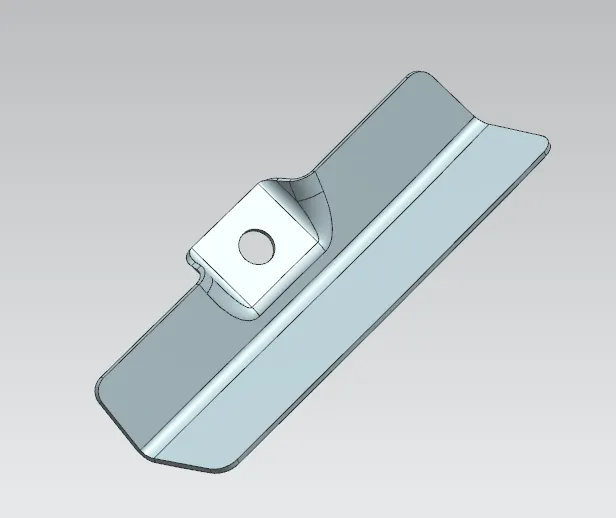
Wiper Motor Reinforcement :
Wiper is used to wipeout the dust particles & water on the windshield glass which affects the rear visibility. It is actuated by the motor which is mounted on the inner panel.
Latch and Striker Reinforcement :
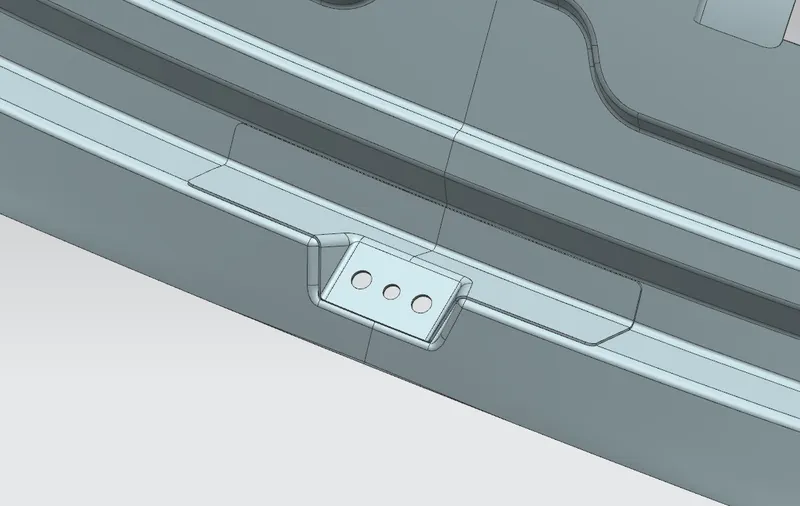
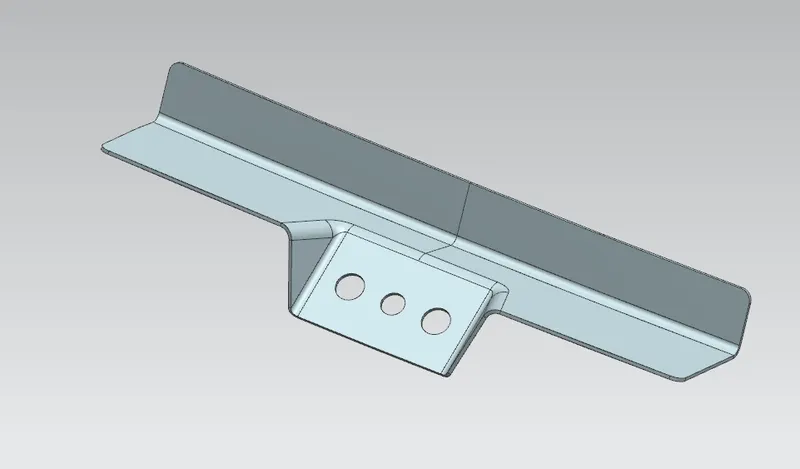
In the bottom part of the panel emboss is created for placemnet of latch and striker assembly. Due to regular opening, closing and over slamming of the back door there is stressed developed in the latch and striker area.
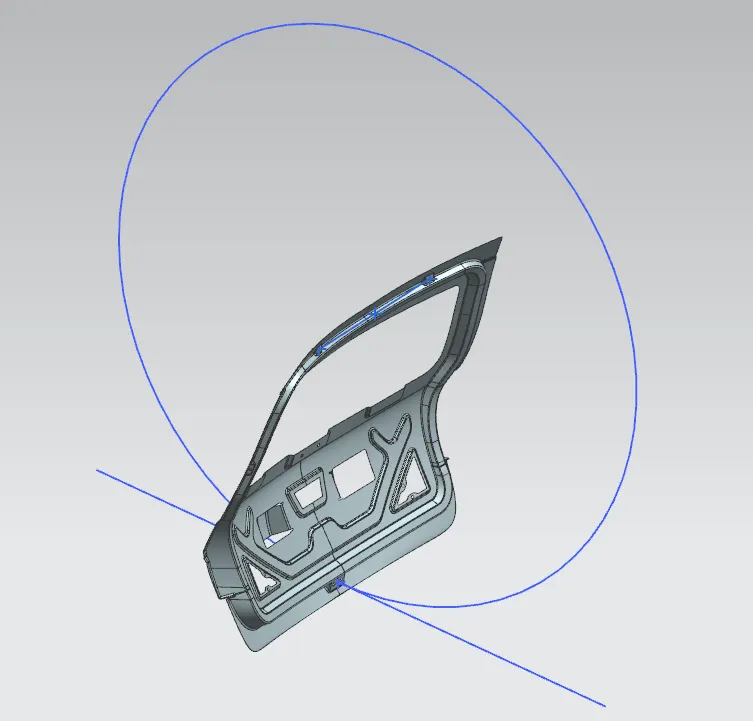
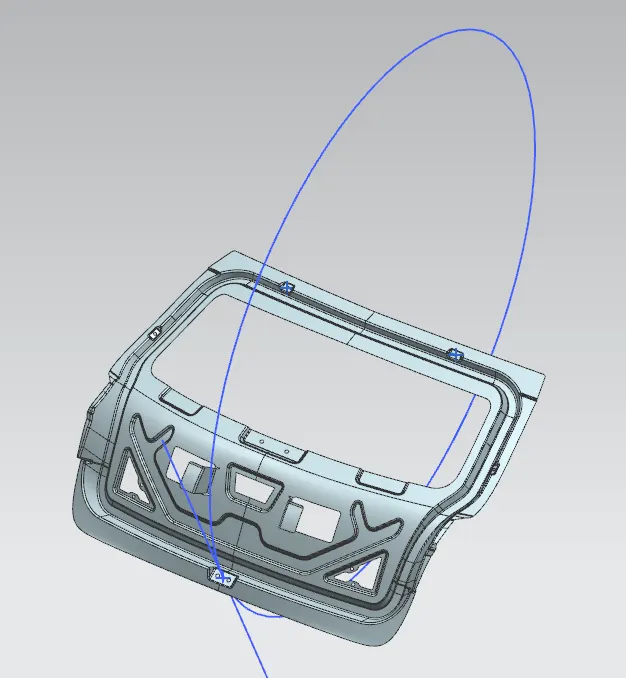
Latch & Striker Trajectory :
Backdoor is the swinging commodity which rotates about hinge axis. The position and orientation of latch striker is important for proper opening and closing of the backdoor. The positioning is done by sketching a circle with center as the axis of the hinge and passes through the center point on the latch hole. This circle is called as striker trajectory circle. and at the tangent point the striker is to be placed.
DRAFT ANALYSIS :
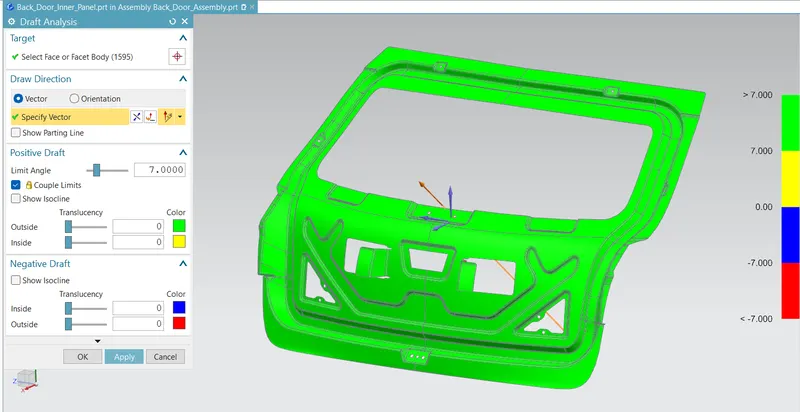
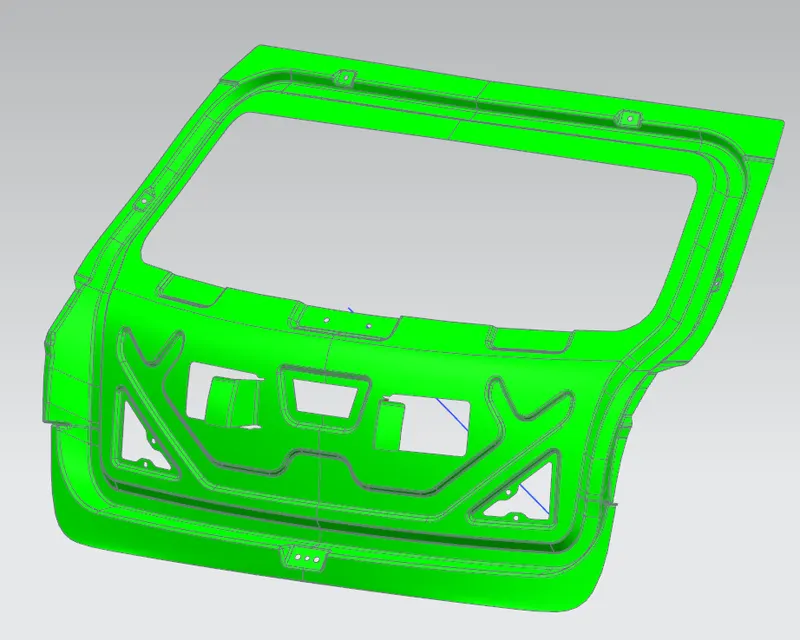
When the component is manufactured using the punch or tool it require some positive draft on the faces parallel to the tooling direction. because if we don't give draft then the comonent is stick with the mould or punch and it should be damaged. This positive angle is called as draft. Draft Analysis is done to analyze the draft angle. This allows us to verify whether the product will be easily removed from the tool and is suitable for manufacturing.
Draft Analysis for the back door inner pannel is given in the below image.
ASSEMBLY :
The whole back door assembly is shown in the below image with different components.
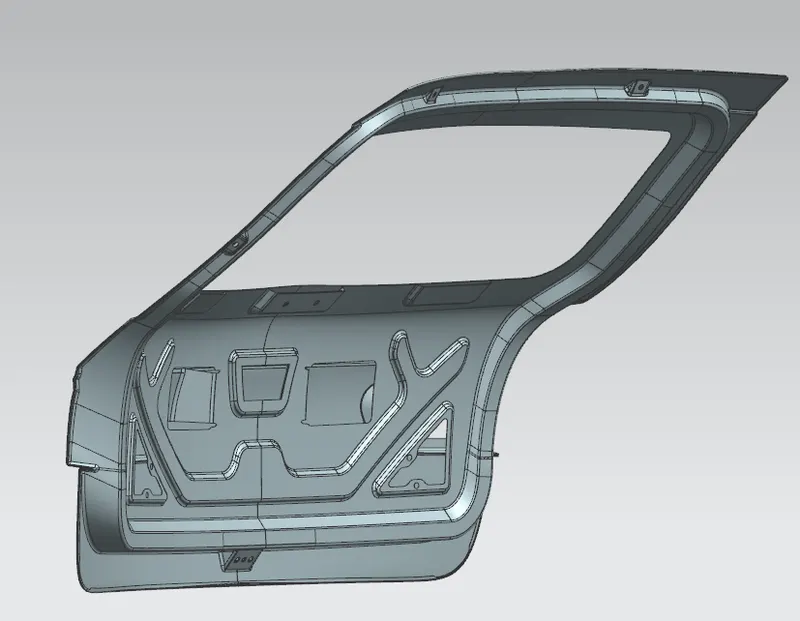
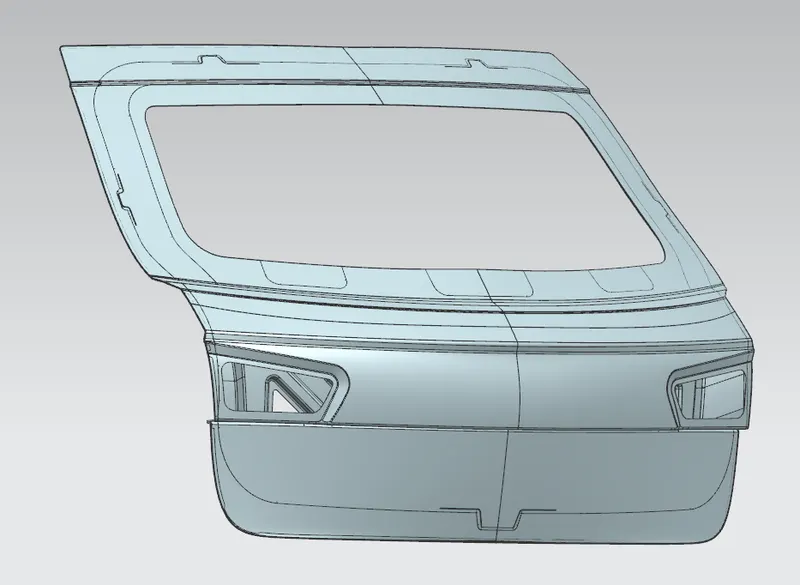
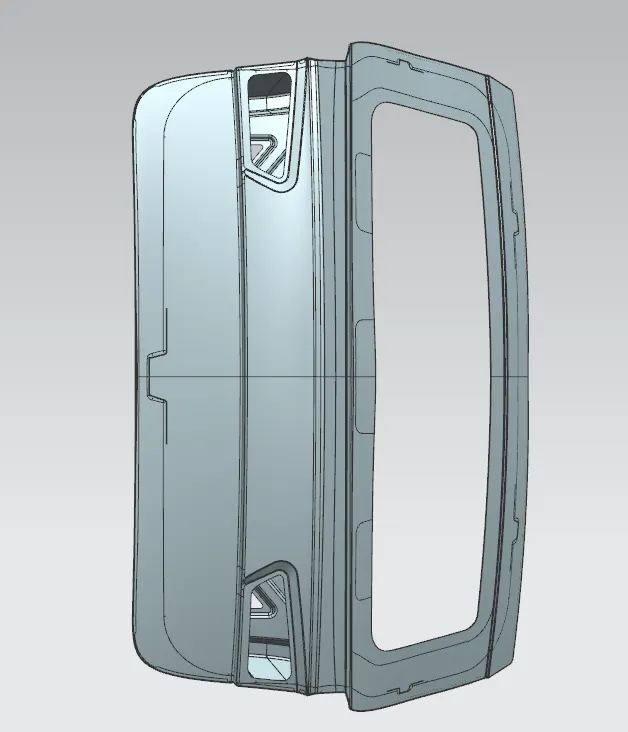
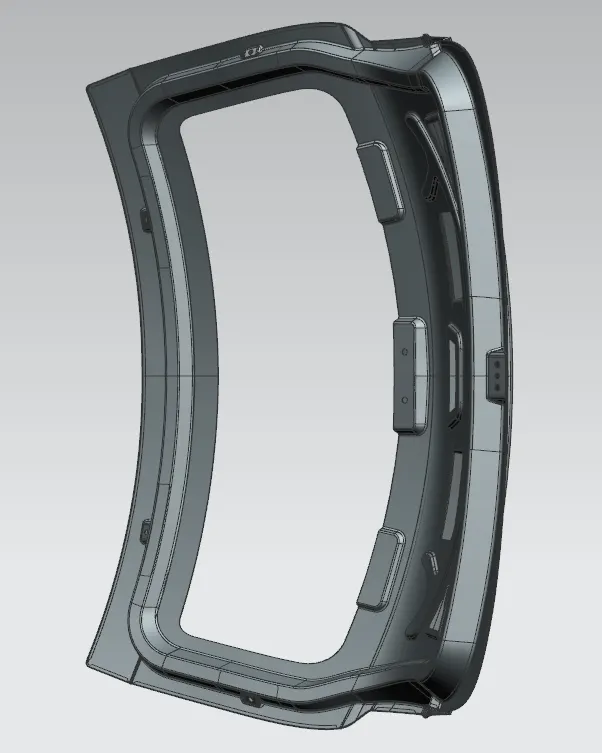
Views of the back door design :
FRONT VIEW :
BACK VIEW :
SIDE VIEW :
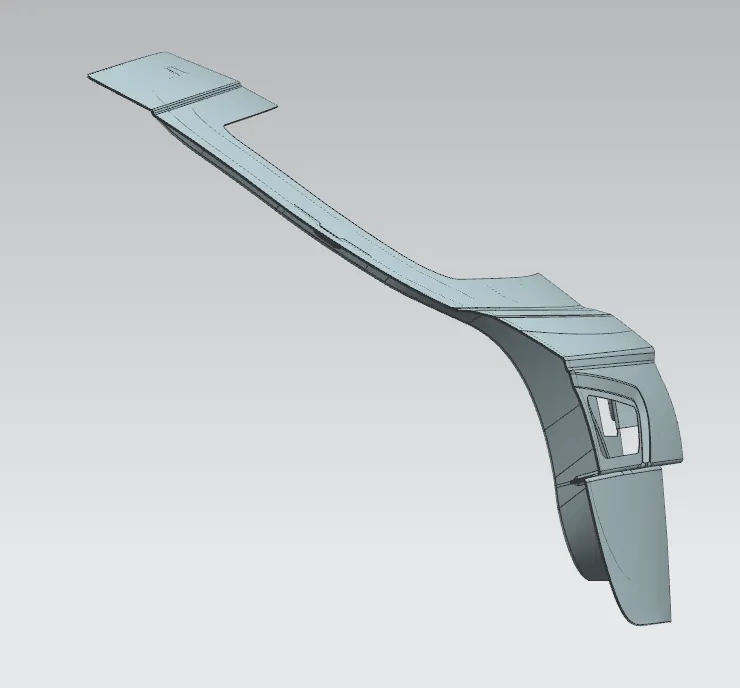
TOP VIEW :
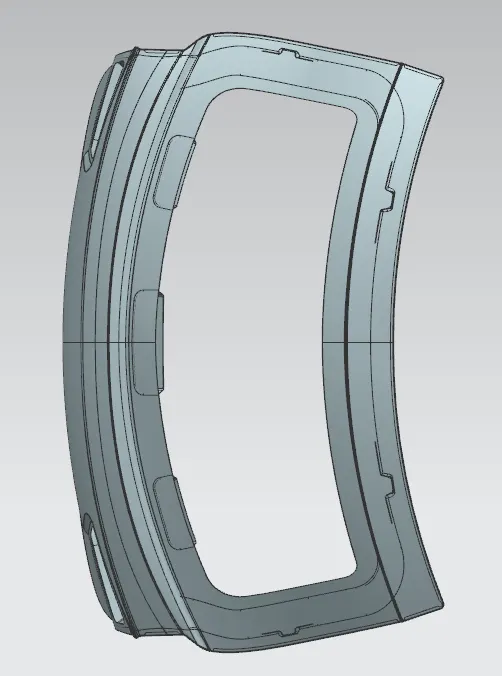
ISOMETRIC VIEW :
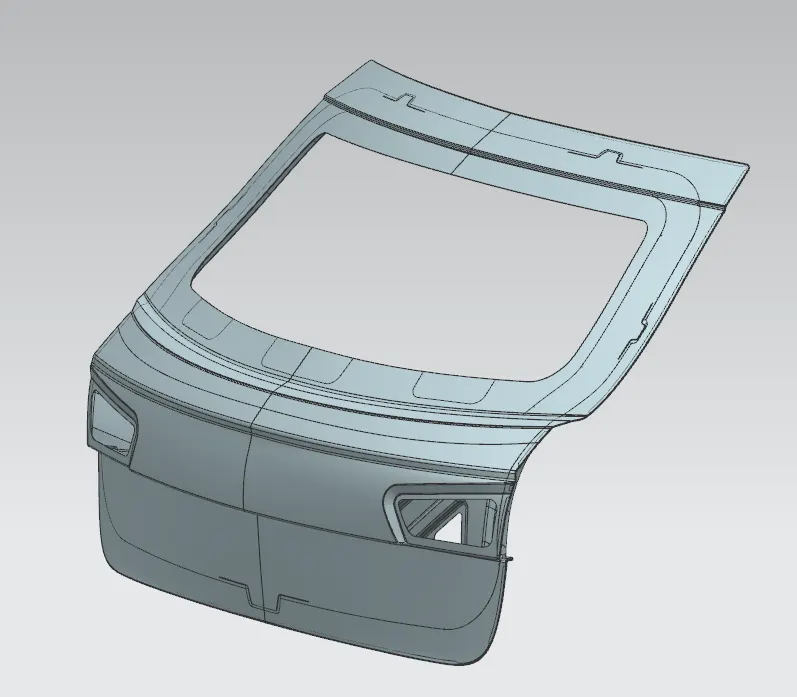
CONCLUSION :
The backdoor is designed by using the given data, in Seimens NX software with a proper guidelines and the result is satisfactory.