Design of backdoor
AIM:
To design the back door of the car and make the inner panel of the back door and also design the necessary reinforcements.
SOFTWARE: NX 12.0
INTRODUCTION:
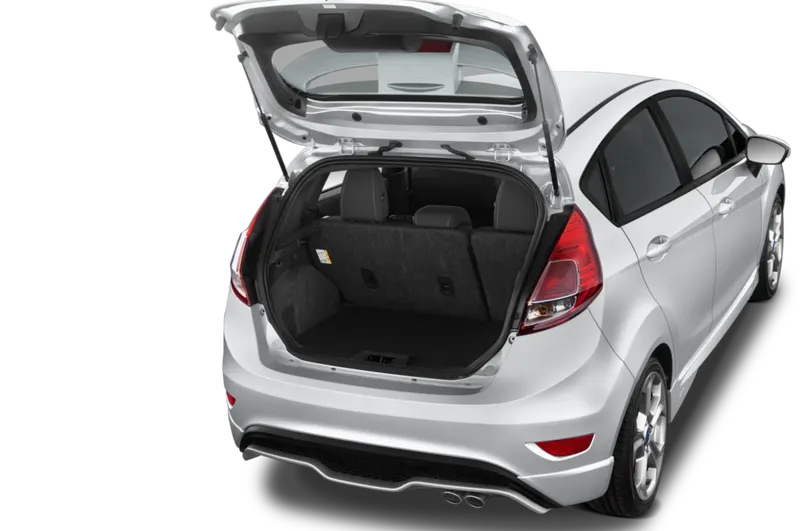
- The trunk (North American English) or boot (British English) of a car is the vehicle's main storage or cargo compartment, often a hatch at the rear of the vehicle. It is also called a tailgate. These doors can be operated manually or electric powered. In most luxury cars door is electrically operated. It involves a preeminent role during rear crash cases. so our design must obey crash requirements.
- The institute of highway safety analyses the different accidents and they set a test to rate our car. so these rating depends on the design of the trunk and material used, flanges, embosses, joining of the inner panel and outer panel etc.
Types of doors based on working position,
- Top Mounted Door
- Side mounted Door
- Bottom Door
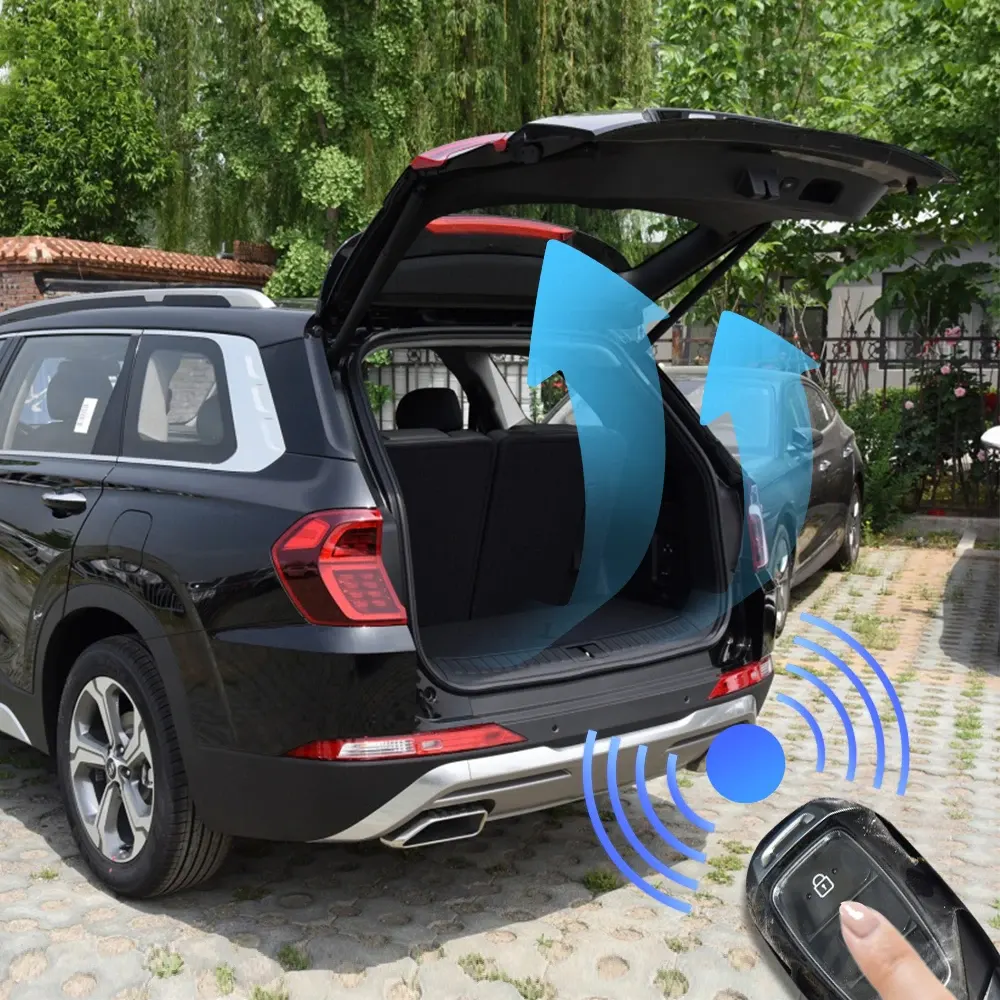
The back door is operated by two types of commodities:
- electrically operated
- gas stay powered
 .
.
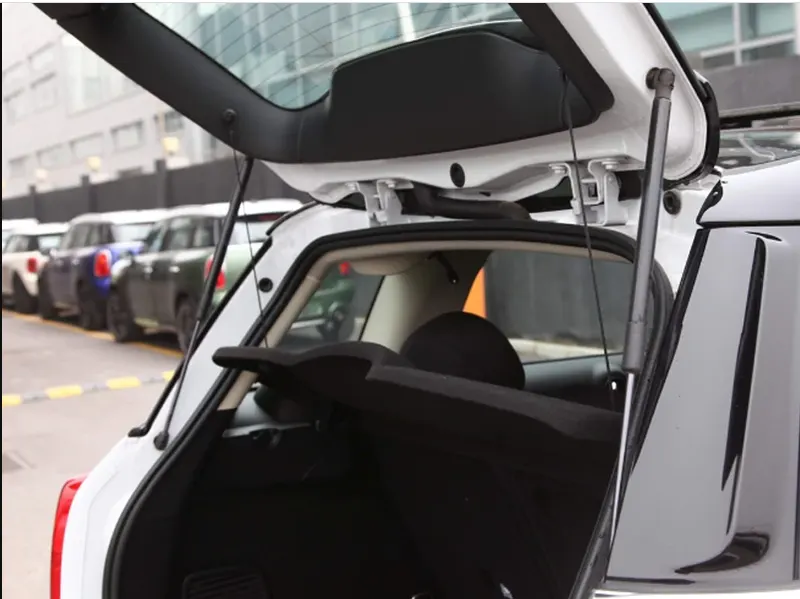
- The main purpose of these mechanisms is to open the back door without heavy effort because the back door has different parts and the weight of the back door is high, so we are not able to open the back door manually, so we introduced these two types of commodities. and these also decide the premium of the car, mostly the electrically operated used in premium cars.
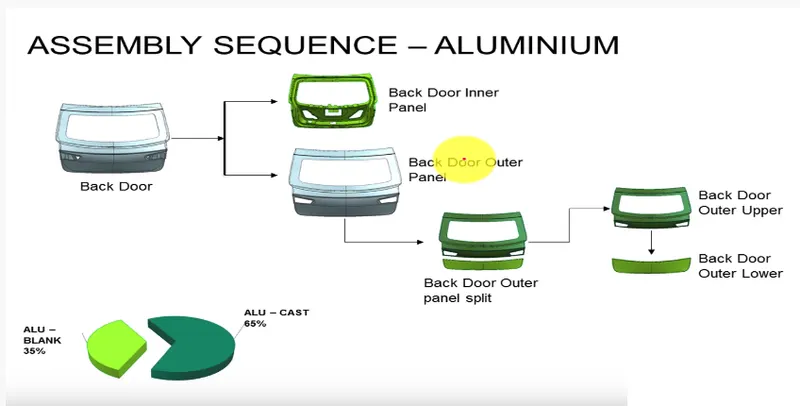
- The major problem in the back door is material selection. mostly in past days steel is used, but it makes very problems the steel parts have heavyweight, so it reduces the fuel economy, instead of steel presently in high-end cars aluminium is used, the main objective of aluminium it has less dense material and its suitable for complex shapes, and it also gives the thickness locally because it it is done eating, in case of steel we used deep drawing operation. there are some of advantages and disadvantages are there
 .
.
- So by using aluminium we can reduce the number of parts and assembly involvement. and it is a costly material.
- These are the certain tests that are done in the back door, not only back door all components must pass these tests but different components have different tests because of the functionality.
Inputs for designing of backdoor:
- Outer Panel - 0.75 mm
- Inner Panel - 0.75 mm
- Reinforcements - 1.5 mm
Different types of Sheetmetal operations are done in the Back Door
Deep Drawing:
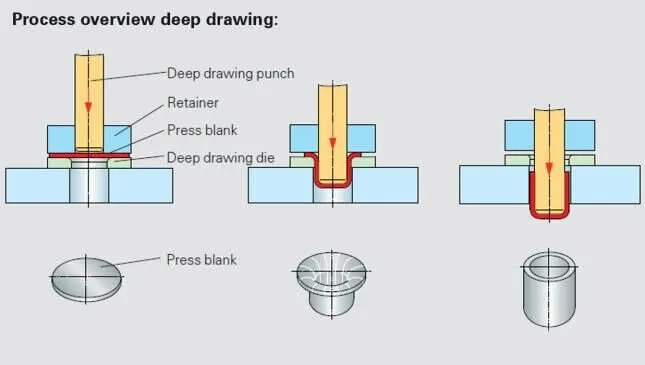
- The metal deep-drawing process is an effective method of manufacturing cups, cans and other similar deep-drawing products. The deep drawings have two main categories.
- First-stage drawing: The blank shape of metal is placed on the die and in contact with the punch. When the metal specimen is a flat piece of sheet metal used in forming and finishing the product. Initially, the punch moves in a downward direction. The outer rim of the blank is subjected to pure radial drawing (drawing toward vertical axes) between the die and blank metal. The metal becomes bent and slides over the die and also stretched between the die and the punch. The metal in the vicinity of the punch head and contact with it bends and slides over the radii and stretches over the punch head.
- Redrawing: The components drawn from the first stage again it is redrawn and converted into more depth to form a cup shape in the die and punch. The second stage of drawing is called redrawing
Back Door Assembly:
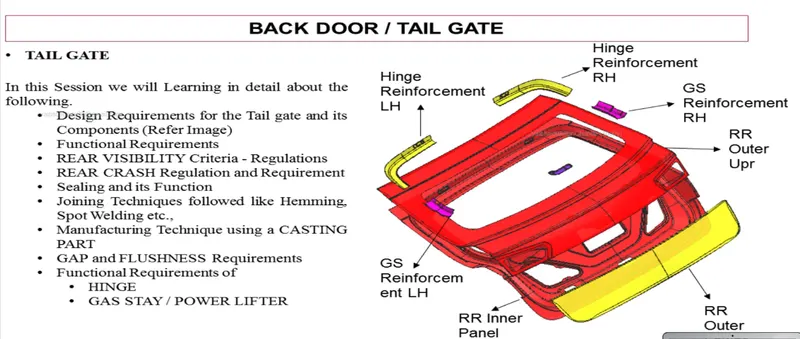
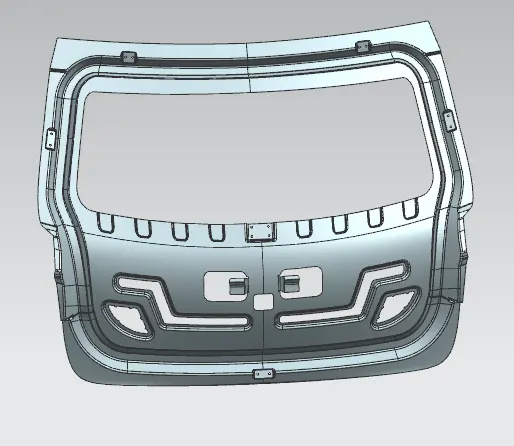
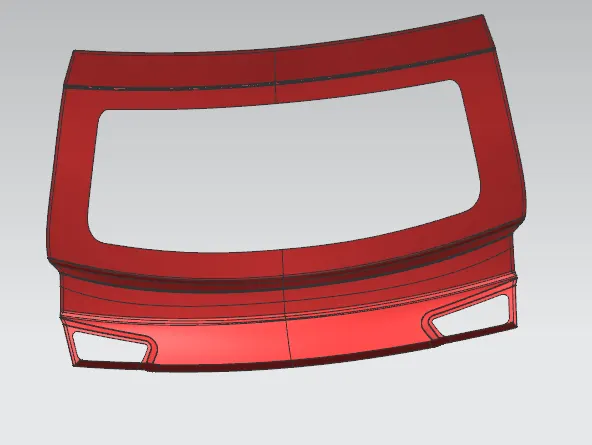
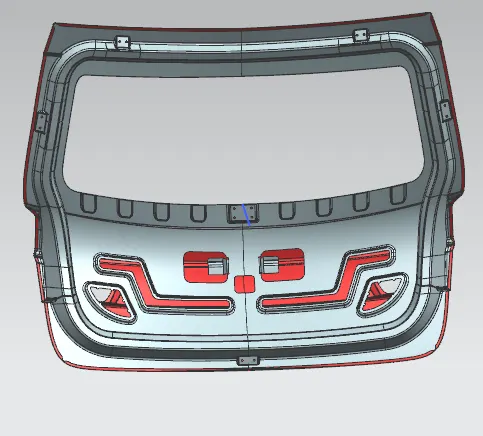
- Inner panel
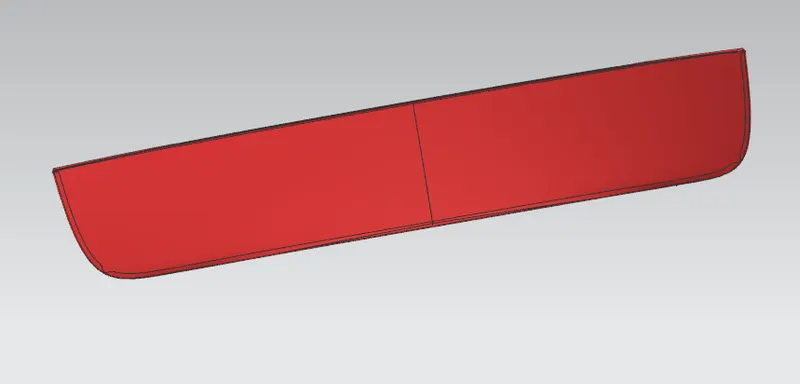
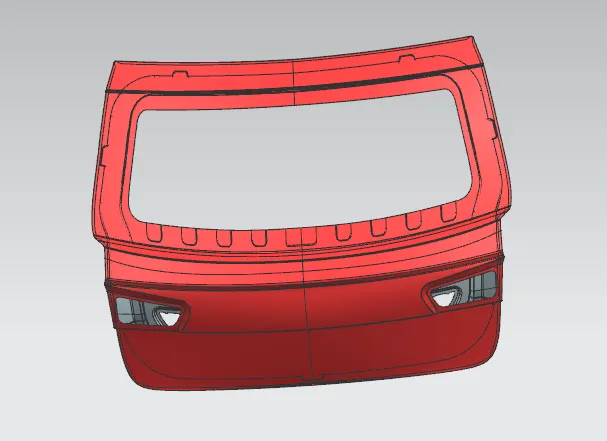
- outer panel
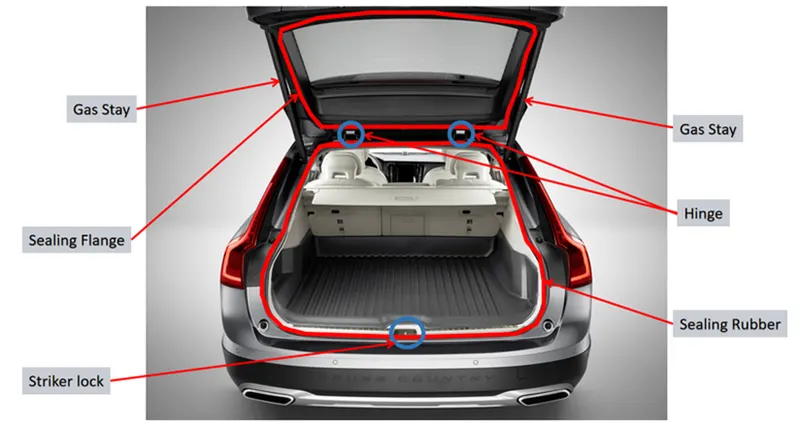
- hinge and its reinforcement
- wiper motor reinforcement
- latch & stricker and its reinforcement
- gas stay reinforcement
Inner panel :
outer panel :
The hinge:
 .
. 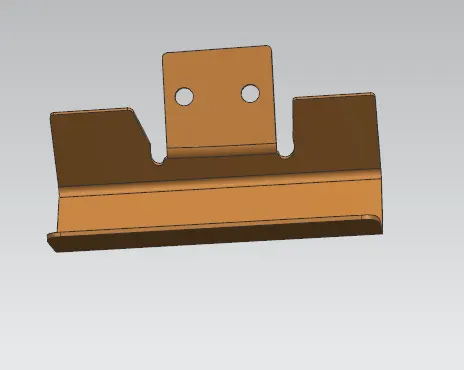
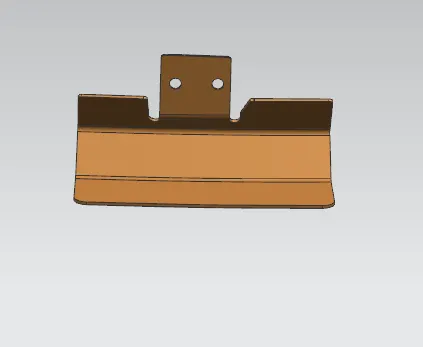
- The hinge enables the opening and closing of the back door. One end of the hinge is fixed on the backdoor and the other end is on the roof on both sides. Hinge can be placed outside or inside the backdoor. The position of the hinges is determined by the midpoint of the axis of the hinges called as hinge axis point, Which should be aligned with the latch and strike through the trajectory of the back door opening and closing. If the striker is exactly perpendicular to the trajectory then the thing can be fixed according to the inner
Wiper motor reinforcement:
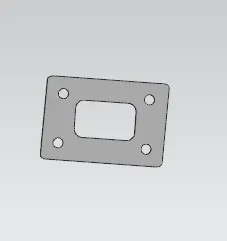
- The wiper motor reinforcement is used for strengthening the
Gas stay reinforcement:
 .
. 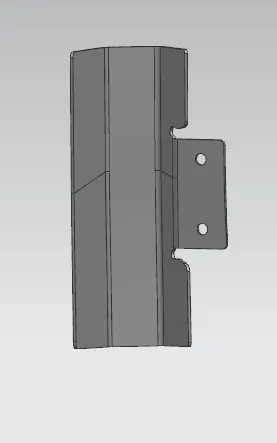
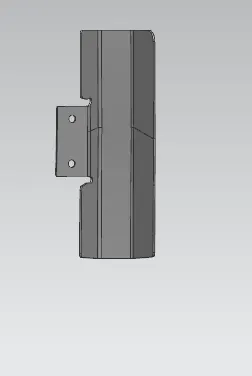
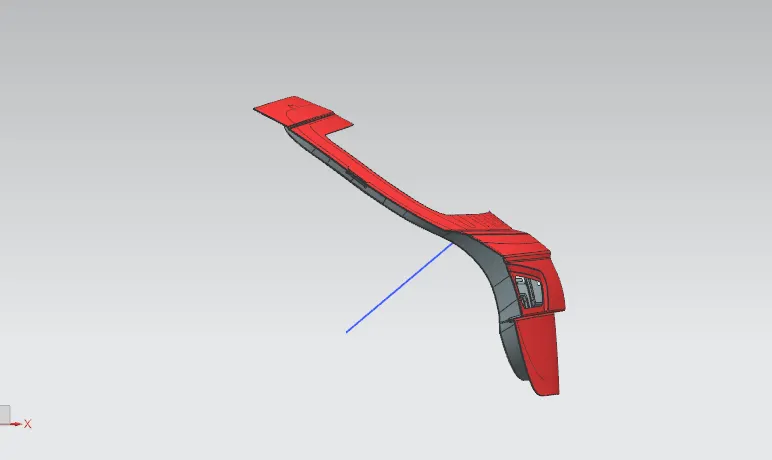
- Gas stay is a device used for supporting the back door in its open position. Gas stay requires no manpower and is engaged into a support position automatically as the back door opens. One end of the gas stay is fixed on the backdoor and the other end is on the body side or on the back door stationary area. Embossing is provided at the gas stay mounting area to compensate for the functional holes punched.
Hemming :
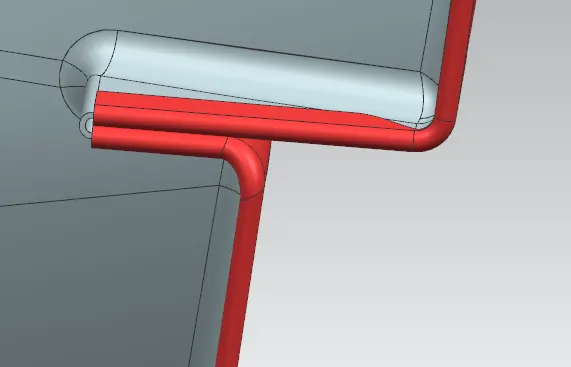
- Hemming is a forming operation in which the edges of the sheet are folded or folded over another part in order to achieve a tight fit. Normally hemming operations are used to connect parts together, improve the appearance of a part and reinforce part edges.
- There is a 0.2mm gap between the two panels and a 1-2mm clearance between the edge of the inner panel. This space is provided for the sealant to ooze out and to spread properly between the panels after the hemming process.
Relief:
 .
. 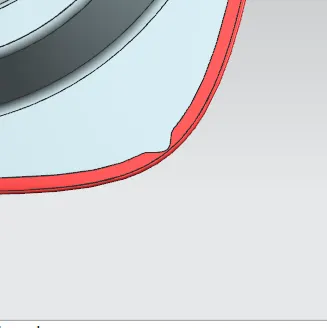
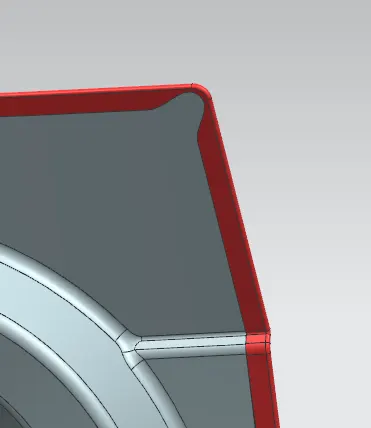
- The corner relief is given to the sheet metal in order to prevent deformation during unbend operation.
Emboss:
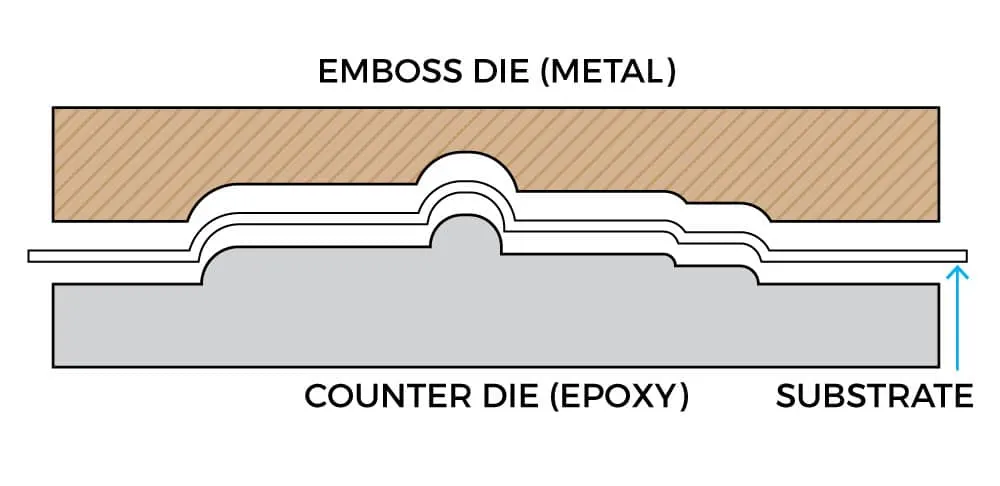
- Embossing is a metal-forming process in which high pressure is applied on a die to make an imprint on the working surface. The imprint can be raised or sunken. In this process, it is assumed that the metal thickness remains the same while embossing.
- Throughout the inner panel, we provide different embosses. We can increase the stiffness of the inner panel through these embossed. The shape and size of the emboss also determine the direction of the force distribution resulting from a frontal collision. The force should be always distributed away from the passengers.
- Materials commonly used in the metal embossing process include:
- Aluminium alloys
- Steel alloys
- Zinc
- Copper
- Galvanized steel
- Brass
- Cold rolled steel
Blanking:
- Blanking is a cutting operation of a flat metal sheet and the article punched out is known as blank. Blank is the required product of the operation and the metal left behind is considered waste.
Punching:
- It is similar to blanking only the main difference is that the hole is the required product and the material punched out from the hole is considered as a waste.
The important point of back door design :
- Extract body – it is used to create an associative body by extracting faces, the entire bodies or regions of faces.
- Bridge curve- it helps to create a tangent blend curve between two objects. The object may be edges or sketch curves.
- Sew- it combines sheet bodies together by sewing their common edges.
- Projected curve – it is used to project an existing curve or curves on a selected plane or surface by selecting a direction for projection.
- Offset surface – it allows offsetting one or more existing surfaces.
- Offset curve in the face – this command will allow you to offset particular edges or curves on selected faces.
- Trim sheet- it is used to trim a portion of the sheet using curves, faces, edges, or planes.
- Through curves – it will allow you to create a body through multiple sections.
- Law extension – it extends a curve or edge to create a sheet body at desired angle and length.
- Trim and extend – it helps to trim and extend intersecting surfaces and make corners at their intersection.
- Face blend – it creates fillets between faces.
- Edge blend – it creates fillets on the edges.
- Extend sheet – it will allow extending the sheet to the required distance.
- Emboss – it creates an embossing by modifying a body with faces created by projecting a curve along a direction.
- Wave geometry linker – with this we can create linked copies of any entity of a part into other parts.
- Mirror geometry – we can create mirror geometries about a selected plane or surface.
- Thicken – is used to convert a surface to a solid body by providing thickness.
Draft analysis:
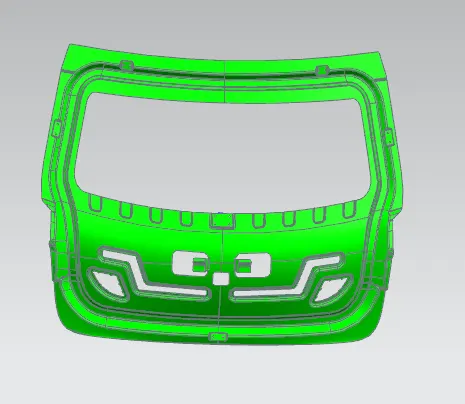
- Draft analysis helps to verify whether the product will be easily removed from the tool. When designing a product then needs to be angled slightly so that the tool can be pulled away from the object easily without deforming or damaging. This angle is called a draft angle.
Conclusion :
The Back Door Assembly is designed and developed in NX-12 with all the possible design considerations.