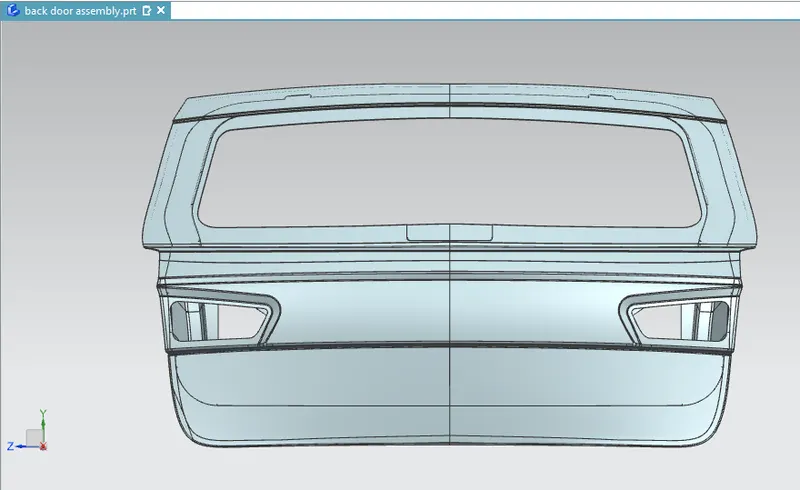
Design of backdoor
OBJECTIVE:
To design the complete BIW sheet metal back door from the given styling data. the back door will have a back door outer, and inner panel, embossed faces, and reinforcement. with considering engineering principles so the back door will be manufacturable
INTRODUCTION:
- In this project I have are designed a back door for a hatchback car where it is hinged at roof level. Similar to the hood and side doors, the backdoor is a swinging/closure commodity in a car. It consists of an outer and inner panel. It is a very critical component because of the passenger safety requirements.
- The Backdoor has to be designed by keeping in mind the space required for the luggage compartment as well as to accommodate the Latch and Striker motor and Wiper motor without compromising the strength of the component.
- Usually, Aluminum or Steel is used to manufacture the backdoor. While Aluminum backdoor is lighter in weight and has a lesser number of components. Steel backdoor is "deep drawn" with uniform thickness, added reinforcements, and therefore is heavier. But the production and cost of the latter is lesser and therefore a Steel backdoor is priced lower.
Design Approach:
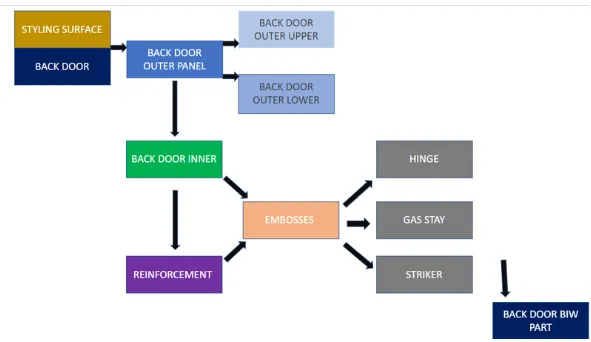
COMPONENTS OF BACKDOOR:
The backdoor consist of the following basic component.
- backdoor outer panel (Upper)
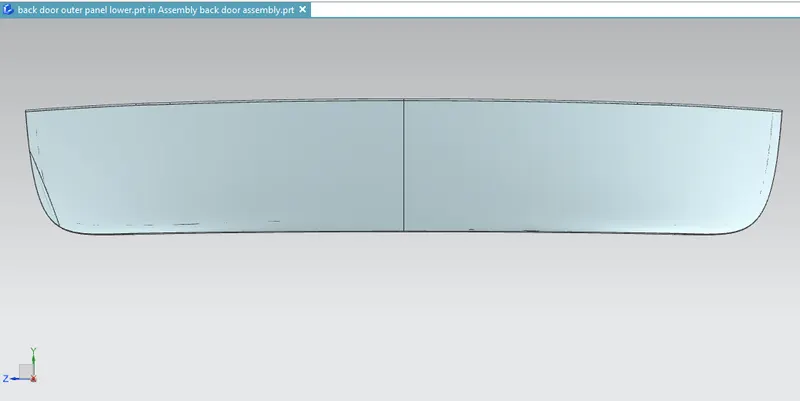
- backdoor outer panel (Lower)
- backdoor inner panel
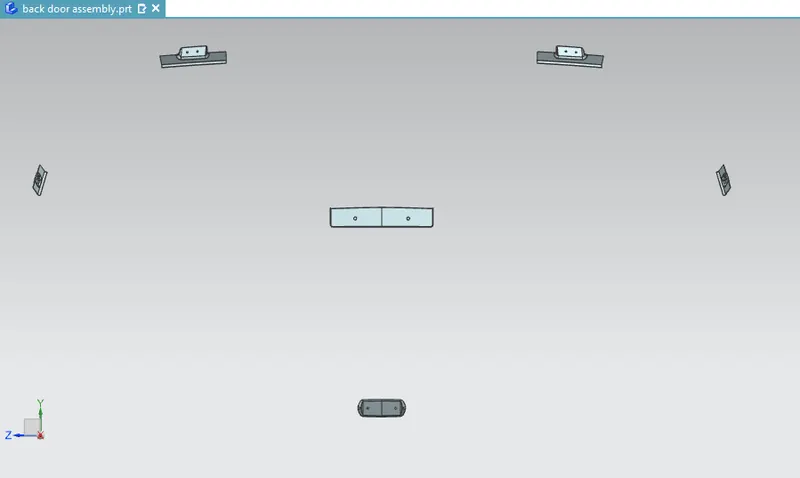
- hinge reinforcement (LH & RH)
- gas Stay Reinforcment (LH & RH)
- latch and striker Reinforcement
- wiper motor reinforcement
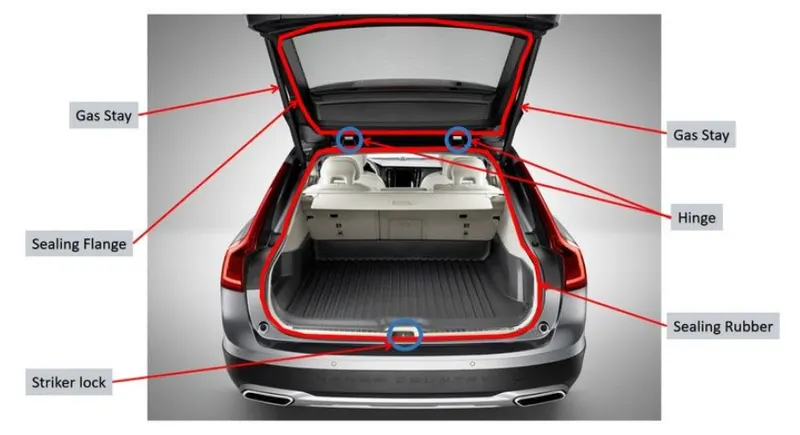
DESIGN CONSIDERING OF A BACKDOOR:
- Functional requirement of Hinge and gas stay
- Rear visibility criteria
- luggage volume
- crash analysis
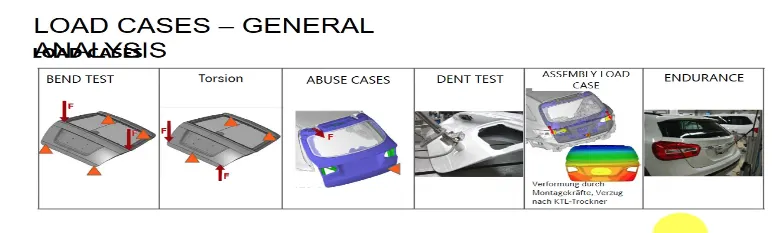
- bend test, Dent test, torsion test, and Endurance test
- rear Crash regulation
- gap and flushness requirements
- Draft analysis
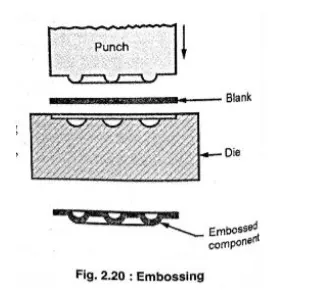
EMBOSSES
Emboss is the metal forming process for producing raised or sunken designs or relief in sheet material by means of matched male and female roller dies, theoretically with no change in metal thickness or by-passing sheet or a strip of metal between rolls of the desired pattern.
HEMMING
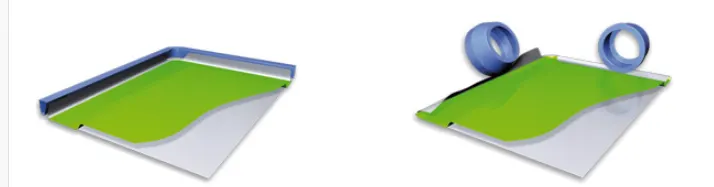
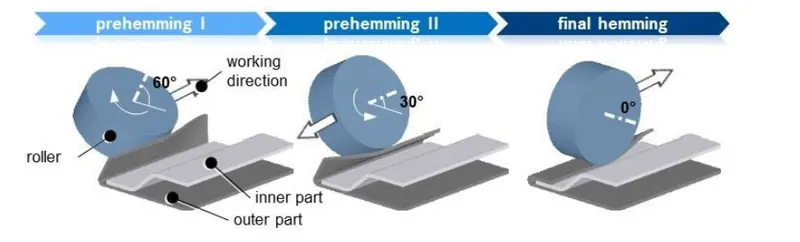
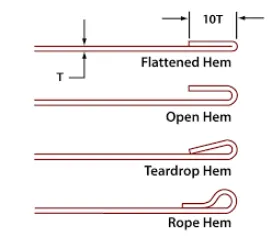
Hemming is the forming operation in which the edge of the sheet is folded or folded over another part.
IT HAS TWO TYPES
1. CONVENTIONAL DIE HEMMING: In this, the flanges are folder over the entire length with the hemming tool.
2. ROLL HEMMING: In this, the hemming roller is guided by an industrial robot to form the flanges.
HEMMING CROSS-SESCTION:
HEMMING CORNER RELIEF:
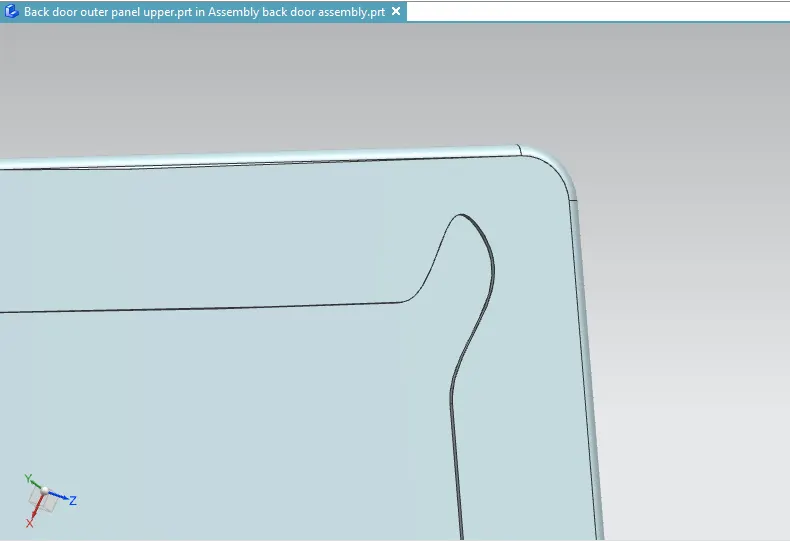
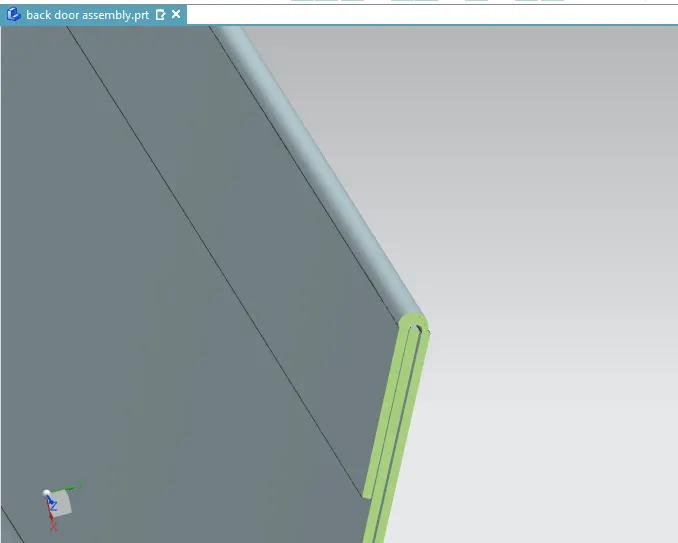
During the hemming process when giving the corner relief it controls the sheet metal material behavior and prevents unwanted deformation during operations also helps to reduce the number of passes in hemming.
BLANKING:
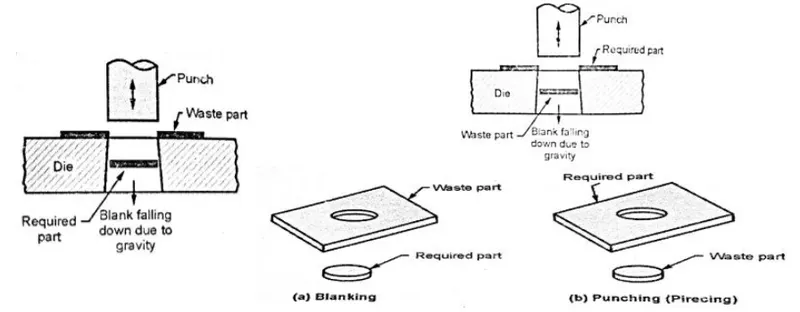
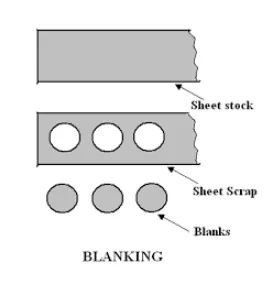
Blanking is a cutting operation of a flat metal sheet and the article punches out is known as blank. Blank is required as a product and another part as a waste.
PUNCHING:
It is similar to the blanking in this the hole is the required product and the material punched out the hole and is considered as a waste.
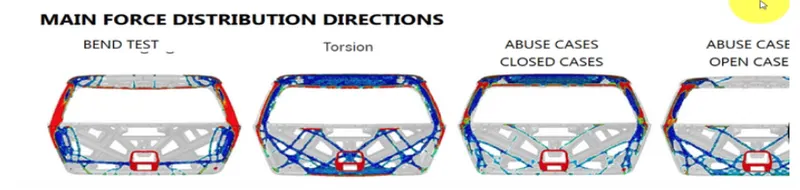
INNER PANEL:
The inner door panel is a component which is used for strengthening the door assembly and it is one of the most important components on which all accessories are mounted like hinges, glass guide channel moulded trim latch etc. The possible method is the integration method. In the integration method, the part is stamped out of a single blank. This reduces the number of tools needed, the assembly cost and eliminates any fit ability problem.
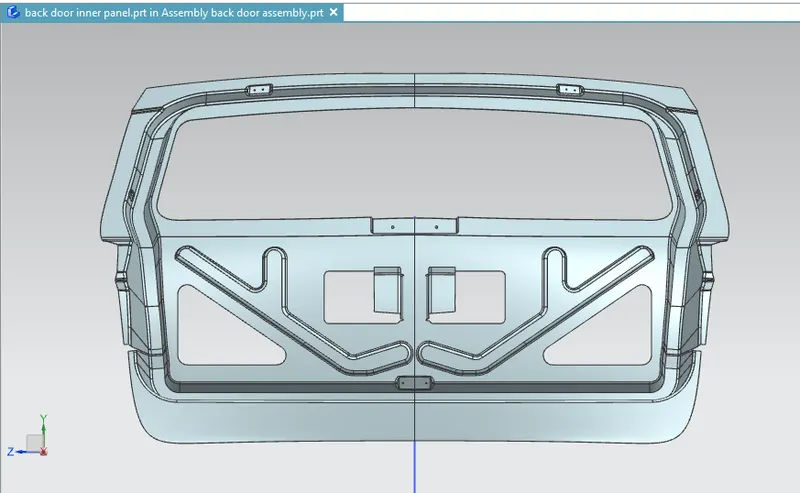
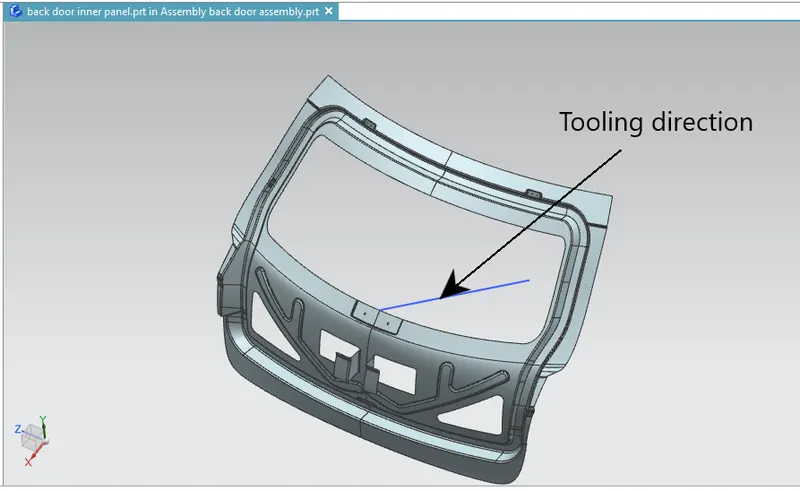
Latch & striker positioning and orientation is the critical stage in the backdoor design.
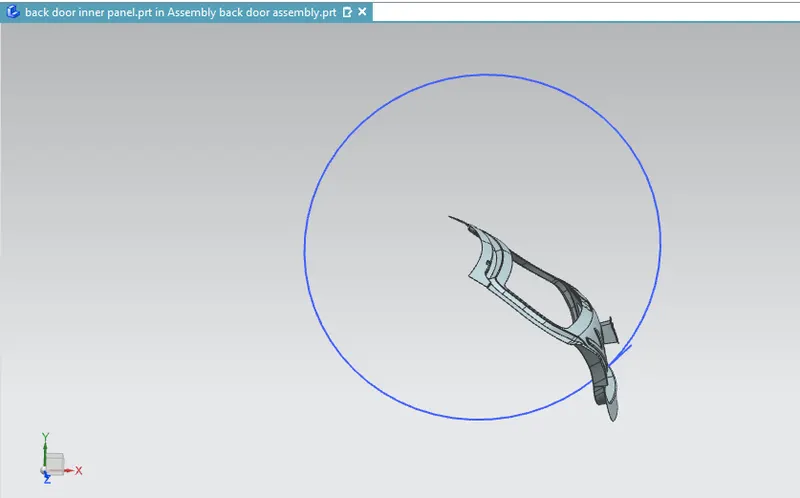
The positioning is done using sketching a circle with the center as the axis of the hinge which passes through the center of the striker. The latch striker must be perpendicular to the circle to get the correct orientation of the latch which enables it to close the backdoor perfectly.
DRAFT ANALYSIS OF INNER PANNEL:
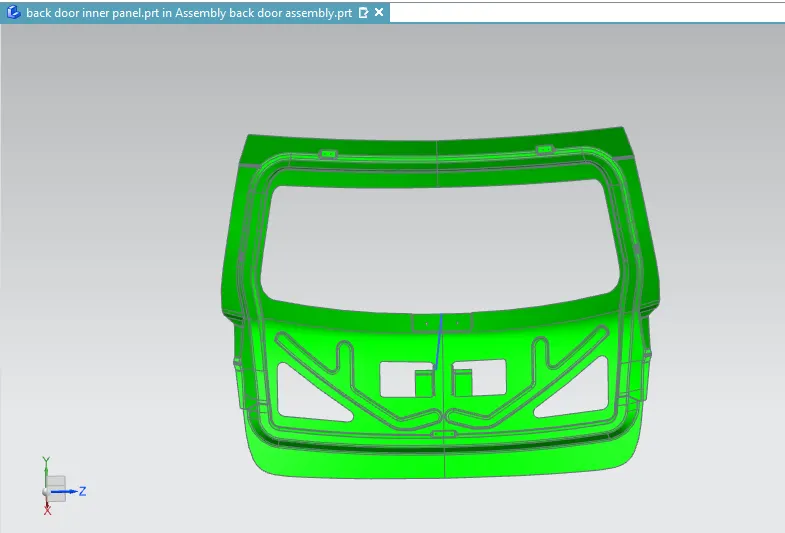
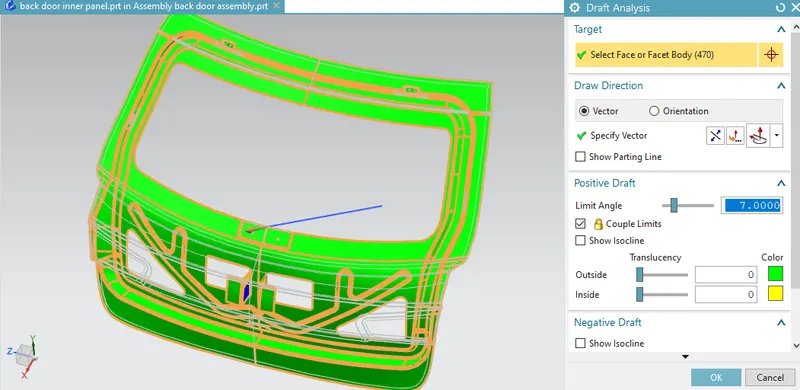
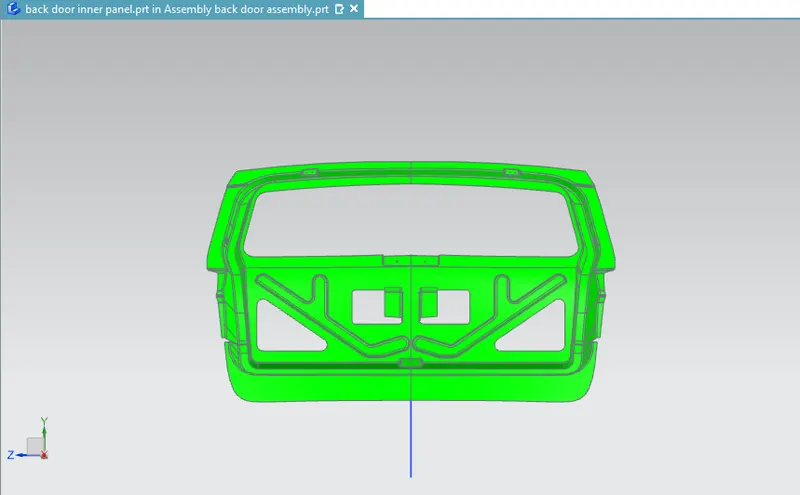
- The draft analysis will be performed for the tooling direction created at first and checked that the model is suitable for manufacturing.
- Then to get a complete green portion the necessary changes to the draft angle of the embosses were carried out by optmizing the model.
- The draft analysis command enable us to detect that the part drafted will be easily removed or not.
- This type of analysis is performed based on the color range identifying zones on the analysis element where the deviation from the draft direction at any point corresponds to the specified value.
OUTER PANEL:
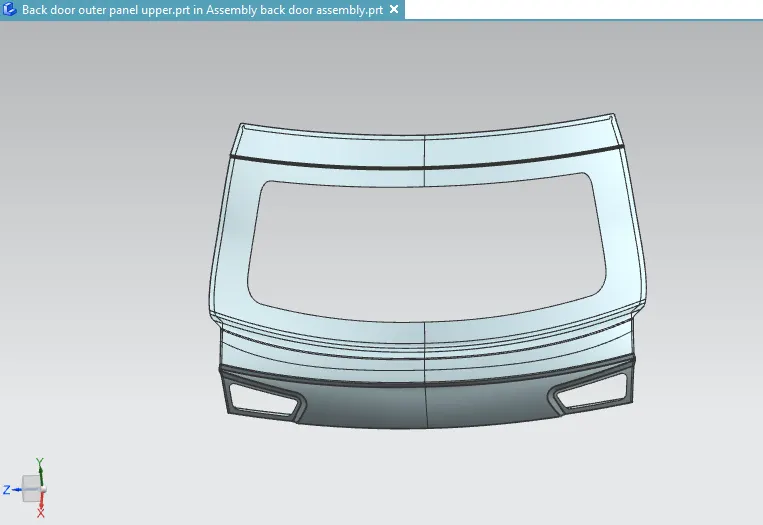
The outer panel of the back door is similar to other BIW components where it is the aesthetic part of a vehicle. The coating provided is of multi-stage which has the property of scratch resistance, rust prevention and smooth and attractive finishes. The outer panel also has the provisions for the tail lamp, rear fog lamp and also has the provision for licence plate mountings. Most of the hatchback cars have the provision for wipermotor.
OUTER PANEL UPPER:
OUTER PANEL LOWER:
REINFORCEMENTS:
The reinforcement provided is of 4 numbers which consist of hinge reinforcement gas stay reinforcement, wiper motor reinforcement and latch/striker reinforcement
note: All the reinforcement were created using the same method first linked the body was created separately for each with the help of extract geometry and then the required portion was trimmed out then thickened
DIFFERENT TYPES OF VIEWS:
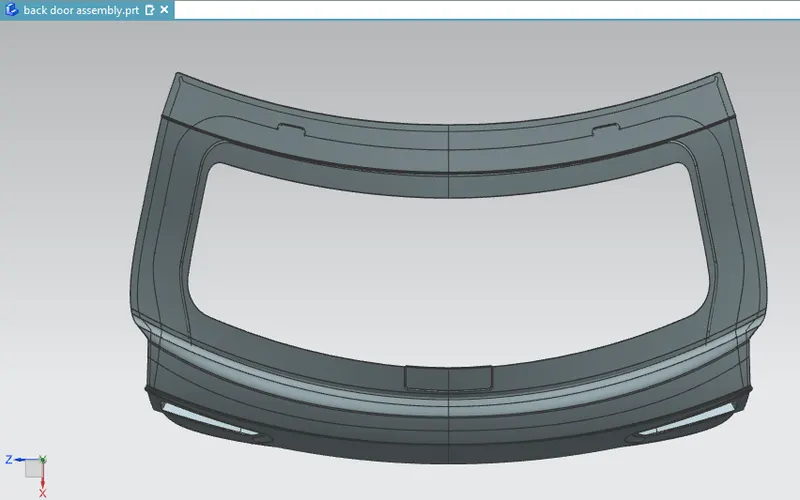
TOP VIEW:
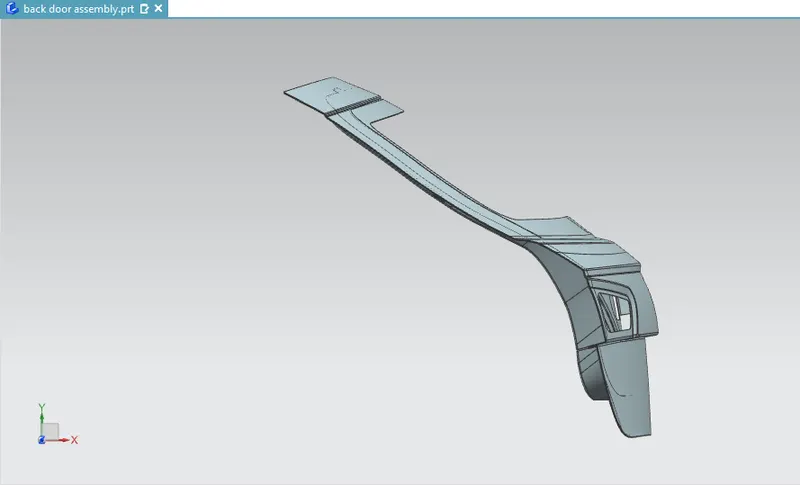
SIDE VIEW:
ISOMETRIC VIEW:
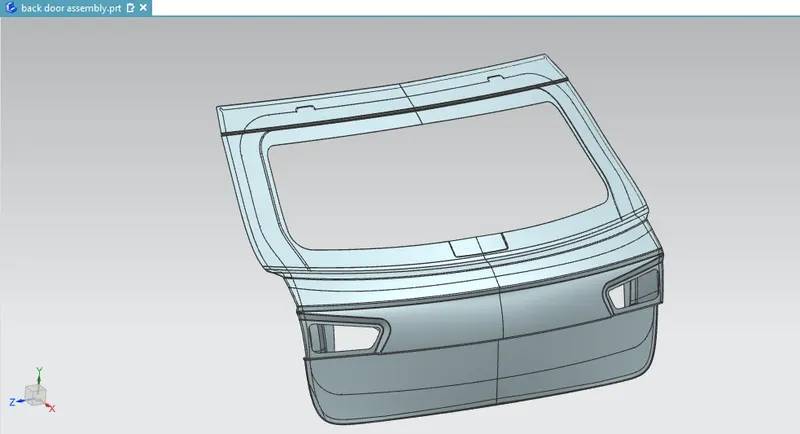
FRONT VIEW: