Design of backdoor
Aim
To design the back door of the car using the appropriate design methodologies providing the necessary reinforcement and emboss in the inner panel for strength.
Parts and design methodologies:
Outer Panel:
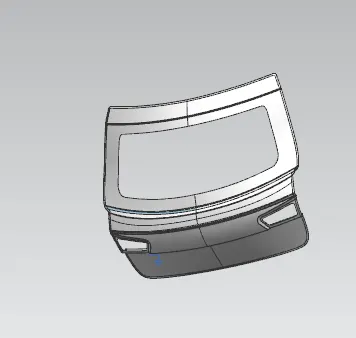
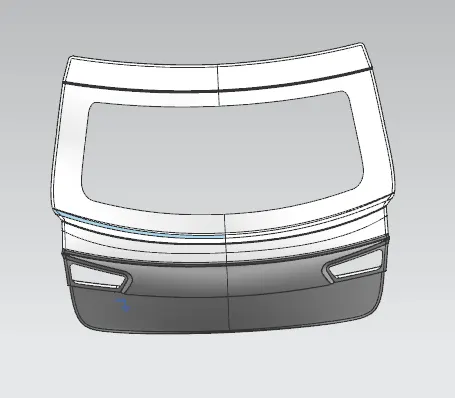
The outer panel is the styling surface of the back door. It is a source of the design of the backdoor. It gives more aesthetics to the car. Its thickness in the range from 0.65-0.75mm
Inner Panel:
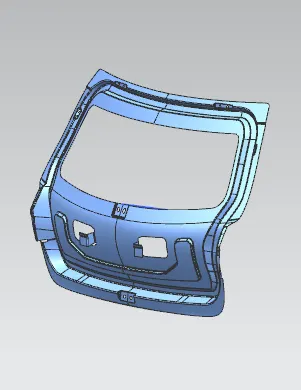
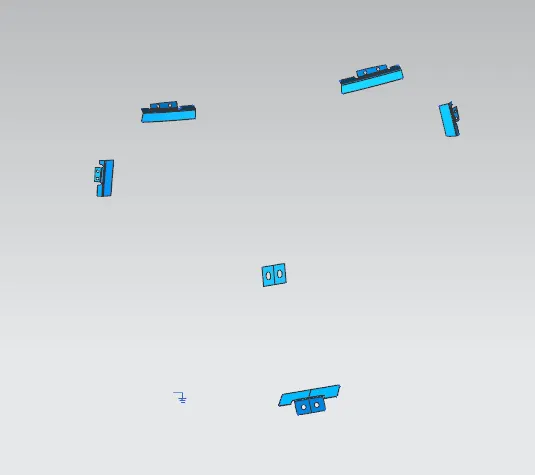
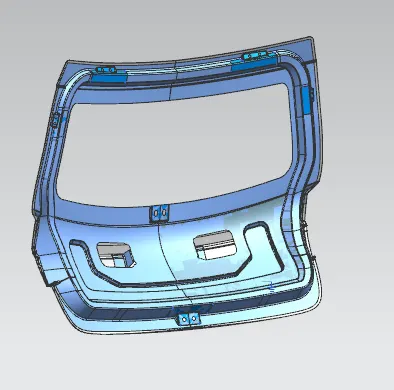
The inner panel provides strength to the back door. There are many cases where the inner panel subject to stress due to frequent opening and slamming. These stress factors are compensated by features like embossing and reinforcement. It also has a thickness range from 0.65-0.75mm.
Hemming:
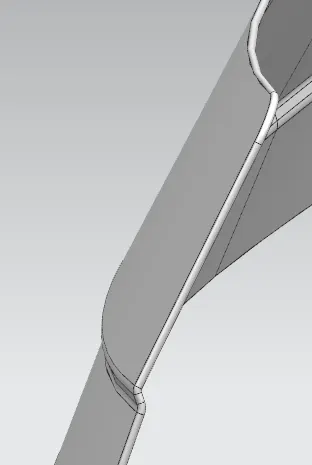
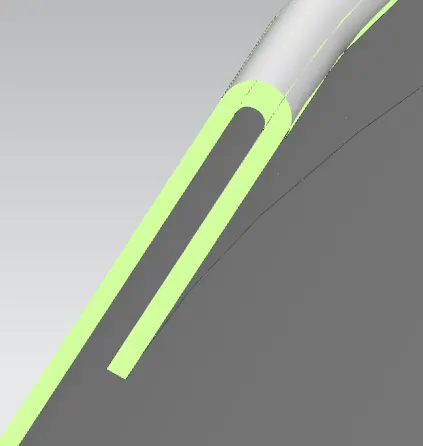
Hemming is a technology used in the automotive industry to join inner and outer closure panels together. It is the process of bending/folding the flange of the outer panel over the inner one. The accuracy of the cars outer surface and is therefore a critical factor in the final quality of a finished vehicle.
There is a 0.2mm gap between the two panels and 1-2mm clearance between the edge of the inner panel. Space is provided for the sealant to ooze out and spread properly between the panels after the hemming process.
Draft Analysis:
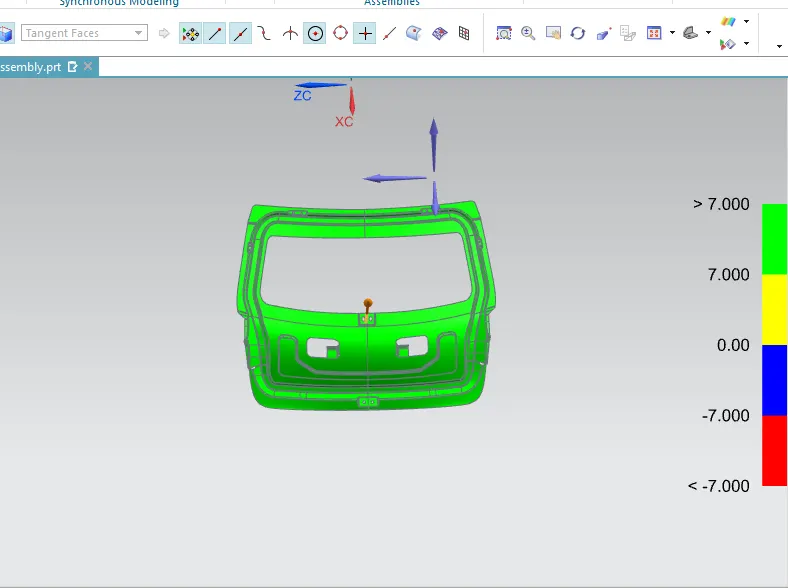
Draft analysis lets you check parts and to make sure they will separate. Hopefully avoiding locking the part. It will also detect undercuts and surfaces with no draft
Conclusion:
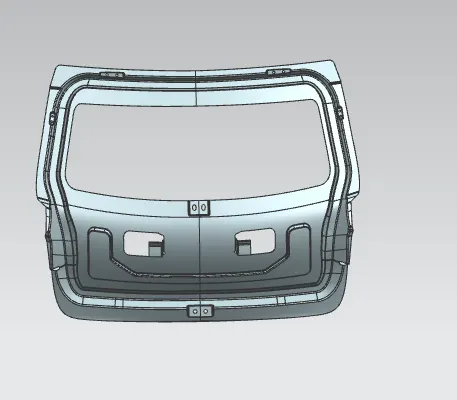
Thus, the backdoor was designed and developed from the given styling surface with essential reinforcement and emboss definitions. The draft analysis was also done on the inner panel.