Design of backdoor
AIM: Design of backdoor.
INTRODUCTION TO BACKDOOR:
The openings used for cargo access are generally described by their function - such as hatch, tailgate, or liftgate - depending on the vehicle design. For example, a "two-door hatchback" will have two side doors for passengers and a rear opening to the cargo area.
TYPES OF BACK DOOR (MOUNTING):
1.TOP MOUNTED
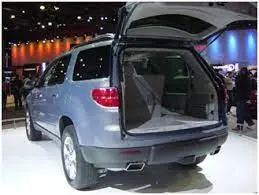
2. SIDE MOUNTED
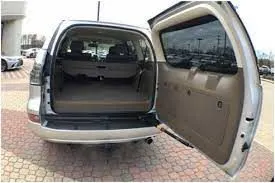
3. BOTTOM MOUNTED
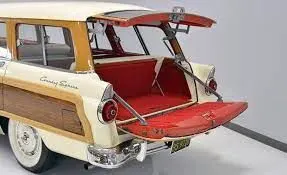
TYPES OF BACK DOOR (OPENING):
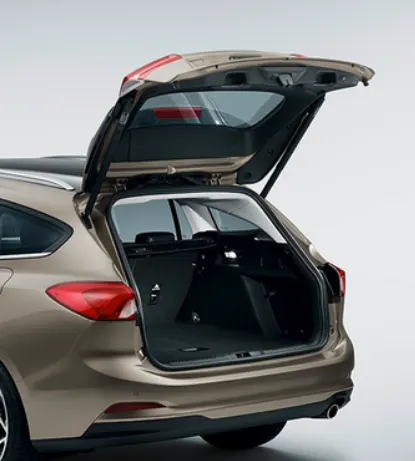
- Power liftgates: Power liftgates are motorized liftgates that open and close electrically. You can open a power liftgate by pressing a button in the car, on the key fob, or on the liftgate itself.
- Manual liftgates: Manual liftgates are not motorized. Rather, they're lifted and supported by two lift cylinders (also called gas springs or liftgate struts). Manual liftgates can't be opened remotely. You need to physically engage the liftgate handle to open a manual liftgate.
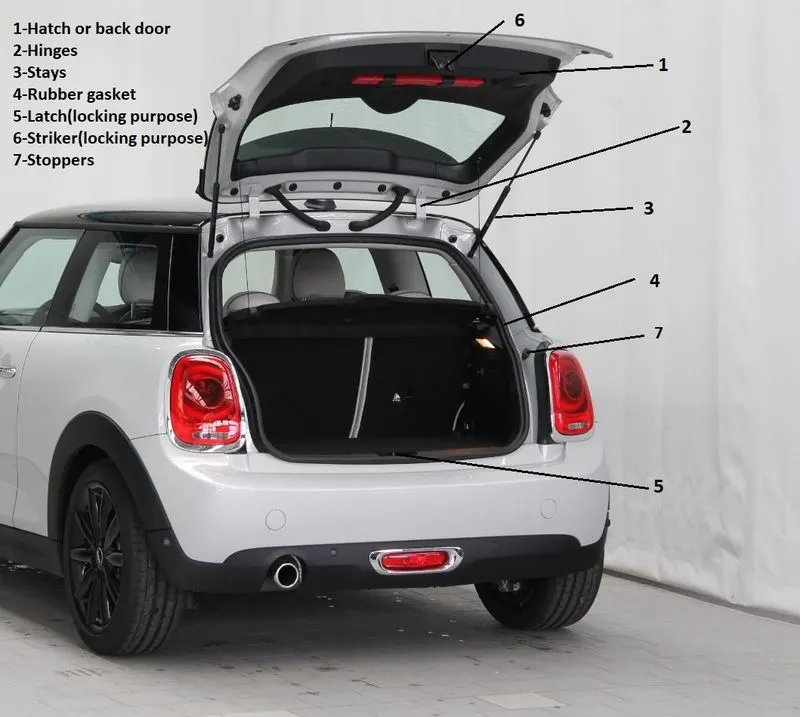
COMPONENTS:
1. BACK DOOR
2. HINGES
3. STAYS
4. RUBBER GASKET
5. LATCH AND STRIKER
6. STOPPER
DESIGN CONSIDERATION:
- Visibility Criteria
- Latch and Stricker Position
- Hing Position
- Gas Stay Position
- Space Avalibility
- Drain Holes
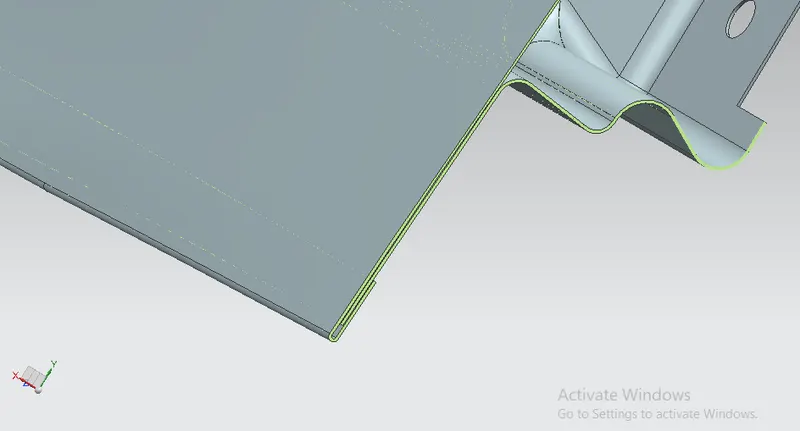
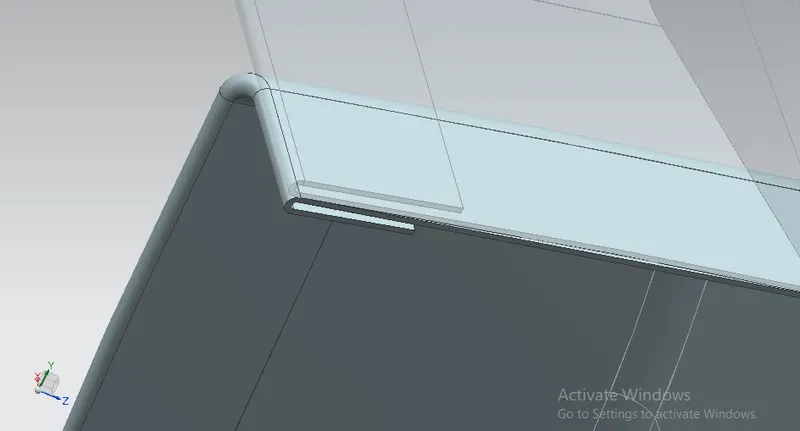
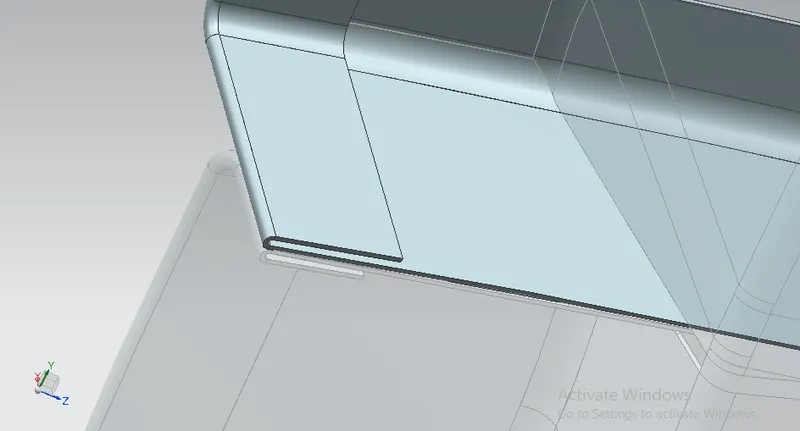
- Hemming and Relief area's
DESIGN OF BACKDOOR:
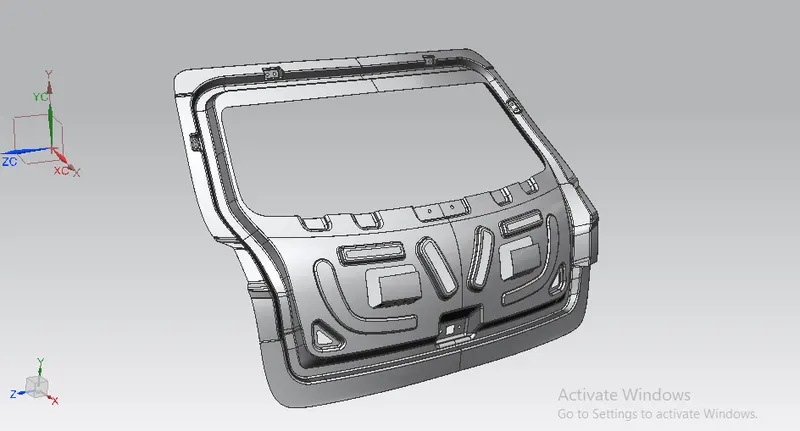
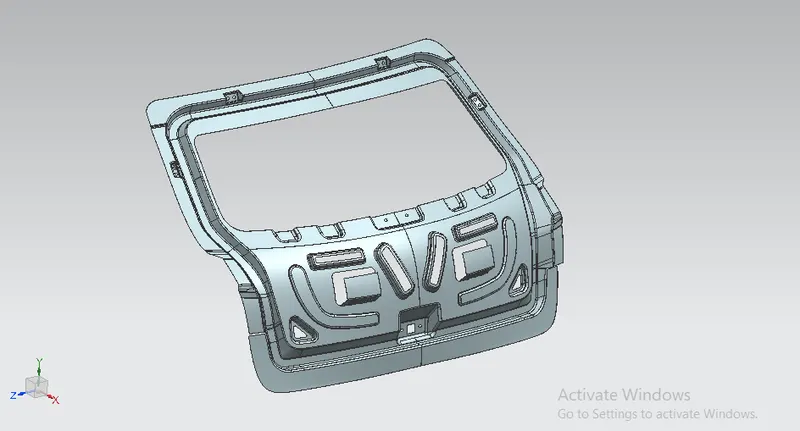
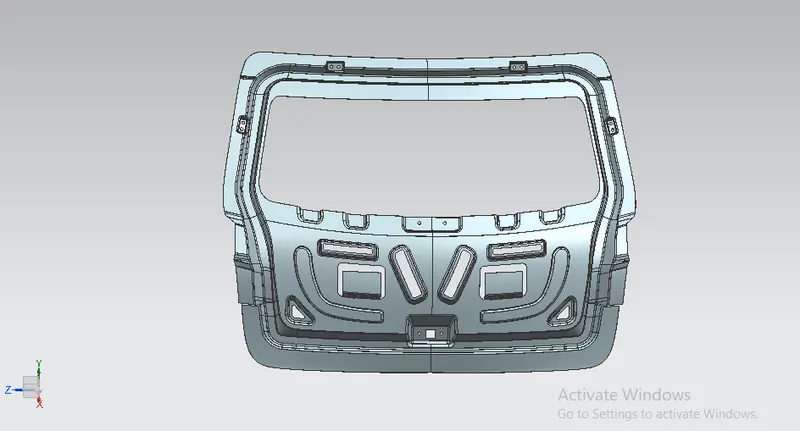
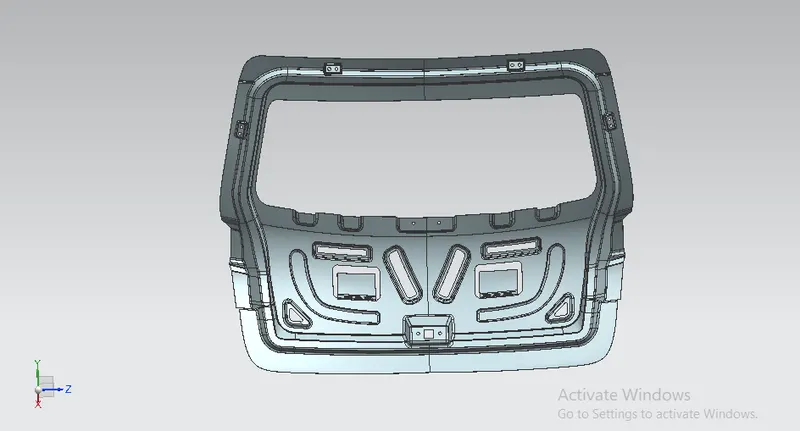
1. INNER PANEL:
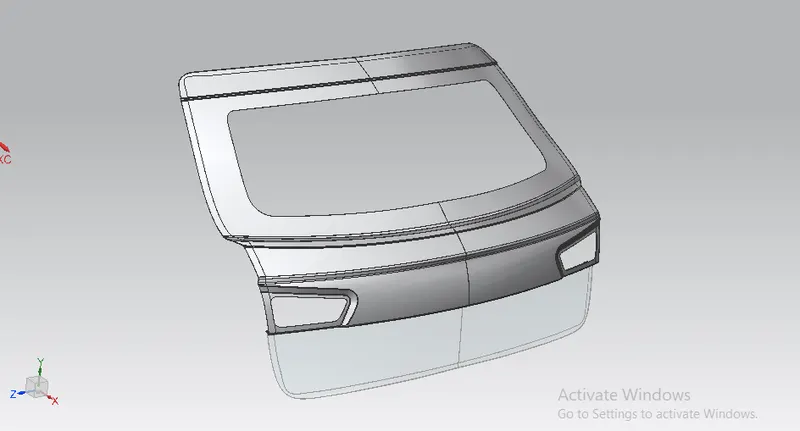
2. OUTER PANEL (TOP):
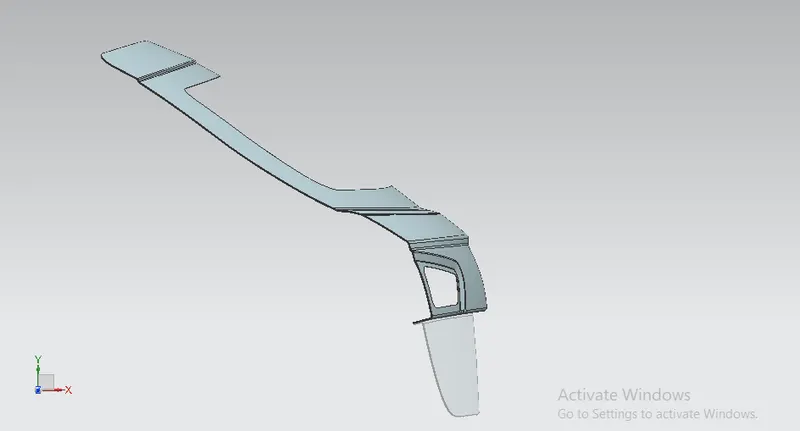
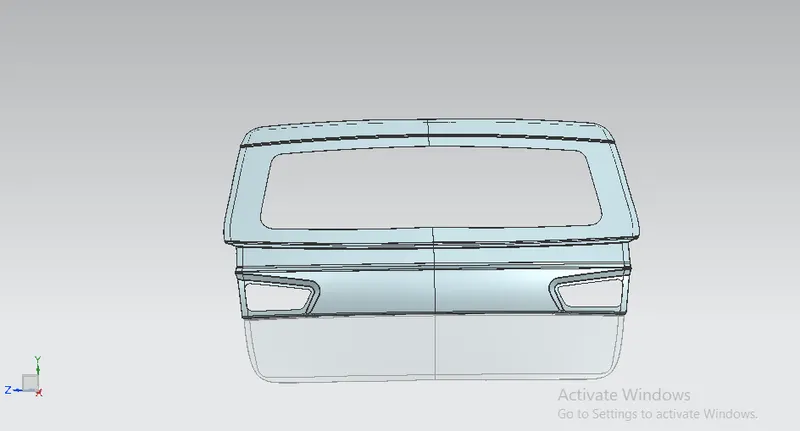
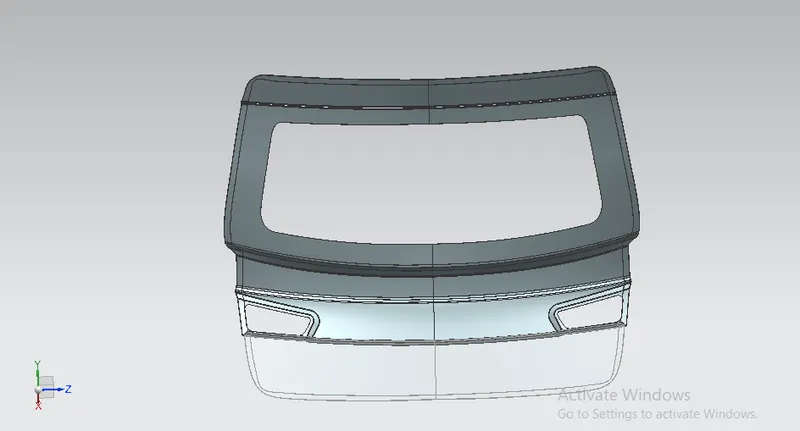
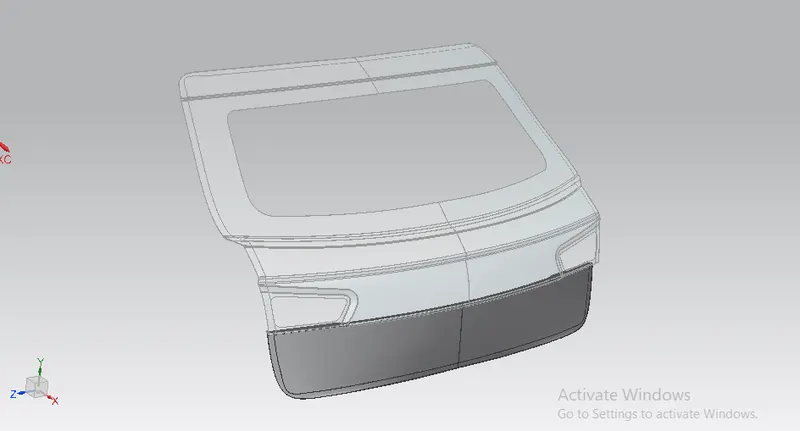
3. OUTER PANEL (BOTTOM):
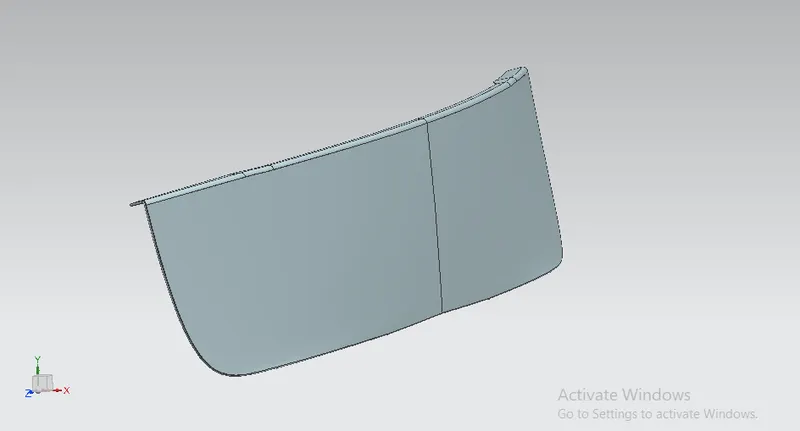
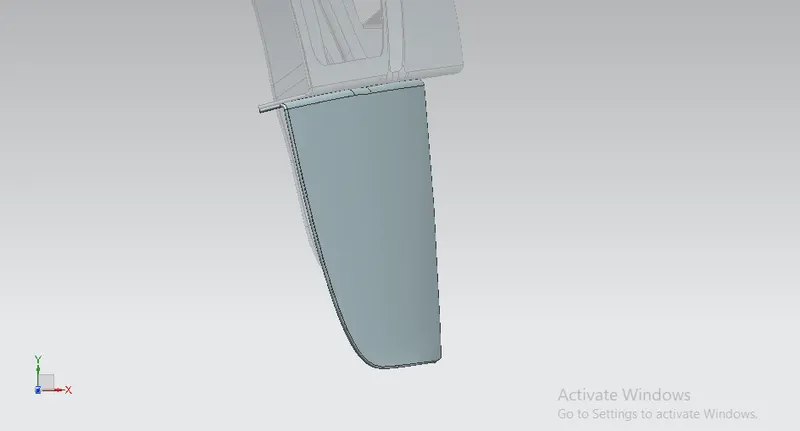
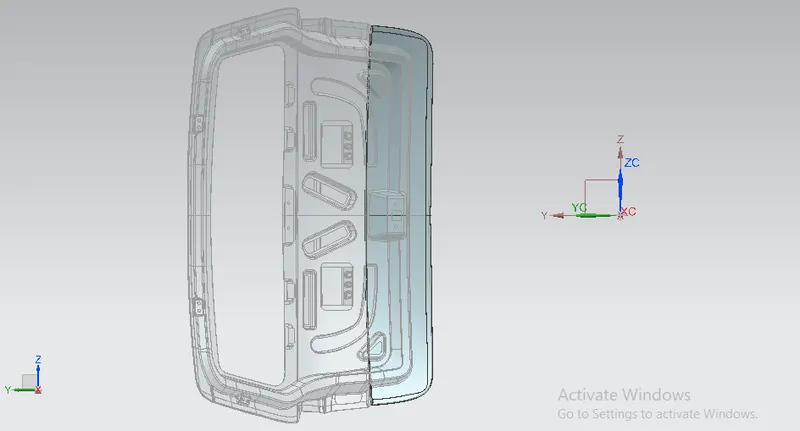
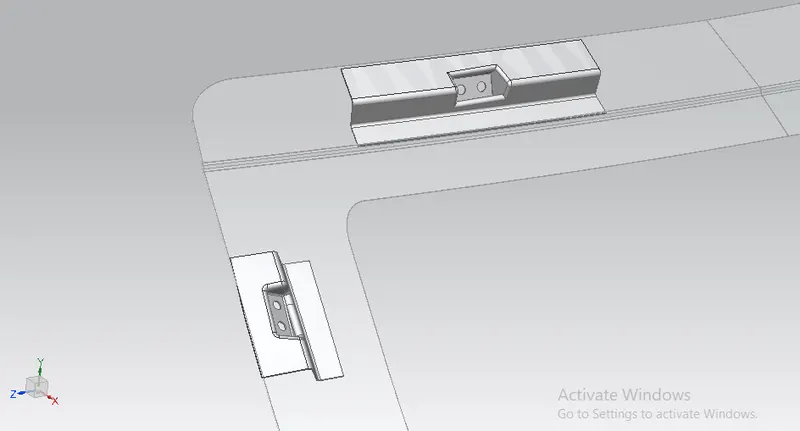
4. REINFORCEMENT:
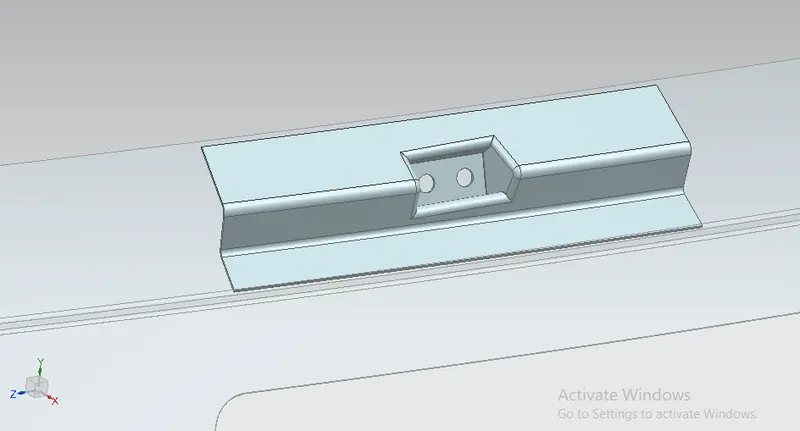
Top Back Door Mounting Reinforcement.
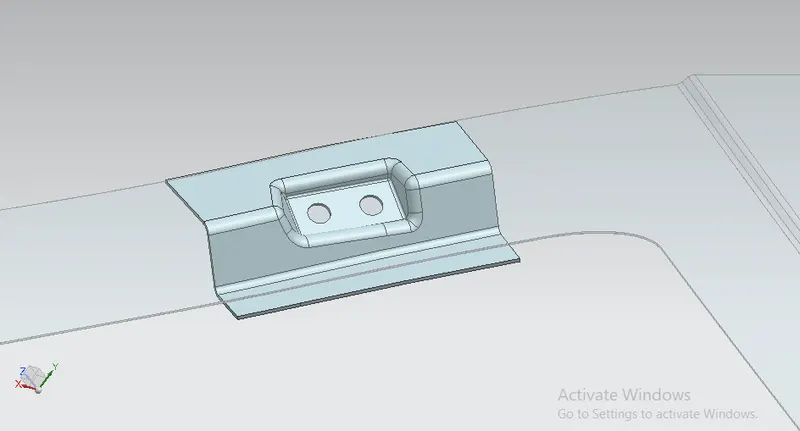
Gas Stay Mounting Reinforcement.
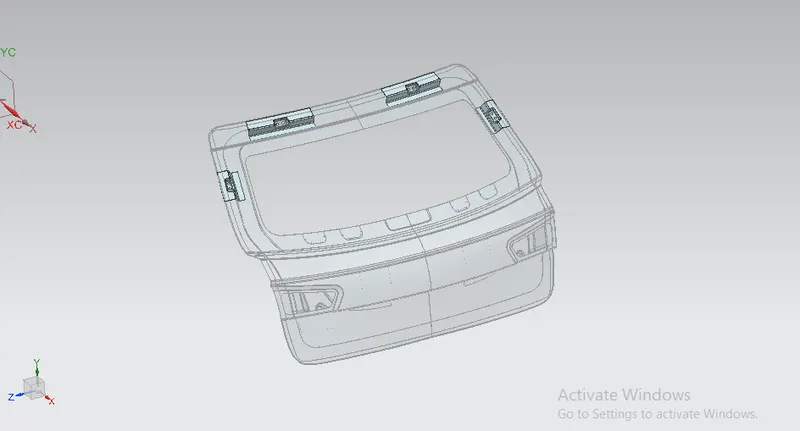
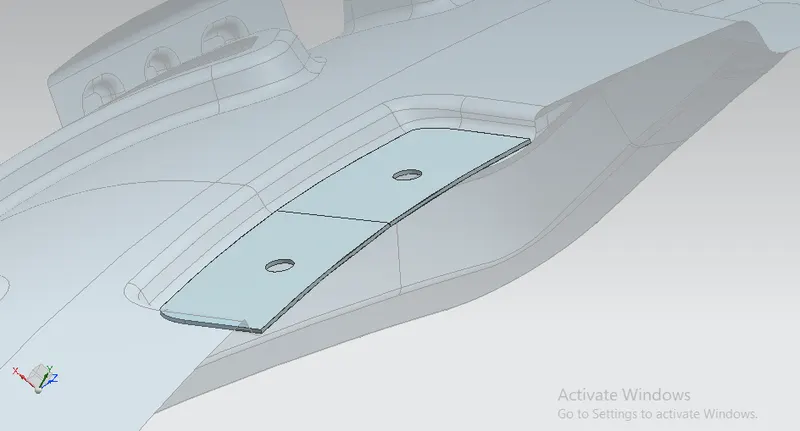
wiper motor mounting Reinforcement.
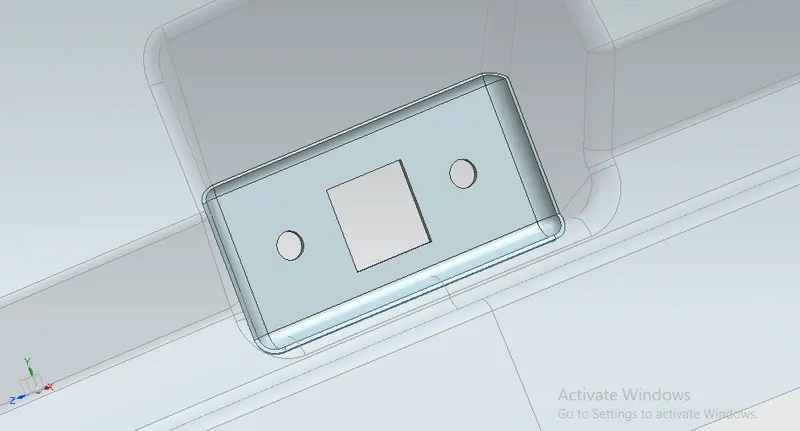
Latch and striker mounting Reinforcement.
OTHER CONSIDERATIONS:
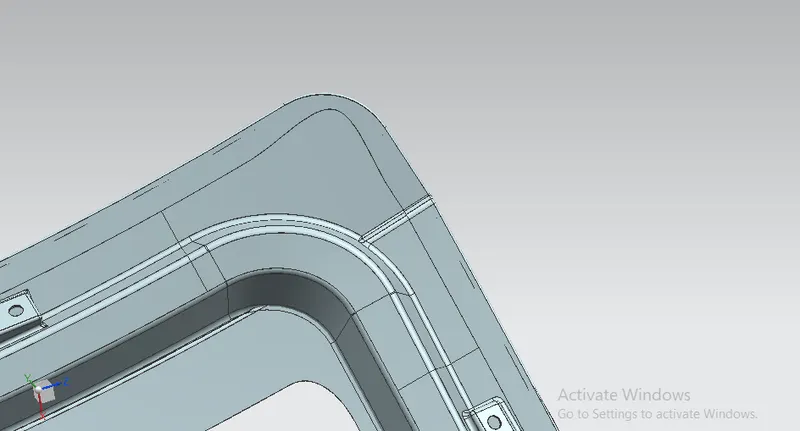
1. Relives:
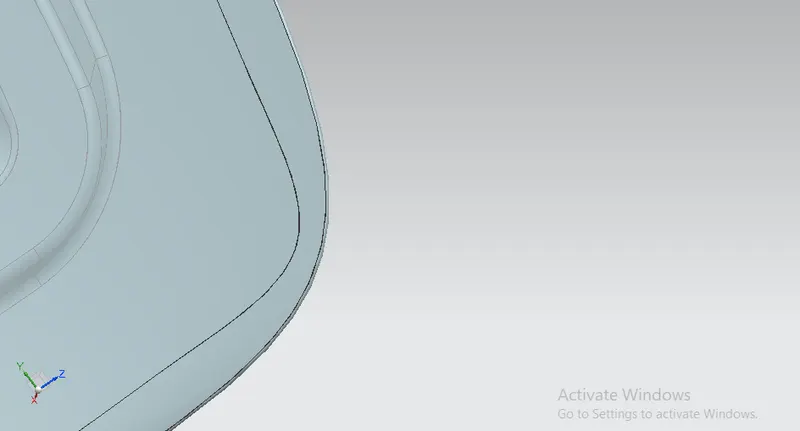
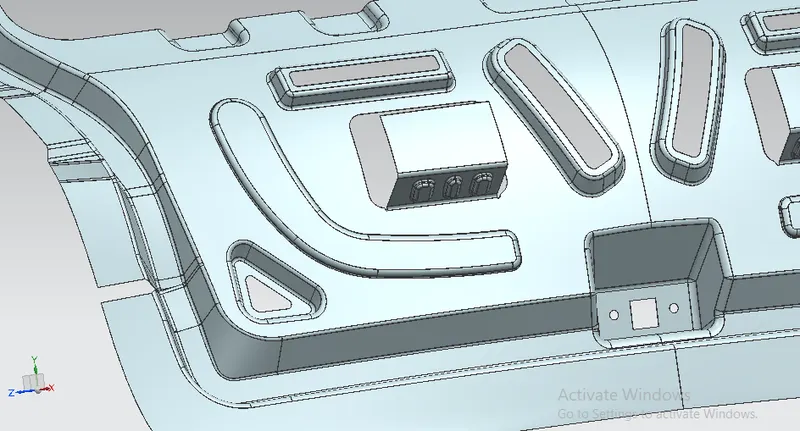
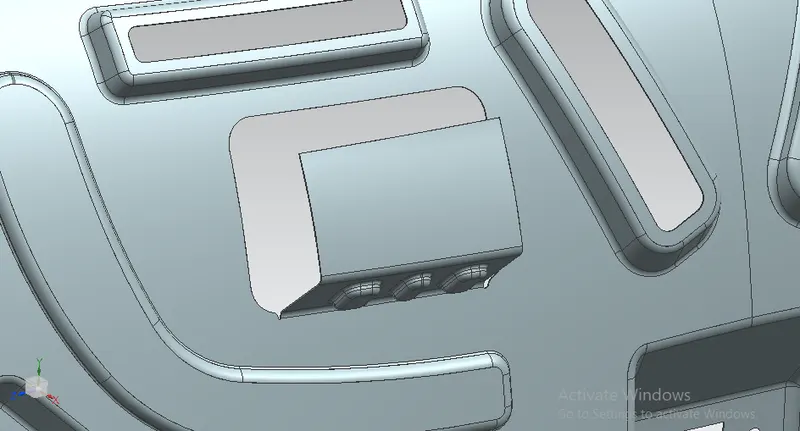
2. EMBOSSES:
HEMMING PROCESS:
Hemming is a forming operation in which the edges of the sheet are folded or folded over another part in order to achieve a tight fit. Normally hemming operations are used to connect parts together, to improve the appearance of a part and to reinforce part edges.
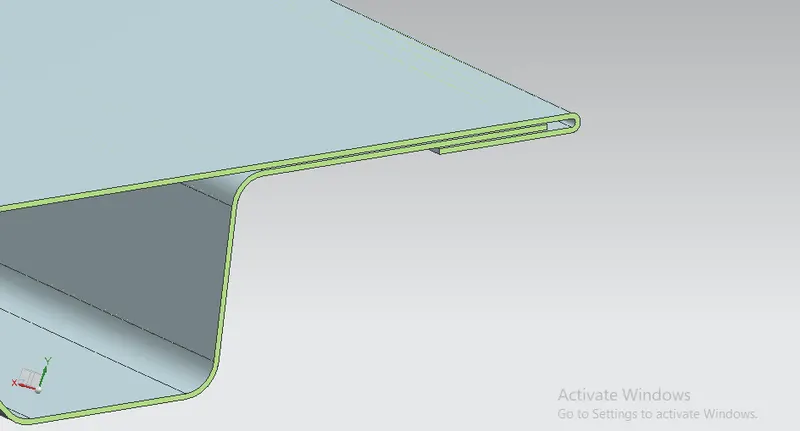
In car part production, hemming is used in assembly as a secondary operation after deep drawing, trimming and flanging operations to join two sheet metal parts (outer and inner) together. Typical parts for this type of assembly are hoods, doors, trunk lids and fenders.
The accuracy of the hemming operation is very important since it affects the appearance of the surface and surface quality. Material deformations, which occur during the hemming process, can lead to dimensional variations and other defects in parts. Typical hemming defects are splits or wrinkles in the flange, material overlaps in the corner areas or material roll-in. This is why it is important to use simulation tools in order to, on the one hand, better understand the hemming process and, on the other hand, significantly reduce the number of “trial and error” loops during tryout und production.
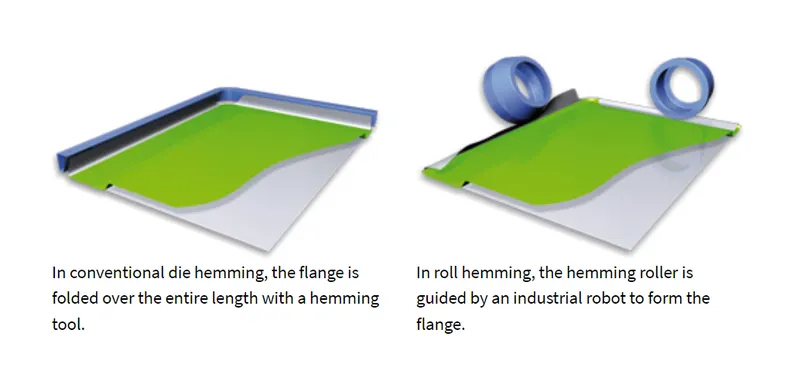
There are various types of hemming operations:
- Conventional die hemming
- Roll hemming
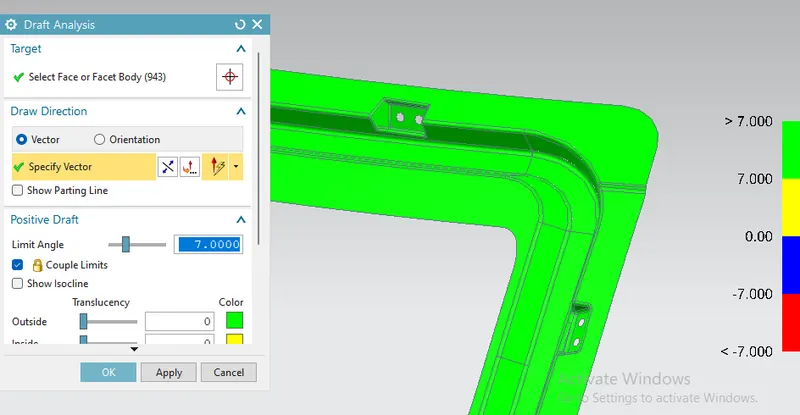
DRAFT ANALYSIS:
Draft analysis lets you check parts and/or molds, to make sure they will seperate.
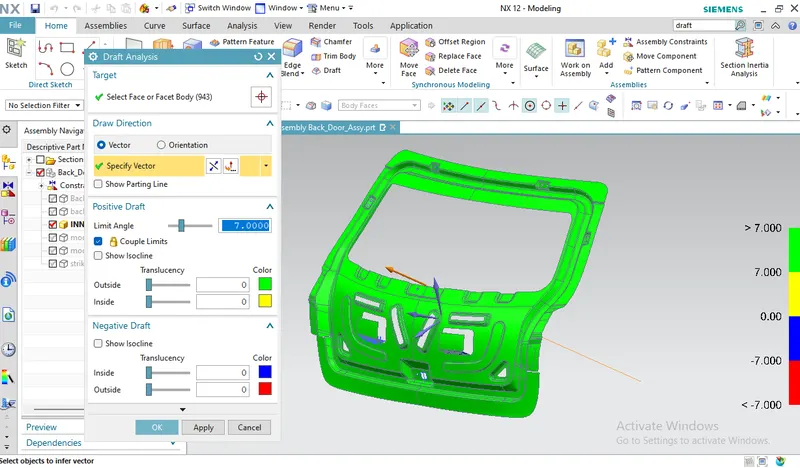
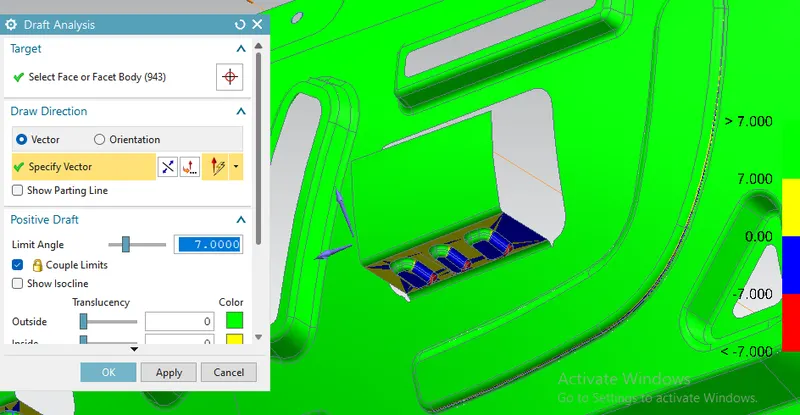
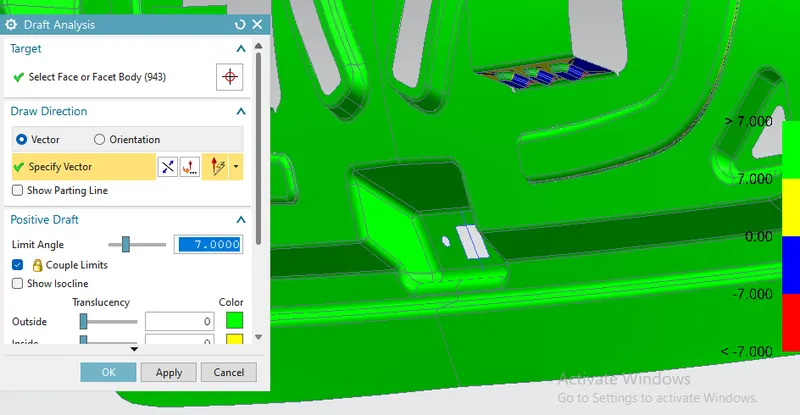
Above image shows some other colours beacause that surface have a different Tooling axis.
RENDERED IMAGE: