Design of backdoor
AIM :
To design the back door using the provided styling surface and by using appropriate design methodologies and by providing the necessary reinforcements and embosses.
INTRODUCTION:
A door is a hinged part which is used for entry and exit of the vehicles. Back doors are one of the type doors of the vehicle which are located next to the passenger seat which provides access to the luggage compartment. In most of the cars, these back doors are operated with the help of gas stay which in turn reduces the effort required to lift open the door. Some luxury cars have powered backdoor which in turn is driven by an electric motor. This kind of system is also called a powered trunk lid system. Hatchback or station wagons are sold as 3 door or 5 door models. In this case, the rear hatch is classified as door this is because it enters the passenger compartment. The naming is mainly used in Europe countries. In case of safety, the back door designed should meet the safety requirement for the rear collision.
Types of the back door
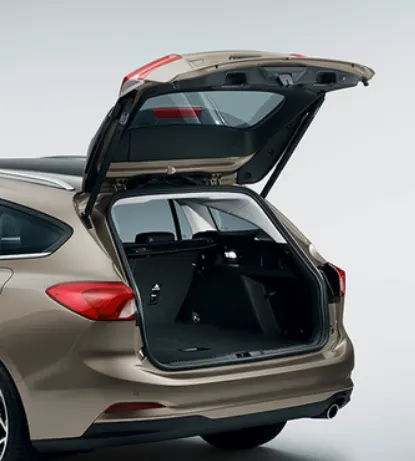
Top-Mounted :
This type of back doors is used in a station wagon, pickup truck and some of the sport utility vehicles. Today’s modern cars use top-mounted tailgating systems which are both powered and also gas stay supported. These top mounted tailgates provide greater rear visibility compared to side-mounted or bar doors which have canter pillars in it.
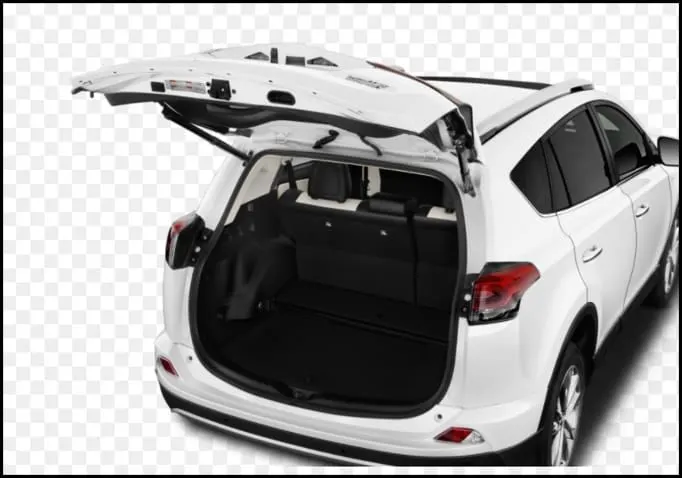
Side Mounted Doors :
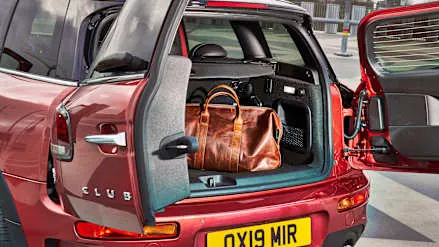
As the name signifies side-mounted doors are the one which is used in the van type MPVs, SUVs, pickup truck vehicles. These side-mounted doors or barn doors are a lot easier compared to top-mounted doors. These doors are generally smaller in size and can be easily accessed. These doors are more convenient for the goods handlers for long pipe and lengthy components where one door is kept open. These doors also save accidental head impacts. It is a lot easier to load and unload items in the side-mounted doors.
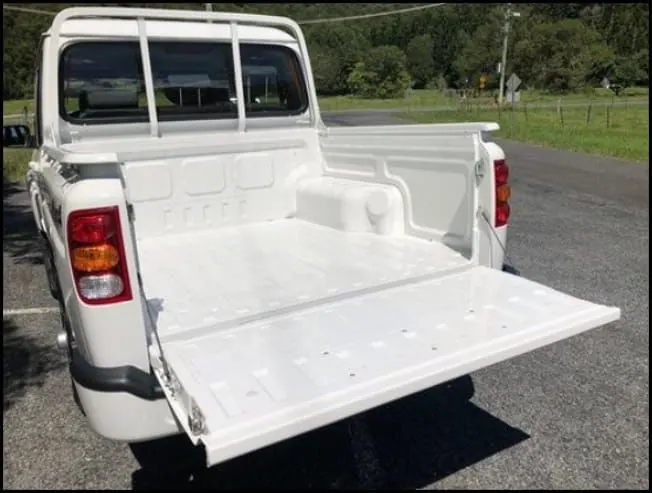
Bottom / split type :
This bottom type or split type backdoor system are used in the car type such as estate type car, pickup trucks and some luxury SUVs.These are the most convenient type of back door in which the bottom split is used as a support or even as a table for the tour going people.
Types of mechanisms for Rear Door.
Gas stays type:
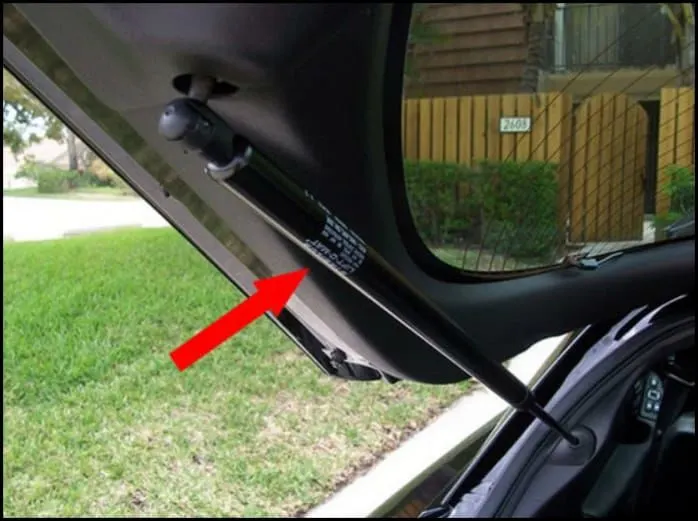
Gas stay types backdoor/liftgate/tailgate is an ideal and most commonly used tailgate mechanism from lower segment car to luxury car segment. The ideal components of tailgate consist of a hinge, door, gas stay and some rubber beadings for sealing of door.
Powered lift system:
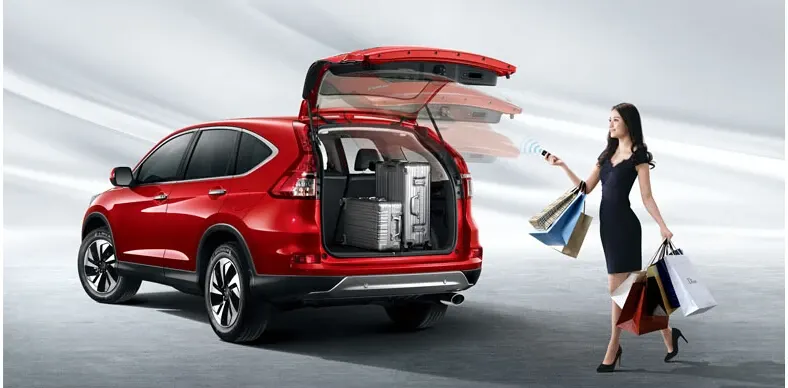
Power trunk lid system is another sophisticated way of trunk/liftgate opening mechanism which is to automatically open and close of the trunk/liftgate and release of the latch by the touch of a button. The following image shows the component as used in the powered trunk/back door lift system. Powered trunk lift system consists of a power latch, anti-pinch switch, PTG ass’y, PTG main switch. When the switch is pressed in the compartment or outside the power latch releases the latch and the entire backdoor is opened. The anti-pinch switch is located in order to avoid accidental hand insertion during the operation of the door.
DIFFERENT METHODS OF MANUFACTURING FOR BACK CAR DOOR:
Blanking:
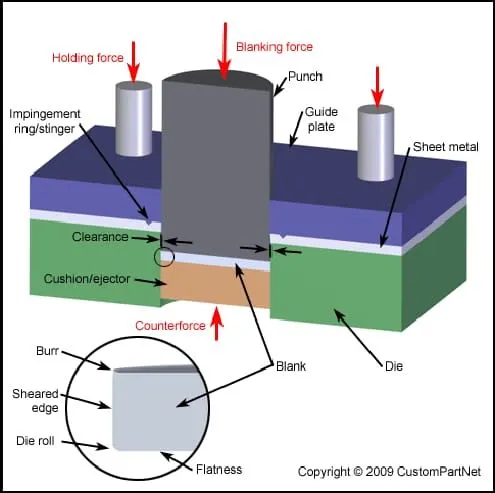
Blanking is a metal fabricating process, during which a metal workpiece is removed from the primary metal strip or sheet when it is punched. The control of the quality by the punch and die clearance. The ability to produce holes of varying shapes – quickly.
Deep drawing:
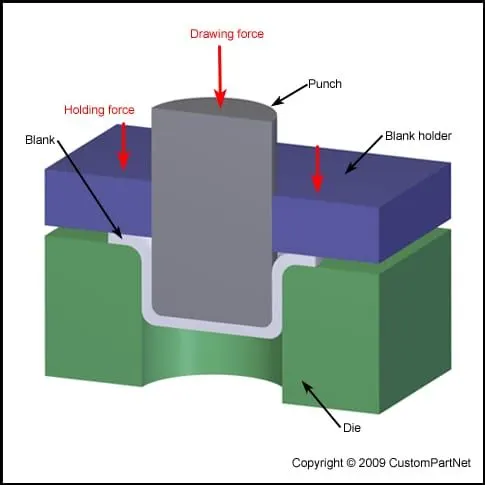
Deep drawing is a sheet metal forming process in which a sheet metal blank is radially drawn into a forming die by the mechanical action of a punch. It is thus a shape transformation process with material retention. The process is considered "deep" drawing when the depth of the drawn part exceeds its diameter.
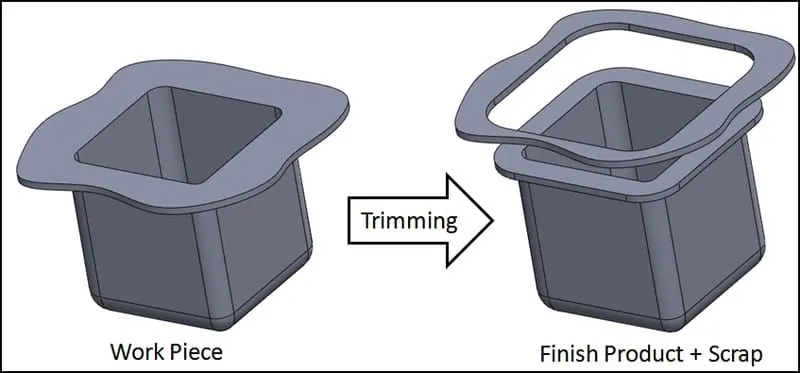
Trimming:
Trimming is a manufacturing process that is used as a finishing operation for forged parts, in order to remove flash. Most often it is desirable to perform this operation while the work is still hot for maximum efficiency, therefore it is usually incorporated into the larger production process.
Hemming:
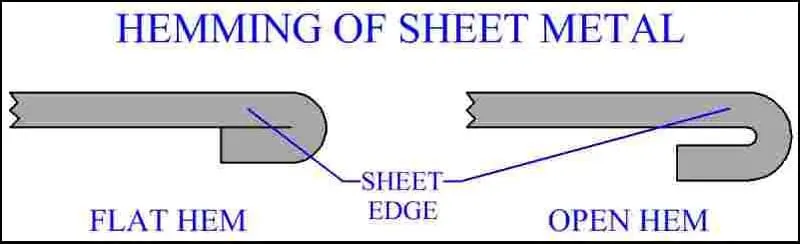
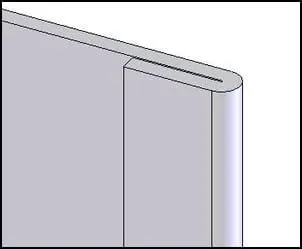
Hemming is a sheet metal forming process in which sheets are joined by bending it usually to 180°. Automotive body panels and automotive parts such as deck-lids, trunk-lids, doors, hoods and tailgates are formed by hemming process.Hemming is a forming operation in which the edges of the sheet are folded or folded over another part in order to achieve a tight fit. Normally hemming operations are used to connect parts together, to improve the appearance of a part and to reinforce part edges.
Design Consideration-
- Rear Visibility
- Hinges and gas stays
- Fit and Clearances
- Boot spaces and accessibility
- PROCEDURE:
BACK DOOR ASSEMBLY:
The back door assembly of a car has the following components
- InOuter panel
- Hinge reinforcement
- Gas stay reinforcement
- Wiper motor reinforcement
- Latch/striker reinforcement
DESIGN OF INNER PANEL:
The inner door panel is a component which is used for strengthening the door assembly and it is one of the most important components on which all accessories are mounted like hinges, glass guide channel, moulded trim, latch etc. The possible method is the integration method. In the integration method, the part is stamped out of a single blank. This reduces the number of tools needed; the assembly cost and eliminates any fit ability problem.
The inner panel was designed by offsetting the given class A surface as per the given master section. The inner panel consists of Emboses and Mastics.
Embosses - Embosses has been given to create extra strength in inner panel and embosses design needs to be inspired by force dissipation phenomena like here I have made embosses in a way if any object hit from front most of the force will get dissipated by its design towards the upper left & right corner so that less force reach at occupants end.
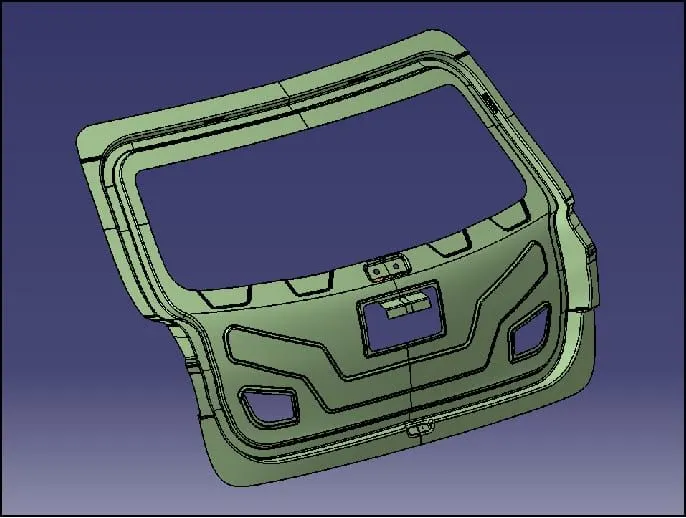
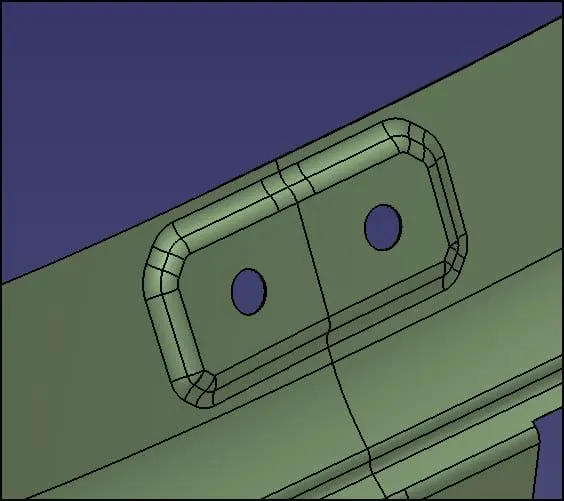
Inner panel embose
DESIGN OF OUTER PANEL:
The outer panel of the back door is similar to other BIW components where it is the aesthetic part of a vehicle. The coating provided is of multi-stage which has the property of scratch resistance, rust prevention and smooth and attractive finishes. The outer panel also has the provisions for the tail lamp, rear fog lamp and also has the provision for licence plate mountings. Most of the hatchback cars have the provision for wiper motor.
Upper Outer Panel
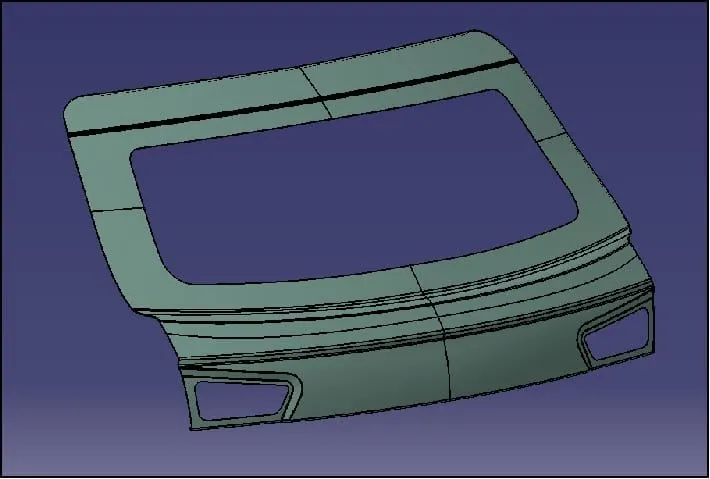
Lower Outer Panel
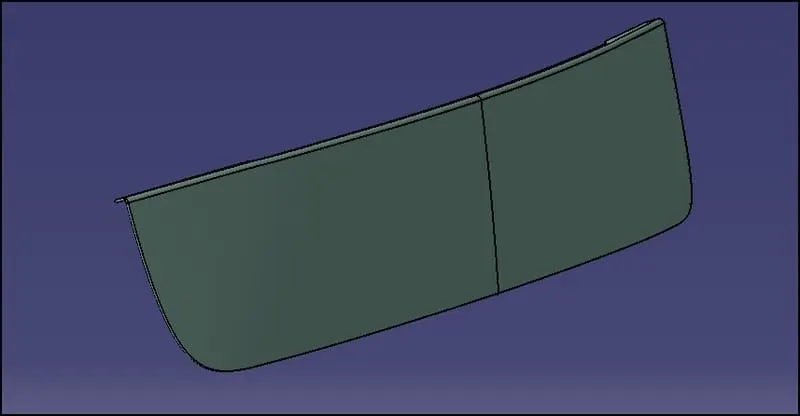
DESIGN OF REINFORCEMENTS:
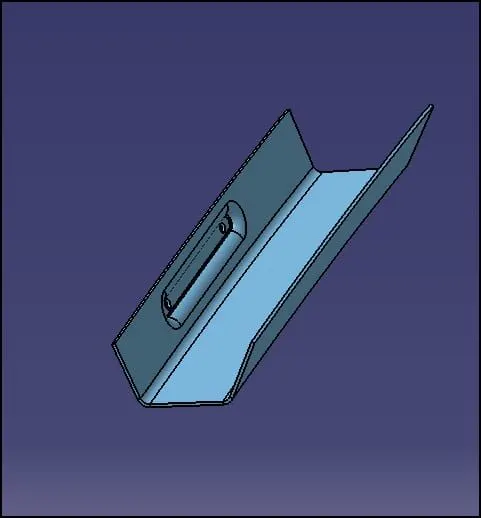
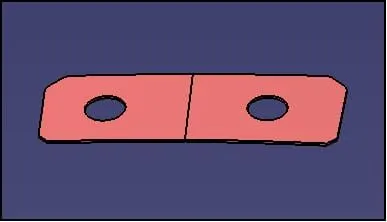
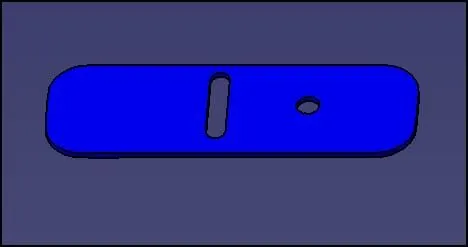
Reinforcements basically strenghts or increases the mechanical properties of the material. The hinge reinforcements are provided so as to increases the strength during bolting.
The different types of reinforcements used here are
Hinge reinforcement
Gas stay reinforcement
Wiper motor reinforcement
Latch/striker reinforcement
Hinge reinforcement
- Gas stay reinforcement
- Wiper motor reinforcement
- Latch/striker reinforcement
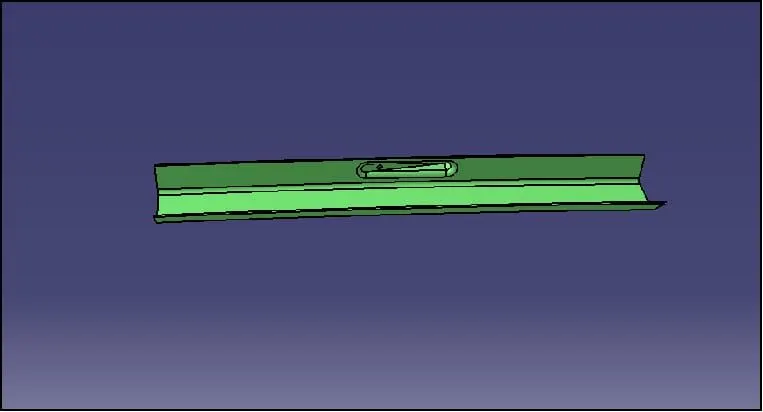
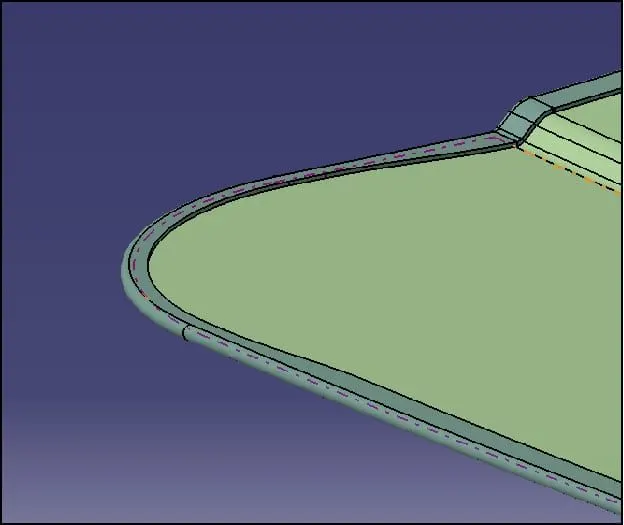
DESIGN OF HEMMING:
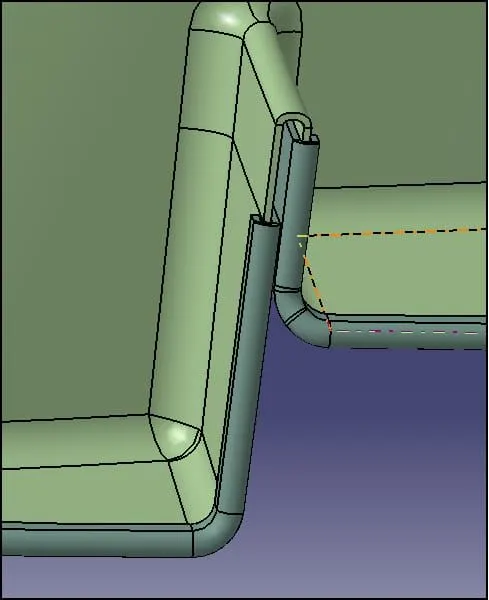
Hemming is a sheet metal forming process in which sheets are joined by bending it usually to 180°. Automotive body panels and automotive parts such as deck-lids, trunk-lids, doors, hoods and tailgates are formed by hemming process.Hemming is a forming operation in which the edges of the sheet are folded or folded over another part in order to achieve a tight fit. Normally hemming operations are used to connect parts together, to improve the appearance of a part and to reinforce part edges.
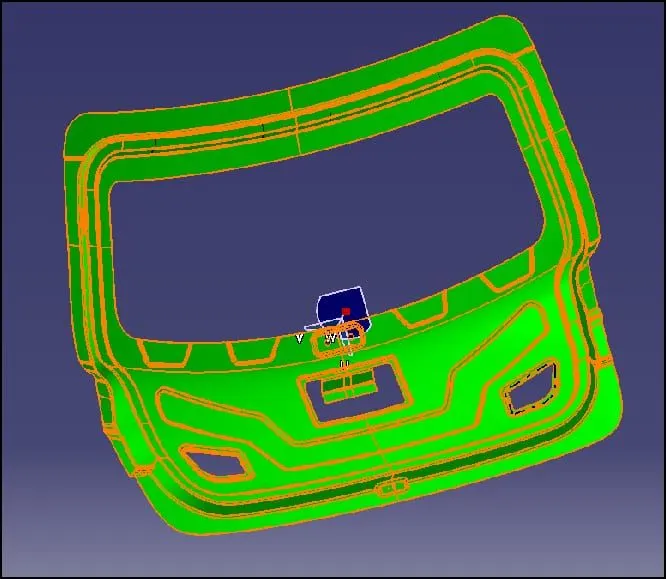
DRAFT ANALYSIS:
Every part like sheet metal parts which are generated from a Press Tool or some forming tools, may be the plastic parts which generally come out from the plastic moulds and maybe the casting parts, all such kind of parts required some drafted face on the surfaces which are parallel to the tooling direction. If we don't provide drafts on the surface then it will stick to the mould surface and whenever the mould is in motion they will destroy the surfaces or also reduced the finishing of surfaces.
Draft is used for providing angles or tapers on product features such as walls, ribs, posts, and bosses that lie parallel to the direction of release from the mold eases part ejection. Draught angles are designed in such a way that they will assist depart rejection. By doing so we have a reduced cycle time and improved productivity. Draft value for a particular part is mostly decided by the material used for making it. Generally for the plastic materials draught value you are very from 0.25 degree to 2 degree.
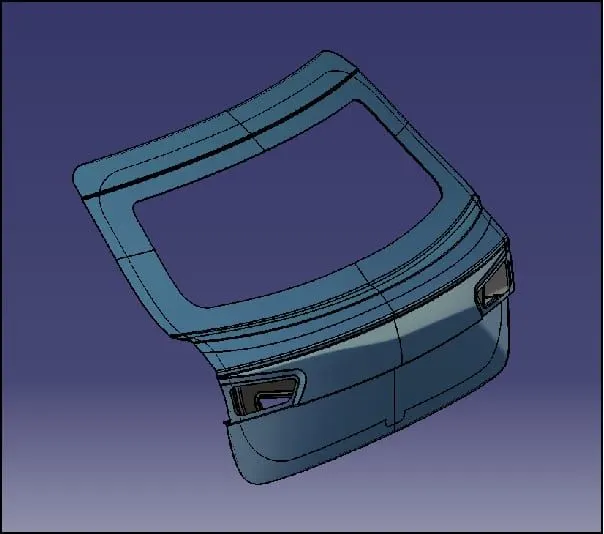
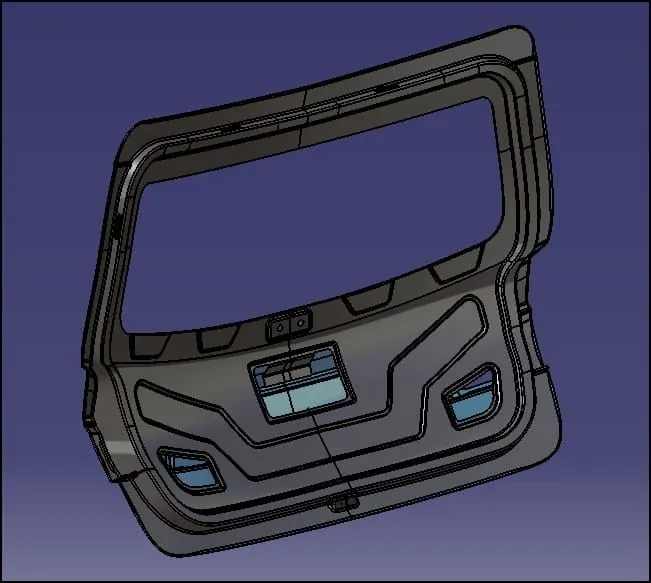
FINAL MODEL IMAGE:
CONCLUSION:
Thus, the car back door was designed taking into account all the design parameters.