Design of backdoor
Aim :
To design the back door of the car and make the inner panel or the back door and also design the necessary re-enforcements.
software used : student edition
Introduction :
the trunk or boot of a car is the vehicle's main storage or cargo compartment, often a hatch at the rear of the vehicle. it is alos called a tailgate. these doors can be operated manually or electric powered. in most of the luxury cars door is electrically operated. it involves a very major role during rear crash cases. so our design must be obey crash requirements. the institute of highway safty analysis the different accidents and theu set a test to rate our cars. so these rating depends upon the design of the trunk and material used, flanges, embosses, type of joining inner panel and outer panel etc.
types of doors based on working position,
1. top mounted door
2. side mounted door
3. bottom door
The back door is operated by two types of comodities
1. electrically operated
2. gas stay powered
the main purpose of these mechanisms is to open the back door without heavy efforts, because the backdoor have diferent parts and weigth of the back is high, so we are not able to open the back door manually, so we introduced these twp types comodities. and these also desides the premium of the car, mostly the electrically operated used in premium cars.
1. gas stay powered
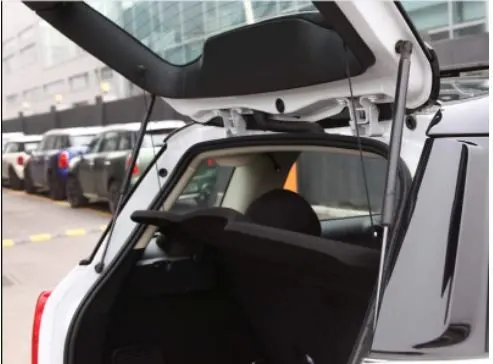
2.electrically operated
Back door assembly :
1.inner panel
2. outer panel
3. hinge and its reinforcement
4. wiper motor reinforcements
5. latch and striker and its reinforements
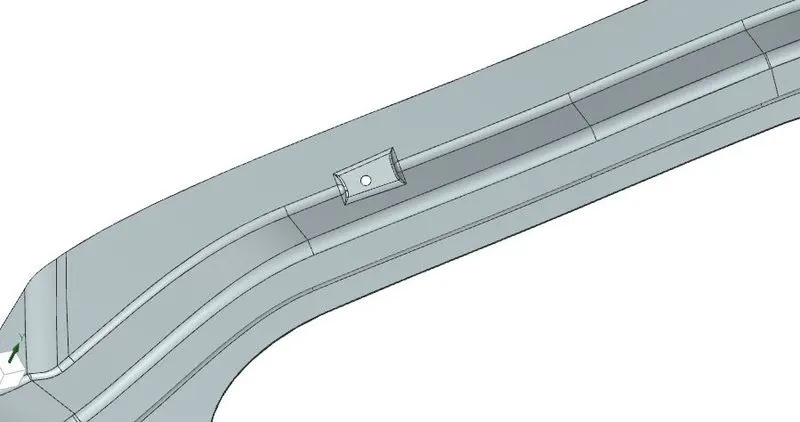
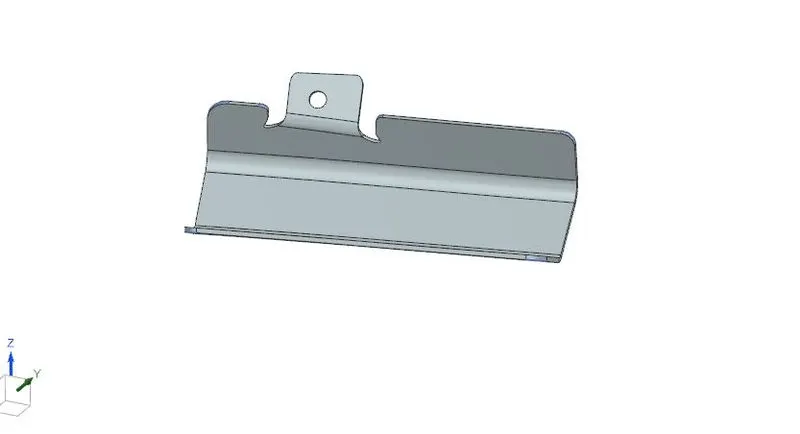
6. gas stay reinforcements
the major problem in back door is material selection. mostly in past days steel is used , but it makes a very problems the steel parts ahve heavy weights, so it reduce the fuel economy, instead ofsteel , in premium cars aluminum is used ,c the main objective of aluminum is it have denser material and its suitable for complex shapes, it gives thickness locally because it done casting, in case of steel we used deep drawing operation. there are some advantages and disadvantages are there,
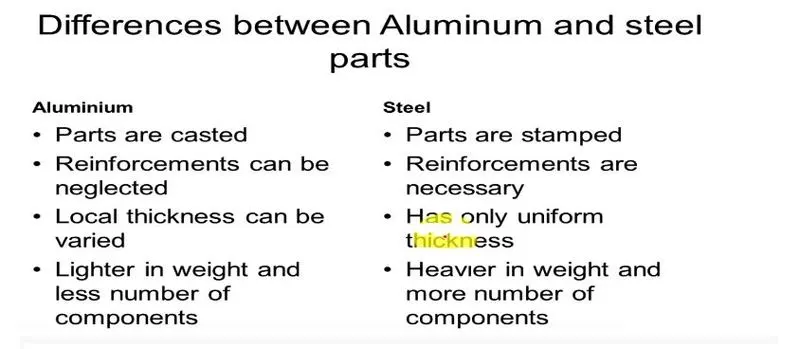
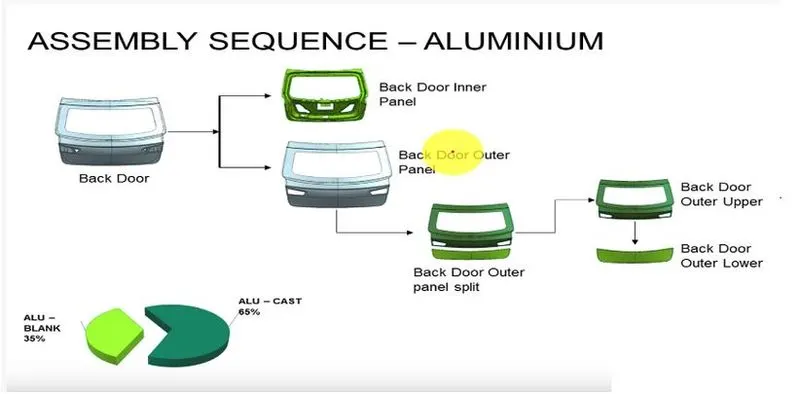
so by using aluminum we can reduce the number of parts and assembly involvements. and it is costly material.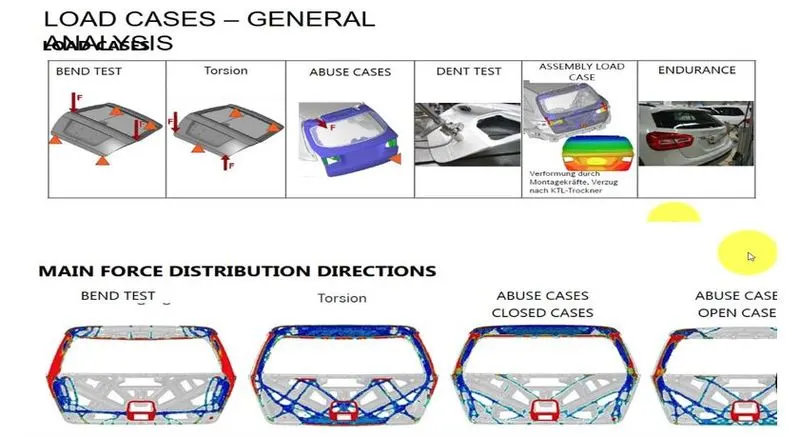
these are the certain test are doen in back door, not only back door , all components must pass these tests but different components have different test because of the functionalities.
different types of sheet metal operations are done in the back door :
deep drawing:
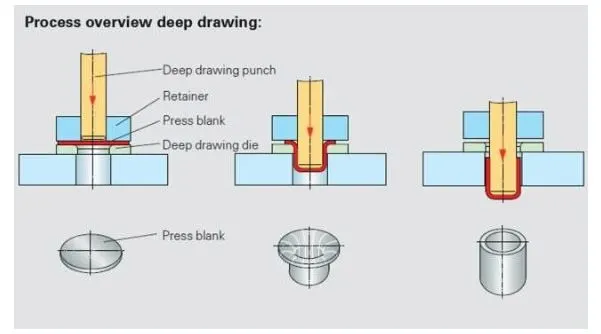
the metal deep drawing is an effective method of manufacturing of cups , cans and other similar deep drawing products. the deep drawing having two main catogaries.
1. first stage drawing :
the blank shape of material is placed on the die and contact with the punch. t=when the metal specimen is flat piece of sheet metal used in forming and finish the products. initially the punch moves in the downward direction. the outer rim of blank is subjected to pure radial drawing between die and blank metal. the metal become a bend and sliding over die also strached between die and punch. the metal in vicinity of punch head and contact with it bend and alos slide over radii and stretch over punch head.
2. redrawing :
the components drawn from first stage agin it is redrawn convert into more depth to form a cup shape in the die and punch. the second stage of drawing in called as redrawing .
Embossing :
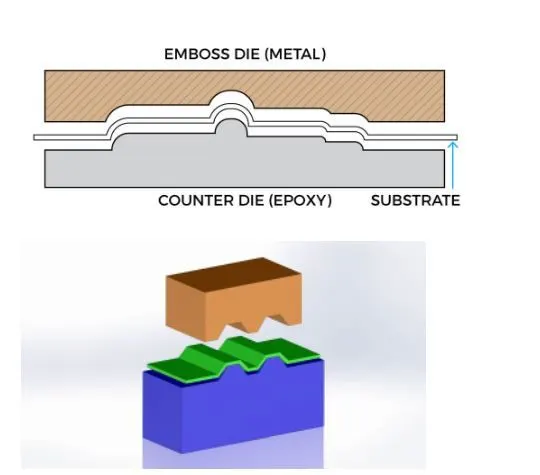
embossing is a metal forming process for producing raised od sunken designs or relief in sheet material by means of matched male and female roller dies, therretically with no change in metal thickenss or by passing sheet or a strip of metal between rolles of the desired patterns. metal sheet is drawn through the male and female roller dies producing a pattern or design on the metal sheet. depending on the roller dies used , different patterns can be produced on the metal sheet .
material commonly used in the metal embossing process include:
1. aluminum alloys
2. steel alloys
3. zinc
4. copper
5. galavanized steel
6. brass
7. cold rolled steel
Hemming :
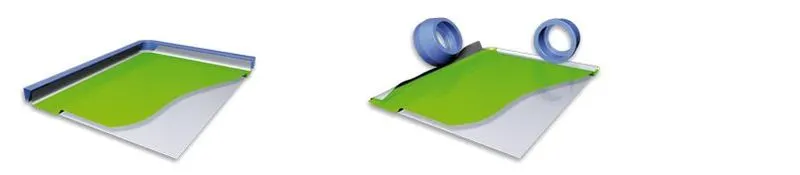
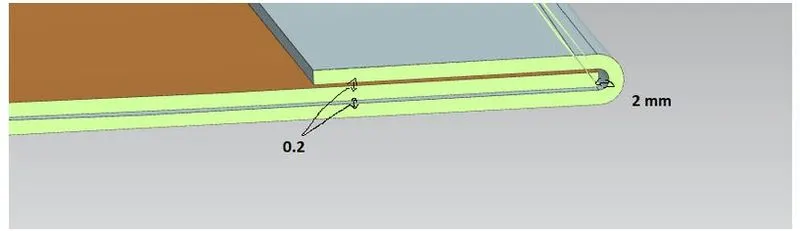
hemming is a forming operation in which the edges of the sheet are folded or folded over another part in order to achieve a tight fit. normally hemming opeeration are used to connect parts together, to improve the apperance of s part and to reinforce part edges.
in car part production, hemming is used in assembly as a secondary operation after deep drawing , trimming and flanging operation to join two sheet metal parts together. typical parts for this type of assembly are hoods , door, trunk lids and fenders.
there are various typesof hemming operations:
1. conventional die hemming :
in conventional die hemming , the flange is folded over the entire length with a hemming tool.
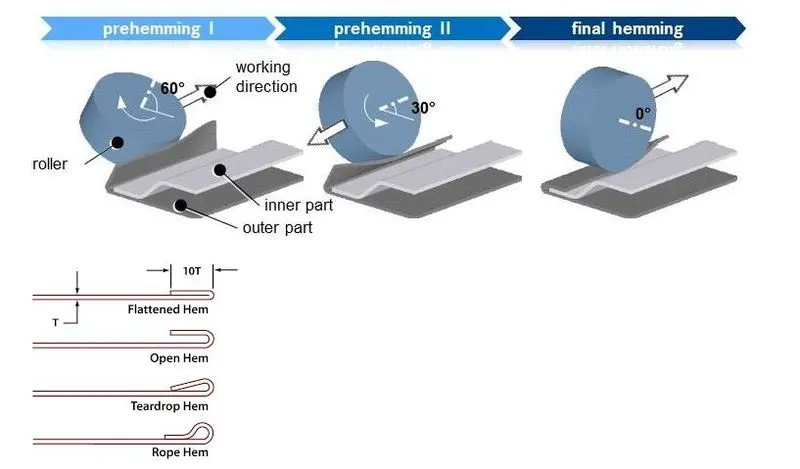
2. roll hemming : in roll hemming , the hemming roller is huided by an industrial robot to form the flange.
open hem: a hem has a full round feature and a returnflange . in open hem blend is equal to 180 degrees.
tear drop hem : in tear drop hem the blend angle is greater than 180 degrees.
closed hem : hems without any inside radius are called as closed hem. closed hems are not recommended if the hem heometry is to be painted or if the material used is SST or Aluminum.
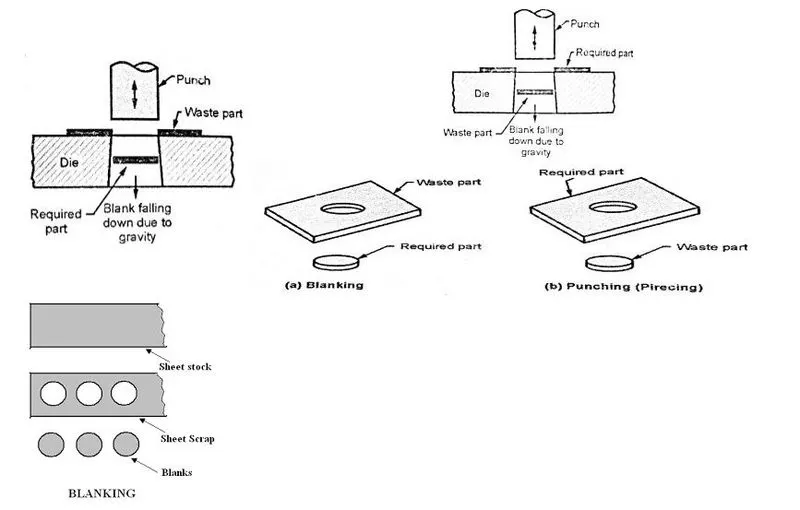
Blanking :
blanking is a cutting operation of a flat metal sheet and the article punched out is known as blank. blank is the required product of the operation and metal left behind is considered as a waste.
Punching:
it is similar to blanking inly the main differance is that , the hole is the required product and the material punched out form the hole os considered as a waste.
Inputes for designing of backdoor :
1. outer panel - 0.75 mm
2. inner panel _ 0.75 mm
3. reinforcements _ 1.5 mm
Class a surface :
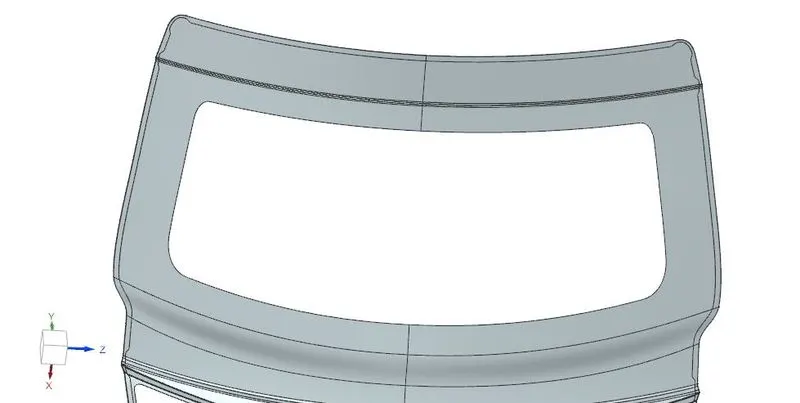
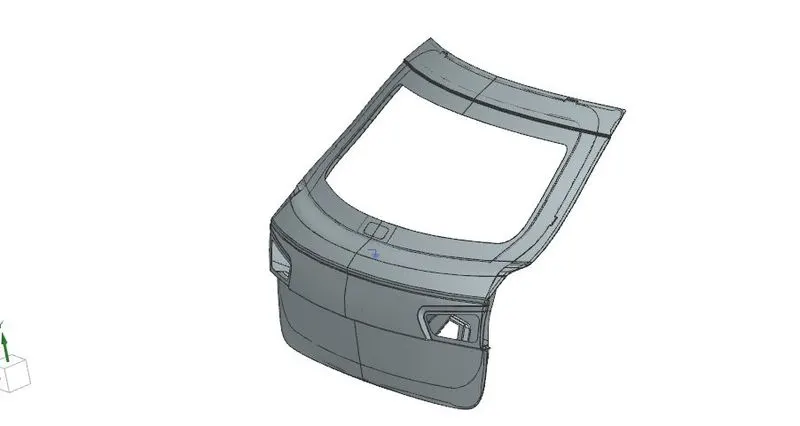
backdoor outer upper and lower class a surface has to be repaired a according tp the smoothness. after repairing the surface, the door is divided into two parts as door outer and lower panel.
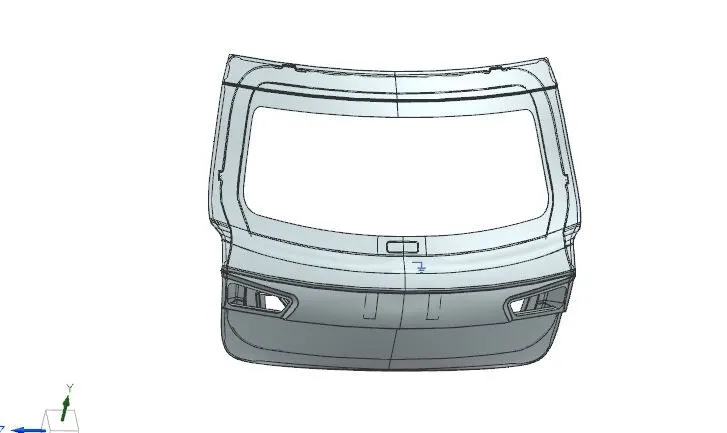
first we need to create the tooling direction for deepn drawing opertion. it shows that all the operations like embossing is done by considering this vector direction and it will help in manufacturing the part,
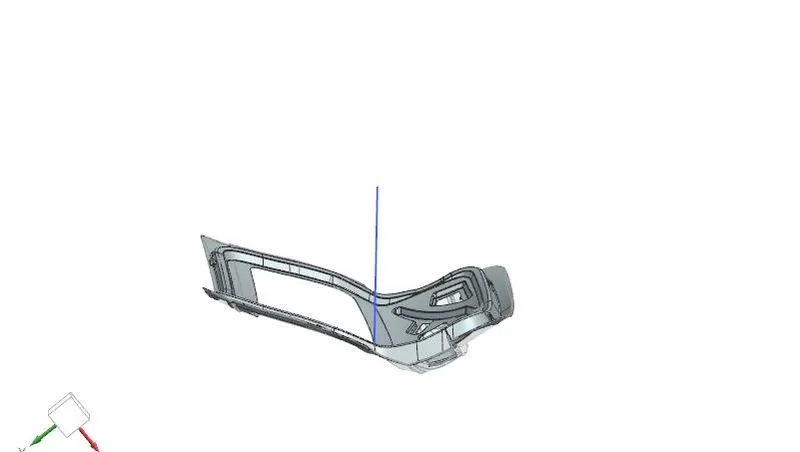
after that we have to create tje sealing flange by offseting the outer panel to the specific distance.
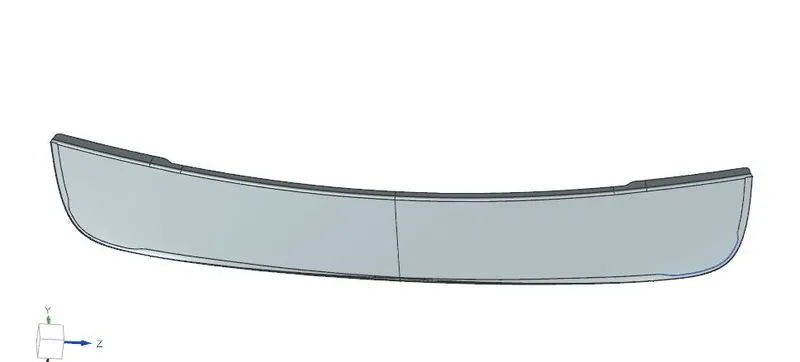
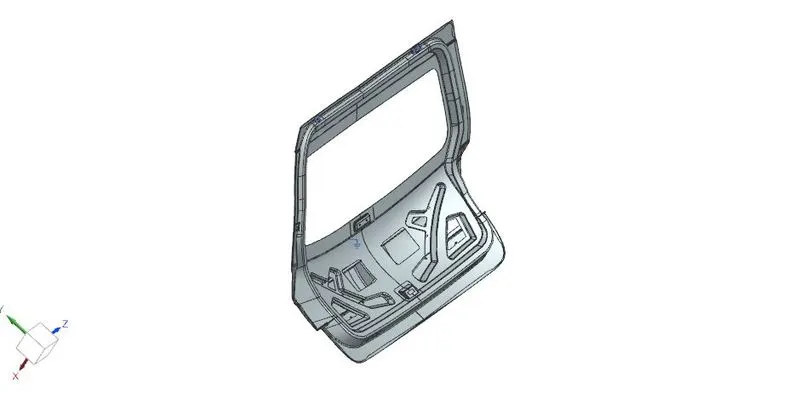
then we will be creating the back door inner panel flange by offseting the outer surface at a distance considering the sheet thickness and thickening direction.
then created the connecting flangr to join the inner panel and sealing flange.
then for the windshield panel mounting , windshield panel is created and joined with sealing flange.
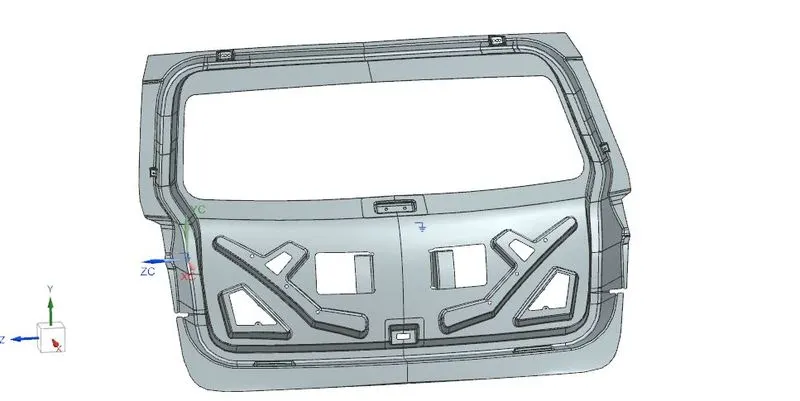
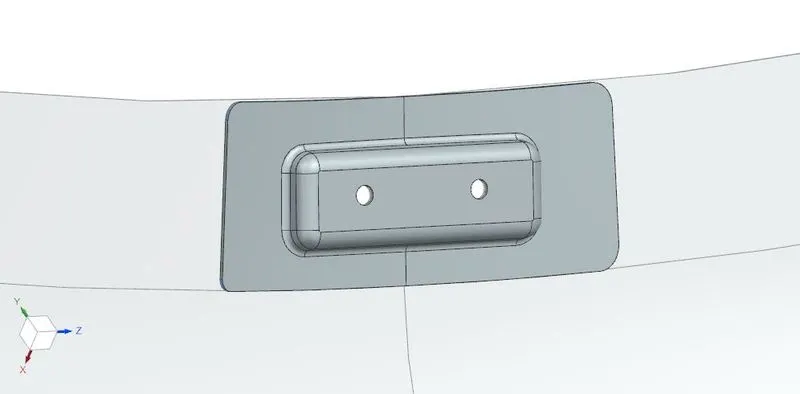
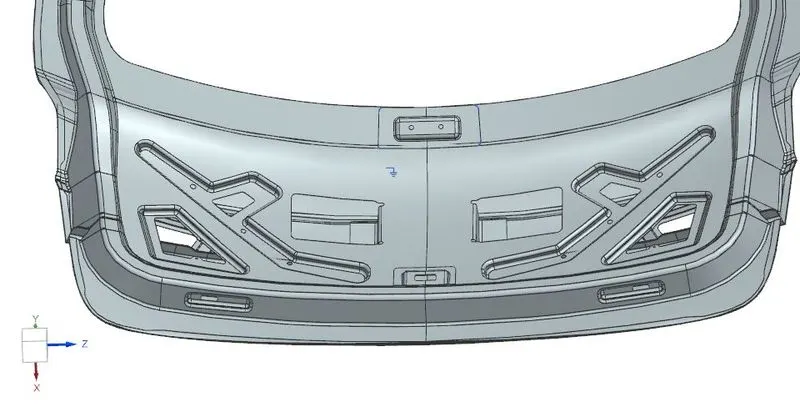
now to assemble the back door with the vehicle hinges are used to open and close the door. for that to increase the local area strength we have to design the emboss and provide the appropriate reinforcements to withstend the land acting upon it.
Hinge :
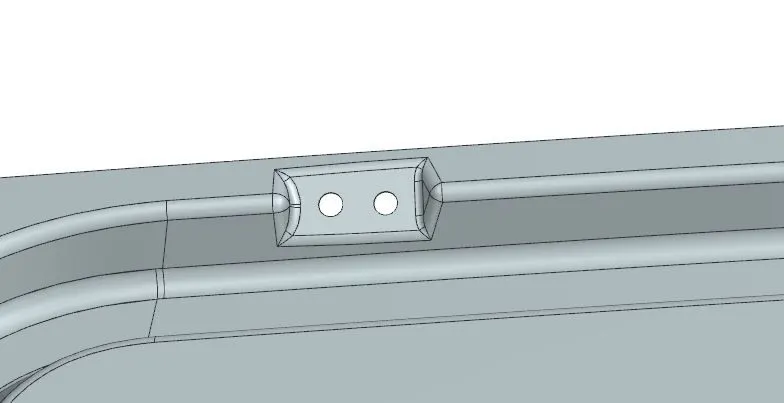
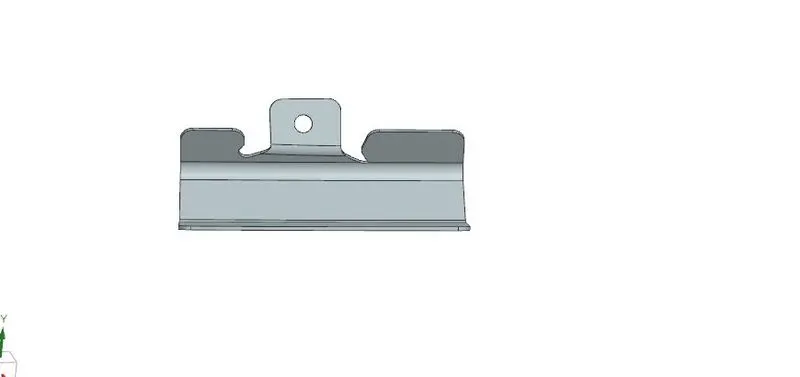
gas stay :
latch & striker :
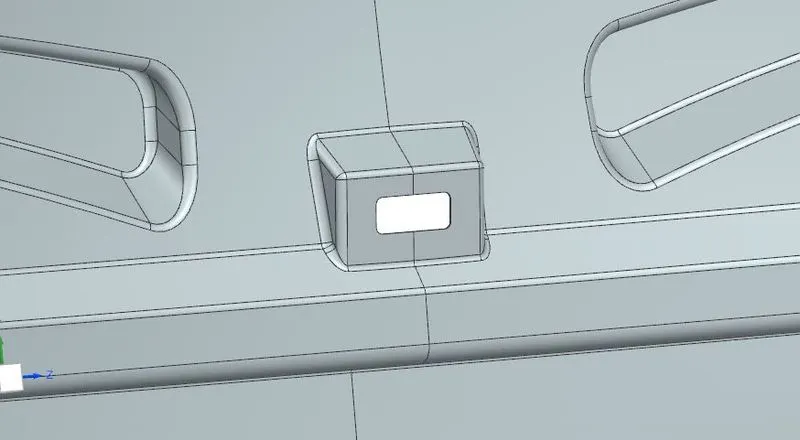
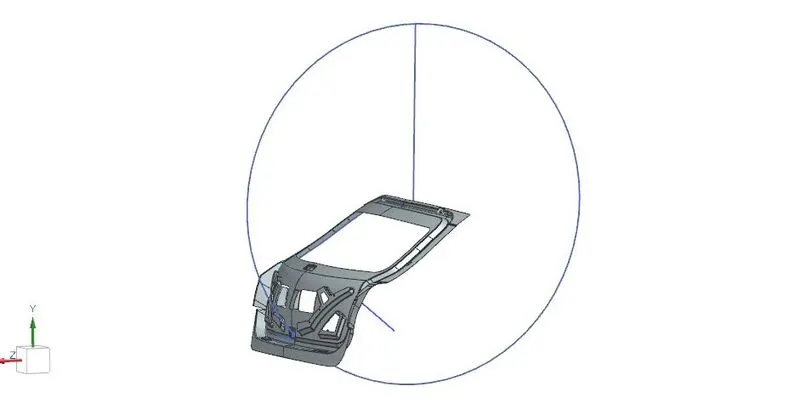
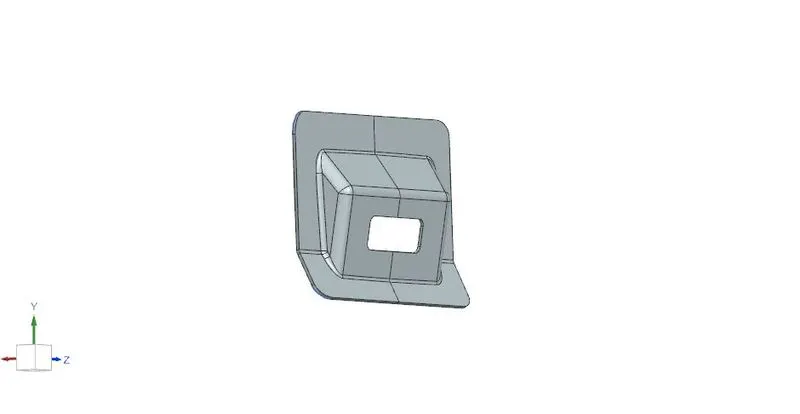
wiper motor :
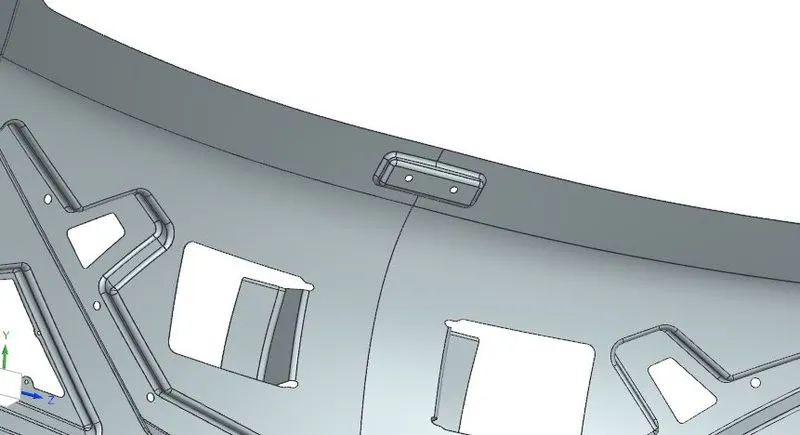
hemming :
assembly :
draft analysis :
conclusion :
the back door outer and inner panel were designed with the help of the styling surface along the tooling direction and
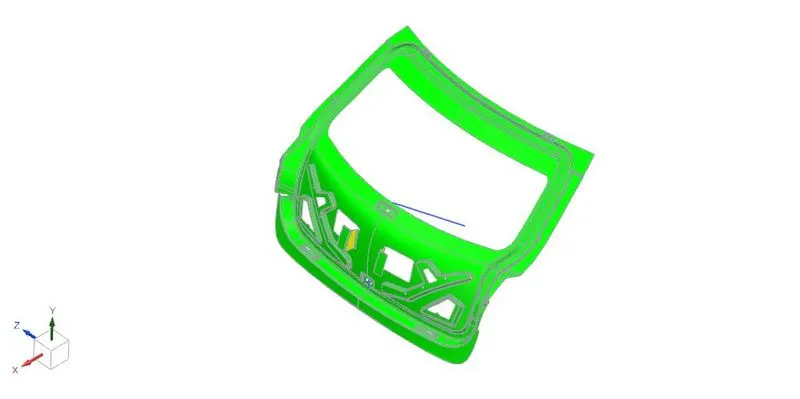
draft analysis waas performed on the inner panel and all the reinforcements were designed and placed at appropriate positions.