Design of backdoor
Backdoor/ Tail gate Design
Focus area:
To understand the functioning of backdoor and to design a tailgate from the available skin data
Design Criteria’s to be checked
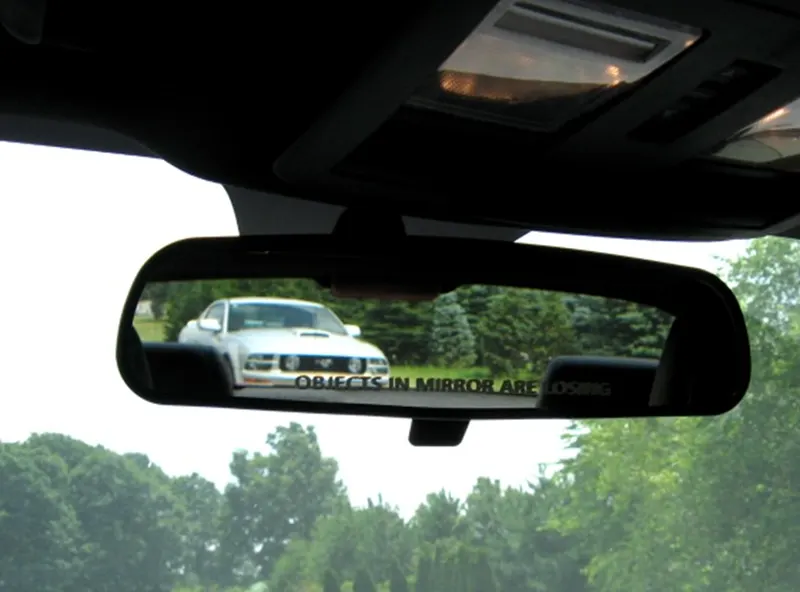
- Rear mirror visibility
Rear window needs to have proper visibility as they should enable the driver see the road behind.
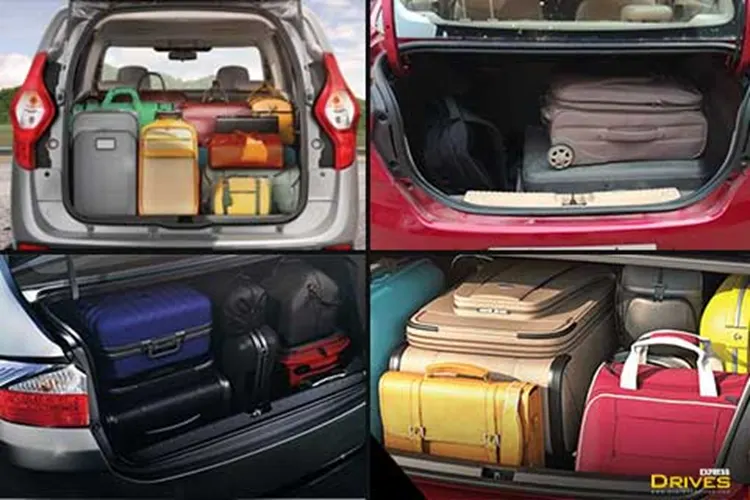
- Luggage area/ Boot space necessary
There needs to be sufficient boot space as it is an important concern when a customer considers buying a car. It could be drastically improved by changing the thickness of the inner panel
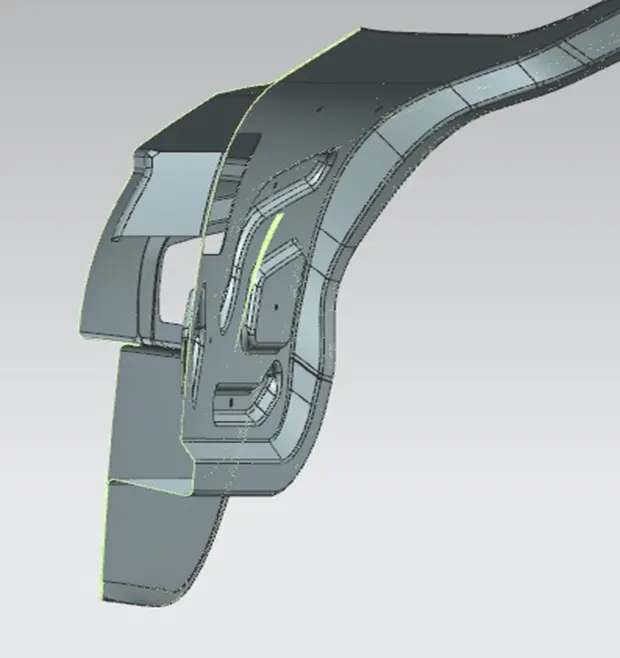
- Space to accommodate components
Tail gate designers need to have space to lodge viper motor, tail lights and latch & striker
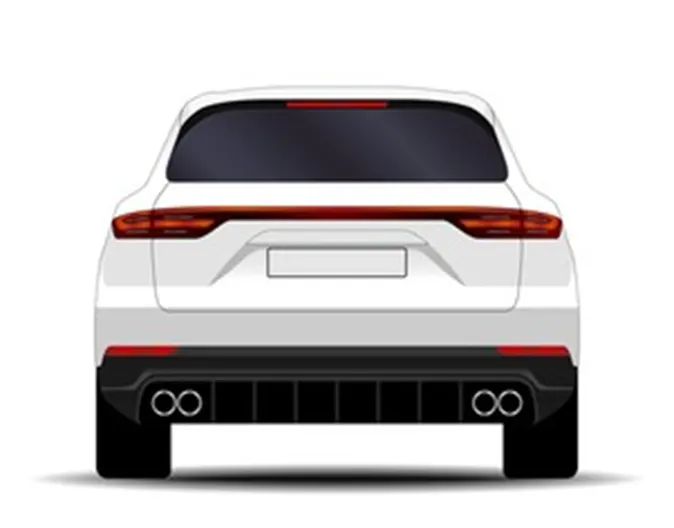
- Rail roof needs to seamlessly blend in with other components
The back door needs to flush in with all other components as it is surrounded by roof, body and rear panel
- Sealing flange need needs to be weather proof
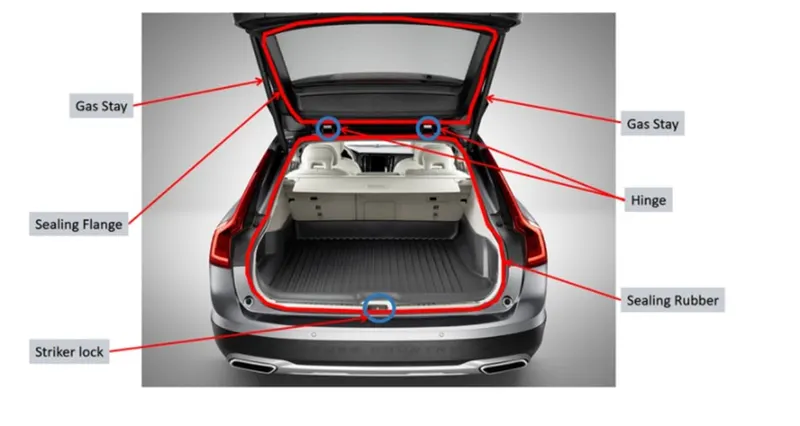
Sealing flange and the rubber seals has to prevent water and dust from gushing in. It could also help in reducing NVH values thereby increasing cars value.
Material Selection
- Depending on the budget allocated, the designers could spindle using various materials such as aluminium, steel, poly-carbonate or carbon fibre
- Steel being most commercially used to make inner panels, it comes with some drawbacks such as being heavy, needs to provide reinforcements as the thickness could not be varied
- Aluminium being very less dense could help in significant weight reduction. But the manufacturing process could be very costly as it needs to be casted
- Aluminium inner panels need not require additional reinforcements as the thickness could be varied.
Design Sequence
The design of a cars tail gate is affected by various factors such as position of hinge, striker and gas stay
- Hinge position
The position of hinge axis greatly influences the design of back door. The hinge may be positioned inside or outside the body. Most of the coupe type vehicles have their hinge axis outside the body whereas in the sedans, the hinge axis is located inside the body as shown in picture.
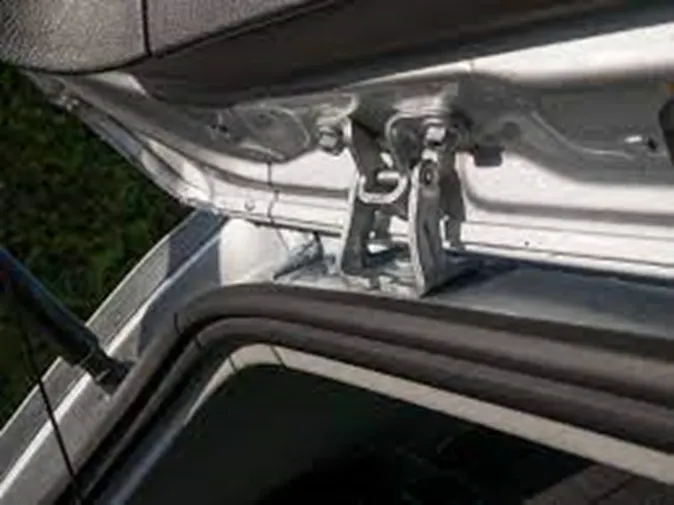
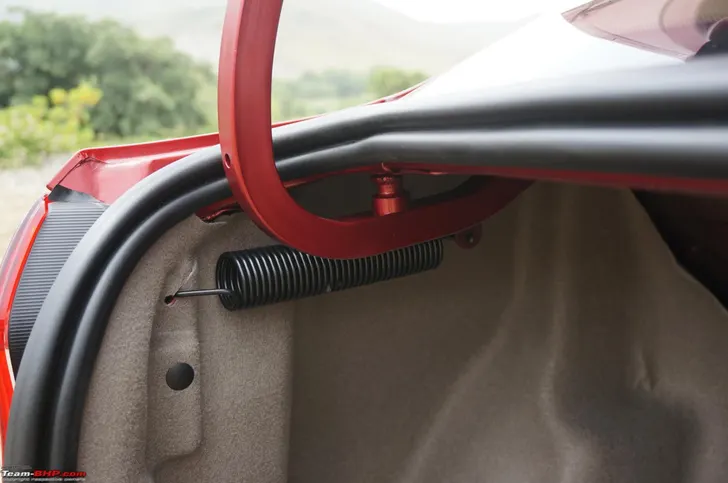
Hinge position outside the body Hinge is placed inside the body
- Striker placement
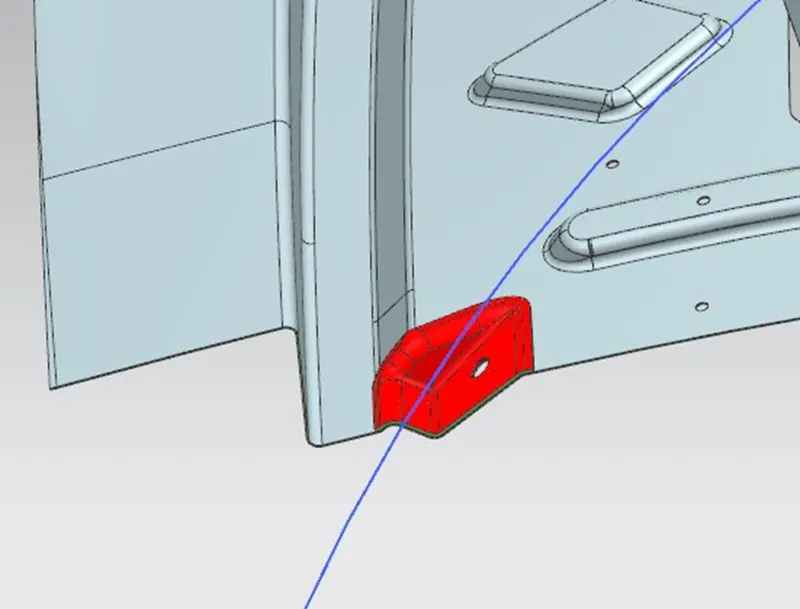
Depending on the position of hinge axis, the striker needs to be placed with the hinge axis at its centre exactly half way between axis connecting both the hinges.
- Gas stay/ Power spindle position
Owing to the funds allocated, the designers could either use a gas stay or go with the modern luxurious power spindle. Gas stays are more reliable and cheap when compared to its counter parts Power spindles on the other hand are easier to operate as it only requires a single push of a button or uses sensors to open or close the back door.
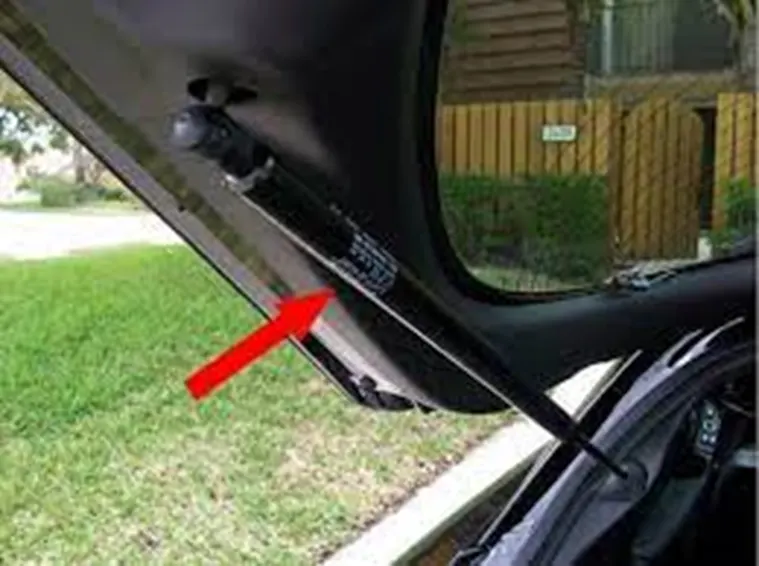
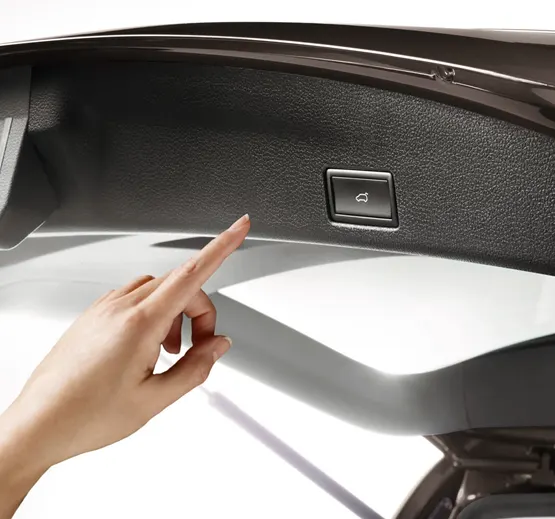
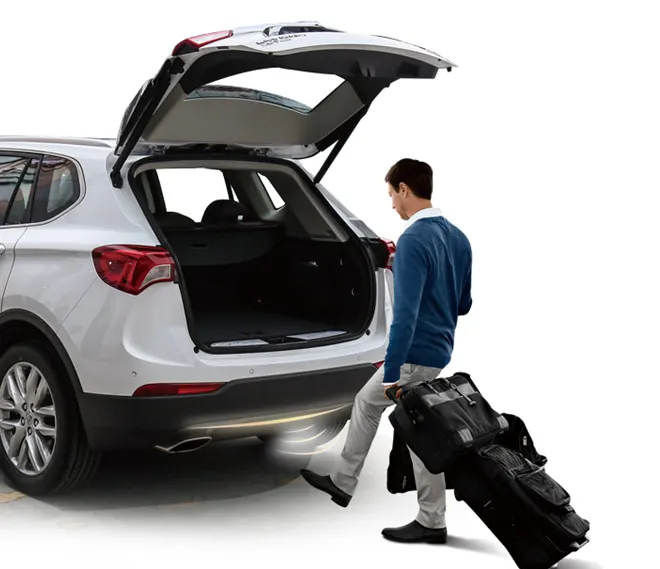
Gas stay operated back door Back door opening and closing using power spindle and sensors
- Sealing flange design
Sealing flanges are an important part when it comes to designing backdoor as it helps in creating cars weather proof as when combined with the rubber sealing it prevents water and dust from entering.
- Inner panel design
The inner panel is provided to provide additional strength and stiffness to the back door and also to accommodate the placement of various components such as viper motor reinforcement; striker reinforcement, hinge reinforcement and gas stay reinforcements.
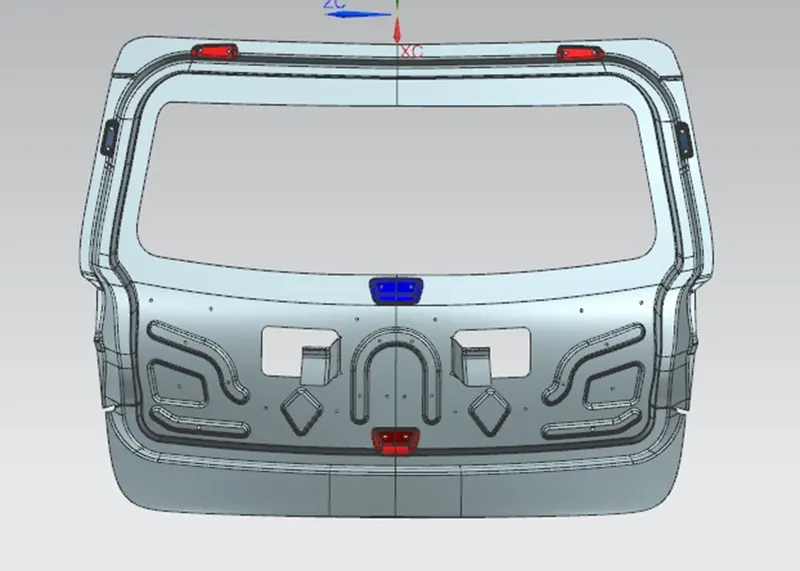
Inner panel with all the reinforcements
- Addition of reinforcement(if required)
Additional reinforcements are necessary so as to provide strength locally while keeping the weight low. These could be avoided if aluminium parts are used, where the thickness could be varied using casting.
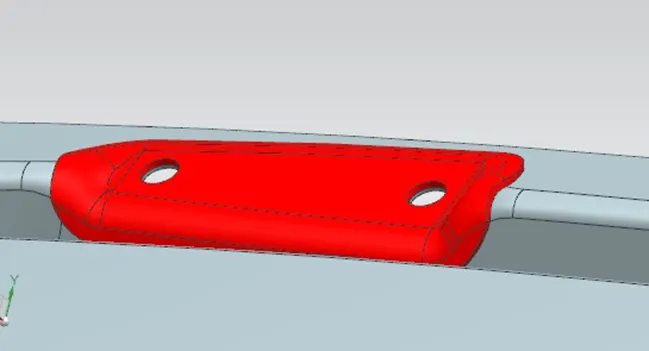
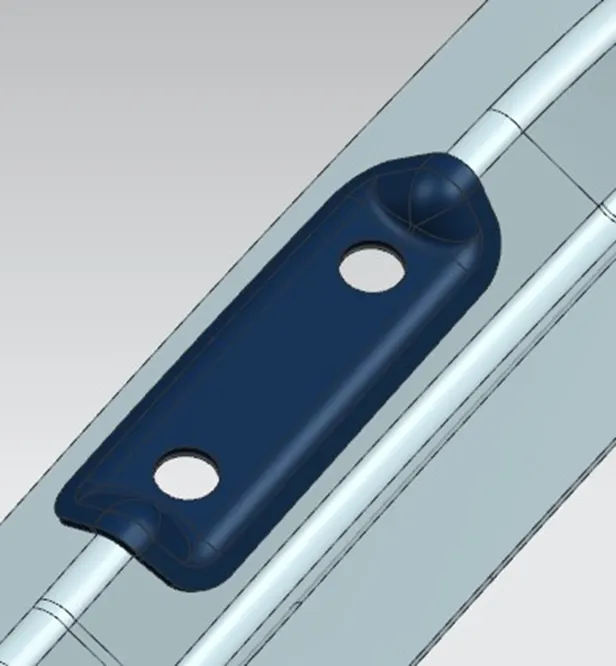
Hinge reinforcement Gas stay reinforcement
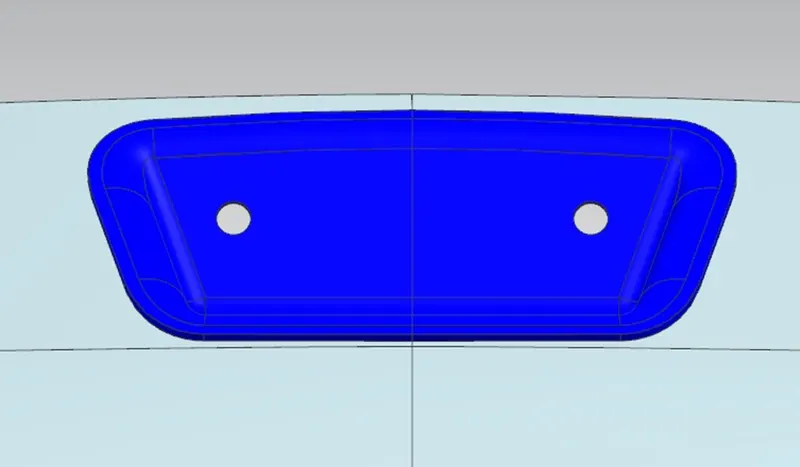
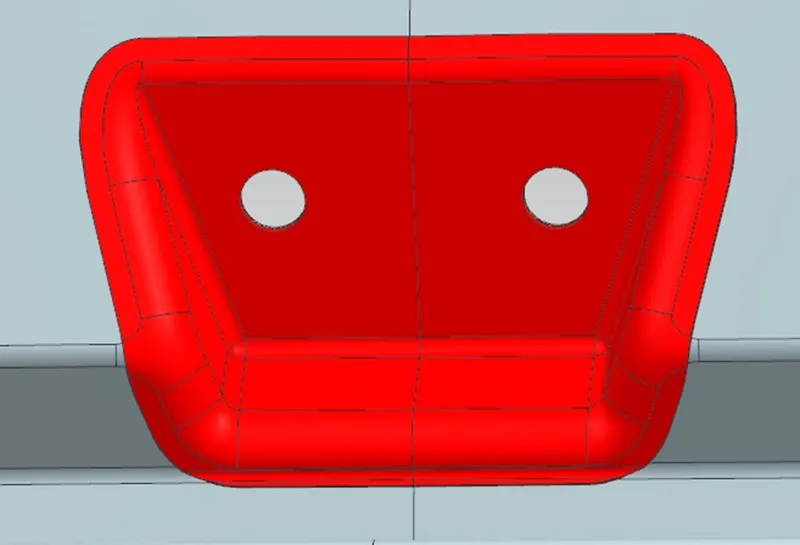
Viper motor reinforcements Striker reinforcements
Load Test
Several tests need to be simulated before any components hit the assembly lines. These tests ensure the components manufactured are actually survived all the impacts and load it will be subjected to. There are different tests done to ensure the same
- Bend test
- Torsion test
- Assembly test
- Dent test
- Abuse case
- Assembly test