Design of backdoor
DESIGN OF BACKDOOR:
OBJECTIVE :
- To design Outer Panel of backdoor of a car with hemming.
- To design Inner Panel of backdoor of a car with required embosses & slots.
- To design reinforcements of a backdoor panel.
- To design mountings of backdoor gas stay, hinges, latch & striker, wiper motor, headlights, plastic parts.
INTRODUCTION:
- The trunk (North American English) or boot (British English) of a car is the vehicle's main storage or cargo compartment, often a hatch at the rear of the vehicle. It is also called a tailgate.
- In India the storage area is known as a dickey (also spelled dicky or diggy), and in South-east asia as a compartment.
- Sometimes during the design life of the vehicle the lid may be restyled to increase the size or improve the practicality and usefulness of the trunk's shape.
- Types of Backdoors in Automotive:
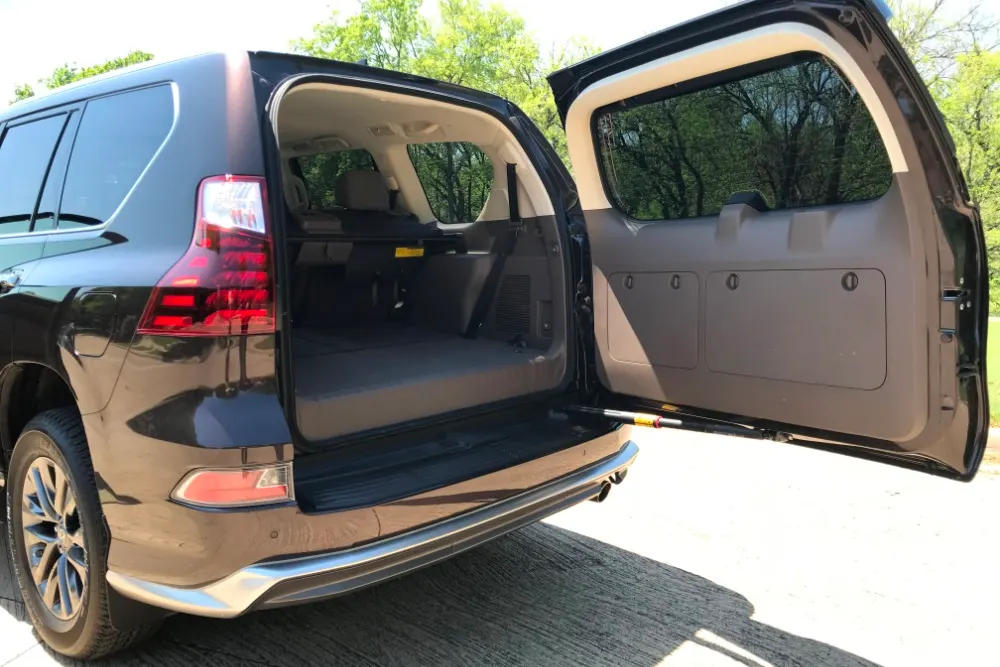
- TOP MOUNTED:

2. SIDE MOUNTED:
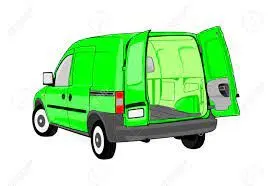
3. VERTICALLY SPLIT MOUNTED:
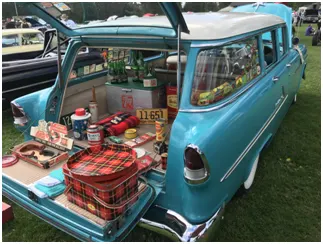
4. HORIZONTALLY SPLIT MOUNTED:
- Parts involved in backdoor assembly: outer panel, inner panel, hinges , latch & striker, gas stay reinforcement, wiper motor mounting, plastic trims.
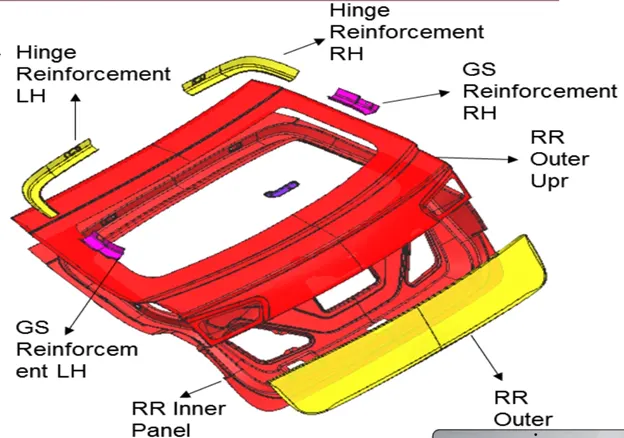
Fig_Mountings of backdoor panel
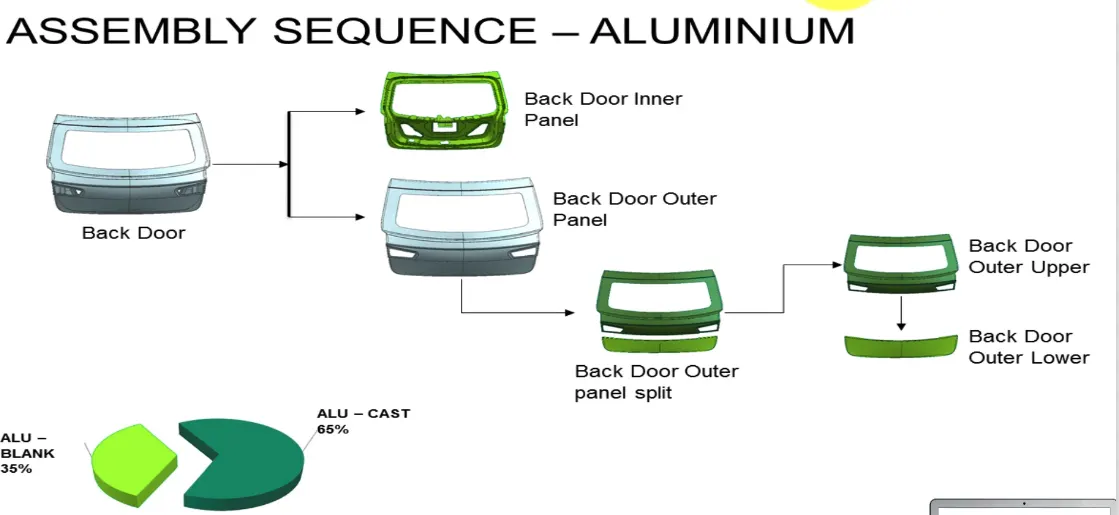
Fig_Assembly of Backdoor Panel
MANUFACTURING PROCESSES INVOLVED :
Different sheetmetal are used for manufacturing of backdoor
- Deep drawing:
- It is a process in sheet metal forming by the mechanical action of a punch.
- A flat sheet metal blank is formed over a single, rigid, shape defining tool half by a flexible rubber diaphragm under uniform hydrostatic pressure.
- Deep drawing is used for sheet metal and various plastics.
- The process is equally suitable for industrial small-series and mass production.
- Many everyday objects consist of deep-drawn parts.
2. Embossing:
- Sheet metal embossing is a stamping process in which the metal is raised or sunken.
- It is executed using male female roller dies or any other desired rolls forming process.
- sometimes it is executed through metal foil stamping process, it gives lusturous outer surface.
- It also improves the impact force distribution.
3. Hemming:
- It is the process in which the process in which the metal is rolled around or wrap around the other metal sheet for proper packing.
- Hemming is executed using the rolling method.
- The proper reliefs are alloted for the bends or corners.
4. Punching & blanking :
- In these processes the holes or slots are created on the metal sheet.
- In blanking process the holes are waste & remaining sheet is required object.
- In Punching process the holes are useful material & holes material is waste.
Design Process:
- Outer Panel :
- It is the class A surface provided by styling team for development of all remaining parts such as inner panel & reinforcement.
- Initially we have to repair the given styling surface such as repairing corners, blends as well as other surface irregularities.
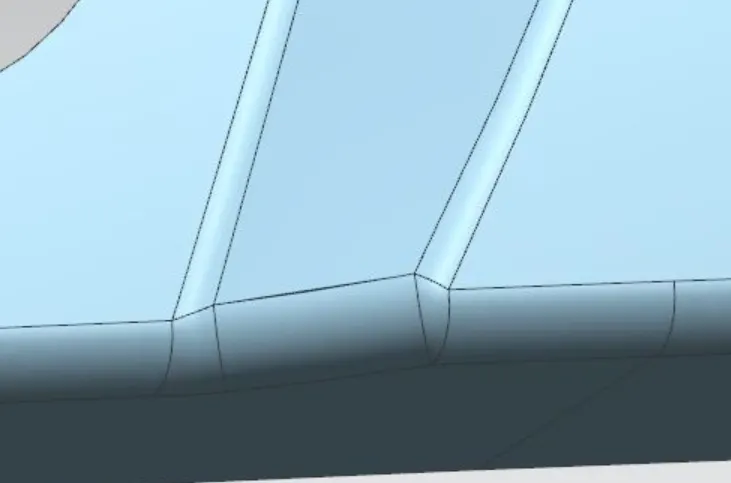
Fig_Given styling surface with some irregularities.
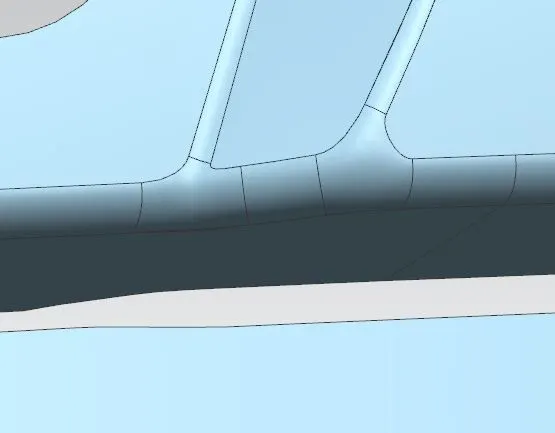
Fig_Repaired suface for further task.
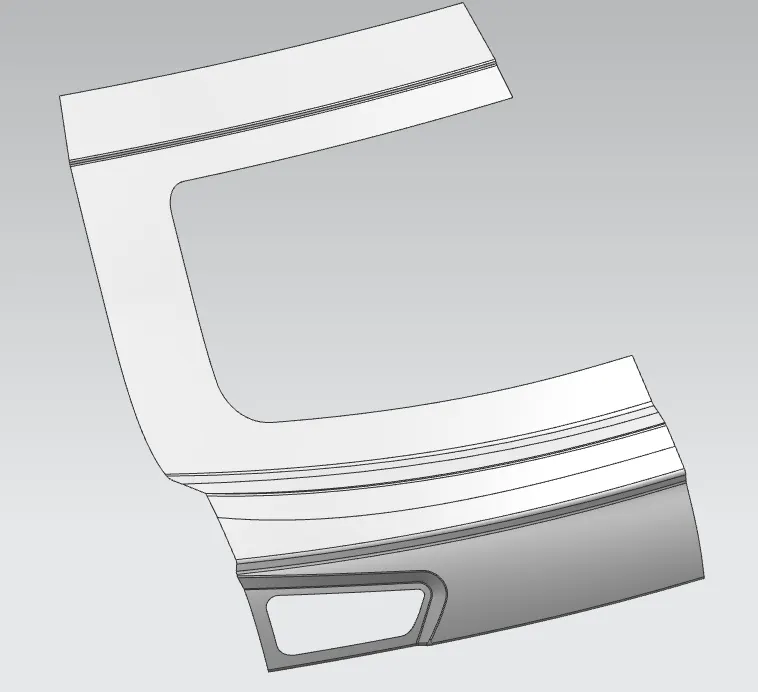
Fig_Initial stage of outer panel Design
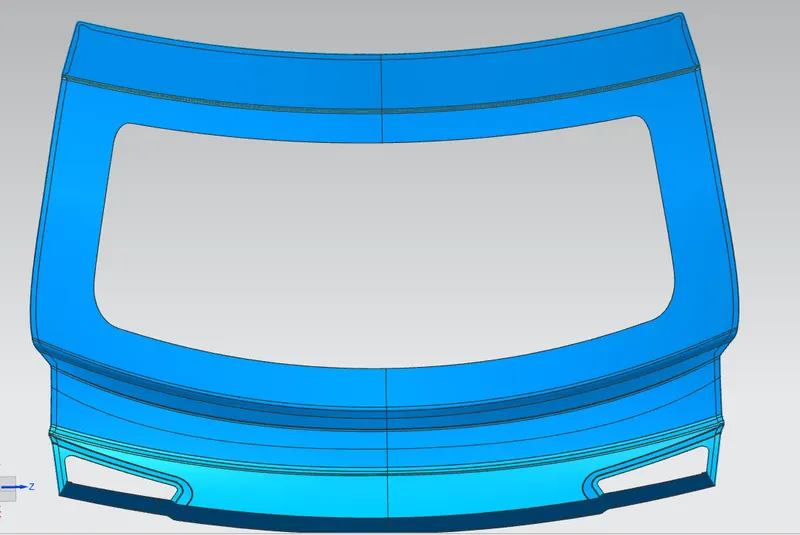
Fig_Upper Outer Panel with hemming
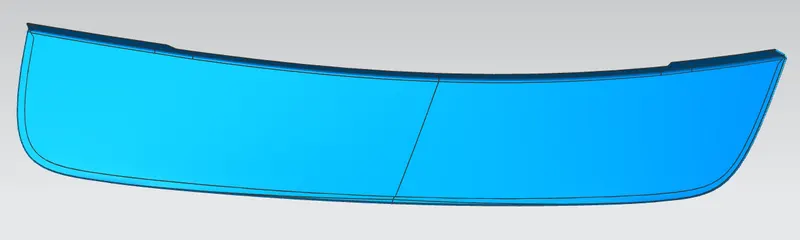
Fig_Lower Outer Panel with Hemming
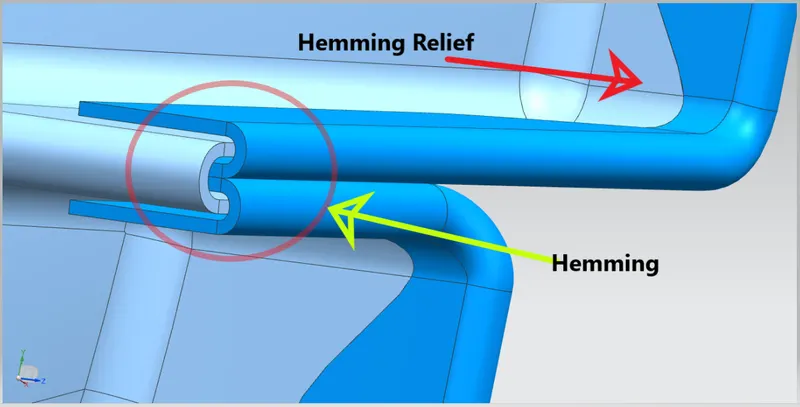
Fig_Hemming of outer Panel
2. Inner Panel:
- It is the core part of the design in which we design the embosses for mounting of different components such as wiper motor mounting, latch & striker mounting, hinge mounting.
- The embosses are also provided on the inner panel for the proper transfer or dissipation of any impact forces towards hinges rather than the steering or inner body components of automotive.
- Design aspects to be considered in the inner panel design:
- Spacious rear compartment without consuming much space for inner panel
- Rear visibility should be considered.
- Winshield panel cutout area should be considered
- Slots for plastic trims
- Sealings & its functionalities.
- The Y-emboss for proper distribution of impact forces.
- The mountings for different parts.
- Mastic surface for joining outer panel & inner panel.
- Joining methods hemming & spot welding areas.
- Fits & clearances.
- Cut outs for fitting of headlamps.
- Support structures like hinges & gas stay.
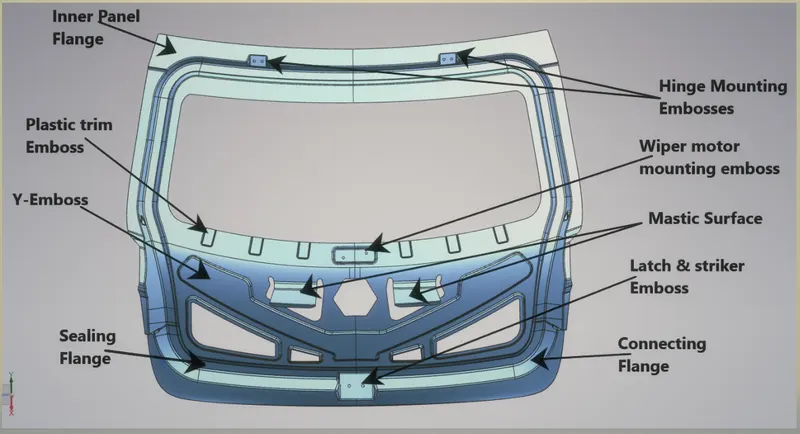
Fig_Components involved in Inner Panel design
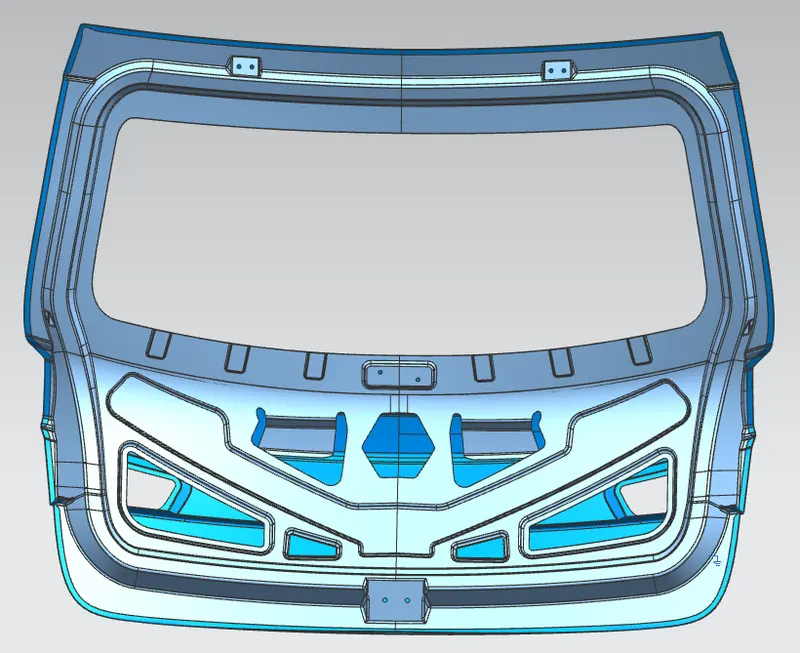
Fig_Backdoor Inner Panel with Outer Panel
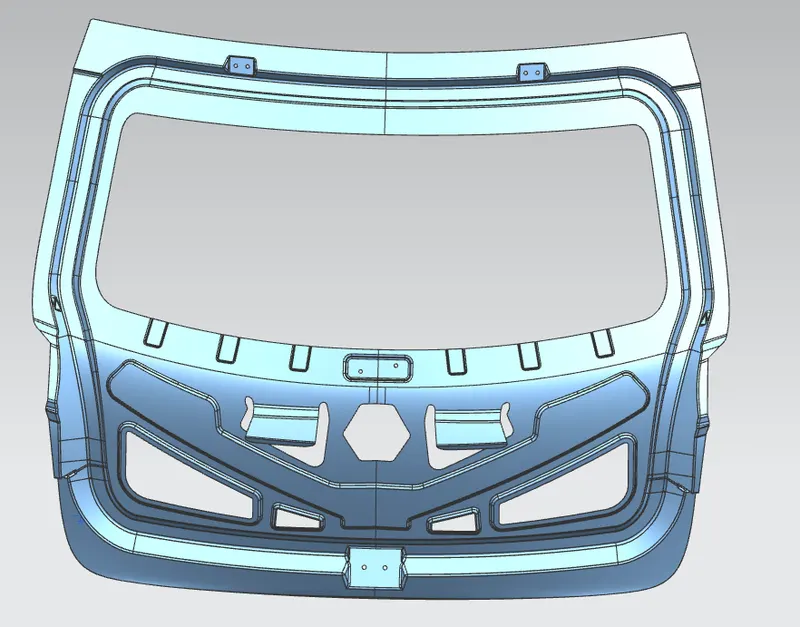
Fig_front View of Inner Panel
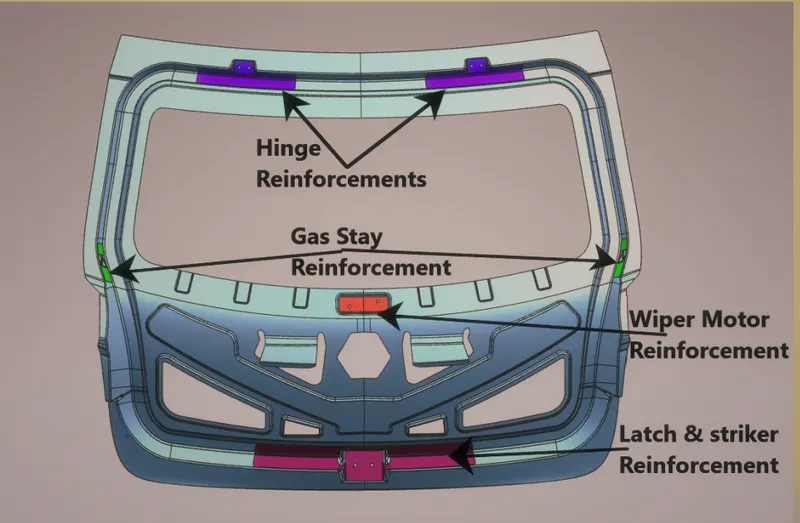
Fig_Inner Panel With Reinforcements
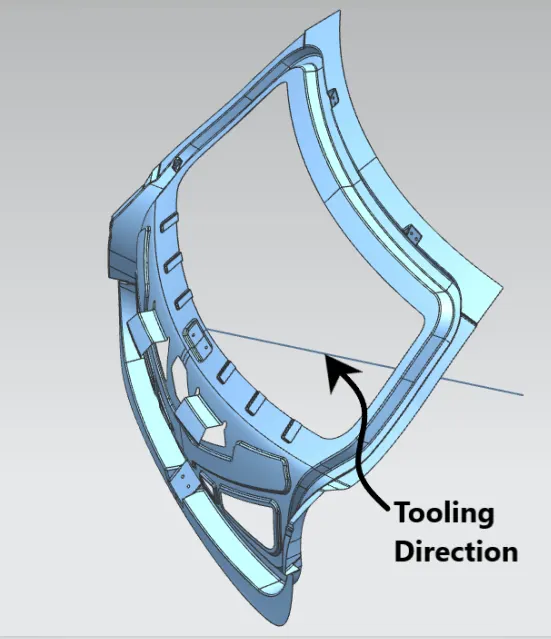
Fig_Tooling direction for embosses & cutouts to make manufacturing easier, faster & cheap.
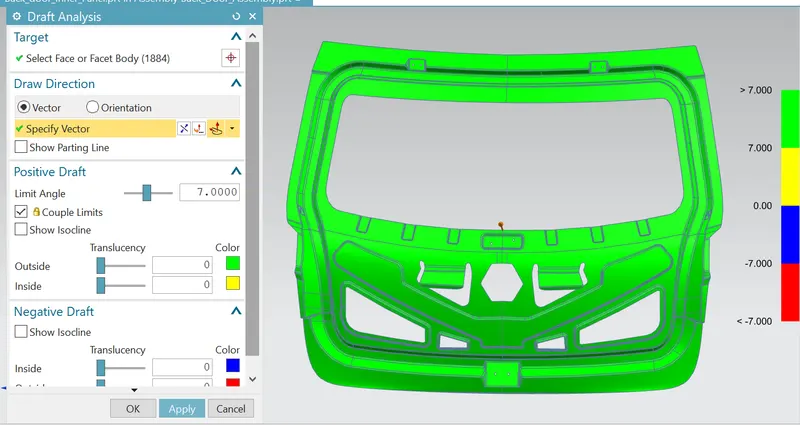
Fig_Draft analysis of a Inner Panel
- The Reinforcements are provided for different mounting for proper positioning & packing of components as well as to provide strength those areas where mounting will be executed.
- The thickness of outer panel, inner panel & reinforcements is 0.75 mm.
- The clearance of 5 mm is provided for mastic application on inner panel surface with outer panel.
- The hinge axis alignment , latch & striker path tracing with circular arc & finding proper position of Latch & striker.
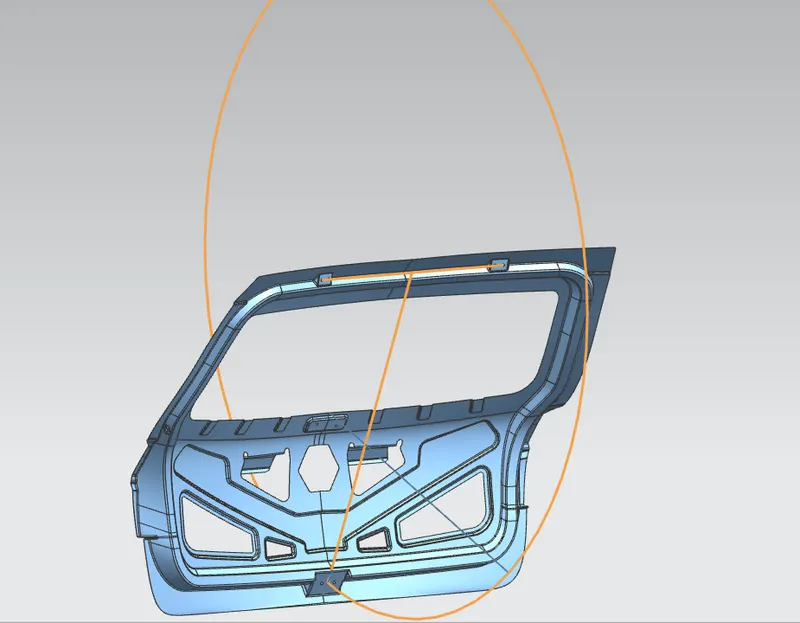
Fig_It shows Hinge alignment & latch & striker path, position.
Reinforcements:
- Hinge Reinforcement:
- The reinforcement should be provided at the hinges beacause it carries all weight of the backdoor.
- The embosses should be given such as it can rotate freely to trace the required path.
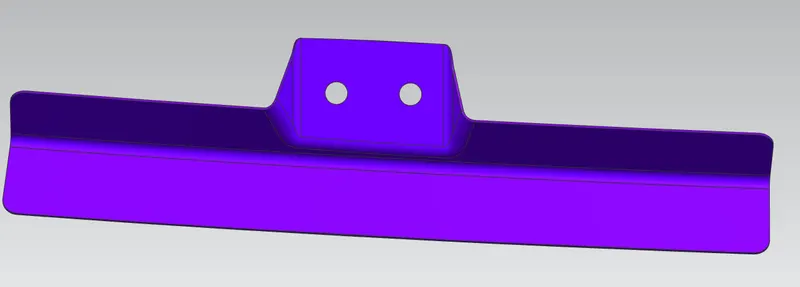
- Gas Stay Reinforcement:
- In gas Stay, there are two types fully automated & semi-automatic.
- In semi-automatic we should apply little force in the beginning.
- As the whole weight of the backdoor is uplifted by the gas stay so reinforcement is required to give it strength.
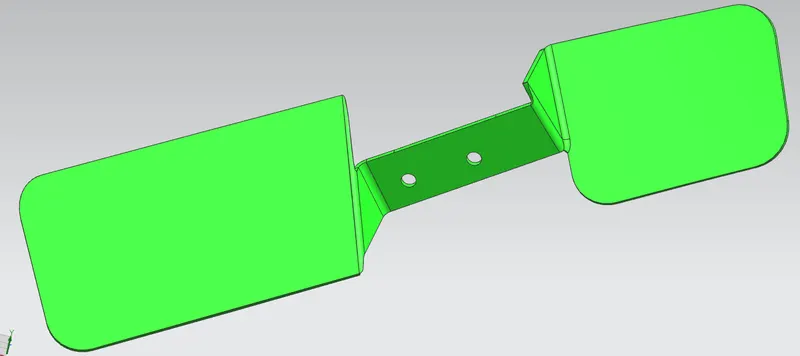
- Wiper Motor Reinforcement:
- Wiper motor used to wipe the rainwater from the glasses.
- Wiper motor actuates the wiper which wipes the rainwater.
- The wiper motor gets higher temperature range in this process which also cause the heating of inner panel which deforms the inner panel.
- Due to this heating & deformation the NVH issues can be observed.
- To reduce this issue we should provide wiper motor reinforcement to strengthen the inner panel wiper motor mounting emboss.
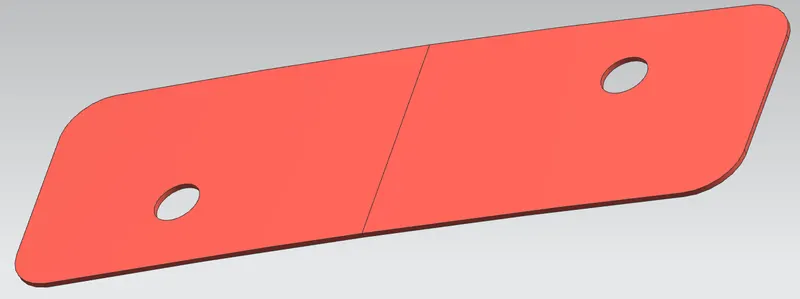
- Latch & Striker Reinforcement:
- There are two types of door locks key operated or remote & sensors operated.
- In both of these conditions the cyclic impact of Latch & striker is going to happen,
- So in these scenario to strenghten the impact areas & to improve the life cycle of component we should provide the reinforcement for the Latch & striker.
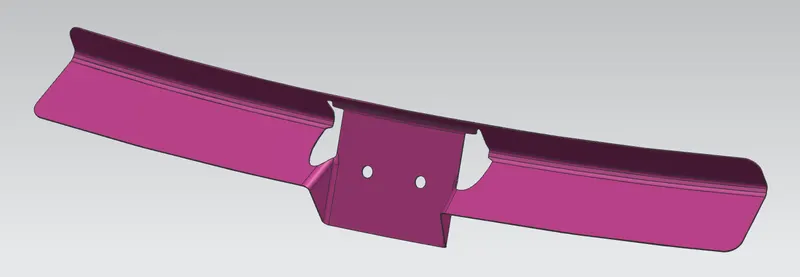
- Assembly of Backdoor:
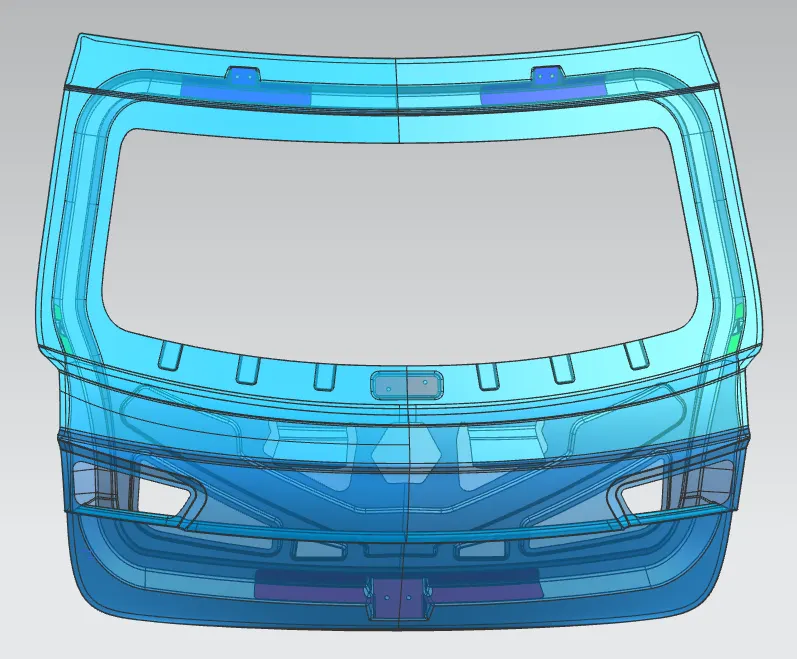
Fig_ Backdoor Assembly with outer panel transperancy
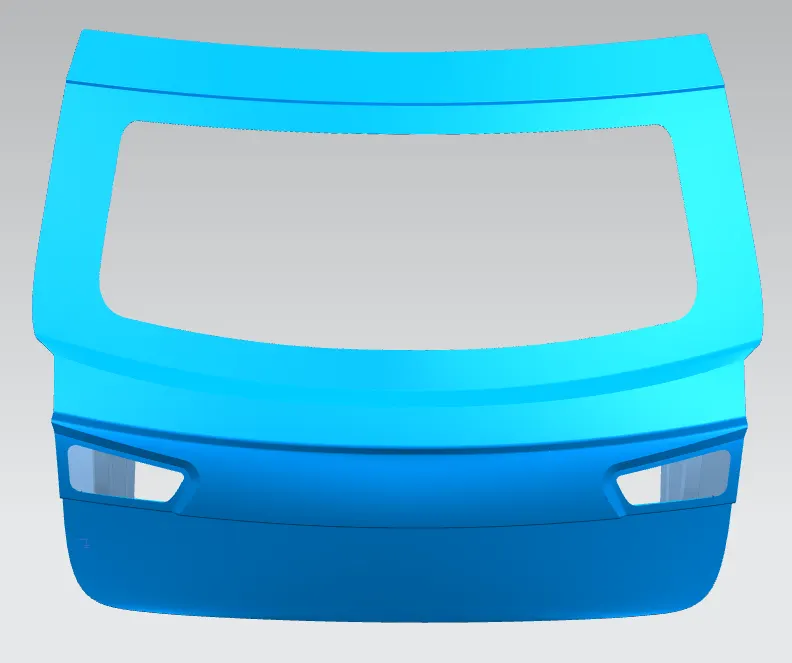
Fig_Outer panel Shaded
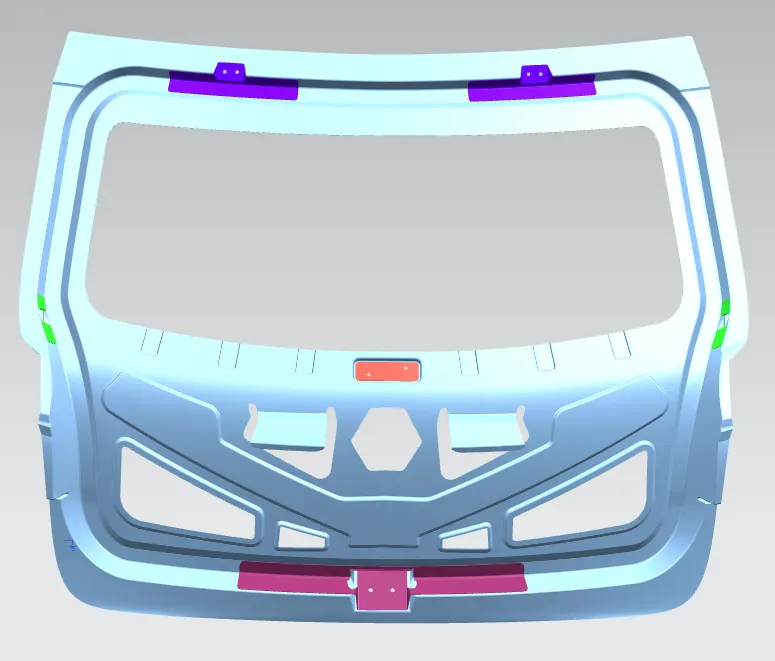
Fig_Inner Panel Shaded
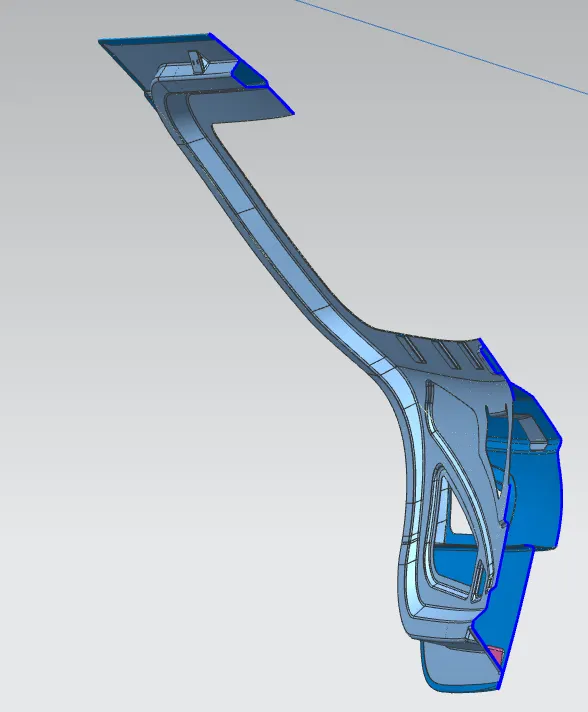
Fig_Sectional view of the Backdoor Assembly
CONCLUSION:
- The given styling surface is repaired .
- We have developed inner panel flange, connecting flange, sealing flange for the inner panel of backdoor.
- The mounting embosses are created using law extension, datum plane, face blend, trim sheet commands.
- The hinge alignment & latch & striker path traced successfully to position them perfectly.
- The reinforcements of gas stay, hinges, latch & striker created for making panel stronger & stiffer.
- Y-emboss is provided for impact energy distribution towards hinges away from the passengers.
- Mastics & spot welds positions provided for proper joining of components of assembly.
- Draft analysis is performed as well as tooling direction is provided for its manufacturability.
- In this way we have performed all the essential operations on backdoor design.