Design of backdoor
BACK DOOR DESIGN
AIM:
To develop back door design by given class A surface following automotive design rule by using NX CAD.
INTRODUCTION:
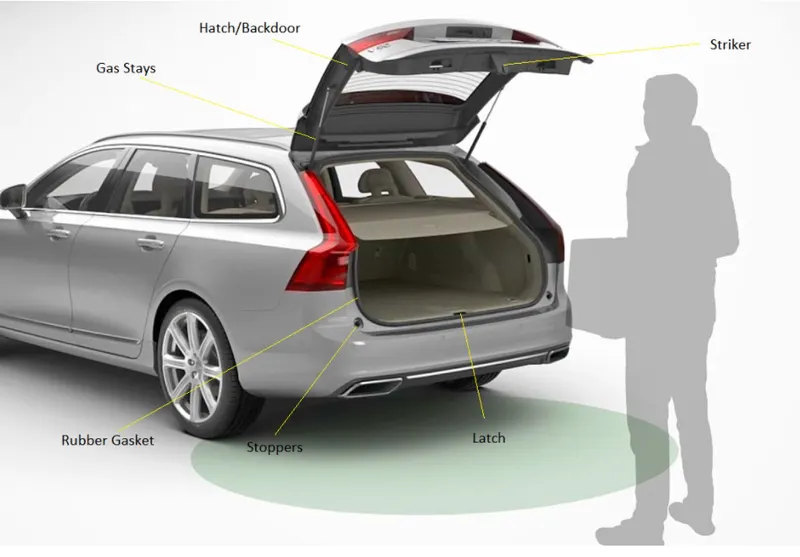
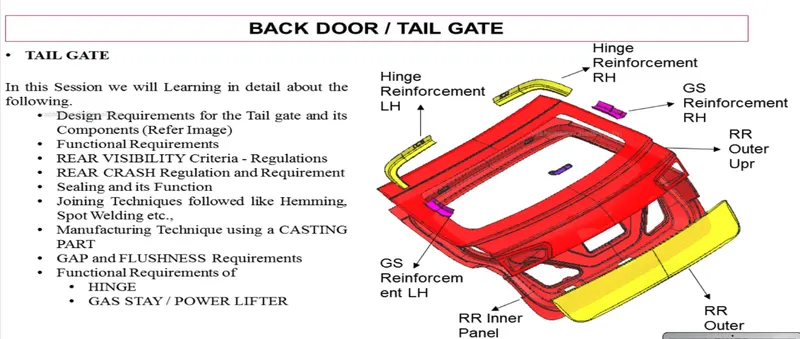
Back Door is a Automotive component of a car to cover the rear side of the vehicle and it is also called Tailgate.It is the most important component during the rear crash and it should absorb the rear impact without impacting the passengers.It provides a cover from external particles to the inner cabin of a car and also to cover the rear side of the cabin.
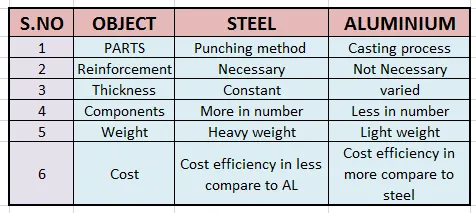
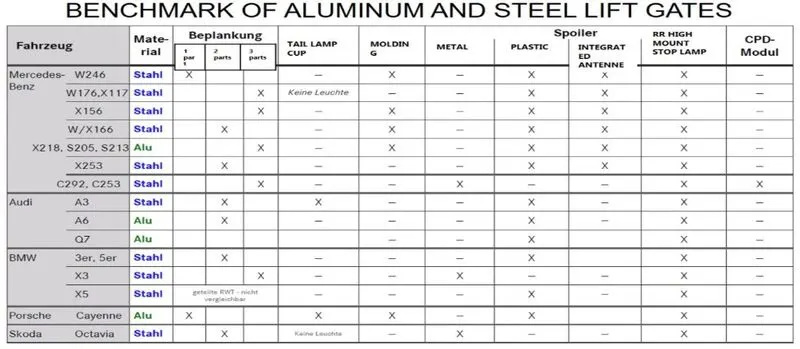
Basically the car parts are made of Steel or Aluminium based on the budget of the car.Using Aluminium improves the Strength where we can avoid the reinforcements. Aluminium parts are casted and we can vary the thickness of the part, because of this to avoid or reduce the number of parts as compared to Steel. Only drawback is the cost of aluminium, which is high cast As compared to steel.Steel Parts are stamped, we cannot vary the thickness of the part because more parts are added. which could increase the weight of the part.So nowadays most of the car manufacturers are trying to use Aluminium instead of Steel and they reduce the number of parts and weight of the car drastically.
ABOUT INNER PANEL:
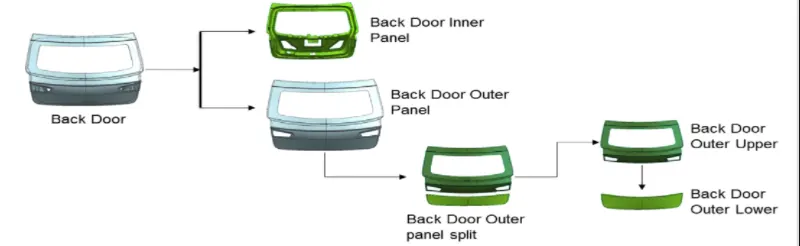
Inner door panel is a component which is used for strengthening the door assembly and it is one of the most important components on which all accessories are mounted like hinges, glass guide channel. Back door inner panel is mounted with the Roof. The weight of the Door inner panel is near about 7to8kg depending upon its material and its thickness. The possible method is the integration method. In the integration method, the part is stamped out of a single blank. This reduces the number of tools needed; the assembly cost, and eliminates any fit ability problem. However, the design engineer is forced to work with the same grade, thickness, and corrosion resistance throughout the entire part. Since the most demanding of all these conditions must be satisfied for the entire blank, this would increase the cost and weight of the part.
EMBOSSES:
Embossing is a metal forming process for producing raised or sunken designs or relief in sheet material by means of matched male and female roller dies, theoretically with no change in metal thickness, or by passing sheet or a strip of metal between rolls of the desired pattern.
- Metal sheet is drawn through the male and female roller dies producing a pattern or design on the metal sheet. Depending on the roller dies used, different patterns can be produced on the metal sheet.
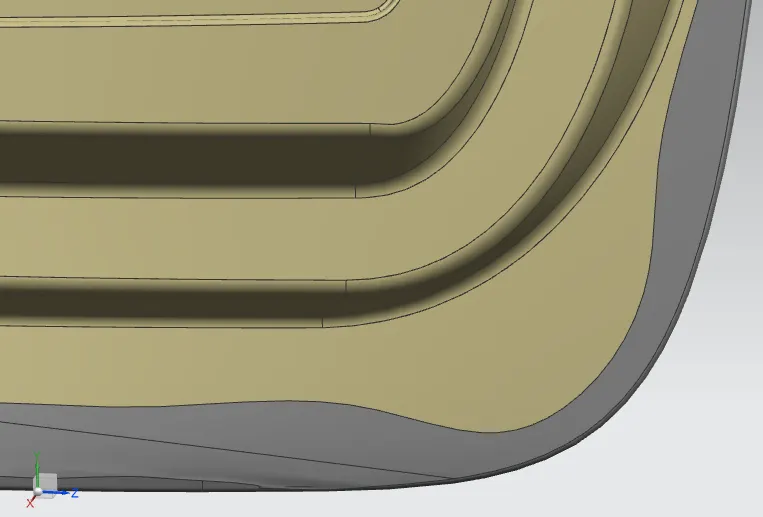
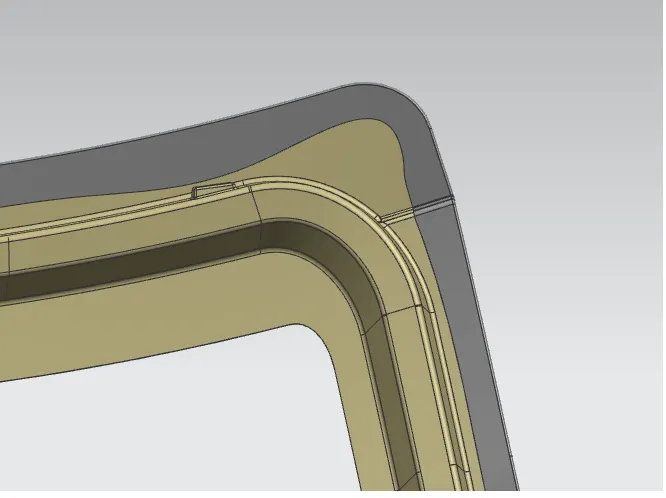
- Emboss should be in 7 degree to 25 degree inclinte in angle and it should not be in 90 degree angle,why because when we do stamping in manufacturing the stamping tool fits the sheet metal hence it will not come out of that sheet metal,So this is the main reason why the emboss face is in angle.
MATERIALS COMMONLY USED IN THE METAL EMBOSSING PROCESS INCLUDES:
- Aluminum (All Alloys)
- Aluminum (T1/T2)
- Brass
- Cold rolled steel
- Copper
- Galvanized steel
- High strength, low alloy, steel
- Hot rolled steel
- Steel (All Alloys)
- Zinc
DESIGN PARTS:
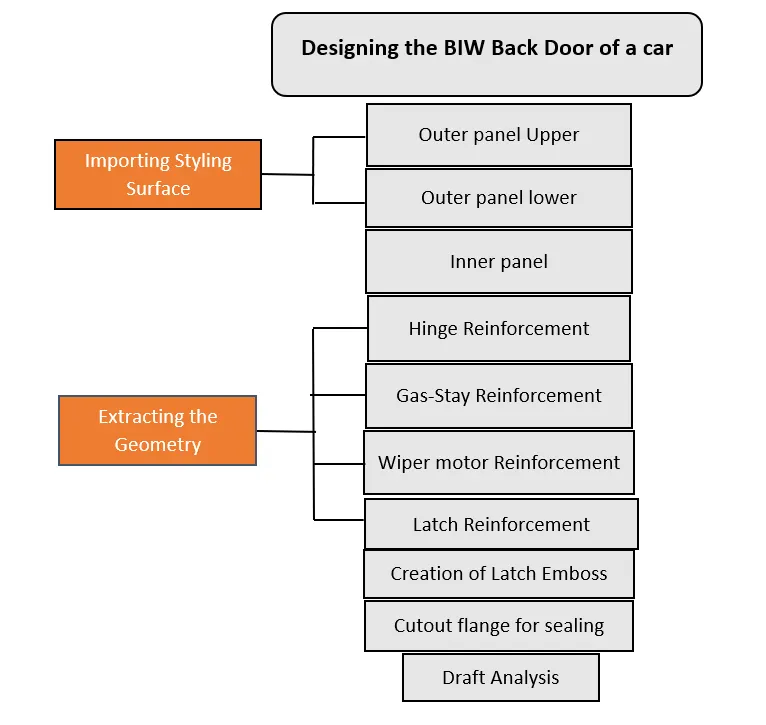
THICKNESS:
- Outer panel (thickness=0.75mm)
- Inner panel (thickness=0.75mm)
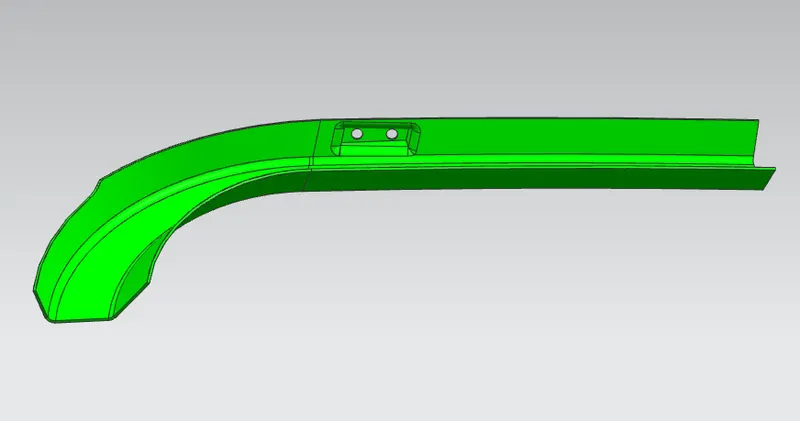
- Hinge reinforcement (thickness=1.5mm)
- Gas stay reinforcements (thickness=1.5mm)
- Wiper mount (thickness=1.5mm)
- Latch portion(thickness=1.5mm)
DESIGN CONSIDERATION FOR BACK DOOR:
- Rear Visibility
- Boot Space and accessibility
- Fit and Clearance
- Support Structures like hinge and gas stays
- Mounts for wiper motor, tail lamps, and other wiring loops.
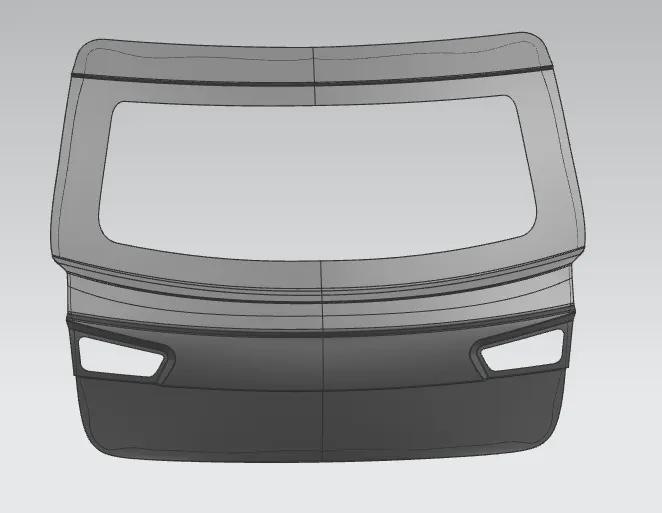
OUTER PANEL:
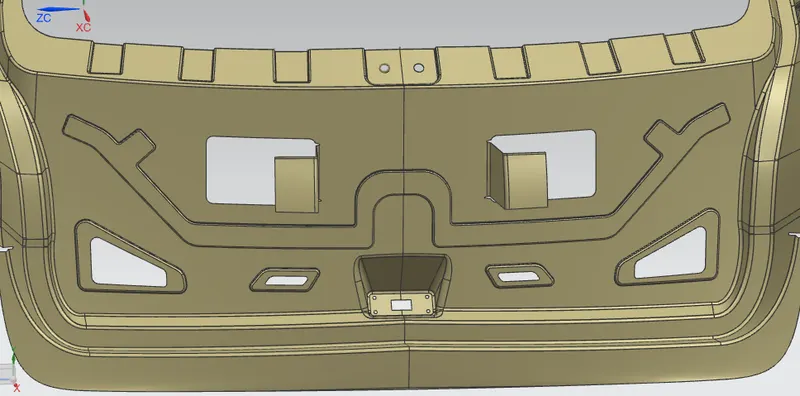
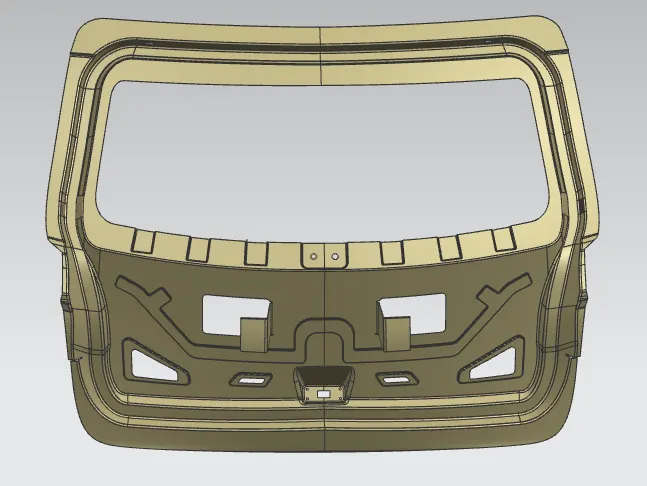
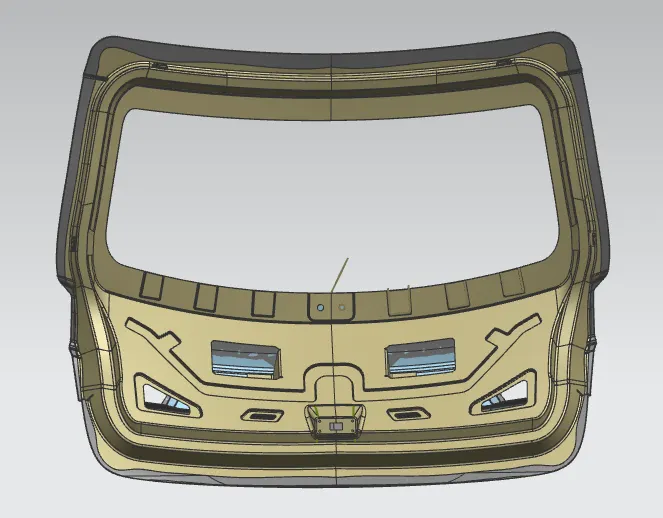
INNER PANEL:
TRAJECTORY CIRCLE:
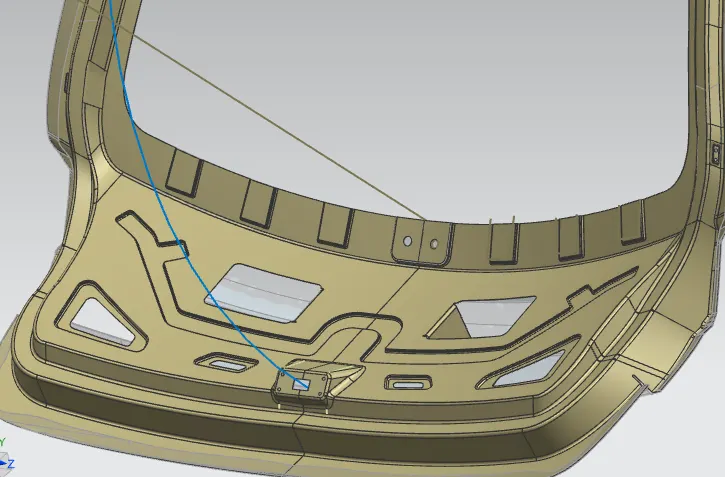
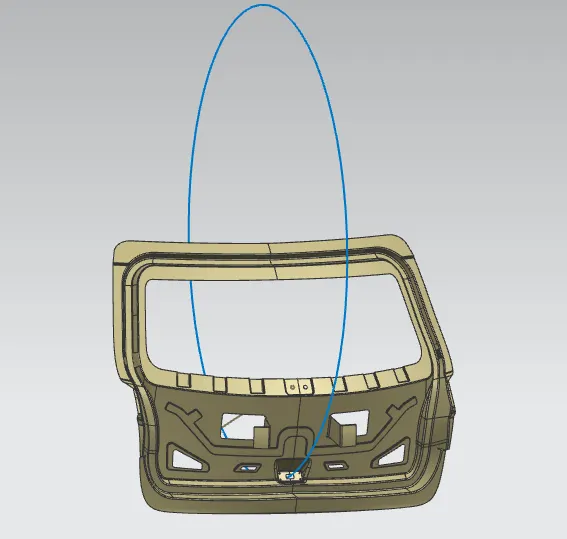
To place latch and stricker in position we have to create trajectory circle in mid of hing axis line.
HINGE REINFORCEMENT:
GAS-STAY REINFORCEMENT:
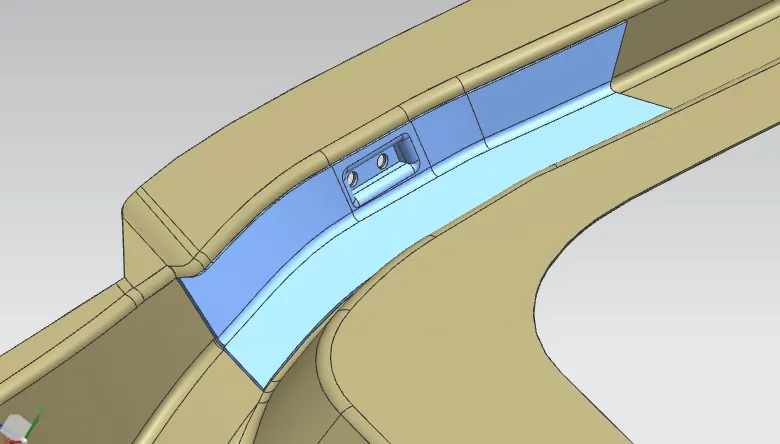
WIPER MOTOR REINFORCEMENT:
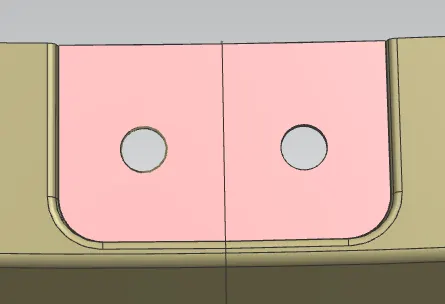
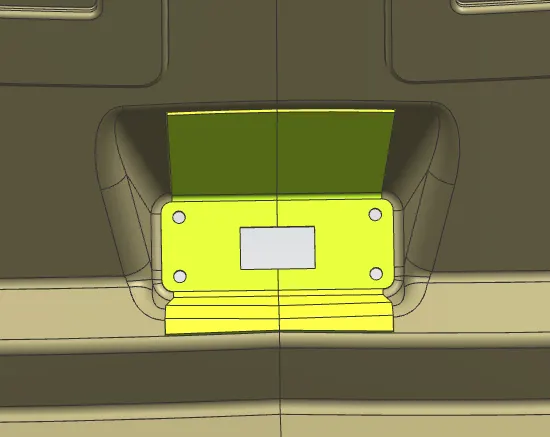
LATCH & STRICKER REINFORCEMENT:
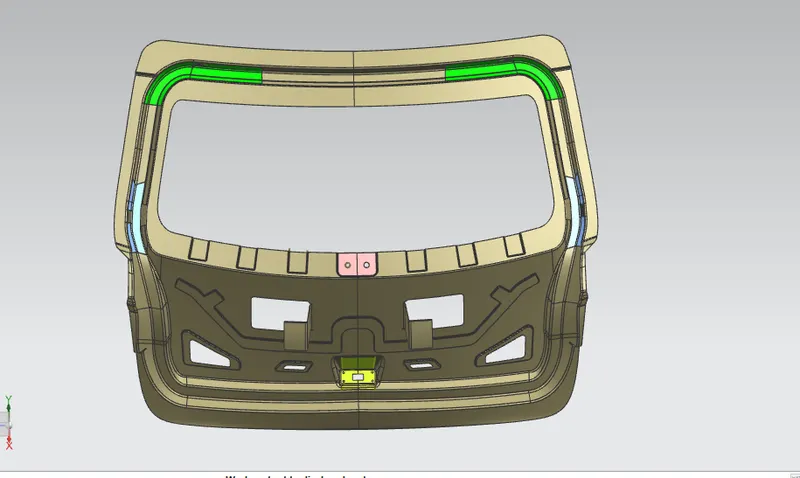
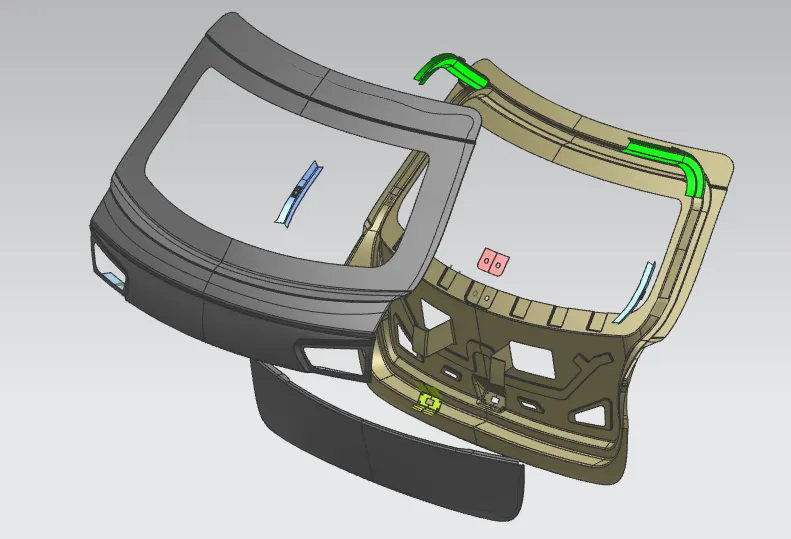
OVER-ALL ASSEMBLY:
HEMMING:
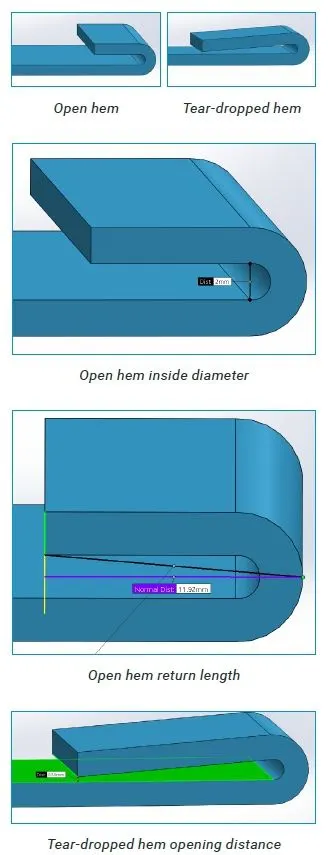
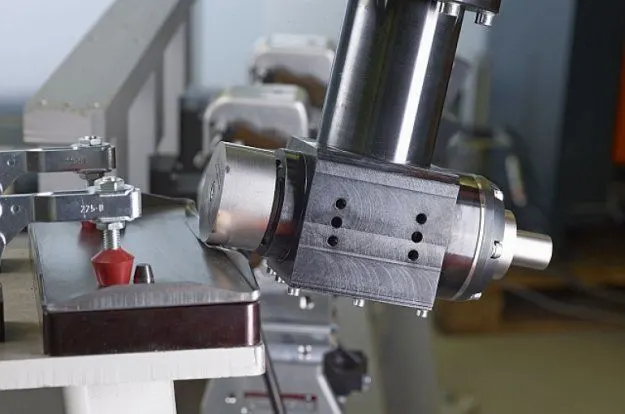
Hemming is a forming operation in which the edges of the sheet are folded or folded over another part in order to achieve a tight fit. Normally hemming operations are used to connect parts together, to improve the appearance of a part and to reinforce part edges.In car part production, hemming is used in assembly as a secondary operation after deep drawing, trimming and flanging operations to join two sheet metal parts (outer and inner) together. Typical parts for this type of assembly are hoods, doors, trunk lids and fenders.
There are various types of hemming operations:
- Conventional die hemming
- Roll hemming
DRAFT ANALYSIS:
CONCLUSION:
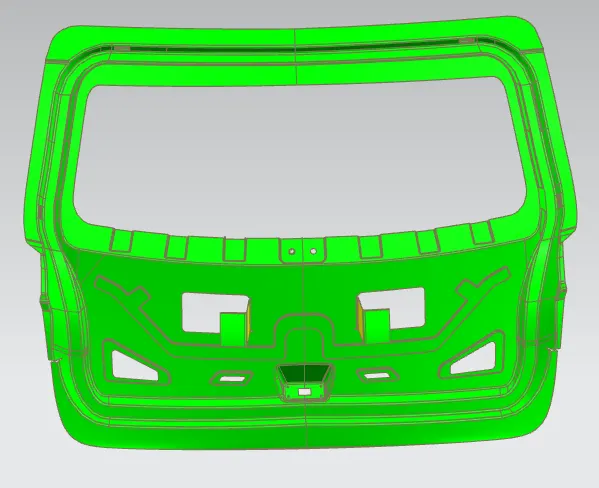
The design of back door is completed as per design standarded,reinforcement thicken given properly and draft angle in proper direction.