Design of backdoor
DESIGN OF BACKDOOR CHALLENGE
due to the oversize of my files i couldnt upload it through the provided option as there existing a size limiting constrain .
so hereby iam attaching the google drive link
https://drive.google.com/drive/folders/1kTDrLyYQ9jTmOzizJmHfq72h2LpIpDo8?usp=sharing
AIM :
Use the provided styling surface to come up with a back door design, use appropriate design methodologies, and provide the necessary reinforcements and embosses
BACKDOOR :
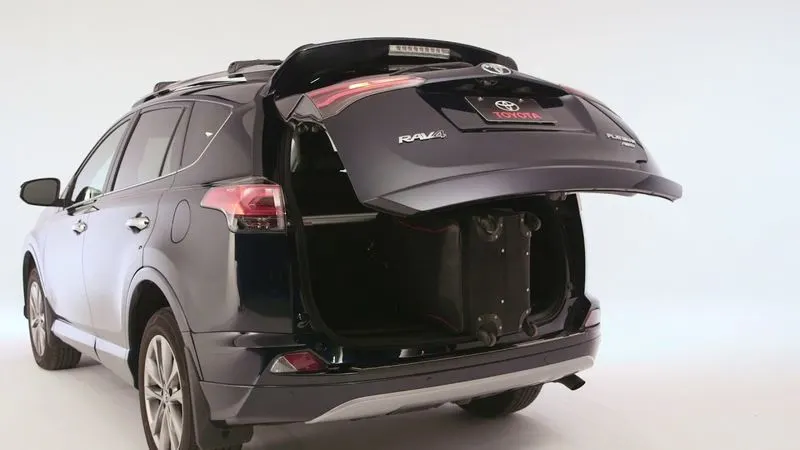
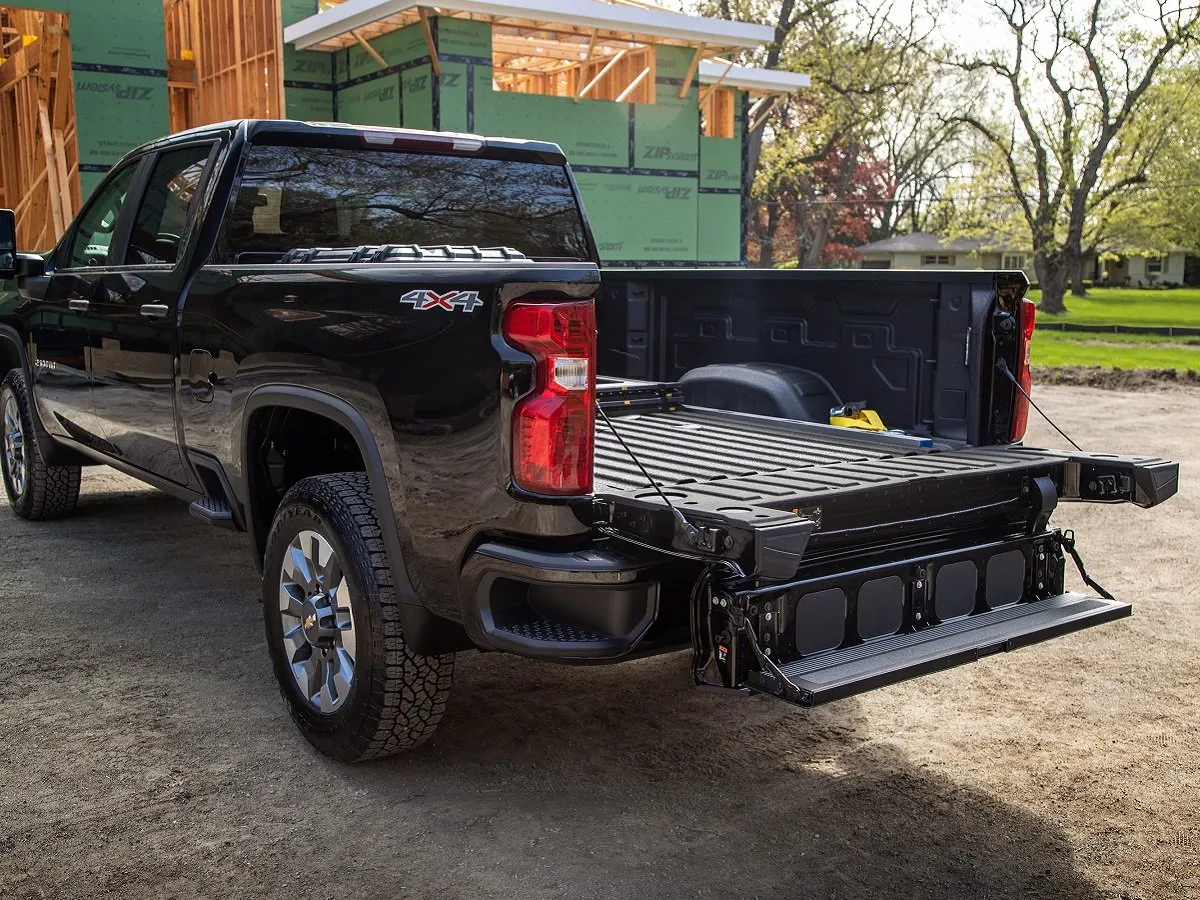
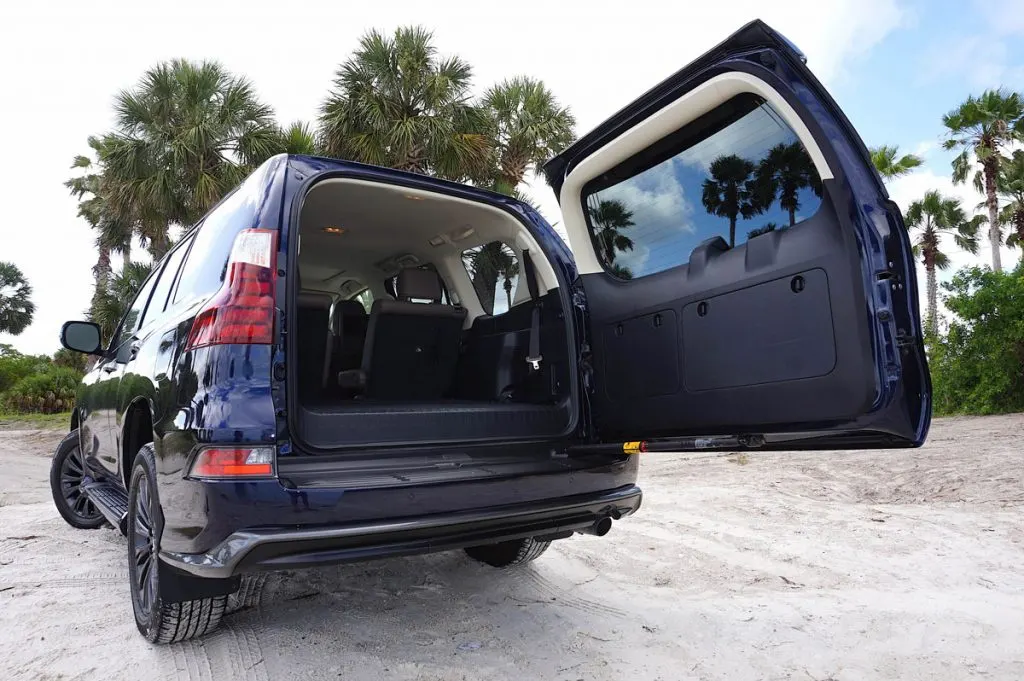
Back door/tailgate is a BiW component found in most of the cars,which provides access to the boot space.it could be hinged at top,side or split type according to the design of the particular vehicle.top hinged back doors will be supported with gas stays.
types of backdoor :
- top hinged tailgate
- bottom hinged tailgate
- side hinged tailgate
parts of a tailgate :
- outer panel
- inner panel
- hinge reinforcement
- gas stay reinforcement
- striker reinforcement
DESIGN CRITERIAS OF BACKDOOR :
- Visibility Criteria
- Force Dissipation
- Latch and Stricker Positions
- Hinge Position
- Gas Stay Position
- Material Selection
- Space Availability
- Hemming and Relief Areas
MATERIAL SELECTION :
The selection of material plays a major role in determining the overall weight of the back door. the common materials used are steel and aluminium. the density of steel is higher than aluminium thus adding more weight to the door. the material used in the manufacturing of the backdoor depends upon the budget of the car , most low cost vehicles use steel as it is cheaper compared to aluminium. another aspect to be noted is that , if casted aluminum parts are used instead of deep drawn steel parts there is no need of reinforcemnets and the overall weight of the car is reduced by approx. 5-10 kg thus increasing the performance of the vehicle. also the draft angle for casted parts is around 3 degrees while for deep drawn parts is around 7-10 degrees which helps in increasing the luggage/boot space
comparisive information of aluminum and steel parts :
|
Aluminium |
Steel | |
| Parts | Parts are casted | Parts are stamped |
| Reinforcements | Reinforcements can be neglected | Reinforcements are necessary |
| Thickness | Thickness can be varied | Thickness should be uniform |
| Weight | Lighter in weight | heavier in weight |
| Cost | Costly as compared to Steel | Cheap as compared to Aluminium |
| No. Of components | Less No. of components | More No. of components |
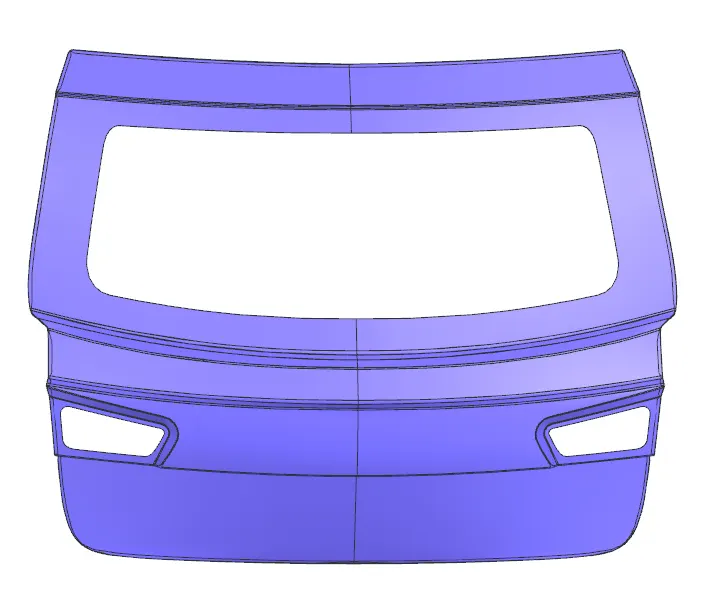
OUTER PANEL :
Outer panel is like other BiW components which is the externally exposed part of a back door.so, it should posses high aesthetic look.it also holds provisions for the tail lamp,rear fog lamp and also has the provision for licence plate mountings.most of the hatchback cars have the provision for wiper motor. it is wrapped around the inner panel with hemming process
INNER PANEL :
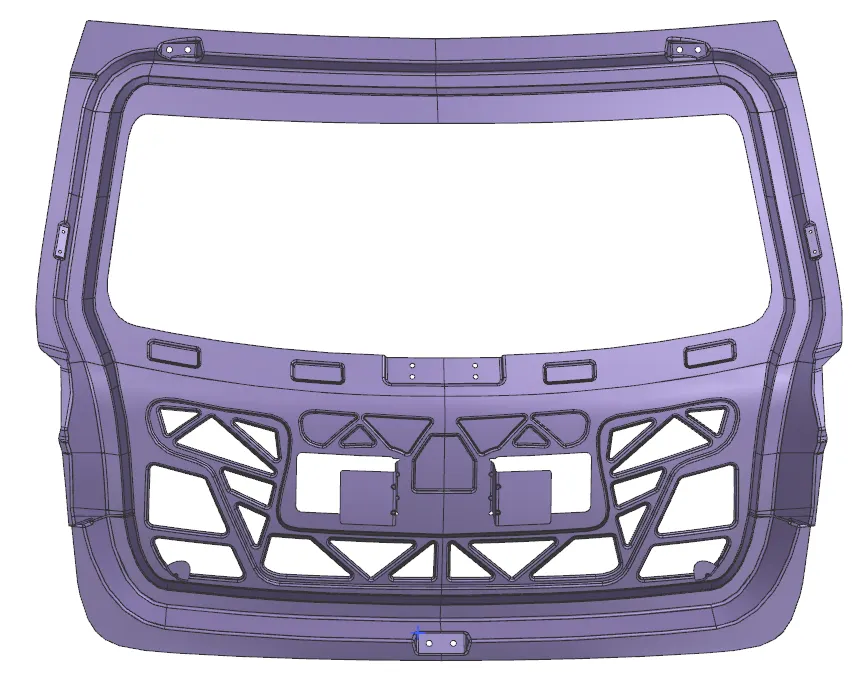
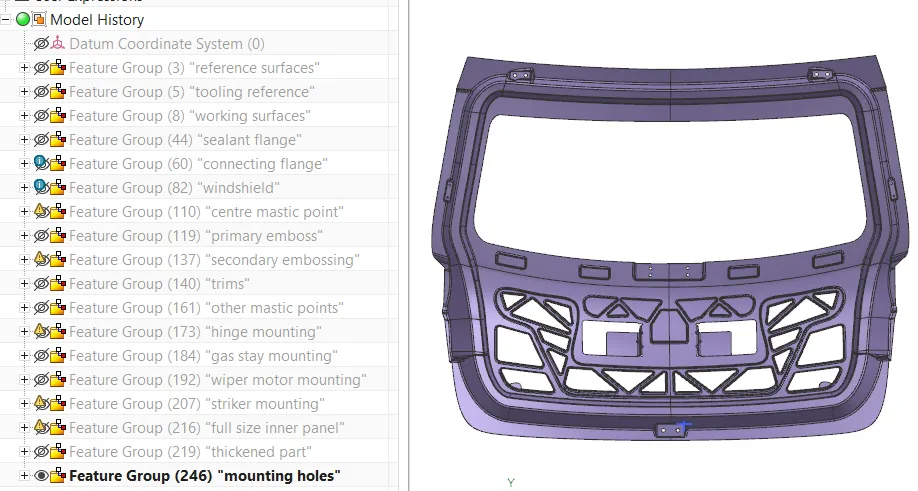
The inner panel is a component which is used for strengthening the door assembly and it is one of the important components on which all accessories are mounted like hinges,glass guide channel,moulded trim,latch etc. required strength for the back door is acheived by implying embosses in the innerpanel.cutouts are provided in this panel to reduce vehicles overall weight
HEMMING PROCESS :
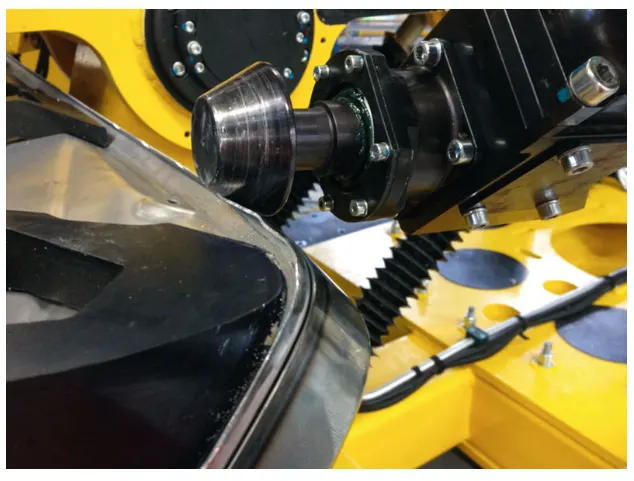
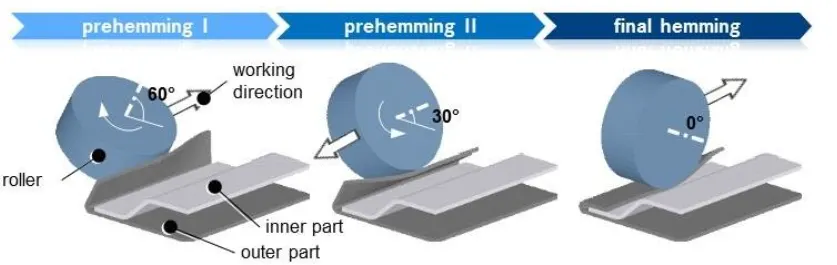
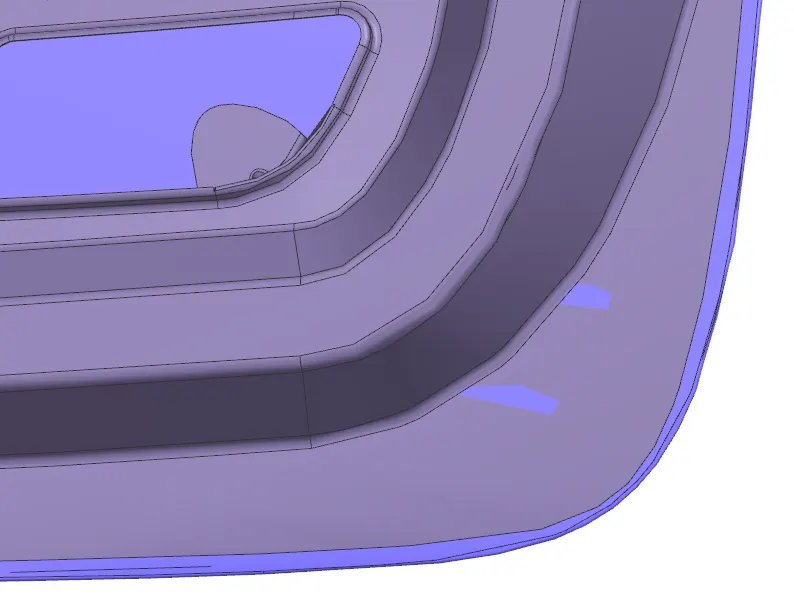
Hemming is a sheet metal joining process in which sheets are joined by bending. In this process, usually a sheet is bent with the help of inner sheet in three different stages.Hems are commonly used to reinforce an edge, hide burrs and rough edges, and improve appearance.roll hemming is the most commonly followed hemming process. Roll hemming is very flexible to use and tool costs are significantly lower as compared to those of conventional die hemming. Roll hemming operation can also be divided into several pre-hemming and final hemming process steps.
roll hemming:
stages of hemming :
clip section view of hemmed joint :
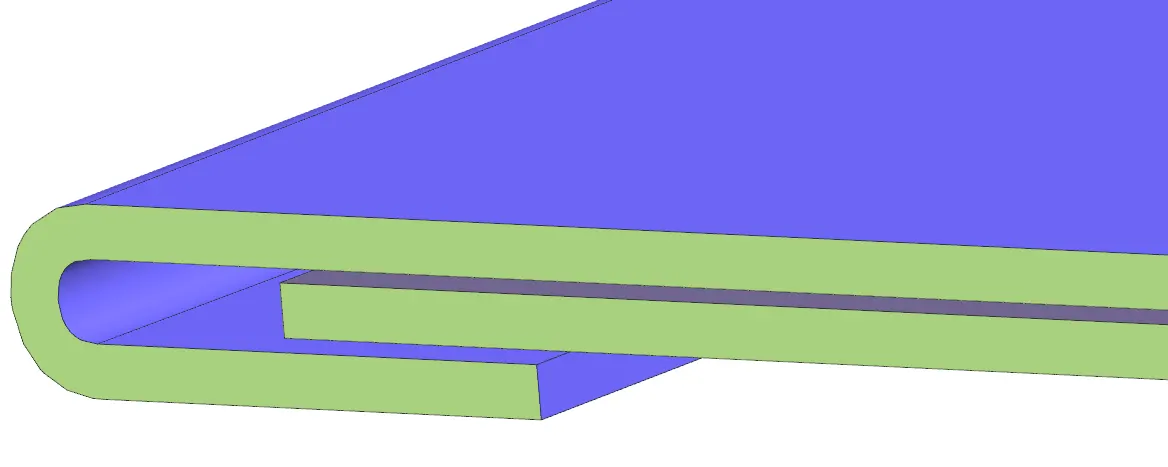
0.2mm clearance provided between sheets for hem glueing
7mm clearance between innerpanel edge and outer panel bend corner
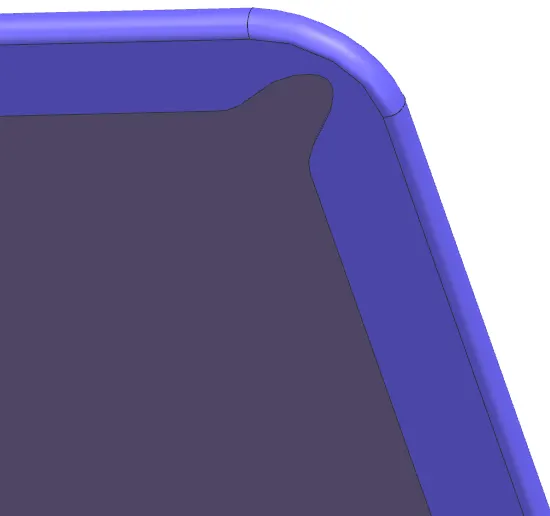
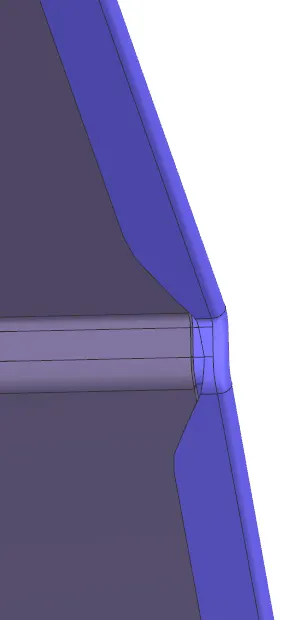
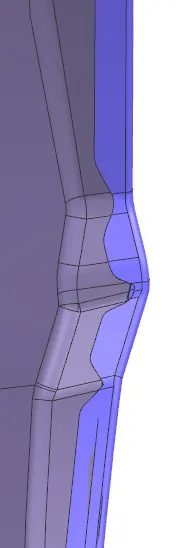
corner reliefs :
a relief is provide in the corners of hem joints to eliminate the stress concentration occuring due to the bending of sheets. these induced stress may leads to reshape the outer panel
REINFORCEMENTS :
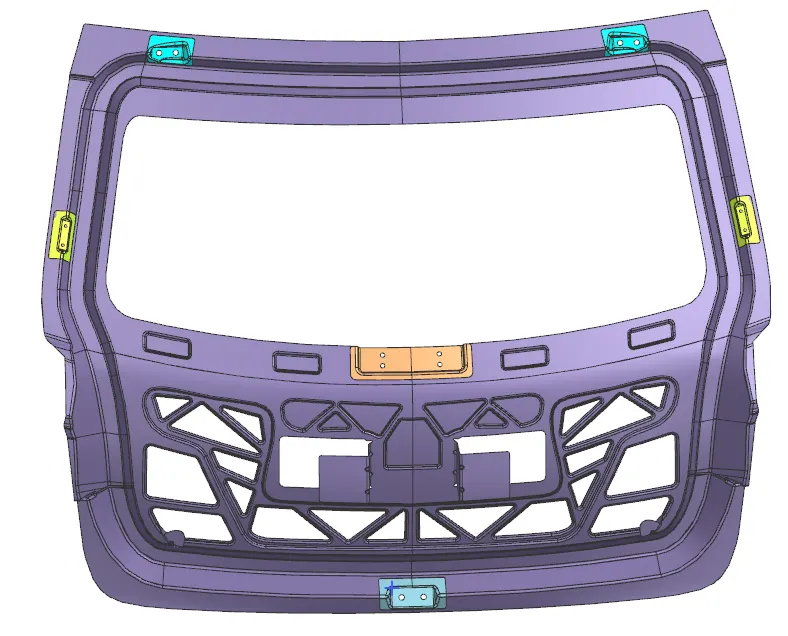
mounting of hinges , support rods and other mountings reduces strength of sheet locally.to compensate this loss of strength , reinforcemnets are introduced at mounting points.which is an additional sheet metal , thickness ranging 1.2 to 1.5 mm. these additional sheets would be joined with inner panel by means of welding
different reinforcements :
- hinge reinforcements
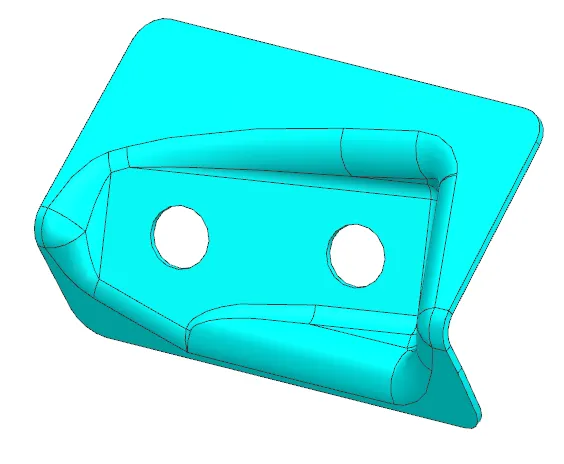
- supportrod reinforcements
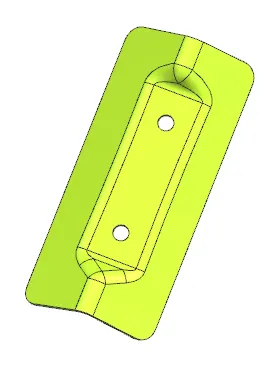
- wiper motor mounting reinforcements
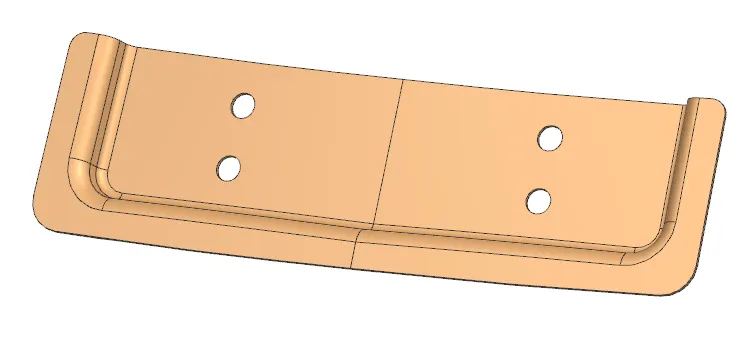
- striker mounting reinforcements
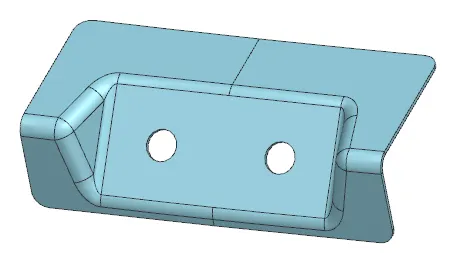
SEALING FLANGE :
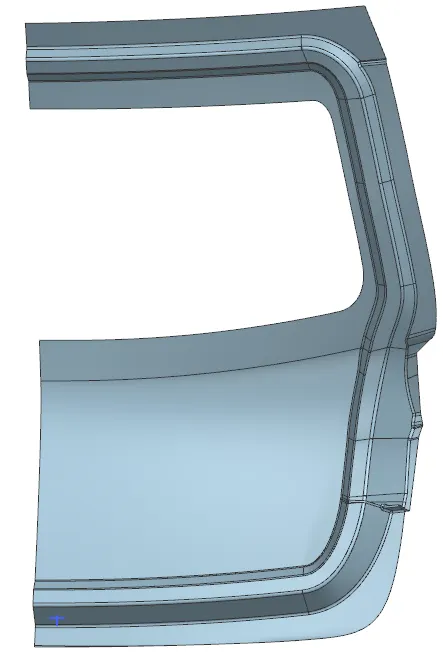
Sealing flange is an embossed flange on the inner panel,runs through out the edge with 12-16 mm clearance from the end.the weather strip attached on the car body gets in contact with this sealing flange ,thus complete water proofing is acheived.
MASTIC SEALANTS :
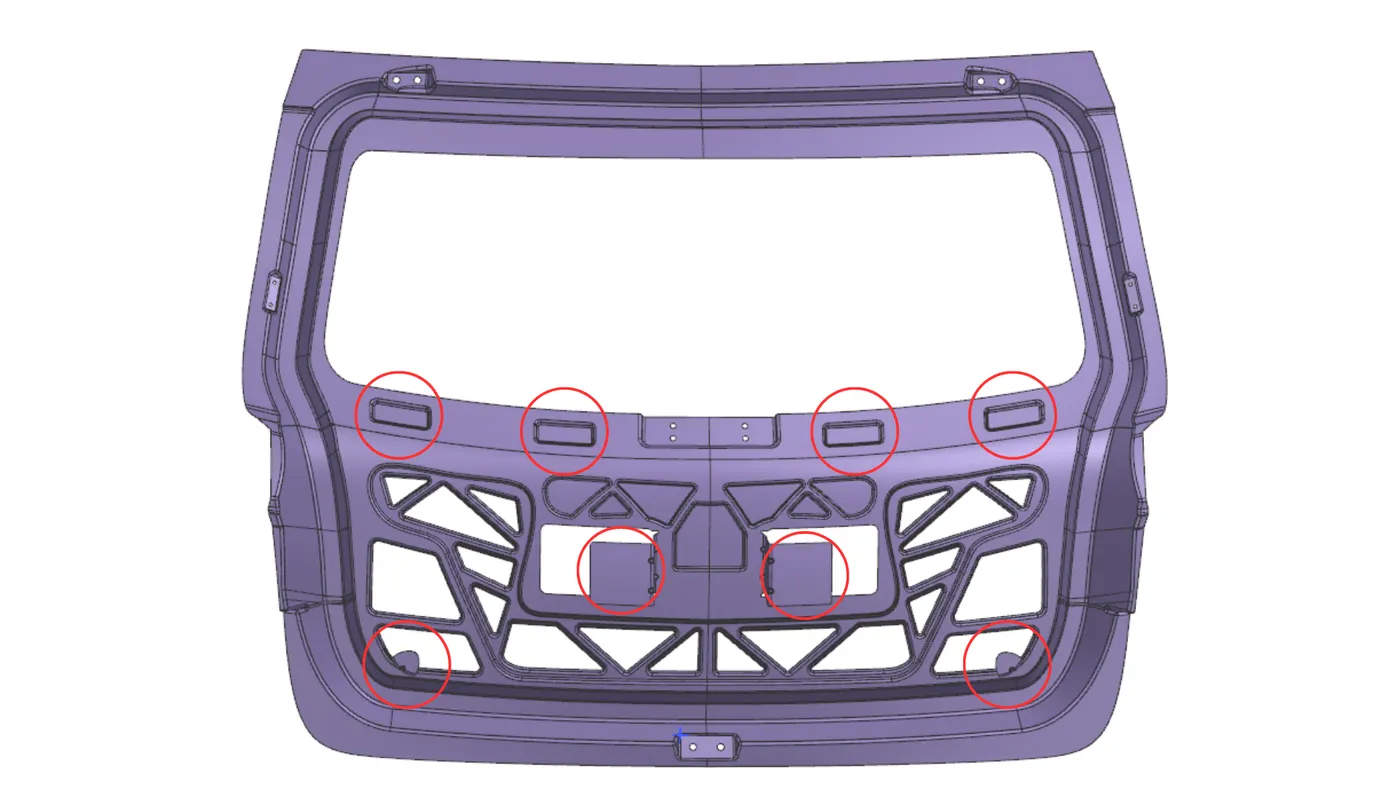
Mastic sealants are rubber like elastic materials which are used between hood inner and outer panels to connect them together.no spot welds or rivetting can be followed to join panels as these operations will cost the aesthetic property of outer panel. there would be specified spots provided on inner hood panel to place them. mastic sealants prevents noise and vibration between panels.stiffner pads are no longer needed between hood panels as mastic sealants manages pad's job role too. every mastic sealants improves strength locally around 80 mm dia
mastic sealants gets harder in hot bathing process prior to hot furnace. inner and outer panels of hood gets joined in this hardening process.
MASTIC POINTS :
MASTIC FLANGES :
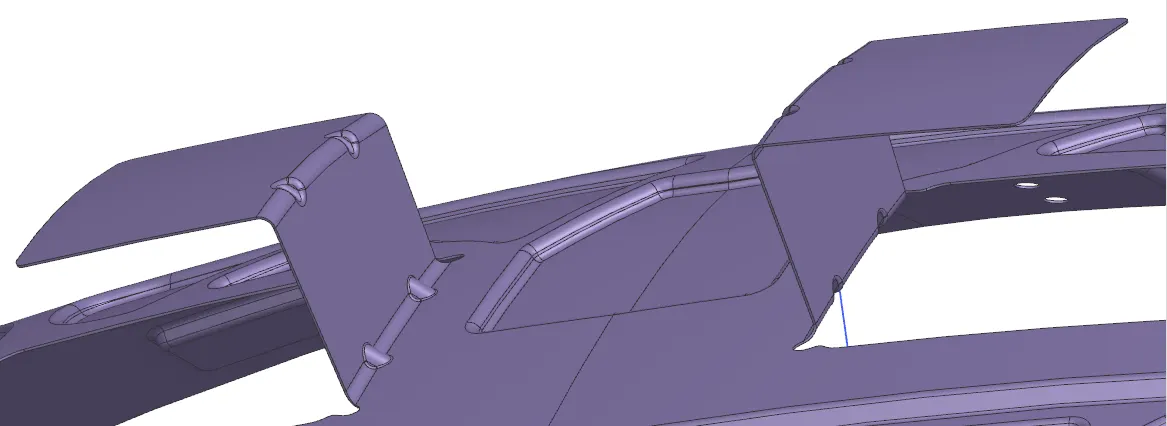
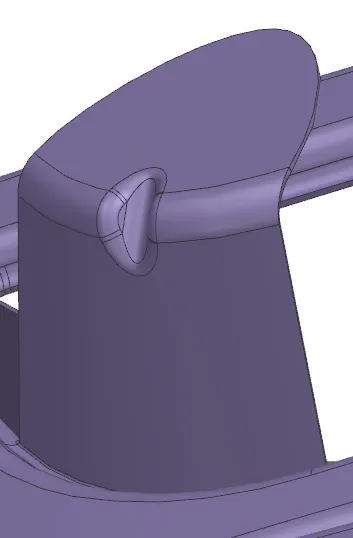
darts are provided on the bends of mastic flanges for improving strength
dart : a narrow ridge of metal used for reinforcemnt on a flange of a part.the dart is formed into the edge of the flange and the part
FORCE DISSIPATION :
This inner panel design created by considering the force dissipation criteria.The embosses are created in such a manner that force will dissipate in to sides of the back door during a collision and prevent reaching inside the passenger cabin.
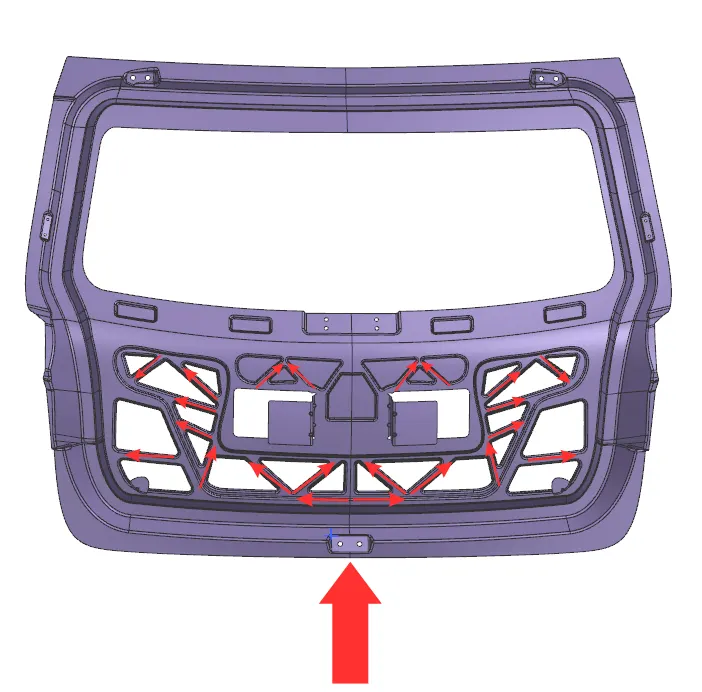
POSIOTION OF HINGES,LATCH & STRIKER
This position is decided by taking the center point of hinges and drawing an axis joining this point of hinges then drawing a circle by taking the midpoint of the axis as the center of circle and endpoint as a point of latch & striker. This gives us a trajectory on which the back door will open and closed.
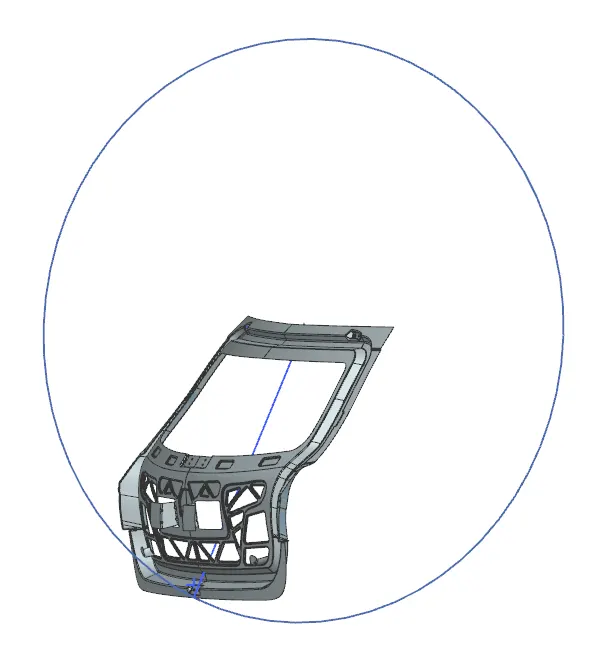
hinge axis : it should be a straight line connecting hinges,then only the door would perform its open/closing action smoothly
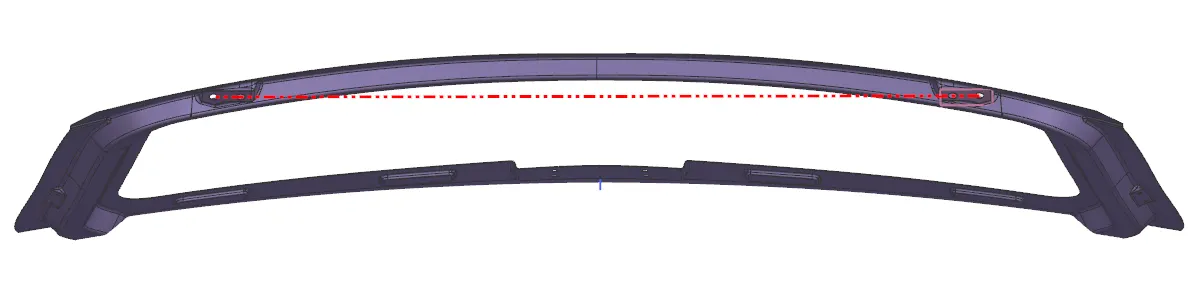
red chain line indicates the hinge axis
DRAFT ANALYSIS :
Draft analysis enables us to know weather the component designed is easily removable or not from the die. draft angle provided is enough or not.it indicates different angle of inclinations with colour ranges. the nominal draft angle is 7 degrees.
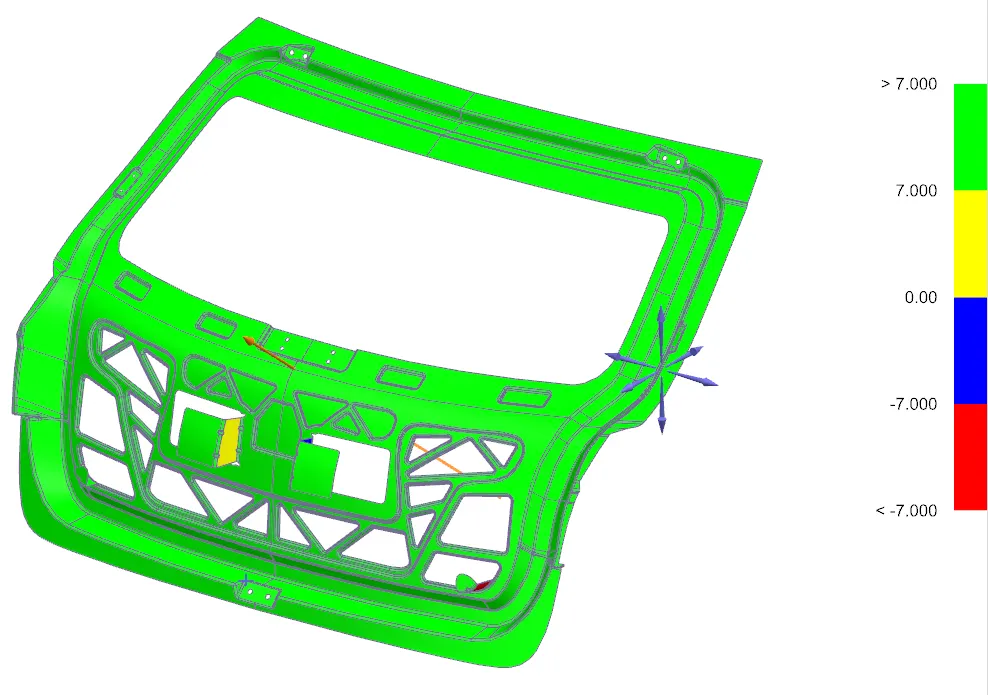
inner panel is clearing from the draft analysis conducted with respect to the tooling axis and 7 degree as limiting angle.
DIFFERENT VIEWS OF FINAL ASSEMBLY :
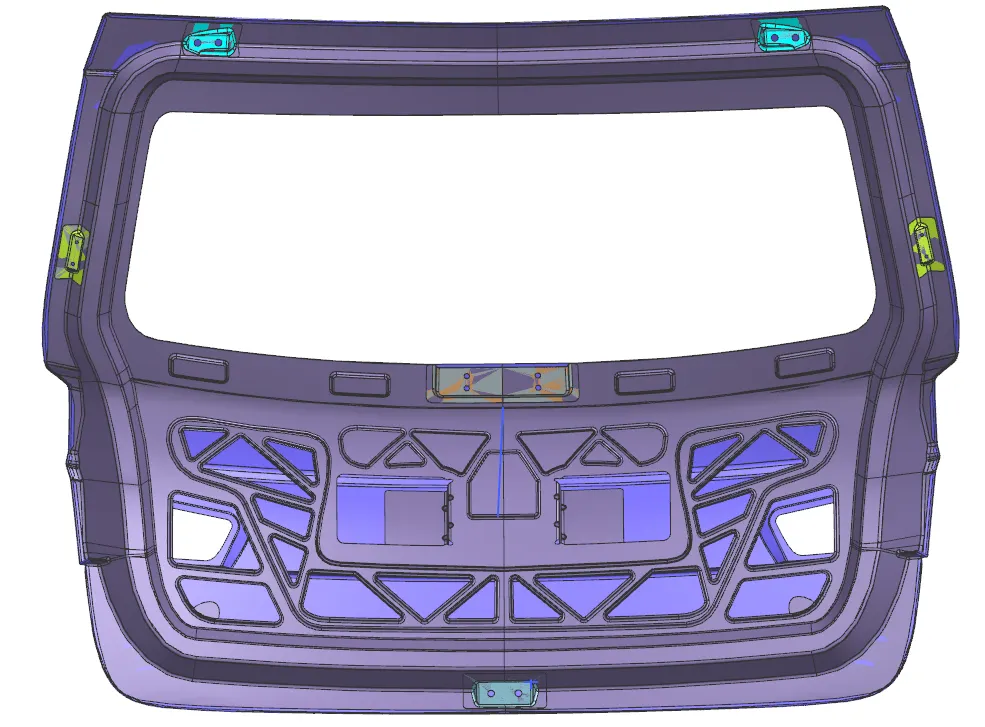
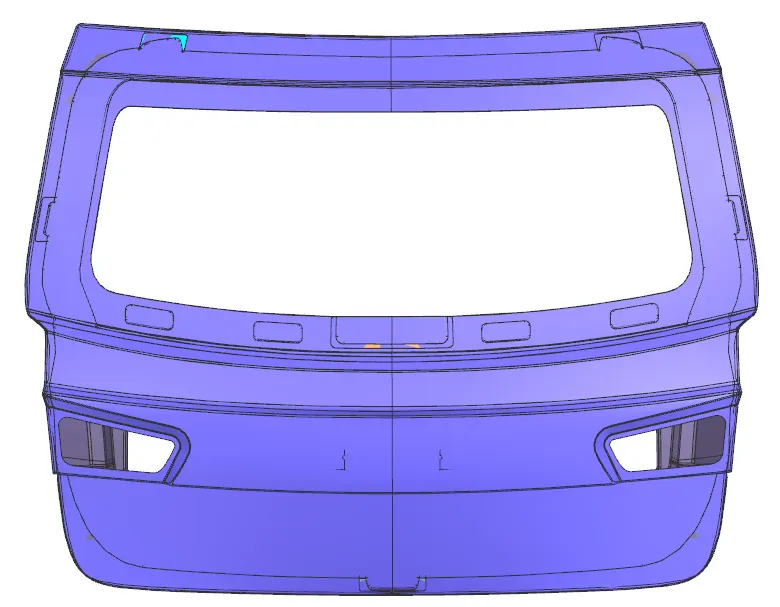
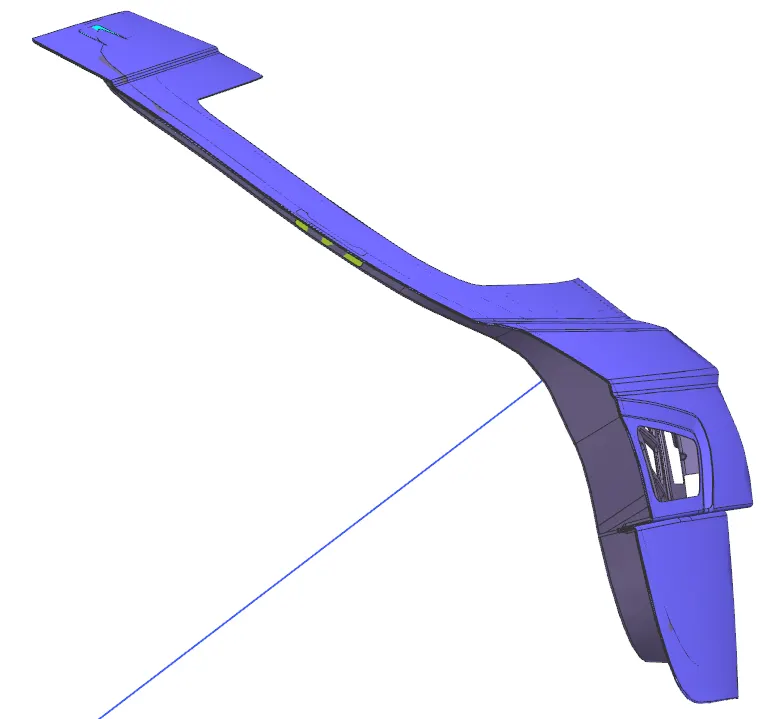
due to some graphic limitations,some parts of the body seems overlapped.
CONCLUSION :
The back door outer and inner panel were designed with the help of the styling surface along the tooling direction.and
Draft analysis was performed on the inner panel and All the reinforcements were designed and placed at appropriate positions.