Design of backdoor
BACK DOOR DESIGN
Aim : Design a Back Door, using appropriate design methodologies and provide the necessary reinforcements and embosses.
BACKDOOR:
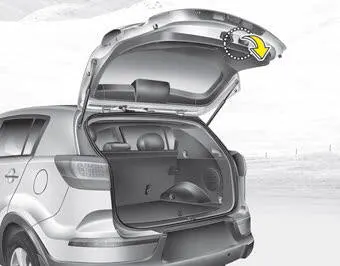
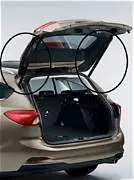
- Back door or tail gate simply refers to the back of the car that can open and close.it covering the rear of the vehicle.
- It provide access to a cargo area (trunk/boot ). A tailgate hinged at the roof is a predominant characteristic of hatchbacks, estates/station wagons and liftbacks .The door or opening of a cargo area may be hinged at the top, side, or bottom.
In most cars, usually this process will be done manually. One has to get down the car to open and close the tail-gate with the car key. Nowadays, automobile manufacturers providing Advanced features like the automated tail-gate. An automatic tail-gate in the car will do the process of shutting and opening the tail-gate electronically.
MANUFACTURING PROCESS:
Manufacturing Proceses Used For Making of Back Door :
BLANKING : Blanking is a metal production process, during which a metal workpiece is removed from the primary metal strip or sheet when it is punched. The material that is removed is the new metal workpiece or blank.
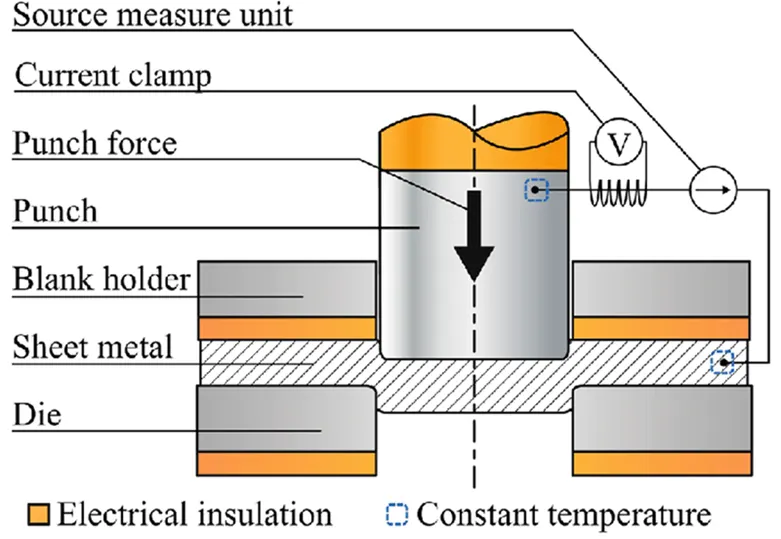
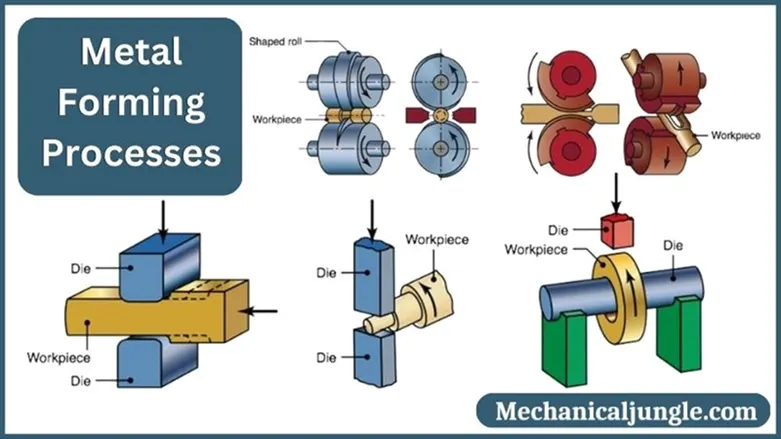
Forming : Forming is a mechanical process used in manufacturing industries wherein materials (mostly metals) undergo plastic deformations and acquire required shapes and sizes by application of suitable stresses such as compression, shear and tension.
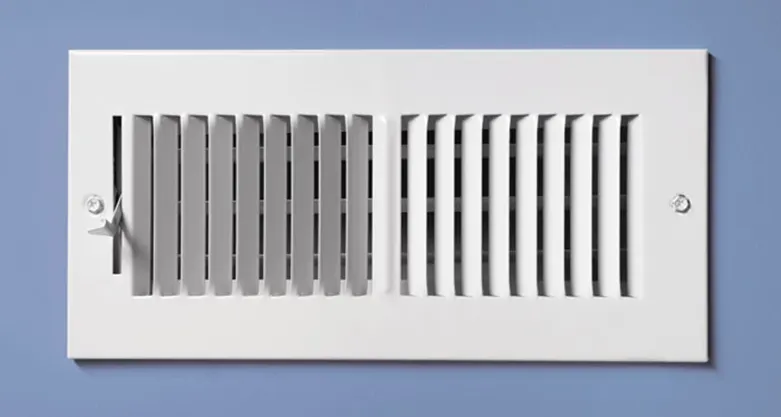
Lancing : Lancing is a process in a metal sheet in which metal is cutting a sheet of metal through part of its length and then bending the cut portion. No material is removed in the lancing process. It is used to make tabs, vants, louvers in sheet metal workpiece.
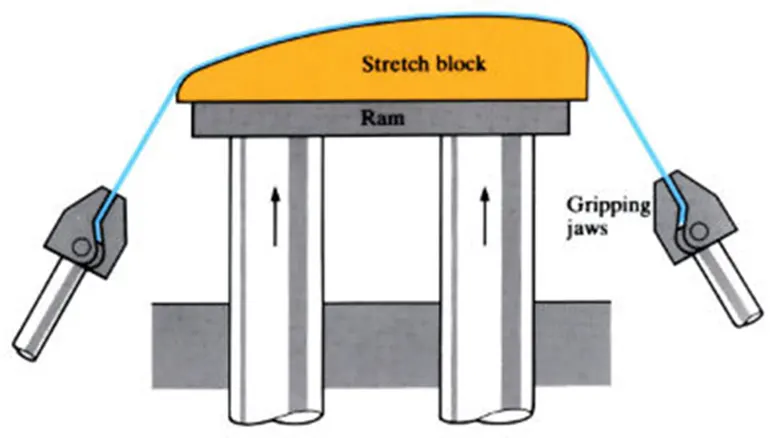
Stretch Forming : Stretch forming is a metal forming process in which a piece of sheet metal is stretched and bent simultaneously over a die in order to form large contoured parts. Stretch forming is performed on a stretch press, in which a piece of sheet metal is securely gripped along its edges by gripping jaws.
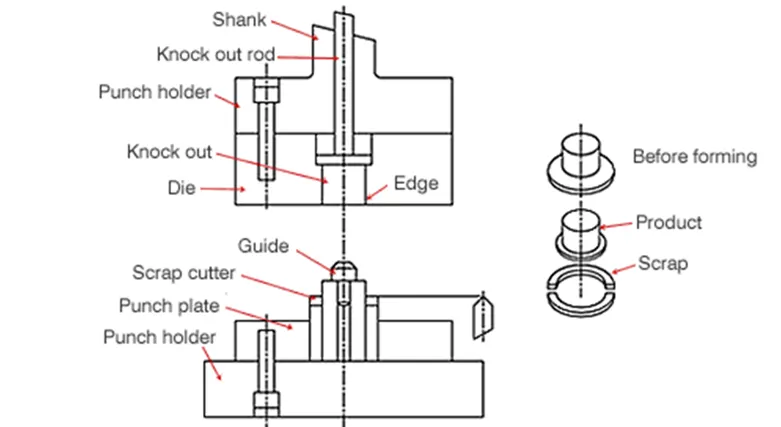
TRIMMING : The trimming process is the shearing of excess material from the headed configuration of complex shapes so as to obtain the final design and specifications.
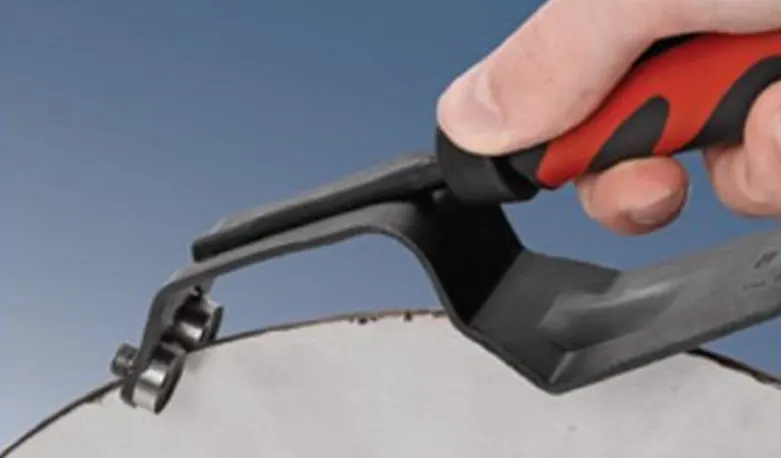
Deburring : The deburring tool that is used in the machines is the abrasive belt. Each belt has its own grit size, which is required for different types of burrs and alloys. A finer grit is recommended for softer alloys, whereas a rougher grit is best for alloys like steel.
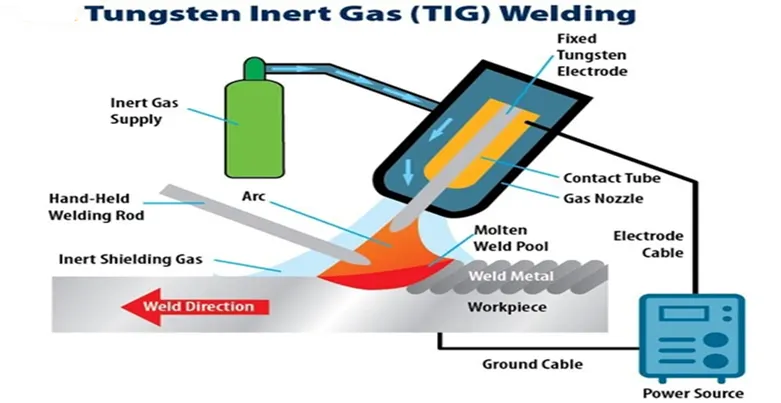
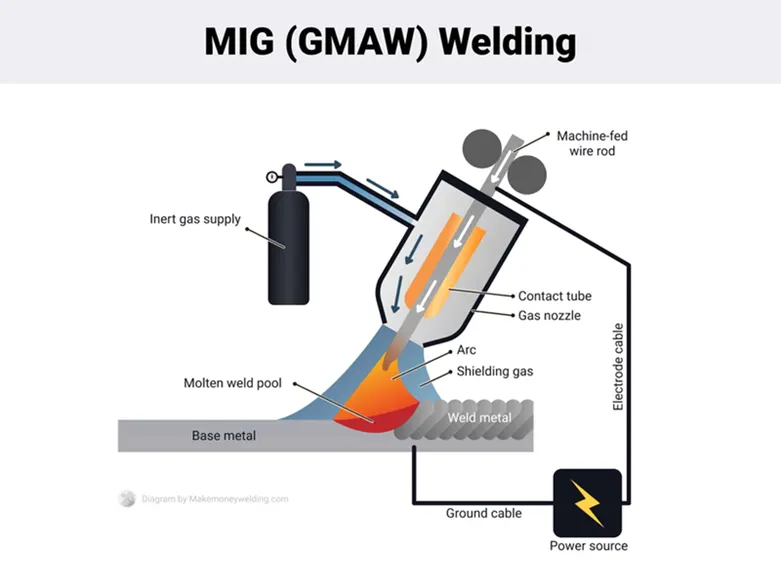
WELDING : The best welding processes for SHEET METAL are MIG and TIG. It is possible to stick weld on thin sheet metal, but it's harder to control the heat, it's messy and it's hard to master. Some welding machines also allow for pulsed MIG or TIG.
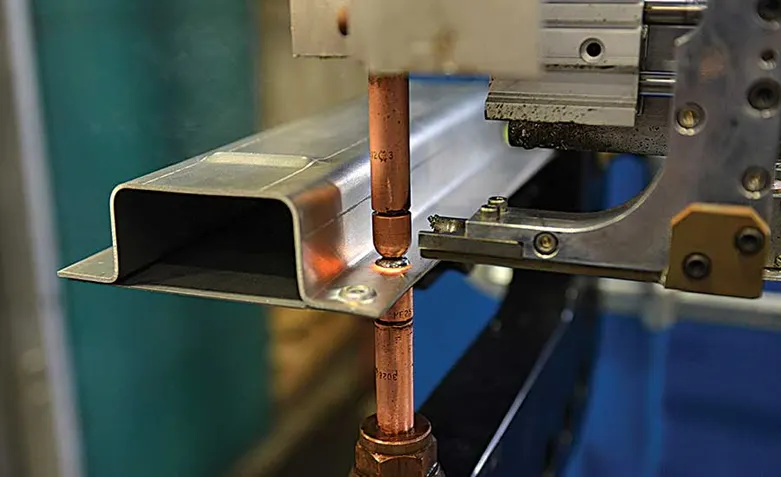
Spot Welding : Spot welding is a resistance welding process used primarily to weld two or more metal sheets together. It's called spot welding because this welding method creates a tiny dot weld, that looks like a spot.
Grinding : Grinding for Precision Sheet Metal Fabrication is often a manual job to finish off to smooth welds, created unique lines, and finish rough edges. The goal is to remove small amounts of material in order to achieve a particular finish or tight tolerance. Most metal fabrication companies have a grinding machine
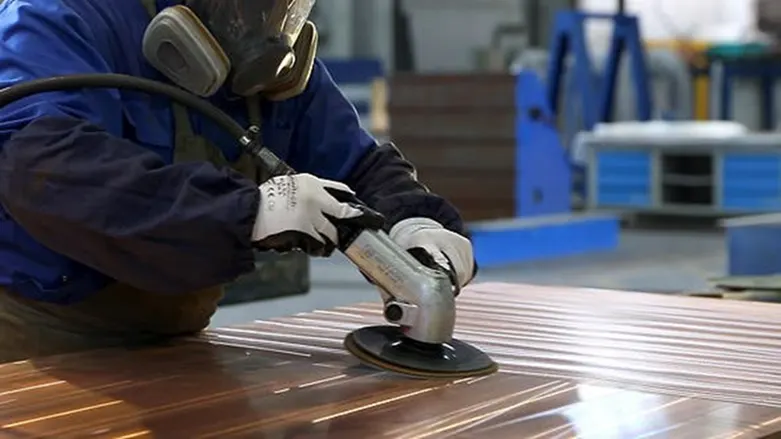
Painting : In painting sheet metal, the substrate is prepared for coating. Next, a primer is applied to the base metal, followed by multiple layers of paint. Finally, a protective coating, such as lacquer is added to protect the underlying paint.
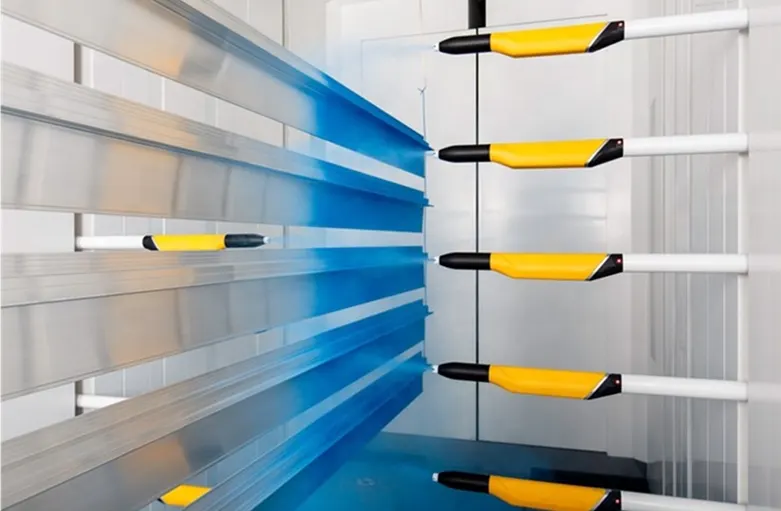
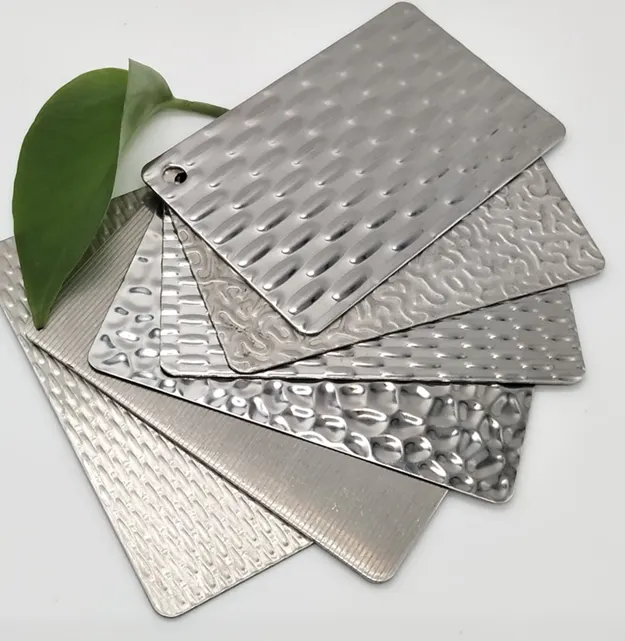
Embossing : Sheet metal embossing is a stamping process for producing raised or sunken designs or relief in sheet metal.The metal sheet embossing operation is commonly accomplished with a combination of heat and pressure on the sheet metal, depending on what type of embossing is required. Theoretically, with any of these procedures, the metal thickness is changed in its composition.
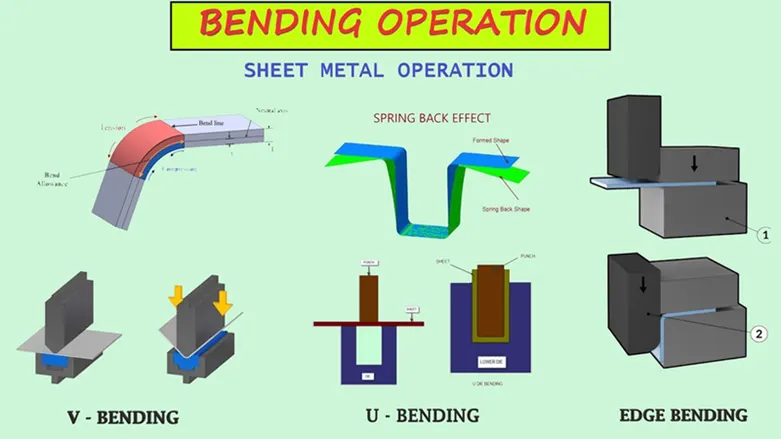
Bending : The sheet metal bending process involves applying a force to a sheet metal part to change its geometry. This force causes stress on the sheet metal beyond its yield strength, causing the material to physically deform without breaking or failing. The press brake is a commonly used tool to bend sheet metal.
Design Consideration :
• Visibility Criteria
• Latch and Stricker Position
• Hing Position
• Gas Stay Position
• Boot Space Avalibility
• Drain Holes
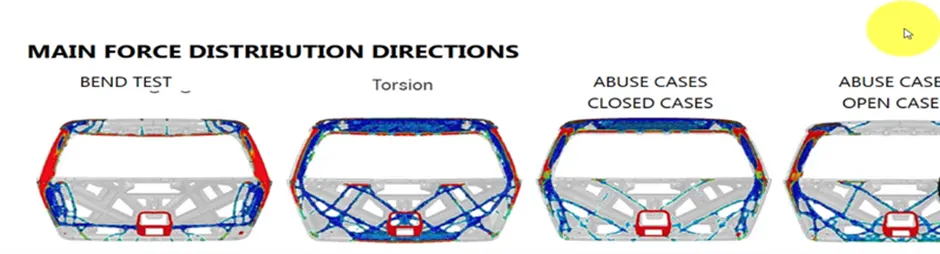
• Force Distribution
PARTS OF BACKDOOR:
- OUTER PANEL
- INNER PANEL
- HINGE REINFORCEMENT LH & RH
- GAS STAY REINFORCEMENT LH & RH
- WIPER MOUNTING
- STRIKER AND LATCH
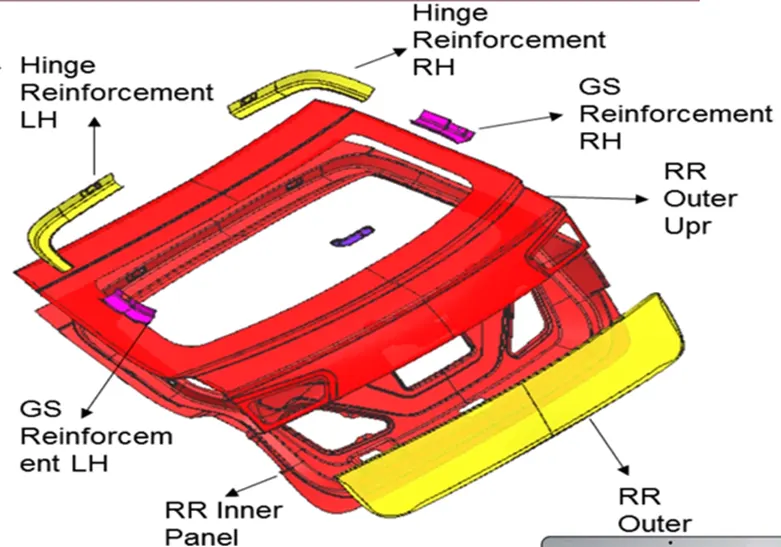
1. OUTER PANEL:
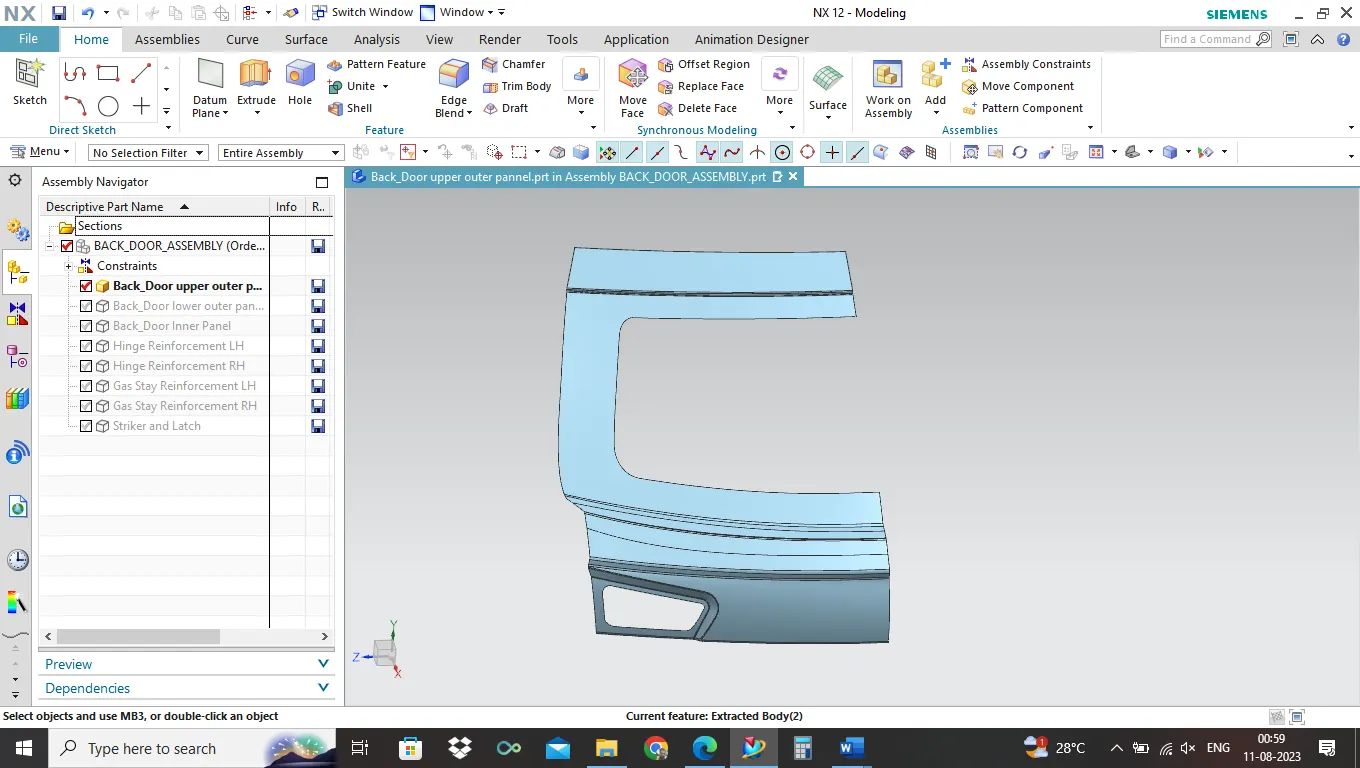
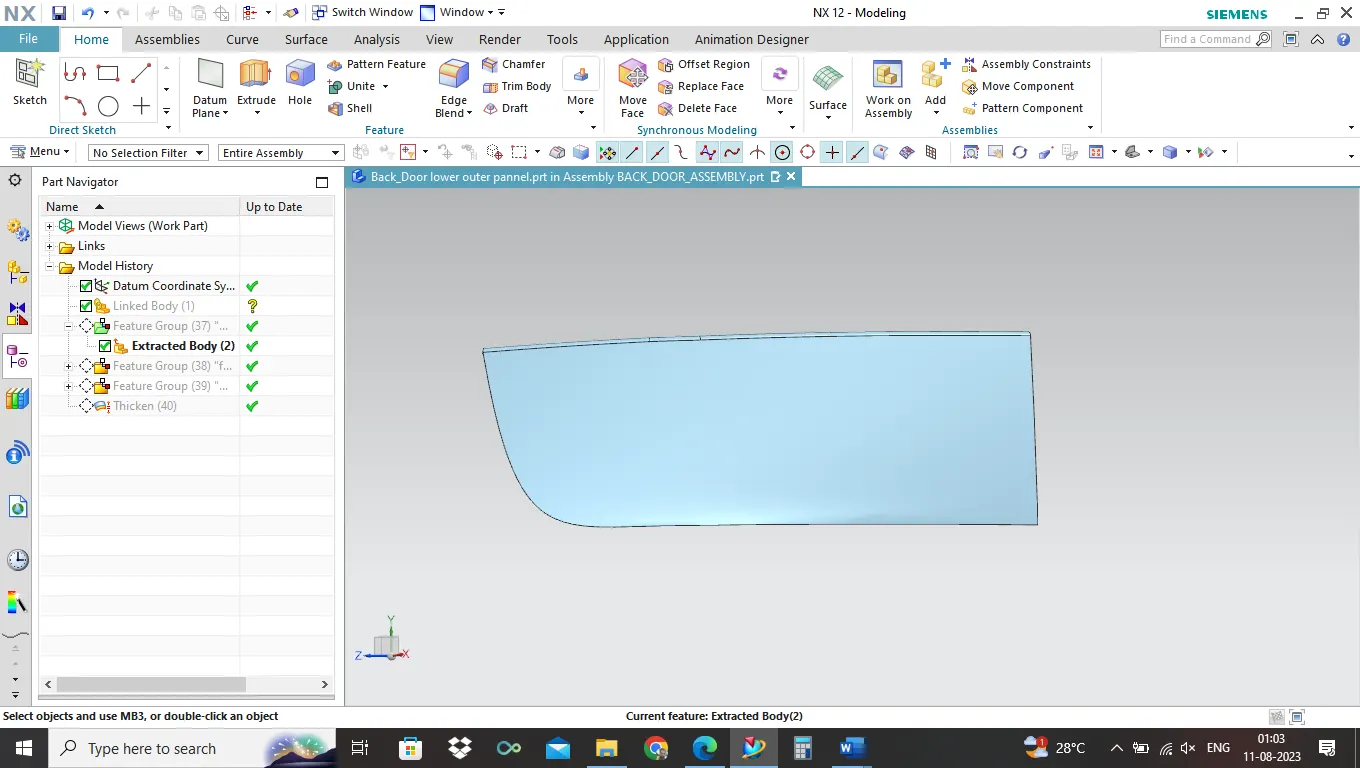
Back door is created as two different parts back door outer panel upper and lower. This outer panel designed based on visibility criteria and proper reliefs provided at the corner for hemming operation .The thickness of outer panel is 0.75 mm .
SKIN DATA:
UPPER SURFACE:
LOWER SURFACE:
2. INNER PANEL :
Back door outer panel designed based on hinge, gas stay, wiper motor position and reinforcement as well as visibility criteria .Suitable tooling direction is created for trouble free manufacturing process.In this design stamping operations created based on this tooling direction. Embosses are provided in this design for force dissipation. In this design appropriate clearance given in mastic areas .The inner panel thickness is 0.75 mm
Tooling Axis :
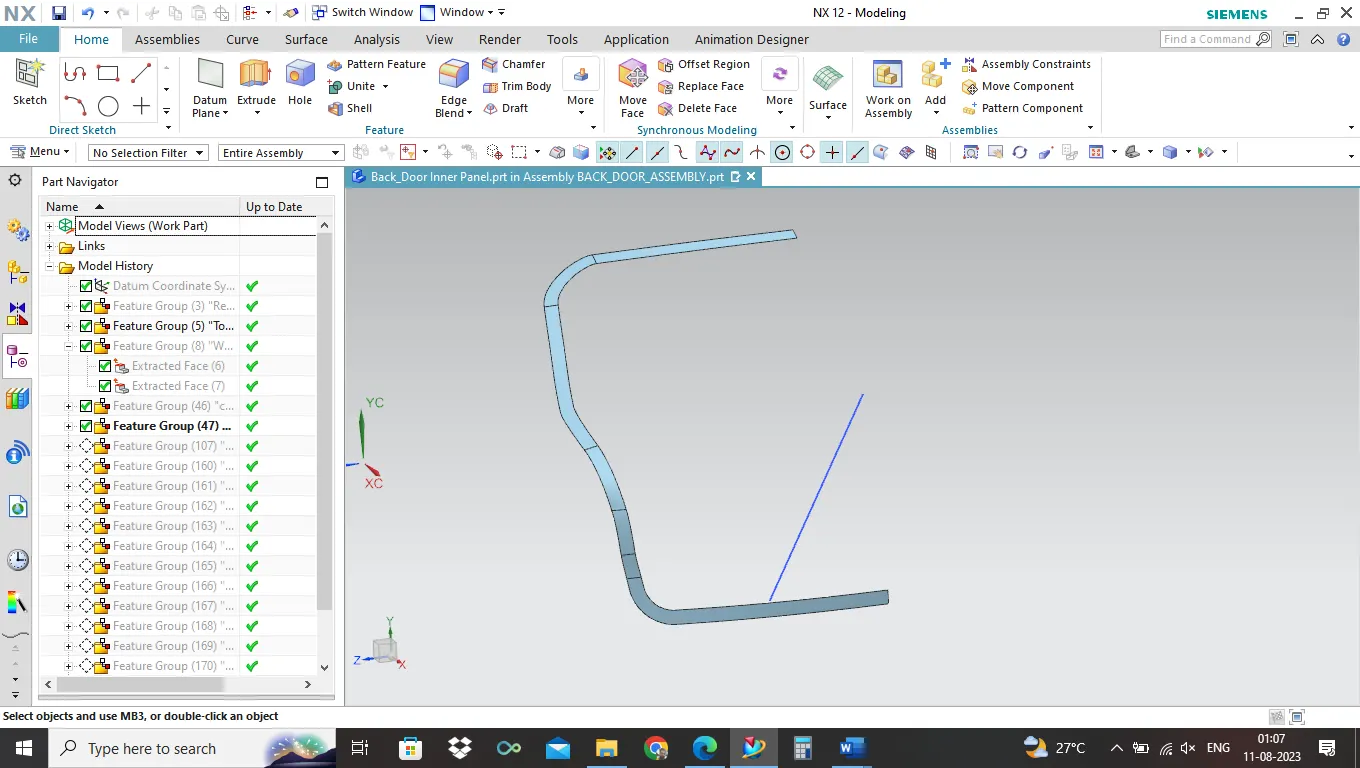
Tooling Direction is required for the Deep drawing operation. It shows that all the operations like embossing is done by considering this vector direction and it will help in manufacturing the part.
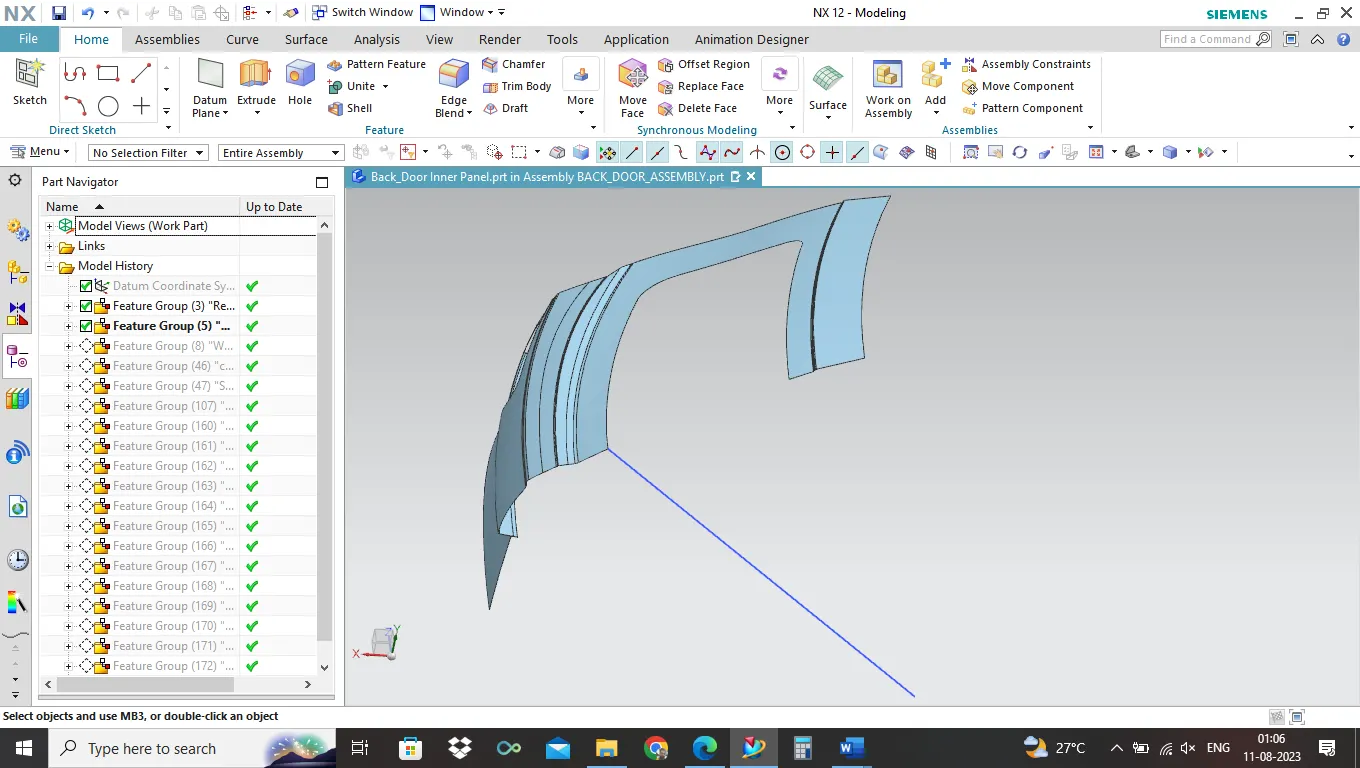
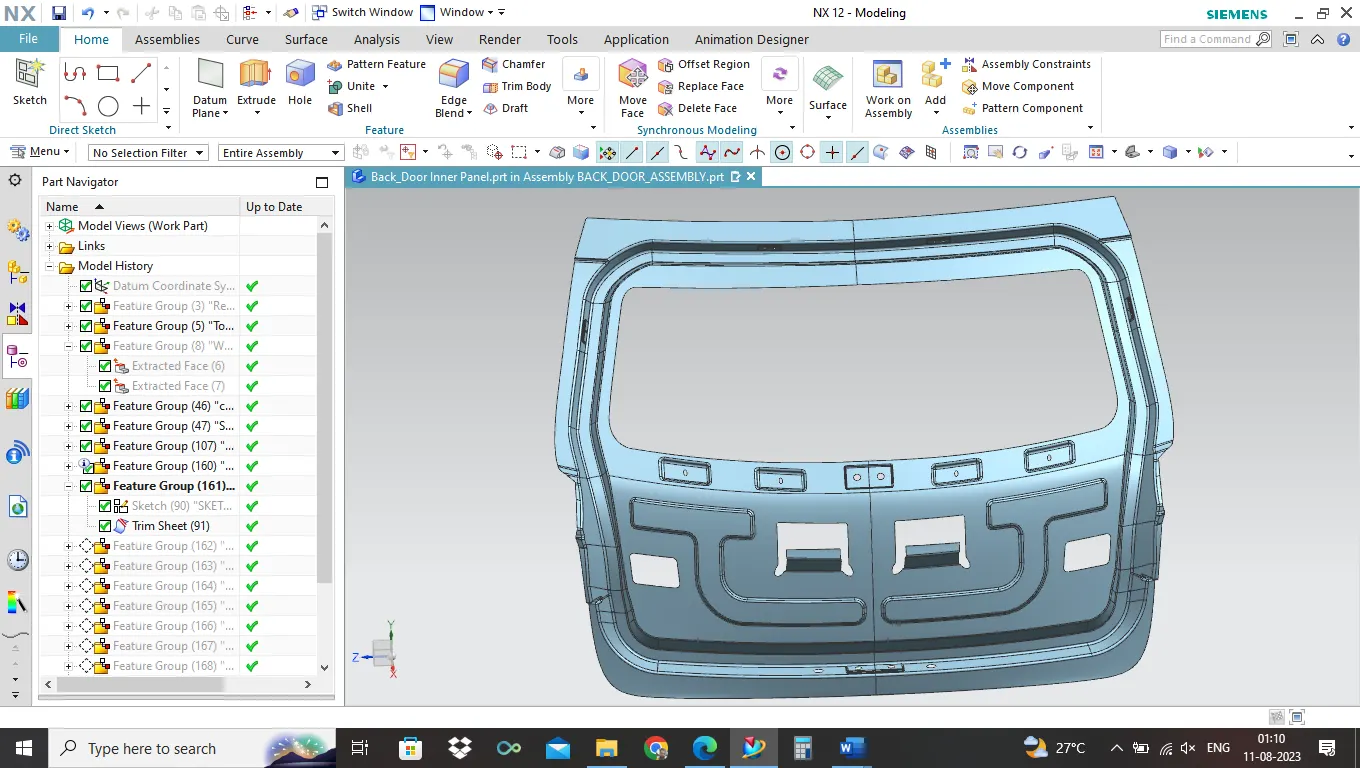
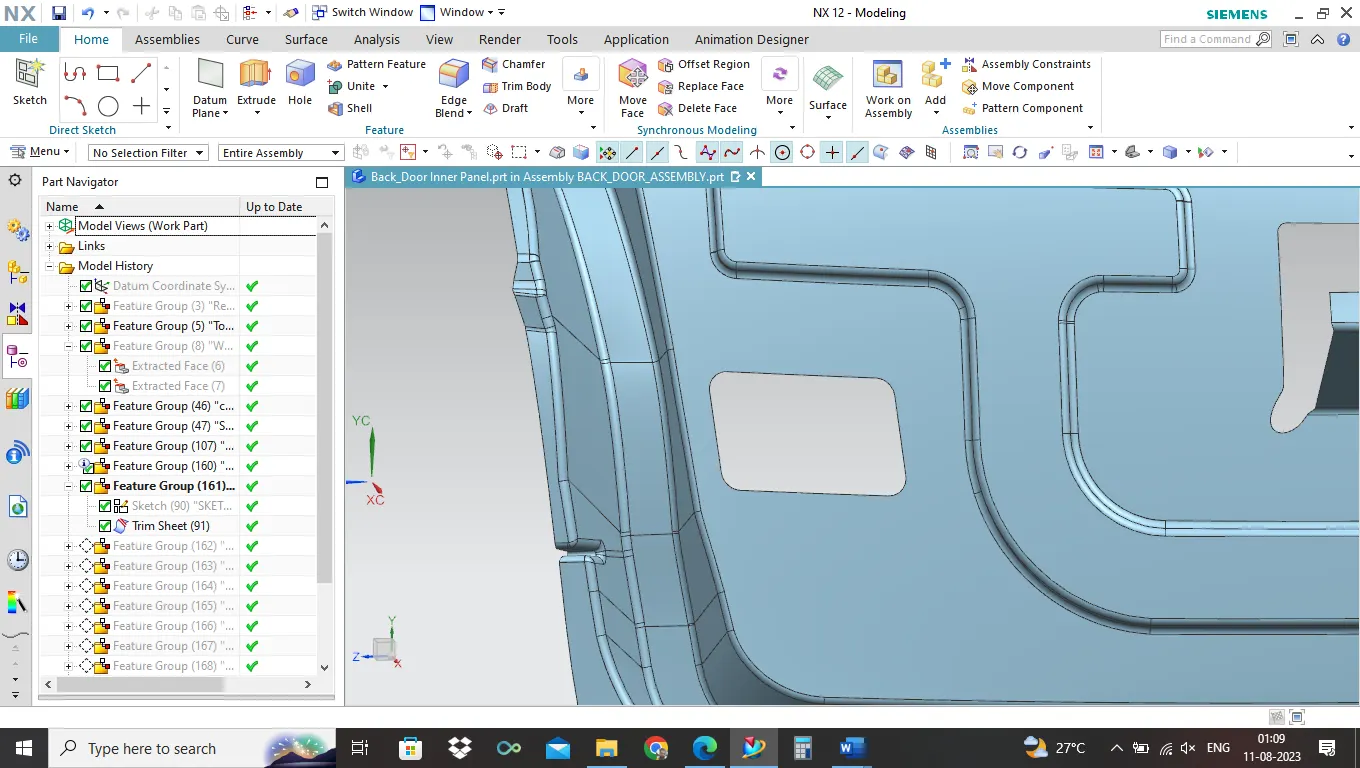
These opening are provided for the fixation of Backlight.
FORCE DISTRIBUTION FACTOR :
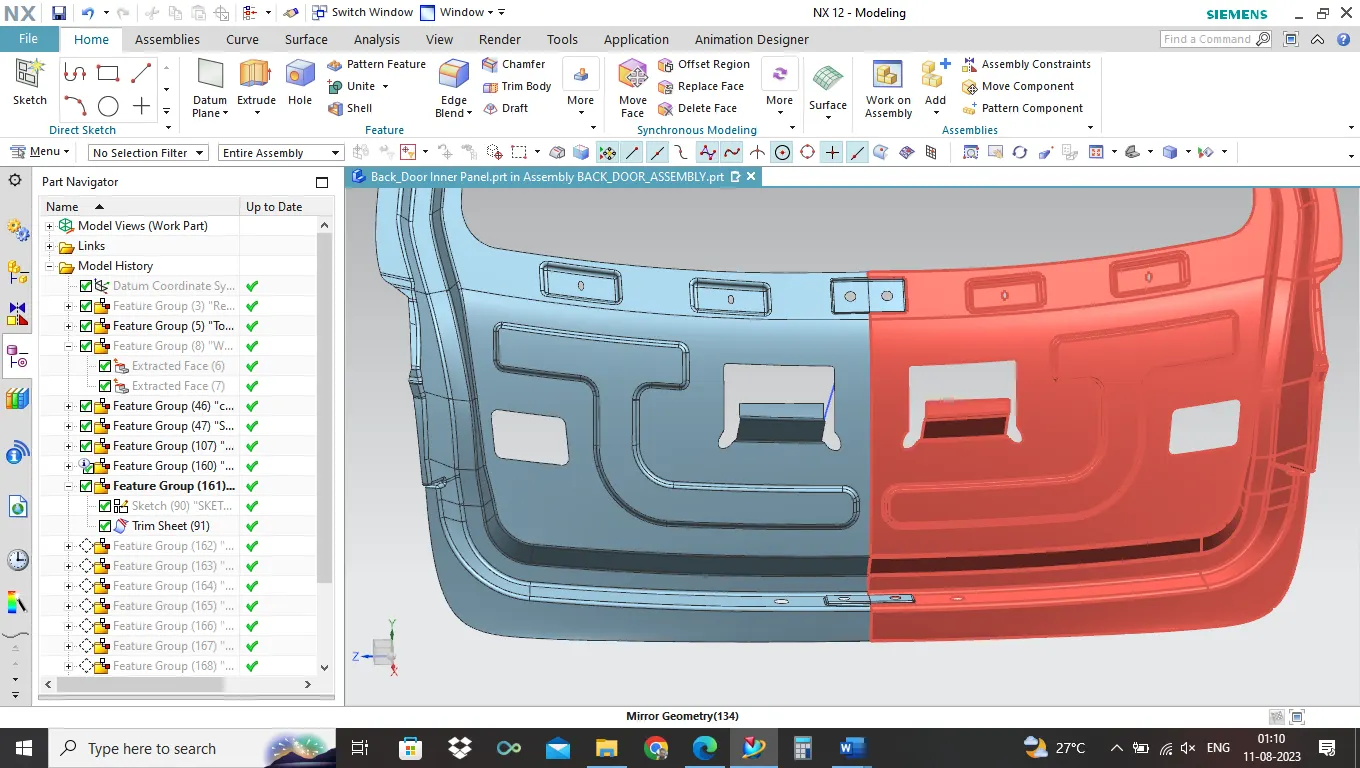
This inner panel design created by considering the force dissipation criteria.The embosses are created in such a manner that force will dissipate in to sides of the back door during a collision and prevent reaching inside the passenger cabin.Y and V embosses provided in the back door for force dissipation and improve the strength of the metal.
MASTIC AREA:
Mastics sealants used for joining of outer panel and inner panel. It increase the strength of back door and good NVH. So accurate clearance given for mastic sealant.
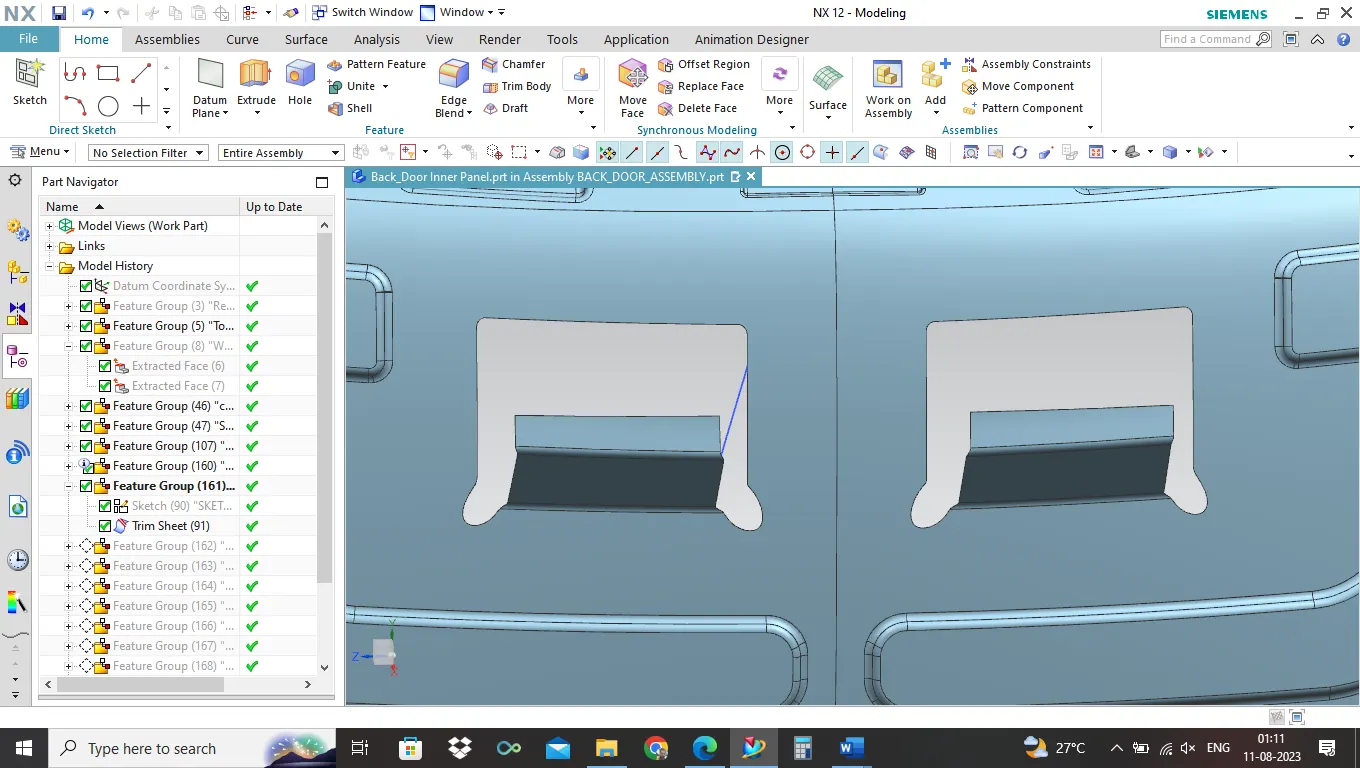
3. HINGE REINFORCEMENT LH & RH :
I choosed these regions as hinge mounting area as shown in below image.
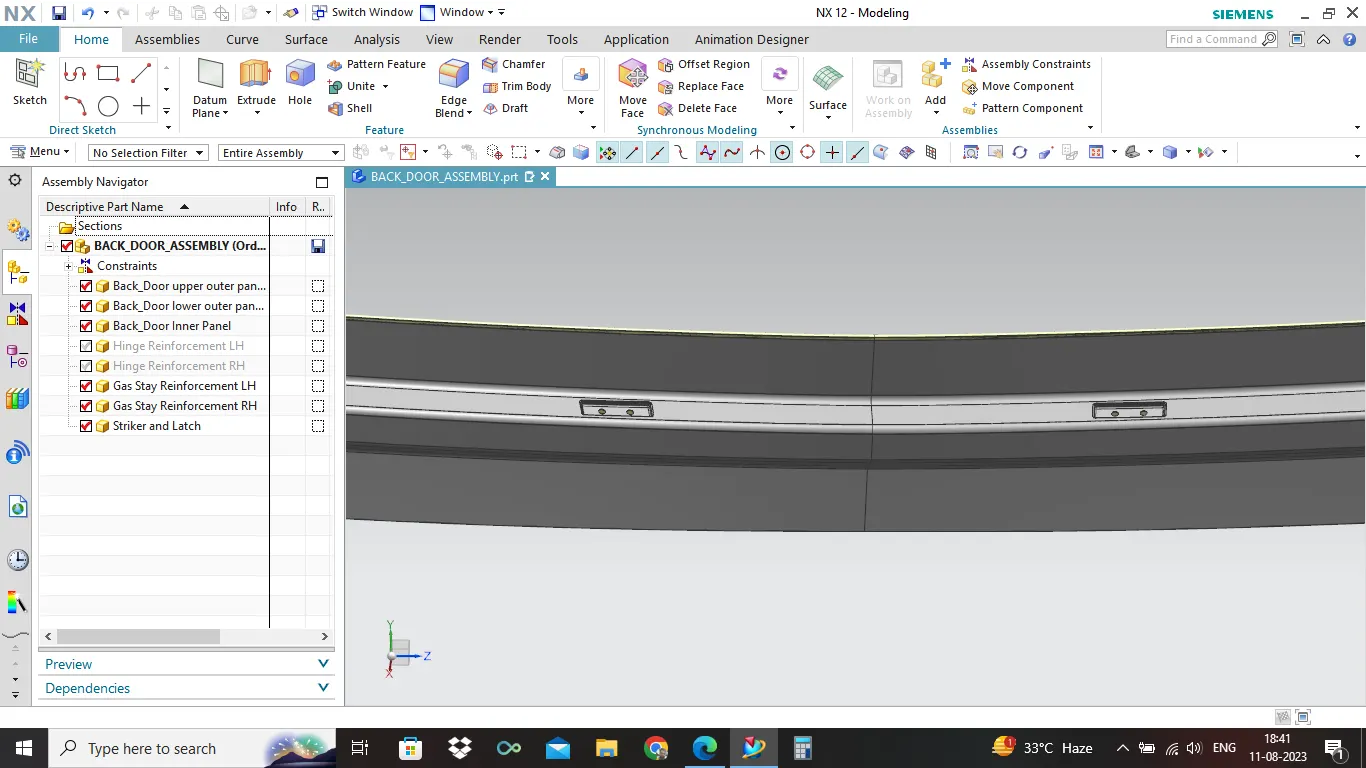
REINFORCEMENT:
In this design hinges provided on the top side of the door. Appropriate reinforcement given for hinge mounting areas to improve the strength.
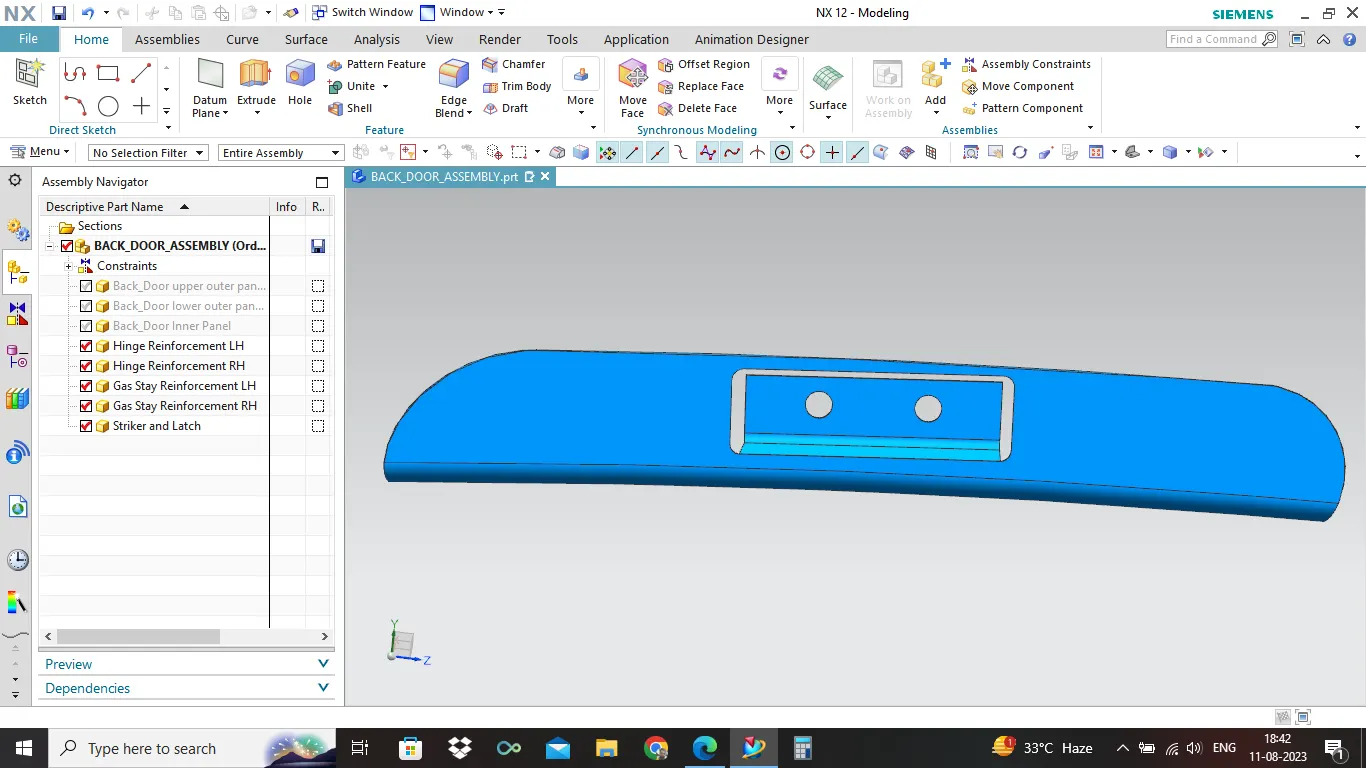
4. GAS STAY REINFORCEMENT LH & RH :
Gas stays support the weight of the back door while they are open. More load act on this region ,So suitable reinforcement provided for better strength
it is spot welded on the inner panel.
MOUNTING REGION :
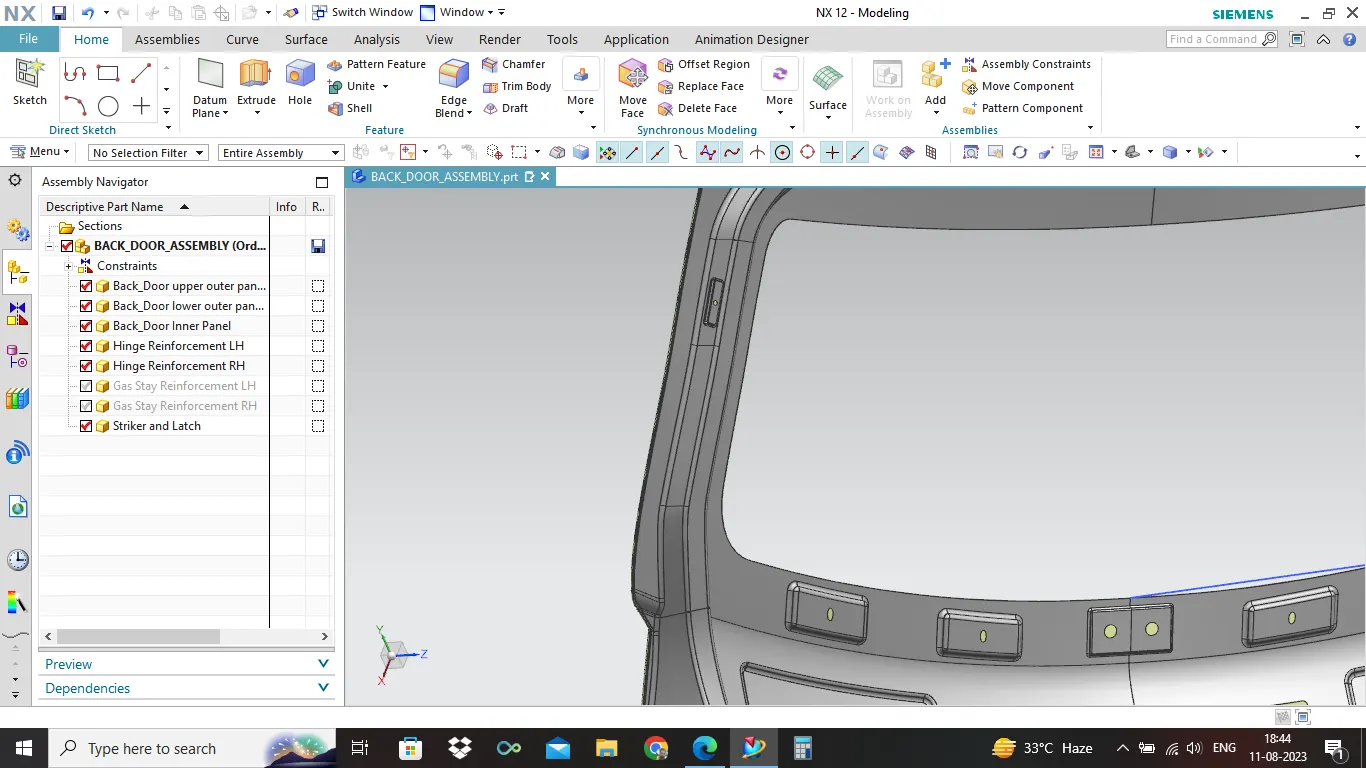
REINFORCEMENT:
In this design hinges provided on the top side of the door. Appropriate reinforcement given for gas stay mounting areas to improve the strength.
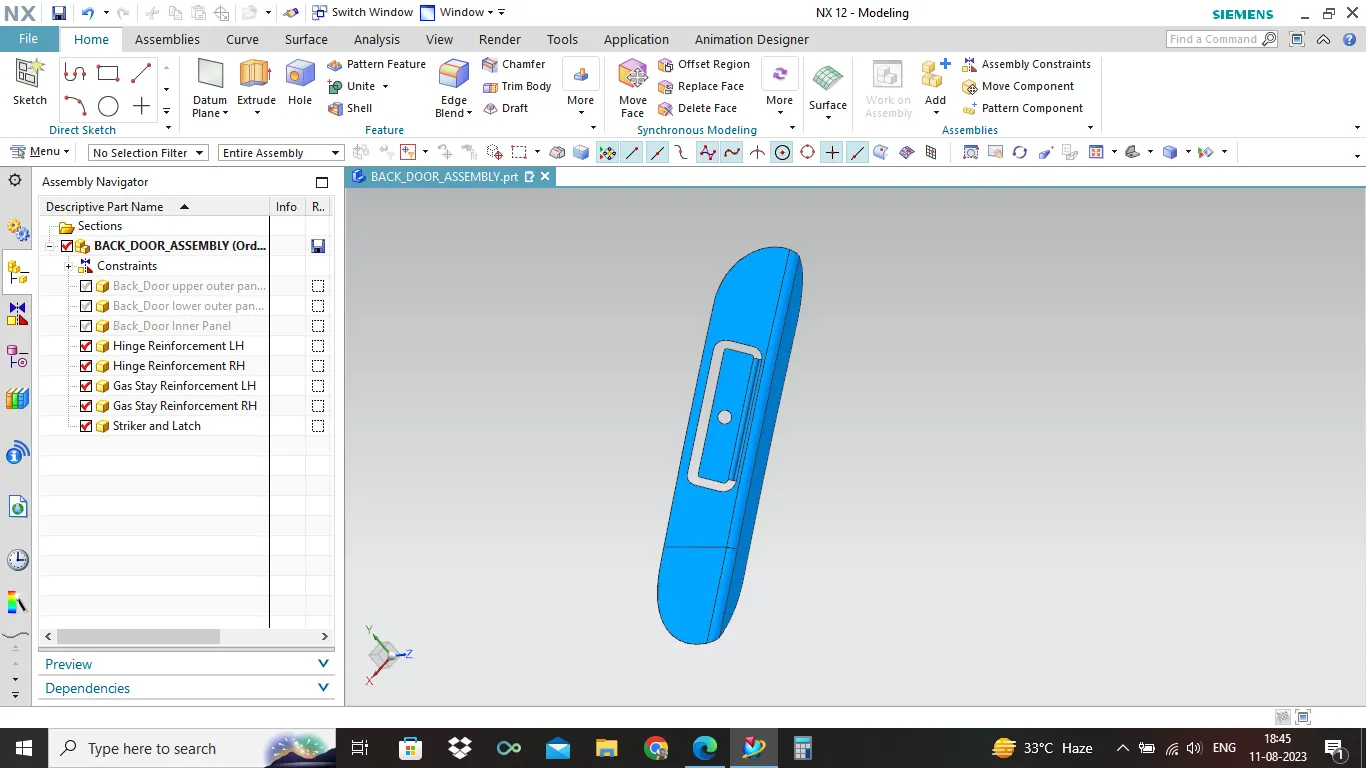
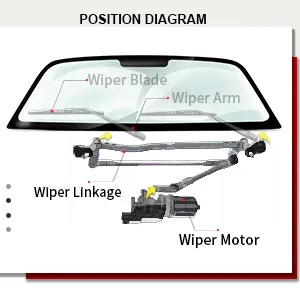
5. WIPER MOUNTING :
To fix wiper motor and its mechanism
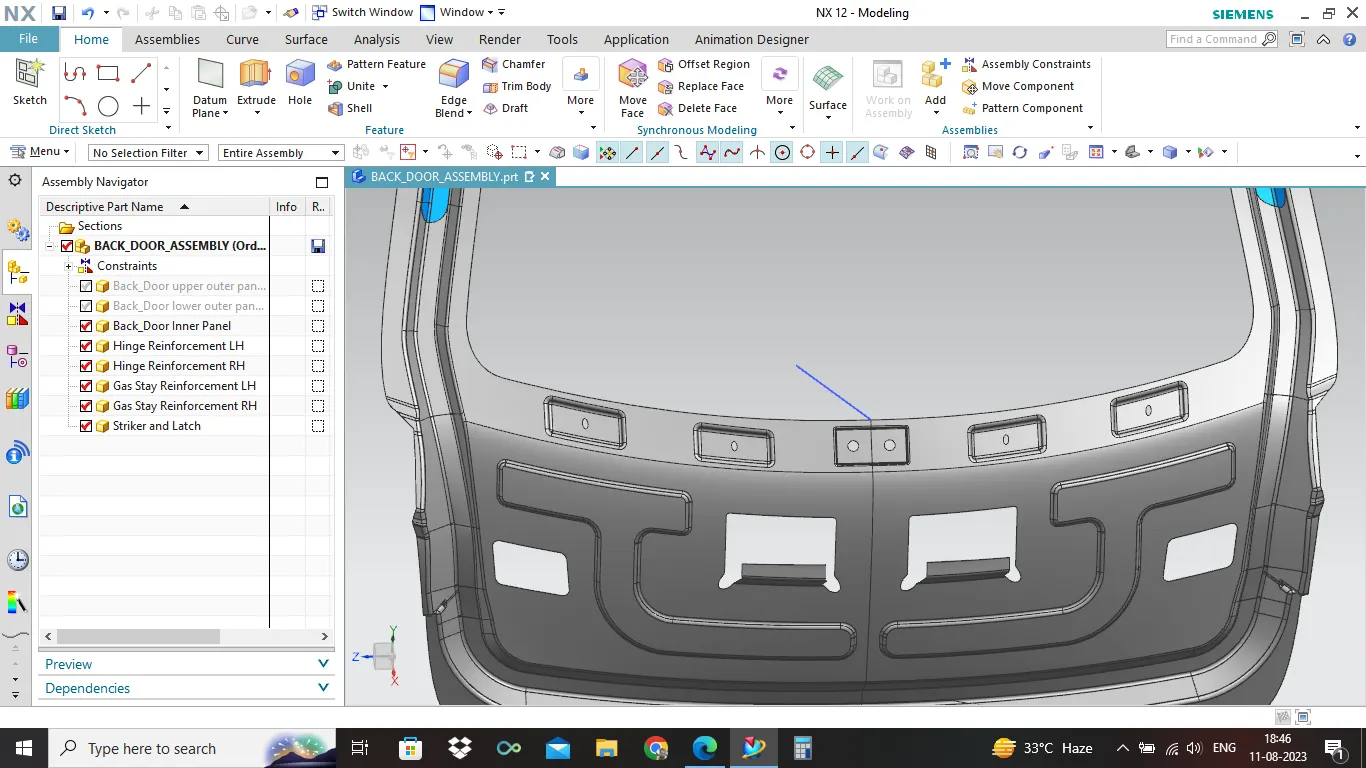
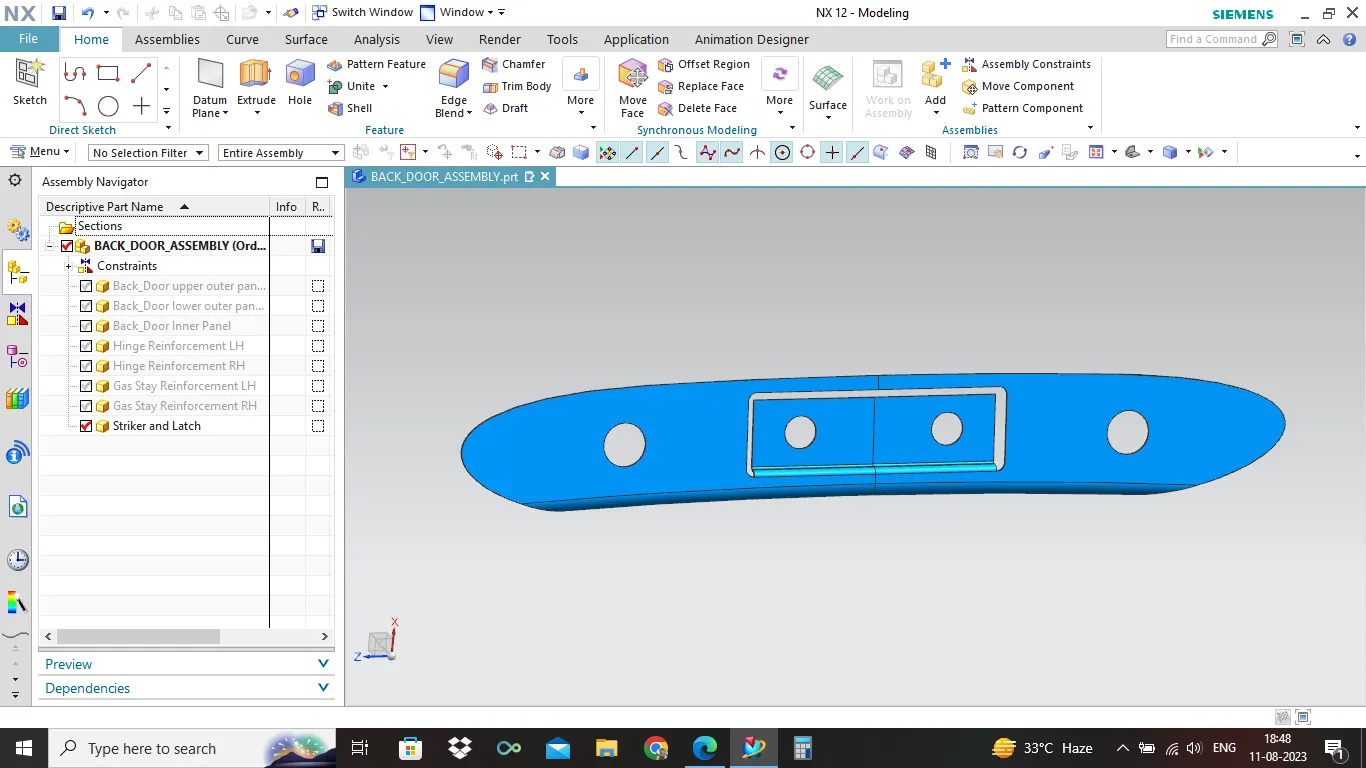
6. STRIKER & LATCH :
Doors can be opened and closed in a regulated manner with the help of latches, which also provide a secure connection. The door latch is a mechanical fastener that attaches two (or more) surfaces or objects while allowing for their normal separation.A latch is not the same as the locking mechanism of a door or window, although often they are found together in the same product. Latches range in complexity from flexible one-piece flat springs of metal or plastic, such as are used to keep blow molded plastic power tool cases closed, to multi-point cammed latches used to keep large doors closed.
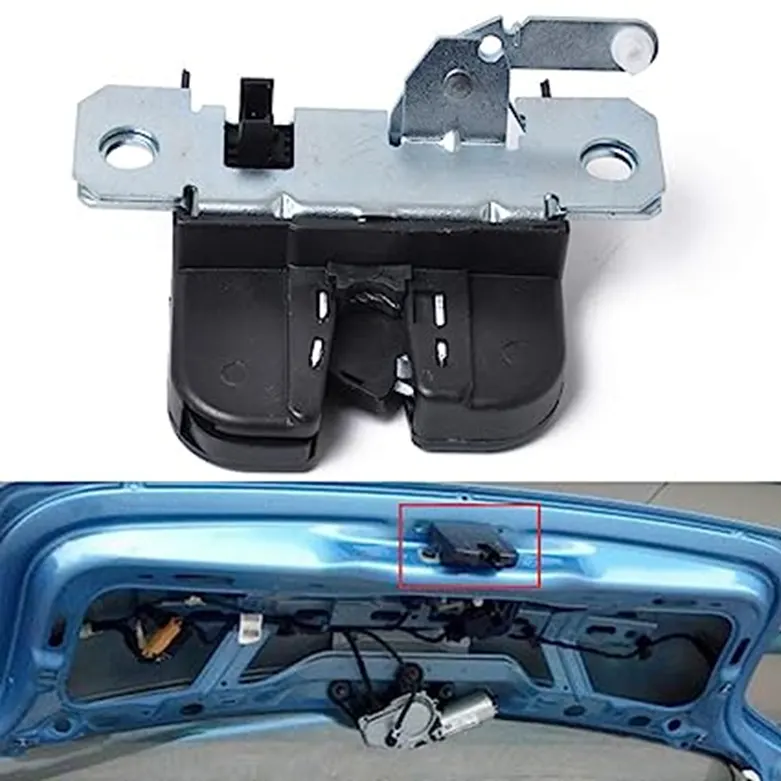
The striker is designed to create a tight fit between the door and the seal on the cab. The door open and shut several times in a day.So more force acting on this area.The reinforcement given in the latch and striker mounting area to increase the strength, it is spot welded on the inner panel.
MOUNTING REGION:
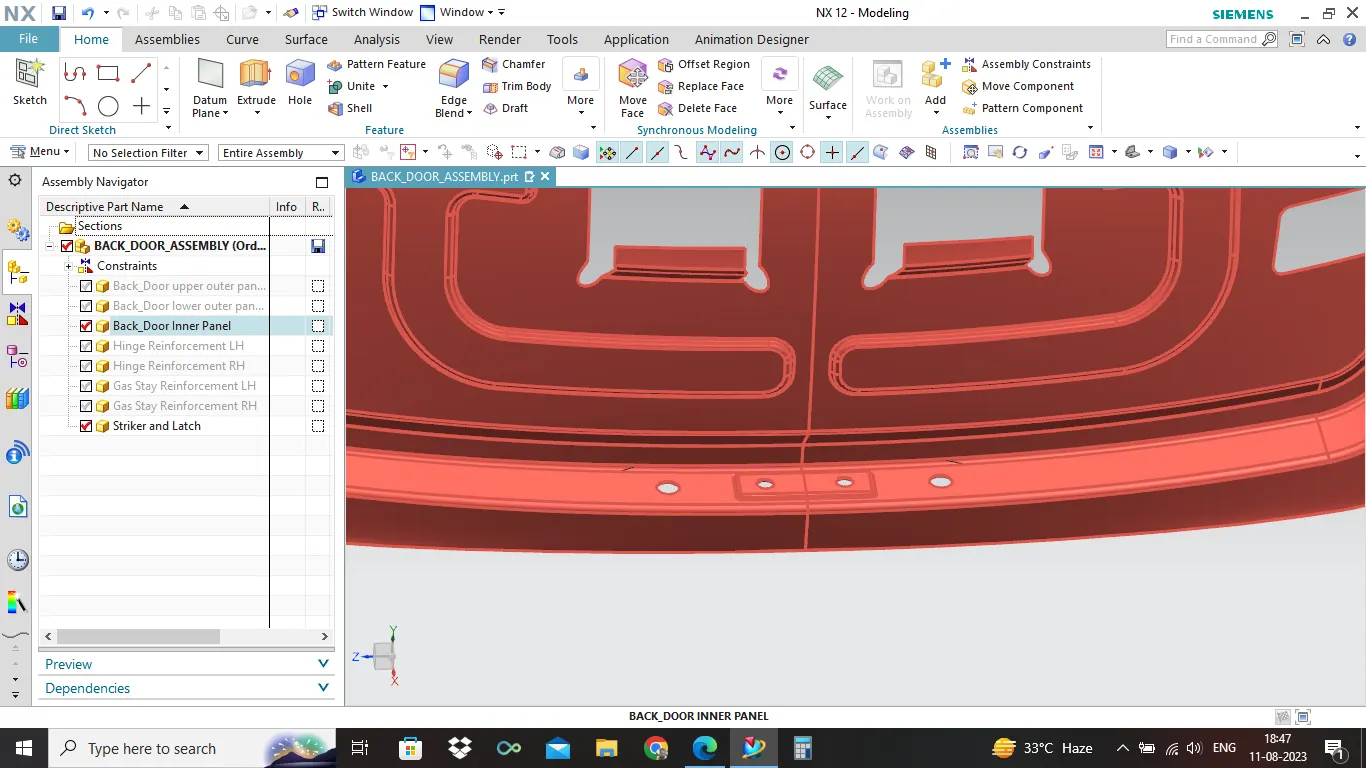
REINFORCEMENT:
In this design hinges provided on the top side of the door. Appropriate reinforcement given for striker mounting areas to improve the strength.
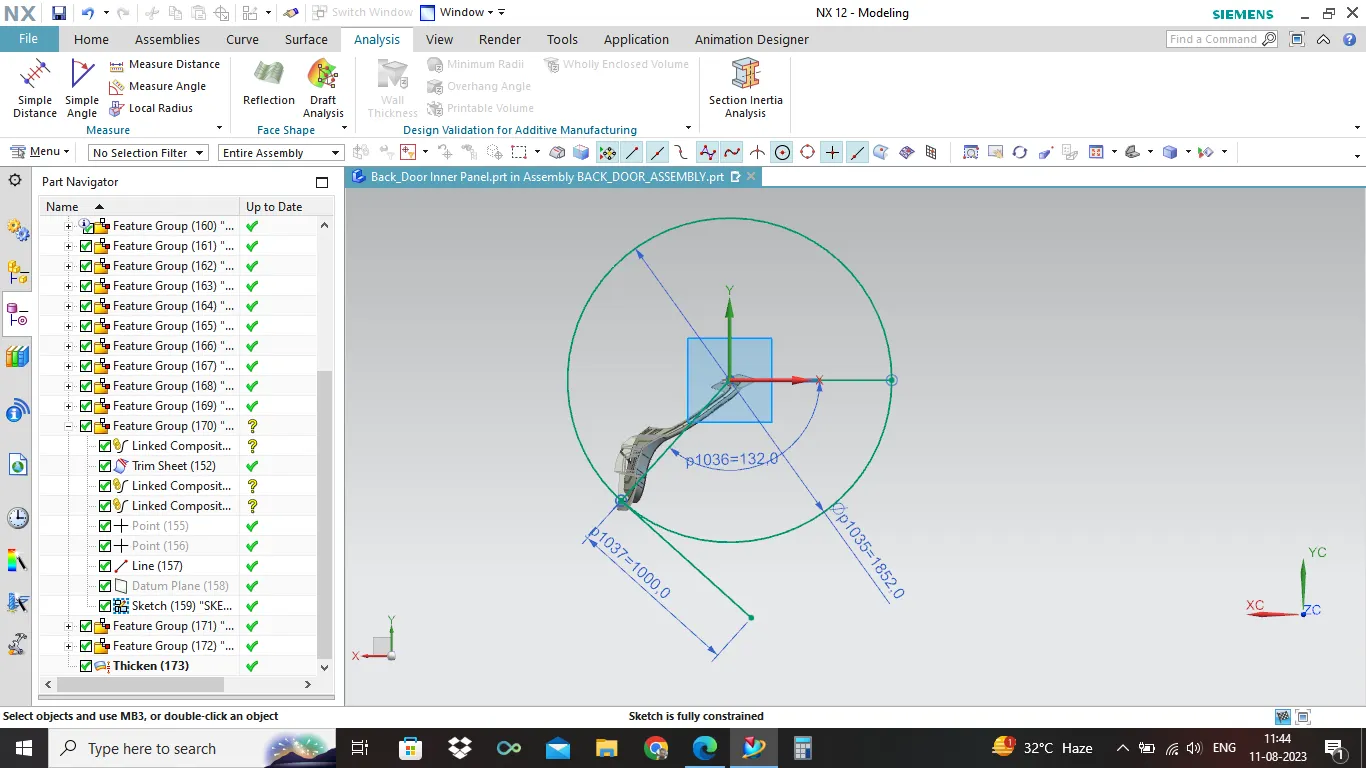
Latch and Striker TRAJECTORY SKETCH:
The trajectory is created to position the latch and striker. Latch system must be able to catch the striker of the door while closing. Circle is drawn from the hinge axis. The striker follow this path.
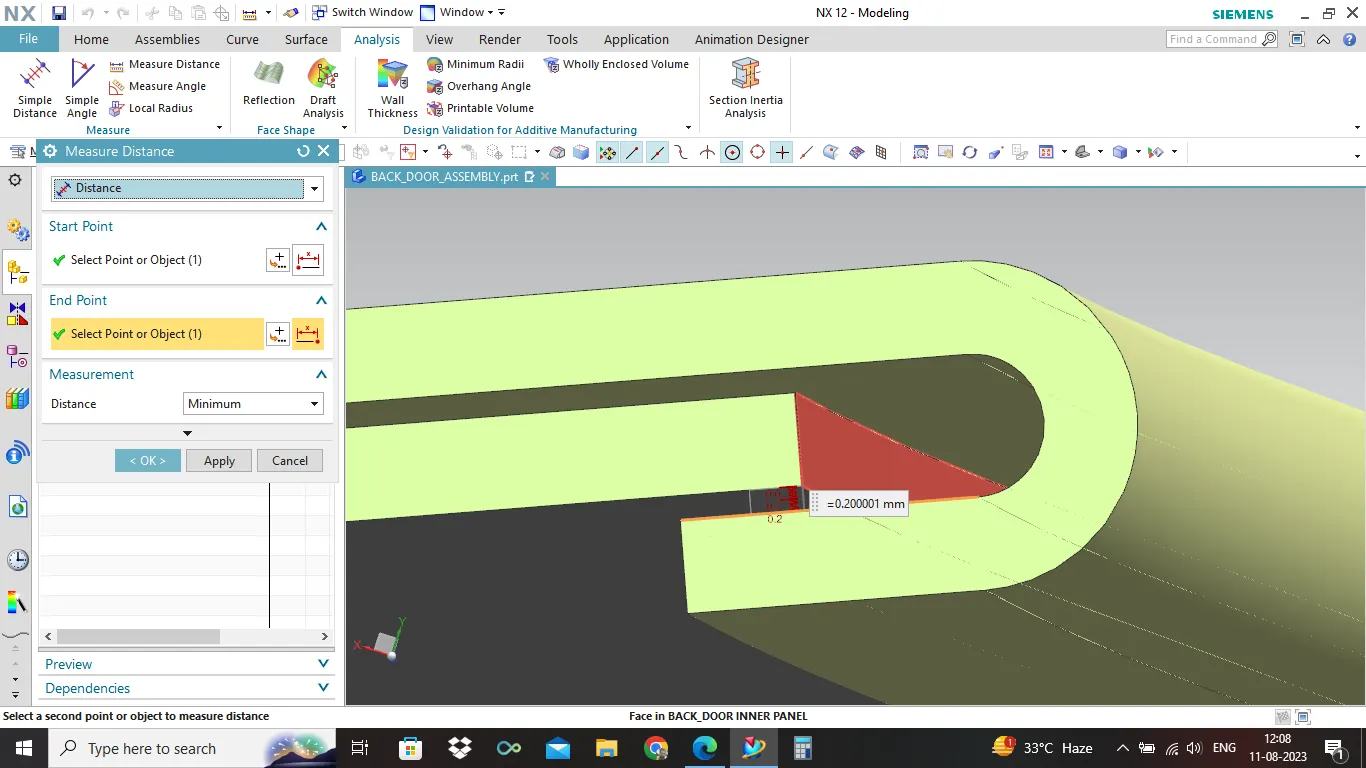
HEMMING REGION:
Hemming is a technology used by the automotive industry to join inner and outer closure panels together (hoods, doors, tailgates, etc.). In addition adhesive bond provide for excellent joining of panels it also reduce vibration .
Here this design clearance of 0.2 mm provided for hem glue .
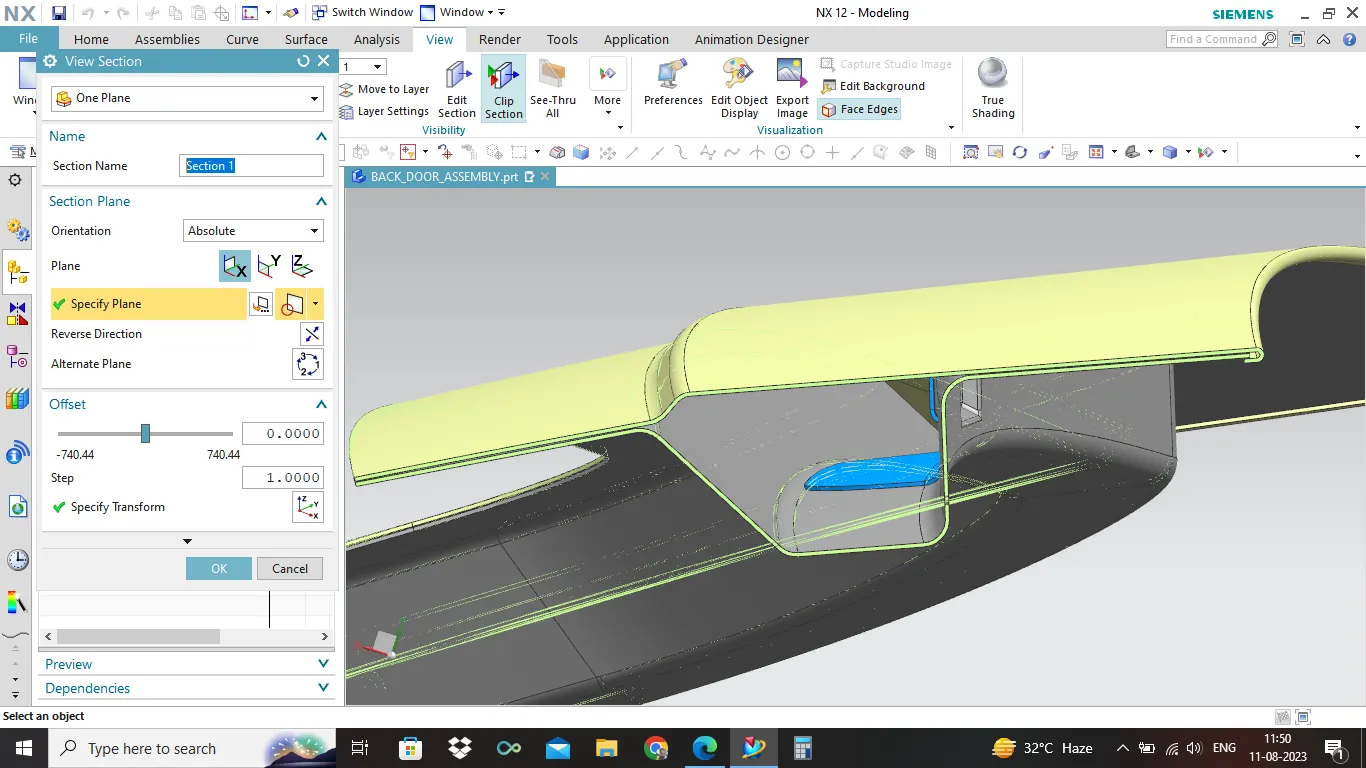
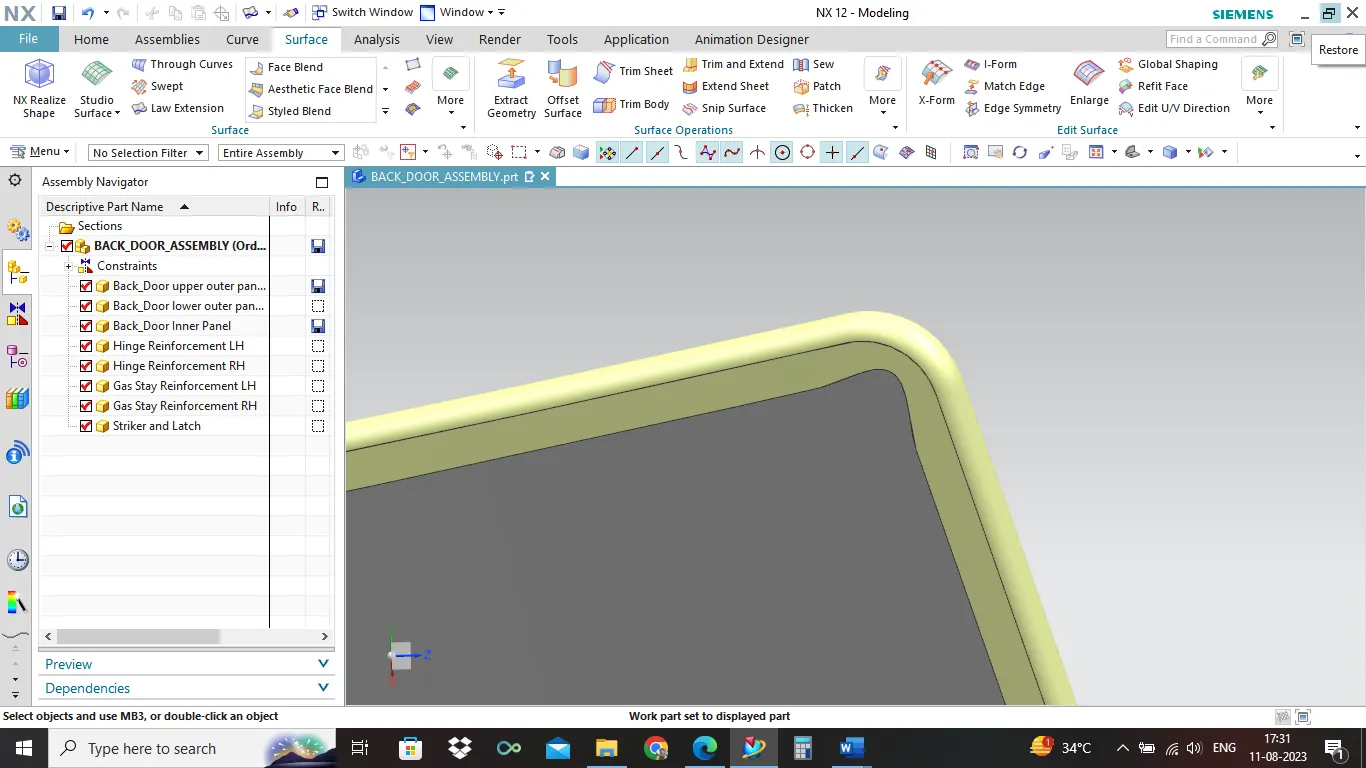
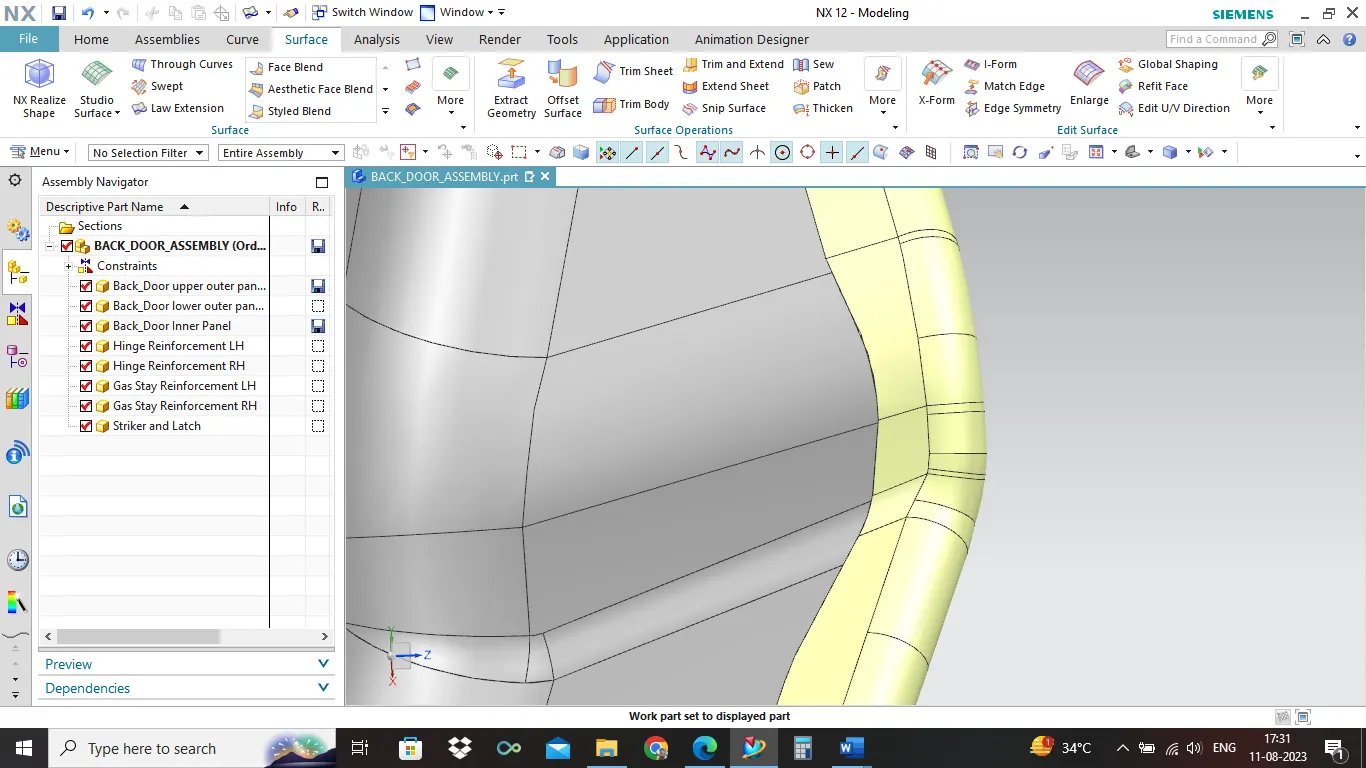
HEMMING RELIEF PORTION:
DRAFT ANALYSIS:
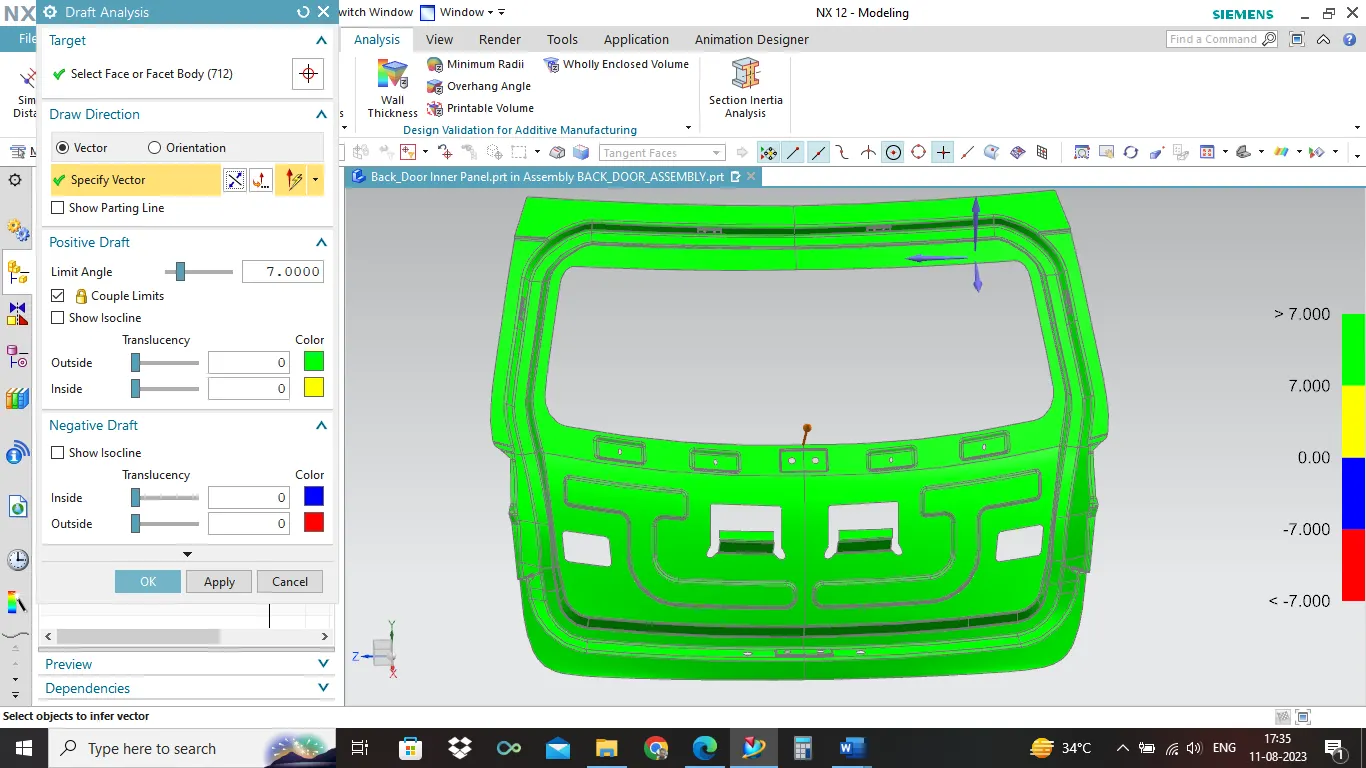
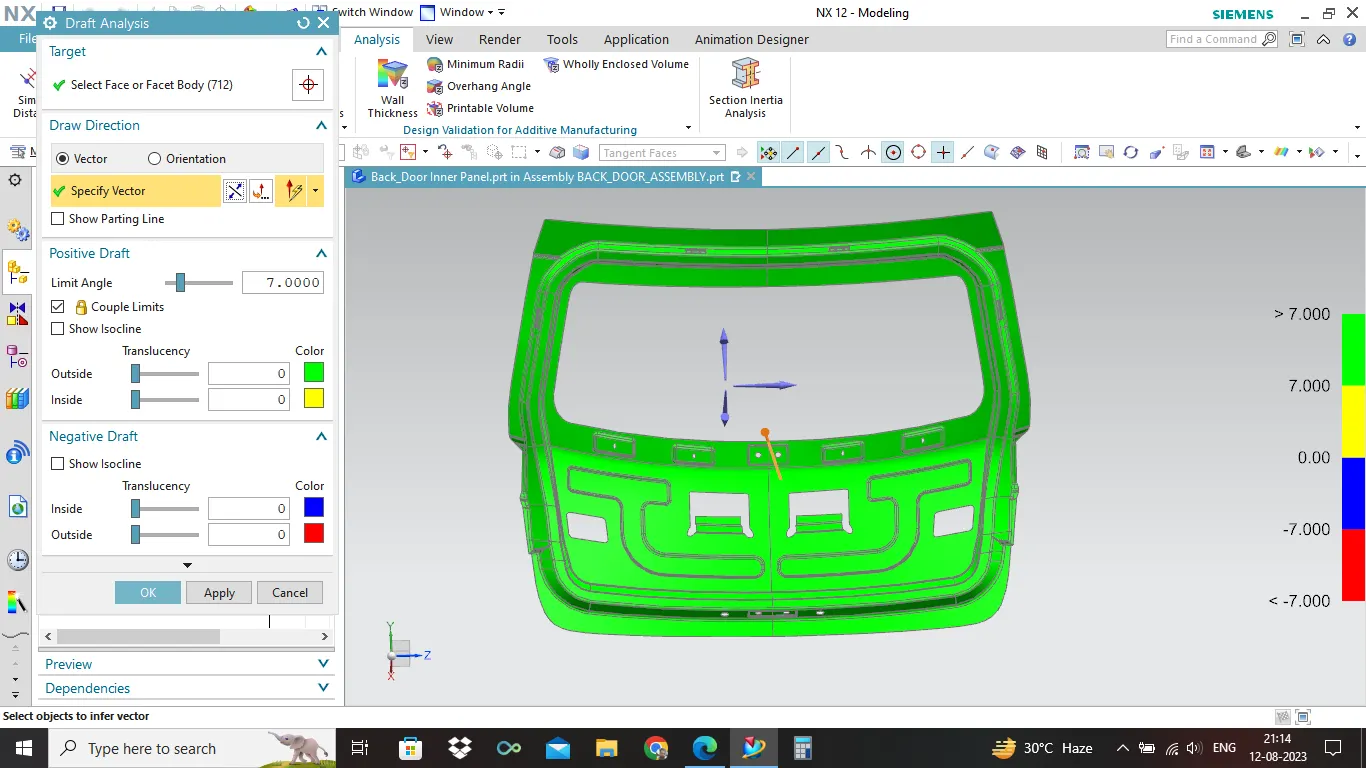
Draft analysis performed to check the designed part is suitable for stamping operation with respect to the tooling direction.We can find out the errors by using this feature.The minimum draft angle is 7.The negative draft is denoted by different colour so we can easily find out the unsuitable areas.
TEST: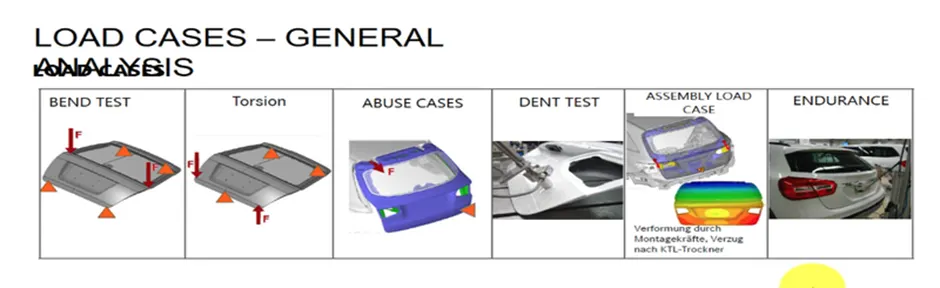
CONCLUSION:
We have Studied :
- Designing of Back Door using design methodologies like Tooling Direction, Sealing Flange, Force Distribution, Latch and Striker Trajectory, etc.
- Provided all the necessary Reinforcements and Embosses for the required strength of the Back Door.
- Did Draft Analysis of Outer Pannel, Inner Pannel and Reinforcements.
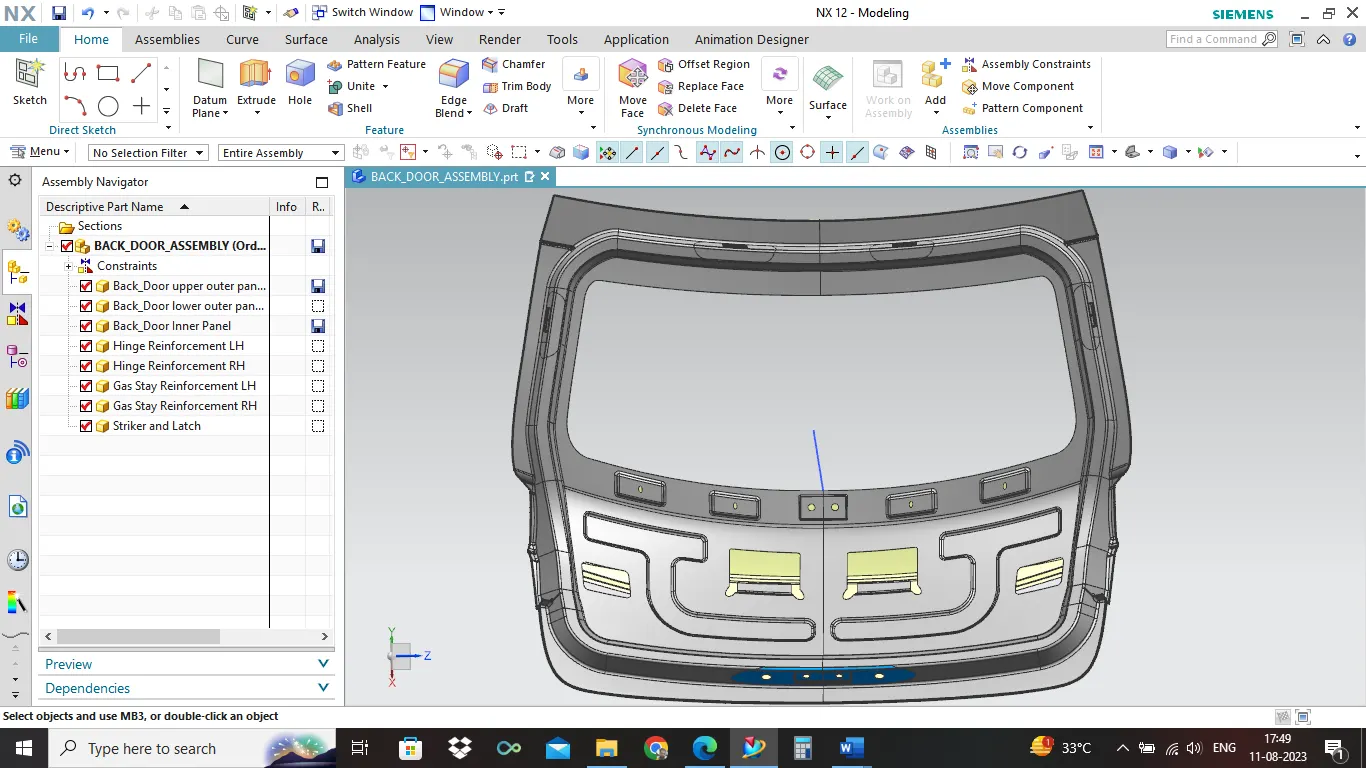
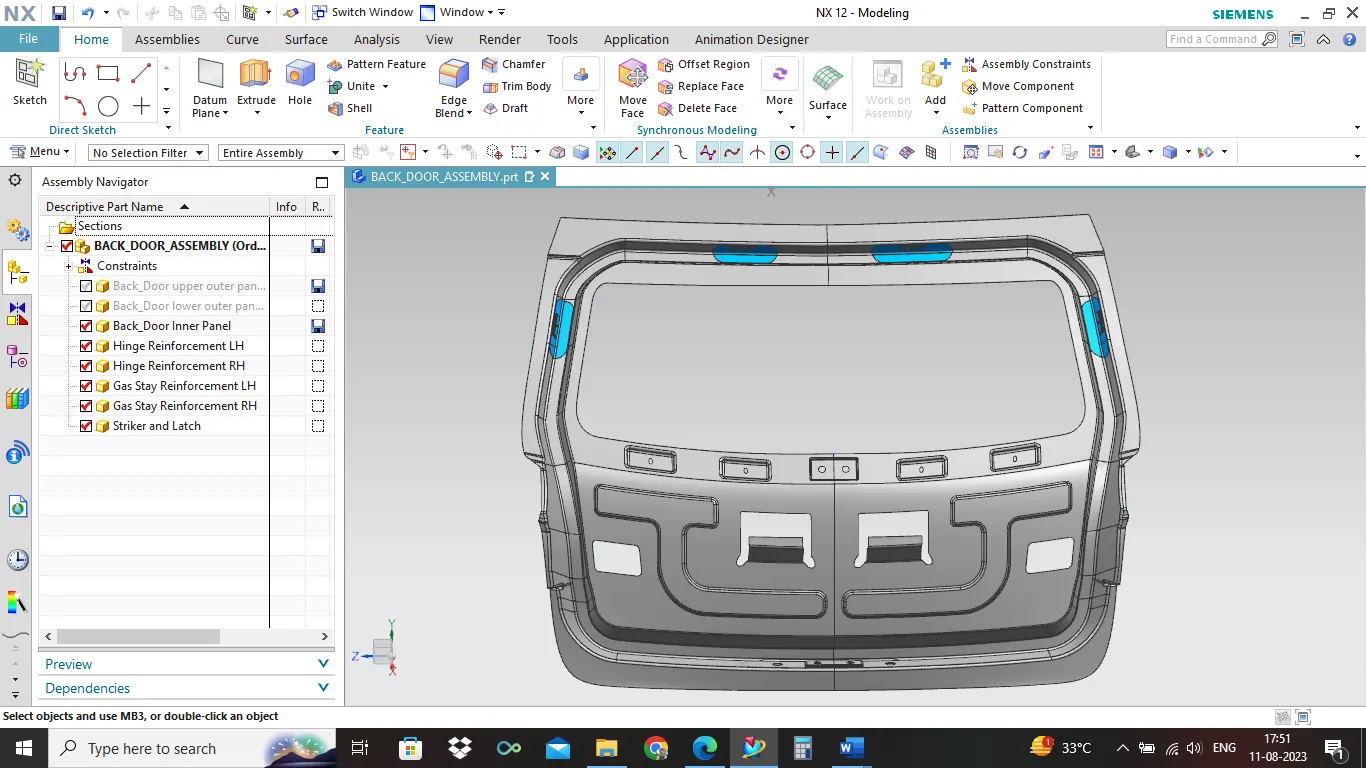
We can conclude that the back door is made with all requirements necessary and therefore can be placed on the car. Also I have attached the related files for the reference.
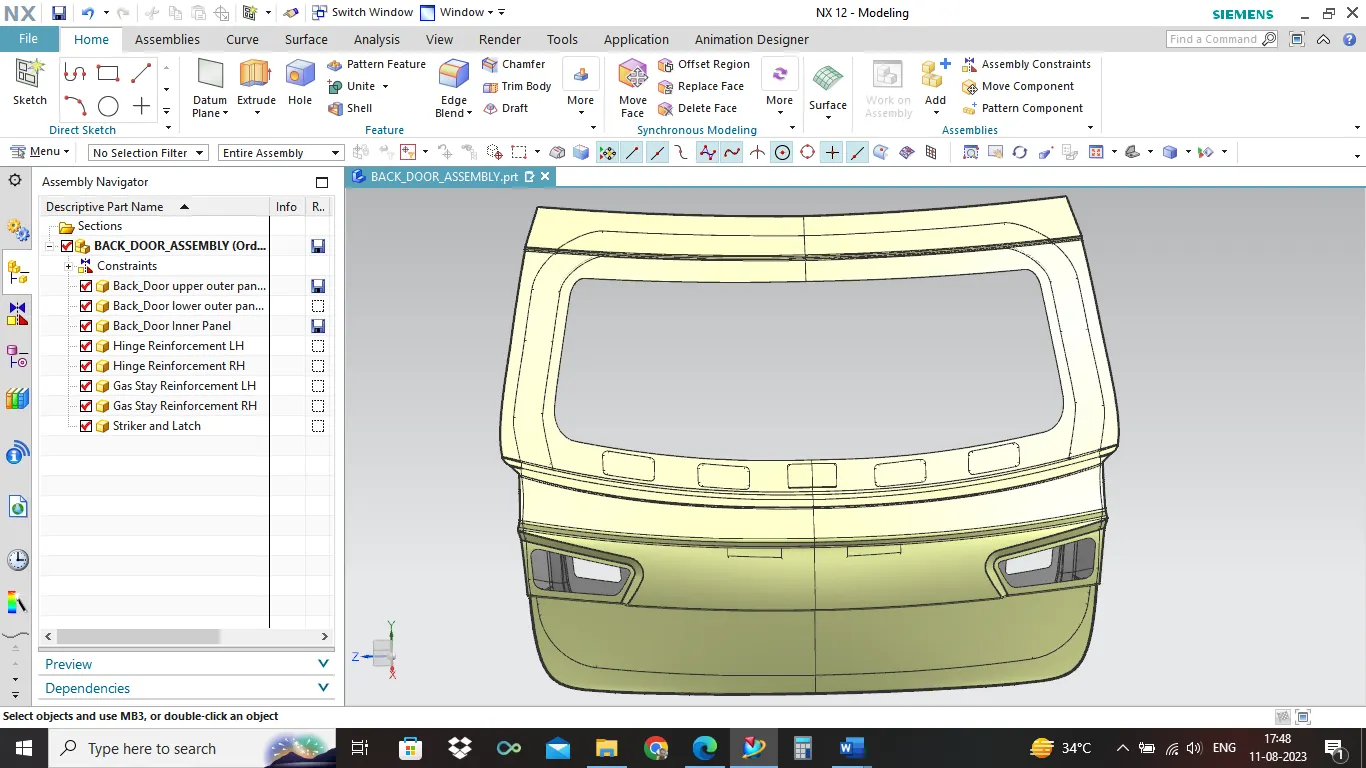
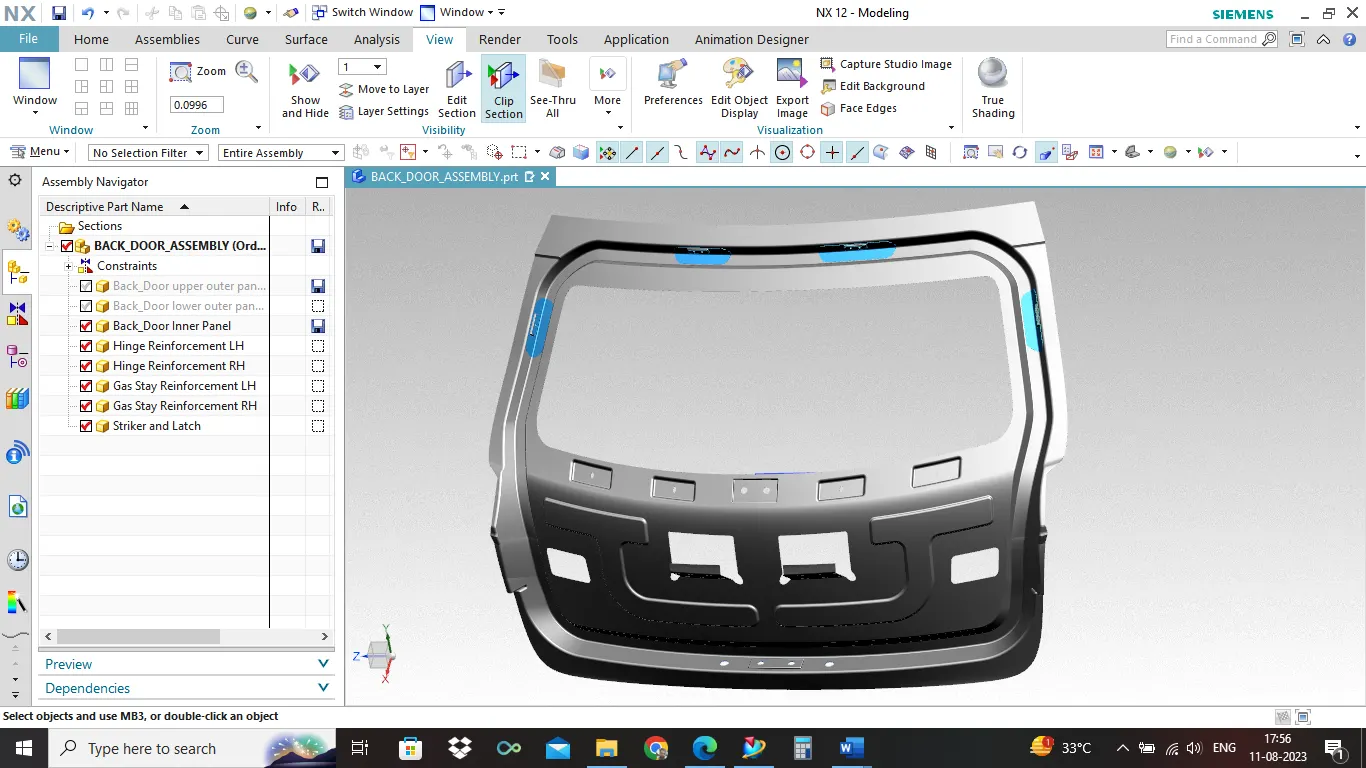
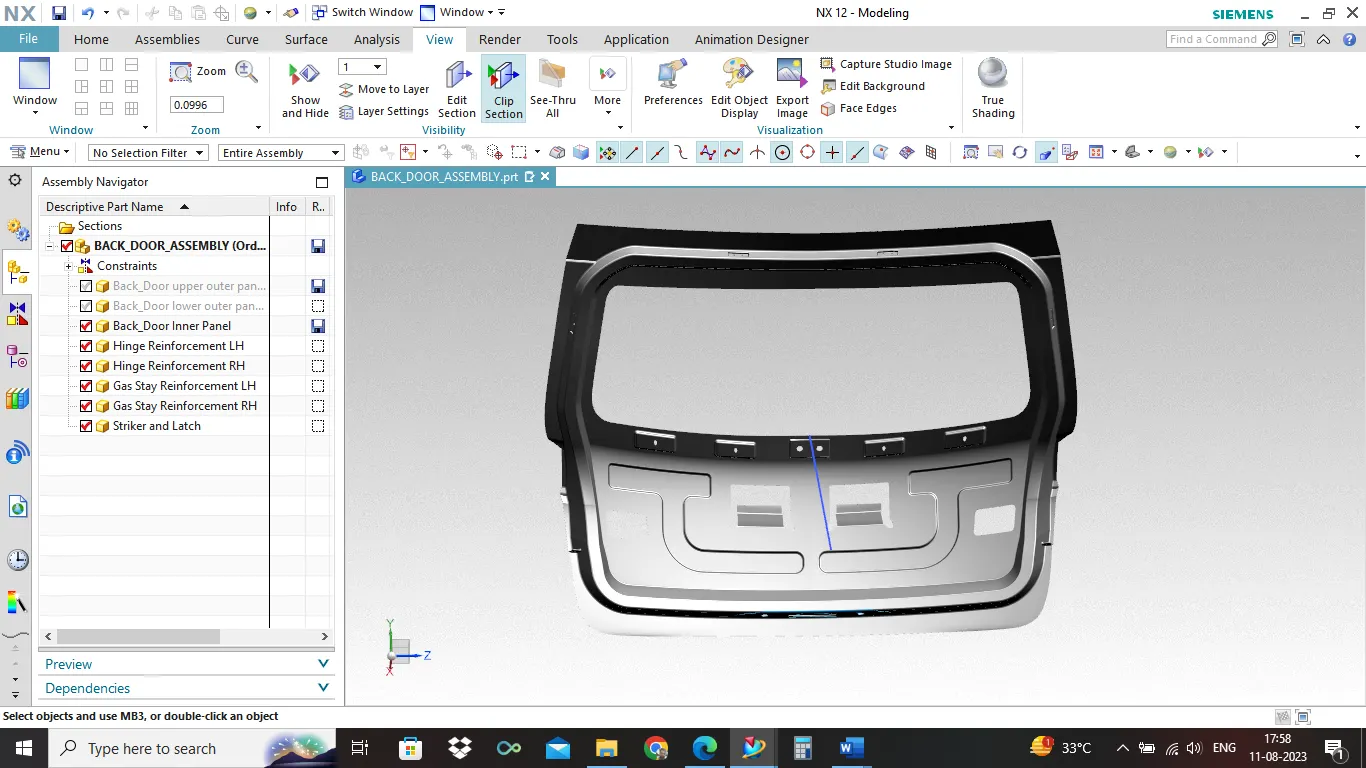
Studio view:
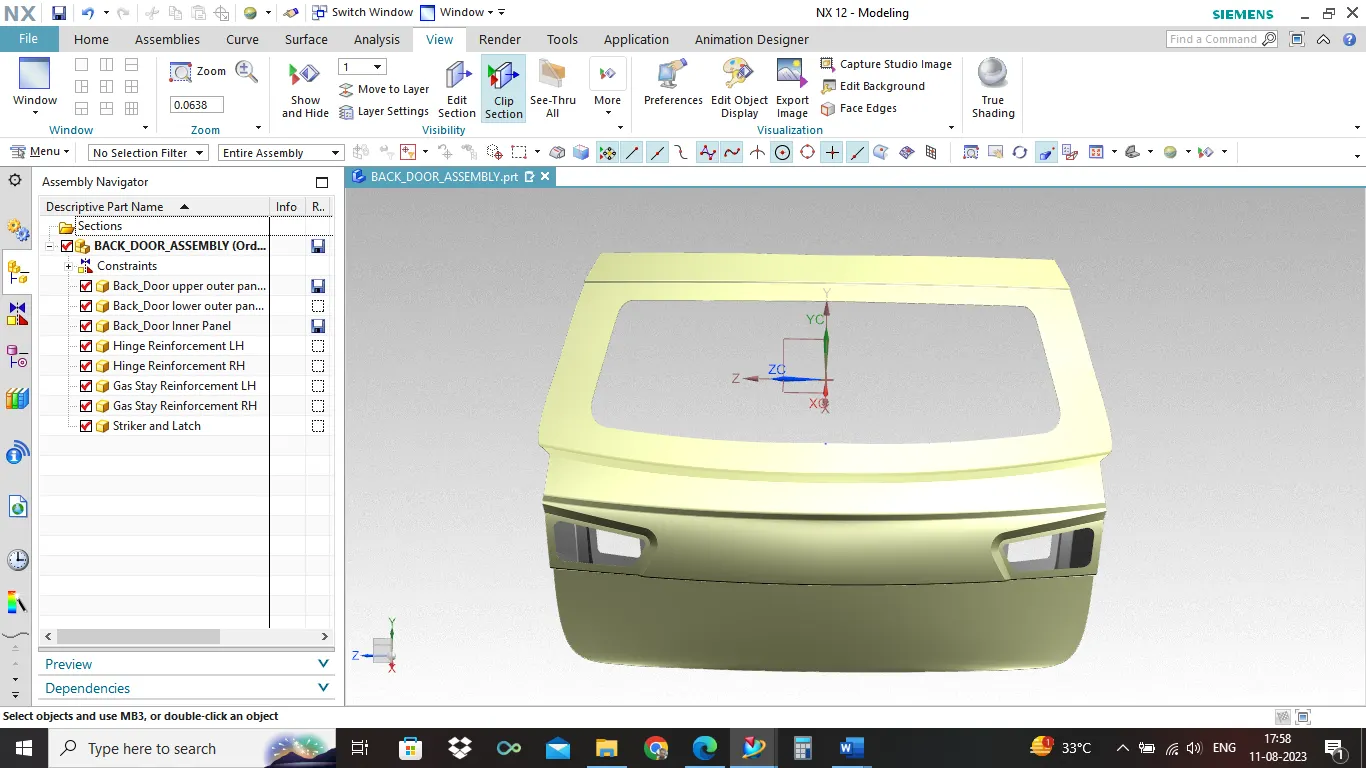
I am not able to load my challenge file, there is issue occur again and again.
So, i give google drive link
https://drive.google.com/file/d/1-Ty521Jf2FpCjs_egCKNAf7q5lIvD5Ui/view?usp=drive_link