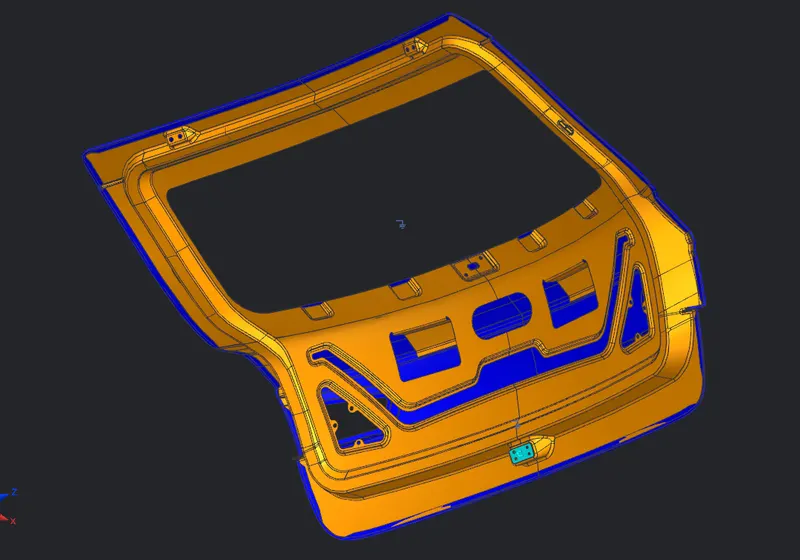
BACK DOOR DESIGN
Aim: Class A Surface Was Received From The Styling Team. My Objective Is To develop the Class A Surface Received into Manufacturable Product Design Following The OEM Design Standards Using NX Unigraphics Surface Workbench.Providing necessary reinforcement and embosses for various parts of tailgate also do the draft analysis to chech its manufacturing feasibility.
Introduction:
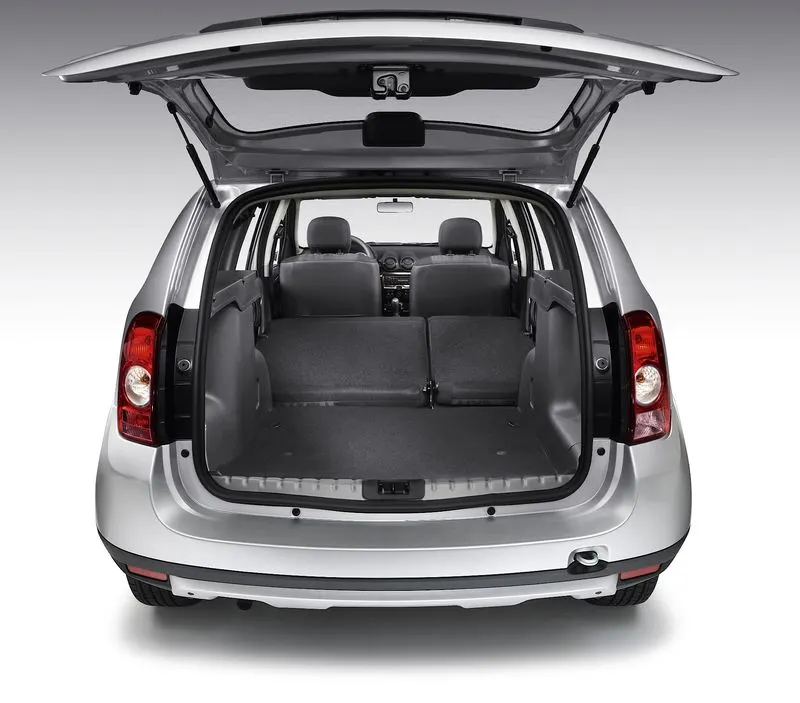
Backdoor are one of the type of door of the vehicle which are located next to the passanger seat which provides access to the luggage compartment. In the most of the cars, these back door are operated with the help of gas stay which in turn reduces the effort required to lift the door.
The Backdoor/tailgate is one of the closure commodities in BIW sheet metal design. The backdoor has a lot of components inside and is designed to incorporate them easily. It affects the rear visibility and luggage area.
The material used for door manufacturing depends on the budget and performance of the vehicle. Mostly Aluminium and Steel will be used whereas low-budget vehicles use Steel which makes the manufacturing process easy and cost-efficient since it follows the Stamping of Moulds.
Load cases and General Analysis Tests like Bend Test, Tortion Test, Abuse Test, Dent Test, Assembly Load Test, Endurance Test are performed which ensures the strength and safety of BackDoor.
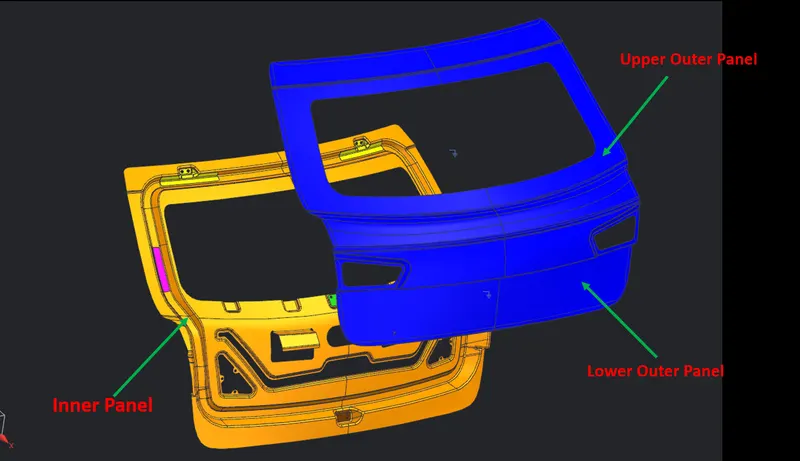
The backdoor consists of the following Main parts:
-
Backdoor Outer Panel (Upper)
-
Backdoor Outer Panel (Lower)
-
Backdoor Inner Panel
-
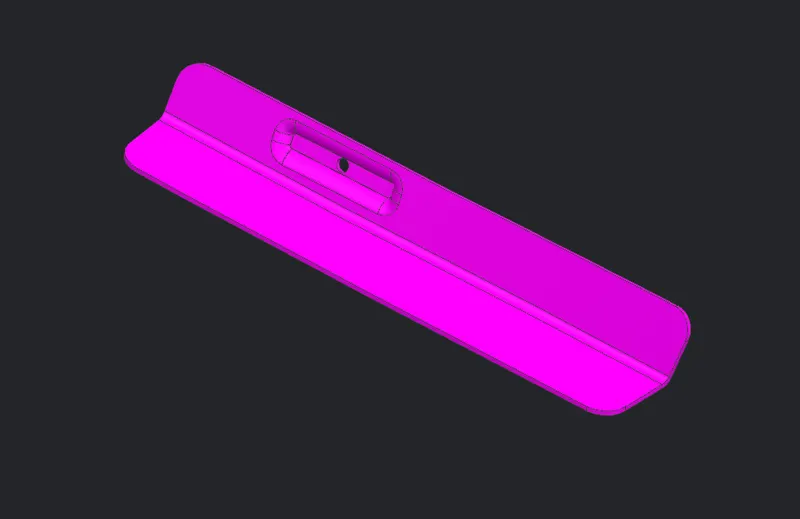
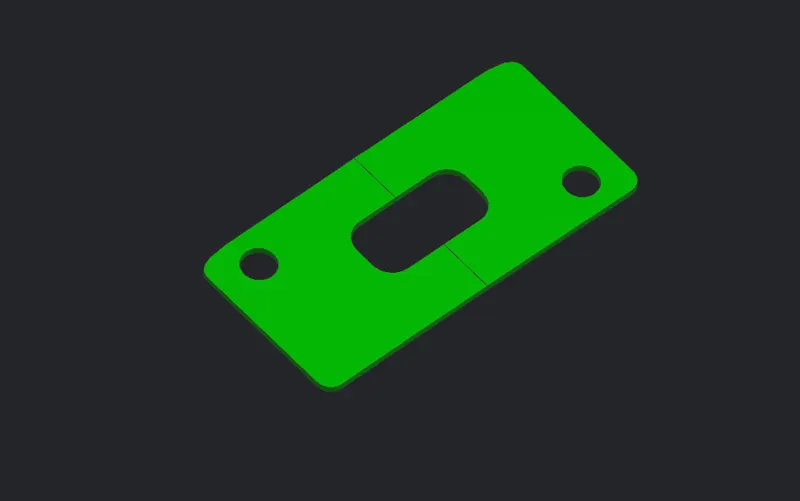
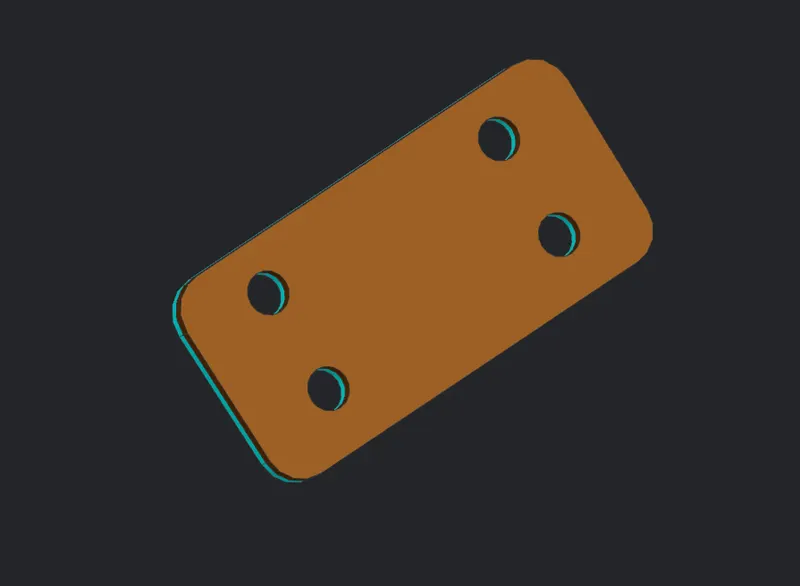
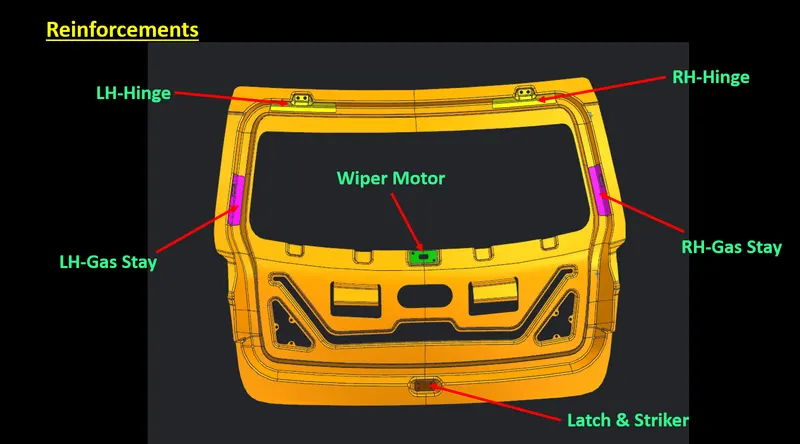
Hinge Reinforcements (LH & RH)
-
Gas-Stay Reinforcements (LH & RH)
-
Latch and Striker Reinforcement
-
Wiper motor Reinforcement
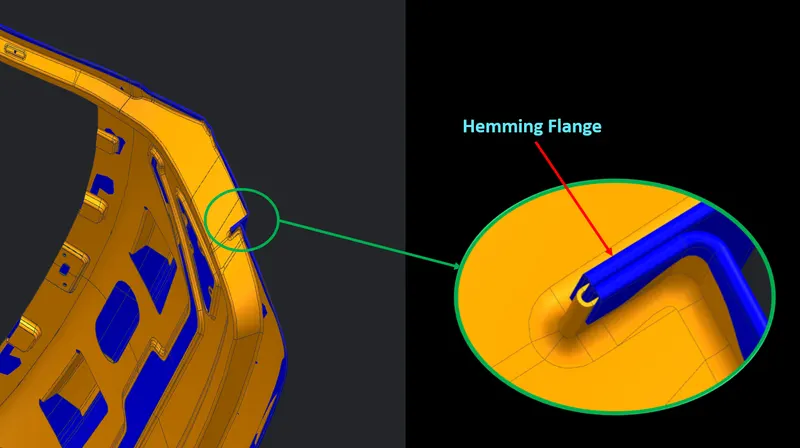
- Hemming Flange
Design Considerations For Backdoor/Tailgate:
-
Functional Requirement of Hinge and gas stay
-
Rear visibility criteria
-
Luggage volume
-
Crash Analysis
-
Bend Test, Dent Test, Torsion Test & Endurance Test
-
Rear Crash Regulation
-
Gap and flushness Requirements
Design Procedure
Class A suraface:
-This is an input surface which i got from the styling team of these project. Lets check the quality of this class A surface.
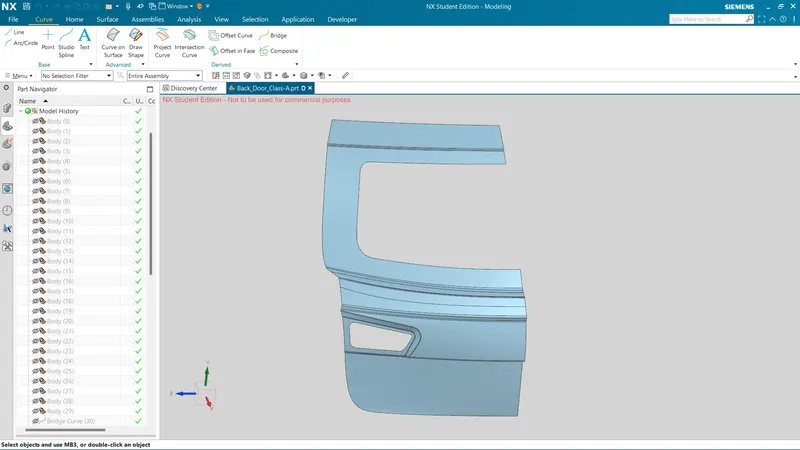
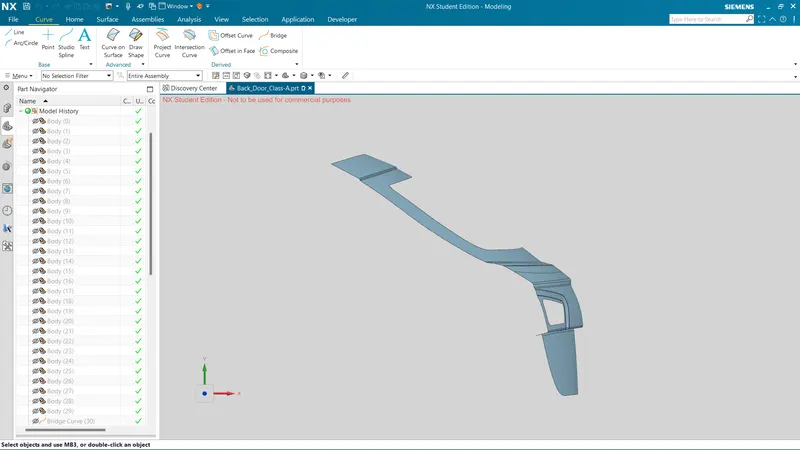
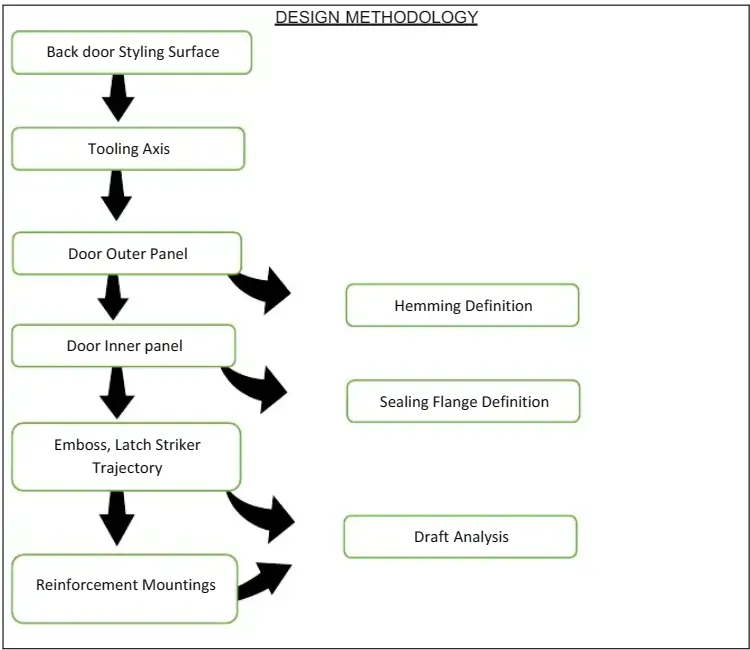
-when I inspected the Surface which got from the styling team having lots of irregularities and patches. All the patches and irregularities are clear by me.Back door Styling Surface Tooling Axis Door Outer Panel Door Inner panel Emboss, Latch Striker Trajectory Reinforcement Mountings Hemming Definition Sealing Flange Definition Draft Analysis.
Tooling Axis Creation:
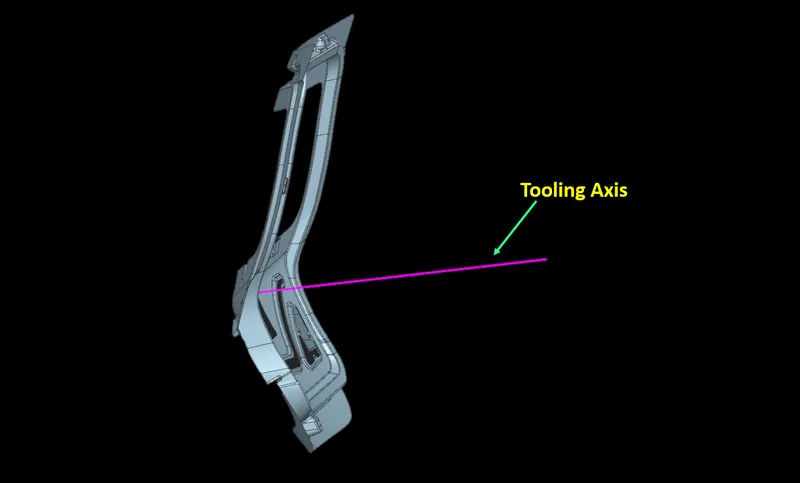
-The inner panel is going to be manufactured by deep drawing process. In Deep Drawing process have a toolwhich is core and Die. The core part follows the single Straight path the inclination angle of core is known as atooling direction. The tooling direction/axis is created by me So, that Manufacturing team take the referenceof this tooling Axis and Manufacture the part accordingly.
Outer Panel:
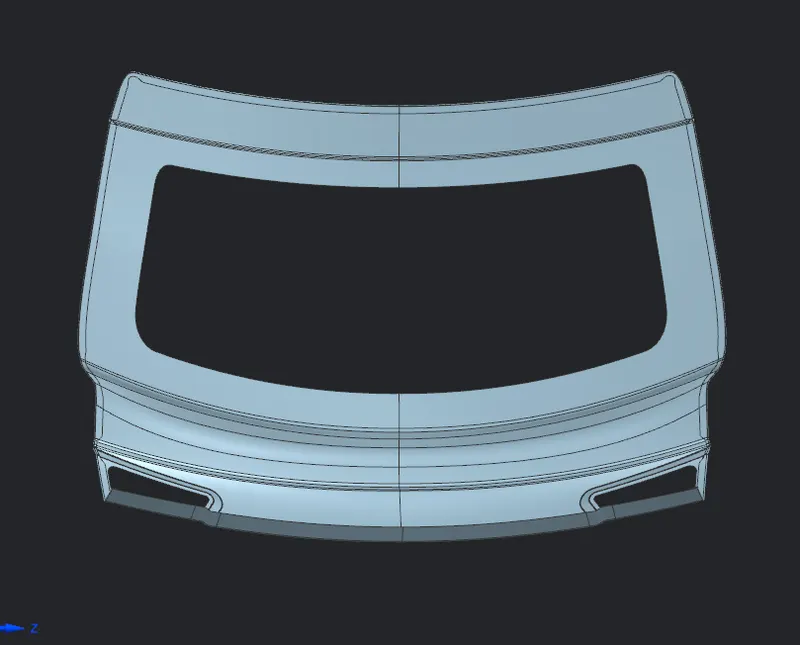
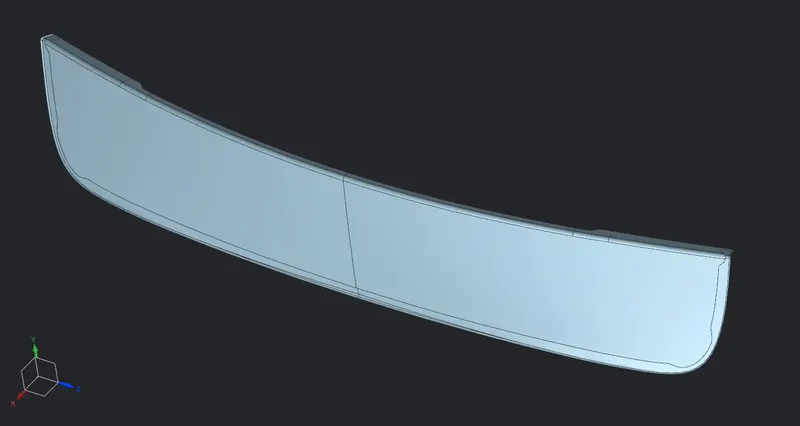
-Outer part of the backdoor similar to the other BIW component it is the asthestic part of the vehicle. It is devided in two parts one is upper panel and othe one called lower panel and both of them are joined with spot weld. in which the windshield, taillight, wiper motor are going to mount on upper region where the lower part is for lincense plate mountings.
And preparing for Hemming flange for outer panel (Both upper and lower parts).
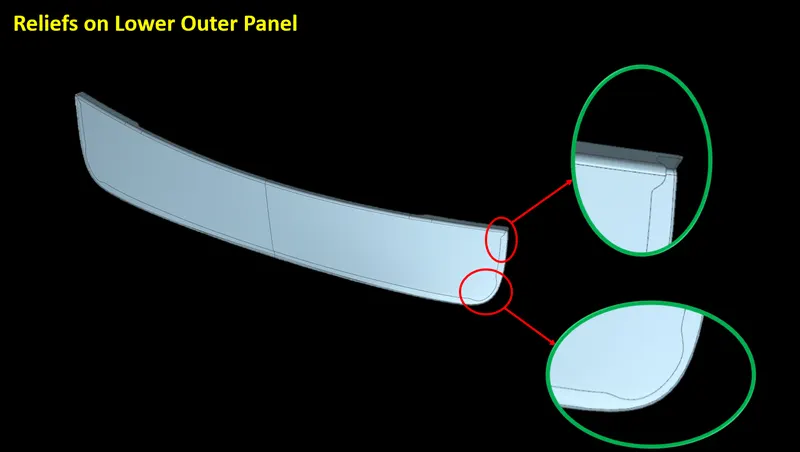
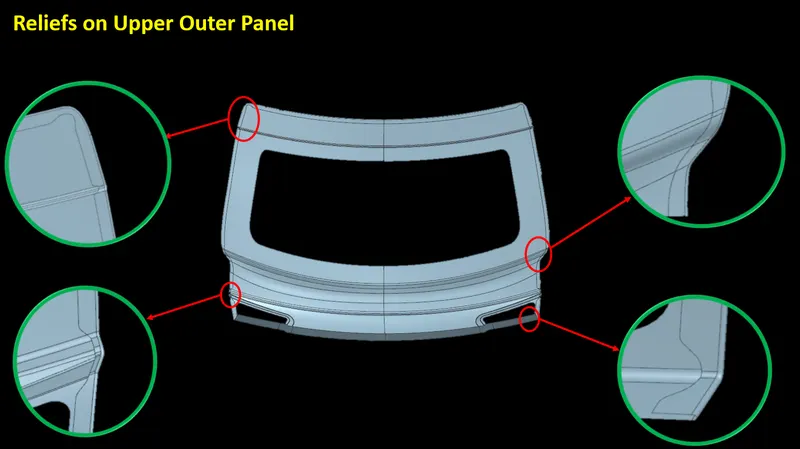
-Corner reliefs are provided at complex regions to reduce the stress concentration factor in the design.
Inner Panel:
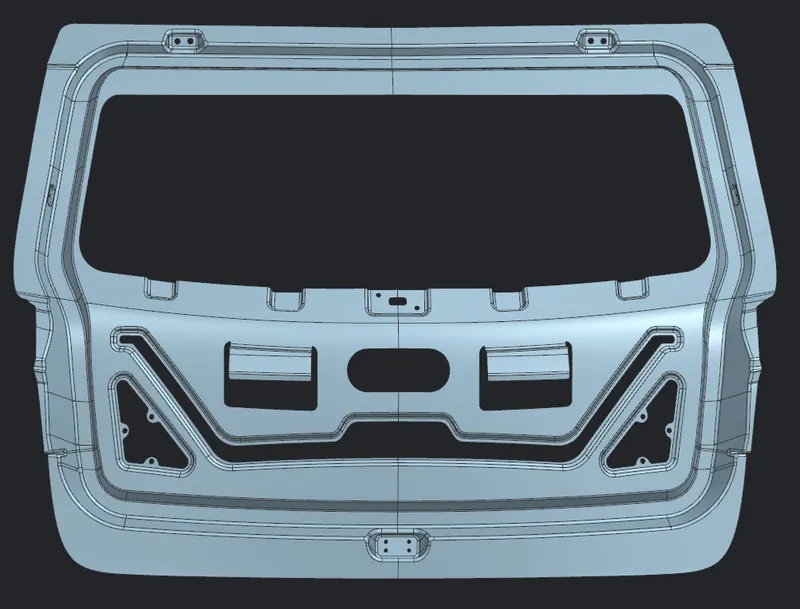
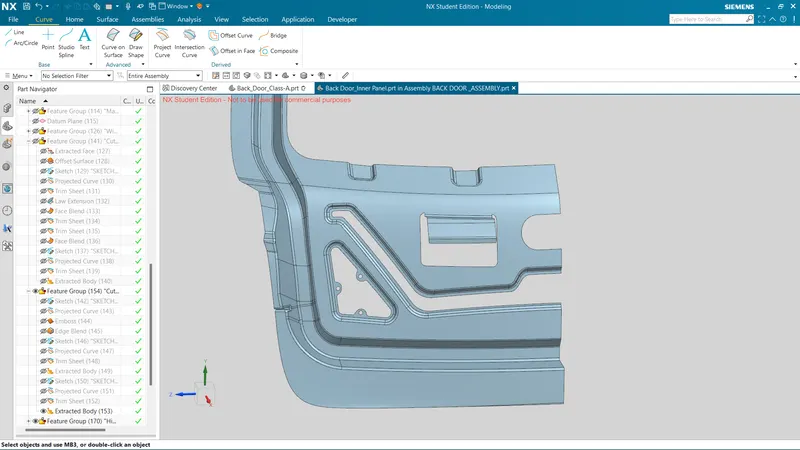
-Here the inner panel is created to strengthining the door assembly of the component and it is the most important part of the assembly on which various acessories are mount like hinge, gas stay, wiper motor etc. The backdoor inner panel is mounted with the roof and its weight is about 7 to 8 kgs depending upon the material and its thickness. The possible method is the integration method. In the integration method, the part is stamped out of a single blank. This reduces the number of tools needed; the assembly cost, and eliminates any fit ability problem.
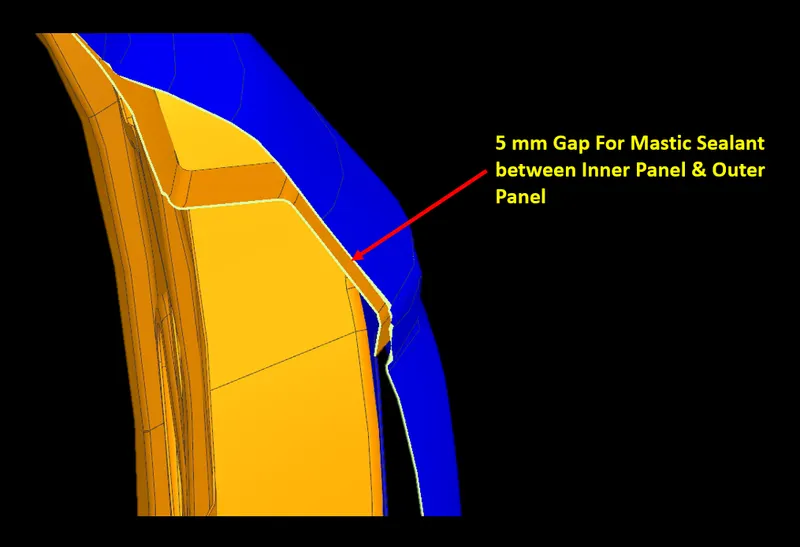
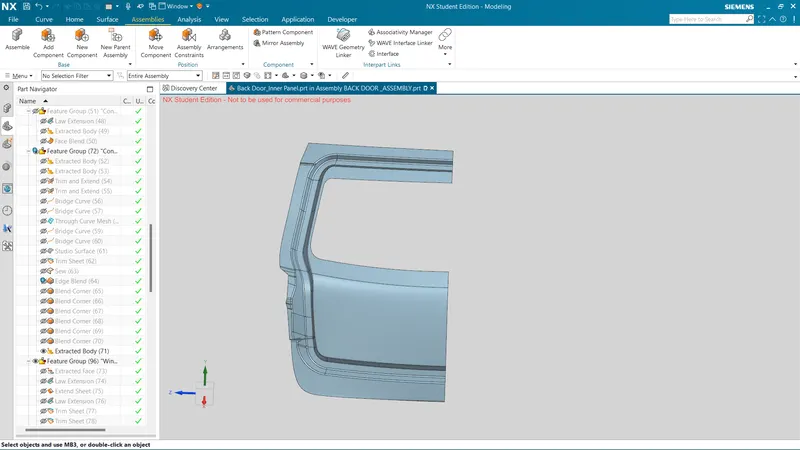
-To Create the inner panel of the back door. Firstly, Make an offset of 1.7mm. From the outer panel. Here Iconsidered 1.7mm offset because the inner panel and the outer panel is going to be thicken 0.75mm inwardsside & 0.2mm Gap is needed to be given for the mastic sealant.
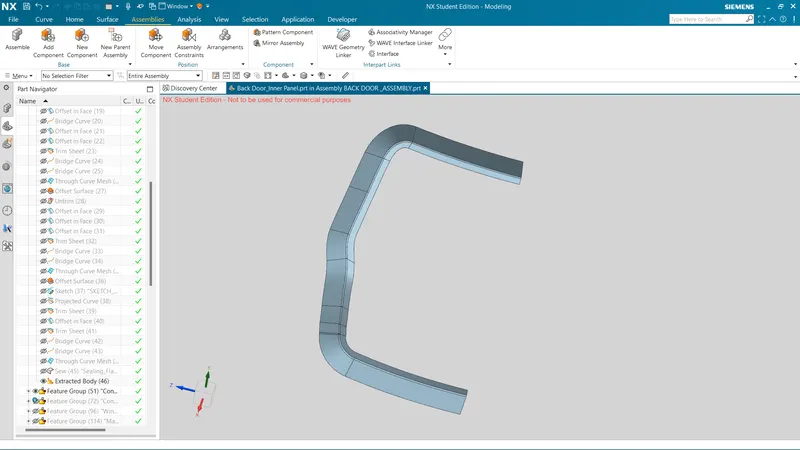
-To Create the Sealing flanges on the inner the panel. Extracted the Surface from the outer panel & then offset by 25mm. and keeping in mind that sealing flange is the part which is going to first touch the body side of the vehicle and its is always perpendicular to the rubber sealing. Unecessary incresed length can reduce the lagauge space. so nominal length is taken for it.
-Connecting flange is also made using Law Extensions at 35 deg and 120 mm.
-Then trimming the connecting flange with the first 1.7 mm offeseted surface. and perform Law Extensions on the corresponding side of of sealing flange with 20 deg and 120 mm
-Prepare the inside surface of windshield region using Bridge curves, studio surface cammand make sure the surface must look good enough.
-Use face blend, Blend corner cammand to get smooth corners surfaces.
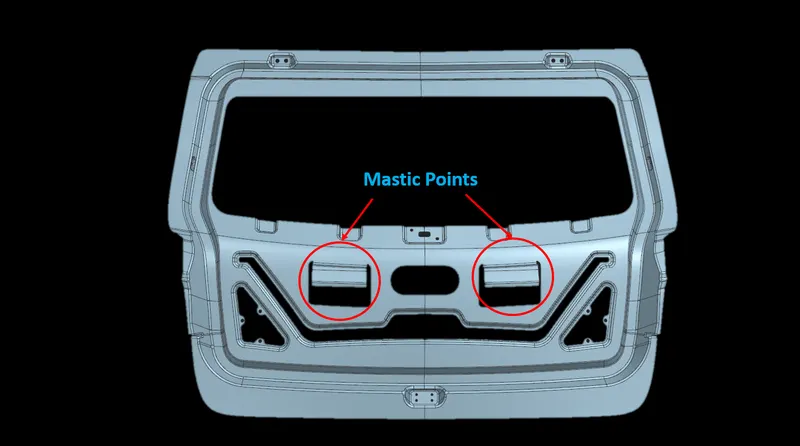
-Since we are reducing the overall weight of the door, this mastic providing the strength also serves thepurpose of joining the inner and outer panels using the
mastic sealants.
The mastic sealants help in reducing the NVH(noise, vibration, and harshness )levels of the door.Create a Sketch and provide a cut out on the surface. Now, use the sweep option to create the surfaceperpendicular to the base surface.
Embossing and Cut-outs:
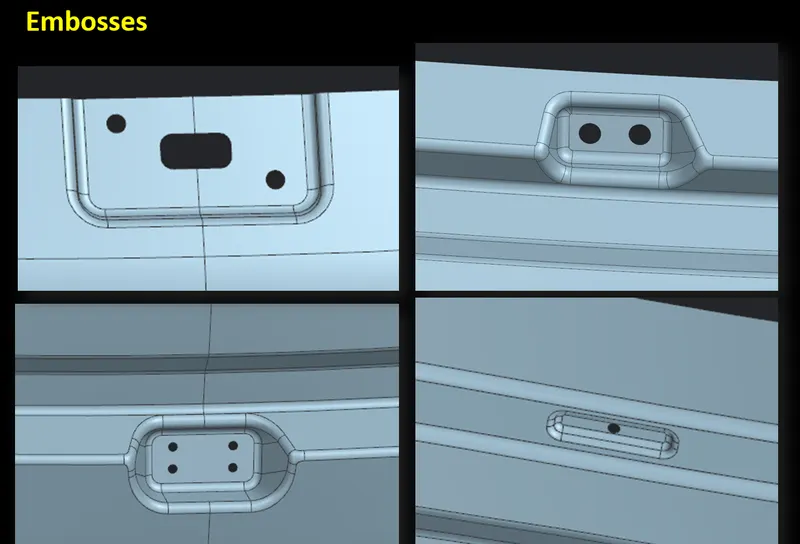
-Creating emboss in the outer panel direction because when collision happens from backside of the car thisimpact initially falls on the embossed faces then force dissipates according to the design of emboss then theremaining force hits the inner panel. For this case I designed my emboss towards outer panel direction
-cutouts are also made there for tailght mounting it also leads weight reduction of baackdoor.
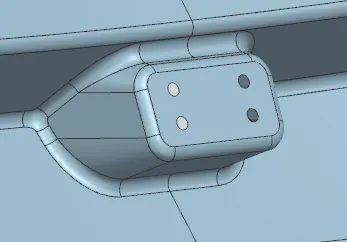
-Similarly Embosses are created for diffrent acessories mounting like Hinge, Gas stay, Wiper motot mount, Latch & Striker mount.
Latch:
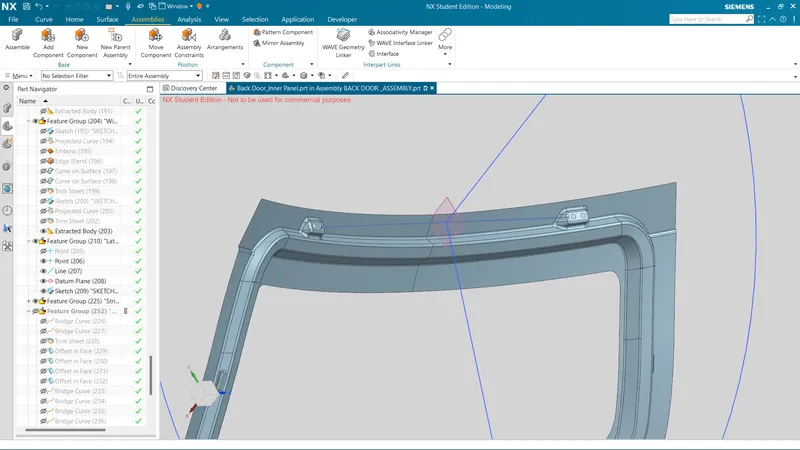
-For the latch, it is important to keep the latch embossment according to the trajectory the door opening and closing follows.
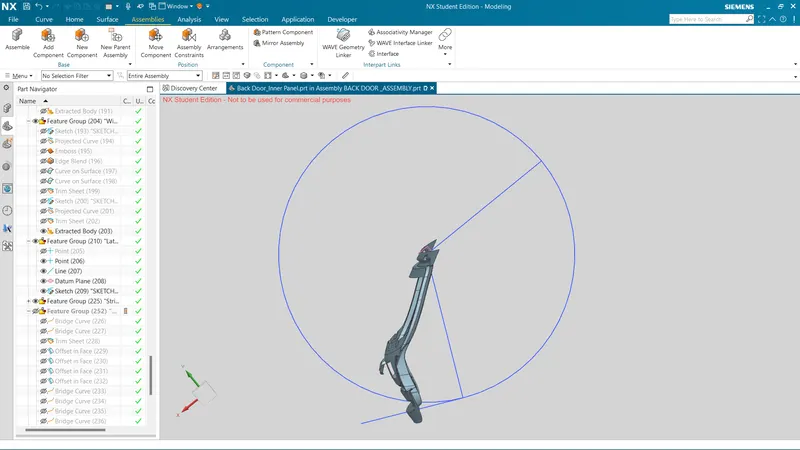
-Take create a centre point between the two hinge parts and draw a circle marking the sweep of the lower endof the inner panel. Draw a Tangent to the Circle and create the cut on the tangent area and give the cut-outs to it.
-Now draw the sketch on the plane where the circle intersects the inner panel lower side or where the latch follows the trajectory properly.
-Latch Embossement perpendicular to the trajectory
Reinforcements:
-Reinforcements and embosses are added or designed to compensate for loss of strength in a region or areadue to the load acting there. In back door's case load acts in the form of Hinge, Gas Stay and Latch & Striker.These load cases are determined with the help of various tests and simulations.
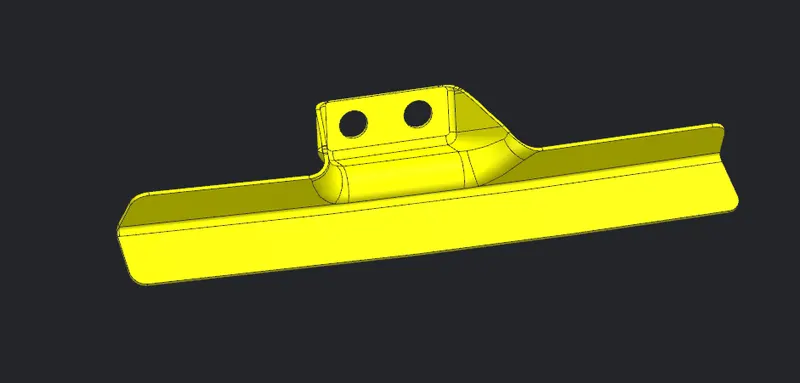
-Thickened the inner panel and extract the hinge and around surfaces.
-Now,Split the surface to obtain the required reinforcement surface.
For Hinge:
-Thickened the surface to 1.2-1.5 mm since the reinforcement surface need to be stronger than the panel.
For Gas Stay:
-Gas Stay is a device used for supporting the back door in its open position. Gas stay requires no man powerand is engaged into support position automatically as the back door opens. One end of the Gas Stay is fixed onthe backdoor and the other end on the Body Side or on the Back door stationary area. Embossing is providedat the Gas Stay mounting area to compensate for the functional holes punched
For Wiper Motor Mount:
-To handle the Dynamic stresses and vibrations of wiper motor an additional reinforcement is provided to compensate the loss.
For Latch & Striker:
-The Latch & Striker forms the locking mechanism of the backdoor with the car. Due to regular opening,closing and over slamming of the backdoor, there is stress developed in the Latch and Striker area. Further,during a rear collision this area will be the first point of contact. To compensate for the same, reinforcementsare added in this area
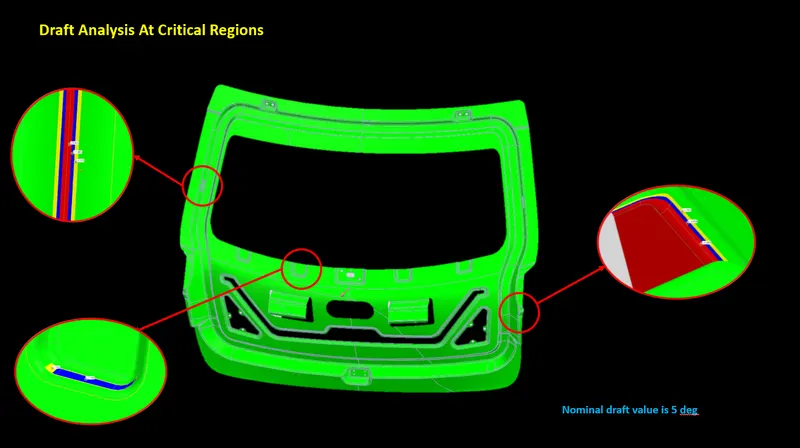
Draft Analysis:
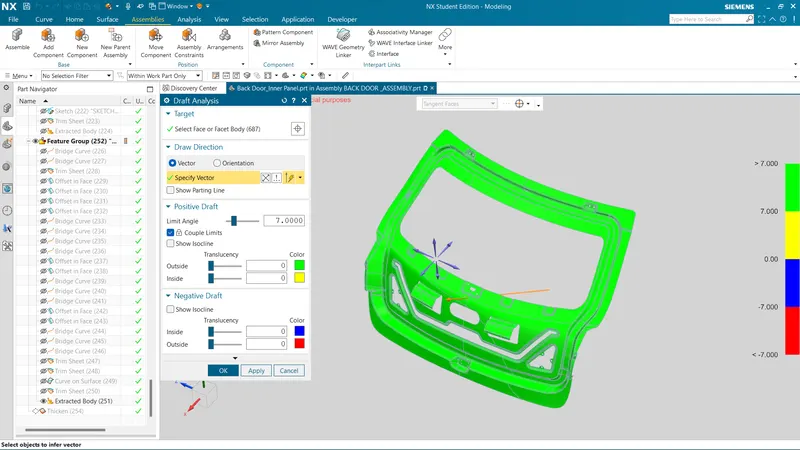
-Nominal Draft value for Deep Drawing process is 5-7 degrees.
-complete inner panel satisfy the condition except some regions which are hilighted in the image doesn't satisfy.
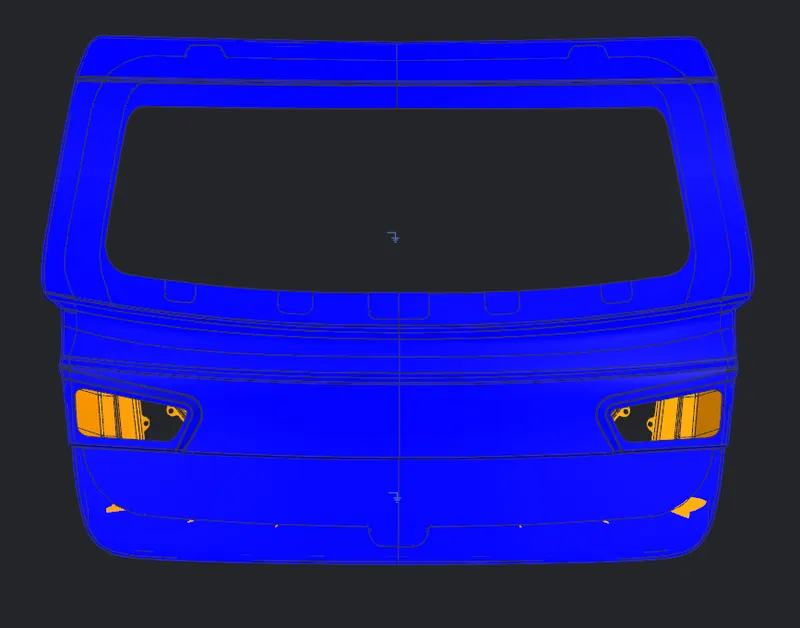
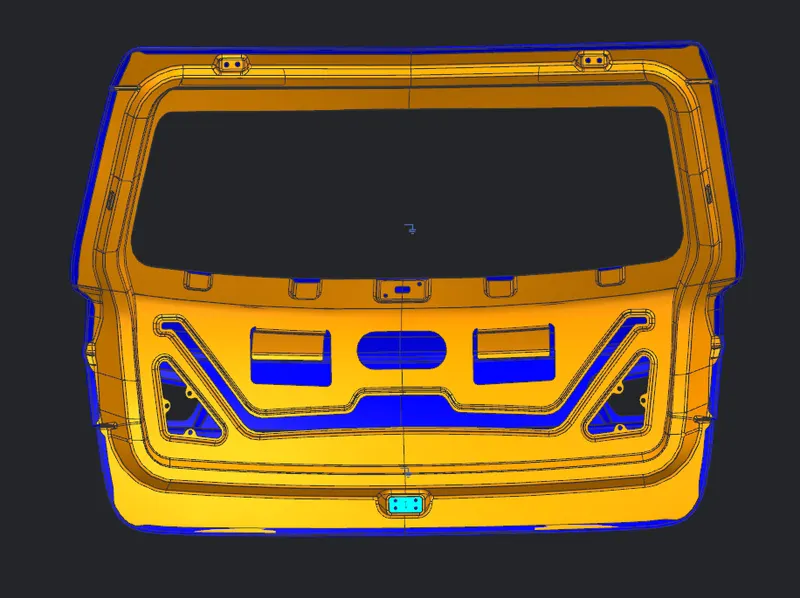
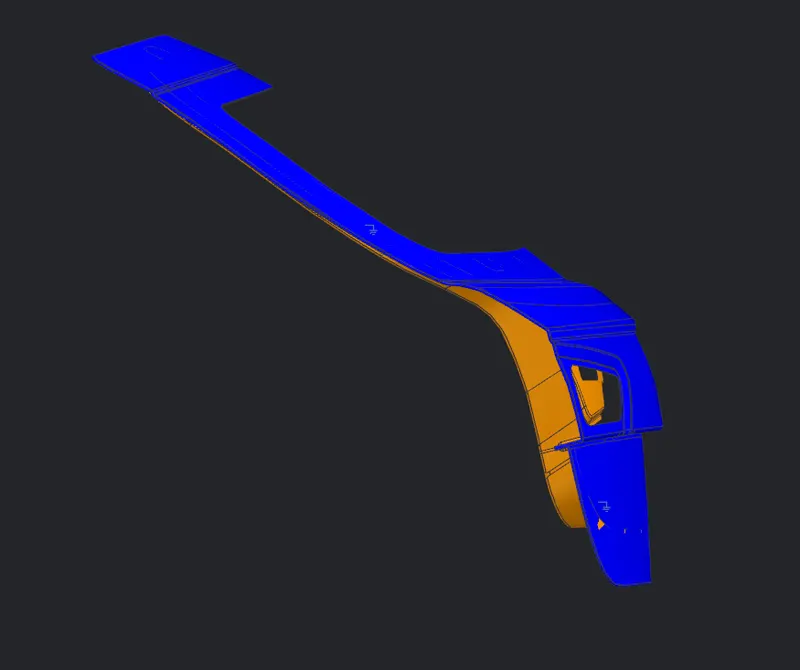
Isometric Views of Tailgate:
Conclusion:
In this way the design of BIW of Backdoor of car is completed considering all engineering standards and manufacturing requirements. also the all the parts and their necessary reinforcements design is also covered in this project.