Design of backdoor
BACK DOOR DESIGN
Aim:
To design a Back door of a car from the given styling surface provided by using NX CAD. To develop a back door and its reinforcements, draft analysis for deep drawing satisfaction by sheet metal design.
Back Door:
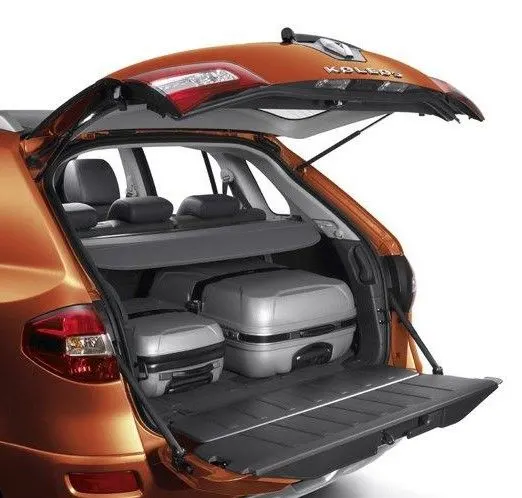
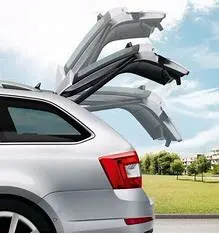
The back door is one of the BIW components in an automotive car which gives access to the trunk space of the vehicle. The back door protects the trunk area and hides the luggage to store inside the car. In back door has some major reinforcements for accessing the backdoor for opening and closing purposes. The main purpose of the back door is to store luggage and rear visibility. It is also called the Tail Gate of the automotive car.
Components of Backdoor/Tail Gate
- Outer Panel Upper
- Outer Panel Lower
- Inner Panel of the Back Door
- Hinge Reinforcement
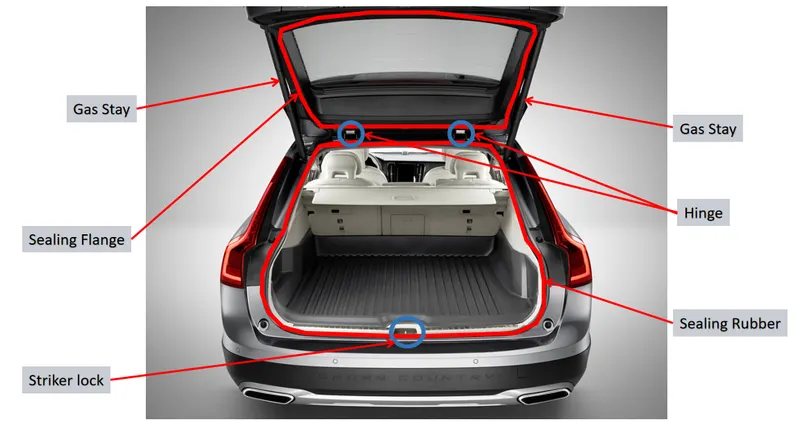
- Gas-Stay Reinforcements
- Wiper Motor Reinforcements
- Striker Reinforcements
Design Consideration:
- Rear Visibility
- Mastic Gap 5mm
- Spot Weld gab 0mm
- Min. Draft angle 7°
- Force Dissipation
- Latch and Stricker Positions
- Hinge Position
- Gas Stay Position
- Space Availability
- Hemming and Corner Reliefs
Design Methodology:
The objective of this design is to develop the Body In White of the car's Back Door with the reinforcements of components such as the Inner Panel, Outer Panel, and Reinforcements for the Hinges, Gas stay, Wiper Motor, and Latch by following the engineering standards. The Outer Panel of the back door is the styling surface which is given by the challenge section. The other components of the back door are designed concerning outer panel skin data.
Material Selection:
Material selection is a major role in BIW design because the cost and weight of the BIW depend on the material which is used to manufacture the car BIW. Steel and Aluminium are the most commonly used in BIW design. The Density of Steel is higher than that of Aluminium, which means the weight of BIW is more when we use steel. Which material is going to be used is based on the budget of the car.
The cost of aluminium is much costlier than steel, but if we used aluminium instead of steel there are not many model part creations for each mounting and the overall weight of the BIW is reduced by 6-9 Kg approximately. In the back door, another factor to using Casted Aluminium instead of Steel components and reinforcements to the space for the luggage trunk area gets little more because the draft angle for Casted aluminium is much lesser (3 degrees) than the deep drawn Steel the inner panel of the Back door(7-9 degree). But the cost of aluminium is much costlier. The high budget cars like Audi, Porsche, Benz, BMW, GT, etc., which is used aluminium in backdoor BIW resulting in a reduction in the weight of the car and increasing the performance of the vehicle.
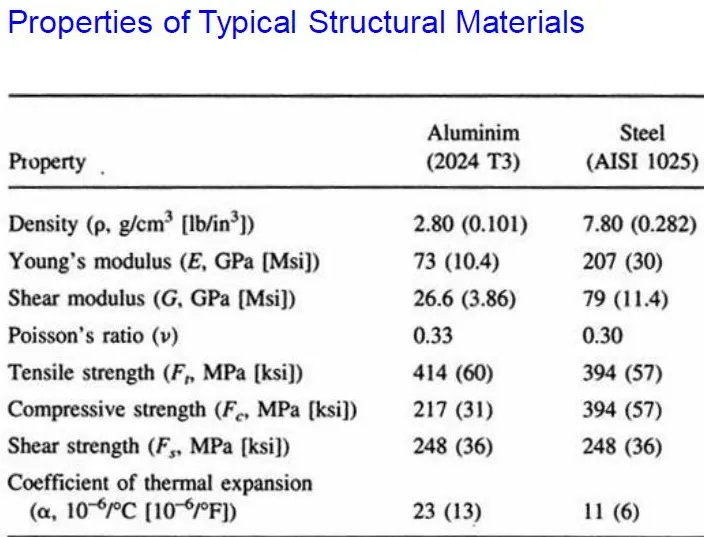
Finally, in this design, we are going to propose the medium budget car, so we are not to be offered the Aluminium to be used in the backdoor. The steel is budget-friendly, so we are going to select the material Steel.
Sheet Metal Manufacturing Process:
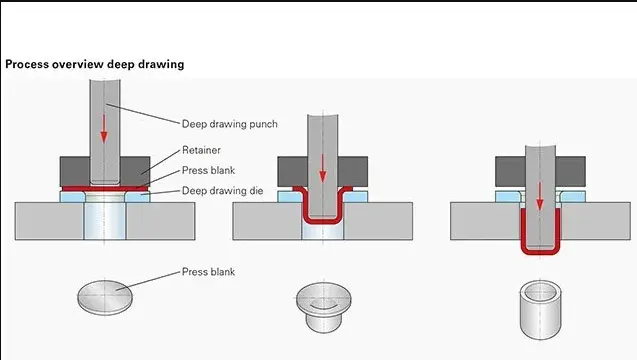
Deep Drawing:
The sheet metal deep-drawing process is one of the effective methods to produce the sealing flange, hinge and gas-stay emboss area, Latch and striker emboss, etc. There are two stages of Deep-drawing process,
- First-stage drawing
- Redrawing
Outer Panel:
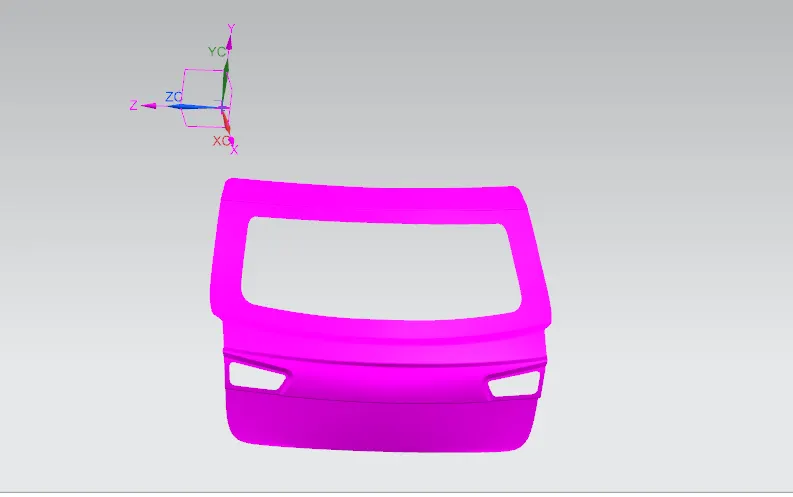
The outer panel of the back door is the styling surface and covers the inner panel and its reinforcements. This steel outer panel is split into two parts, they are
- Outer panel Upper
- Outer Panel Lower
Outer panel Upper:
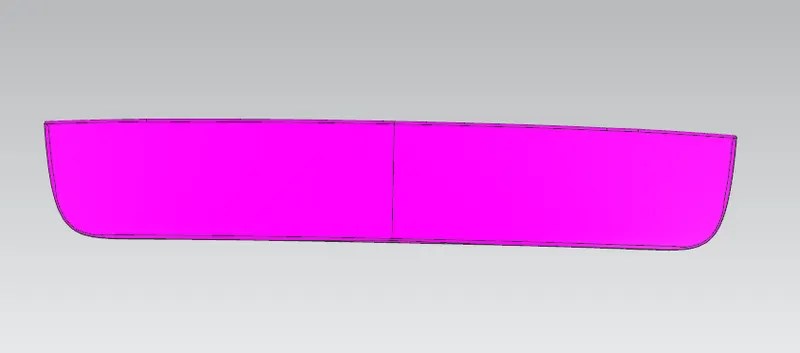
The upper outer panel is extracted from the styling surface and designs the required design consideration and blends the sharp corner. The Thickness of the outer panel is 0.75mm
Outer Panel Lower:
The lower panel is also extracted from the given skin data and creates the required flanges, blends and thickens it by 0.75mm.
Back Door Inner Panel:
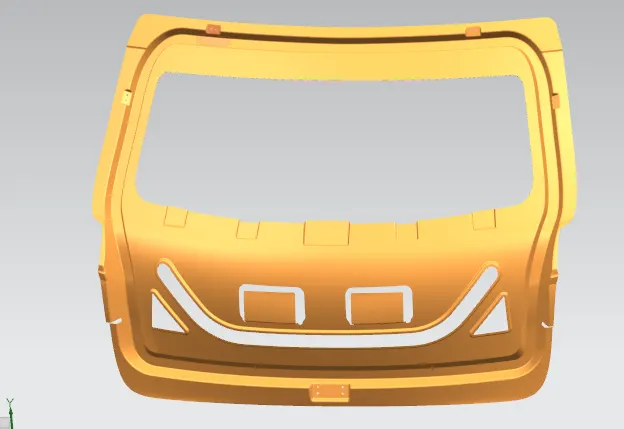
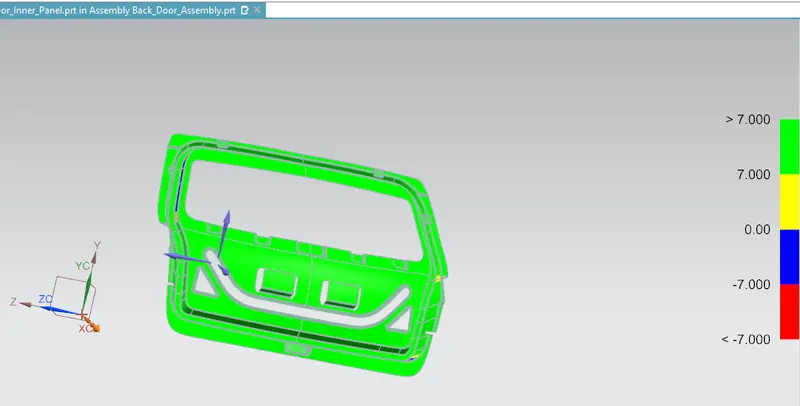
The inner panel is extracted from the upper and lower outer panels, and the required flanges embosses, and blends are designed using NX/CAD tools.
Tooling Direction:
Before creating the inner panel of the backdoor should create the tooling direction to perform the deep drawing process.
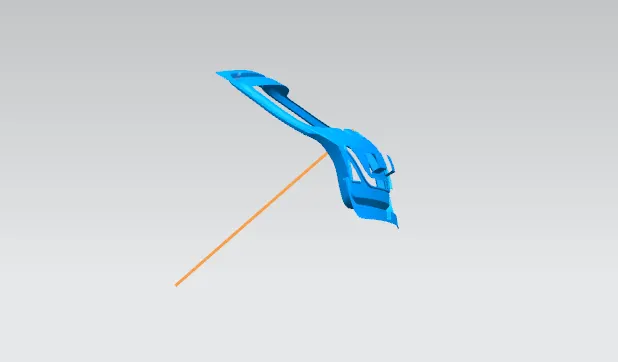
After creating the tooling direction the sealing flanges and the embosses for the reinforcements should be created in the tooling direction only.
Emboss:
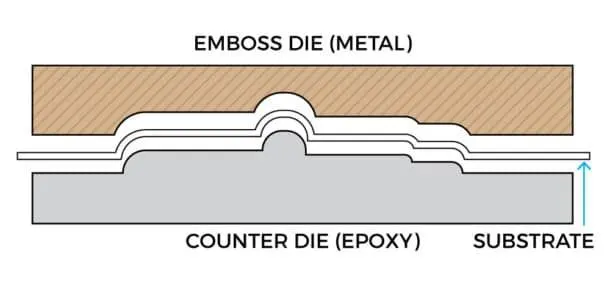
The embossing is the stamping process for creating the different mounts and reinforcement of the inner panel. This is a similar process of forming process that can be made using matched male and female dies by passing sheet metal between rolls of the desired pattern. In this inner pane hinge, Gas-Stay, and Latch areas are created by the embossing process.
Mastic Area:
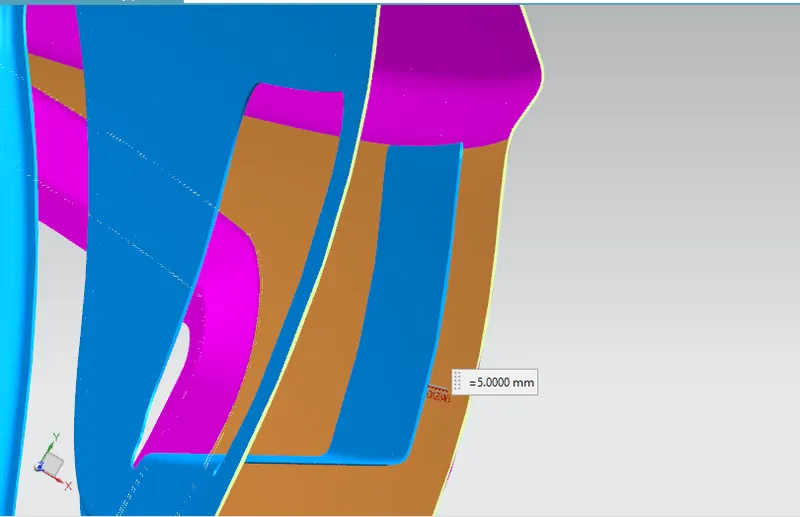
The Mastic area fixes the inner and outer panels with the help of Mastic Sealants. The gap between the inner and outer panel should be 5mm for the mastic sealants to melt and gets fixed at the surface of the inner and outer panels.
Mastic Gab - 5 mm
Hinge, Gas-Stay, Wiper Motor & Striker Reinforcements:
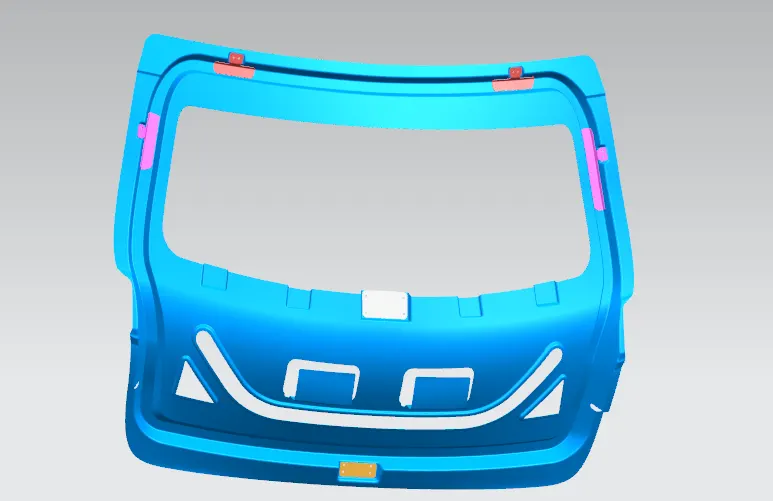
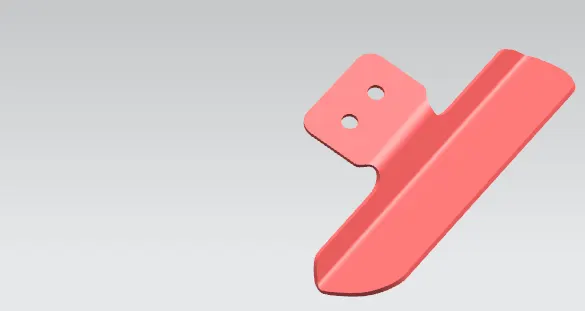
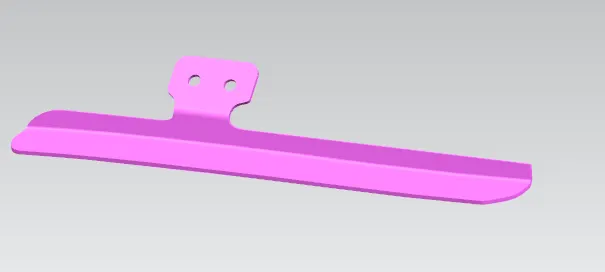
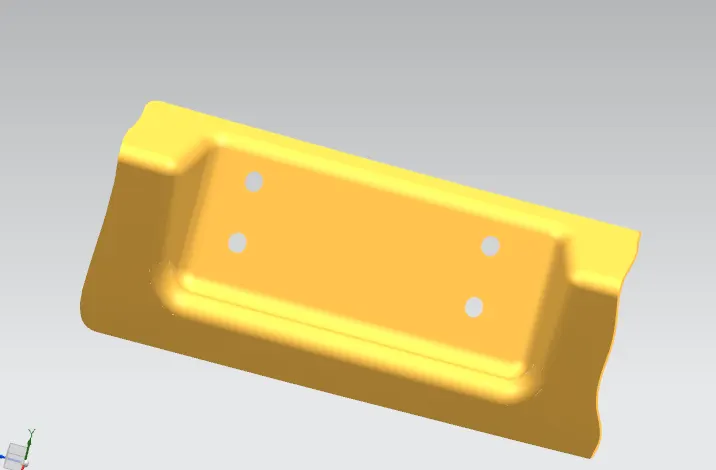
The other components of the back door are Hinge Reinforcements, Gas-Stay Reinforcements, Wiper motor Reinforcements and Striker Reinforcements are shown below in the figures.
Hinge Reinforcement:
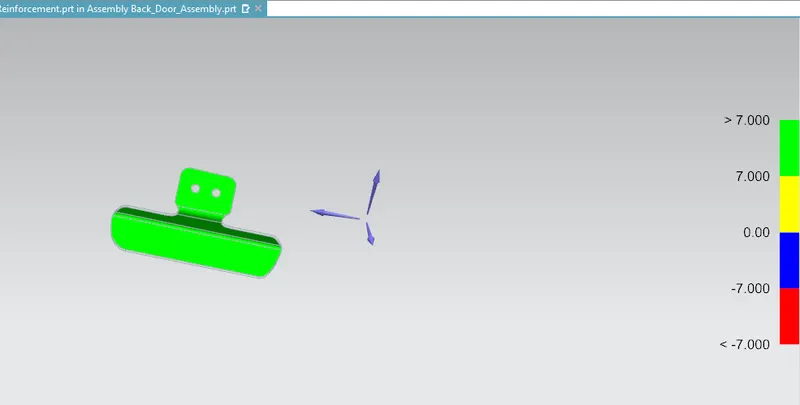
Hinges are used for the opening and closing of the back door. One end of the hinge is fixed with a backdoor and the other end to the Roof, on both sides. Hinges can be placed outside or inside the backdoor it depends upon the styling designs.
Gas-Stay Reinforcements:
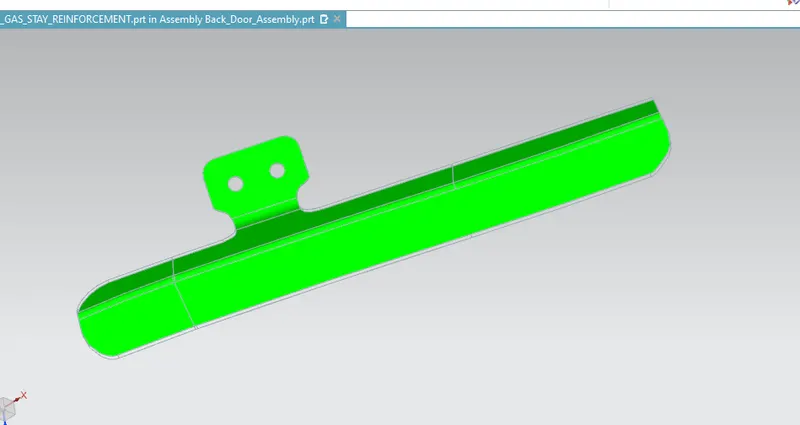
Gas Stay is the one part used for supporting the back door in its open position. When the back door is open the gas stay is automatically engaged to support the back door on its position. One end of the Gas Stay is fixed to the backdoor and the other end with the Body Side.
Striker Reinforcement:
The Striker reinforcements perform the locking mechanism of the backdoor to the car. Due to regular opening, closing, and over-slamming of the backdoor, stress is acting in the Striker area. To compensate for the stress-developed area, reinforcements are added to that area.
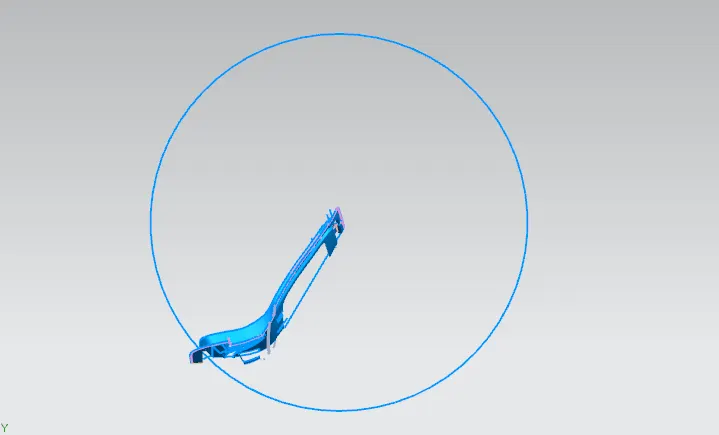
Trajectory:
The position of the striker should be perpendicular to the Hinges. The circle is drawn from the centre of the hinge axis to find the path of the striker and positioned perpendicular to the path.
Wiper Motor Reinforcement:
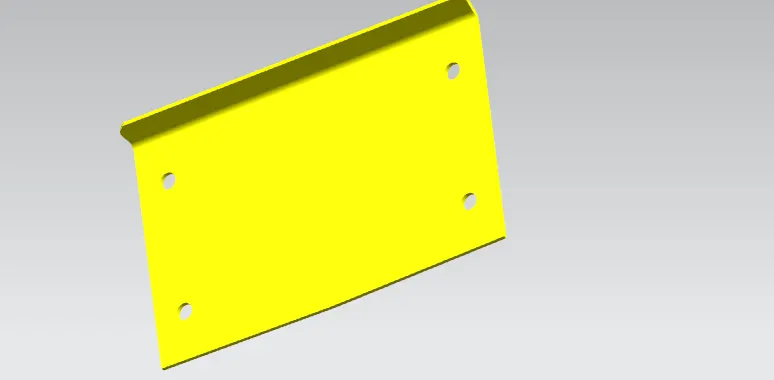
To place the wiper motor, the wiper motor reinforcements were created.
Hemming:
Hemminh is the process of Sheet metal edge and sharp corner metalworking process in which the sheet metal edges flush rolled over itself by appropriate roller.
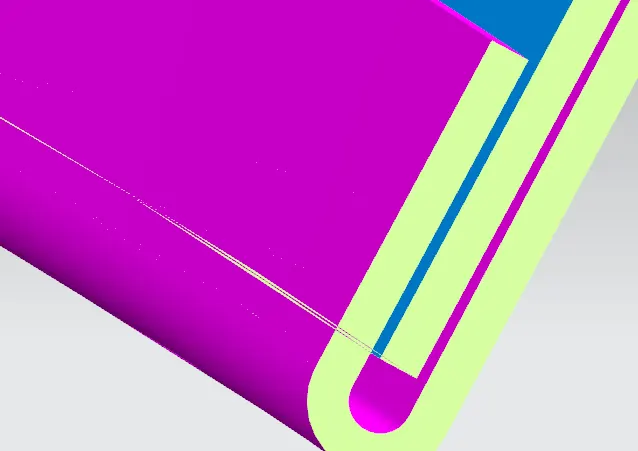
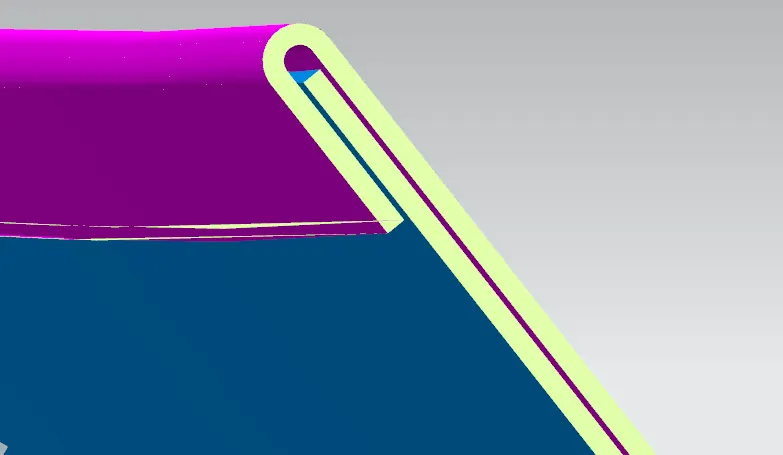
The outer panel is to be hemmed and rolled over the Inner panel by using the roller and smoothening the edges by itself.
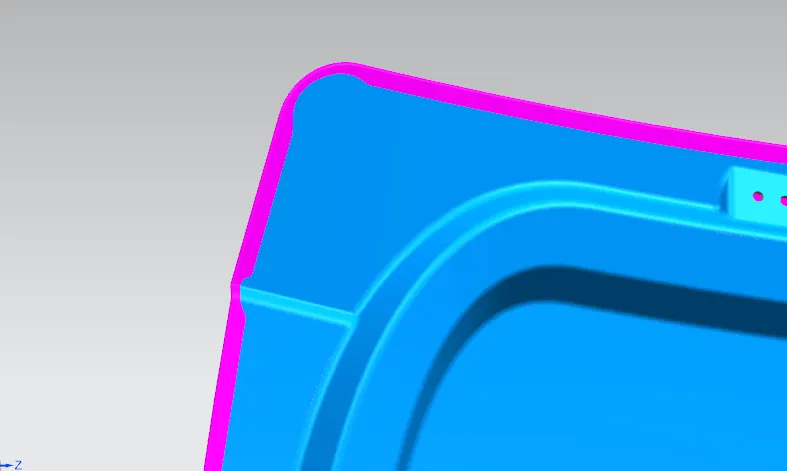
Corner Reliefs:
In the hemming process the curved and embossed edges deformed in the rolling process, so that area should be relieved of the stress and reduced deformation by the corner relief method.
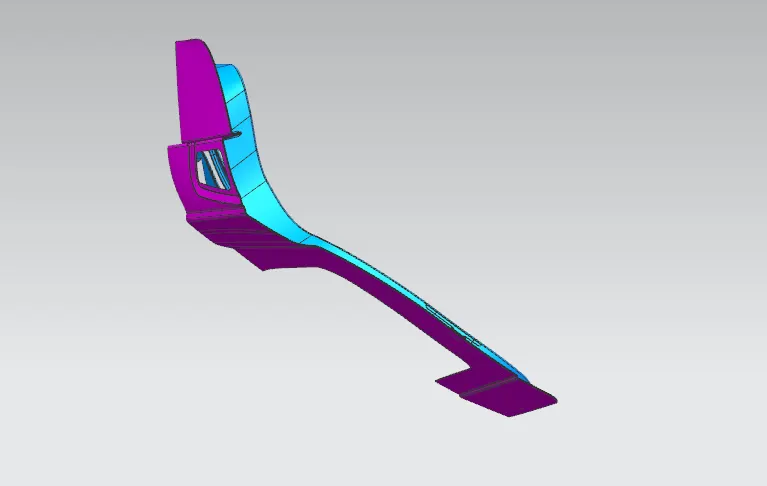
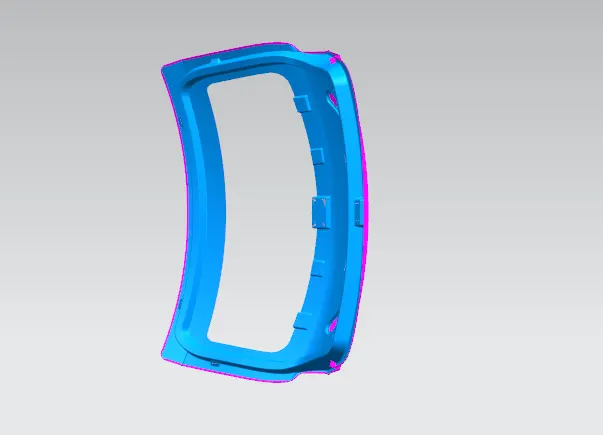
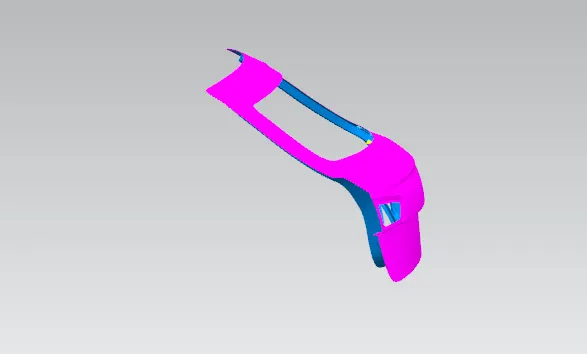
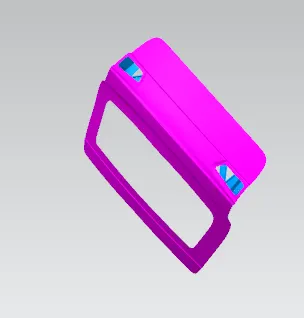
Final Back Door Assembly:
Side View:
Front View:
Top View:
DRAFT ANALYSIS:
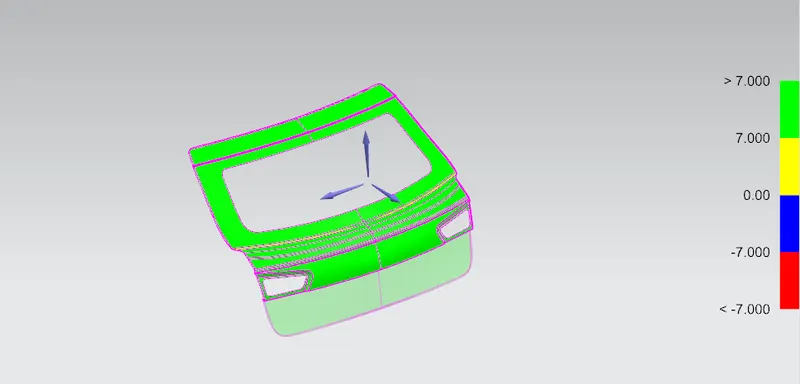
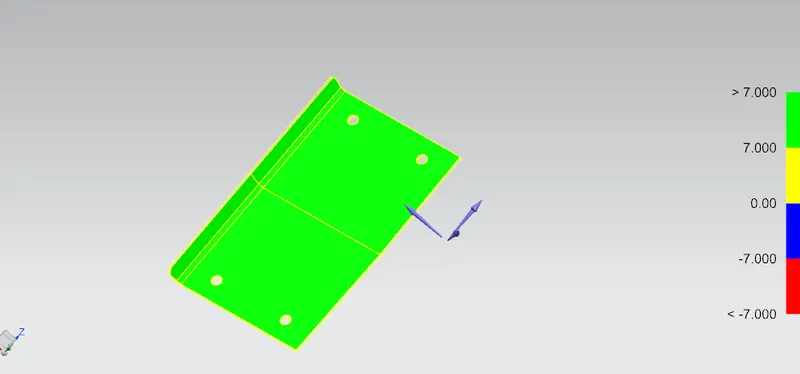
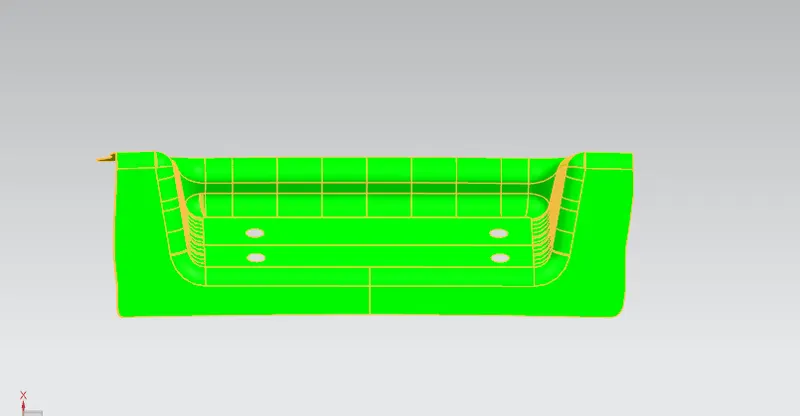
The draft analysis is to analyse the model by using the tooling direction. The draft analysis is to perform and analyse the model by its drafting angle and check whether the stressing area is found or not. The minimum drafting angle should be 7°.
Outer Panel:
Inner Panel:
Hinge Reinforcement:
Gas-Stay Reinforcements:
Wiper Motor Reinforcements:
Striker Reinforcements:
Conclusion:
The design of the Back Door Assembly was done from the given Class A surface and perform the draft analysis to the tooling direction by NX/CAD.