Design of backdoor
Aim: To design a Backdoor of the car on sheet metal using the appropriate design and provided skin data by considering design rules.
INTRODUCTION:
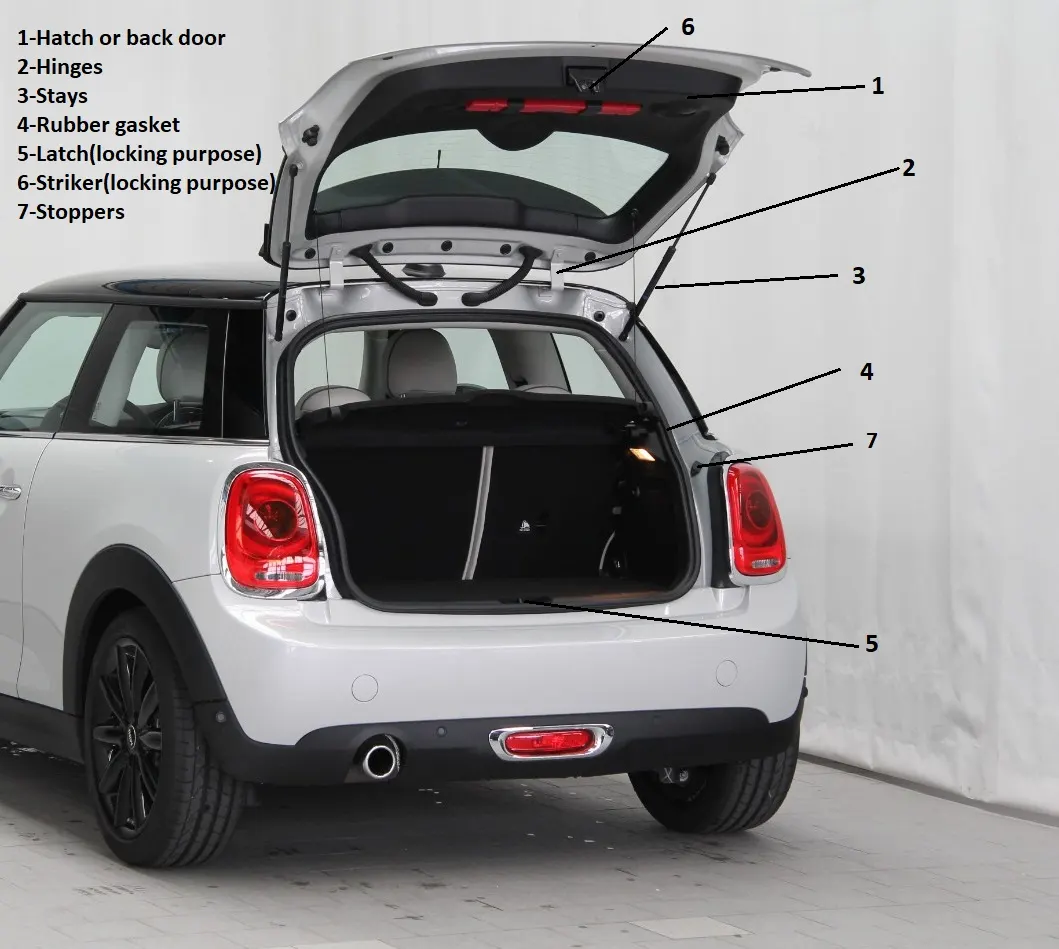
The backdoor, also known as the "tailgate" or "back entrance," is located at the rear of a vehicle. It can be opened in various directions, including upwards, downwards, or sideways, providing access to the luggage space or even for seating purposes. In many vehicles, the backdoor is equipped with a gas stay, which assists in lifting the door and reduces the effort required. Some high-end cars feature a powered backdoor system, driven by an electric motor, also known as a powered trunk lid system. This advanced system enhances convenience and ease of use.
TYPES OF BACKDOOR:
TOP MOUNTED DOOR:
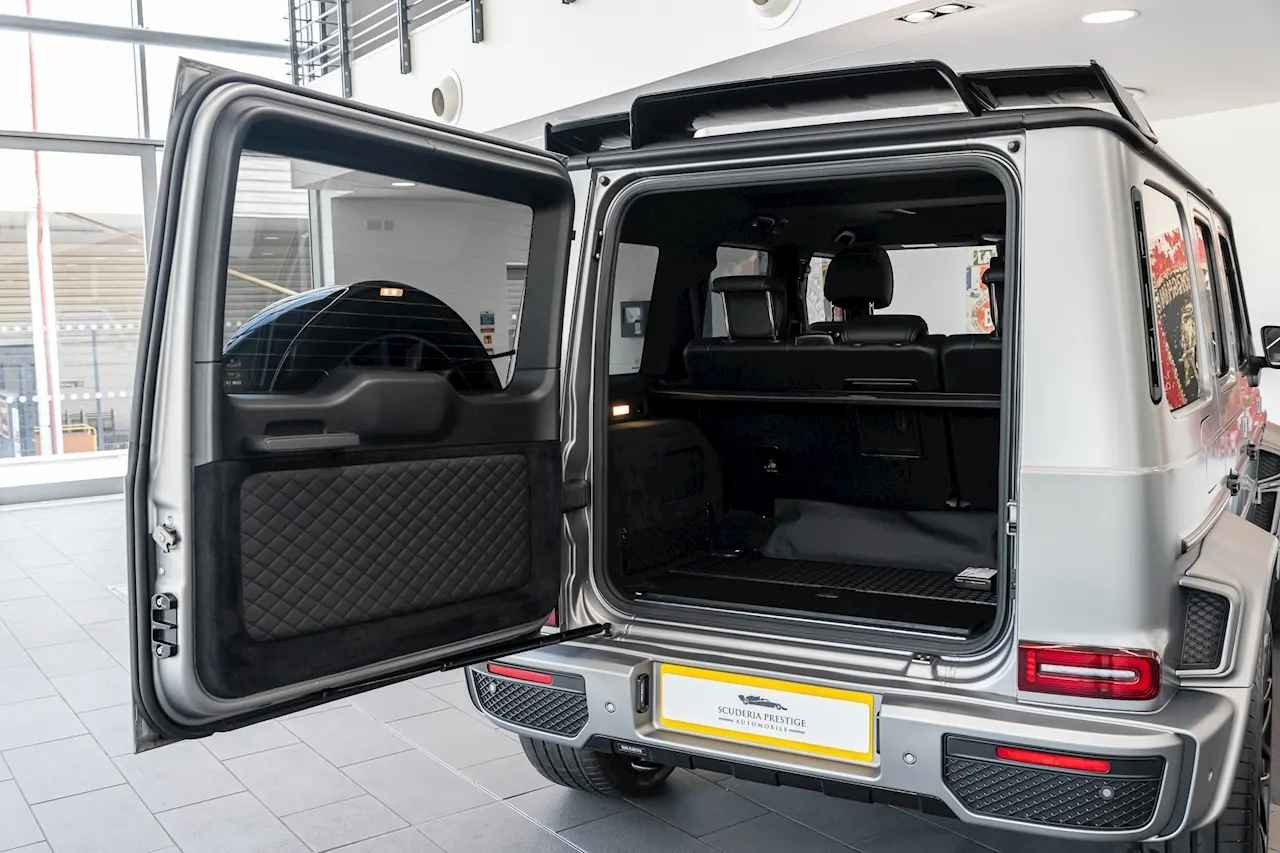
The top-mounted door is commonly found in station wagons, pickup trucks, and some utility vehicles. It utilizes a gas stay and power motor for support. This modern door system offers improved rear visibility compared to side-mounted or back doors, which often have center pillars obstructing the view.

SIDE MOUNTED DOOR:
Side-mounted doors are typically used in van-type MPVs, SUVs, and pickup trucks. These doors are more user-friendly compared to top-mounted doors. They are generally smaller in size and easily accessible. Side-mounted doors are particularly convenient for handling long pipes and lengthy components, allowing one door to remain open. Additionally, these doors provide protection against accidental head impacts and make loading and unloading items easier.
BACK DOOR ASSEMBLY:
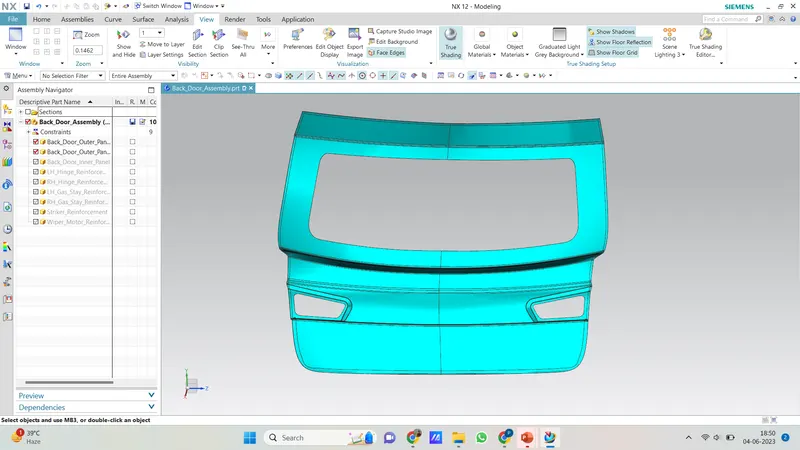
The back door assembly of a hatchback or SUVs has the following components.
- Inner panel
- Outter panel upper
- Outter panel lower
- Hinge reinforcement LH
- Hinge reinforcement RH
- Gas stay reinforcement LH
- Gas stay reinforcement RH
- Wiper motor reinforcement
- Latch reinforcement
- Plastic trim
Components to be designed
1. outer panel
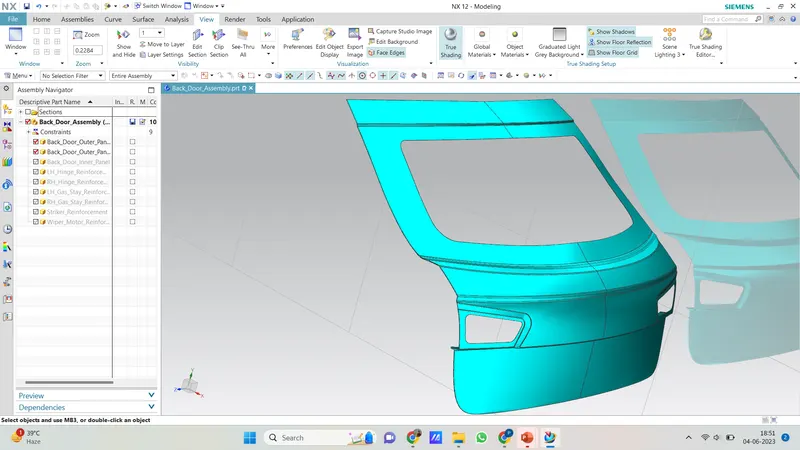
The outer panel of the backdoor is the external surface that contributes to the overall styling of the door. It is designed with multiple layers of coatings that provide properties such as scratch resistance and rust prevention. The outer panel is wrapped around the inner panel using a process called hemming, which ensures a secure and seamless connection between the two panels.
Hemming:
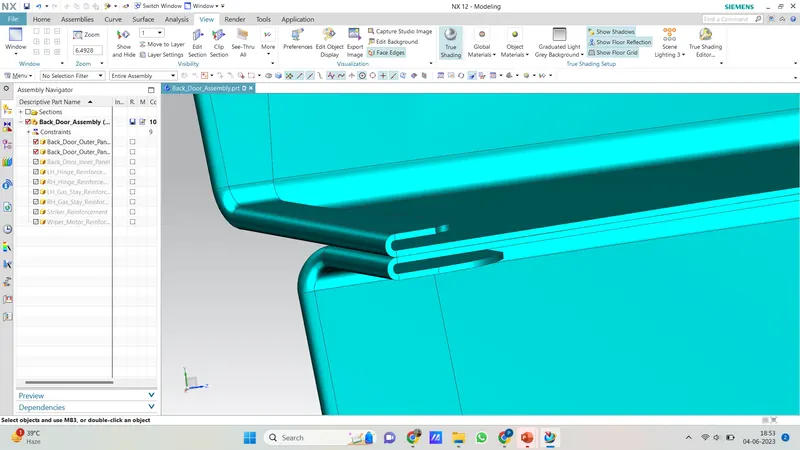
Hemming is a specific forming operation that involves folding the edges of a sheet of metal over another part. The purpose of hemming is to achieve a tight fit, connect parts together, enhance the appearance of a component, and reinforce the edges of the part. In the production of car parts, hemming is commonly used as a secondary operation after deep drawing, trimming, and flanging processes. It is employed to join two sheet metal parts, namely the outer panel and the inner panel, together. Various automotive components that undergo this type of assembly include hoods, doors, trunk lids, and fenders. Hemming plays a crucial role in ensuring the structural integrity and overall quality of these parts.
Corner Relief:
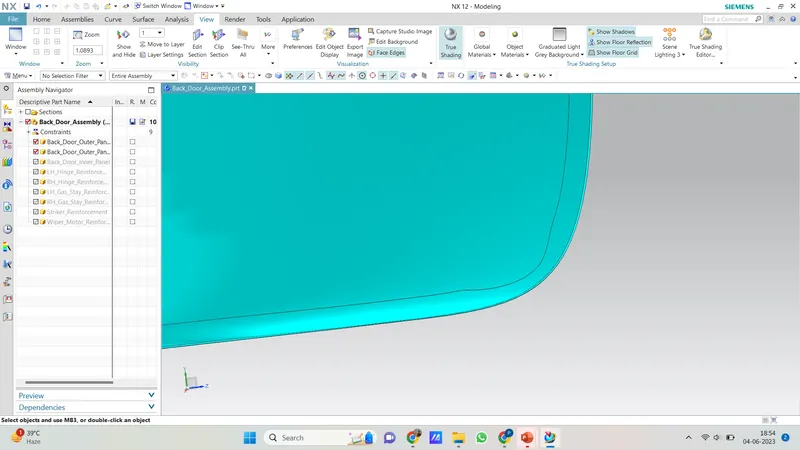
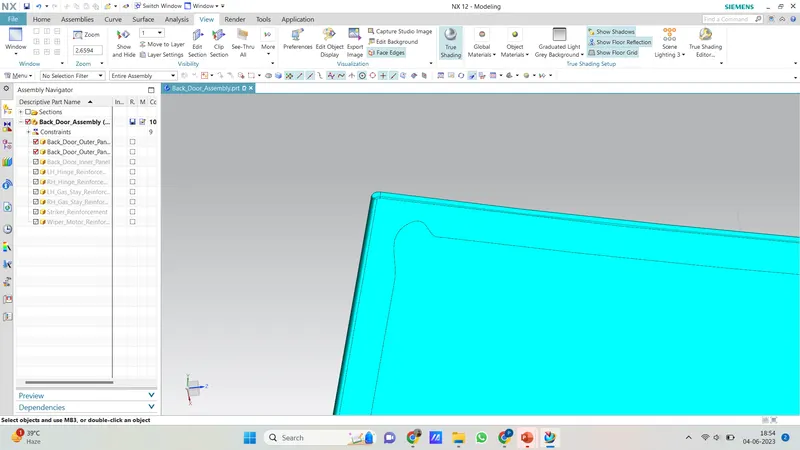
During the hemming process, the use of multiple rollers can lead to vibrations and stress concentrations in certain areas of the panel. These factors can potentially affect the desired design intent, specifically the requirement for the panel to spring back to its original shape once the rollers are removed. However, in practice, achieving perfect spring-back at corners can be challenging. To address this issue, reliefs are often incorporated at the corners of the panel.
Reliefs are intentional modifications made to the panel's design to alleviate stress concentrations and improve the spring-back behavior. By strategically adding relief cuts or recesses at the corners, the excess material is allowed to redistribute, minimizing the stress build-up and enabling the panel to return to its intended shape more effectively. These reliefs help ensure that the final formed panel meets the required dimensional and aesthetic specifications while maintaining the desired functionality and performance.
2) Inner Panel
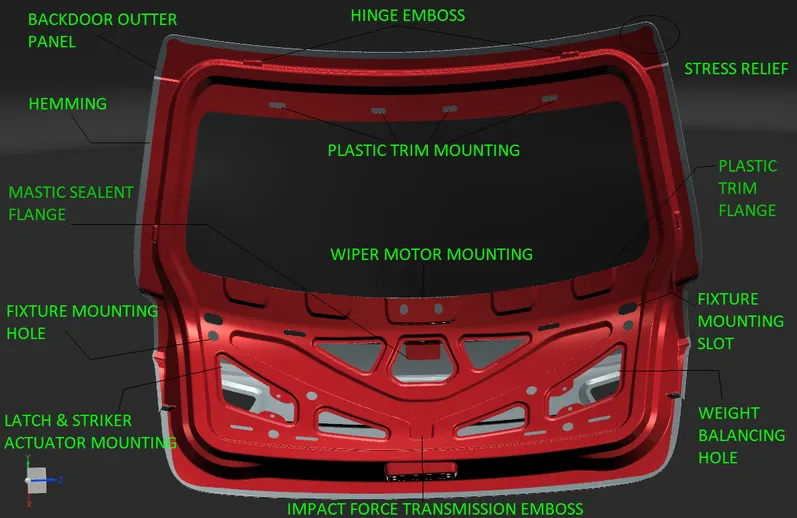
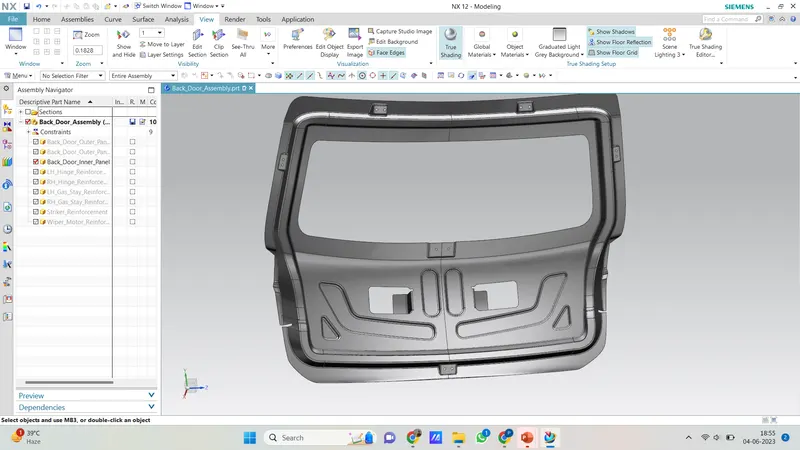
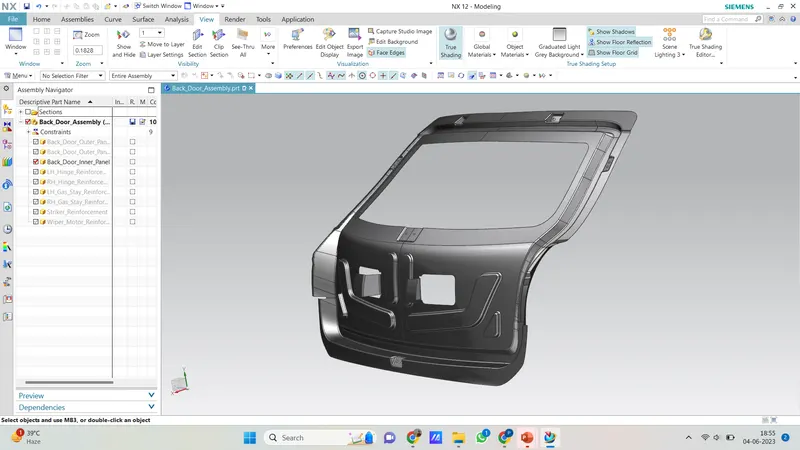
The inner panel plays a critical role in the assembly of the backdoor. It serves as a crucial component that provides structural strength and aids in the dissipation of external forces acting on the part. The inner panel incorporates embosses, which are raised areas or patterns, strategically placed to enhance its rigidity and ability to withstand applied forces. These embosses help distribute forces and reinforce the overall strength of the panel.
Additionally, the inner panel facilitates the mounting of various accessories and components required for the proper functioning of the backdoor. Accessories such as hinges, wiper motor, gas stay (support strut), latch, and striker are attached to the inner panel, allowing for smooth and reliable operation of the backdoor.
The production of the inner panel can be accomplished through two main methods: casting or deep drawing. Casting involves pouring molten metal into a mold to shape the inner panel, while deep drawing is a metal forming process where a flat sheet is drawn into a three-dimensional shape using a punch and die. The choice of production method depends on factors such as the desired material properties, design complexity, and manufacturing capabilities.
Mostly aluminum part is casted, steel inner panel are manufactured by deep drawing process. If deep drawn, there must be a tooling direction through which that panel must be deep drawn.
Embosses:
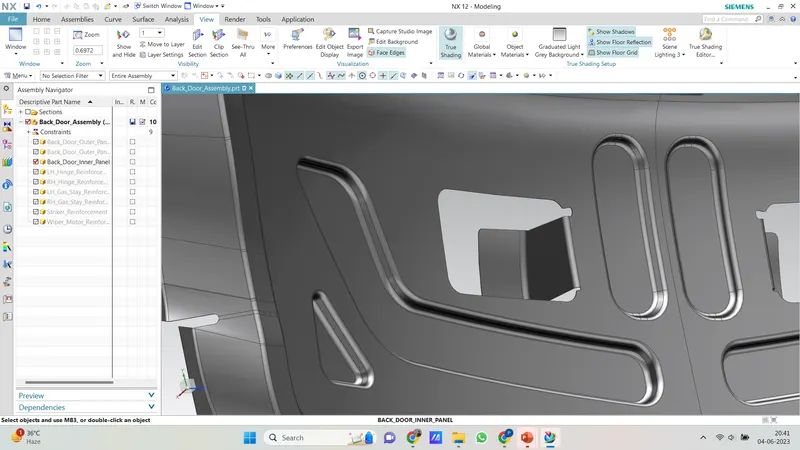
The inner panel is designed to provide additional strength to the sheet metal panel and facilitate the dissipation of forces or energy in a specific direction. The embosses on the inner panel are carefully designed to channel these forces towards the outer end of the backdoor, as depicted in the accompanying image. By directing the forces in a specific direction, the embosses help reinforce the structural integrity of the panel and ensure optimal performance and durability. This design approach helps enhance the overall strength and resistance of the backdoor assembly, enabling it to withstand various external loads and impacts effectively.
Sealing Flange:
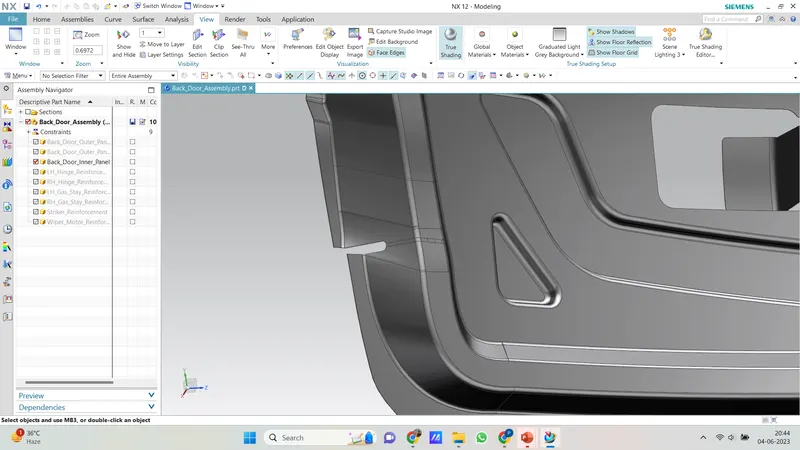
The section of the inner panel responsible for enabling the backdoor to sit over the rear body side of the car is crucial for the proper installation and functionality of the backdoor. This particular design determines how the backdoor is securely mounted to the rear body side of the car, ensuring a stable and reliable connection.
In addition to providing a mounting mechanism, this section of the inner panel also serves as a barrier to prevent external elements, such as dust, water, and other contaminants, from entering the interior of the vehicle. By creating a seal and maintaining a tight fit between the backdoor and the rear body side, this design feature helps preserve the cleanliness and integrity of the vehicle's interior space.
The design of this section of the inner panel takes into account factors such as alignment, sealing effectiveness, and compatibility with the overall vehicle design. It ensures that the backdoor aligns properly, closes securely, and maintains the desired aesthetic appearance of the vehicle while effectively preventing any external matter from entering the vehicle's interior.
Mastic Sealants:
To preserve the aesthetic appearance of the outer panel, traditional joining techniques such as bolting or spot welding may not be ideal. In such cases, mastic sealants are commonly used to join the inner panel elements with the outer panel. These sealants provide a secure and durable bond while maintaining the visual integrity of the panel.
Mastic sealants are specifically designed to create a strong adhesive bond between different materials, such as metal panels, without compromising the aesthetic look of the vehicle. They are applied in a controlled manner, ensuring that the gap between the parts to be joined does not exceed 5mm. This careful application helps maintain a consistent and visually pleasing appearance.
By using mastic sealants, the joints between the inner and outer panel elements are effectively sealed, providing structural integrity and preventing any ingress of external elements such as water or debris. The use of mastic sealants allows for a reliable and aesthetically pleasing joining method that meets both functional and visual requirements.
Reinforcements
Reinforcements are generally placed to increase the strength of the panel in localized areas which is relatively small compared to sheet metal parts for absorbing loads imposed thereon and dissipating such loads throughout the panel assembly to help maintain rigidity of the panel assembly. The reinforcements are usually 1-1.5mm thick as opposed to 0.75mm thick panel used in this part.
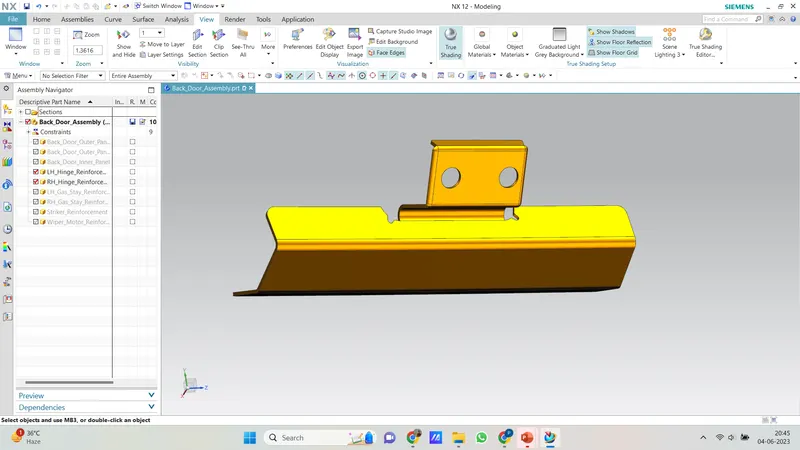
Hinge reinforcements -
Hinge is a pivot mechanism which supports the total weight of the backdoor. So reinforcements are added for strength and rigidity.
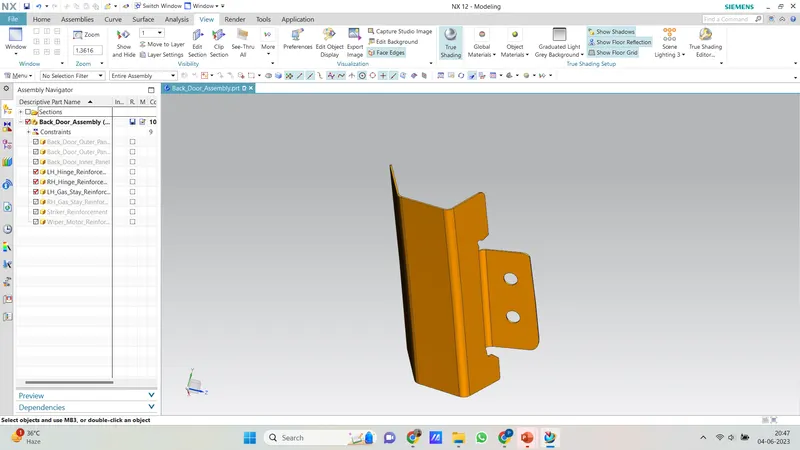
Gas stay reinforcements -
Gas stay is used to lift the backdoor automatically and is used to support the backdoor in its open position. It can be of Two types Semi-automated and fully automated
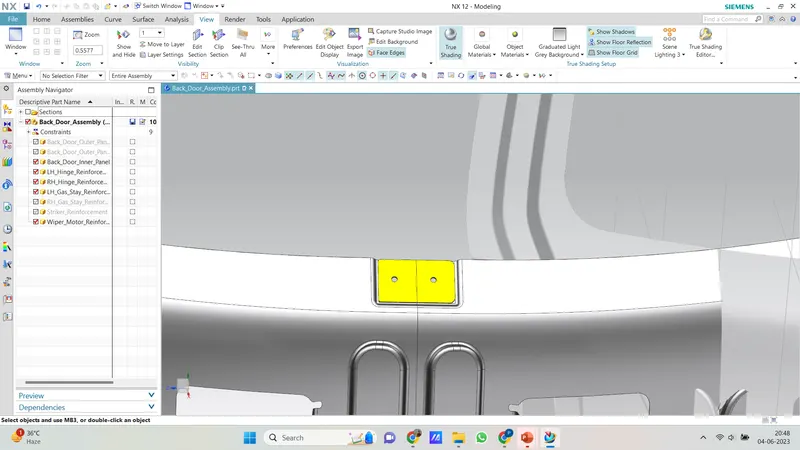
Wiper Motor reinforcement
Wiper is utilized to eradicate the accumulation of dust particles and water on the windshield glass, adversely impacting rear visibility. It is set in motion by the motor, positioned on the inner panel. However, the motor's vibrations and heat can cause deformation of the inner panel, leading to a substantial reduction in its strength and rigidity. Consequently, this issue significantly contributes to the overall deterioration of Noise, Vibration, and Harshness (NVH) characteristics. Consequently, reinforcement measures are implemented to effectively mitigate and circumvent these unfavorable circumstances."
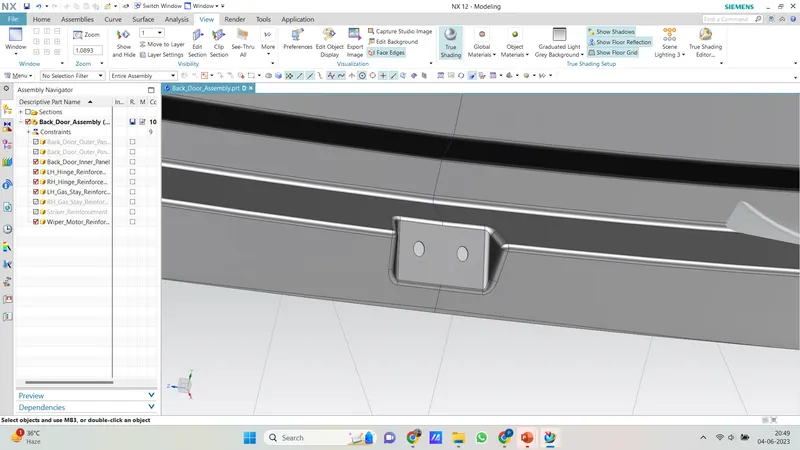
Latch and Striker reinforcement
In the bottom part of the panel emboss is created for placemnet of latch and striker assembly. There is over slamming and abusing while opening and closing of the door, thus arising the need for reinforcement to be placed.
Total Assembly:
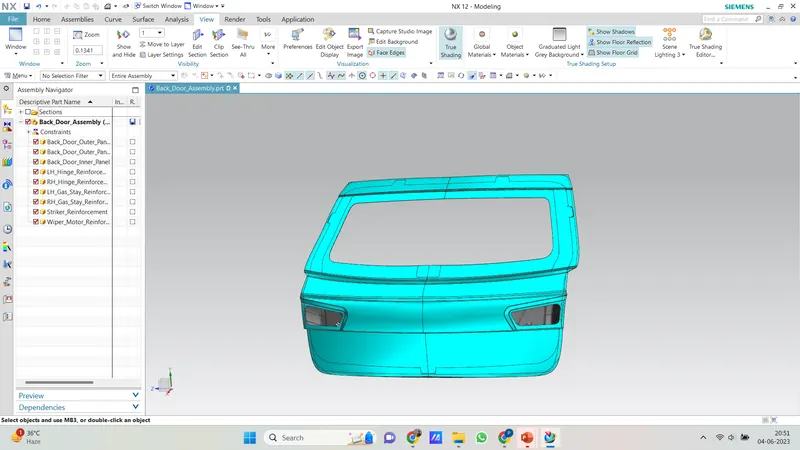
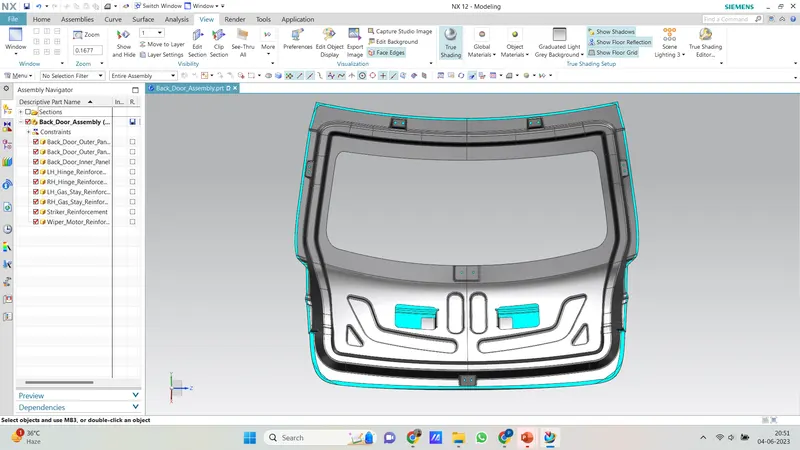
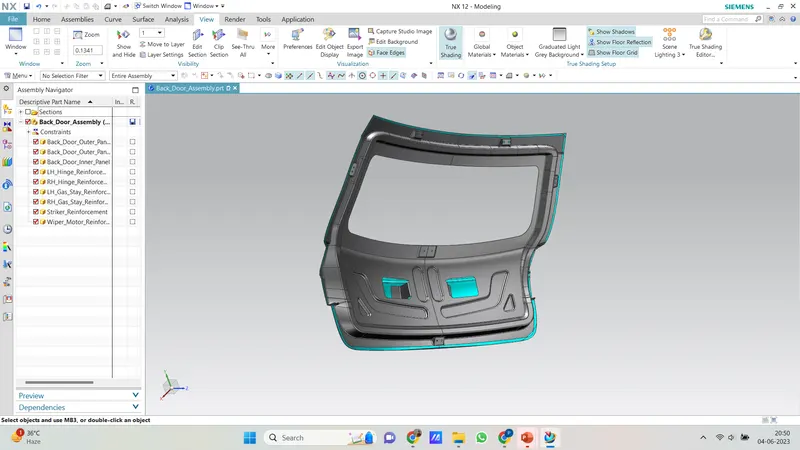
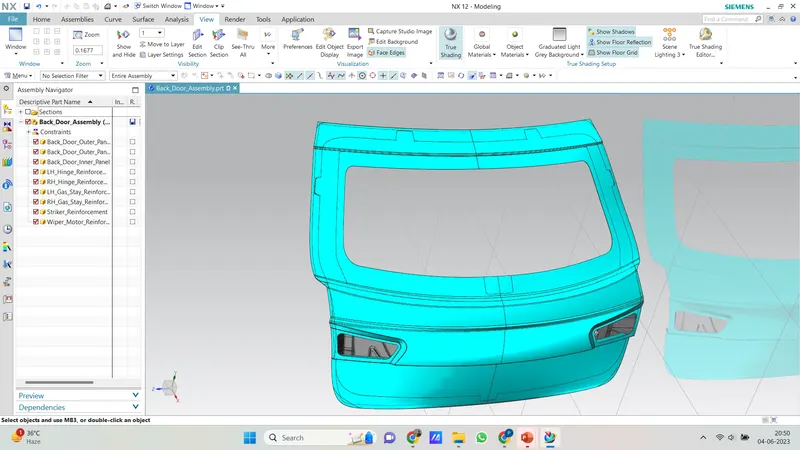
Draft Analysis:
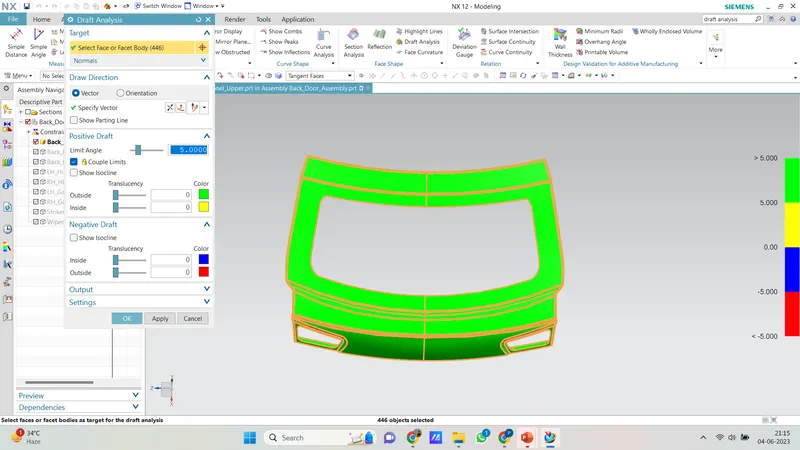
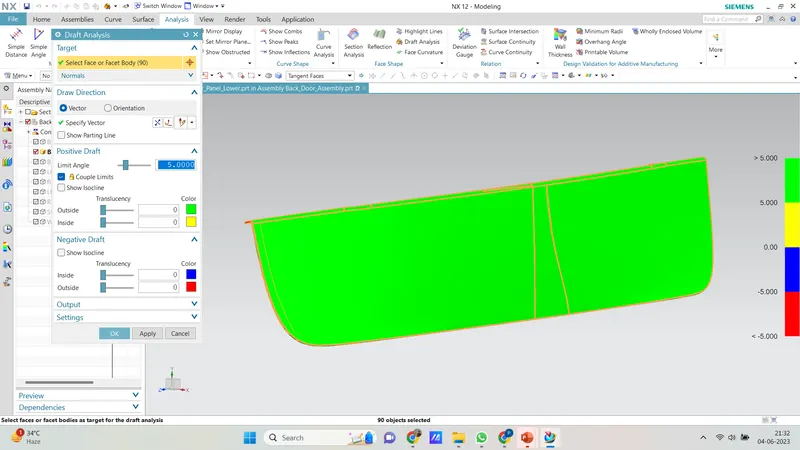
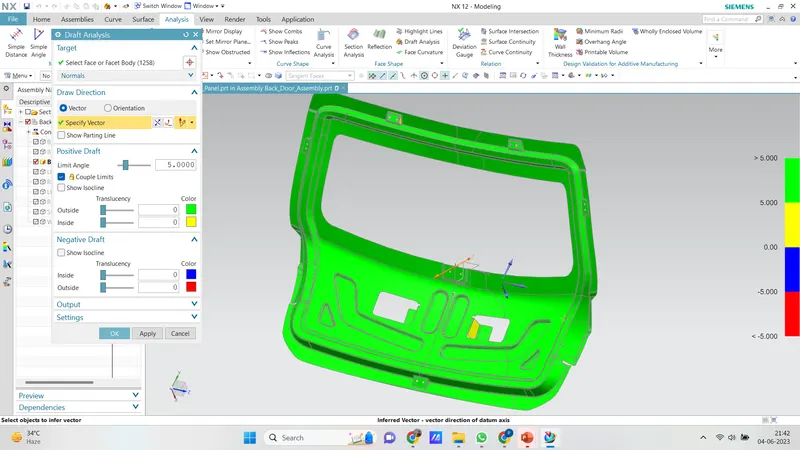
Draft Analysis is done to analyze the draft angle. This allows us to verify whether the product will be easily removed from the tool.
When designing a product it needs to be slightly angled so that the tool can be pulled away from the part easily, without deformation or damage. This slight angle is called draft.
Conclusion
Therefore, the Back door was meticulously crafted, incorporating distinct styling elements and reinforced with necessary reinforcements and emboss definitions. Thorough draft analyses were conducted on both the Inner Panel and the outer panel, ensuring the highest level of precision and attention to detail.