Design of backdoor
ANSWER:
AIM:
To design the Back door (Tail gate) of a car from the styling surface provided using NX CAD. The ultimate aim is to design the Back Door by following the Industrial Standards.
Back Door:
A back door is a BIW component found in all Automotive car generally used for opening and closing of the so called car luggage that is usually used for storing items inside a car. In general the opening and closing of the door is co-ordinated by the Latch and Stricker position and the Gas stay position that is mounted on the body and back door of the car. These positions play a major role in ensuring smooth opening and closing of the tail gate.
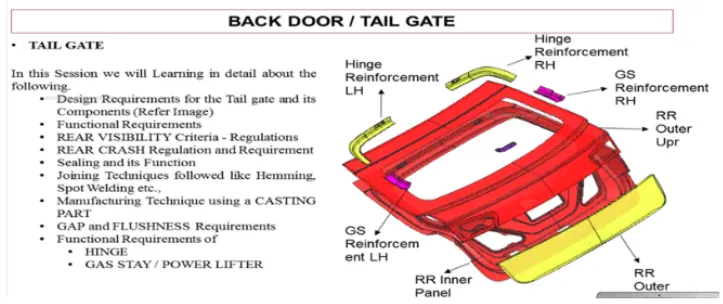
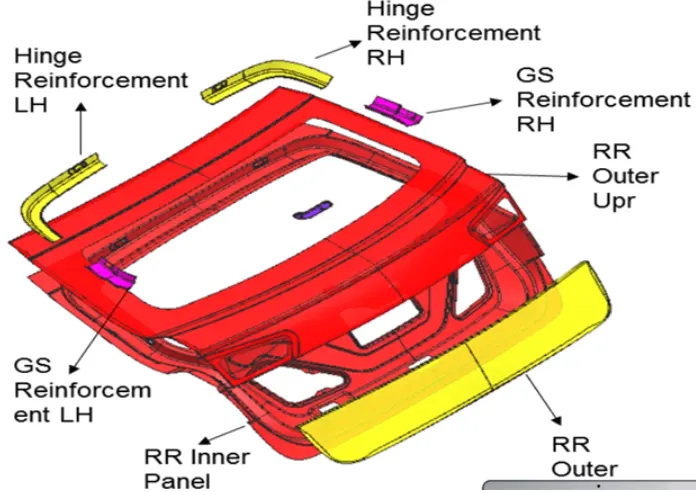
Parts of a Tail Gate:
- Outer Panel
- Outer panel Lower
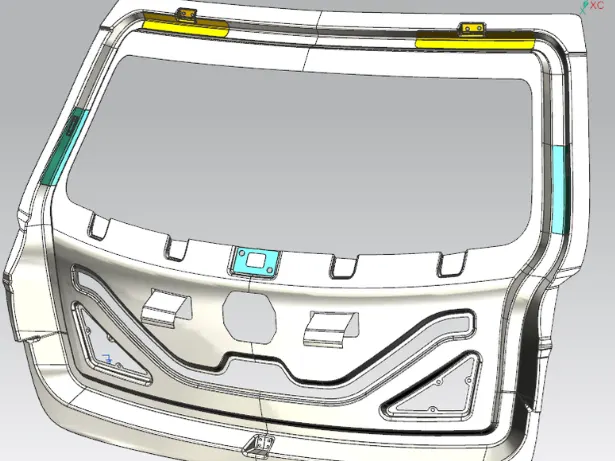
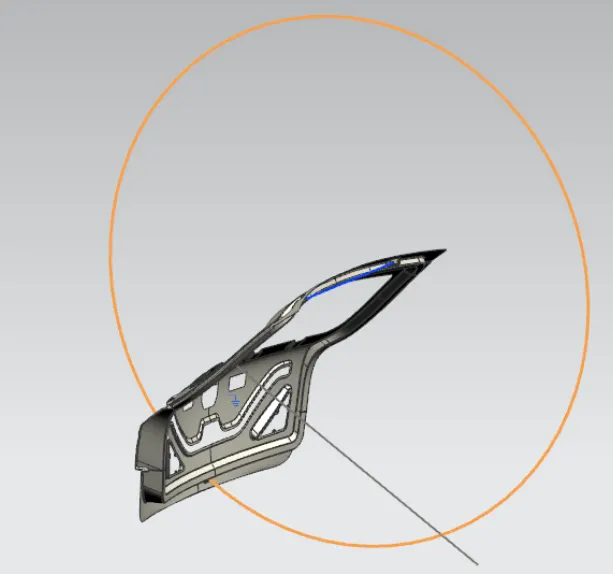
- Inner panel
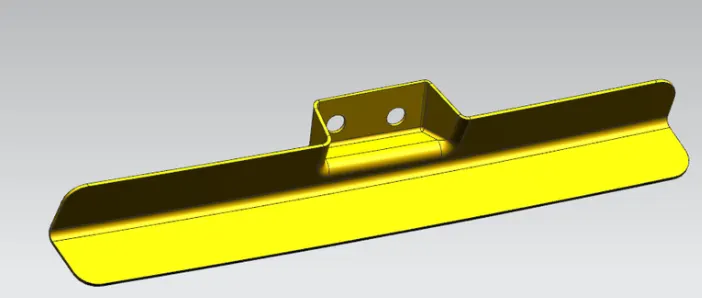
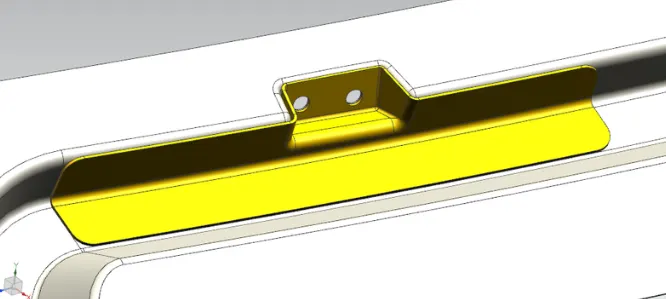
- Hinge Reinforcements
- Latch and Stricker Reinforcement
- Wiper Motor Reinforcement
- Gas Stay Reinforcements
Design Considerations In Back Door Design:
The following are the Design considerations taken while designing the Back Door. They are,
- Visibility Criteria
- Force Dissipation
- Latch and Stricker Positions
- Hinge Position
- Gas Stay Position
- Material Selection
- Space Availability
- Hemming and Relief Areas
All these design considerations go hand in hand with eachother because these positions are dependant on each other and if position gets altered all the positions has to be altered for effective opening and closing of the back door. The Latch and Stricker, Hinge Position and the Gas stay Positions has to be maintained in a proper way so that they play a major role in the opening and closing as well as the rear Visibility criteria of the car.
Material Selection:
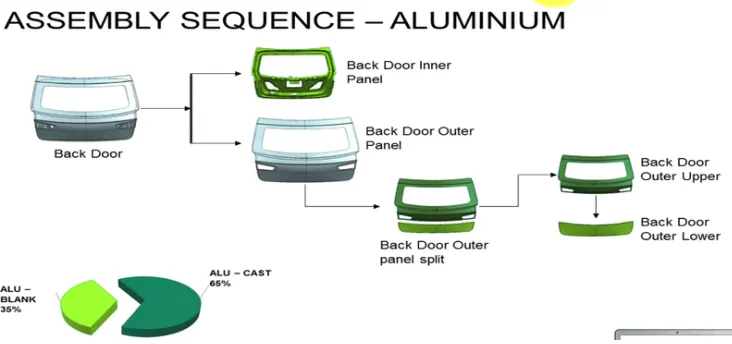
The material selection play a major role in determing the overall weight of the back door. The materials generally used are Steel and Aluminium. The Density of Steel is higher than Aluminium thus it results in adding more weight of the door. Basically the material is used based on the budget of the car, because the cost of steel very cheap than Aluminium. If aluminium is used instead of steel there is no need of many parts like Reinforcements for each mounting and the overall weight geta reduced by 6-10 kg approximately. But the draw back is Aluminium is much costlier than Steel. Hence based on the budget of the car aluminium is used. In higher end models like Benz, Audi, Porshe and BMW we can find aluminium is used instead of steel resulting in reduced weight and increased performance of the vehicle.
Another Factor to make a note is using Casted Aluminium instead of deep drawn Steel components and adding reinforcements to it is the space of the luggage commodity gets increased by a certain amount because the draft angle for Casted aluminium is much lesser (3 degree) than the deep drawn Steel inner panel (7-9 degree). Thus it reduces the space between the inner and outer panel resulting in much larger cabin space than the deep drawn steel inner panel. Thus the material selection is one of the design consideration taken. Since it reduces the space between the inner and the outer panel the rear visibility of the car is also inproved giving more space for the mirror to view.
Hence in this design the material chosen is steel since it is designed for a medium budget car and hence high cost could not be afforded to design the back door.
Force Dissipation:
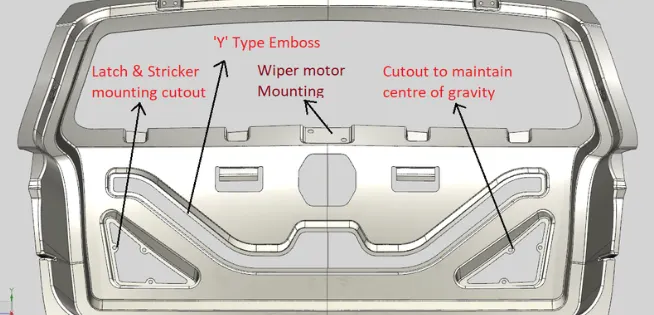
The major criteria in designing the back door or any BIW part is the force dissipation during an impact or a colloision. Hence studies are being done inorder to dissipate the force on the sides and avoiding it reach the inner cabin of the car so that possible damage of imapct inside the car is reduced. Hence inorder to do that the V or Y embosses are created on the inner panel so that the force gets transmitted on to the sides instead reaching it on the cabin. This is one of the main criterias in back door design.
Design of Back door in NX CAD:
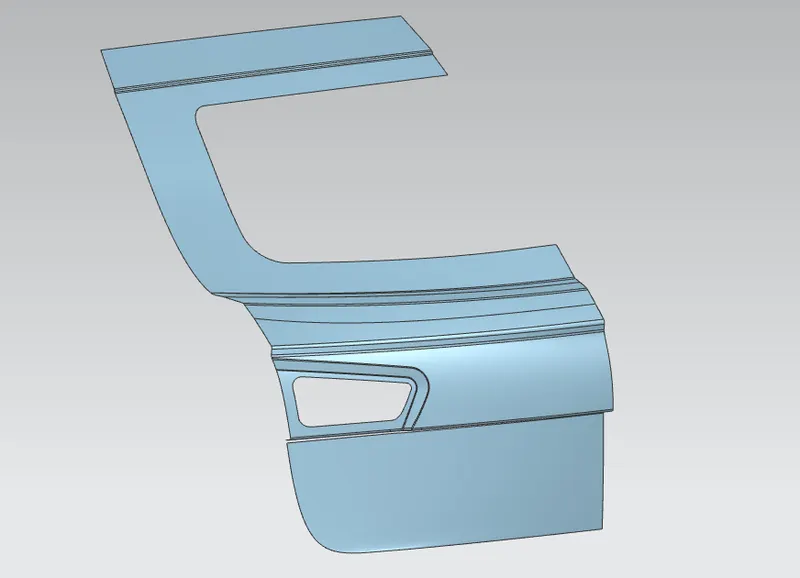
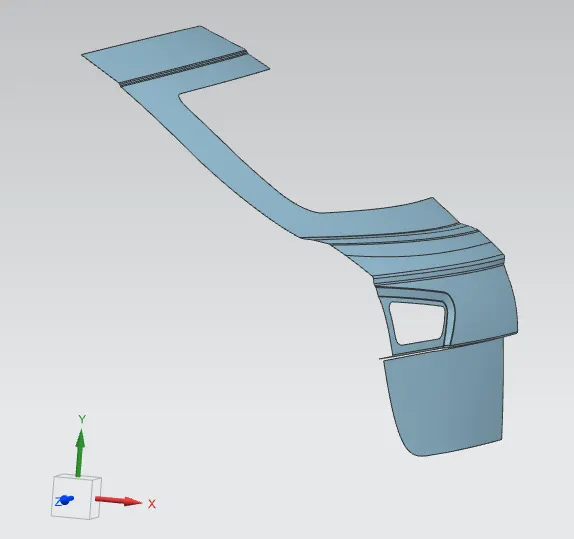
Given surfaces has to be repaired according to the smoothness. After repairing the surfaces, the door is divided into two parts as Door Outer Upper and Doo Lower Panel.
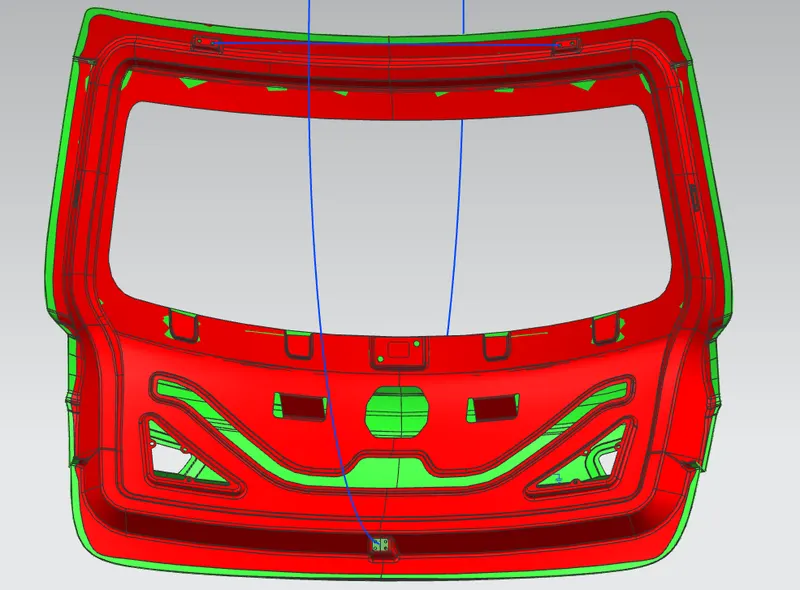
First, we need to create the Tooling direction for the Deep drawing operation. It shows that all the operations like embossing is done by considering this vector direction and it will help in manufacturing the part,
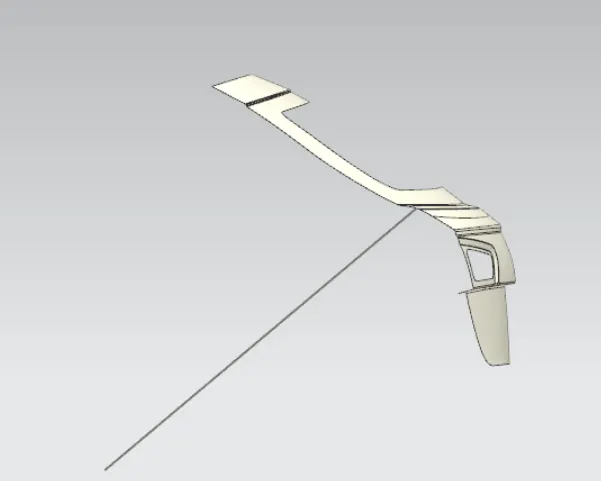
After that we have to create Sealing Flange by offsetting the outer panel to the specific distance.
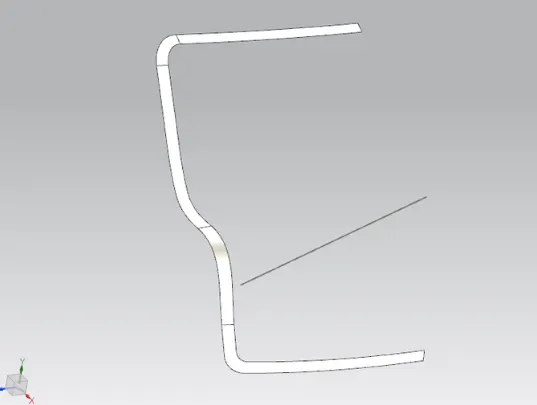
Then we will be creating the Back door inner panel flange by offsetting the outer surface at a distance considering the sheet thickness and thickening direction.
Then created the connecting flange to join the inner panel and sealing flange.
Then for the windshield panel mounting, windshield panel is created and joined with sealing flange.
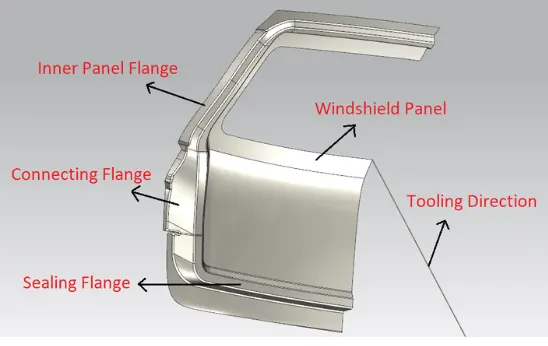
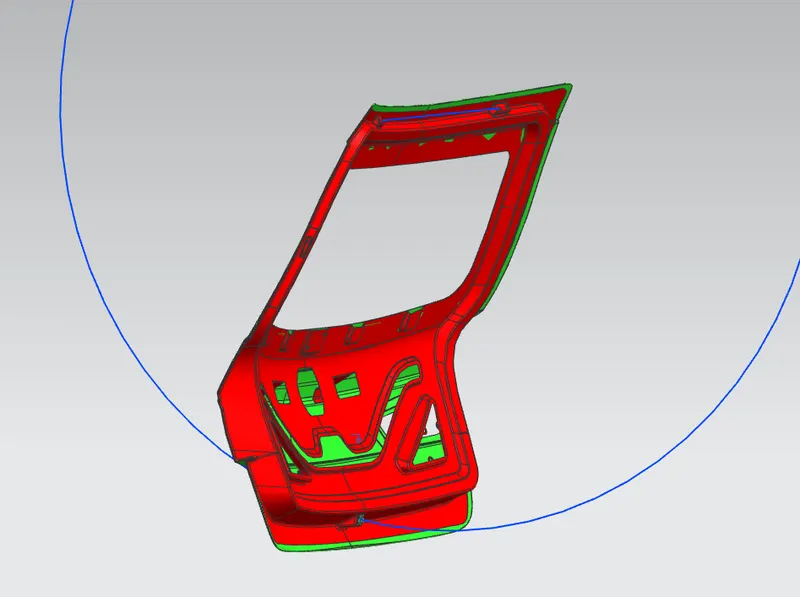
Then to improve the strength of the inner panel and to reduce the weight 'Y' type emboss and other cut-outs are created. Also, for Latch and Stricker mounting cut-out is created. This cut-out is also done on other side of the inner panel to maintain the centre of gravity of the Back door.
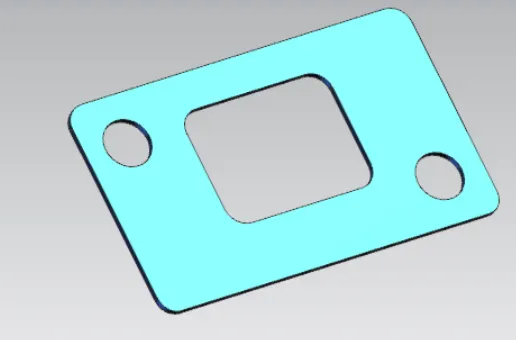
Another Emboss is created for Wiper motor mounting.
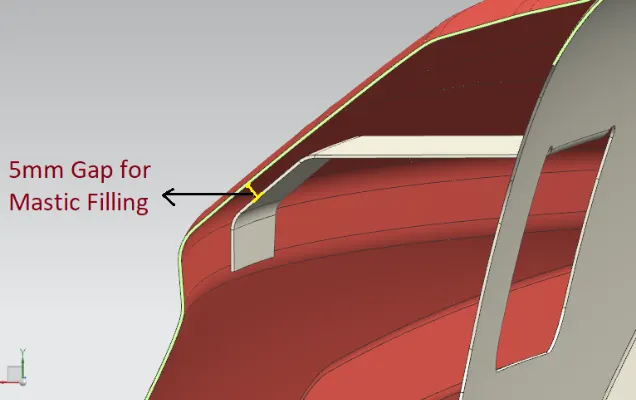
Another flange is created to reduce the vibration of door by joining the inner and outer panel with the help of Mastic sealant.
Hemming and Relief Areas:
Hemming and Seaming are two similar metal working processes in which sheetmetal edge is rolled onto itself.Hemming is the process in which the edge is rolled flush to itself, while a seam joins the edge of two materials.
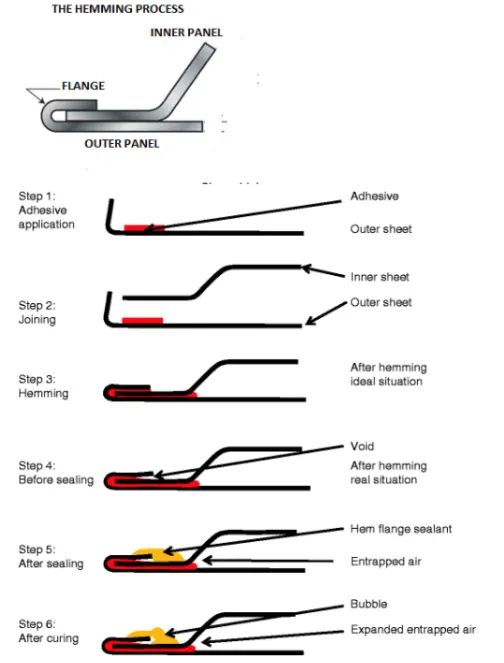
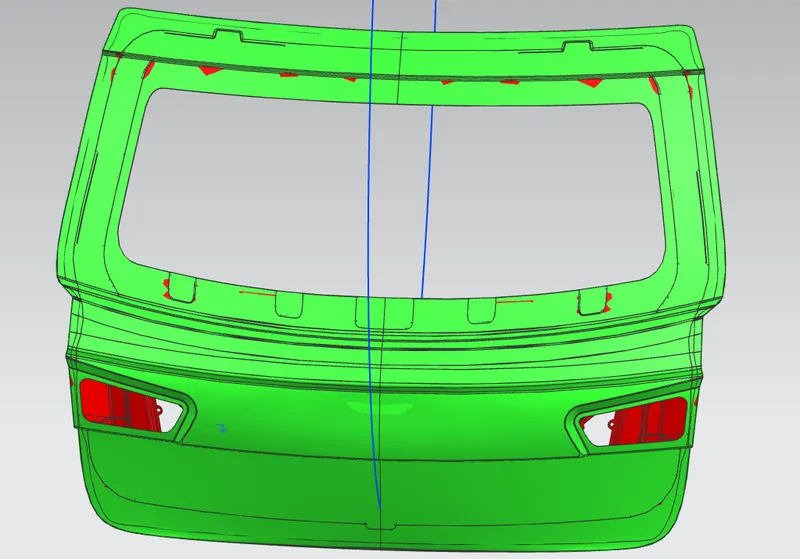
The Hemming is done on the outer and the inner panel with an clearance of 0.2mm on the either sides. Since at the corners the hemming is difficult to perform, clerances has been given at the ends of panels so that it would for the hemming operstion is performed. Here is the image of the hemming relief at the corners.
Outer Panel:
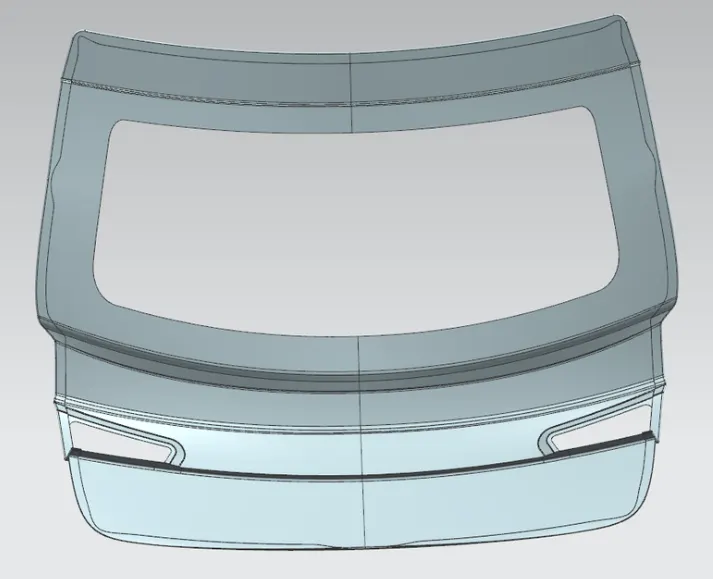
Inner Panel:
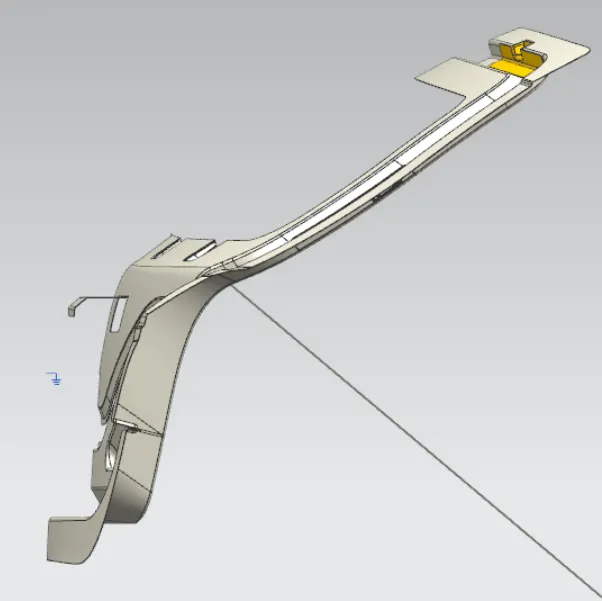
Hinge Reinforcement:
Latch & Stricker Emboss,
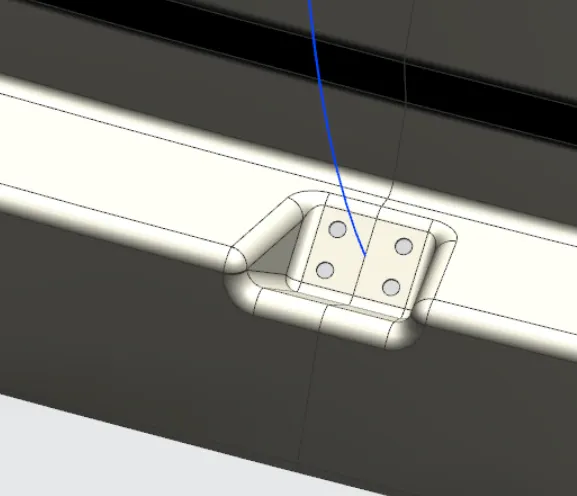
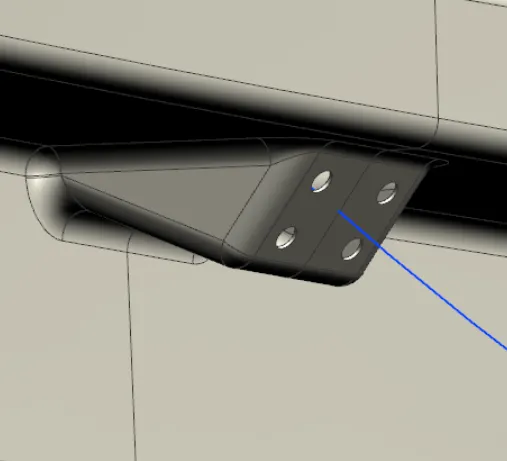
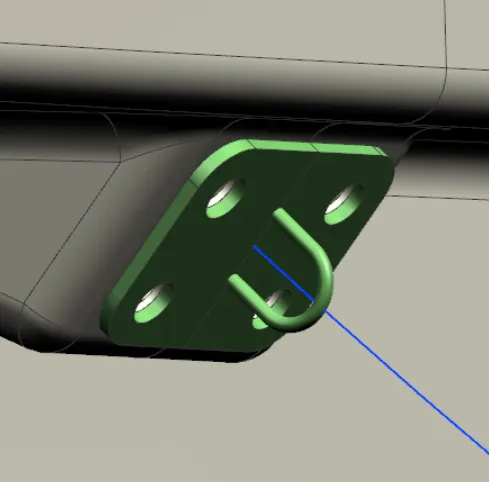
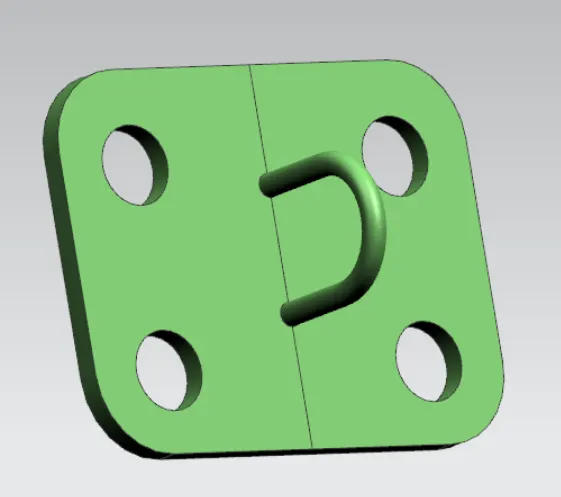
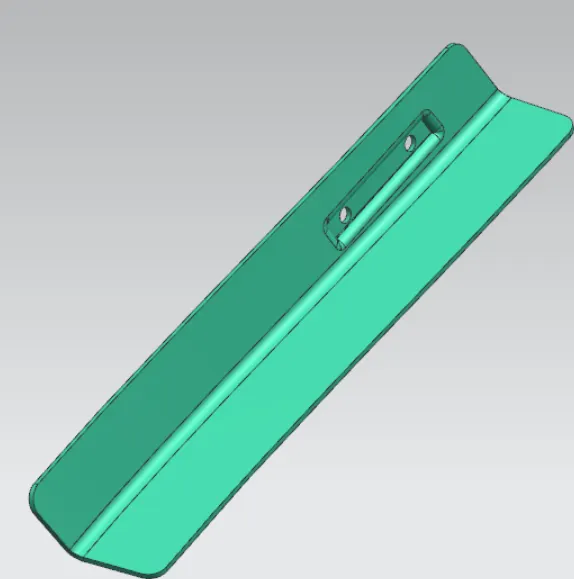
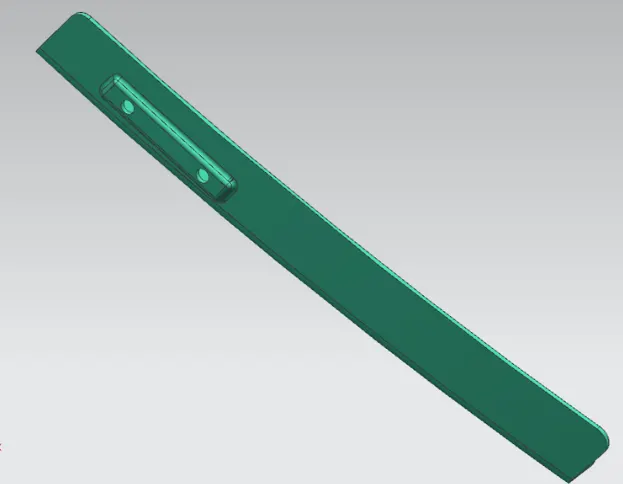
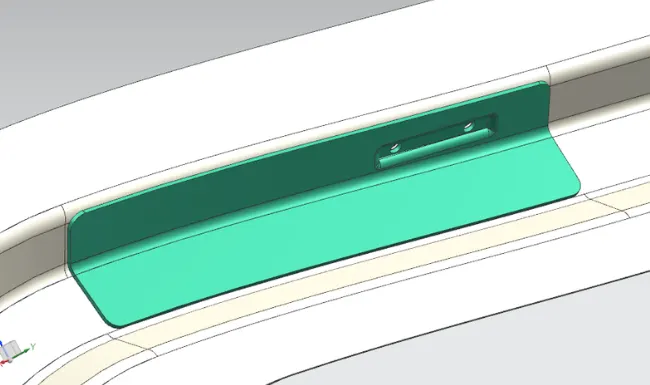
Gas Stay Emboss and Reinforcement:
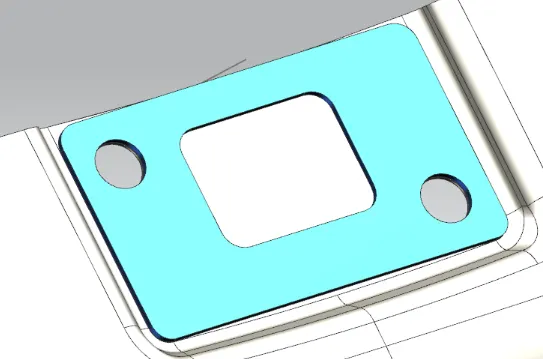
Wiper Motor Reinforcement:
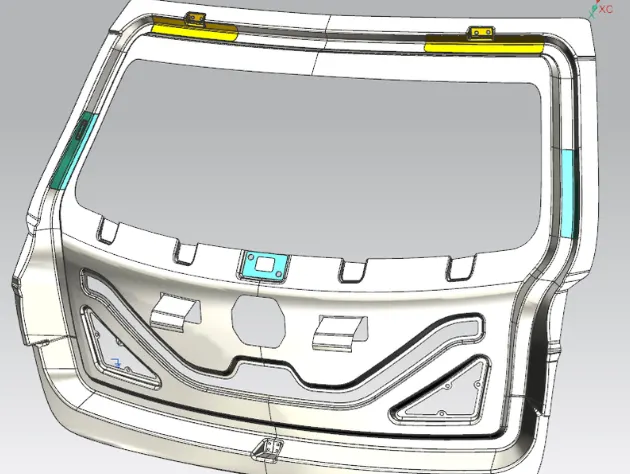
Assembly:
COCLUSION:
The back door outer and inner panel were designed with the help of styling surface along the tooling directions and by applying solid and sheet modelling methodologies and according to the engineering standards, the design of back door challenge was completed by using NX CAD.