Design of backdoor
BACK DOOR DESIGN
Aim : Design a Back Door, use appropriate design methodologies and provide the necessary reinforcements and embosses.
SOFTWARE USED: NX 12.0
- To design the Sheetmetal Back Door in NX by using some Solid/Surface features.
- NX Software is a flexible and powerful integrated solution that helps you deliver the products faster and efficiently.
- NX Cad software is widely used automotive, aerospace, thermal power station. Because of it is having modelling, drafting and manufacturing platform
Back Door :
The trunk or boot of a car is the vehicle's main storage or cargo compartment, often a hatch at the rear of the vehicle. It is also called a tailgate.
The Back door is typically hinged, but sometimes attached by other mechanisms such as tracks, in front of an opening which is used for entering and exiting a vehicle.
A vehicle door can be opened to provide access to the opening, or closed to secure it. These doors can be opened manually, or powered electronically. These doors can be operated manually or electric powered. In most of the luxury cars door is electrically operated.
A major safety issue with opened vehicle doors is the assumption at night vehicle doors can provide a warning to other vehicle drivers. These devices need not meet any US Federal Motor Vehicle Safety Standards since no standards apply. To make matters worse it was reported by the Fatal Accident Reporting System that in the year 2014 not one single death was reported with a person outside the opened vehicle door at night in the entire United States of America. New safety technology such as providing to the lower interior edge of the vehicle door a highly reflective tape provides the ability of other vehicle drivers to see the opened vehicle door at night.
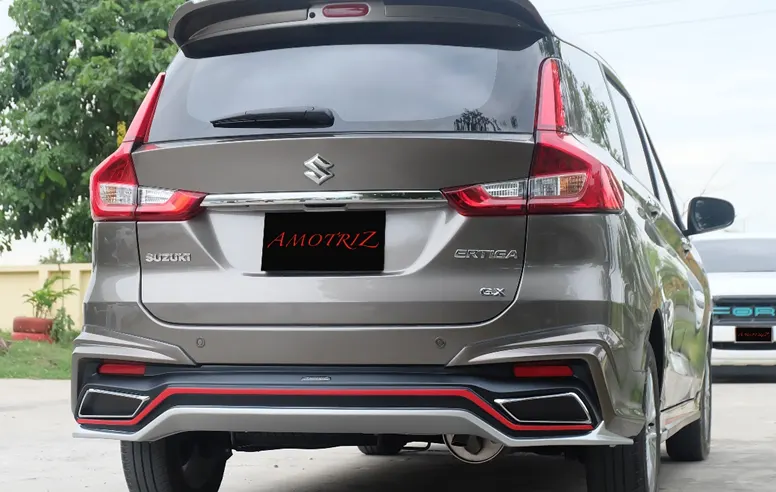
Types of Back Door :
1. Top Mounted
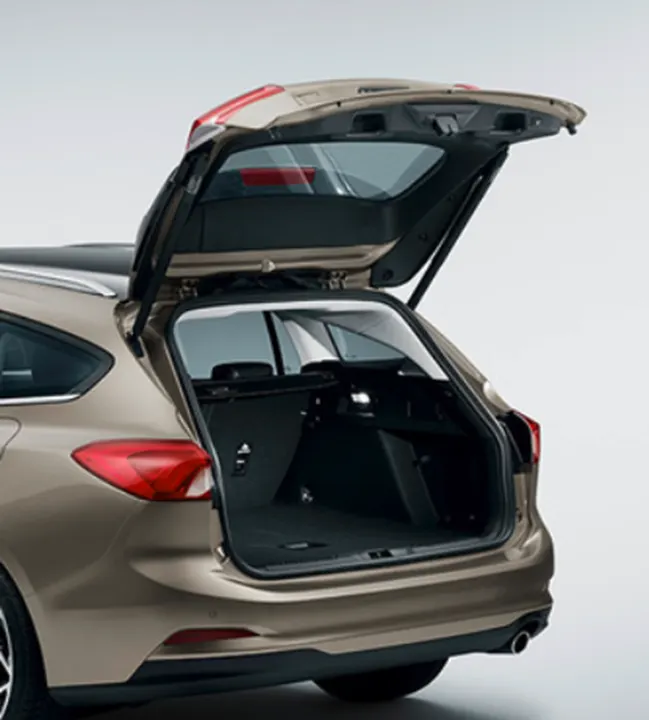
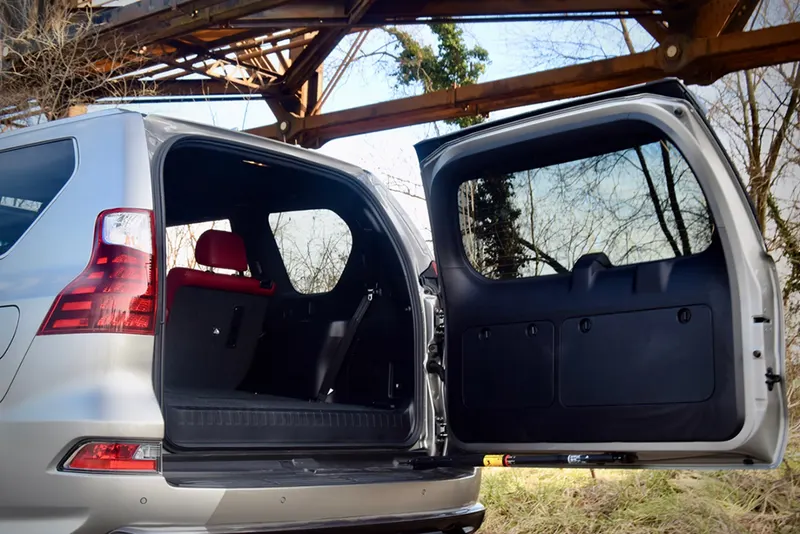
2. Side Mounted
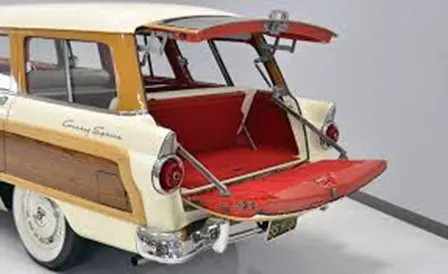
3. Bootom Mounted
Design Consideration :
- Visibility Criteria
- Latch and Stricker Position
- Hing Position
- Gas Stay Position
- Boot Space Avalibility
- Drain Holes
- Force Distribution
Components of Back Door :
The Components of Back Door as follows,
- Inner Panel - 0.75 mm thickness.
- Outer Panel - 0.75 mm thickness.
- Hing Reinforcement - 1.5 mm thickness.
- Latch and Stricker Reinforcement - 1.5 mm thickness.
- Gas stay Reinforcement - 1.5 mm thickness.
- Wiper motor Reinforcement - 1.5 mm thickness.
Explodeed View of Back Door Assembly
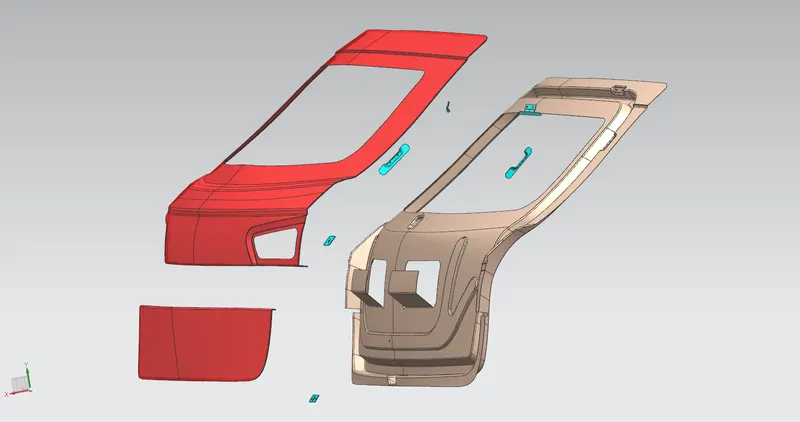
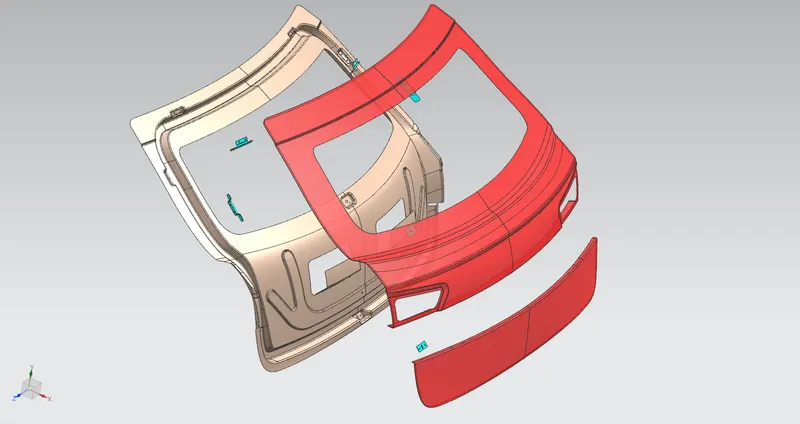
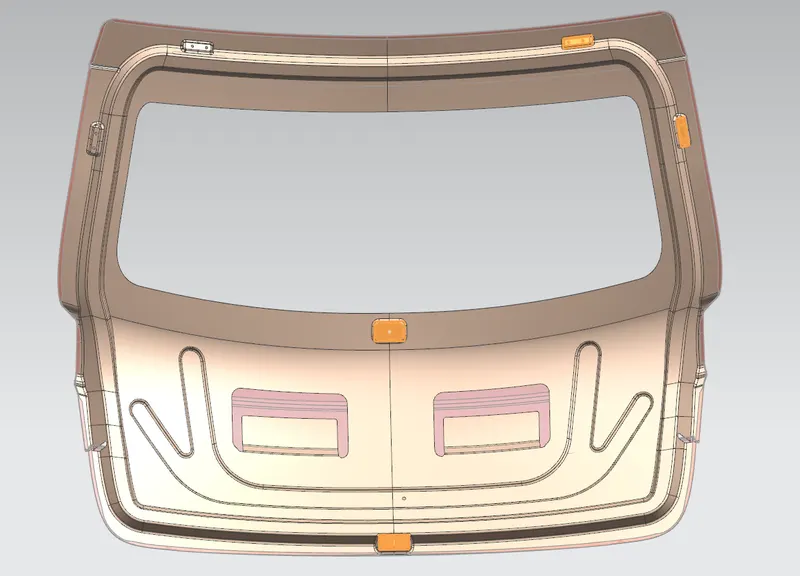
1. Inner Pannel : It is the most important part the back door assembly, it gives the required strength to the back door, consists or sealing flange & mastic support flange, it also have the mounting area given for different mountings, it also provides space for rear wind shield installation.
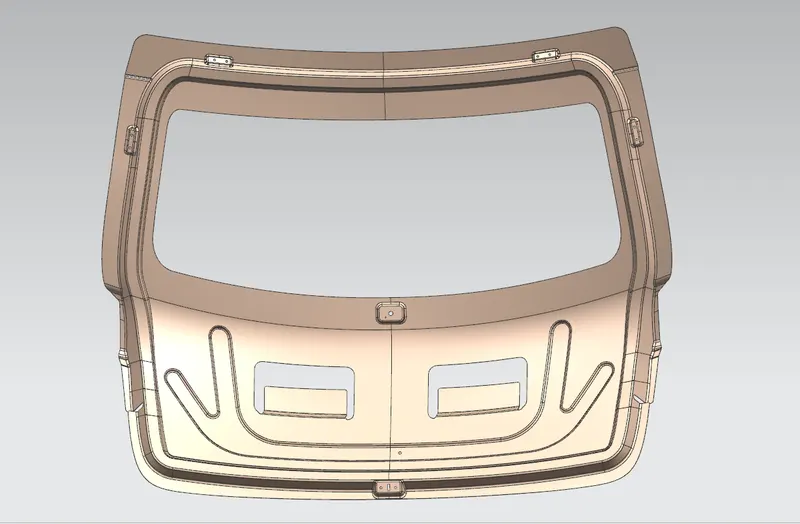
Tooling Directioin : Tooling Direction is required for the Deep drawing operation. It shows that all the operations like embossing is done by considering this vector direction and it will help in manufacturing the part.
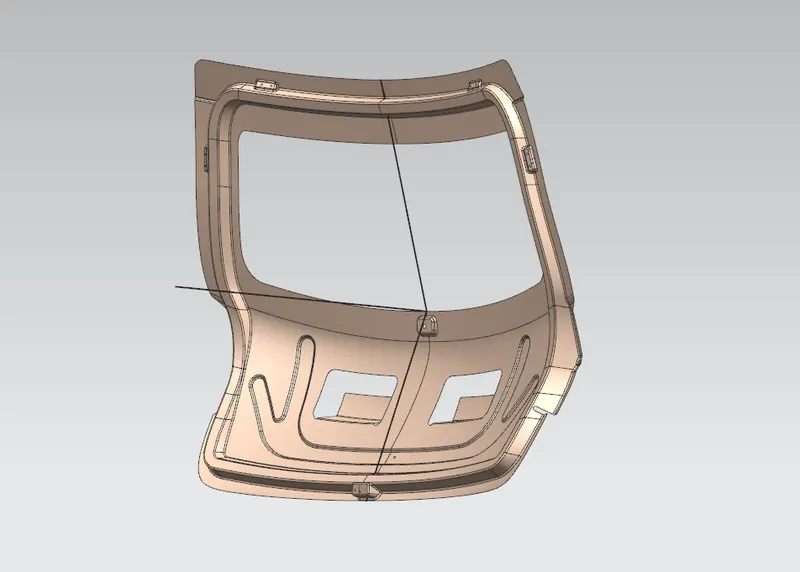
Sealing Flange : Sealing Flange is created in order to give a snug fit to back door in boot area, and make the car enviornment water and dust proof and sound resistant.
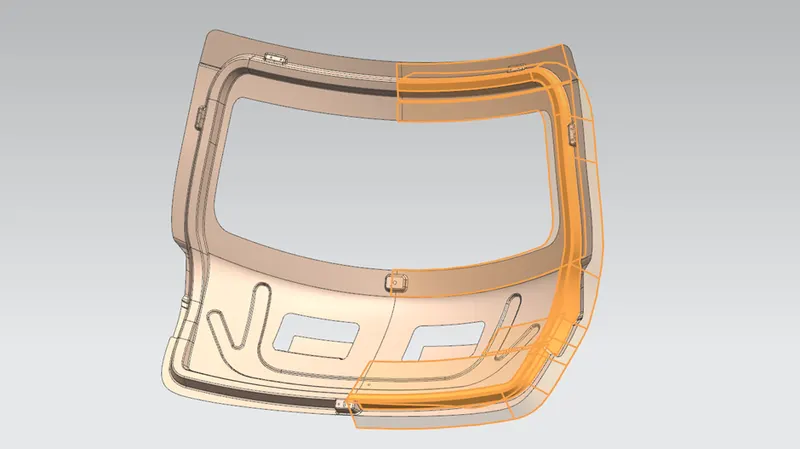
Mastic Support Flange : mastic suppot flange is given to inner pannel with 5mm offset with outer pannel in order to avoid dents from the mid section of door and to avoid any ratteling noises.
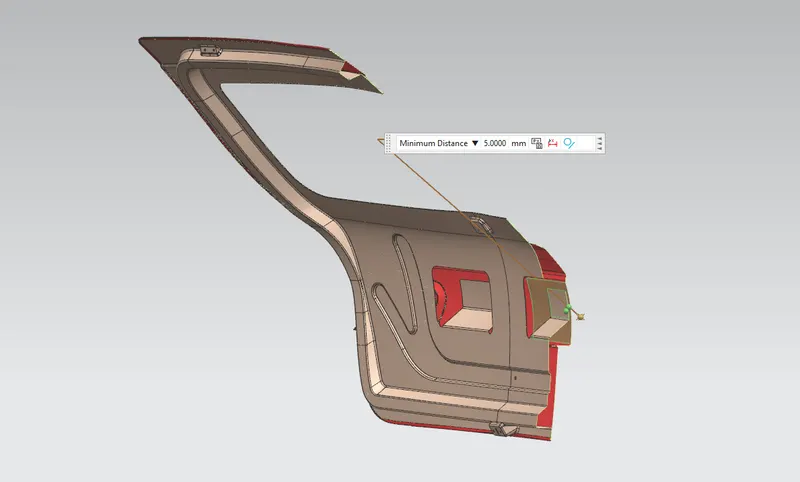
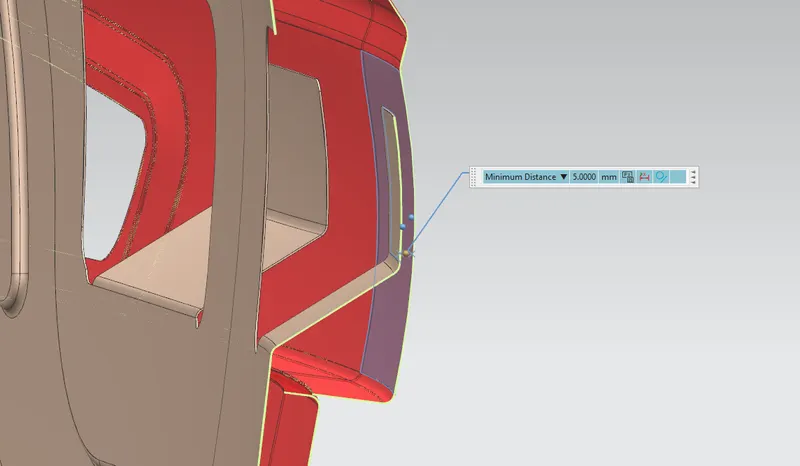
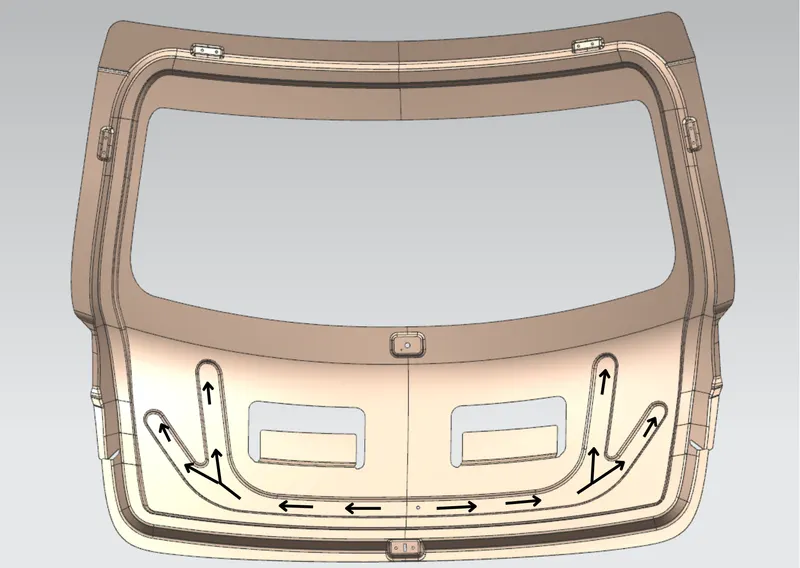
Force Distribution : to avoid sudden impact in an accident ' Y ' or ' W ' Embosses are given this embosses provide an additional strength to the inner pannel as well as helps to distribute forces outside.
Latch and Striker Trajectory : Latch and Striker Trajectory is Required Form smooth opening and closing of the back door and for the the installation surfaces of latch and striker,For positioning the Latch & Stricker, we create trajectory perpendicular to the circle , passing through a midpoint of line/ axis of two hinge mounting holes.
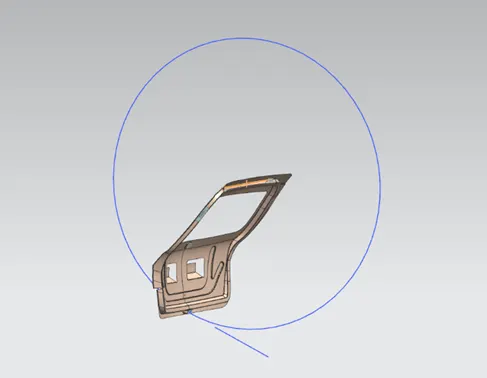
Mountings : Different mounting are provided for the assembly and joining purpose.
- Left and Right Hinge Mounting .
- Left and Right Gas Stay Mount.
- Wiper Motor Mount.
- Latch and Striker mount.
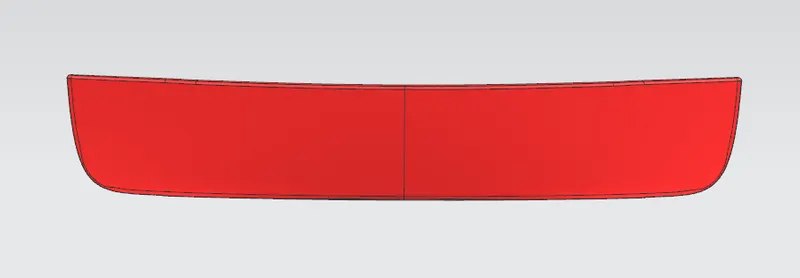
2. Outer Pannel : Outer Pannel is the Aesthic ( beautifying ) part of the Back Door assembly, as its visible from the outside of the car. Customer sees the outer pannel only of the back door therefore it is kept as smooth as possible to getting Aesthetics and for reducing Aerodynamic Drag.
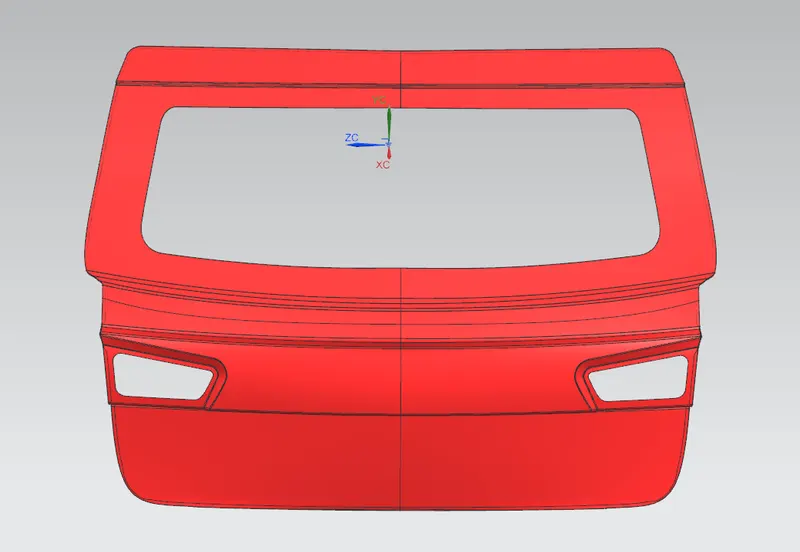
It is basically made in two Parts Upper Pannel and Lower Pannel for Manufacturing Purposes and as per Design Requirements. Tail Lamps will be installed on Upper Pannel and Lisence Plate will be installed on Lower Pannel.
Upper Pannel
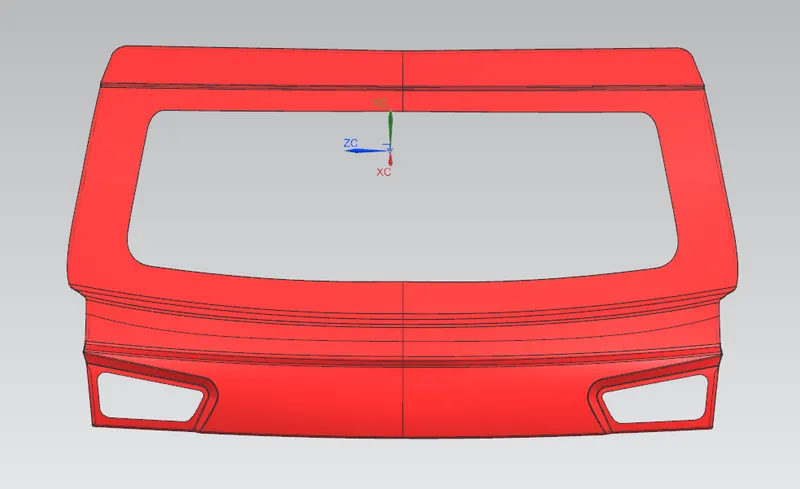
Lower Pannel
Joining Components : Joining the Back Door to car body will be done with the help of these joining parts.
- Hinge
- Gas Stay
- Latch and Striker
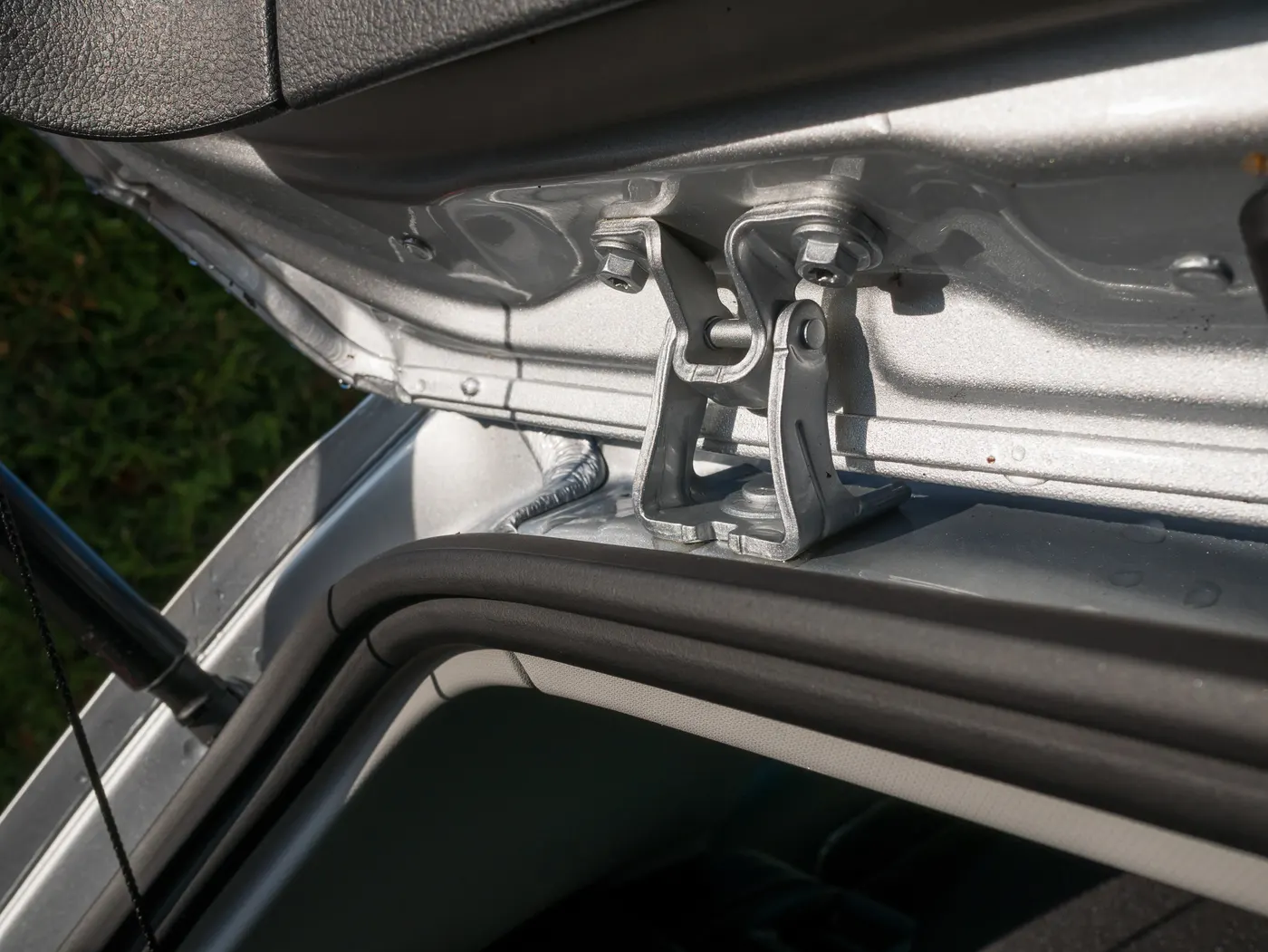
1. Hinge : Hinges is the assembly of components connected to the door and body of the vehicle, linked to each other and capable of rotating around the same axis.Hinges allows doors to pivot on one edge as they open and close. They are found on virtually all doors. It is a mechanical bearing that connects two solid objects, typically allowing only a limited angle of rotation between them.
2. Gas Stay : Gas stay is used to support objects as they move, a gas damper is used to control or limit that motion, and a damped gas spring tends to handle a bit of both. During closing, the gas pressure spring gently dampens the movement so that the hood or lid drops smoothly into the lock.
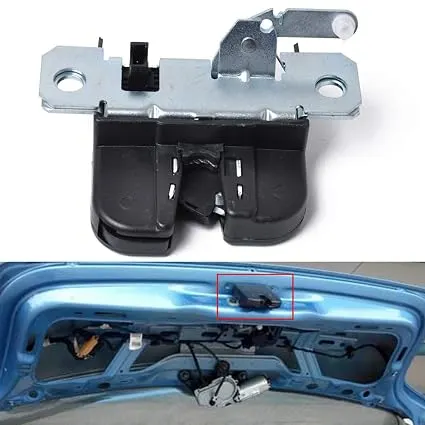
3. Latch and Striker : Doors can be opened and closed in a regulated manner with the help of latches, which also provide a secure connection. The door latch is a mechanical fastener that attaches two (or more) surfaces or objects while allowing for their normal separation.A latch is not the same as the locking mechanism of a door or window, although often they are found together in the same product. Latches range in complexity from flexible one-piece flat springs of metal or plastic, such as are used to keep blow molded plastic power tool cases closed, to multi-point cammed latches used to keep large doors closed.
 .
.
Assembly : Assembly of the Outer Pannel and Inner Pannel is done by Hemming, and Joining Components are assembeled with the Reinforcements with help of nut and bolts.
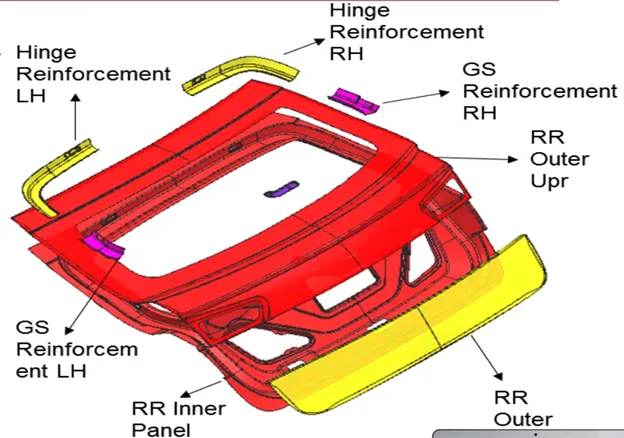
Hemming : Hemming is used to join the Outer and Inner Pannel becaus other joining techniques may give a mark on the outer panner which is unwanted, it will reduse the Asthetics of the Back Door.
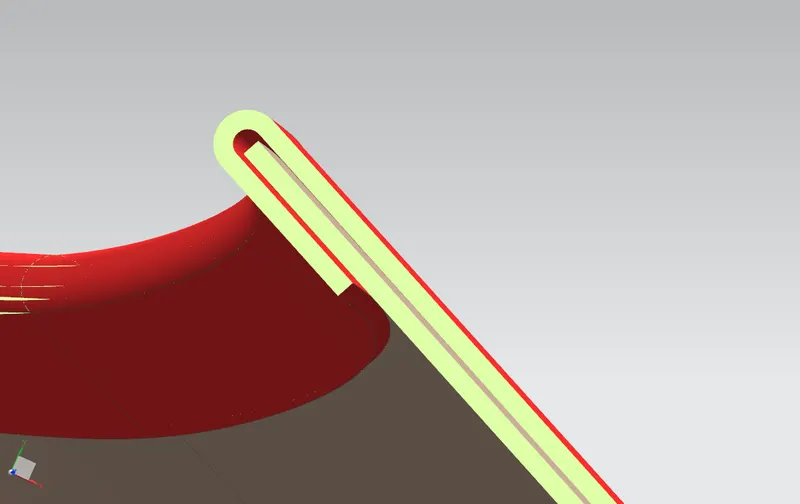
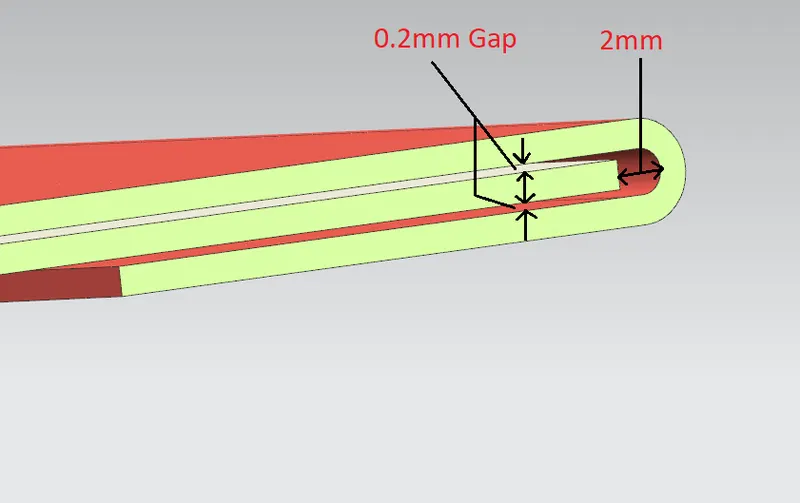
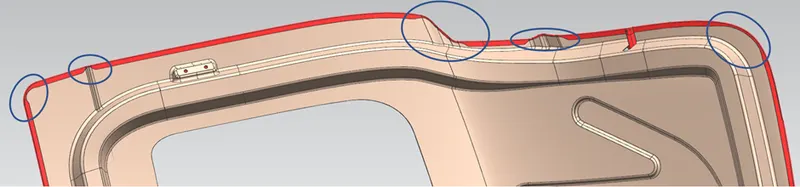
Hemming Reliefs : Hemming Reliefs are Provided because while doing the hemming process the sheet material may overlap and do improper hemming, thus by remoning the material a cleaner hemming can be done.
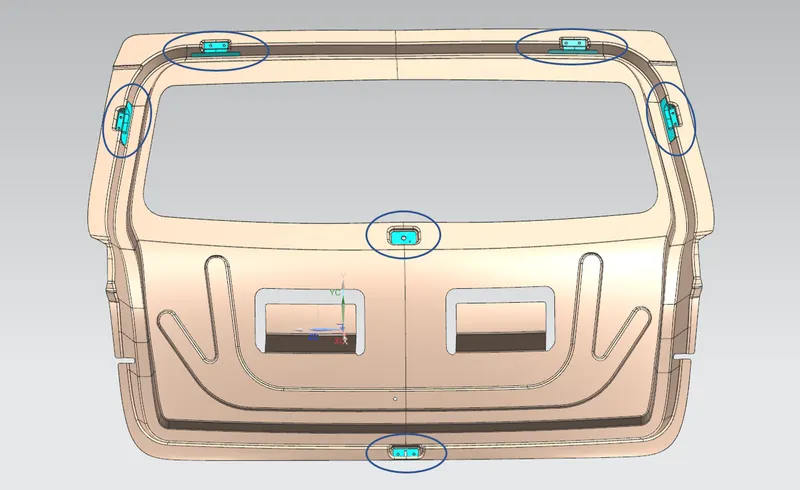
Reinforcements : As the we give cut outs for assembly of joining components the strength of the sheet locally is reduced. Therfore reinforcement of 1.5 mm thickness is provided to get the additionional strenth required.
 .
.
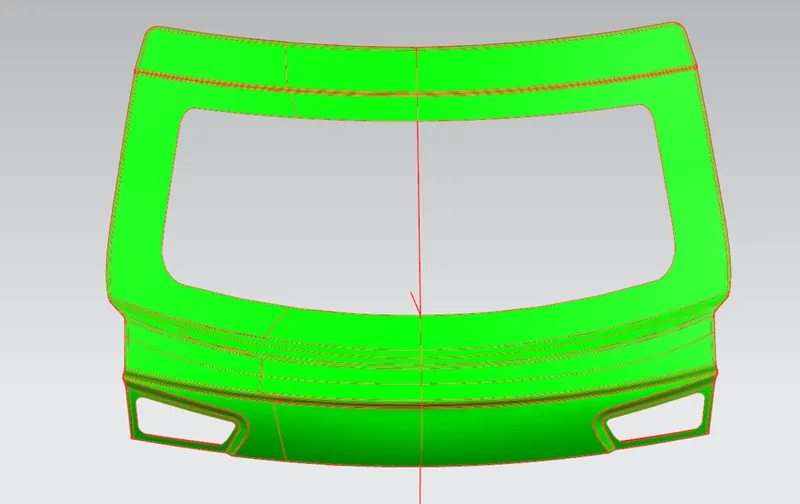
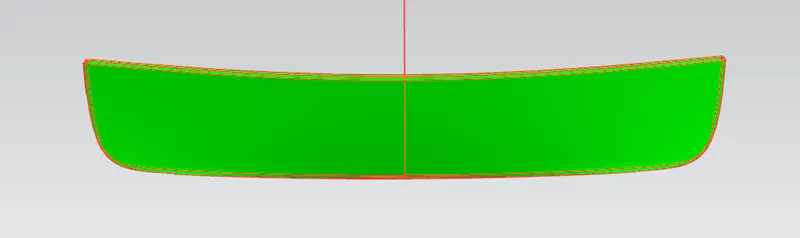
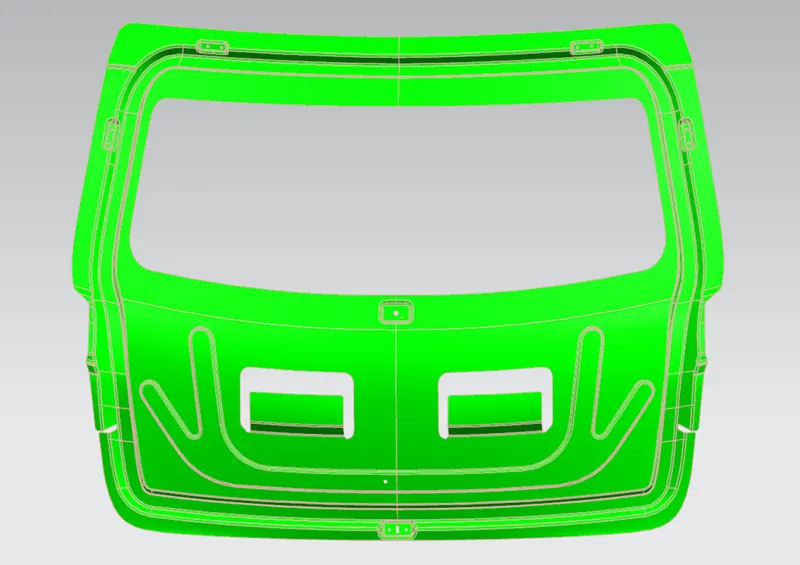
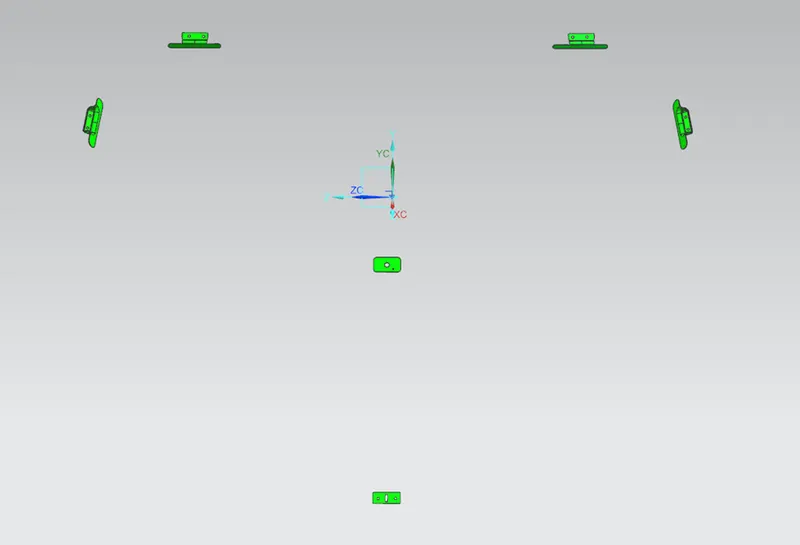
DRAFT ANALYSIS :
Draft analysis is performed on the components where the ejection of materials happens after the material is made inside the tools. In the case of Automotive Sheet Metal manufacturing, the blank sheet after turning into automotive panels like Hood, Fender, Roof, Side Doors, Back Doors are seen.
The Draft Analysis command in NX enables you to detect if the part you drafted will be easily removed. This type of analysis is performed based on color ranges identifying zones on the analyzed element where the deviation from the draft direction at any point, corresponds to specified values.
Minimum draft angle is 7 degree is considered for analysis. Green colour show positive draft angle of the part equal or more than 7 degree.
Draft Analysis For Outer Pannel Upper
Draft Analysis For Upper Pannel Lower
Draft Analysis For Inner Pannel
Draft Analysis For Reinforcements
 .
.
Manufacturing Proceses Used For Making of Back Door :
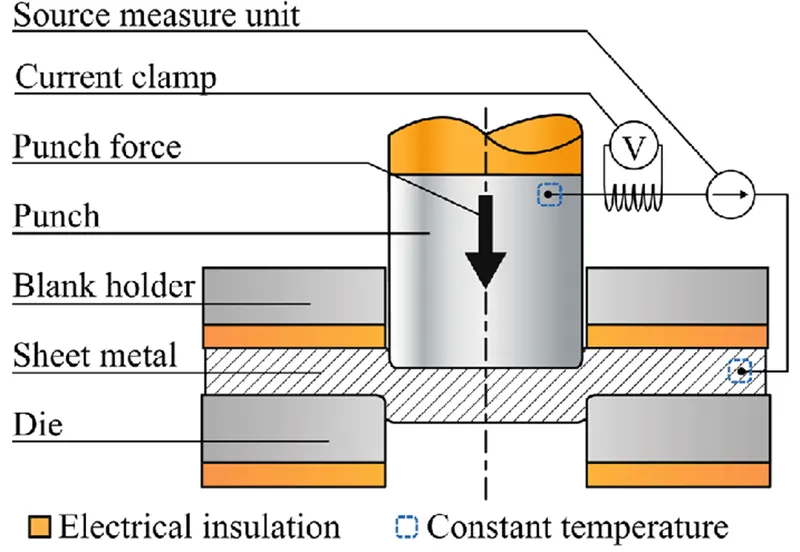
BLANKING : Blanking is a metal production process, during which a metal workpiece is removed from the primary metal strip or sheet when it is punched. The material that is removed is the new metal workpiece or blank.
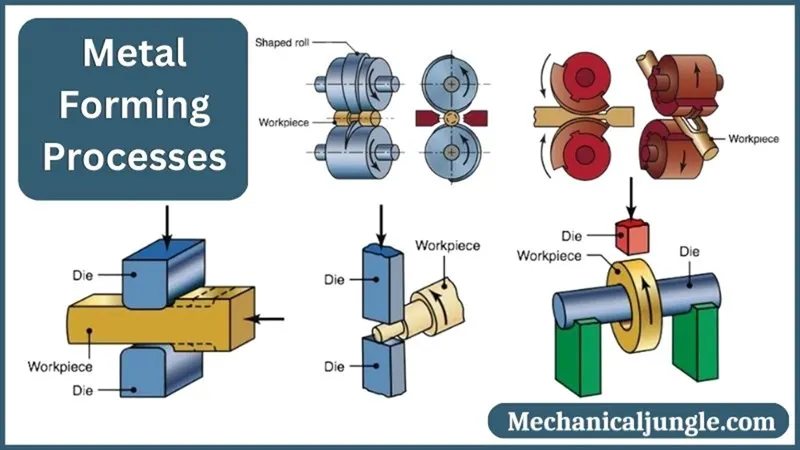
Forming : Forming is a mechanical process used in manufacturing industries wherein materials (mostly metals) undergo plastic deformations and acquire required shapes and sizes by application of suitable stresses such as compression, shear and tension.
Lancing : Lancing is a process in a metal sheet in which metal is cutting a sheet of metal through part of its length and then bending the cut portion. No material is removed in the lancing process. It is used to make tabs, vants, louvers in sheet metal workpiece.
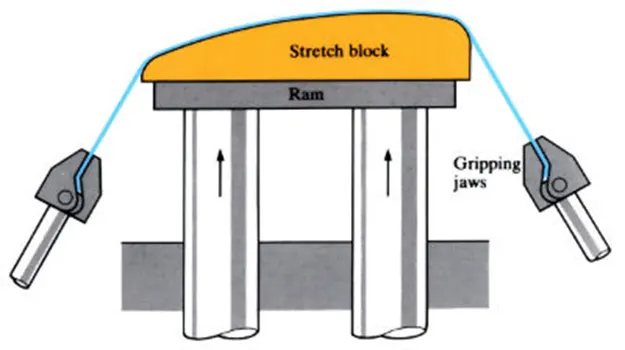
Stretch Forming : Stretch forming is a metal forming process in which a piece of sheet metal is stretched and bent simultaneously over a die in order to form large contoured parts. Stretch forming is performed on a stretch press, in which a piece of sheet metal is securely gripped along its edges by gripping jaws.
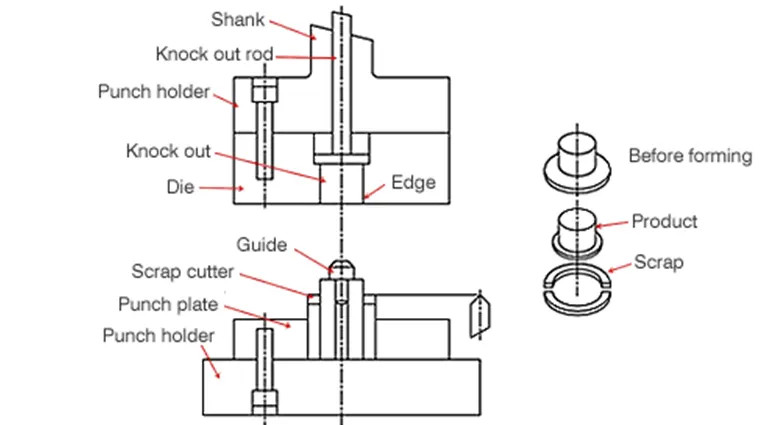
TRIMMING : The trimming process is the shearing of excess material from the headed configuration of complex shapes so as to obtain the final design and specifications.
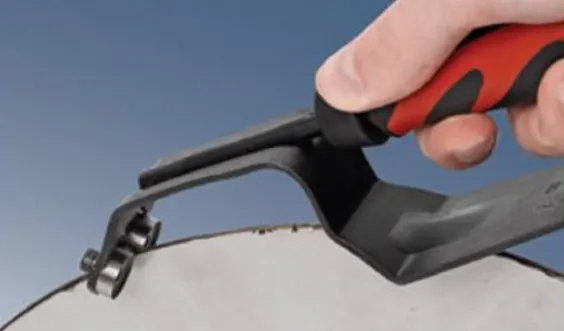
Deburring : The deburring tool that is used in the machines is the abrasive belt. Each belt has its own grit size, which is required for different types of burrs and alloys. A finer grit is recommended for softer alloys, whereas a rougher grit is best for alloys like steel.
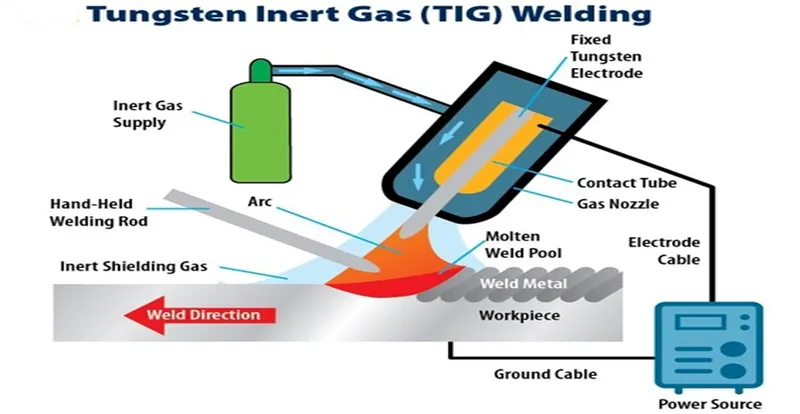
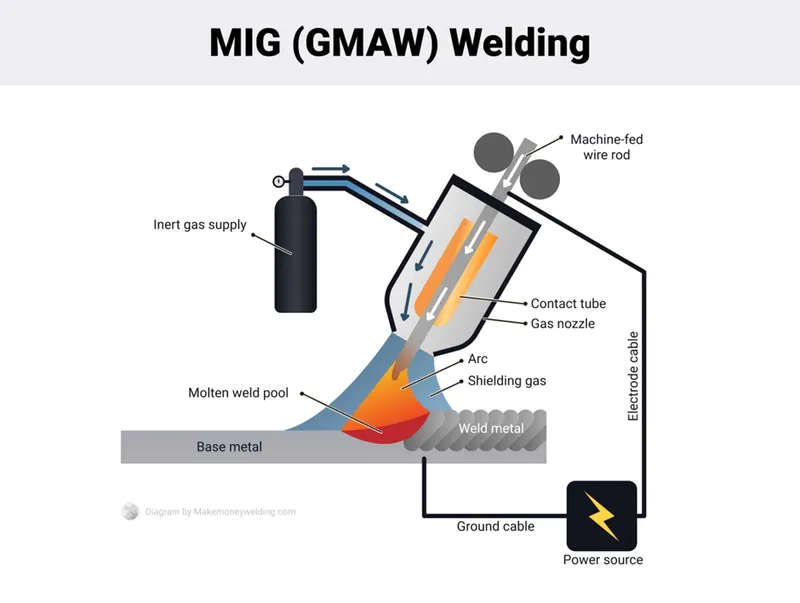
WELDING : The best welding processes for SHEET METAL are MIG and TIG. It is possible to stick weld on thin sheet metal, but it's harder to control the heat, it's messy and it's hard to master. Some welding machines also allow for pulsed MIG or TIG.
Spot Welding : Spot welding is a resistance welding process used primarily to weld two or more metal sheets together. It's called spot welding because this welding method creates a tiny dot weld, that looks like a spot.
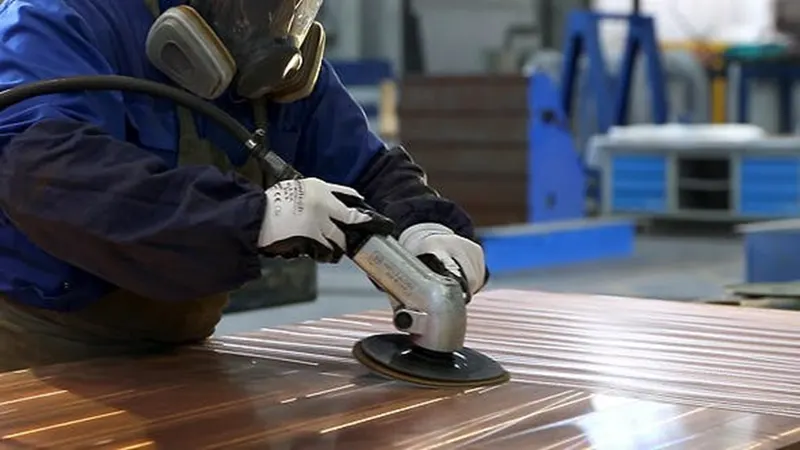
Grinding : Grinding for Precision Sheet Metal Fabrication is often a manual job to finish off to smooth welds, created unique lines, and finish rough edges. The goal is to remove small amounts of material in order to achieve a particular finish or tight tolerance. Most metal fabrication companies have a grinding machine
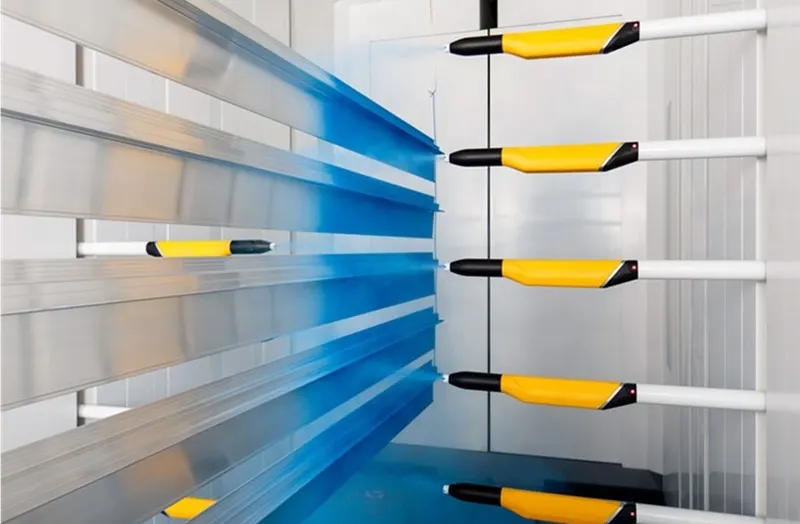
Painting : In painting sheet metal, the substrate is prepared for coating. Next, a primer is applied to the base metal, followed by multiple layers of paint. Finally, a protective coating, such as lacquer is added to protect the underlying paint.
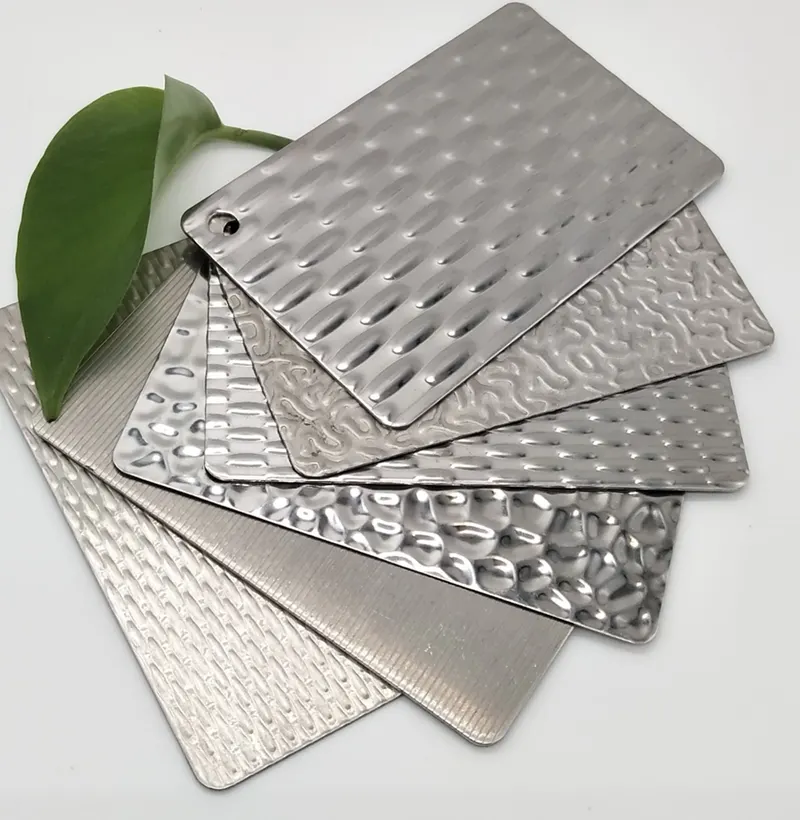
Embossing : Sheet metal embossing is a stamping process for producing raised or sunken designs or relief in sheet metal.The metal sheet embossing operation is commonly accomplished with a combination of heat and pressure on the sheet metal, depending on what type of embossing is required. Theoretically, with any of these procedures, the metal thickness is changed in its composition.
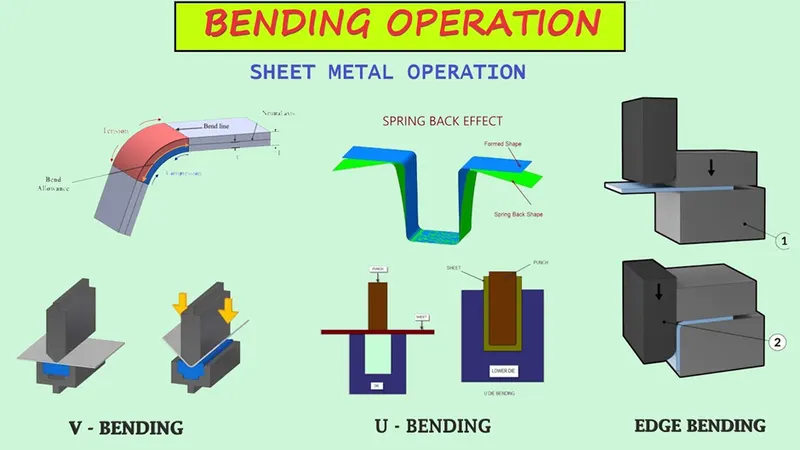
Bending : The sheet metal bending process involves applying a force to a sheet metal part to change its geometry. This force causes stress on the sheet metal beyond its yield strength, causing the material to physically deform without breaking or failing. The press brake is a commonly used tool to bend sheet metal.
 .
.
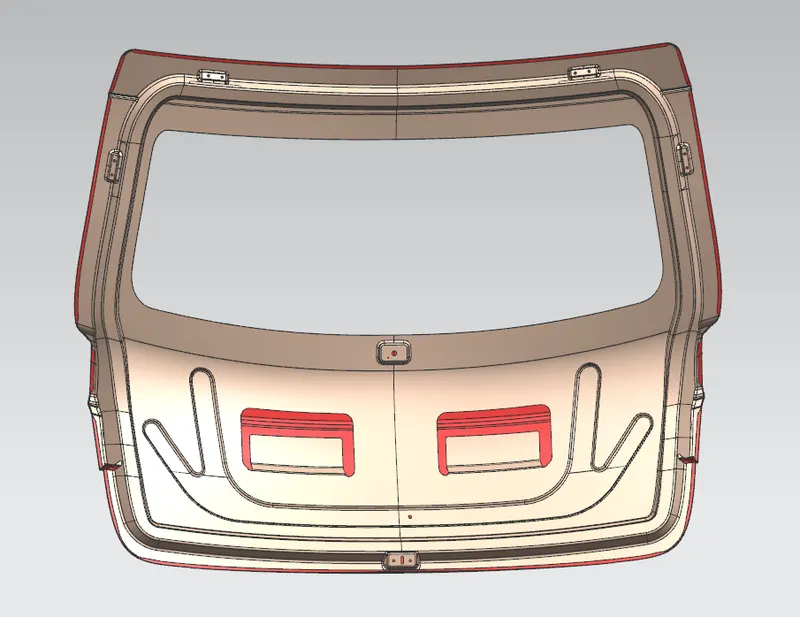
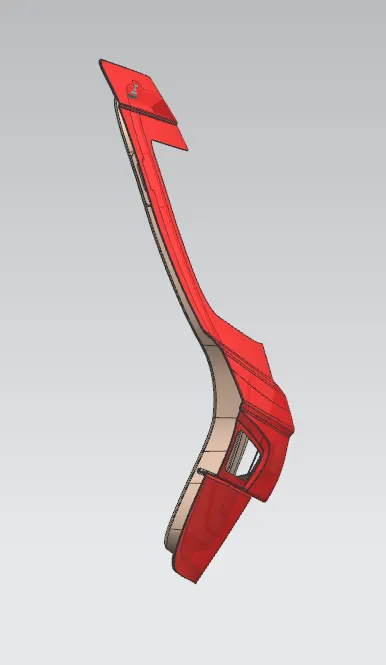
Back Door Views :
Front View
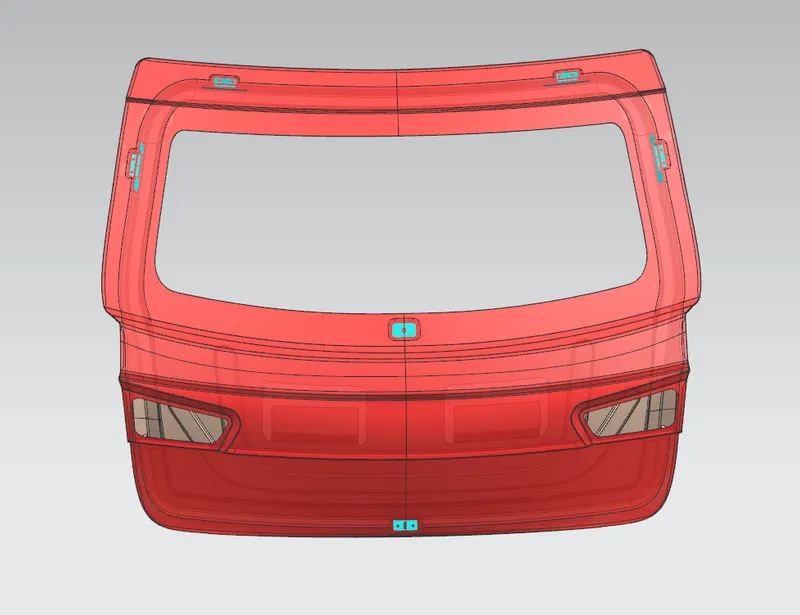
Back View
Right Hand Side View
Conclusion :
We have Studied
- Designing of Back Door using design methodologies like Tool Direction, Sealing Flange, Force Distribution, Latch and Striker Trajectory, etc.
- Provided all the necessary Reinforcements and Embosses for the required strenghth of the Back Door.
- Did Draft Analysis of Outer Pannel, Inner Pannel and Reinforcements.
with this we can conclude that the back door is made with all requirements necessary and therefore can be placed on the car.