Design of backdoor
BACKDOOR DESIGN OF CAR
INTRODUCTION
Backdoor is one of the closure commodities in BIW sheet metal design. The backdoor has lot of components inside and is design to incorporate them easily. It affects the rear visibility and luggage area.
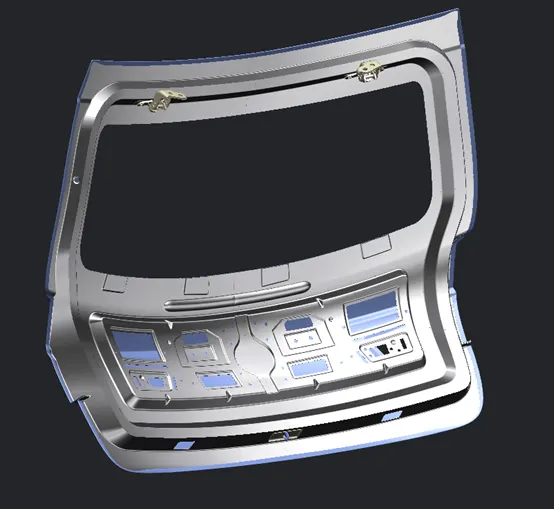
Using Aluminum improve the Strength where we can avoid the reinforcement. Aluminum improves the strength where we can avoid the reinforcements.
Steels parts stamped , we cannot vary the thickness of the part because of more numbers of parts are added ,which coud increase thr weightbof the part
So now a days most of the car manufacturers are trying to use aluminum instead of steel to reduce weight of the car
Components .
- Backdoor inner panel
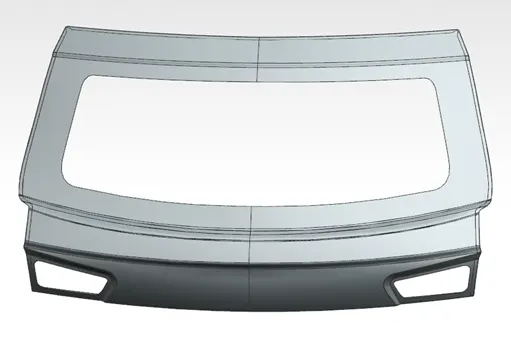
- Backdoor outer panel upper
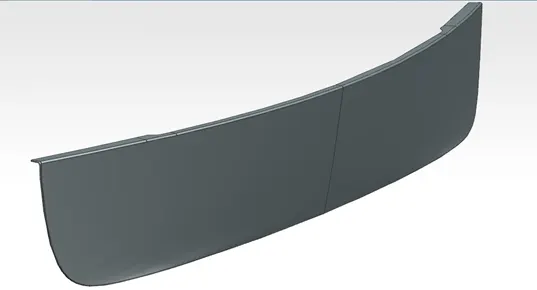
- Backdoor outer panel lower
- Hinge reinforcements
- Gas-Stay reinforcements
- Latch and striker reinforcement
- Hinge assembly
- BACKDOOR INNER PANEL
Emboss
Sheet metal embossing is a stamping process for producing raised or sunken design or relief in sheet metal. This process can be made by means of matched male and female roller dies or by-passing sheet or a strip of metal between rolls of the desired pattern.
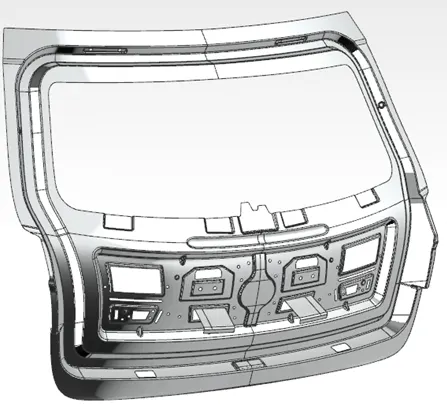
Embossing is done by pressing a sheet, that has design etched into it. This usually done with a male counter part underneath the paper so that the two and the design is transferred to the paper.
- BACKDOOR OUTER PANEL UPPER
- BACKDOOR OUTER PANEL LOWER
- HINGE REINFORCEMENTS
All Reinforcements used for to increase strength between two objects when connect,
And its thickness is 1.2 to 2 mm.
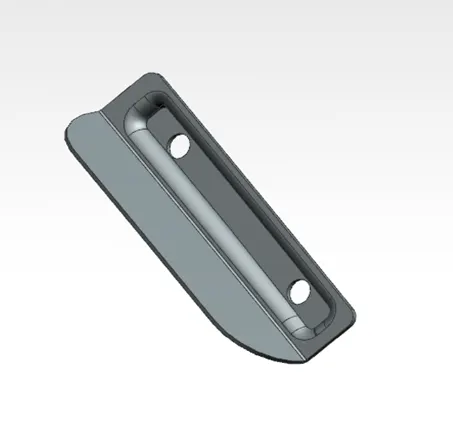
- GAS STAY REINFORCEMENT
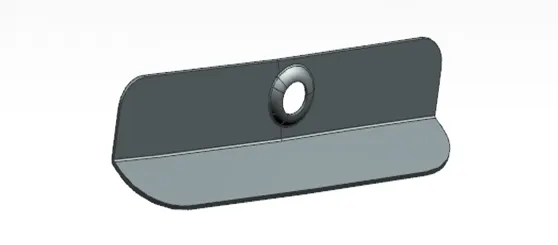
It used to lift up the Tail gate.
- LATCH AND STRIKER REINFORCEMENT
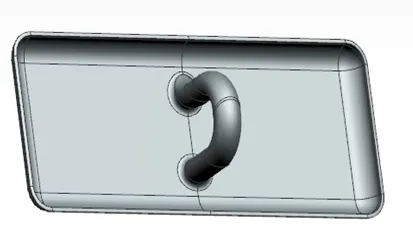
Latch and striker used to lock and open doors
- HINGE ASSEMBLY
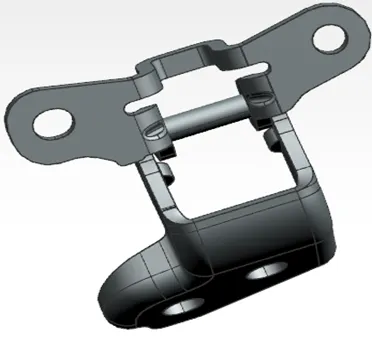
Hinges are the essential, that allows door to pivot on one edge as open as the open and close.
They are found on virtually all doors. It is a mechanical bearing that connects two solids objects, typically allowing only limited angle of rotation between them
HEMMING OPERATION
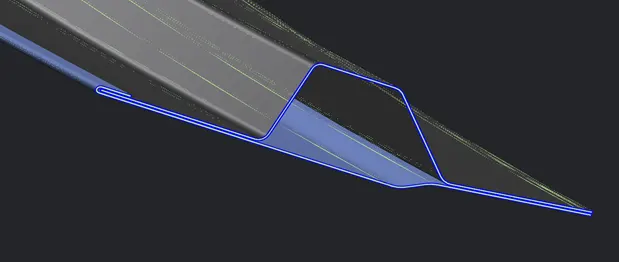
Hemming is a forming operation in which the edges of the sheet are folded or folded over another part in order to achieve a tight fit. Normally hemming operations are used to connect parts together, to improve the appearance of a part and to reinforce part edges.
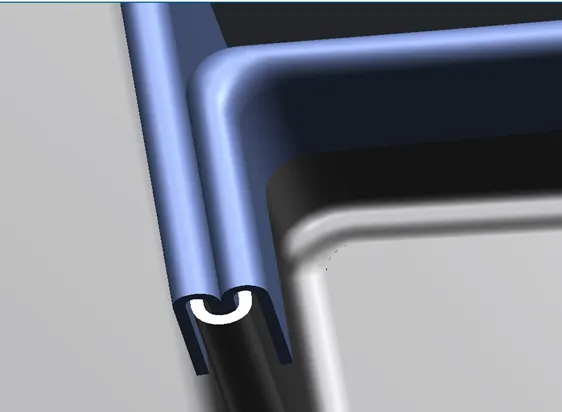
Hemming is used in assembly as a secondary operation after a deep drawing, trimming and flanging operations to join two sheet metal parts (outer and inner) together.
CONCLUSION
The design of the backdoor BIW was completed with the engineering standard and all the reinforcements.