Design of backdoor
CAR BACK DOOR DESIGN
1.Aim: To design back door of car using given outer class 'A' surface provided.
Backdoor :
Aim:
Using the provided styling surface to come up with a back door design and using appropriate design methodologies and make the necessary reinforcements and embosses .
What is a back door?
A door is a hinged part which is used for entry and exit of the vehicles. Back doors are one of the type doors of the vehicle which are located next to the passenger seat which provides access to the luggage compartment. In most of the cars, these back doors are operated with the help of gas stay which in turn reduces the effort required to lift open the door. Some luxury cars have powered backdoor which in turn is driven by an electric motor. This kind of system is also called a powered trunk lid system. Hatchback or station wagons are sold as 3 door or 5 door models. In this case, the rear hatch is classified as door this is because it enters the passenger compartment. The naming is mainly used in Europe countries. In case of safety, the back door designed should meet the safety requirement for the rear collision.
2.Types of the back door based on working positions.
The door or opening of a cargo area may be hinged at the top, side, & bottom. If the door hinged in the bottom it is called as a tailgate.
3.What is back door of a car?
A door which is located at the rear side of a car which gives access for the boot space to store luggage, spare wheel etc.
These doors can be operated manually or electric powered. In most of the luxury cars door is electrically operated.
4.Backdoor Challenge:
In this Challenge we will learning in detail about the following;
1.Design Requirements for the Tail Gate or Backdoor And its Components.
2.Functional Requirements.
3.Rear Visibility Criteria and Regulations.
4.Rear Crash Regulations and Requirements.
5.Sealing And its functions.
6.Joining Techniques followed like Hemming, Spot Welding etc.
7.Manufacturing Techniques using Casting parts.
8.GAP and FLUSHNESS Requirements.
9.Functional Requirements of Hinge, Gas Stay/Power Lifter.
Image no.4.a
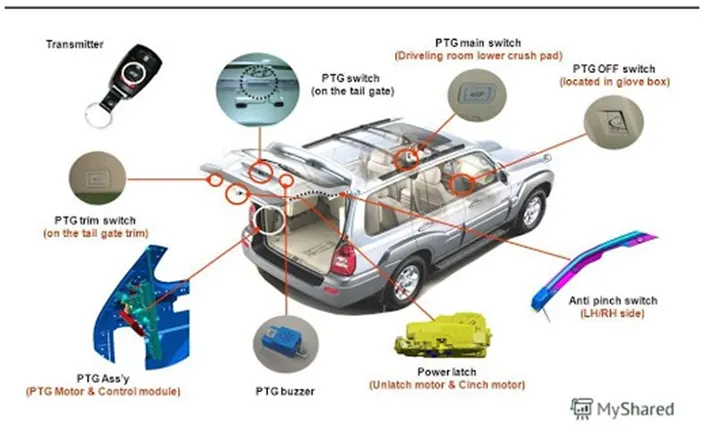
Image no.4.b
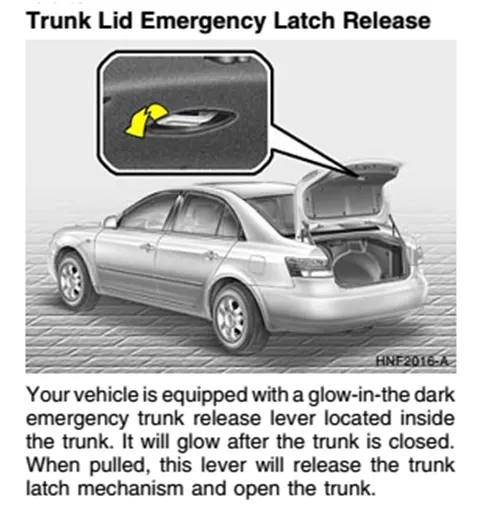
Image no.4.c
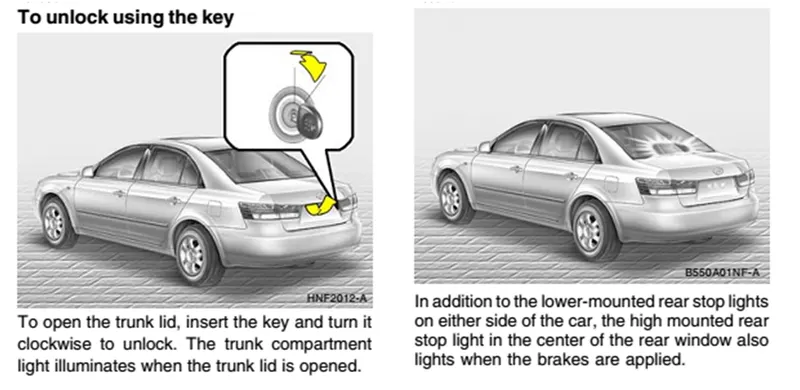
Image no.4.d
5.Back Door Assembly:
- Inner panel
- outer panel
- hinge and its reinforcement
- wiper motor reinforcement
- latch & striker and its reinforcement
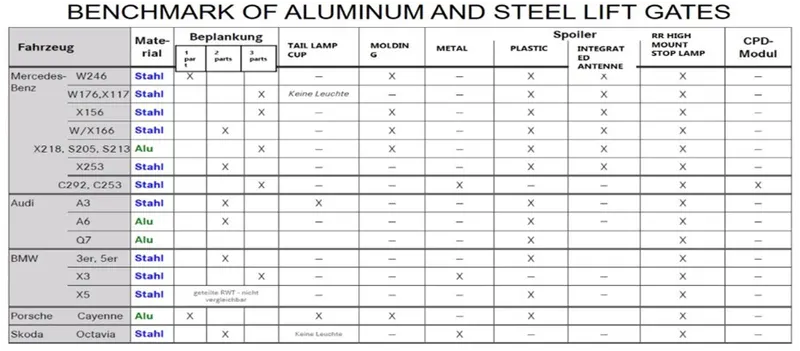
Image no.5.a
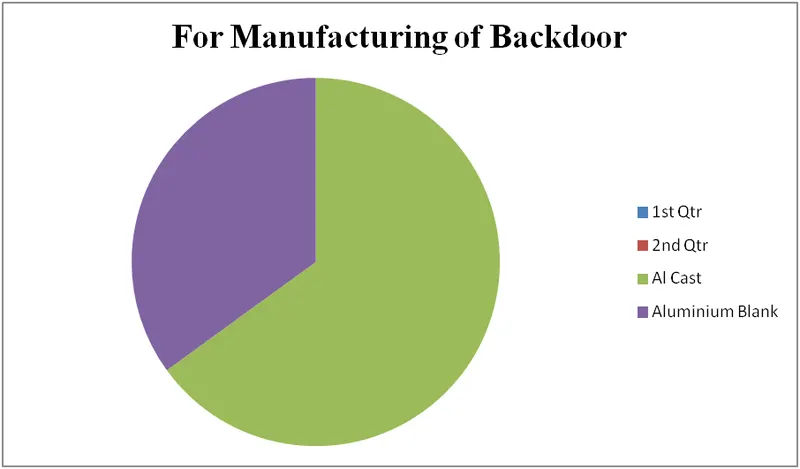
Image no.5.b
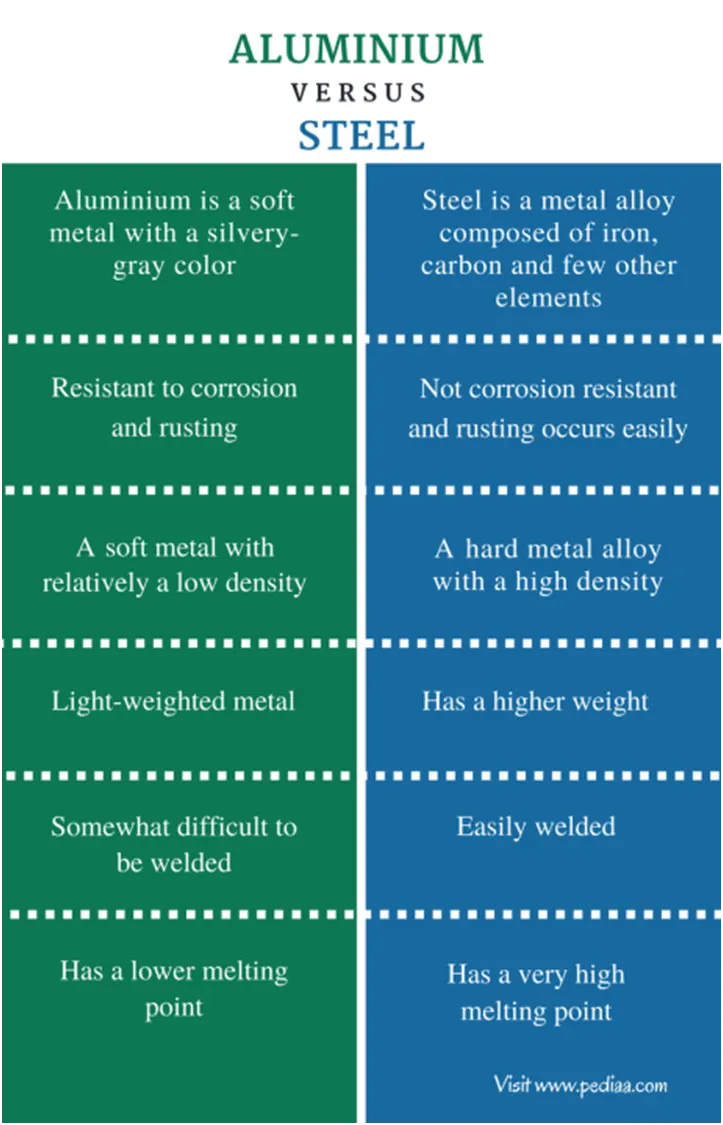
Image no.5.c
Aluminium:-
1.Parts are been casted
2.Reinforcement can be neglected
3.Local Thickness can be varied
4.Lighter in weight and less number of components.
5.We should no need to give the 7 degree of Angle, we should give 3 Degree also.
6.Costly cars for example Benz, Audi, BMW etc.
Steel:-
- Parts are Stamped.
- Reinforcement are necessary.
- Heavier in weight and more number of components are been used.
- We should give the 7 Degree of Amgle.
- So, thats why in all cars mostly the Aluminium parts are been used from Local to foreign Cars.
- GAS STAY:-
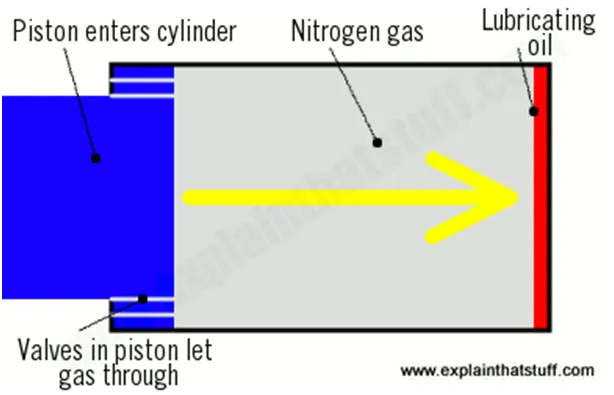
How a gas Spring Stores and Releases Energy
Image no.6.a
You store energy when you push a gas spring inward:
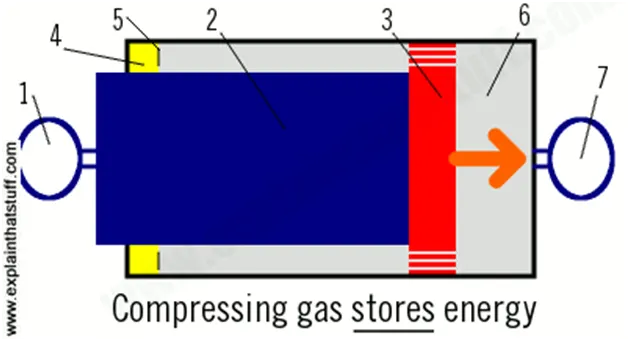
Image no.6.b
- The spring is fixed to a mounting bracket that can move back and forth with the door, lid (or whatever else it's attached to).
- When you apply a force, the bracket moves inward and pushes on the piston rod (blue), which moves into the cylinder (black).
- The piston rod pushes the piston (red) through the gas (gray). The piston makes a tight seal as it slides along the cylinder, but gas (and oil) can flow through it from (in this case) the right side to the left (and back again).
- The lubricant oil(yellow) greases the piston as it slides in and out.
- Tight seals (usually O-rings) allow the piston rod to move freely but keep the lubricant oil and the gas safely inside the cylinder.
- The nitrogen gas (gray) inside the cylinder is compressed as the piston moves in by an amount equal to the volume of the piston rod. Note that the gas is compressed on bothsides of the piston, to exactly the same pressure, as the piston moves in (that's different to a bicycle pump where the gas is compressed only on one side).
- The other mounting bracket stays in the same place throughout. When you let the spring move outward, the pressurized nitrogen gas expands, the piston moves back the other way, and the stored energy is released.
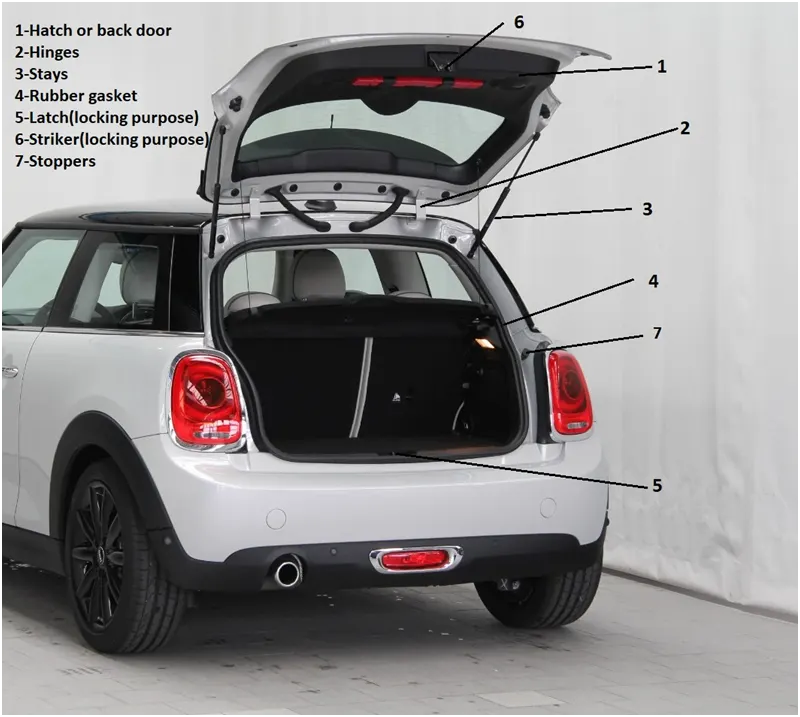
Electrical Operated Gas Stay.
Image no.6.c
7.Different Sheet metal processes used for manufacturing the Back Door
7.1Deep Drawing:
The metal deep drawing process is an effective method of manufacturing of cups, cans and other similar deep drawing products. The deep drawings having two main categories.
- First- stage drawing:The blank shape of metal is placed on the die and contact with the punch. When the metal specimen is flat piece of sheet metal used in forming and finish the product. Initially the punch moves in downward direction. The outer rim of blank is subjected to pure radial drawing (drawing toward in vertical axes) between die and blank metal. The metal become a bend and sliding over die and also stretched between die and punch. The metal in vicinity of punch head and contact with it bend and slide over radii and stretch over punch head.
- Redrawing:The components drawn from first stage again it is redrawn convert into more depth to form a cup shape in the die and punch. The second stage of drawing is called as redrawing.
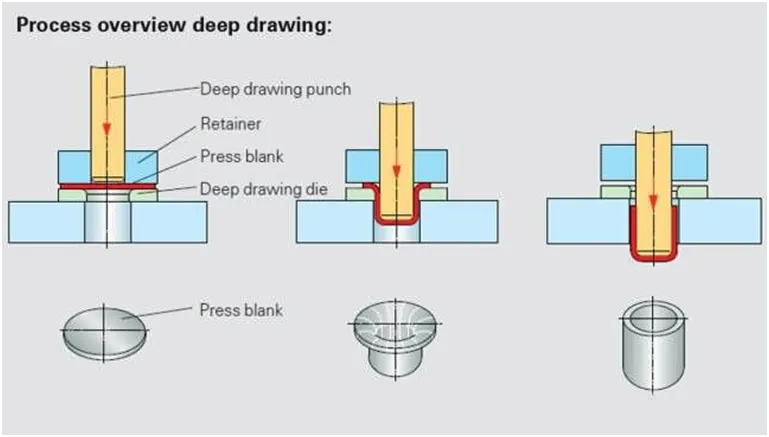
Image no.7.a
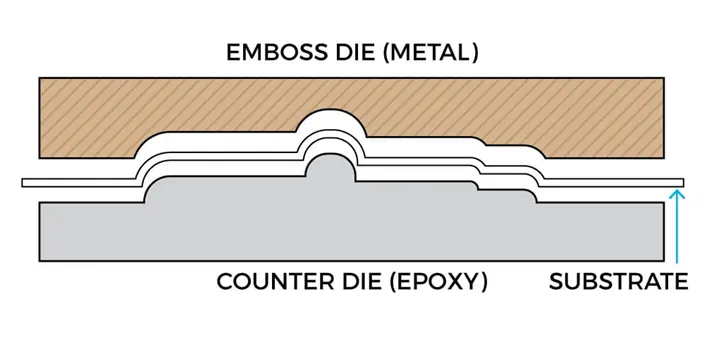
Embossing:
Embossing is a metal forming process for producing raised or sunken designs or relief in sheet materials by means of matched male and female roller dies, theoretically with no change in metal thickness or by-passing sheet or a strip of metal between rolls of the desired pattern. Metal sheet is drawn through the male and female roller dies producing a pattern or design on the metal sheet. Depending on the roller dies used, different patterns can be produced on the metal sheet.
Materials commonly used in the metal embossing process include:
- Aluminum alloys
- Steel alloys
- Zinc
- Copper
- Galvanized steel
- Brass
Cold rolled steel
Image no.7.b
Hemming:
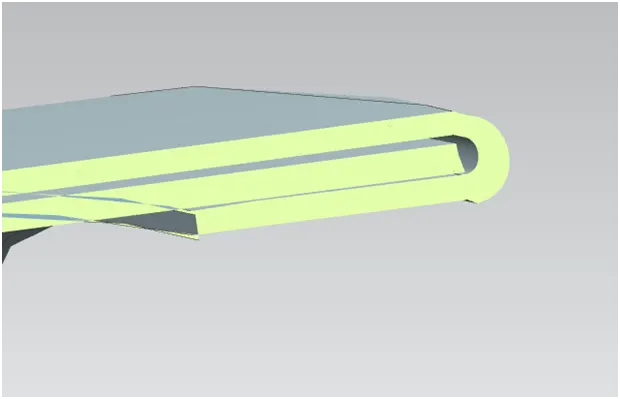
Image no.7.c
Hemming is a forming operation in which the edges of the sheet are folded or folded over another part in order to achieve a tight fit. Normally hemming operations are used to connect parts together, to improve the appearance of a part and to reinforce part edges.
In car part production, hemming is used in assembly as a secondary operation after deep drawing, trimming and flanging operations to join two sheet metal parts (outer and inner) together. Typical parts for this type of assembly are hoods, doors, trunk lids and fenders.
There are various types of hemming operations:
- Conventional die hemming:In conventional die hemming, the flange is folded over the entire length with a hemming tool.
- Roll hemming:In roll hemming, the hemming roller is guided by an industrial robot to form the flange.
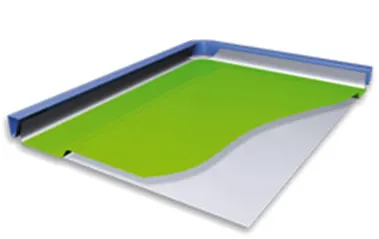
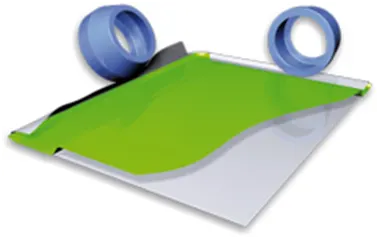
Image no.7.d
Open Hem: A Hem has a full round feature and a return flange. In open hem bend angle is equal to 180 degrees.
Tear drop Hem: In tear drop hem the bend angle is greater than 180 degrees.
Closed Hem: Hems without any inside radius are called as closed hem. Closed hems are not recommended if the hem geometry is to be painted or if the material used is SST or Aluminium.
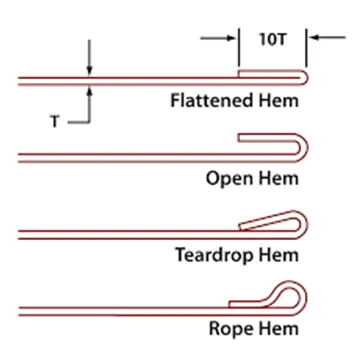
Image no.7.e
Blanking:
Blanking is a cutting operation of a flat metal sheet and the article punched out is known as blank. Blank is the required product of the operation and the metal left behind is considered as a waste.
Punching:
It is similar to blanking only the main difference is that, the hole is the required product and the material punched out from the hole is considered as a waste.
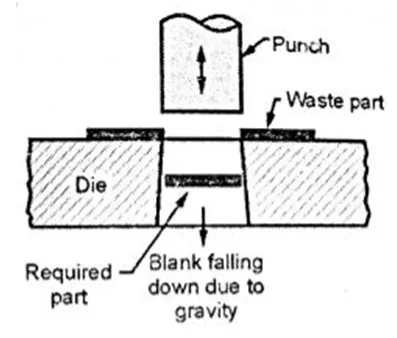 Image no.7.f
Spot Welding:-
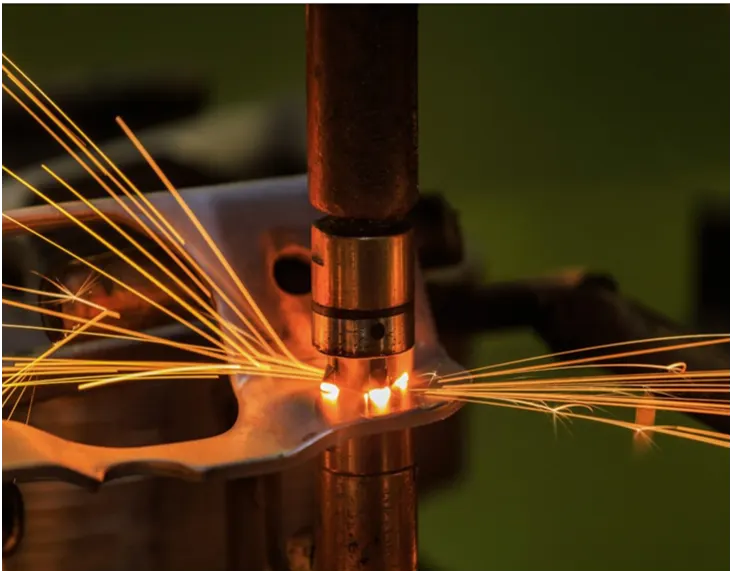 Image no.7.g
8.Load cases:-
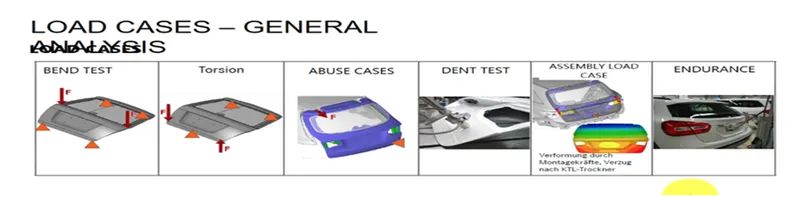
Image no.8.a
Load Cases for General Analysis :-
1.BEND TEST
2.TORSION TEST
3.DENT TEST
4.ENDURANCE TEST
5.ABUSE CASES
Design of Back door in NX CAD:
Door parts thickness is given below,
- Outer Panel - 0.75 mm
- Inner Panel - 0.75 mm
Parts Of the BackDoor
a.Inner Panel
b.Hinge Mounting Bracket ( LH & RH )
c.Gas Stay Bracket ( LH & RH )
d.Wiper Motor Support Bracket
e.Latch
f.Latch Reinforcement
g.Hinge reinforcement ( LH & RH )
h.Gas Stay Reinforcement ( LH & RH )
As per the Given Data,
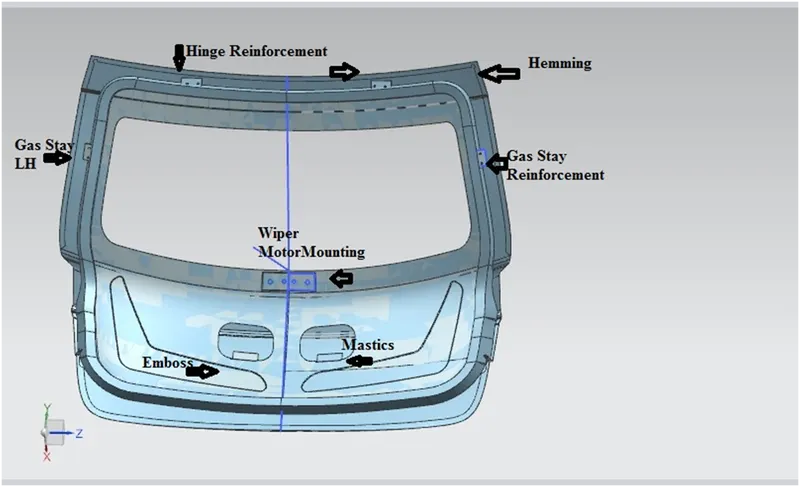
Image no.8.b
REINFORCEMENT
Vehicle Door reinforcement structures as provided to reduce impact in collisions. In one embodiment, the structure is to include a lower reinforcement panel configured to mount to a vehicle chassis and an upper reinforcement panel welded to the lower reinforcement panel wherein the deflection of a front deformable wall of the upper reinforcement panel is configured to trigger deflection of rear deformable wall of the lower reinforcement panel.
To reduce the impact to the occupants inside the car, additional latch and hinge reinforcement to the hood. When latch and striker are placed, there is drop in strength at that position thus reinforcement is required
Hinge Reinforcement
What is HINGE ?
Hinges are simple mechanical bearing devices that are used to connect two parts and allow them to rotate relative to each other about a fixed axis. Depending on the type employed, the components can move (most commonly) within a limited arc or with 360° freedom.
Material Used for HINGE
Due to the applications in which they are applied, hinges need to be able to withstand the stress of consistent opening and closing. To fulfill this requirement, many hinges are made of stainless steel as the strength of steel materials allows the hardware to bear heavy components, and the stainless characteristics prevent rust and corrosion. The latter is important because hinges used in external applications, especially near the ocean or salt lakes, can experience fatigue and failure much quicker due to exposure to moisture and salt in the environment.
Why we need Reinforcement ?
Hinge rotates in the rotational axis in that it will loose some strength there,It means huge Back door opens with the help of small hinges only in this case hinge needs extra strength,For this we providing extra strength in the form of Reinforcement.
Given Surfaces are been modified as per the availability
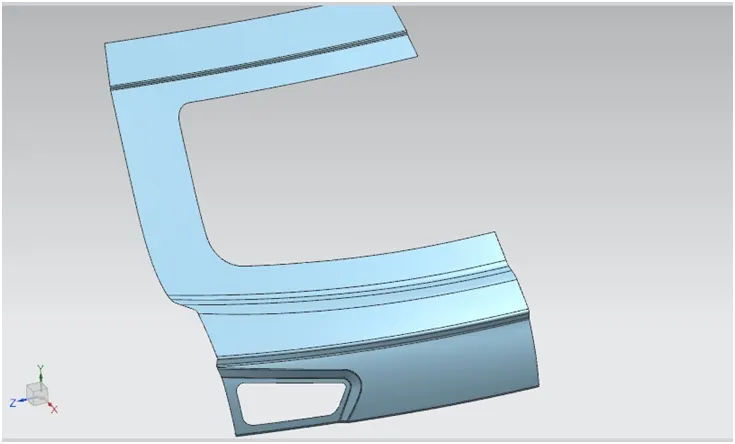
Image no.8.b
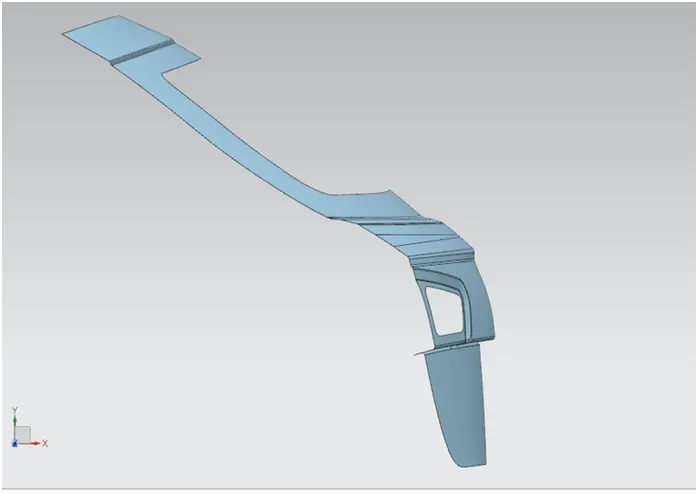
Image no.8.c
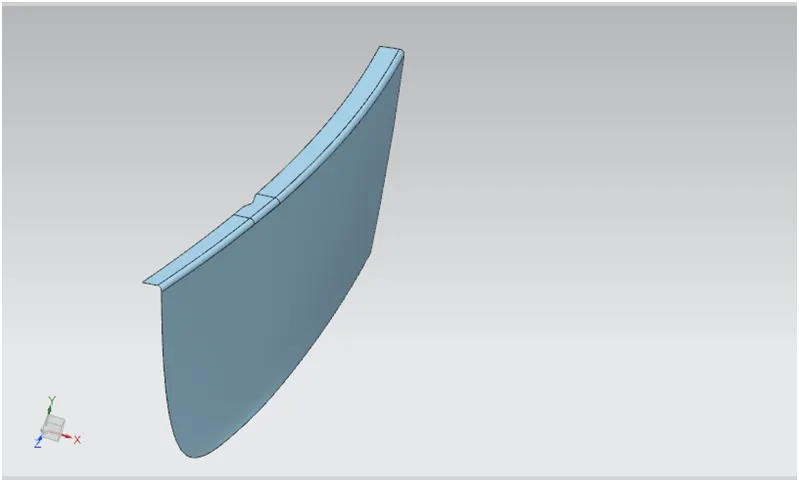
Image no.8.d
First, we need to create the Tooling direction for the Deep drawing operation. It shows that all the operations like embossing is done by considering this vector direction and it will help in manufacturing the part.
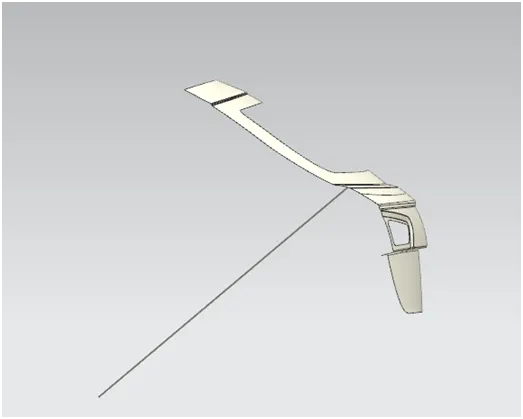 Image no.8.e
After that we have to create Sealing Flange by offsetting the outer panel to the specific distance.
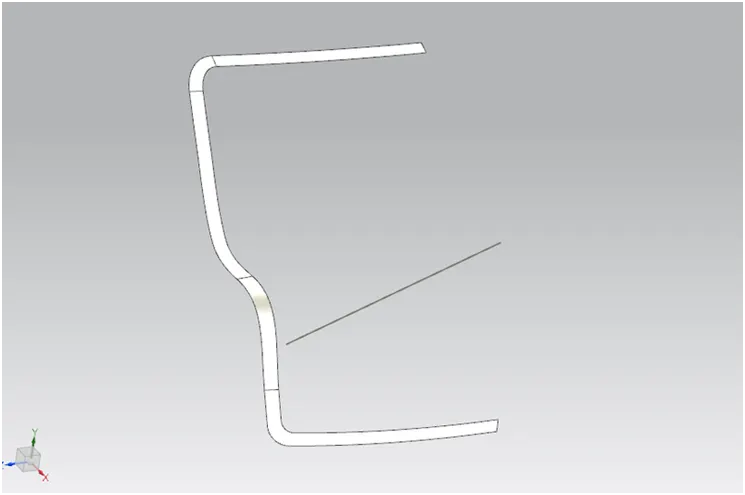 Image no.8.f
Then we will be creating the Back door inner panel flange by offsetting the outer surface at a distance considering the sheet thickness and thickening direction.
Then created the connecting flange to join the inner panel and sealing flange.
Then for the windshield panel mounting, windshield panel is created and joined with sealing flange.
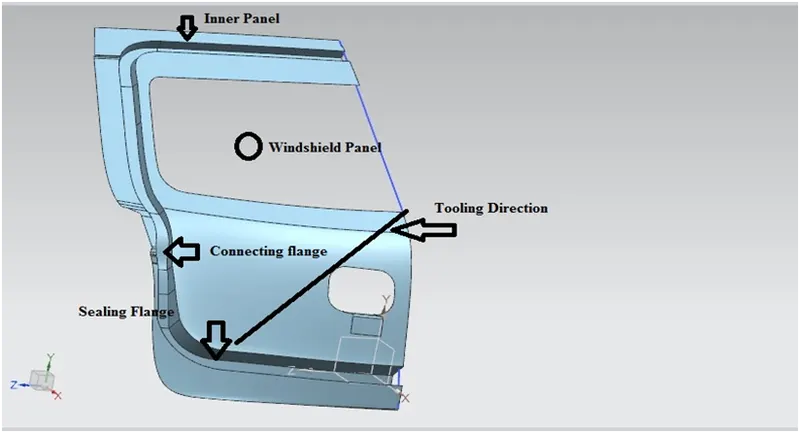
Image no.8.g
9.Parts Of the BackDoor
1.Inner Panel
2.Hinge Mounting Bracket ( LH & RH )
3.Gas Stay Bracket ( LH & RH )
4.Wiper Motor Support Bracket
5.Latch
6.Latch Reinforcement
7.Hinge reinforcement ( LH & RH )
8.Gas Stay Reinforcement ( LH & RH )
INNER PANEL
Inner door panel is a component which is use for strengthening the door assembly and it is one of the most important components on witch all accessories are mount like hinges, glass guide channel and gas stay.Back door inner panel is mounted with the the Roof.Inner is mounted with the outer panel with the help of hemming process.
- Materials used for the Inner panels are steels,Aluminum.
- For giving more strength to the inner panels by Adding extra reinforcements to strengthen the parts.
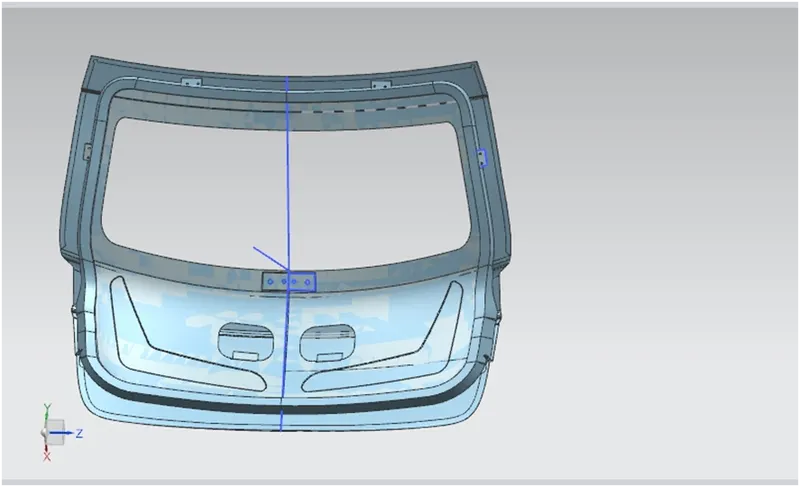
Image no.9.a
Above picture shows that the inner panel for Back door of a car.
In the Inner panel i used embosses,Outer panel and inner panel mounting area,space for Harness,Wind Glass Mount and fillets,No sharp corners.
10.Embossing
Embossing is a metal forming process for producing raised or sunken designs or relief in sheet material by means of matched male and female roller dies, theoretically with no change in metal thickness, or by passing sheet or a strip of metal between rolls of the desired pattern.
- Metal sheet is drawn through the male and female roller dies producing a pattern or design on the metal sheet. Depending on the roller dies used, different patterns can be produced on the metal sheet.
- Emboss should be in 7 degree to 25 degree inclinte in angle and it should not be in 90 degree angle,why because when we do stamping in manufacturing the stamping tool fits the sheet metal hence it will not come out of that sheet metal,So this is the main reason why the emboss face is in angle.
Characteristics of the metal embossing process include:
- Its ability to form ductile metals,
- Its use in medium to high production runs,
- The ability to maintain the same metal thickness before and after embossing,
- The ability to produce unlimited patterns, depending on the roll dies, and
- The ability to reproduce product with no variation.
Materials commonly used in the metal embossing process include:
- Aluminum (All Alloys)
- Aluminum (T1/T2)
- Brass
- Cold rolled steel
- Copper
- Galvanized steel
- High strength, low alloy, steel
- Hot rolled steel
- Steel (All Alloys)
- Zinc
11.Cable Harness Gaps
I left some gap for Headlamp Harness and tailgate light harness cables.
Left some gap also dissipates the force when collision happens.
To much of cutting the inner panel leads to weaken the panel.
12.MASTIC SEALANTS
A mastic sealant is a type of liquid sealant that cures in an elastic state, thus making it flexible while holding the bond of the surfaces that has attached together. It adheres to just about any material making an all-purpose type of sealant.
- The main purpose of the outer panel is for the aesthetic looks. Thus we cannot use bolts or welding. This has to be done with the help of the hemming and mastic sealants. Mastic sealants are elastic compound that behaves like the rubber. It is placed between the outer and inner panel. Initially is it in paste form, but after the hot furnace bath it gets hardened thus joining the outer and inner panel. Mastic sealant has the tendency to increase the strength of the panel.
13.DRAFT ANALYSIS:
Draft analysis of inner panel is carried out through the tooling direction only.Only the green areas are acceptable and i worst cases yellow regions are accepted but the blue and red regions are never accepted.
The draft angle for aluminium casted panel is 2 to 3 degrees is enough but if it is steel then the angle is more than 7 degrees.
In this project i considered it as steel and used 7 degrees as draft angle and direction is choosen as tooling direction which is the deep drawn direction.
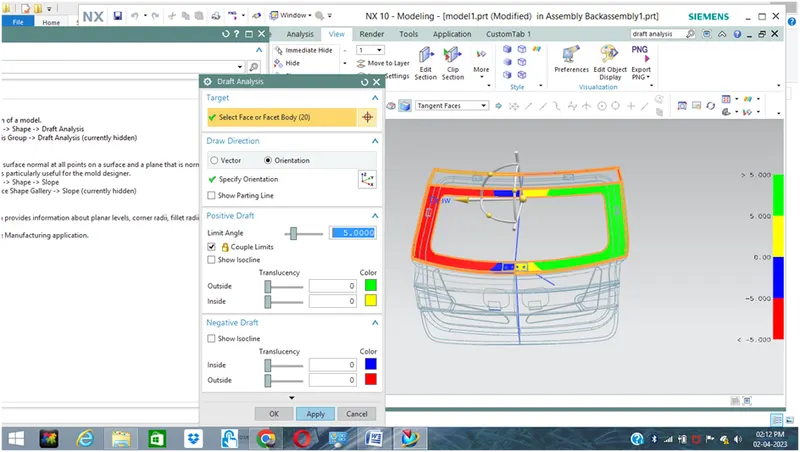
Draft angle LESS THAN 5 MM.
Image no.13.a
14.WIPER MOTOR MOUNTING
Below picture represents wiper motor mounting area. The area is for wiper motor mounting area.
Material Used for HINGE
Due to the applications in which they are applied, hinges need to be able to withstand the stress of consistent opening and closing. To fulfill this requirement, many hinges are made of stainless steel as the strength of steel materials allows the hardware to bear heavy components, and the stainless characteristics prevent rust and corrosion. The latter is important because hinges used in external applications, especially near the ocean or salt lakes, can experience fatigue and failure much quicker due to exposure to moisture and salt in the environment.
Why we need Reinforcement ?
Hinge rotates in the rotational axis in that it will loose some strength there,It means huge Back door opens with the help of small hinges only in this case hinge needs extra strength,For this we providing extra strength in the form of Reinforcement
Wiper Motor Reinforcement
What is Wiper Motor ?
Windshield wipers are powered by a small electric motor, usually mounted on the firewall or under the cowl (the area under the windshield's base). The motor activates linkage that moves the wiper arms back and forth. On vehicles with a rear window wiper, a separate motor powers the one in the rear.
15.POSITION OF LATCH:
Position of latch and striker is perpendicular to the hinge then only the latch and striker mechanism works properly when the door closing and opening position.
For the proper opening and closing of the Door, the striker should be perpendicular to the trajectory of the Door. For this, hinge is assembled at its position. Once it is placed, hinge axis is drawn.
- To check the hinge axis as the center we draw a big circle to the position the latch in such a way that it is perpendicular to the hood trajectory.
- In between the two hinges the striker is perpendicular to the midpoint of two hinges,Why because while closing and opening of latch and striker the opening position be similar actions.
16.CONCLUSION:
Thus,For the provided styling surface of a back door design, I used appropriate design methodologies and provided the necessary reinforcements and embosses for the BackDoor design.thus i designed a back door.