Design of backdoor
Submitted by: Syed Rizwan Ali
Course: Automotive sheet metal design using Siemens NX cad
Challenge: Back Door design.
AIM: Use the provided styling surface to come up with a back door design, use appropriate design methodologies, and provide the necessary reinforcements and embosses.
What is the Back Door of a car?
A door is a hinged part that is used for the entry and exit of vehicles. Back doors are one of the type doors of the vehicle which are located next to the passenger seat and provide access to the luggage compartment. Back Door is also referred to as 'Hatch' or 'Tailgate' or 'Trunk-lid' or 'Boot-door'. It's the rearmost part of the vehicle which gives access to the trunk and has mounts for tail lamps, hinges, wiper motor, gas stay, etc. In most cars, these back doors are operated with the help of gas stay which in turn reduces the effort required to lift open the door. Some luxury cars have a powered backdoor which in turn is driven by an electric motor. This kind of system is also called a powered trunk lid system.
Functions of the Backdoor:
- It protects the occupants and luggage from getting damaged during a collision.
- It houses the assembly of tail lamps, wiper motors, and other components.
- It serves as an entry and exit point for luggage/passengers.
- It houses windshield glass which helps in rear visibility.
- Parking sensors and rearview cameras are mounted on it.
Types of the back door
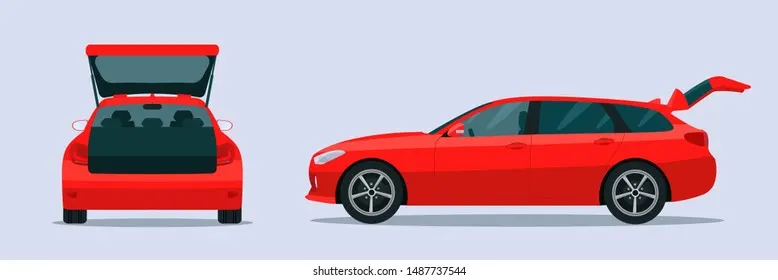
Top-Mounted :
This type of back door is used in a station wagon, pickup trucks, and some sport utility vehicles. Today’s modern cars use top-mounted tailgating systems which are both powered and also gas stay supported. These top-mounted tailgates provide greater rear visibility compared to side-mounted or bar doors which have canter pillars in them.
Side Mounted Doors :
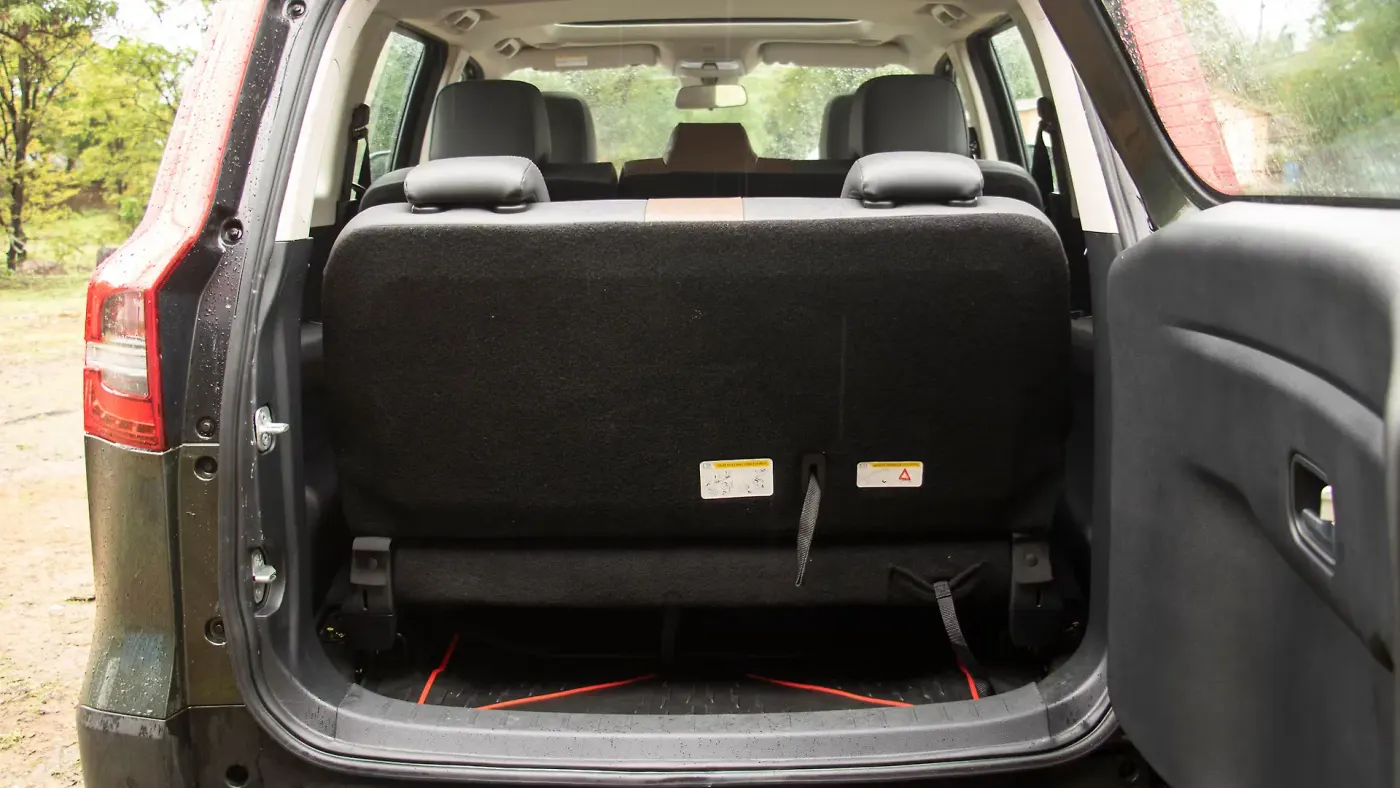
As the name signifies side-mounted doors are the ones which are used in the van type MPVs, SUVs, and pickup truck vehicles. These side-mounted doors or barn doors are a lot easier compared to top-mounted doors. These doors are generally smaller in size and can be easily accessed.
Types of mechanisms for Rear Door:
Gas stays:
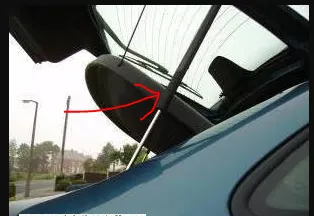
Gas stay types backdoor/liftgate/tailgate is an ideal and most commonly used tailgate mechanism from lower segment car to luxury car segment. The ideal components of the tailgate consist of a hinge, door, gas stay, and some rubber beadings for the sealing of the door.
Powered lift system:
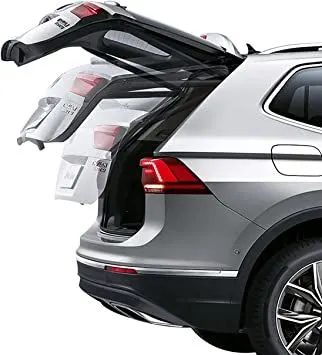
The power trunk lid system is another sophisticated way of trunk/liftgate opening mechanism which is to automatically opens and closes the trunk/liftgate and releases the latch with the touch of a button.
Now Creating the back door using the styling surface provided, so keeping in mind the design considerations and components to create-
Design considerations
- Rear visibility
- Boot space & accessibility
- Sealing Flange
- Support structures like hinges and gas stay.
- Mounts for wiper motor, tail lamps, and other wiring loops
- Rear crash regulations
- Joining techniques such as hemming, spot welding, etc.
- Gap and flush requirements
Components to create:
- Outer Upper Panel.
- Outer Lower Panel.
- Inner Panel.
- Gas Stay Reinforcement LH And RH.
- Hinge Reinforcement LH and RH.
- Striker Reinforcement.
- Wiper Reinforcement.
The thickness of the sheet is 0.75mm.
Procedure: Provided Class A styling surface has some irregularities which need to be corrected before starting the model creation-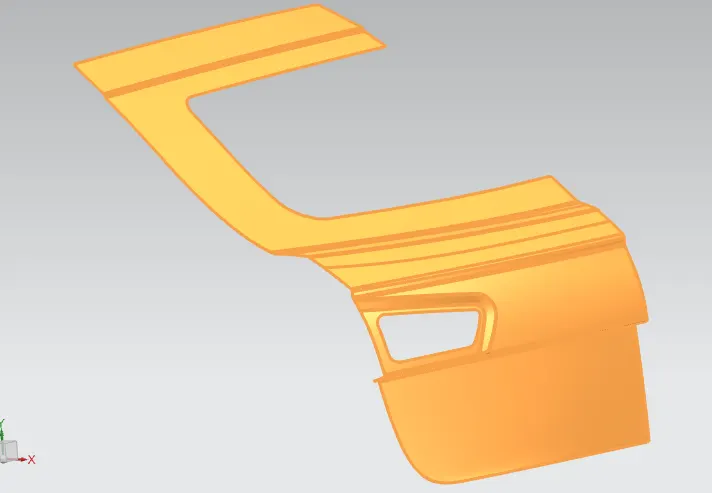
Now repaired upper and lower back door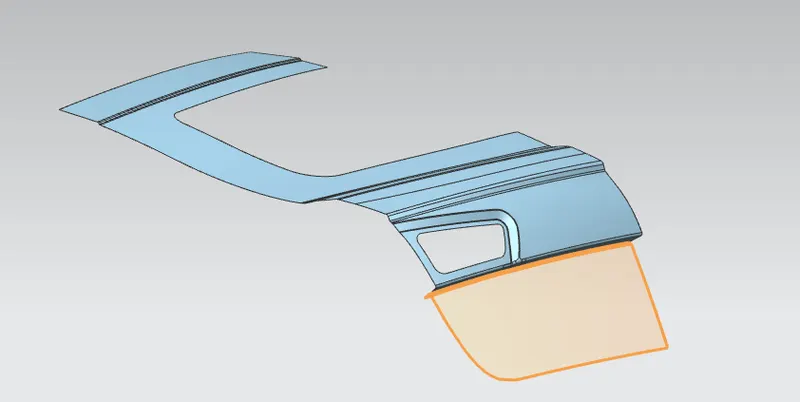
As we know that the back door is going to be manufactured by the deep drawing process so it must have some draft angle for proper manufacturing of the back door. Creating a tooling axis that will be considered as a tooling direction during the process.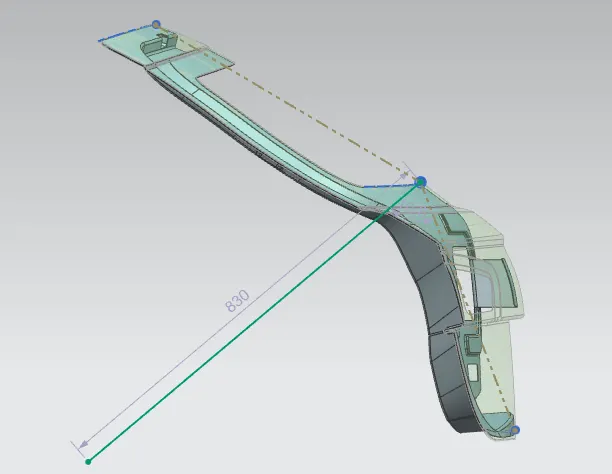
first checking the best angle of vector direction and making two lines then using bisecting line to create the third line which will be called the tooling line or tooling direction as shown in the image above.
Now creating a sealing flange on which back door will rest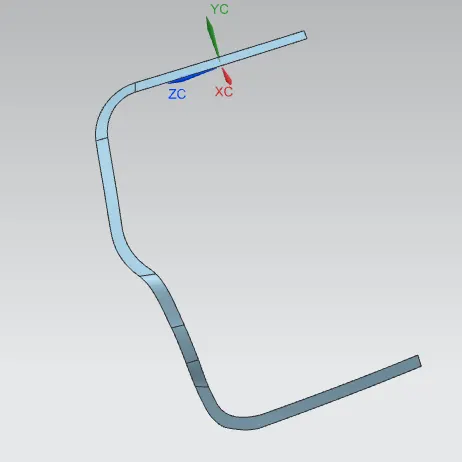
the Back door inner panel flange by offsetting the outer surface at a distance considering the sheet thickness and thickening direction.
Then created the connecting flange to join the inner panel and sealing flange.
Then for the windshield panel mounting, the windshield panel is created and joined with a sealing flange.
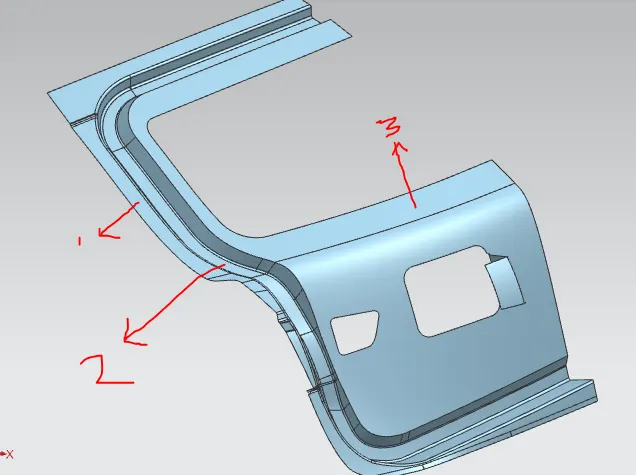
1. Inner panel flange
2. Sealing flange
3. Windshield Panel
Then to improve the strength of the inner panel and to reduce the weight emboss is given in such a way that force releases to the border or the flange. and other cut-outs are created. Also, for Latch and Stricker mounting cut-out is created. This cut-out is also done on another side of the inner panel to maintain the center of gravity of the Back door.
INNER PANEL
The inner door panel is a component that is used for strengthening the door assembly and it is one of the most important components on which all accessories are mounts like hinges, glass guide channel, and gas stay. The back door inner panel is mounted with the Roof. The inner is mounted with the outer panel with the help of the hemming process.
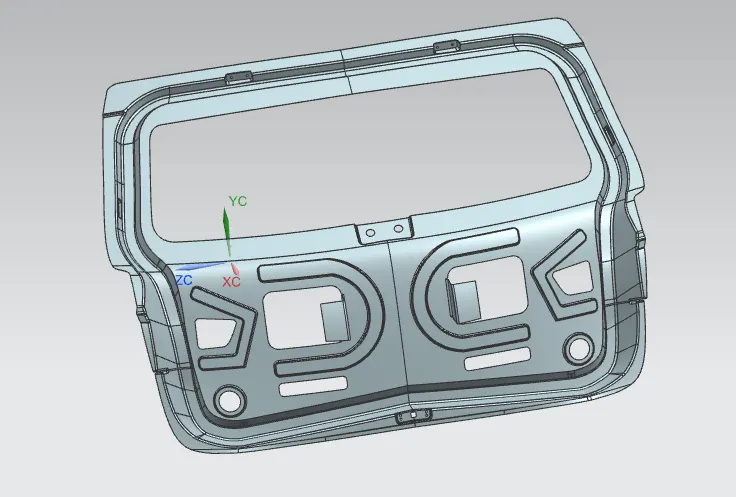
Reinforcement embosses is provided on the inner panel for hinge, gas stay, motor wiper and latch striker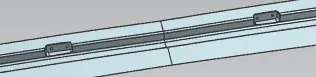
hinge emboss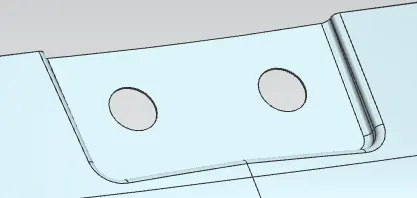
Wiper motor emboss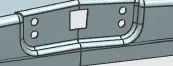
latch and striker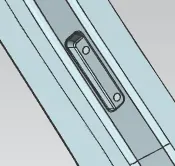
Gas Stay
Now the upper and lower part of the back door will be used to create the hemming flange outer panel of the back door. These two are the separate parts that are joining spot welding.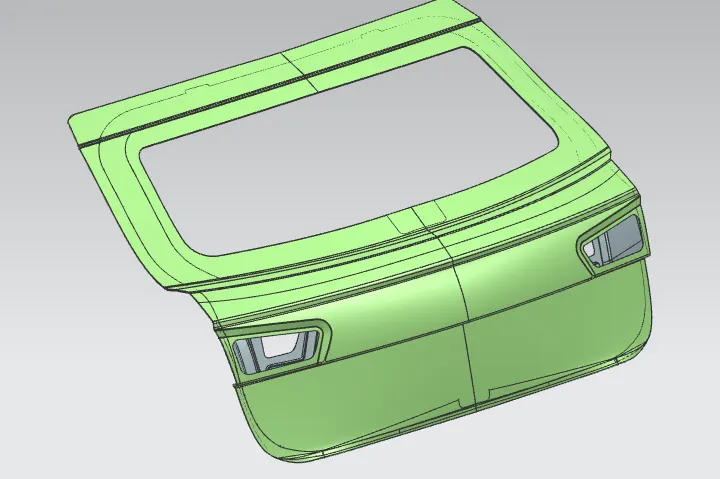
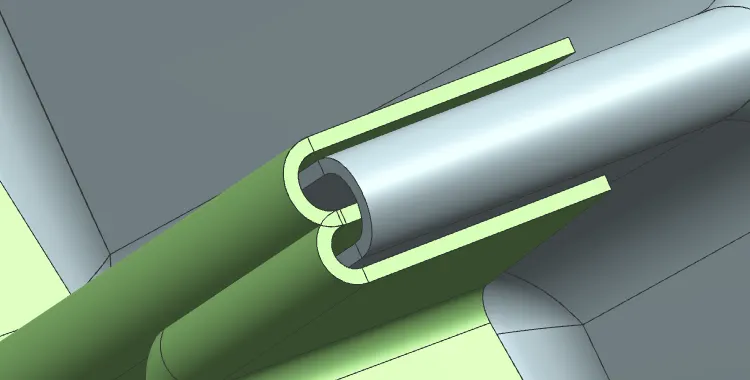
Hemming: Hemming is a forming operation in which the edges of the sheet are folded over another part in order to achieve a tight fit. Usually hemming operations are used to connect parts together, to improve the appearance of a part and to reinforce part edges. In car part production, hemming is used in assembly as a secondary operation after deep drawing, trimming and flanging operations to join two sheet metal parts (outer and inner) together. Typical parts for this type of assembly are hoods, doors, trunk lids and fenders.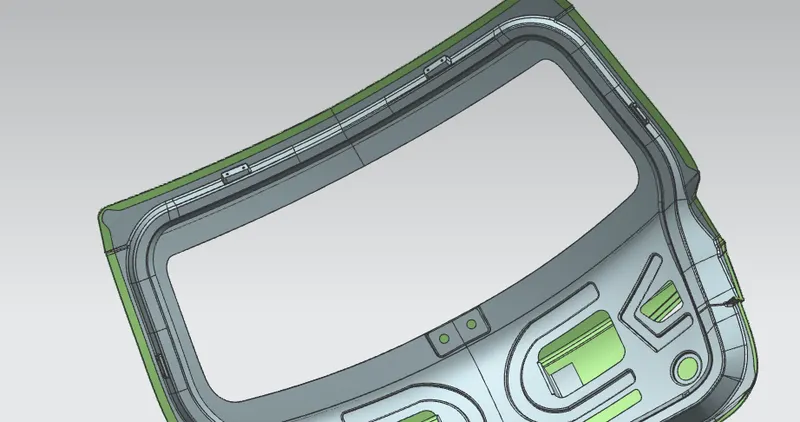
Hemming flange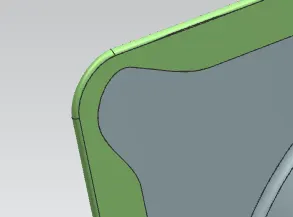
Relief cut for proper hemming and strength
For providing strength to the back door
1. Emboss
2. cutting flange which is used to join the inner and outer panel
3. mastic points
4. Mastic sealant is used.
5. Hemming
Reinforcement parts-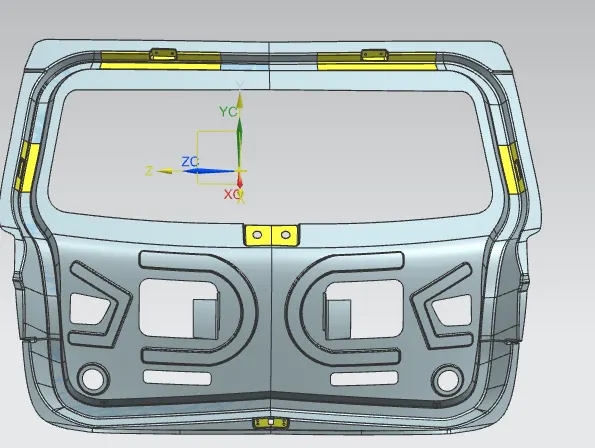
Hinge mounting -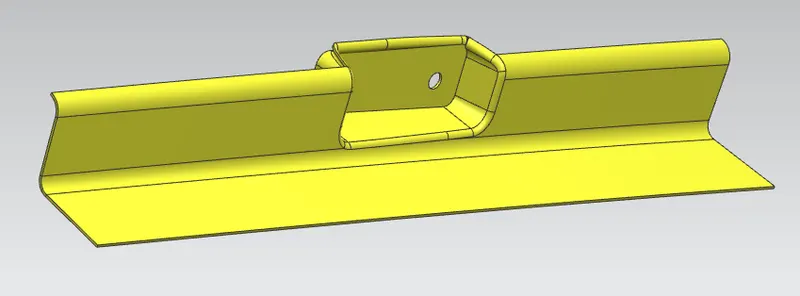
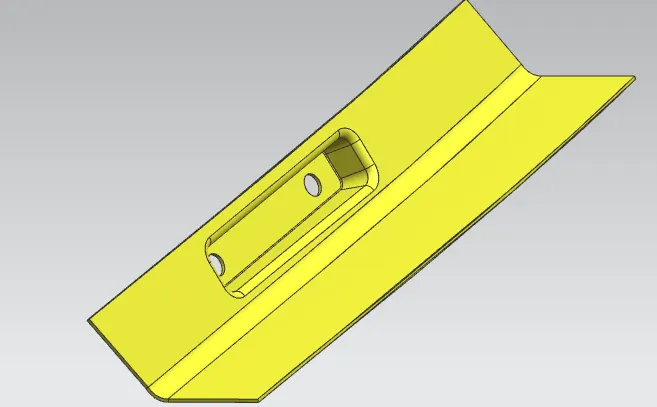
gas stay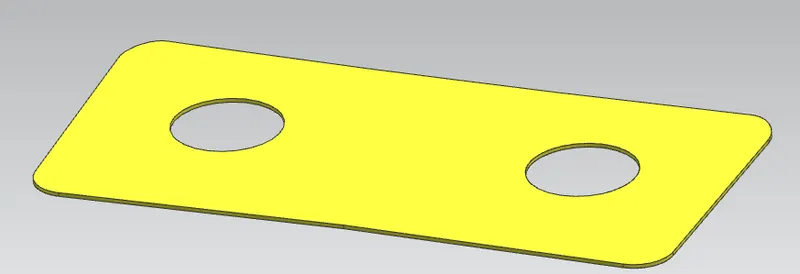
Wiper motor mounting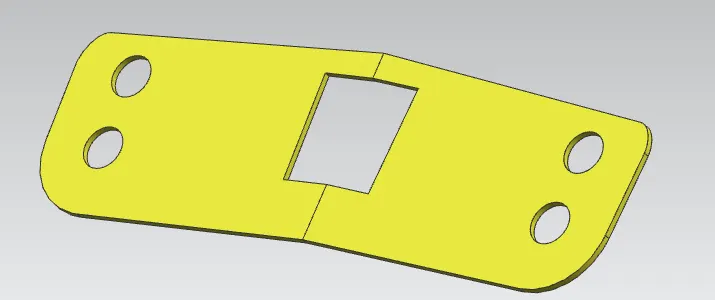
Latch and striker mounting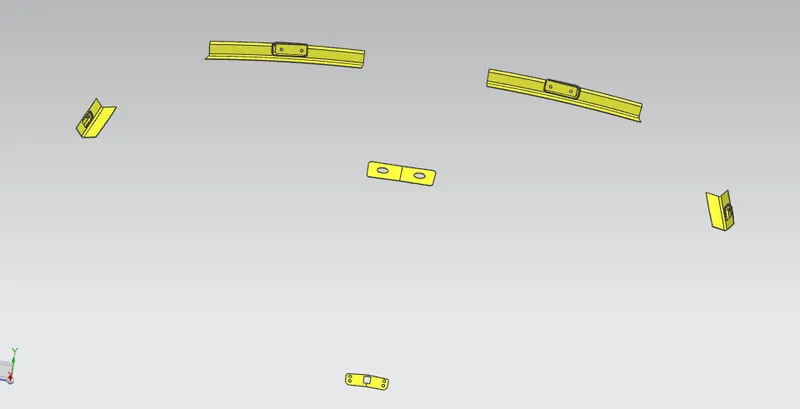
Making of Latch and striker Trjactory-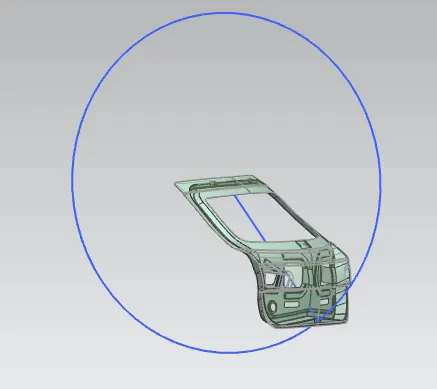
The position of the latch and striker is perpendicular to the hinge then only the latch and striker mechanism work properly when the door closes and opening position.
For the proper opening and closing of the Door, the striker should be perpendicular to the trajectory of the Door. For this, the hinge is assembled at its position. Once it is placed, the hinge axis is drawn.
Draft analysis-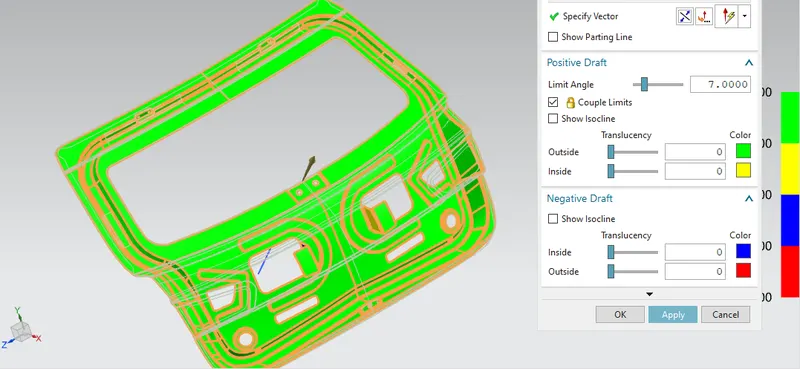
Draft analysis of the inner panel is carried out through the tooling direction which is created in keeping in mind that part going to form using deep drawing. Only the green areas are acceptable and in the worst cases yellow regions are accepted but the blue and red regions are never accepted.
The draft angle for the aluminum casted panel is 2 to 3 degrees is enough but if it is steel then the angle is more than 7 degrees.