Design of backdoor
BACKDOOR DESIGN:
- AIM: To Design the automotive car Backdoor using the master section and OEM's design standards.
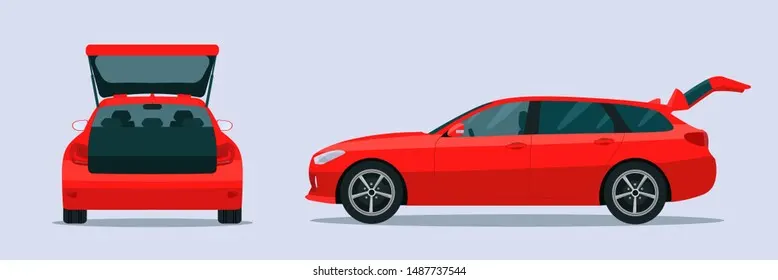
What is a Backdoor?
- The Backdoor is the rear part or component of the automotive vehicle.
- A door is a hinged part that is used for the entry and exit of vehicles.
- Back doors are vehicle-type doors located next to the passenger seat, providing access to the luggage compartment.
Design consideration:
- Rear Visuality criteria
The Backdoor design should be in such a manner that the rear view will be visible to the driver.
- Latch and Striker locking and unlocking
The Backdoor design should be in such a manner that the locking of the door and unlocking of the door should be fully aligned with the opening and closing trajectory of the backdoor
- Reinforcement
As we can't provide different thickness values to parts. So, to provide more strength to the mounting area we use reinforcement.
- Hemming clearance and Mastic glue Clearance
For hemming Clearance and hemming glue, we required 0.4mm clearance require.
For Mastic Glue we required a 4-5mm clearance value.
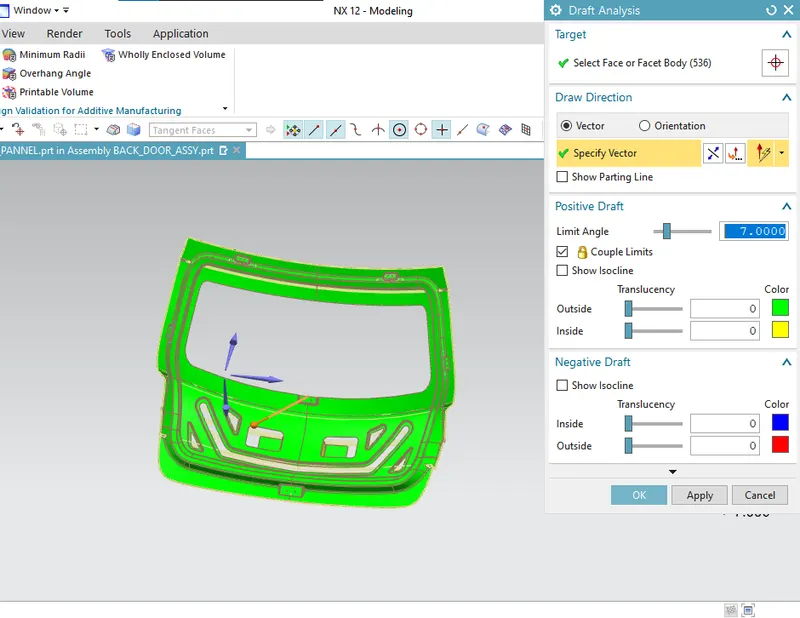
- The minimum Draft angle should be 7 degrees.
As we are using a stamping manufacturing process, to make components cheaper and more reliable we are using a draft angle of a minimum of 7 degrees.
Manufacturing and Joining Method:
- Stamping:
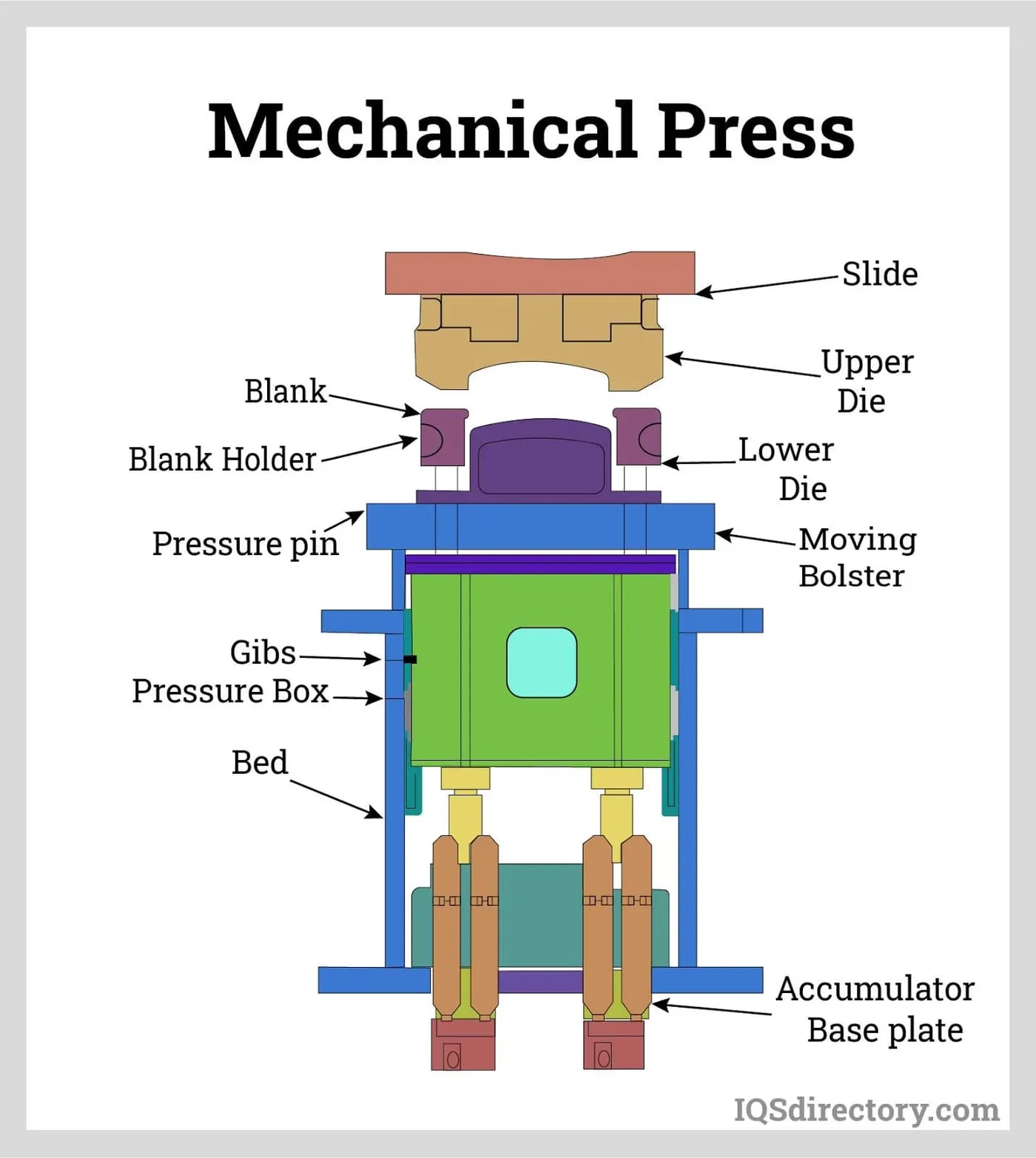
It is one of the famous processes in which sheets of metal are turned into a useful part or component.
Components of Stamping
- Sheet Metal
- Die
- Press Machine
In the stamping process, there is a die and press slot.
The sheet metal is placed at the surface of the machine with the help of different applications such as force, pressure, pneumatic, and hydraulic.
The sheet metal is transformed into parts or components.
- Mastics
Mastic is one type of joining process in which mastic glue is applied to other metals and joined with each other.
To apply mastic glue, mastic points are required and with the help of this glue we join the metals with each other
Generally, it requires 4-5mm clearance for applying the glue.

- Spot welding
It's one of the most famous techniques of joining metals with each other.
Generally, it's not required to have any clearance value between two metals for joining applications.
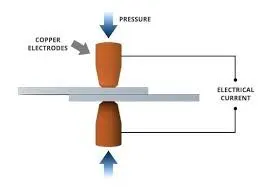
A form of resistance welding, spot welding is one of the oldest welding processes whereby two or more sheets of metal are welded together without the use of any filler material.
- Hemming and hemming Glue
Hemming is one type of famous forming process that is performed on sheet metal where sheets are joined by bending it to 180 degrees.
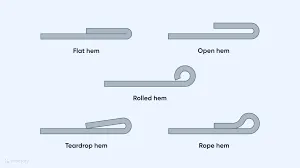
Benefits of Hemming
Improved the superficial aesthetic appearance and surface quality
It hides the defects
connect the parts, for example, outer panel connected with an inner panel with the help of hemming
Hems strengthen the metal edge
- STEPS FOR DESIGNING THE BACKDOOR IN NX CAD SOFTWARE:
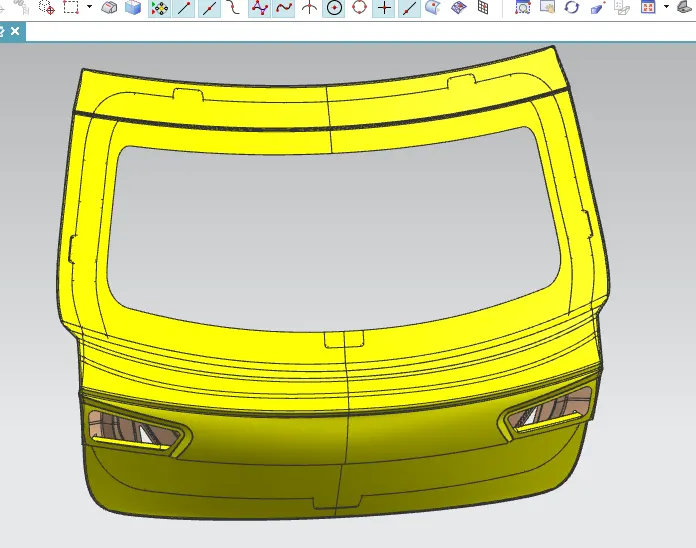
- Firstly we have to repair the aesthetic surface of given backdoor file.
- After that we have to create assembly, in assembly we have to create 9 part files such as,
- backdoor_upper
- backdoor_lower
- backdoor_inner_panel
- hinge_reinf_rh
- hinge_reinf_lh
- gas_stay_rh
- gas_stay_lh
- wiper_reinforcement
- latch_stricker_reinf
- After creating the file extract the surface and design the components of the backdoor.
- Repaired surface of backdoor
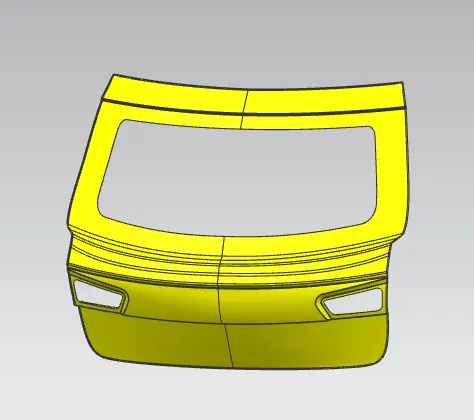
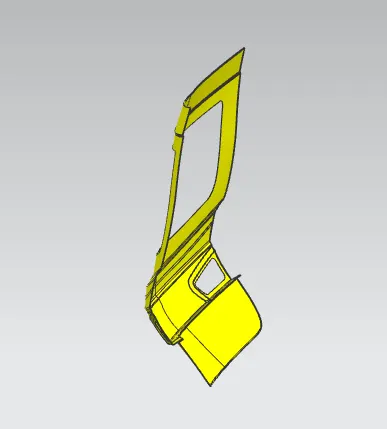
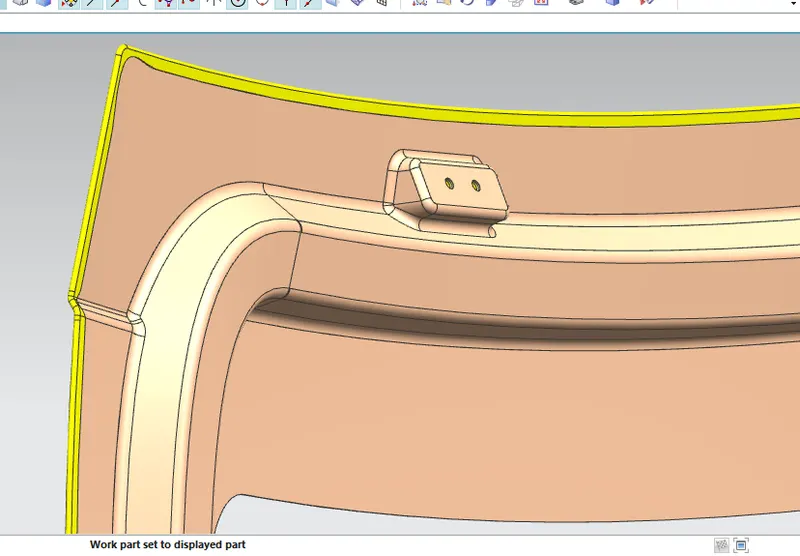
2. Inner pannel of backdoor
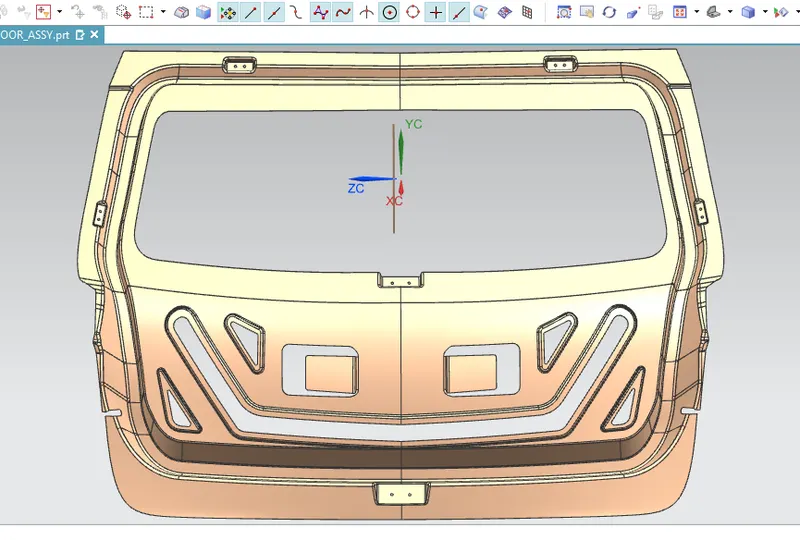
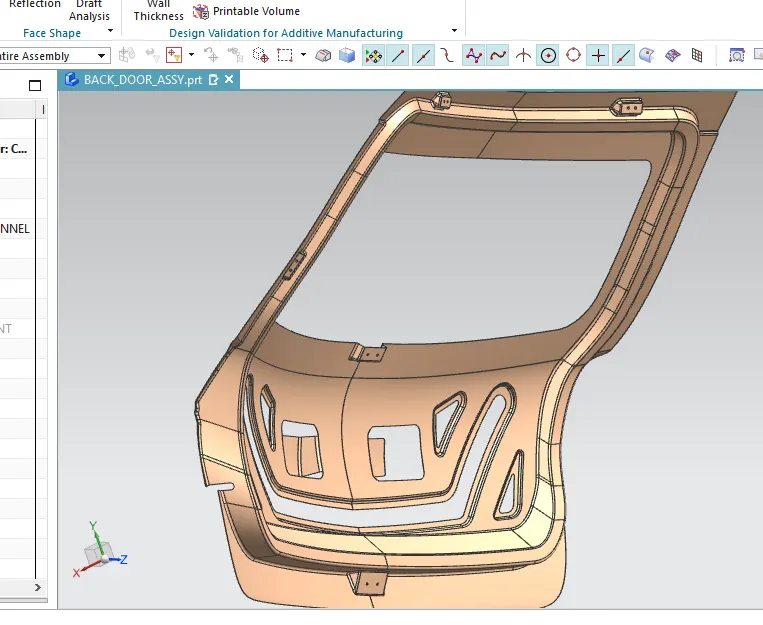
3. hinge Reinforcement rh and lh
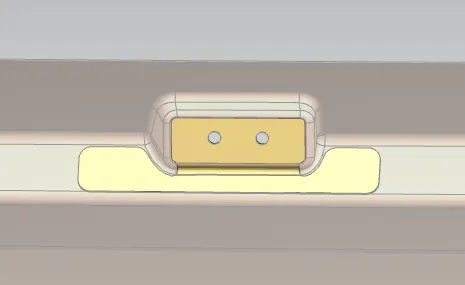
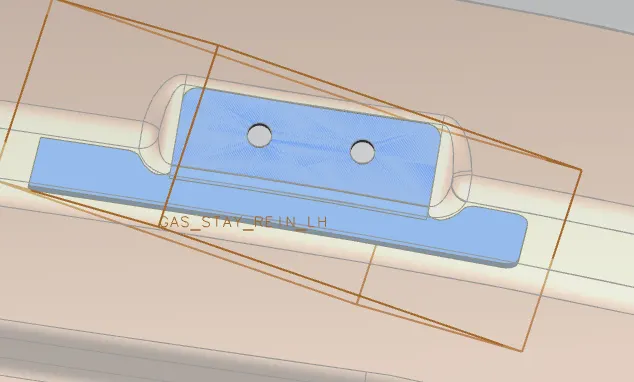
2. Gas stay reinforcement
3.Wiper reinforcement
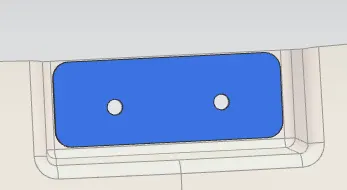
4. Latch and striker Reinforcement
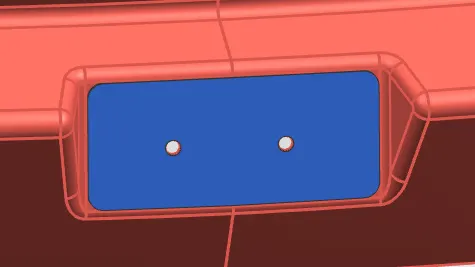
Draft analysis of the Inner panel:
As we are using a stamping manufacturing process, to make components cheaper and more reliable we are using a draft angle of a minimum of 7 degrees.
Results: