Design of backdoor
Objective of the Project : Used the provided Class A surface to come up with a back door design, while considered appropriate design methodologies, and provided the necessary reinforcements and embosses.
About Backdoor : The backdoor of a vehicle is the rear most opening in a car that provides entry to the luggage area of the vehicle or as more commonly known as the boot. The backdoor is also the body panel that has the mounting for the tail lamps, number plate and the rear windshield in some cases. The backdoor is also more commonly termed as Tailgate and Bootlid.
The design of the backdoor must be carefully considered as it houses many important components of the vehicle at it's rear end and aside from housing the physical components, it also plays an important factor when it comes to rear visibility and rear luggage space. Like the hood of a vehicle, the backdoors are also designed in a such away that, in the case of a rear end collision, the backdoor plays a role in diverting the impact energy away from the passenger cabin by providing various load paths to the rear pillars and other components in the vehicle structure.
The backdoor is usually constructed of steel or aluminium depending on how expensive the vehicle and the budget for its development.
Similar to the construction of the side doors and the hood in a vehicle, the backdoor also consists of a Outer and Inner panel.
- Types of Backdoors based on working positions : The door or opening of a cargo area may be hinged at the top, side & bottom. If the door hinged in the bottom it is called as a tail-gate.
- Top mounted,
- Side mounted, and
- Bottom mounted.
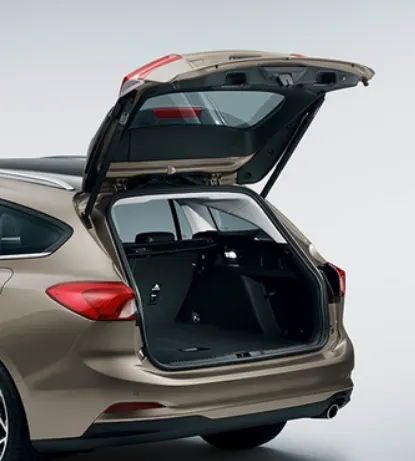
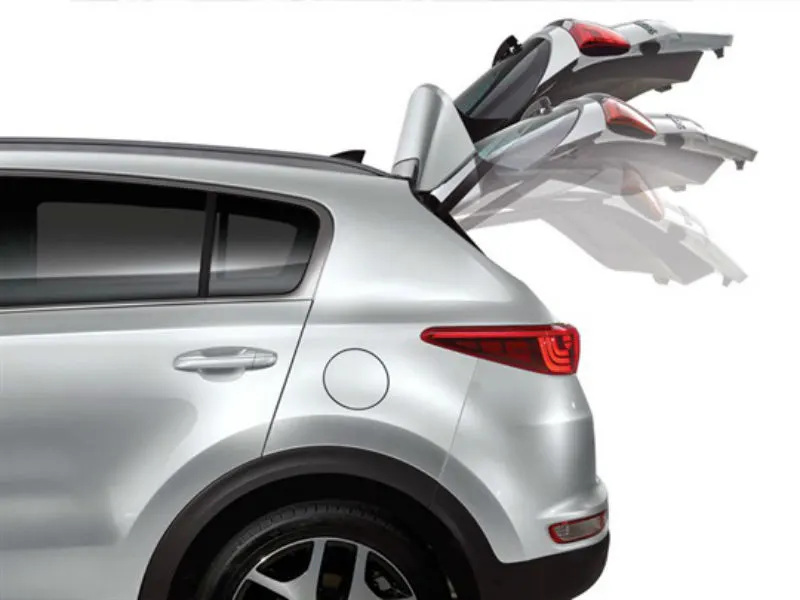
- Top Mounted : This type of back doors is used in a station wagon, pickup trunk and some of the spot utility vehicles. Today's modern cars use top mounted tailgating system which are both powered and also gas stay supported. These top mounted tailgates provide greater rear visibility compared to side mounted or backdoor which have center pillars in it.
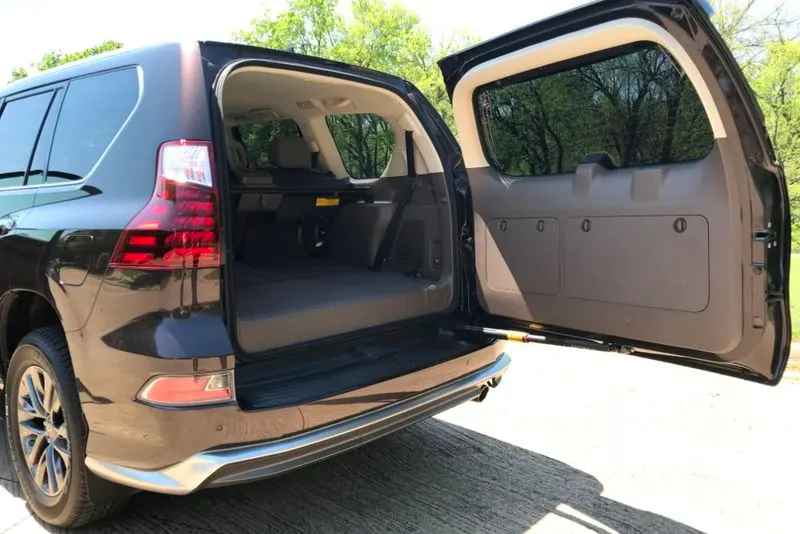
- Side Mounted : As the name signifies the side mounted doors are the one which is used in the van type MPVs, SUVs, Pickup Truck Vehicle. These side mounted doors or barn doors are a lot easier compare to top mounted doors. These doors are generally smaller in size and can be easily accessed. These doors are more convenient for the goods handlers for long pipe and lengthy components where one door is kept open. These door also save accidental head impacts. It is a lot easier to load and unload items in the side mounted doors.
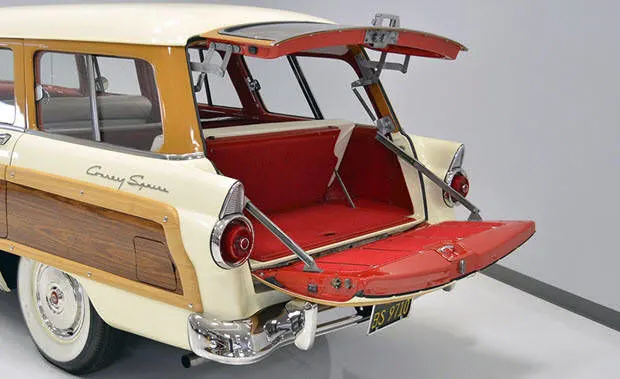
- Bottom Mounted : This bottom type backdoor system are used in the car type such as car, pickup truck and some luxuary SUVs. These are the most convenient type of back door in which the bottom split is used as a support or even as a table for the tour going people.
- Types based on Working Mechanism :
- Gas Stays, and
- Powered Lift system.
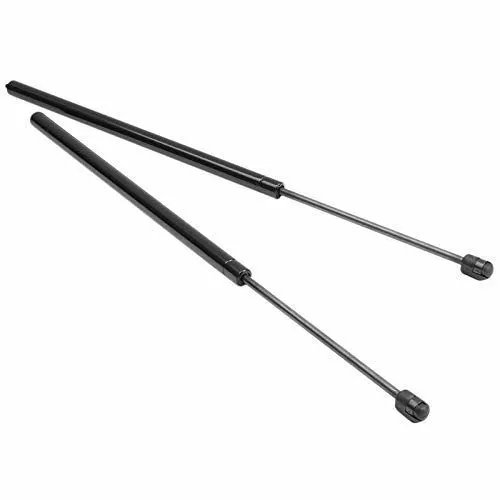
- Gas Stay : Gas Stay type backdoor is an ideal and most commonly used tailgate mechanism from lower segment of a car to luxury car segment. The ideal components of tailgate consist of a hinge, door, gas stay and some rubber beadings for sealing of door.
- Powered Lift System : Power trunk lift system is another sophisticated way of trunk or liftgate opening mechanism which is to automatically open and close of the trunk and release of the latch by the touch of a bottom. Powered trunk Lift system consists of a power latch, anti pinch switch, PTG assly, PTG main switch. When the switch is pressed in the compartment or outside the power latch releases the latch and the entire backdoor is opened. The anti pinch switch is located in order to avoid accidental hand insertion during the operation of the door.
- Manufacturing methods : Recently, there have been two approaches to reducing automobile weight. One is by using material lighter than steel and the other is by redesigning the steel structure. Althrough the former seems very effective, it is very expensive so that it may only be used for an expensive automobile industry is trying to use steel, which is not costly and recyclable. Light weight steel can be achieved by improving the performance of the structure or adopting by improving the performance of the structure or adopting new manufacturing techniques. One of the efforts is the ULSAB (Ultra Light Steel Auto Body) concept. ULSAB suggests three main weight reduction techniques such as hydro forming and the Tailor Welded Blank (TWB)
- Design Considerations of Back Door are :
- Rear Visibility Criteria : The driver should be able to see from his seat to the rear side of the car by mirror atteched to the front windshield. The visibility is the first and foremost factor which is taken into consideration.
- Boot Space : The gap between inner and outer panel should be in such a way that, proper section modulus (The factor which controls the stiffness and strength of the Model) is maintained while giving enough boot space volume inside the car.
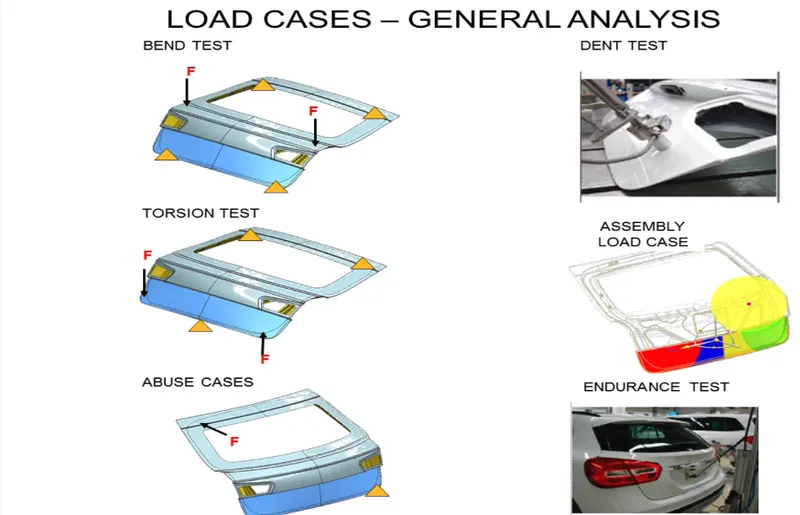
- Rear Crash Regulation and Requirements :
- Sealing and Its functions : To make inside of rear side of the car, sealing is provided for air and water tightness for which sealing flanges are also designed. The width of the sealing flange should be atleast 25 mm after blending all its edges. Sealing flanges are connected to the connecting flange to the windshield.
- Joining Techniques followed like Hemming, Spot Welding etc., : Hemming is used at the edges of the panels for assembly. Mastic seals are provided where spot welding and hemming can't be done. A minimum 5 mm depth for mastic is provided between inner and outer panel ideally.
- Manufacturing Technique : Stamping, punching, bending, forming etc., are used in back door manufactuirng. But it also varies according to the material being used.
- GAP and FLUSHNESS Requirements.
-
Backdoor Assembly : A backdoor is normally manufactured with 1 inner panel and 2 or 3 exterior panels that are hemmed and spot welded together as needed. Depending on the price range of the car, different materials are utilised for the backdoor. The bulk of inexpensive cars are made of steel since, it is less expensive, and parts are stamped using moulds. Here, uniform thickness of the panels is maintained throughout of 0.75 mm.
However, in expensive cars, aluminium is used for the manufacturing of back door which is usually die cast. In such cases, reinforcements are not required and the vehicle is also light in weight. Varying thickness can also be achieved in case of aluminium body back doors.
1.Inner Panel,
2.Outer Panel,
3.Hinge Reniforcements,
4.Gas Stay Reniforcements,
5.Wiper Motor Reniforcement, and
6.Latch and Striker Reniforcement.
-
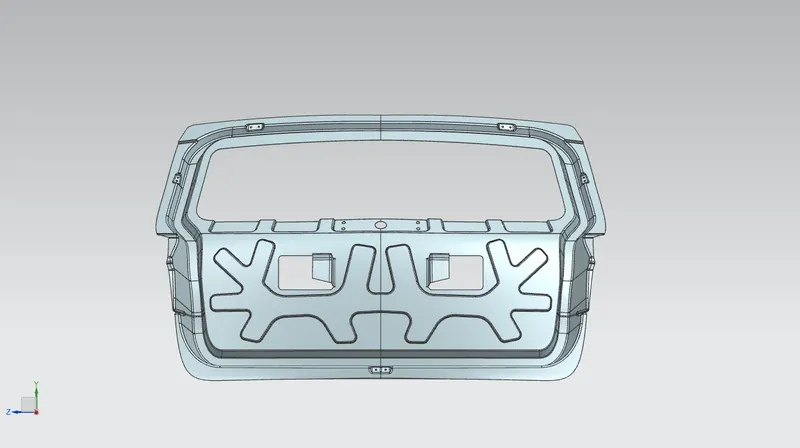
Inner Panel : The inner Panel is a component which is used for strengthening the door and it is one of the most important components on which all accessories are mounted like hinges, glass guide channel, mounted trim, latch etc.,
The manufacturing method which may be also used for creating :
The inner panel includes the deep drawing process in which the whole blank is inserted into the mold and perfect drafting angle is provided to the part so that the inner panel can be ejected easily.
The inner panel is designed with embosses and several mounting for the Hinge, Gas-stay, Wiper motor and Latch & striker surfaces.
-
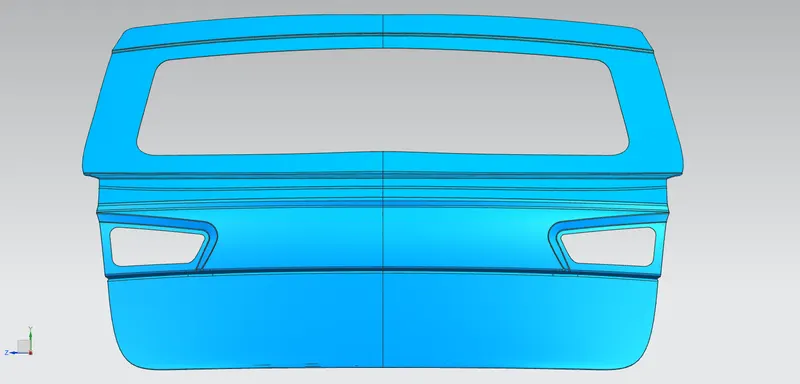
Outer panel : The Outer panel of the back door is similar to other BiW components where, it is the aesthetic part of a vehicle. The coating provided is of multi-stage which has the property of scratch resistance, rush prevention and smooth and attractive finishes. The Outer panel also has the provisions for the tail lamp, rear fog lamp and also has the provision for lisence plate mountings. Most of the hatch back cars have the provision for wiper motor.
The main purpose of reinforcements are to increase the strength of the part locally, since it is the place where the stress concentration would be great compared to other locations of the parts.
-
Hinge Reinforcement : Hinges supports the complete weight of the whole backdoor. Hence, a hinge mount reinforcement are provided here too. Embosses is designed such that the hinges should operated freely. The electrical wiring looms are through the holes along the periphery to keep them hidden. So, the hinge reinforcements are made with sufficient strength to carry the loads.
-
Gas Stay Reinforcement : An angled or Diabolic emboss is provided for the gas stay mounts. The angle makes it easy to be machined and stamped. It is reniforcement with a thicker sheet.
-
Wiper Motor Reinforcement : A dedicated space near the window is left for wiper motor assembly. A cavity is placed preferably in the middle of the panel to accommodate all the necessary wiper motor components. The holes or cavities are placed strategically to accommodate wiring looms, tail lamp mount, and other accessories. Embosses help stiffening the panel and act like local reinforcements. Extensions are provided around holes which are attached to outer panels and acts are crumple zone elements in case of rear impacts.
-
Latch & Striker Reinforcement : At the bottom of the latch and striker assembly. Generally a key operated or automatic remotely controllable locking mechanism is used to keep the door Open and Closed.
Another purpose of the emboss design is to distribute impact force towards hinges and latch assembly which are reinforced and can absorbs them.
BACKDOOR COMPONENTS :
- Outer Panel :
- Inner Panel :
- Hinge Reinforcements :
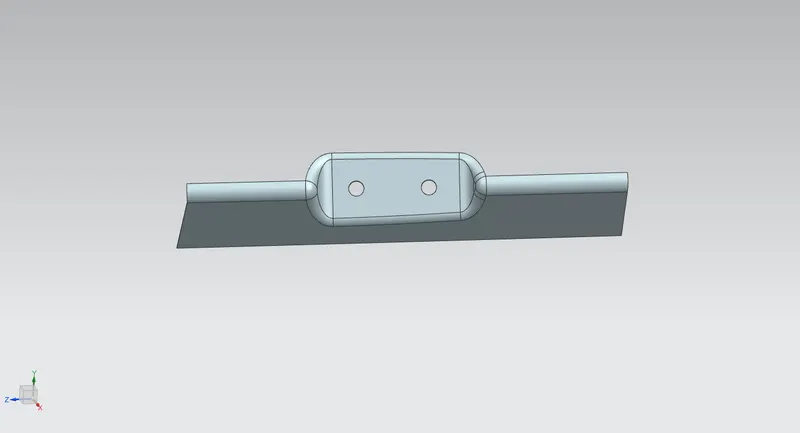
- Gas Stay Reinforcements :
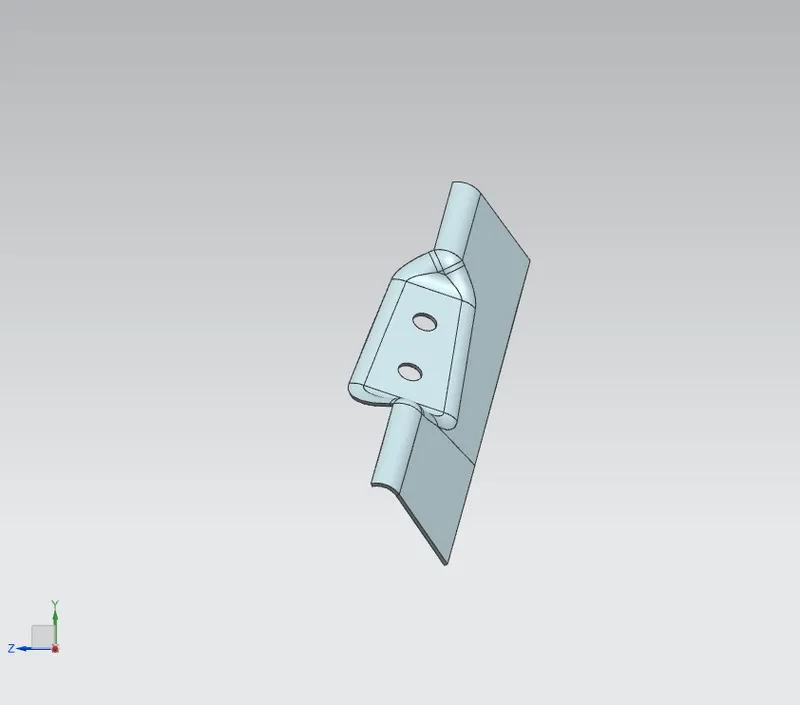
- Wiper Motor Reinforcement :
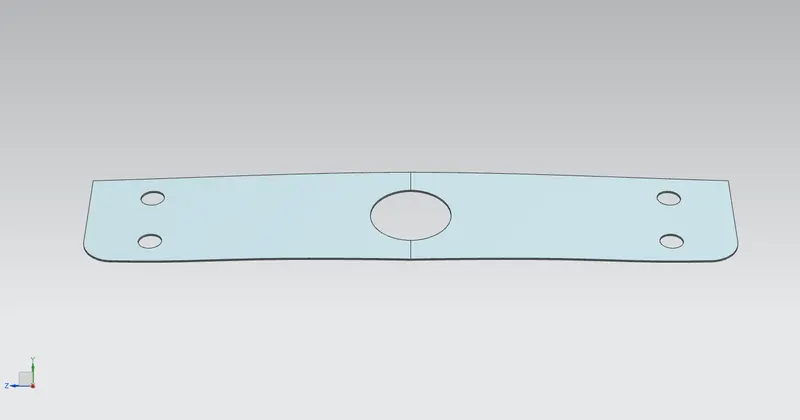
- Latch & Striker Reinforcement :
Latch & Striker Trajectory : The radius between the hinge axis point and center of slot is used to trace the trajectory of the circle which can be used to locate the slot position on latch and striker reinforcement mounting.
Hemming : Closed hems, open hems are the most common type of hems where a sheet metal is connected to another part of the sheet metal using the sheet bending process alone without using welds or rivets. So that, they can give very good surface finish.
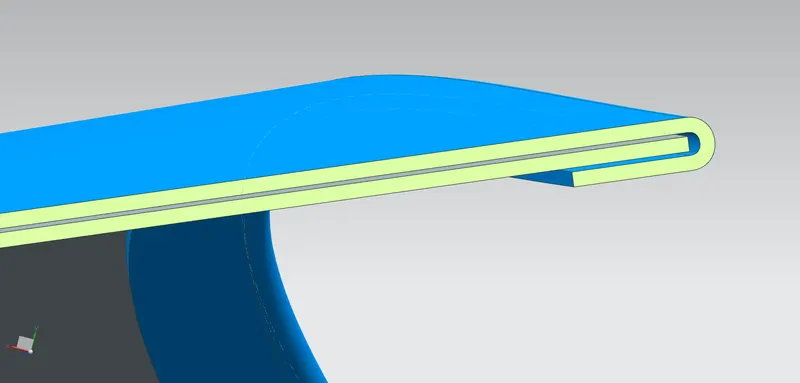
Hemming Corner Reliefs :
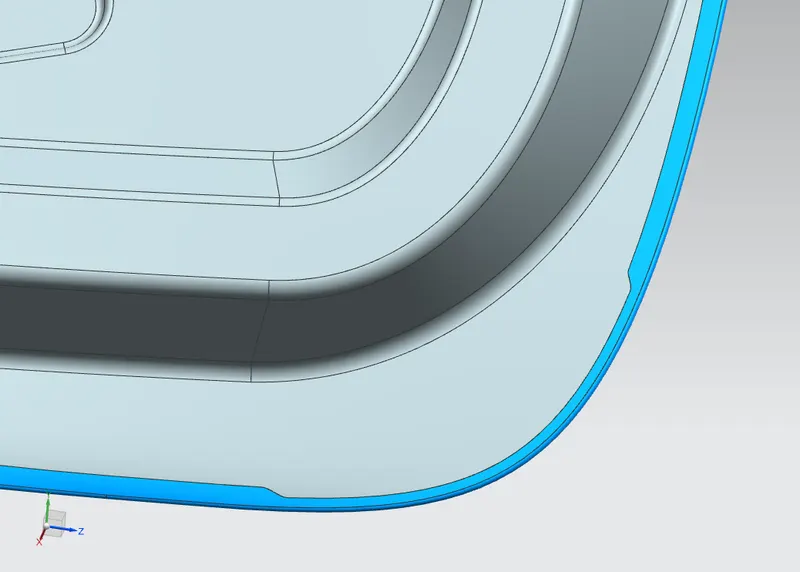
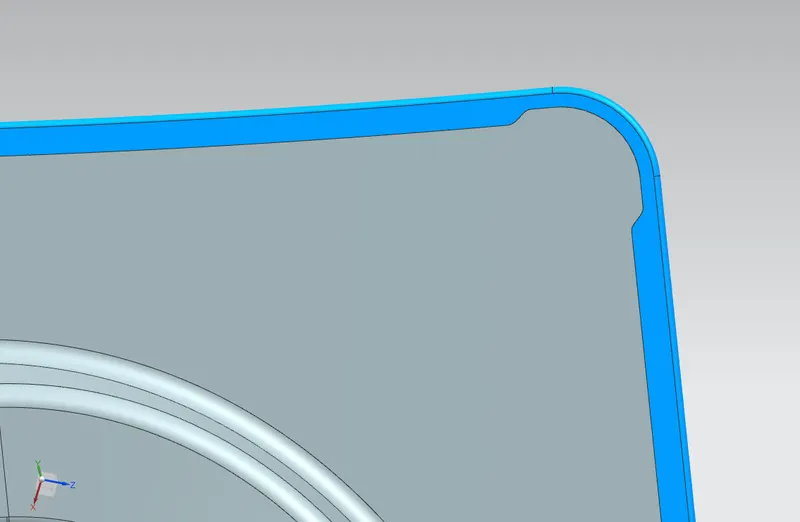
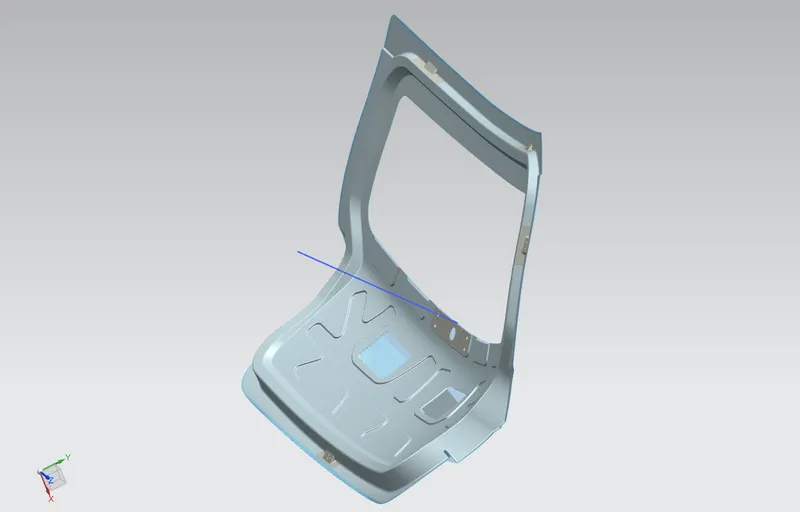
Tooling Direction : The direction in which the Core and Cavity open and close is known as the tooling axis. In order for the component to be easily ejected from the moulds, Design Engineers must analyse the Class A Surface and determine the appropriate tooling direction while keeping it in mind that all drafting angles are with regard to the tooling axis.
The tolling direction is used as the reference vector to create all surfaces, embosses and draft angles. Because, if we take a single vector as the reference to create all the surfaces, the tooling cost can be reduced and by just one deep drawing whole inner panel can be created.
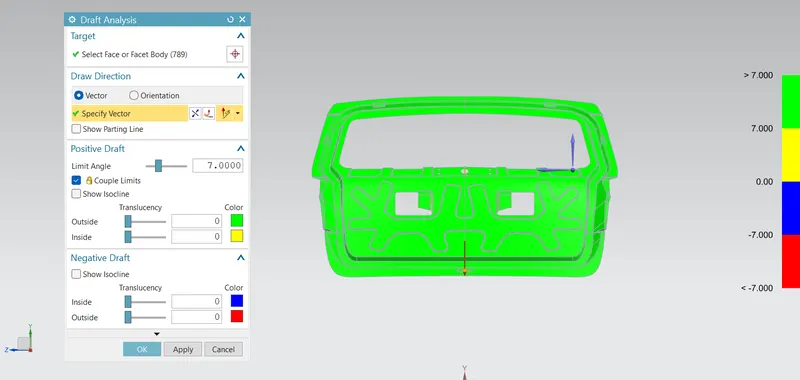
Draft Analysis : Designers of plastic parts and mold tooling manufacturers can use the Draft Analysis tool to check the correct application of draft to the faces of their part. With draft analysis, you can verify draft angles, examine angle changes within a face, as well as locate parting lines, injection, and ejection surfaces in parts.
Draft analysis is done for the inner and the outer panel by taking the toooling direction as the reference vector. As per the Sheet metal design considerations, almost 7 degrees is the minimum draft angle expected to ease the ejection of the part.
Final Backdoor Assembly :
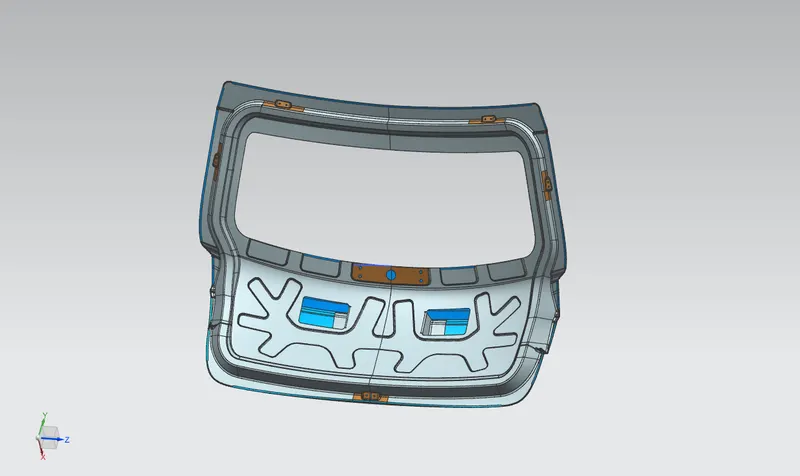
Conclusion : The sheet metal design principles are taken into consideration while designing the whole back door assembly using NX CAD successfully.