Challenge 3
Ans 1
Sectional properties we need to upfront for designing a metro viaduct are:
- Area of section
- Area of strand
- Perimeter of section
- Material properties
- Moment of inertia
- Centroid
- Tortional constant
- Support conditions
Supporting software for identifying the sectional properties and designing them are:
- AUTO CAD
- STAAD PRO
- SAP 2000
- Midas
- CSI Bridge
Ans 2
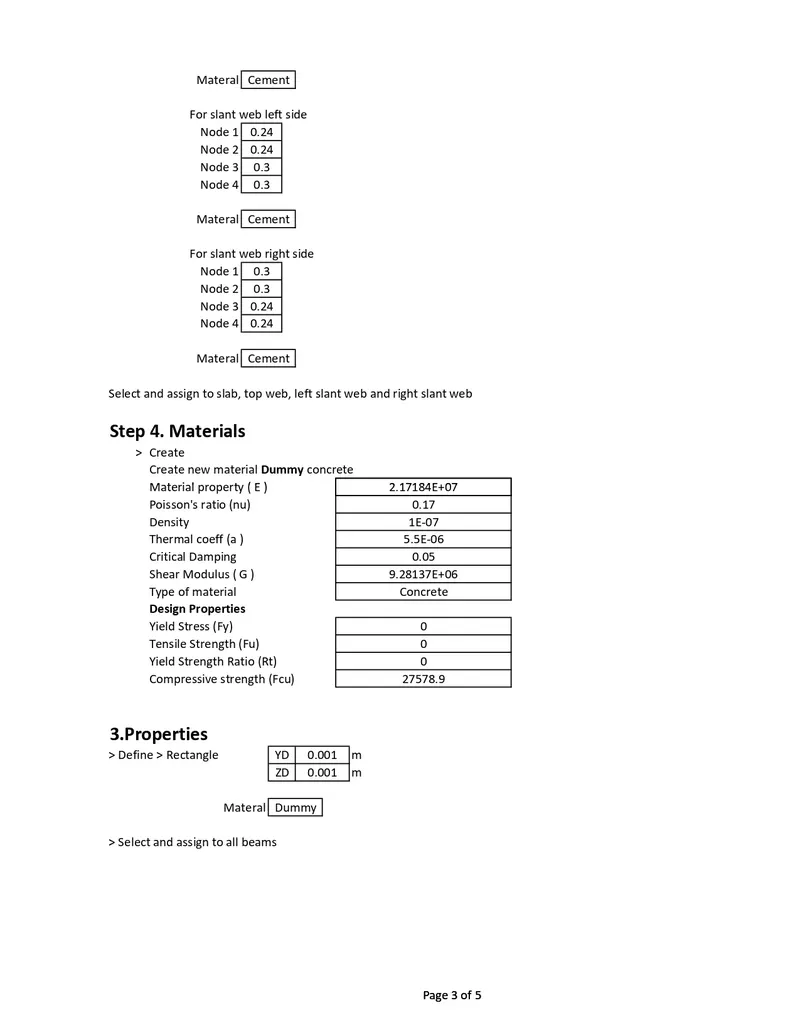
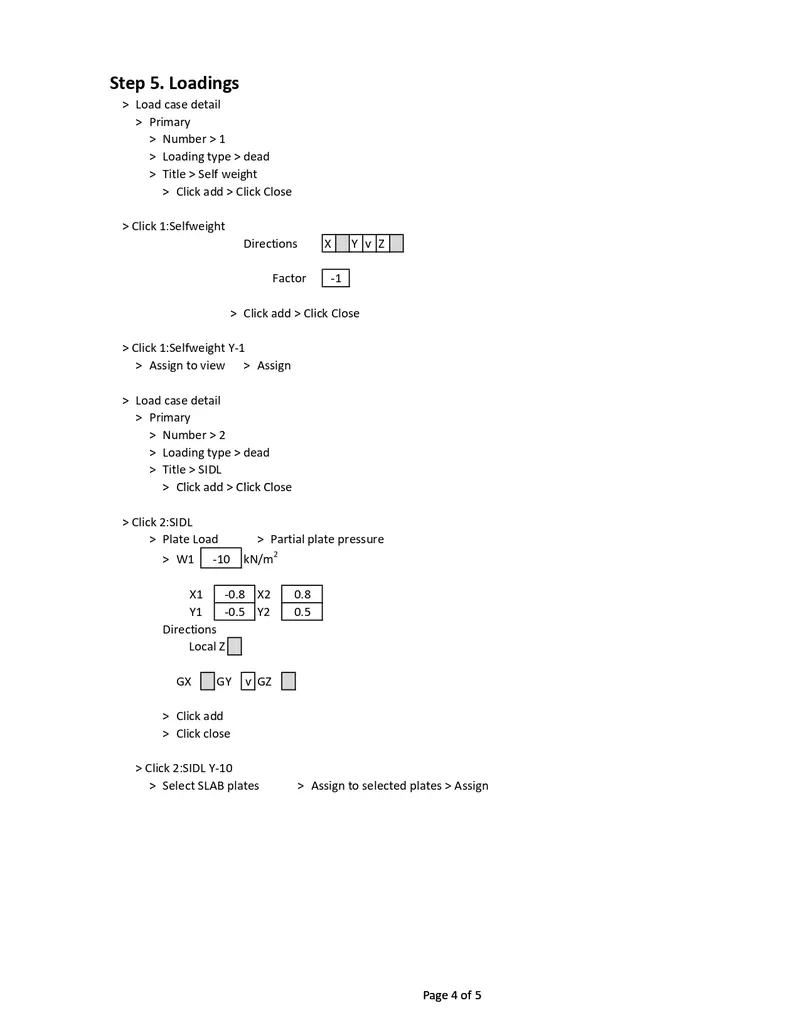
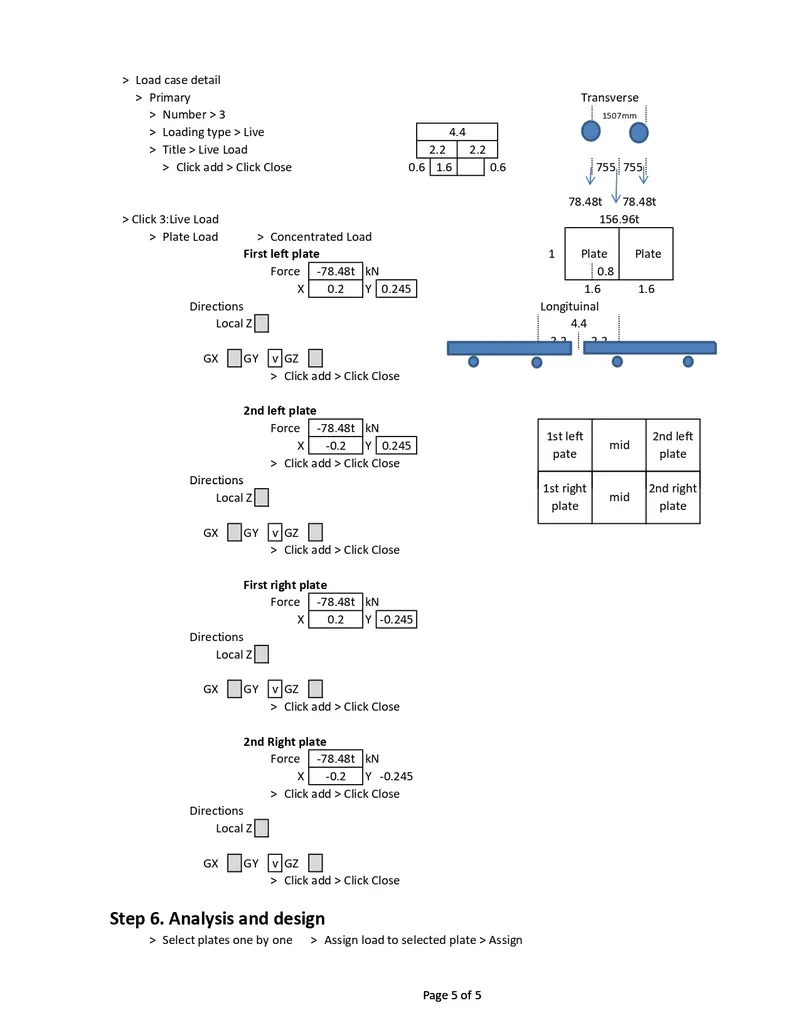
Following are the steps for beam elements
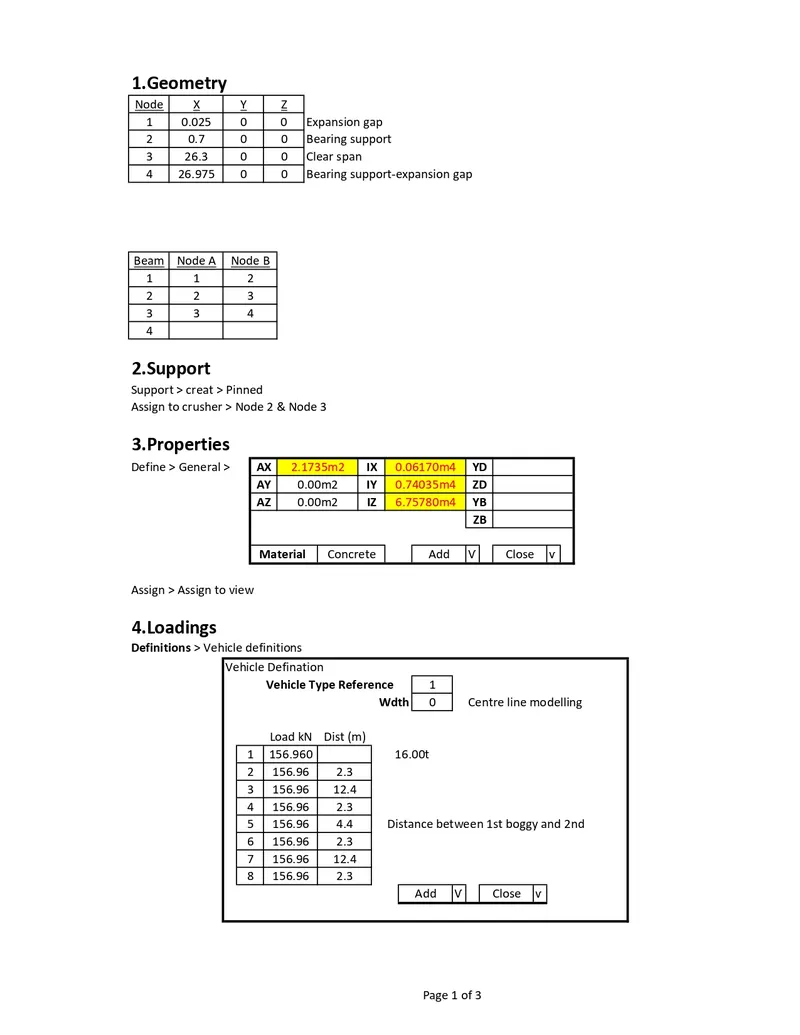
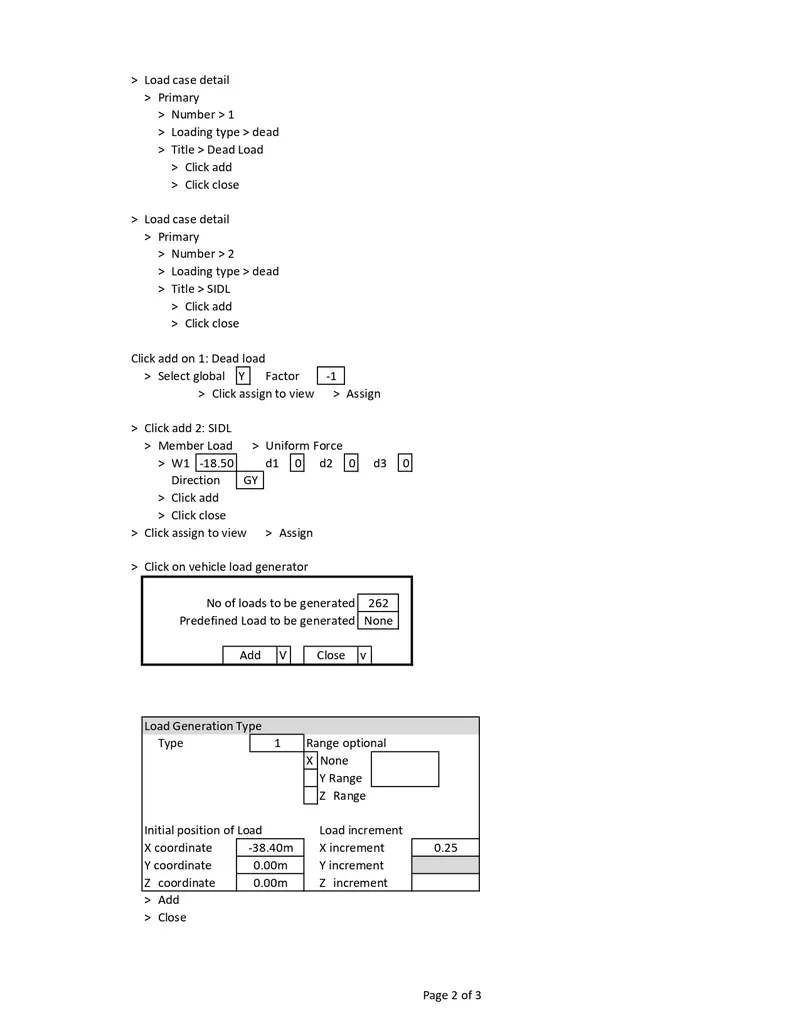

Following are the steps for plate elements
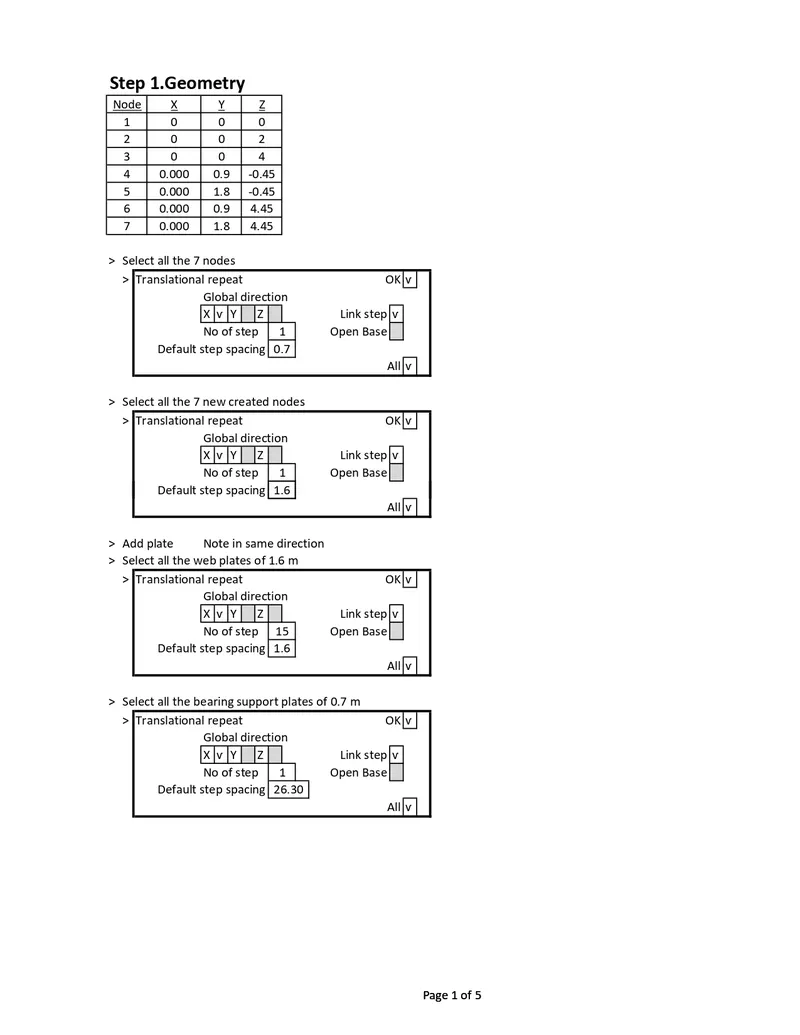
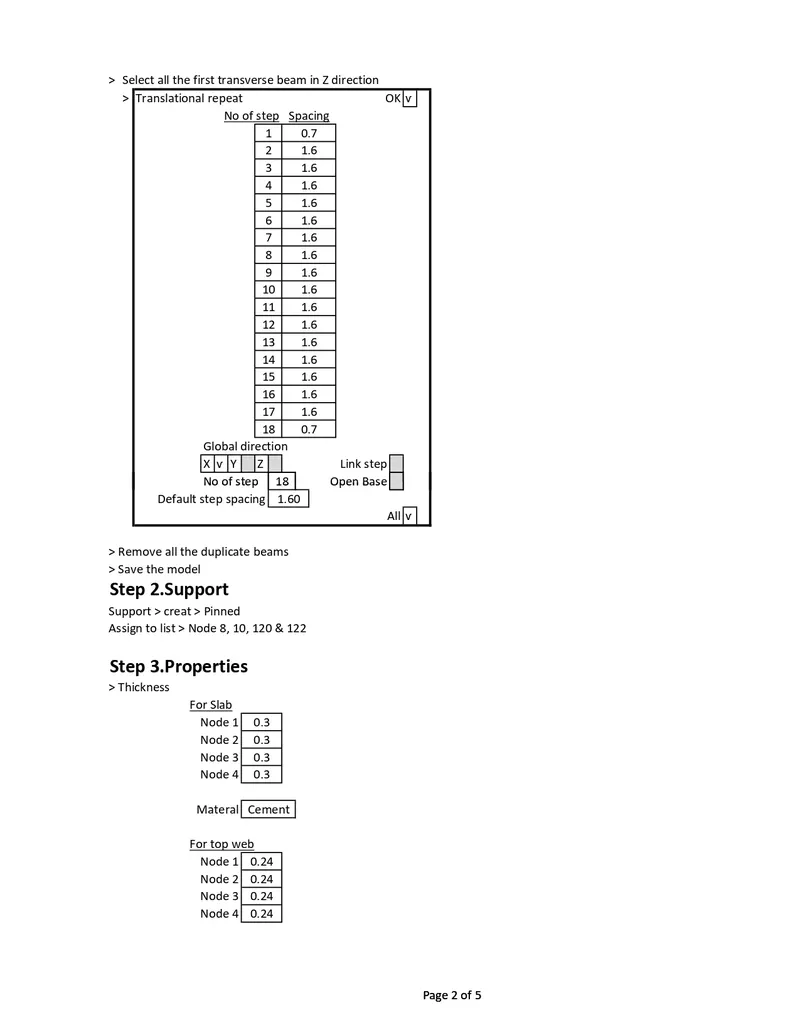
Ans 3
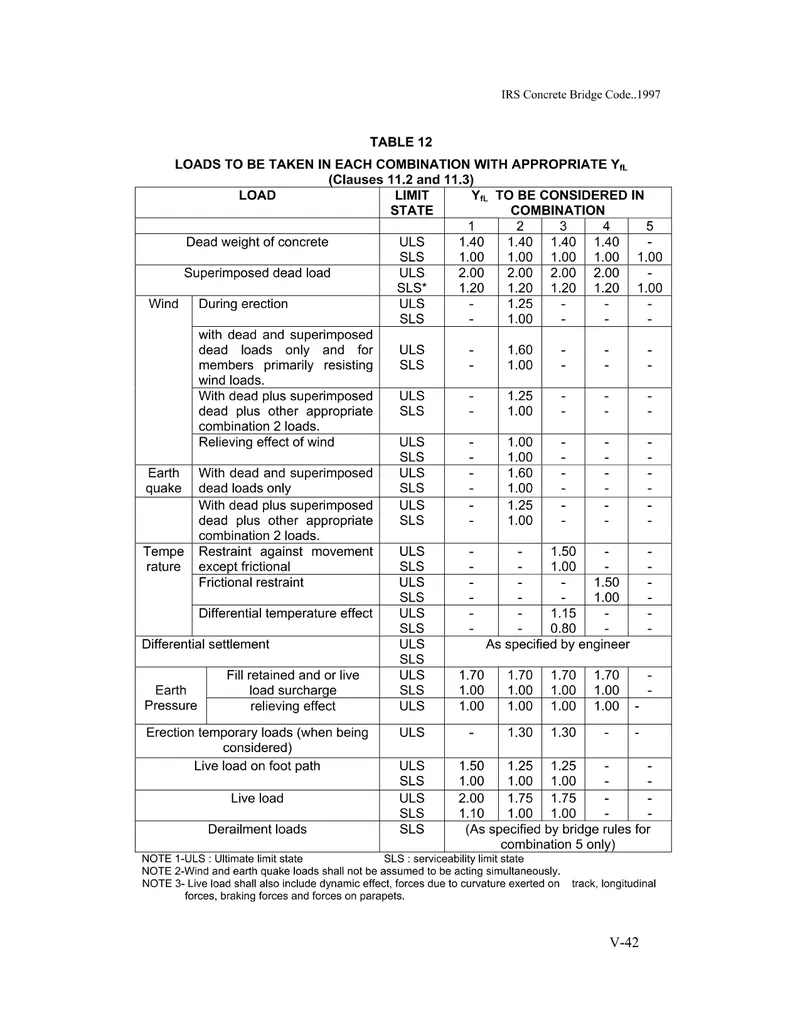
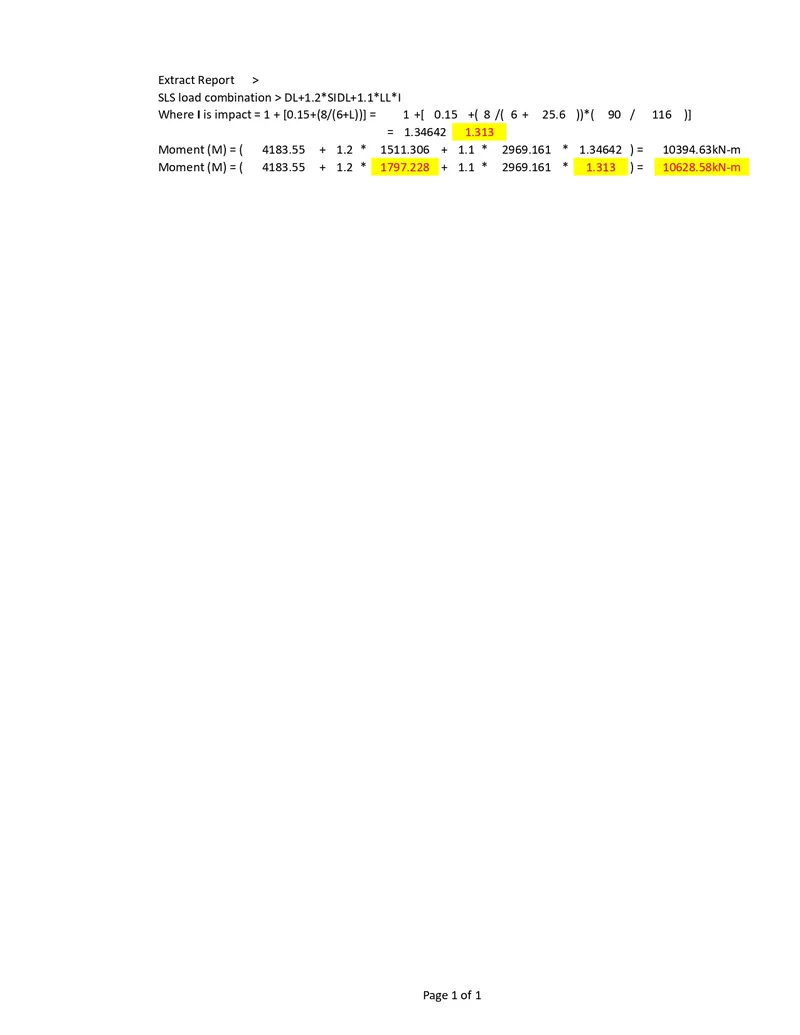
SLS combinations used for live loads, with respect to impact factor are:
Moments for the section are derived as follows:
Ans 4
Prestressing in girders refers to a technique used in structural engineering where a compressive force is intentionally applied to a concrete member before it is subjected to external loads. This compressive force, known as prestress, is typically achieved by tensioning high strength steel tendons or cables and anchoring them to the concrete.
Advantages of Prestressed Girders in Metro project:
- Increased Load – carrying capacity.
- Longer span and fewer Supports.
- Enhanced durability.
- Improved Structural Performance.
- Construction Efficiency.
Ans 5
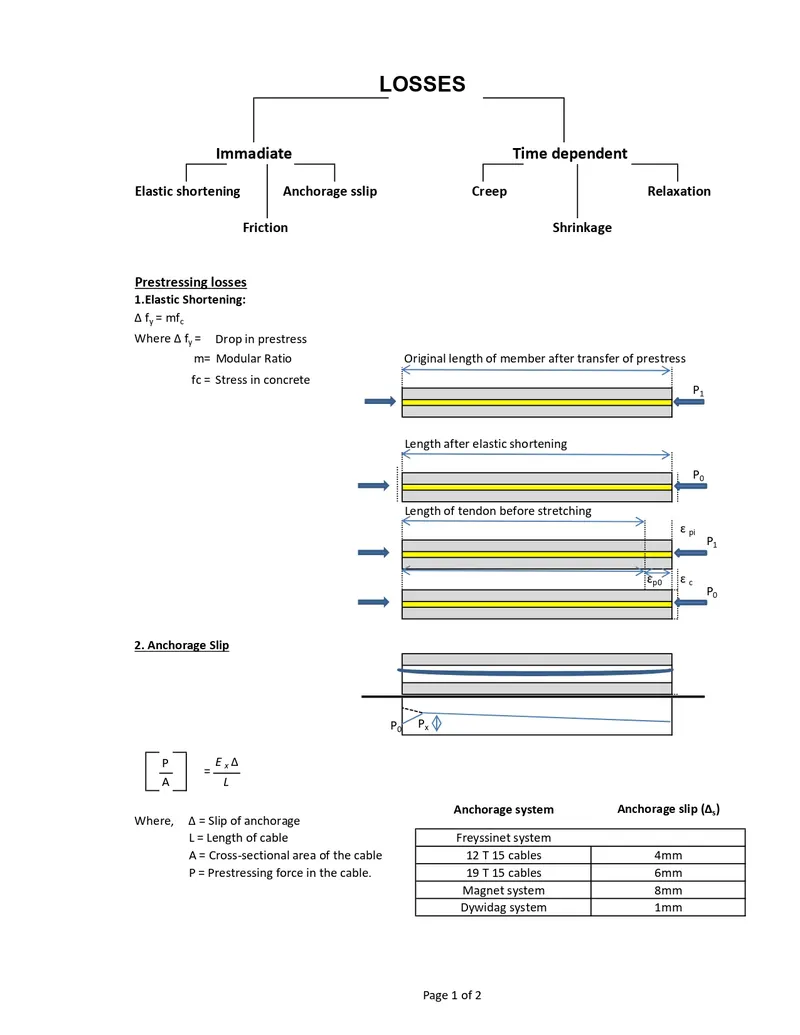
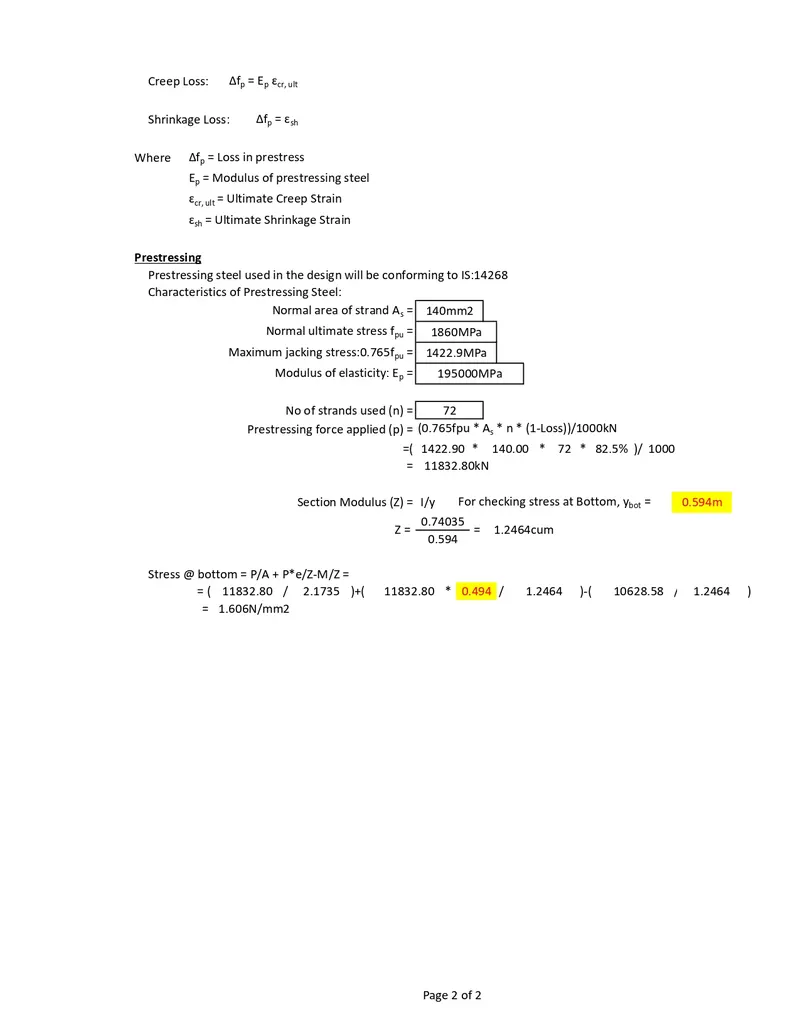
Prestressing loses refer to the reduction or dissipation of the initial prestress force applied to a prestressed concrete member over time. These losses occur due to various factors and are important to consider in the design and analysis of prestressed structures.
Different Types of Prestressing loses:
- Elastic shortening.
Significance of Prestressing losses:
- Safety and Serviceability.
- Deflection Control.
- Long-Term Performance.
- Design Optimization.
Ans 6
During the fabrication of a prestressed girder, several components and materials are used to achieve prestressing. The general process involves the following steps:
- Preparing the Concrete Formwork:
- The formwork is prepared to create the desired shape and dimensions of the girder. This can involve constructing a mold or using precast formwork.
- Placing Reinforcement:
- Steel reinforcement, such as reinforcing bars (rebar), is placed in the formwork according to the design requirements. The reinforcement provides additional strength to the girder and helps control cracking.
- Placing Ducts:
- Ducts or conduits, typically made of high-density polyethylene (HDPE) or galvanized metal, are placed within the formwork. These ducts serve as pathways for the prestressing tendons.
- Placing Prestressing Tendons:
- High-strength steel tendons, typically in the form of strands or wires, are placed inside the ducts. These tendons will provide the prestressing force to the girder.
- The tendons are tensioned by applying a high force at one end and anchoring them securely at the other end. This tensioning is usually done using hydraulic jacks.
- Grouting:
- Once the tendons are tensioned, grout is injected into the ducts under pressure. The grout, usually composed of cementitious material mixed with water, fills the space around the tendons and provides protection against corrosion and bonding between the tendons and the concrete.
- Curing:
- After the grouting process, the concrete girder is left to cure and gain strength. Proper curing ensures the development of the desired strength and durability properties.
The materials used during the prestressing process include:
- Concrete:
- Concrete is the primary material used for the girder. It provides strength, durability, and the required shape of the structure. High-strength concrete is often used for prestressed girders to withstand the applied forces.
- Reinforcement:
- Steel reinforcement, in the form of rebar, is placed in the girder to enhance its strength and control cracking. Reinforcement is typically located in areas of the girder that are not prestressed.
- Prestressing Tendons:
- Prestressing tendons are made of high-strength steel and are the key components in prestressed girders. These tendons can be in the form of strands or wires, and they provide the compressive force to counteract the tensile stresses in the girder.
- Ducts:
- Ducts are used to house the prestressing tendons and protect them during the fabrication process and throughout the life of the girder. HDPE or galvanized metal ducts are commonly used for this purpose.
- Grout:
- Grout is a cementitious material mixed with water and other additives. It is injected into the ducts after tensioning the tendons to ensure bonding, corrosion protection, and load transfer between the tendons and the surrounding concrete.
The combination of these components and materials, along with proper fabrication techniques, allows for the creation of prestressed girders with enhanced strength, load-carrying capacity, and durability
Ans 7
Ans 8
Step 1
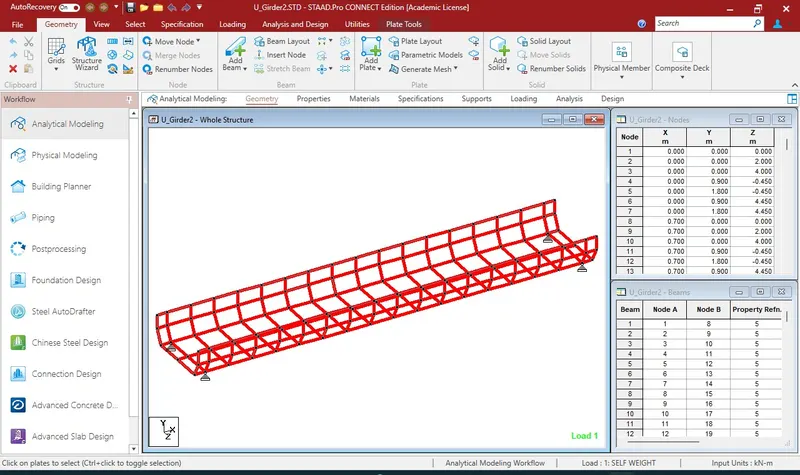
Geometry of model
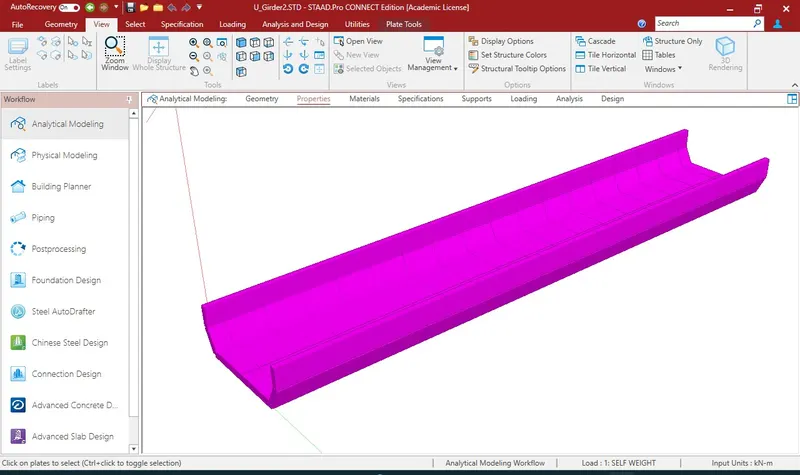 3D view of model
Step 2
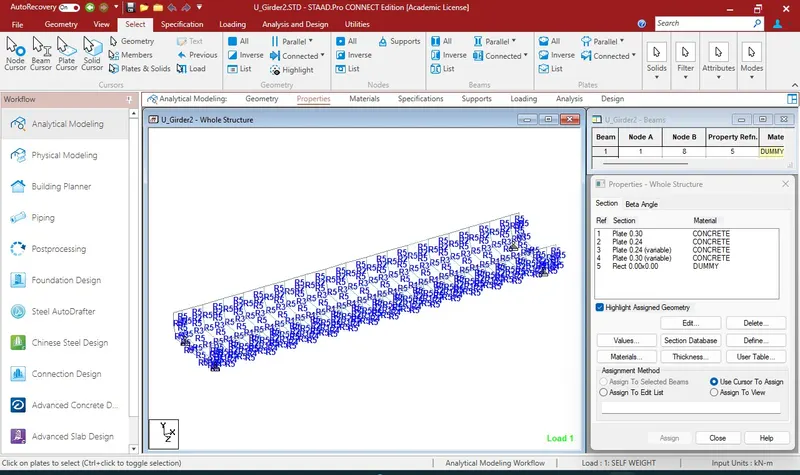 Assign properties
Step 3
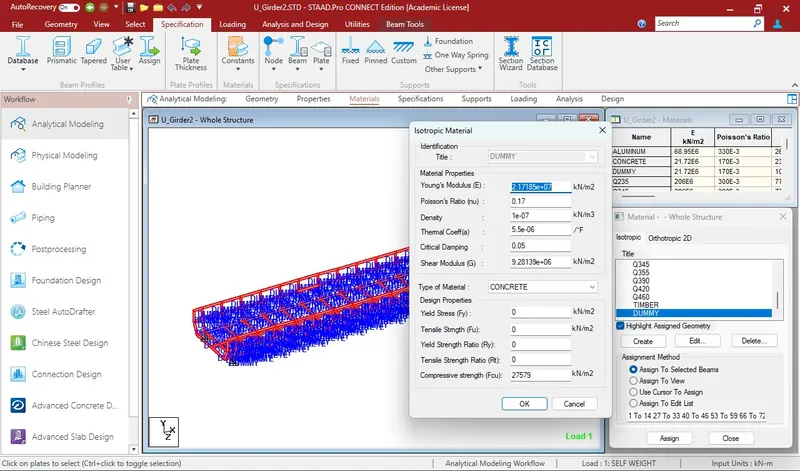 Assign Dummy material to beams
Step 4
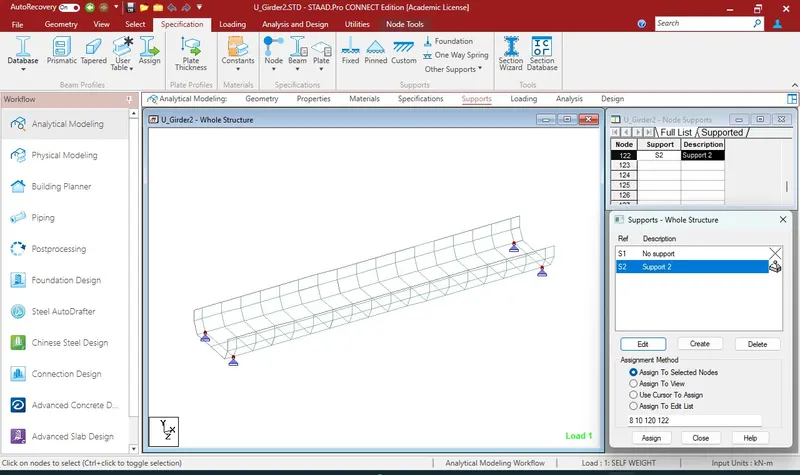 Assign pinned support
Step 5
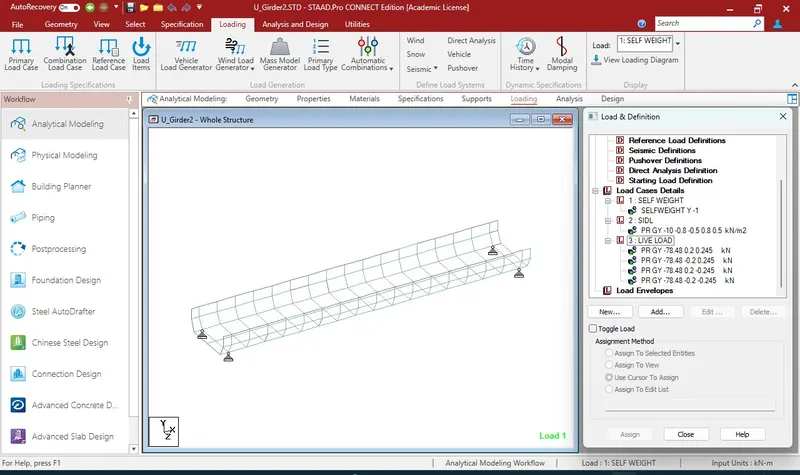
Assign loads
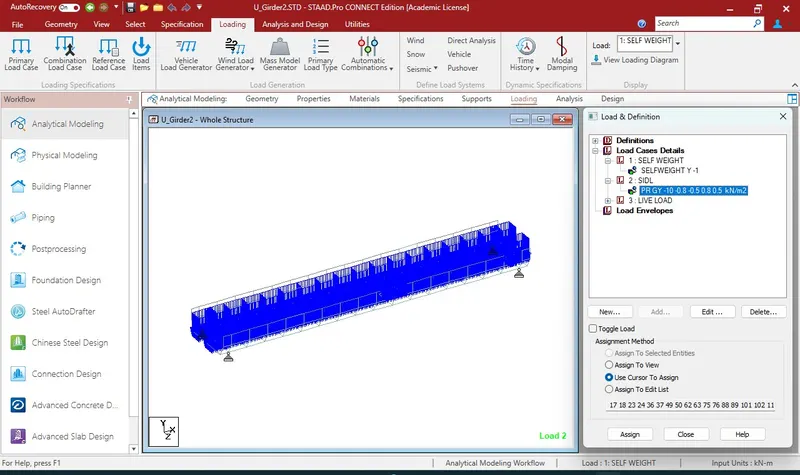 SIDL
SIDL
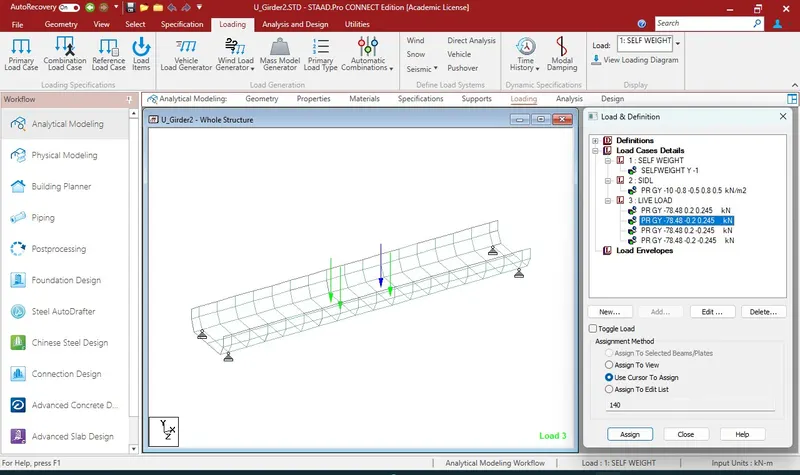
Live load
Step 6
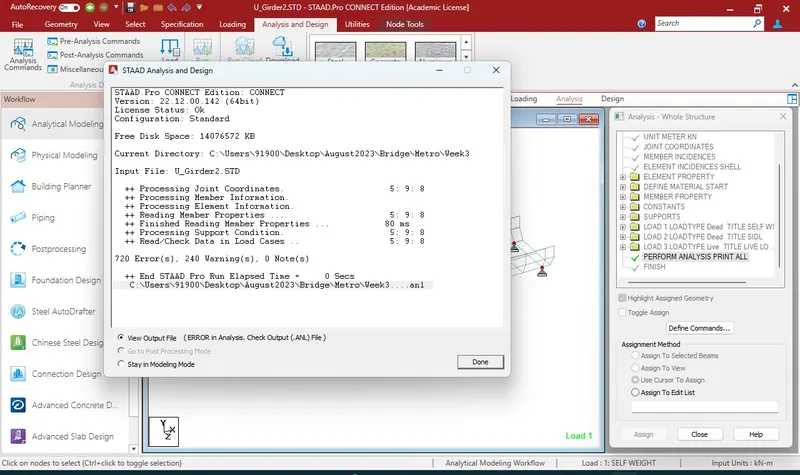
Analysis
Ans 9
Step 1
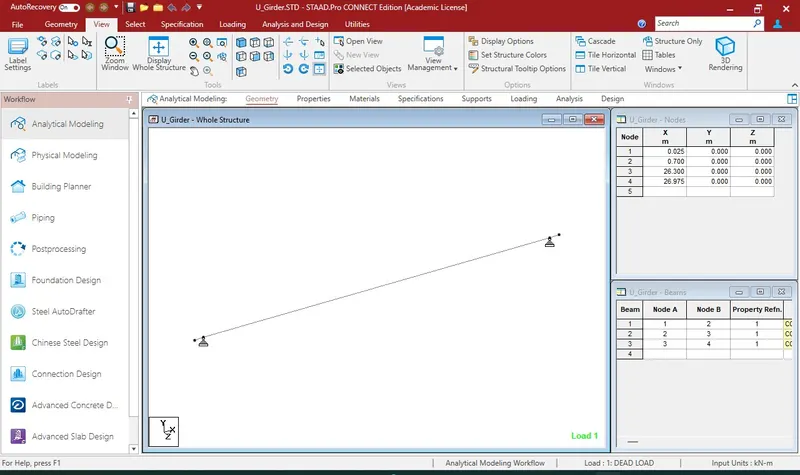
Geometry
Step 2
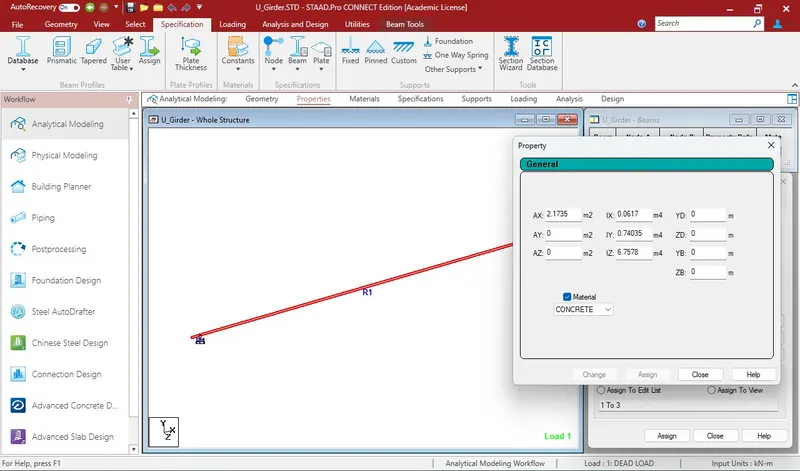
Assign properties
Step 3
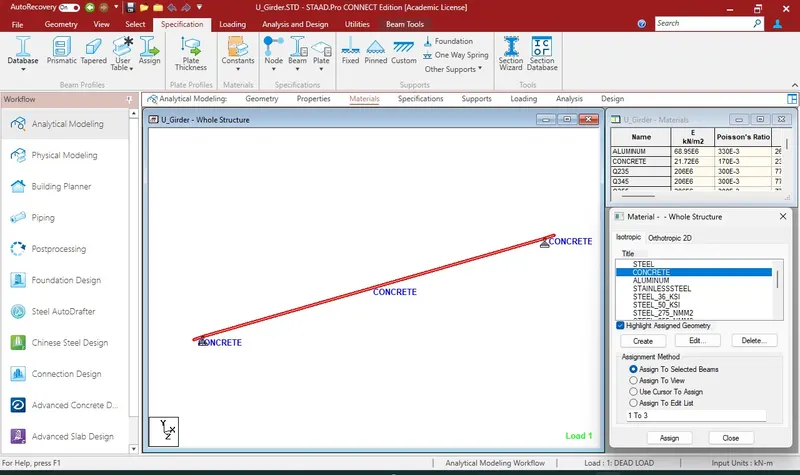
Assign materials
Step 4
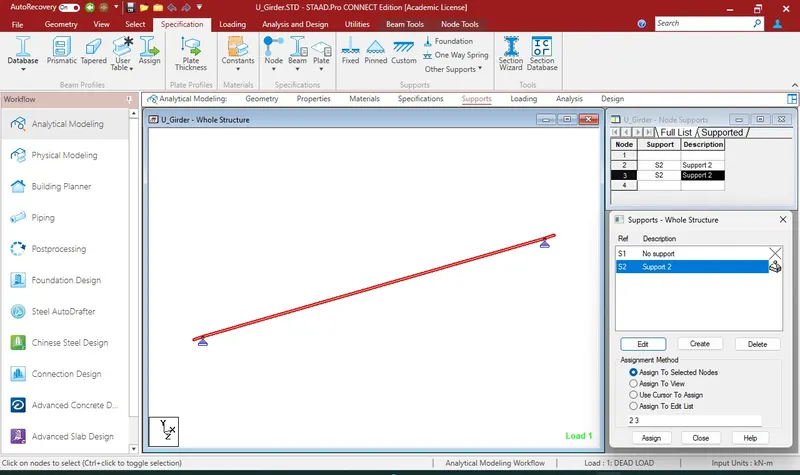
Assign pinned spport
Step 5
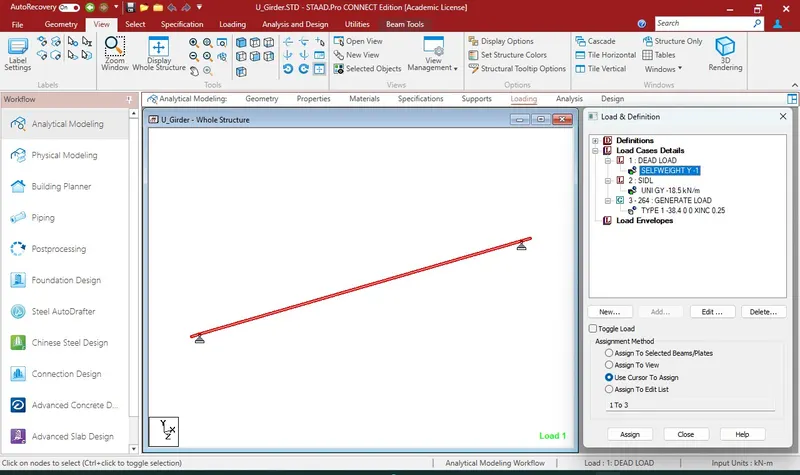
Assign loadings (Self weight)
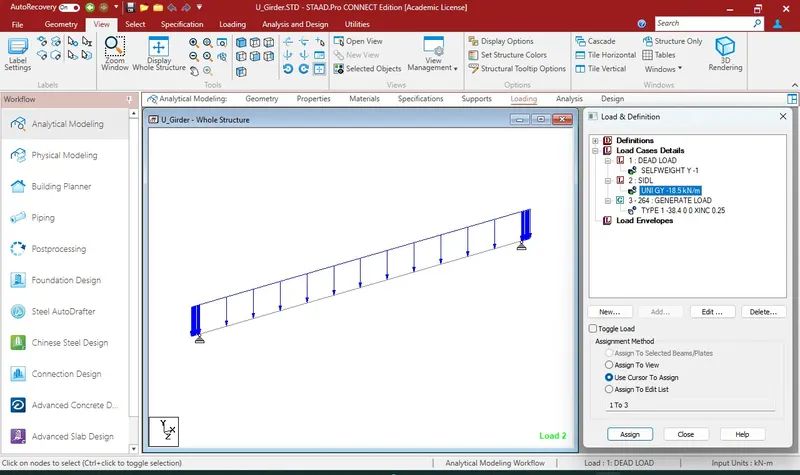
SIDL
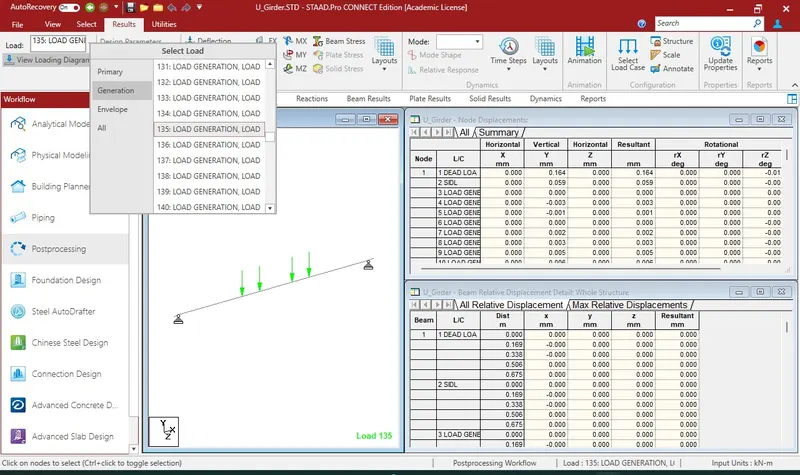
Live load generated
Step 6
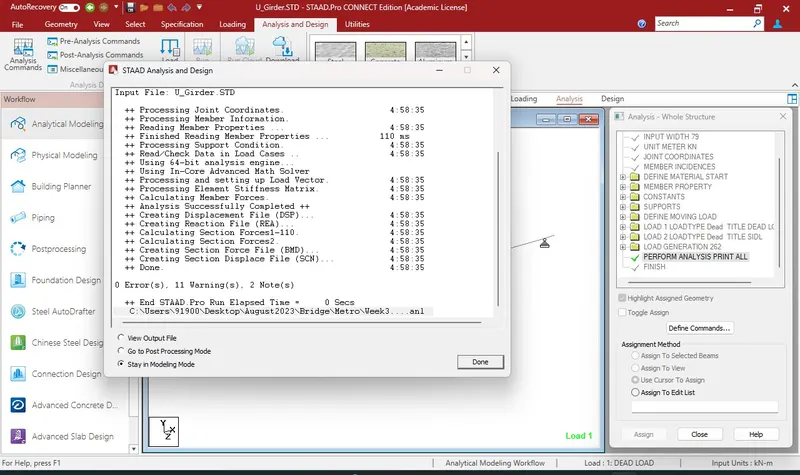
Analysis
Step 7
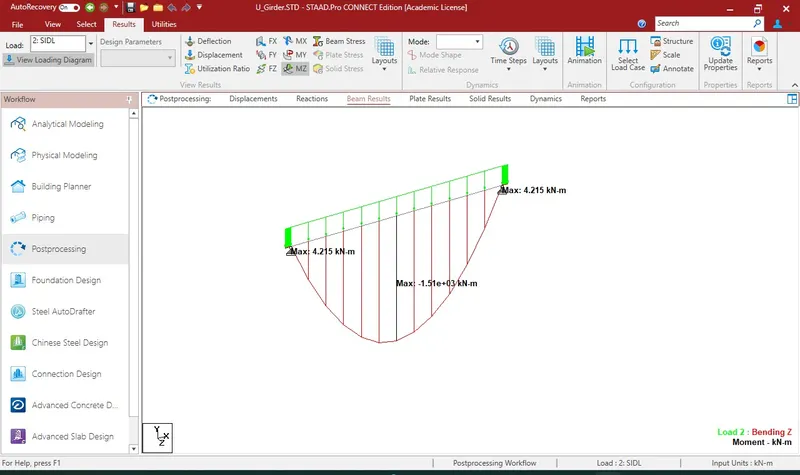
Extracting results