Benchmarking
BENCHMARK COMPARISON – SELECTED CROSSOVER SUV E-VEHICLES
|
Ford Mustang Mach-E |
Hyundai IONIQ 5 |
Kia EV6 |
|
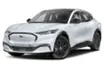 |
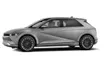 |
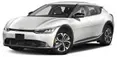 |
|
|
Model year |
2022 |
2022 |
2022 |
|
Wheel base (in) |
117.5 |
118.1 |
114 |
|
Length (in) |
185.6 |
183 |
184.5 |
|
Front headroom (in) |
38.9 |
39.8 |
39 |
|
Front Legroom (in) |
41.7 |
41.7 |
42.4 |
|
Passengers |
5 |
5 |
5 |
|
Mileage (MPGe combined) |
100 |
132 |
136 |
|
Range (mi) |
230 |
220 |
232 |
|
Price (MSRP) |
43,895 |
39,950 |
40,900 |
|
Battery Capacity (kWh) |
68 |
77.4 |
58 |
|
Battery Charge Time |
8.8 |
8.5 |
6.3 |
|
Horsepower (hp) |
266 |
225 |
167 |
|
Torque (lb-ft) |
317 |
258 |
258 |
|
Interior volume (cu ft) |
125 |
133.7 |
127.4 |
|
Warranty (Basic) |
3/36,000 |
5/60,000 |
5/60,000 |
|
Warranty (Drivetrain) |
5/60,000 |
5/60,000 |
5/60,000 |
|
Blind-spot & lane departure warning |
Yes |
Yes |
Yes |
|
Speed-sensitive volume control |
Yes |
No |
No |
|
Passenger seat-adjustment |
4-way |
6-way |
6-way |
|
Passenger lumbar support |
No |
No |
Yes |
Benchmark Study:
Purpose: The benchmark study is used to compare existing vehicles in the market on a number of important criteria. The aim of the study is to identify which set of vehicle features is likely to appeal to the target customer for a new vehicle under design. For the purposes of this study, the target customer has a family of five, likes big vehicles, and commutes 500km per month. His budget is assumed to be in the range of US$39,000 to $45,000. Since the target buyer commutes a lot, I recommend he consider purchasing an electric vehicle to economize on fuel costs and thus the study is focused on electric vehicles.
Conclusion:
All three models offer relatively similar features and pricing. One of the main differences between these models is that the Mustang Mach-E comes with a more powerful motor (at 266 h.p., versus 225 h.p. for the Hyundai Ioniq5 and 167 h.p. for the Kia EV6) but the Mustang also has an approximate 10% higher price (MSRP). It is therefore likely to appeal to buyers interested in performance, whereas performance is not a strong consideration for our target buyer. The Mustang also offers an innovative feature – speed-sensitive audio volume control, to increase or reduce audio volume based on speed, which presumably correlates to ambient road noise, but the target buyer is more family-oriented and likely will not demand such a feature. Since the buyer likes size, the Hyundai offers the largest interior volume (133.7 cu ft, versus 125 for the Mustang and 127.4 for the Kia, respectively). The Hyundai also offers the most front headroom, at 39.8in, versus 39in for the Kia and 38.9 for the Mustang, respectively. For the target buyer, I would recommend the Hyundai, which offers a good combination of price, size, performance, and features.