Benchmarking
BENCHMARKING
What is Benchmarking?
In simple words “Improving ourselves by learning from others”
Definition of Benchmarking is
Benchmarking involves a structured comparison between similar products, services, or processes on some dimensions of performance.
For example, it can be used to compare the availability and delivery of features in a product and in this form often provides the basis of consumer tests and reviews. These look at products and services and provide recommendations based on which is best or some form of ranking amongst competitors
It is particularly useful when comparing not only performance but also practice – in other words, what do the different organizations do to enable that performance to be delivered? And applied in this way it is a powerful tool in process innovation sin e studying how the ‘best’ achieve their performance can provide powerful clues for changing the way processes operate. Process benchmarking of this kind can operate at several levels:
- Between similar processes in the same factory or service branch
- Between different factories or service branches
- Between different competing organizations
- Between different sectors using the same process
Case Study:
1. Benchmark with presently available cars in the market for the following case.
Mr. D.S. Pughazhyendhii is a married man who lives in Bangalore which is a highly crowded city. His Family comprises five members including his wife, five-year-old boy, his father, and his mother. He visits his native place Madurai which is 500kms away from Bangalore once in a month. Also, he will be using his car to commute to his office. His budget falls between 8 to 10 lakhs on road. Please suggest to him with options so that he will buy a good car for his family.
Note: Pughazhyendhii is fond of big cars
Based on the above scenario we can come up with the following points
- There are 5 members in his family, the vehicle should have better space
- Since he travels about 500km a month to Madurai and also commutes to the office every day, a car with a better mileage can be suggested
- Safety is a priority as he travels around 500km to his native every month
- Preferrable type of vehicle would be compact SUV or an SUV as he likes Big cars
- Better entertainment and communication features
Based on the above requirements a detailed benchmarking is done to compare the specification, advantages, and other parameters
|
|
|
|
|
|||||||
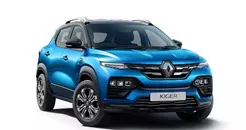
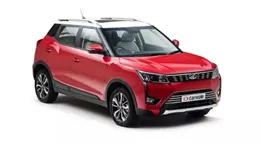
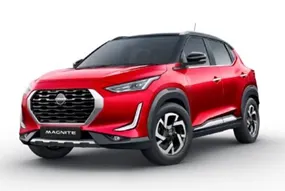
| Renault Kiger RXT Turbo | W4(Petrol) (Base Model) | Nissan Magnite Turbo XV | TATA Nexon XE(Petrol) | Kia Sonet 1.2 HTK | |||||||
| Engine & Transmission | Engine Type | 1.0 L Turbocharged | 1.2L Turbo Petrol | HRA0 1.0 TURBO PETROL | 1.2L Revotron Turbocharged | Smartstream G1.2 | |||||
| Max Power | 98.63 bhp@5000rpm | 108.62bhp@5000rpm | 98.63bhp@5000rpm | 118.36bhp@5500rpm | 81.86bhp@6000rpm | ||||||
| Max Torque | 160Nm@2800-3600rpm | 200Nm@2000-3500rpm | 160nm@2800-3600rpm | 170Nm@1750-4000rpm | 115nm@4200rpm | ||||||
| Mileage (ARAI) | 20.53 kmpl | 17 kmpl | 20.0 kmpl | 17.2 kmpl | 18.4 kmpl | ||||||
| Turbocharged/supercharged | Turbo Charged | Turbo Charged | Turbo Charged | Turbo Charged | Turbo Charged | ||||||
| Dimension | Length (mm) | 3991 | 3995 | 3994 | 3993 | 3995 | |||||
| Width (mm) | 1750 | 1821 | 1758 | 1811 | 1790 | ||||||
| Height (mm) | 1605 | 1627 | 1572 | 1606 | 1642 | ||||||
| Boot Space (Litres) | 405 | 259 | 336 | 350 | 392 | ||||||
| Seating Capacity | 5 | 5 | 5 | 5 | 5 | ||||||
| Fuel tank capacity | 40.0l | 42 | 40.0l | 44 | 45 | ||||||
| Ground Clearance (Laden) | 205mm | 180mm | 205mm | 209mm | 200mm | ||||||
| Safety and Brakes | NCAP Rating | 4 STAR | 5 STAR | 4 STAR | 5STAR | 3STAR | |||||
| Anti-Lock Braking System | yes | yes | yes | yes | yes | ||||||
| Brake Assist | no | no | yes | yes | no | ||||||
| Central Locking | yes | yes | yes | no | yes | ||||||
| Child Safety Locks | yes | yes | yes | yes | yes | ||||||
| No of Airbags | 4 | 2 | 2 | 2 | 2 | ||||||
| Driver Airbag | yes | yes | yes | yes | yes | ||||||
| Passenger Airbag | yes | yes | yes | yes | yes | ||||||
| Side Airbag-Front | yes | no | no | no | no | ||||||
| Side Airbag-Rear | no | no | no | no | no | ||||||
| Front brake type | disc | Disc | Disc | Disc | Disc | ||||||
| Rear Brake type | Drum | Disc | Drum | Drum | Drum | ||||||
| Entertainment & Communication' | USB & Auxiliary input | yes | no | no | no | no | |||||
| Bluetooth Connectivity | yes | no | yes | no | yes | ||||||
| Touch Screen | yes | no | ys | no | no | ||||||
| Onroad price (Bengaluru) | Rs.9,99,927 | Rs.9,85,982 | Rs.9,94,259 | Rs.8,99,728 | Rs.9,56,095 |
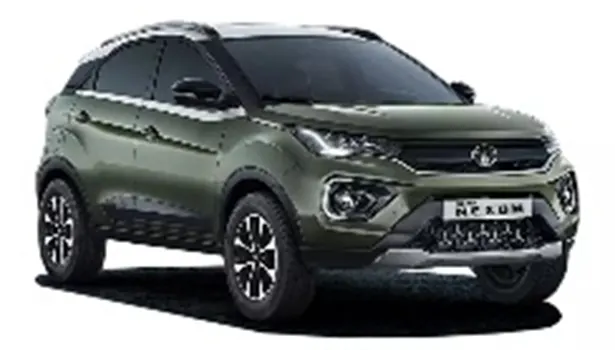
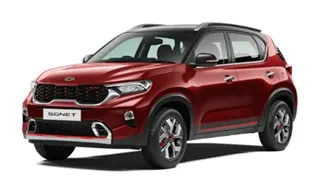
As we can see from the above comparison between the 5 cars
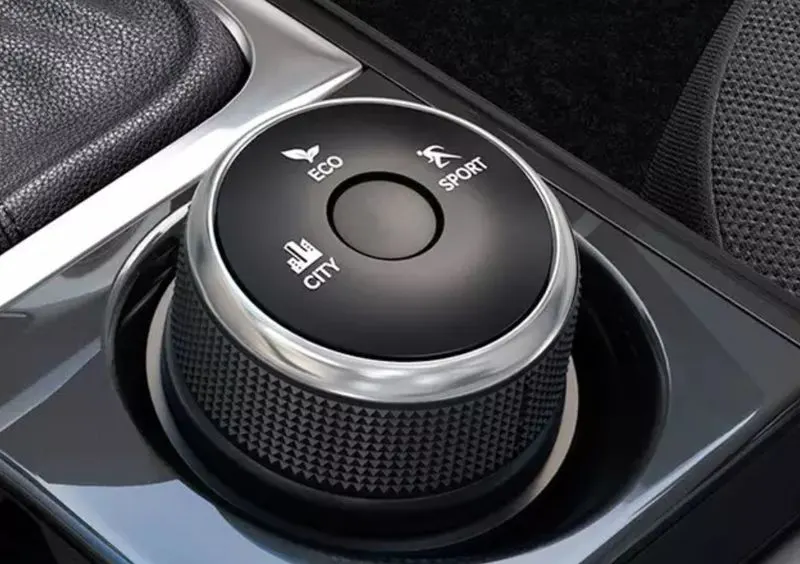
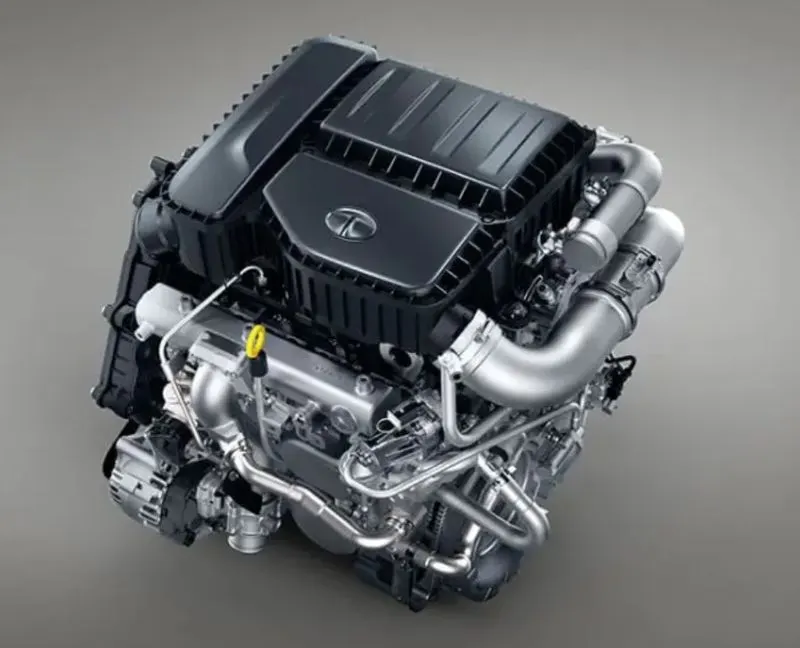
Engine Performance: TATA Nexon has the upper hand with its 1.2L Revotron Turbocharged giving out a power of 118.36bhp @5500rpm and a Torque output of 170Nm@1750-4000rpm since the car comes with the different drive modes which will be suitable for daily commute to his office using the City mode which helps in fuel consumption and eco or sports mode while traveling long distance
Fuel Consumption: Renault Kiger RXT Turbo has the upper hand when compared to fuel consumption, as per the ARAI which it gives up to 20.53 kmpl higher compared to any other car, due to increase in fuel price this would be an ideal car but with a cost of lesser performance but gives a better performance when compared with KIA Seltos
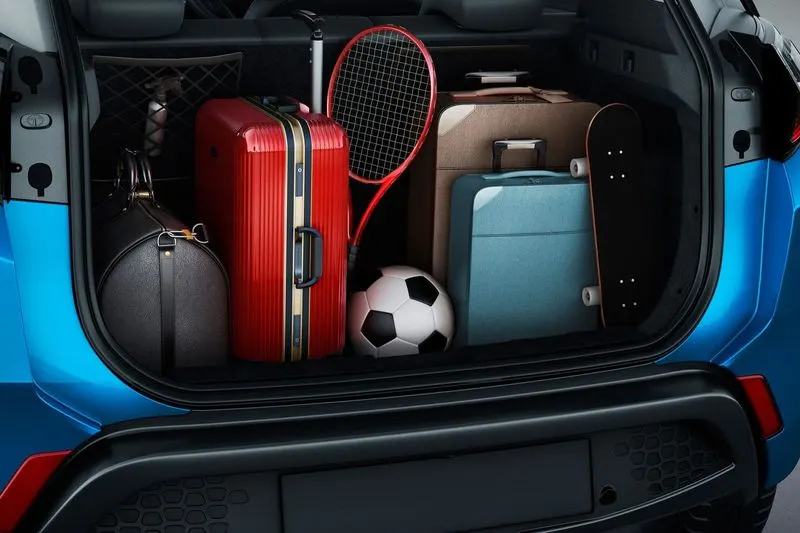
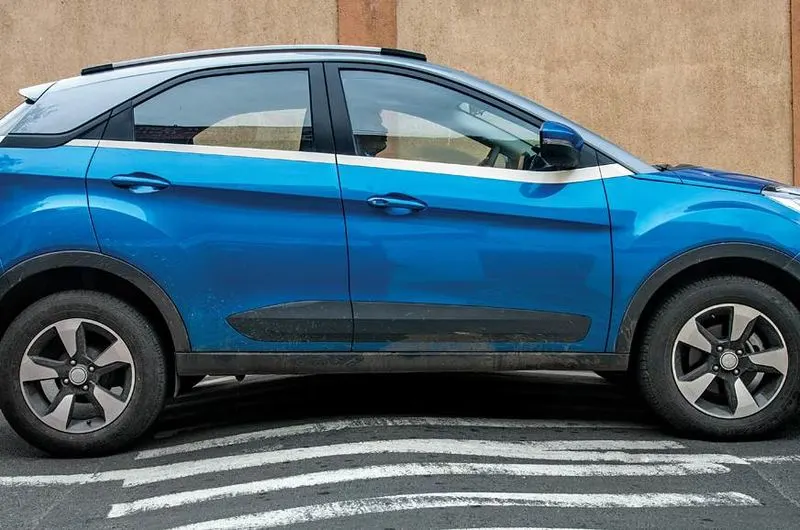
Dimensions: XUV 300 might have a slight edge over TATA Nexon as the overall dimension is higher, but the boot space is lesser in XUV300 compared with any other cars as they might have concentrated on space and comfort provided on the rear but the space at the rear passenger seats in TATA Nexon is ideal and comfortable and with the better boot space and ground clearance which is ideal for the Indian roads the car would look bigger and more space to carry the luggage in the boot
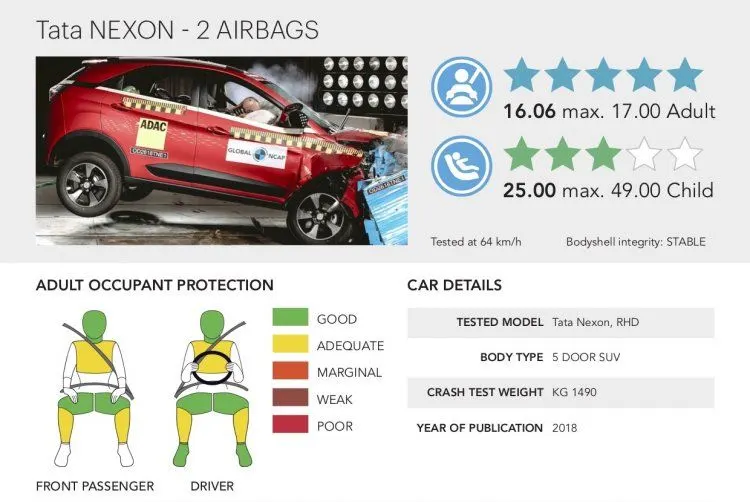
Safety: Tata Nexon and XUV 300 takes the upper hand as they are rated by NCAP 5 STAR Ratings which takes a huge lead compared to any other cars compared putting the Nissan Magnite and Renault Kiger in the second spot with 4 STAR Rating and KIA Seltos in 3rd spot with 3 STAR rating
Entertainment and communication: Any vehicle without any proper entertainment or infotainment system in the car would not look good when compared with the basic requirement Nissan Kiger provides a better inside the ar experience with USB & Auxillary input, Bluetooth connectivity, and touchscreen but these features can be added later on if required
On-Road price: TATA Nexon is comparatively cheaper with an on-road price (Bengaluru) of 8,99.728* when compared with the rest of the cars but with lesser features whereas the rest of the cars give better features, but some of these features can be added on if required.
Conclusion :
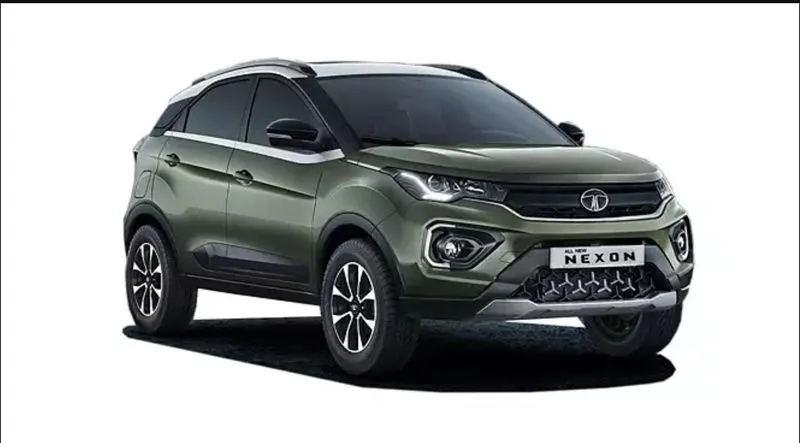
As per the overall review, I would recommend Mr. D.S. Pughazhyendhii to go ahead with TATA Nexon which is a Bigger Budget-friendly car coming within a range of 8-10 lakhs, safer with global NCAP Rating of 5 STAR, and gives better performance when compared with rest of the cars & with its easy to drive modes will help to maneuver in the city very comfortably and with the huge network of TATA all over India service and Road assistance will not be an issue, TATA Nexon would be a good car for his family
Global NCAP rating
Boot space
Ground Clearance
Drive Modes
Engine :
The Tata Nexon sub-compact SUV will come equipped with both petrol as well as diesel power-train options. The petrol variant is powered by a 1.2-liter Revotron, 3-cylinder, turbocharged petrol engine that produces 118 BHP of maximum power while developing 170 Nm of peak torque
TATA NEXON: