Benchmarking
BENCHMARKING
Benchmarking is defined as the process of measuring products, services, and processes against those of organizations known to be leaders in one or more aspects of their operations. Benchmarking provides necessary insights to help you understand how your organization compares with similar organizations, even if they are in a different business or have a different group of customers. Benchmarking can also help organizations identify areas, systems, or processes for improvements—either incremental (continuous) improvements or dramatic (business process re-engineering) improvements. The House of quality matrix and Gantt Charts are often used to plot the benchmarking evaluation.
Benchmarking has been classified into two distinct categories:-
1. Technical
2. Competitive.
1. Technical Benchmarking
Technical benchmarking is performed by design staff to determine the capabilities of products or services, especially in comparison to the products or services of leading competitors. For example, on a scale of one to four, four being best, how do designers rank the properties of your organization’s products or services? If you cannot obtain hard data, the design efforts may be insufficient, and products or services may be inadequate to be competitive.
2. Competitive Benchmarking
Competitive benchmarking compares how well (or poorly) an organization is doing with respect to the leading competition, especially with respect to critically important attributes, functions, or values associated with the organization’s products or services. For example, on a scale of one to four, four being best, how do customers rank your organization’s products or services compared to those of the leading competition? If you cannot obtain hard data, marketing efforts may be misdirected and design efforts misguided.
Benchmarking Procedure:-
- Before an organization can achieve the full benefits of benchmarking, its own processes must be clearly understood and under control.
- Benchmarking studies require significant investments of manpower and time, so management must champion the process all the way through, including being ready and willing to make changes based on what is learned.
- Too broad a scope dooms the project to failure. A subject that is not critical to the organization’s success won’t return enough benefits to make the study worthwhile.
- Inadequate resources can also doom a benchmarking study by underestimating the effort involved or inadequate planning. The better you prepare, the more efficient your study will be
Plan
- Define a tightly focused subject of the benchmarking study. Choose an issue critical to the organization’s success.
- Form a cross-functional team. During Step 1 and 2, management’s goals and support for the study must be firmly established.
- Study your own process. Know how the work is done and measurements of the output.
- Identify partner organizations that may have best practices.
Collect
- Collect information directly from partner organizations. Collect both process descriptions and numeric data, using questionnaires, telephone interviews, and/or site visits.
Analyze
- Compare the collected data, both numeric and descriptive.
- Determine gaps between your performance measurements and those of your partners.
- Determine the differences in practices that cause the gaps.
Adapt
- Develop goals for your organization’s process.
- Develop action plans to achieve those goals.
- Implement and monitor plans.
Requirements
1. Benchmark with presently available cars in the market for the following case.
Mr. D.S. Pughazhyendhii is a married man who lives in Bangalore which is a highly crowded city. His Family comprises five members including his wife, five-year-old boy, his father, and his mother. He visits his native place Madurai which is 500kms away from Bangalore once in a month. Also, he will be using his car to commute to his office. His budget falls between 8 to 10 lakhs on road. Please suggest to him with options so that he will buy a good car for his family.
Note: Pughazhyendhii is fond of big cars
I would prefer him Diesel vehicle or cng vehicle because petrol price is high right now and also prefer somewhat ev vehicles but price range might goes up above 10 lacs.
Suggestible Vehicles
1. Tata Tigor XZ Plus CNG
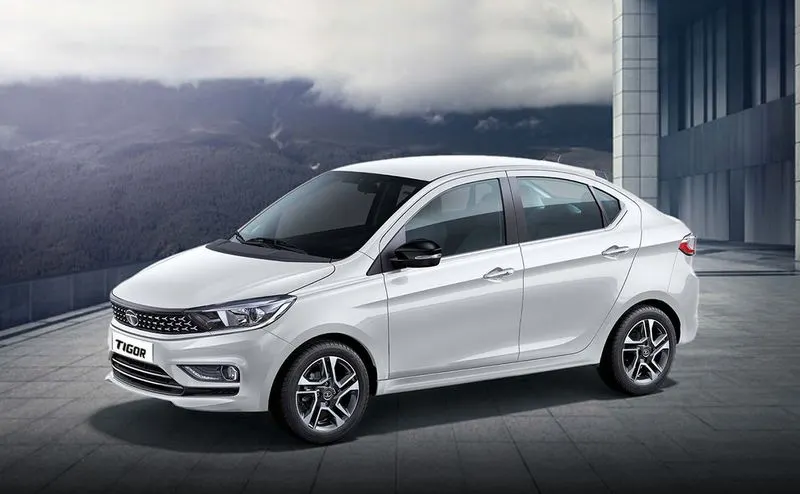
Price :- ₹ 8.30 Lakh
Pros
- One of the best looking sub-4m sedan
- Solid value for money package
- Well loaded with features
- Gets an all-electric drivetrain option
- 4-star NCAP safety rating
Cons
- Engine refinement and performance not on par with rivals
- Less cabin space as compared to rivals
- No diesel engine option.
Specifications
Fuel Type - CNG
Engine Displacement (cc) - 1199
No. of cylinder - 3
Max Power (bhp@rpm) - 72.40bhp@6000rpm
Max Torque (nm@rpm) - 95nm@3500rpm
Seating Capacity - 5
Transmission Type - Manual
Boot Space (Litres) - 205
Body Type - Sedan
Ground Clearance Unladen - 165
2.Tata Nexon XM Diesel
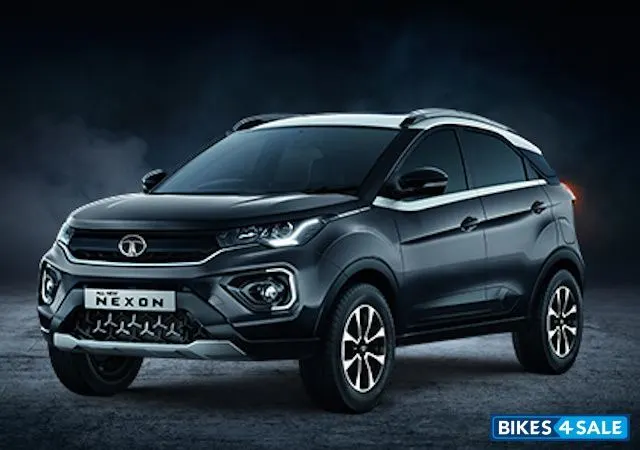
Price :- Rs.9.69 Lakh
PROS:-
1. Overall build quality of the car is superb and the car definitely feels extremely solid.
2. With the launch of the facelifted model, the Nexon now is offered as one of the best looking compact SUVs in the market.
3. The 1.5-L diesel engine is not just powerful and refined but is extremely reliable in the long run as well.
4. The car has sorted driving dynamics and in addition to this, remains extremely comfortable which being driven on badly patched up surfaces and rough roads.
5. There is an ample amount of space inside the cabin and the seats too are comfortable.
CONS:-
1. The refinement levels of this motor are not great and it does get vocal when pushed hard.
2. The customers report that the Nexon as a product is a great car but sometimes the do face issues with the after-sale service and maintenance of the vehicle.
3. While I like the way the new Nexon looks, we do have seen people who are not very pleased with this vehicle.
4. The overall ride quality does tend to get a little jiggly on low speeds.
5. The new Nexon does miss out on a number of essential features which would have definitely made it a better product.
Specifications:-
City Mileage - 16.8 kmpl
Fuel Type - Diesel Engine
Displacement (cc) - 1497
No. of cylinder - 4
Max Power (bhp@rpm) - 108.50bhp@4000rpm
Max Torque (nm@rpm) - 260Nm@1500-2750rpm
Seating Capacity - 5
Transmission Type - Manual
Boot Space (Litres) - 350
Fuel Tank Capacity - 44.0
Body Type - SUV
Ground Clearance Unladen - 209 mm
3.Hyundai Venue S Diesel
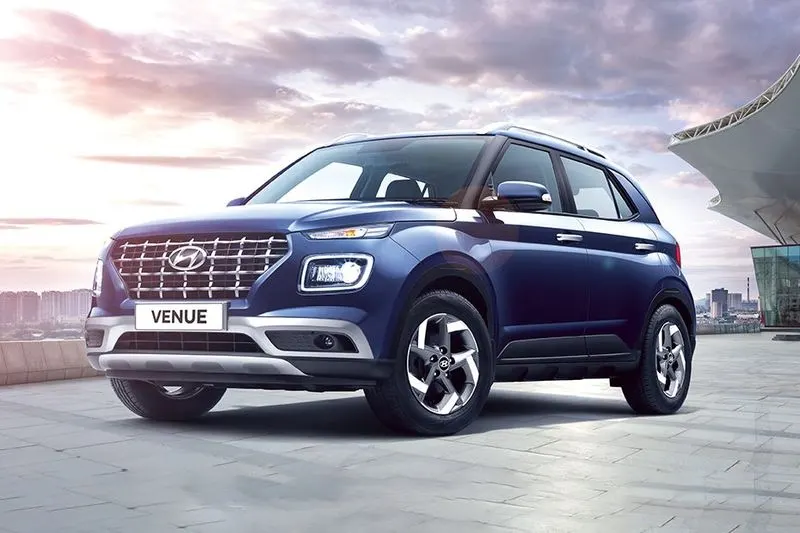
Price:- Rs.9.56 Lakh
PROS:-
- Feature-rich SUV,
- Multiple Engine Options,
- Internet Connectivity.
CONS:-
- Less Spacoius on Back Seat.
- Less Legroom Space for taller Person
- Pick-Up in top gears.
Specifications:-
ARAI Mileage - 23.7 kmpl
Fuel Type - Diesel Engine
Displacement (cc) - 1493
No. of cylinder - 4
Max Power (bhp@rpm) - 98.6bhp@4000rpm
Max Torque (nm@rpm) - 240.26nm@1500-2750rpm
Seating Capacity - 5
Transmission Type - Manual
Boot Space (Litres) - 350
Fuel Tank Capacity - 45.0
Body Type - SUV
4. Mahindra XUV 300 W4 Diesel
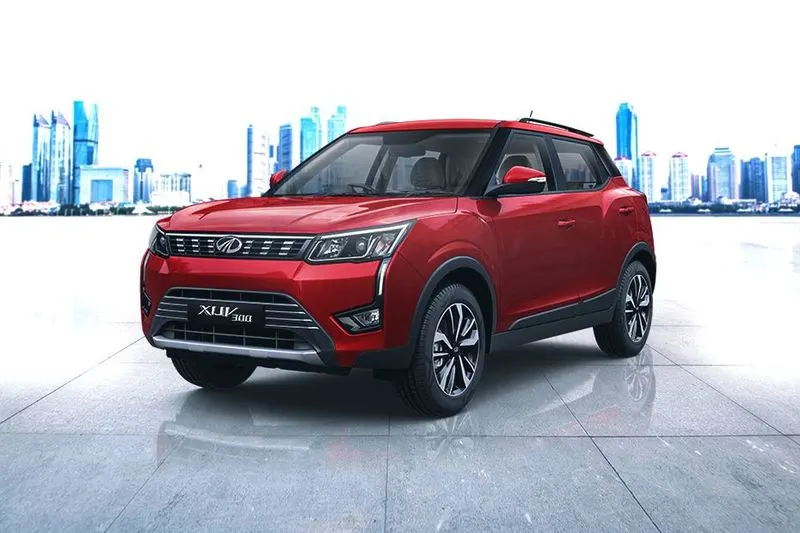
Price :- Rs.9.30 Lakh
PROS:-
1. The XUV300 boasts the longest wheelbase and is also the widest car in the segment. This provides this car with great driving dynamics.
2. The XUV300 scored a perfect five-star rating in the GNCAp safety tests and is also the safest 'Made In India' car currently sold in India.
3. The fit and finish levels inside the cabin are commendable and the quality of the plastic feels premium.
4. Powering the XUV300 are two engine options which include a 1.2-L turbo-petrol engine and a 1.5-L diesel engine.
CONS:-
1. In addition to this, the loading bay is comparatively high which not only takes a toll on the overall boot space but also makes it difficult to load and unload heavy luggage.
2. While the white colour looks extremely upmarket, it does get soiled very easily.
3. The space in the driver's footwell is at a premium and those with a bigger shoe size will definitely have to struggle to adjust.
4. The rear parcel tray too is absent, even on the top variant and is offered as an optional add-on.
SPECIFICATION:-
| ARAI Mileage | 20.0 kmpl |
| City Mileage | 15.4 kmpl |
| Fuel Type | Diesel |
| Engine Displacement (cc) | 1497 |
| No. of cylinder | 4 |
| Max Power (bhp@rpm) | 115bhp@3750rpm |
| Max Torque (nm@rpm) | 300Nm@1500-2500rpm |
| Seating Capacity | 5 |
| TransmissionType | Manual |
| Boot Space (Litres) | 259 |
| Fuel Tank Capacity | 42.0 |
| Body Type | SUV |
| Ground Clearance Unladen | 180mm |
CONCLUSION:-
I would suggest Tata Tigor XZ Plus CNG for Mr. D.S. Pughazhyendhii family. Tata tigor XZ gives every aspect of comfortness but most importantly affordable car in this categories because of cng varient as diesel and petrol cars hikes regurlarly.