Benchmarking
BENCHMARKING
- Benchmarking is the practice of comparing buisness process and performance metricsto industry bests and best practices from other companies. Dimensions typically measured are quality, time and cost.
- Benchmarking is used to measure performance using a specific indicator (cost per unit of measure, productivity per unit of measure, cycle time of x per unit of measure or defects per unit of measure) resulting in a metric of performance that is then compared to others.
- Technical benchmarking is performed by design staff to determine the capabilities of products or services, especially in comparison to the products or services of leading competitors. For example, on a scale of one to four, four being best, how do designers rank the properties of your organization’s products or services? If you cannot obtain hard data, the design efforts may be insufficient, and products or services may be inadequate to be competitive.
BENCHMARKING PROCESS
Considerations
- Before an organization can achieve the full benefits of benchmarking, its own processes must be clearly understood and under control.
- Benchmarking studies require significant investments of manpower and time, so management must champion the process all the way through, including being ready and willing to make changes based on what is learned.
- Too broad a scope dooms the project to failure. A subject that is not critical to the organization’s success won’t return enough benefits to make the study worthwhile.
- Inadequate resources can also doom a benchmarking study by underestimating the effort involved or inadequate planning. The better you prepare, the more efficient your study will be.
Plan
- Define a tightly focused subject of the benchmarking study. Choose an issue critical to the organization’s success.
- Form a cross-functional team. During Step 1 and 2, management’s goals and support for the study must be firmly established.
- Study your own process. Know how the work is done and measurements of the output.
- Identify partner organizations that may have best practices.
Collect
- Collect information directly from partner organizations. Collect both process descriptions and numeric data, using questionnaires, telephone interviews, and/or site visits.
Analyze
- Compare the collected data, both numeric and descriptive.
- Determine gaps between your performance measurements and those of your partners.
- Determine the differences in practices that cause the gaps.
Adapt
- Develop goals for your organization’s process.
- Develop action plans to achieve those goals.
- Implement and monitor plan
. In order to benchmark anything, you need to have quantitative data available to study. That means breaking down internal processes to calculate performance metrics. Quantify everything, because only quantifiable information can be accurately compared.
BENIFITS OF BENCHMARKING
In addition to helping companies become more efficient and profitable, benchmarking has other benefits, too, such as:
- Improving employee understanding of cost structures and internal processes
- Encouraging team-building and cooperation in the interests of becoming more competitive
- Enhancing familiarity with key performance metrics and opportunities for improvement company-wide
In essence, benchmarking helps employees understand how one small piece of a company’s processes or products can be the key to major success, just as one employee’s contributions can lead to a big win.
REQUIREMENT
Benchmark with presently available cars in the market for the following case.
Mr. D.S. Pughazhyendhii is a married man who lives in Bangalore which is a highly crowded city. His Family comprises five members including his wife, five-year-old boy, his father, and his mother. He visits his native place Madurai which is 500kms away from Bangalore once in a month. Also, he will be using his car to commute to his office. His budget falls between 8 to 10 lakhs on road. Please suggest to him with options so that he will buy a good car for his family.
Note: Pughazhyendhii is fond of big cars
In my view,
I would suggest Diesel Engine Vehicle, SUVs and Sedans is preferrable.
SUGGESTION
- Tata Nexon
- Hyundai Venue
- Mahindra XUV300
- Kia Sonet
- Hyundai Aura
- Maruti Suzuki Dzire
SUV SECTION
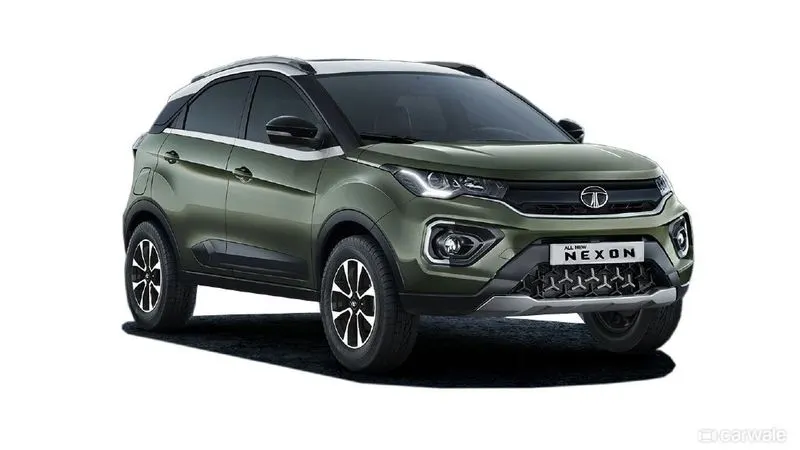
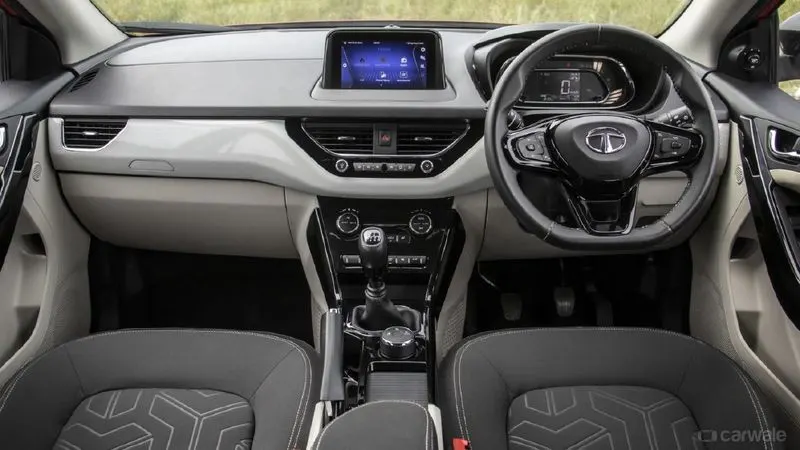
Tata Nexon Summary
.Introduction
Early in 2020, Tata introduced the Nexon facelift in India with a fresh set of cosmetic and feature updates. Taking things to the next level, the company introduced the Nexon Dark in July 2021.
|
MODELS / SPECIFICATIONS |
TATA NEXON |
|
ARAI Mileage |
22.4 kmpl |
|
Engine Displacement (cc) |
1497 |
|
Max Torque (nm@rpm) |
260Nm@1500-2750rpm |
|
Transmission Type |
Automatic/Manual |
|
Fuel Type |
Petrol/Diesel |
|
Fuel Tank Capacity |
44 |
|
Max Power (bhp@rpm) |
108.5bhp@4000rpm |
|
Seating Capacity |
5 |
|
Boot Space (Litres) |
350 |
|
Body Type |
SUV |
|
Safety |
5 Star (Global NCAP) |
Pros:
- Best in class safety package
- Powerful engines (petrol & diesel)
- Ride and feels like a big vehicle
Cons:
- Quality of plastic inside the cabin
- Sluggish infotainment
- Slightly hard ride
HYUNDAI VENUE
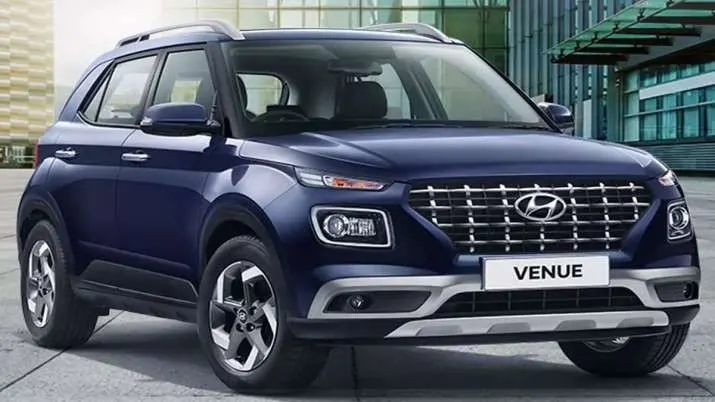
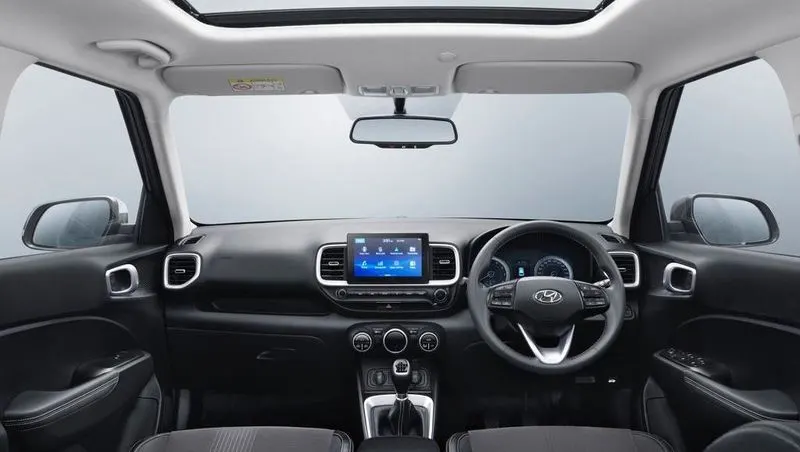
Hyundai Venue Summary
.Introduction
Hyundai VENUE, a SUV studded with striking features. It has breathtaking dynamics with a new age technology like Blue Link. Trendy design, unbelievable performance, and absolutely distinctive looks make it a SUV with flair.
.Exterior
Exterior highlights of the Hyundai Venue include a split headlamp design, projector headlamps with LED DRLs, projector fog lights, LED tail lights, 16-inch dual-tone alloy wheels, a shark fin antenna, roof rails, and silver skid plates.
.Interior
Inside, the Hyundai Venue receives features such as an electric sunroof, an eight-inch touchscreen infotainment system with Apple CarPlay and Android Auto, automatic climate control, flat-bottom steering wheel, height-adjustable driver seat, Hyundai BlueLink connectivity, wireless charging, cruise control, rear AC vents, and a sliding front arm rest.
|
MODELS / SPECIFICATIONS |
HYUNDAI VENUE |
|
ARAI Mileage |
23.4 kmpl |
|
Engine Displacement (cc) |
1493 |
|
Max Torque (nm@rpm) |
240.26Nm@1500-2750rpm |
|
Transmission Type |
Automatic/Manual |
|
Fuel Type |
Petrol/Diesel |
|
Fuel Tank Capacity |
45 |
|
Max Power (bhp@rpm) |
98.6bhp@4000rpm |
|
Seating Capacity |
5 |
|
Boot Space (Litres) |
350 |
|
Body Type |
SUV |
|
Safety |
4 stars (Australian NCAP rating) |
Pros:
- First-in-class connectivity features.
- Quality interiors coupled with long features list.
- It is the only DCT automatic in the segment.
Cons:
- Cabin space isn’t as generous as the competitors.
- 1.2-litre petrol only available in entry-level trims
- Top-spec variants are too expensive.
MAHINDRA XUV300
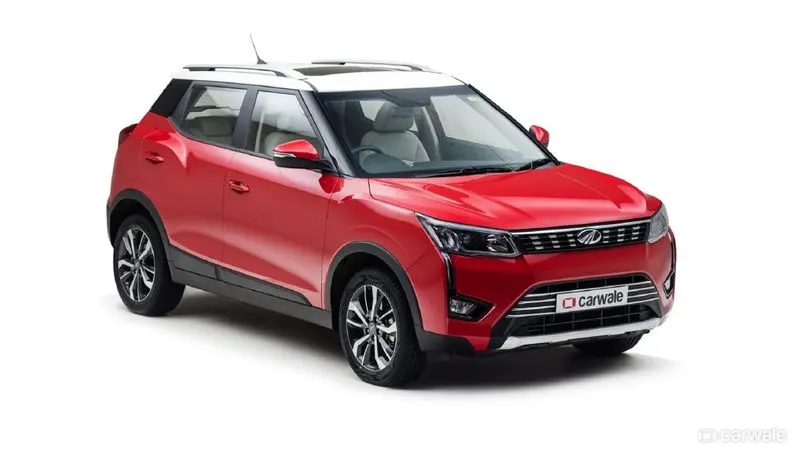
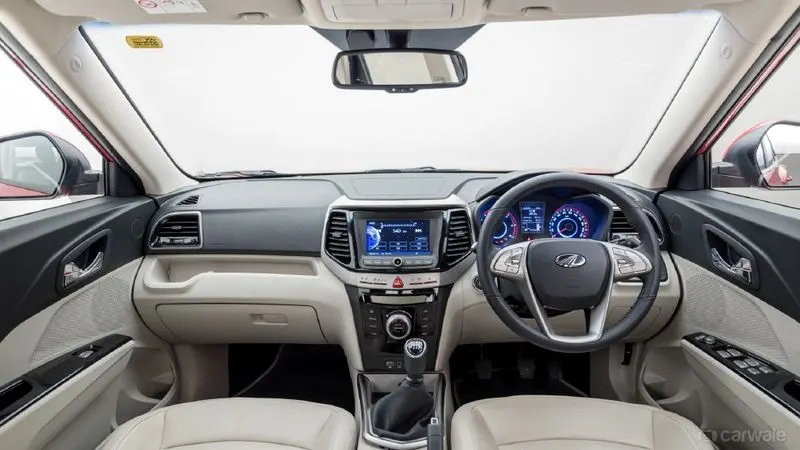
Mahindra XUV300 Summary
.Introduction
Mahindra launched the XUV300 sub-four metre SUV in the country in February 2019. Based on the Ssangyong Tivoli, the model has been shortened in length to accommodate the model into the sub-four metre category of cars.
.Exterior
Exterior highlights of the Mahindra XUV300 include projector headlamps with LED DRLs, a grille with chrome inserts, fog lights, contrast silver-coloured skid plates, electrically adjustable ORVMs, LED tail lights, an integrated spoiler, and 17-inch alloy wheels.
.Interior
Inside, the Mahindra XUV300 comes equipped with a sunroof, a seven-inch touchscreen infotainment system with Apple CarPlay, Android Auto, and BlueSense technology, cruise control, steering-mounted controls, dual-zone automatic climate control, push-button start-stop, and an auto-dimming IRVM. Safety features on the model include seven airbags, ABS with EBD, front and rear parking sensors, reverse parking camera, ESP with roll-over mitigation, cornering brake control, TPMS, all four disc brakes, seat-belt reminders, impact sensing auto door unlock, and speed sensing auto door lock.
|
MODELS / SPECIFICATIONS |
MAHINDRA XUV300 |
|
ARAI Mileage |
20 kmpl |
|
Engine Displacement (cc) |
1497 |
|
Max Torque (nm@rpm) |
300Nm@1500-2500rpm |
|
Transmission Type |
Automatic/Manual |
|
Fuel Type |
Petrol/Diesel |
|
Fuel Tank Capacity |
42 |
|
Max Power (bhp@rpm) |
115bhp@3750rpm |
|
Seating Capacity |
5 |
|
Boot Space (Litres) |
259 |
|
Body Type |
SUV |
|
Safety |
5 stars (Global NCAP rating) |
Pros:
- Powerful diesel engine
- AMT is among the best in its class
- Comfortable ride quality
Cons:
- Top-end variant is pricey
- Interior fit and finish not the best
- Looks disproportionate in profile
KIA SONET
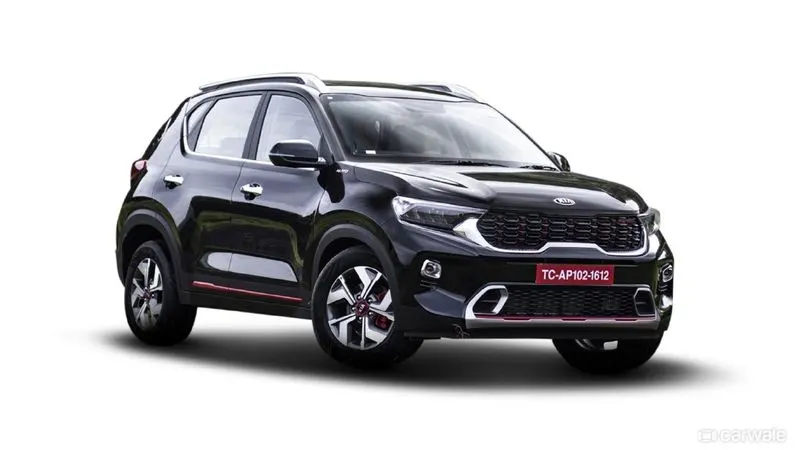
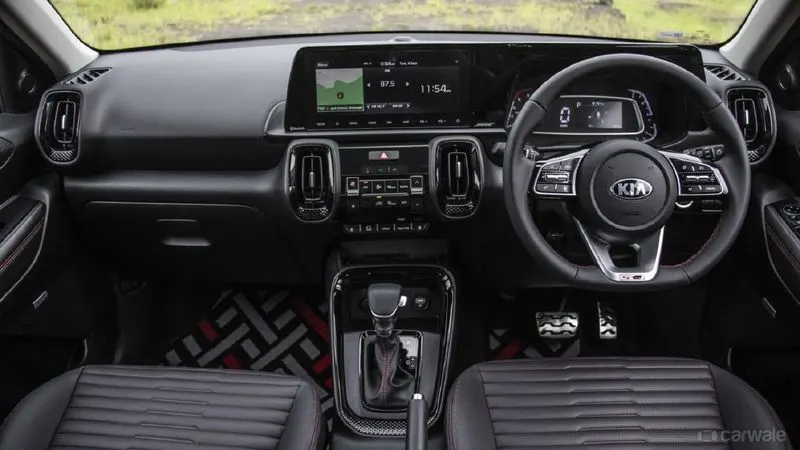
Kia Sonet Summary
.Introduction
Kia launched its third model in India in the form of the Sonet in September 2020. Now in 2021, the Korean carmaker has updated its baby SUV with the new brand logo, two new variants, and additional features for the existing trims.
.Exterior
Exterior highlights of the new Kia Sonet include a tiger-nose grille, full LED headlamps, projector fog lights, the 16-inch dual-tone alloy wheels, a rear diffuser, and LED tail lights.
.Interior
Inside, the model receives a 10.25-inch HD touchscreen infotainment system, UVO connectivity, sunroof, ventilated front seats, LED sound mood lighting, drive and traction modes, wireless charging with cooling function, and an air purifier.
|
MODELS / SPECIFICATIONS |
KIA SONET |
|
ARAI Mileage |
24.1 kmpl |
|
Engine Displacement (cc) |
1493 |
|
Max Torque (nm@rpm) |
240Nm@1500-2750rpm |
|
Transmission Type |
Automatic/Manual |
|
Fuel Type |
Petrol/Diesel |
|
Fuel Tank Capacity |
45 |
|
Max Power (bhp@rpm) |
98.63bhp@4000rpm |
|
Seating Capacity |
5 |
|
Boot Space (Litres) |
392 |
|
Body Type |
SUV |
|
Safety |
3 stars (Global NCAP rating) |
Pros:
- A mini-Seltos in almost every way! Same formula, in a smaller package.
- Sharp & handsome styling. In our opinion, this is the best-looking Compact SUV.
- Excellent spread of powertrains including a fast & enjoyable turbo-petrol.
- Diesel AT is fantastic; the only smooth torque-converter gearbox in a sea of AMTs.
- Well-tuned suspension offers a good balance between ride & handling. 205 mm GC too.
- Top safety package includes 6 airbags, ESP, HSA, TPMS etc.
Cons:
- Rear seat legroom is just adequate, while its limited width makes the Sonet a 4-seater.
- Top variants are pricey! More expensive than its sibling, the Hyundai Venue too.
- Some misses (60:40 rear seat split, auto wipers, steering reach adjustment, illuminated window buttons, full-size spare tyre on top trims…).
- Dual-clutch ATs (like the Petrol DCT) have a history of poor reliability in India.
- As always with Kia, the variant spread is tough to figure out. Good luck finding your perfect Sonet!.
- The tasty 1.0L turbo-petrol doesn’t come with a manual gearbox. Venue has that option.
FORD ECO SPORT
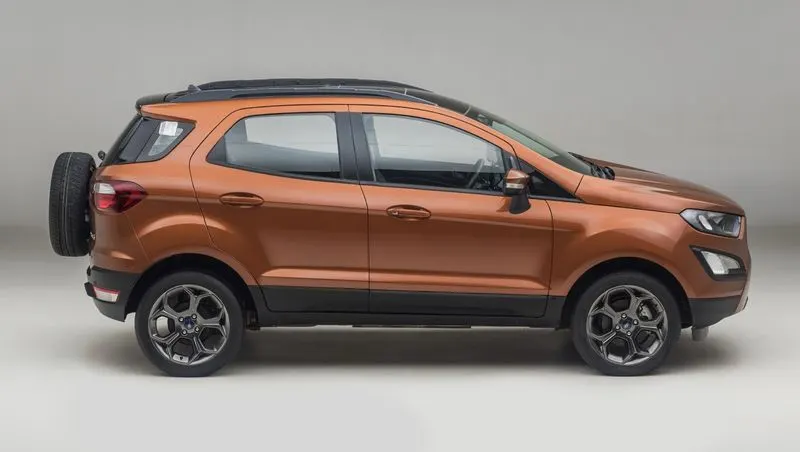
Ford Eco Sport Summary
The Ford Ecosport is considered as one of the best sub-4m compact SUVs currently on sale in the Indian market. The car gets powerful and refined engines and also comes with an aggressive and appealing design language. If you in the market to buy a new compact SUV and wondering if the Ecosport is the best of all.
|
MODELS / SPECIFICATIONS |
FORD ECO SPORT |
|
ARAI Mileage |
21.7kmpl |
|
Engine Displacement (cc) |
1498 |
|
Max Torque (nm@rpm) |
215Nm@1750-2500rpm |
|
Transmission Type |
Manual |
|
Fuel Tank Capacity |
52 |
|
Max Power (bhp@rpm) |
98.63bhp@3750rpm |
|
Seating Capacity |
5 |
|
Boot Space (Litres) |
352 |
|
Body Type |
SUV |
|
Safety |
4 stars NCAP rating |
Pros:
- Build Quality
- Powerful and Responsive Engines
- Looks
- Driving Dynamics
- Long List Of Safety Features
Cons:
- Not So VFM
- Feels Dated
- Stiff Suspension Setup
- Narrow Second Row
- Thick A-Pillar Causes Blind Spot
SEDAN SECTION
Hyundai Aura
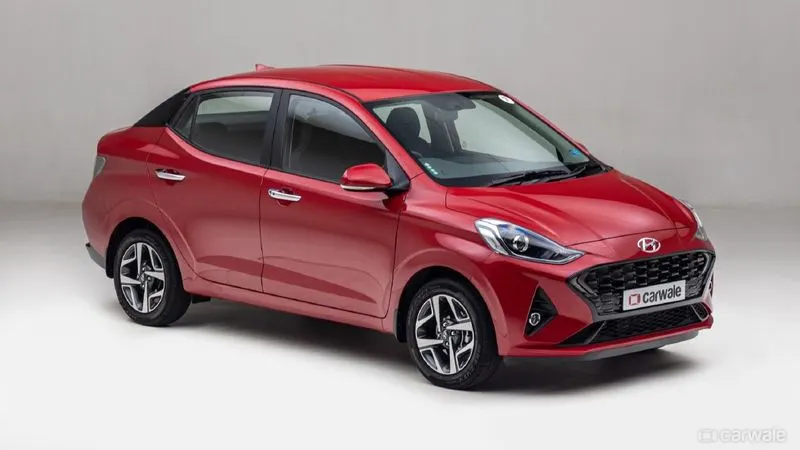
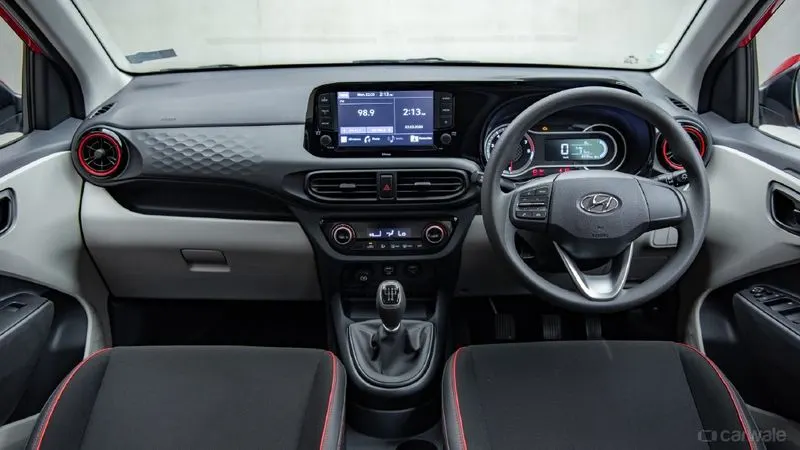
Hyundai Aura Summary
.Introduction
Hyundai Aura has been introduced in India with BS6 compliant petrol and diesel engine options. The vehicle is available in 12 variants and six colour schemes across three engine and two gearbox options. The Aura is the second car in the compact sedan segment and is based on the Grand i10 Nios hatchback.
.Exterior
The Aura gets the family Hyundai face with the chrome grille, twin boomerang shaped LED DRLs with projectors for the headlamps and the fog lamps. In profile you can barely notice the compact sedan length of the car thanks to the way the C-pillar meets the bootlid. The R15 alloy wheels are diamond cut and have a sharp design that goes well with the elements of the car. At the rear you get LED tail lamps and chrome garnish on the lid of the boot door.
.Interior
As for the interior, the vehicle gets brown and black cabin with elements quite similar to that of the Nios hatchback. The highlight of the cabin is of course the eight-inch touchscreen system with Apple CarPlay, Android Auto and multiple connectivity options. The touchscreen system has been integrated into one big unit with the semi-digital speedometer and lends a nice, premium and modern touch to the design. In addition, you get climate control as well as height adjustment for the driver’s seat.
|
MODELS / SPECIFICATIONS |
HYUNDAI AURA |
|
ARAI Mileage |
25.4 kmpl |
|
Engine Displacement (cc) |
1186 |
|
Max Torque (nm@rpm) |
190.2@1750-2250rpm |
|
Transmission Type |
Automatic/Manual |
|
Fuel Type |
Petrol/Diesel |
|
Fuel Tank Capacity |
37 |
|
Max Power (bhp@rpm) |
73.97bhp@4000rpm |
|
Seating Capacity |
5 |
|
Boot Space (Litres) |
402 |
|
Body Type |
Sedan |
|
Safety |
2 stars (Global NCAP rating) |
Pros:
- Stylish look with good interior and exterior features.
- Automatic version will give you more comfort.
- All the required basic features with this model like auto fold ORVM, Steering mounted control, electrically adjustable ORVM with music system and speakers.
- No noise while running.
Cons:
- The slow speed ride is comfortable and all, but things take a different turn as soon as you start going faster. We can notice the Aura's ride quality getting considerably bouncy.
- Aura’s rear section looks displeasing.
- Top-spec trim is on the expensive side.
- CNG powered model gets just one trim.
Maruti Suzuki Dzire
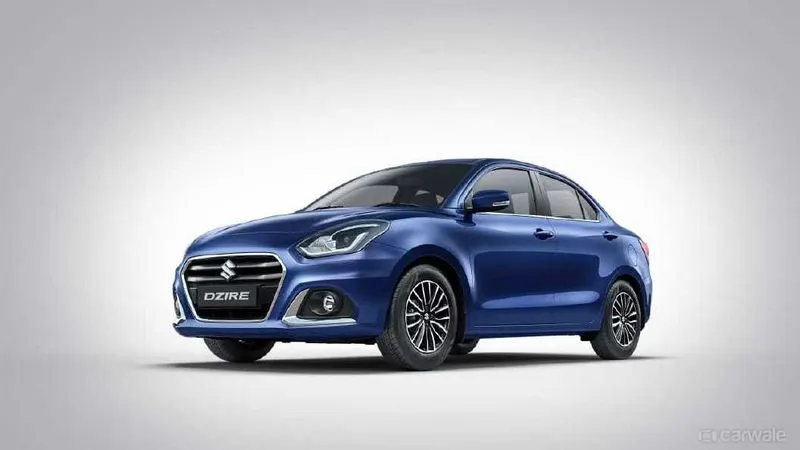
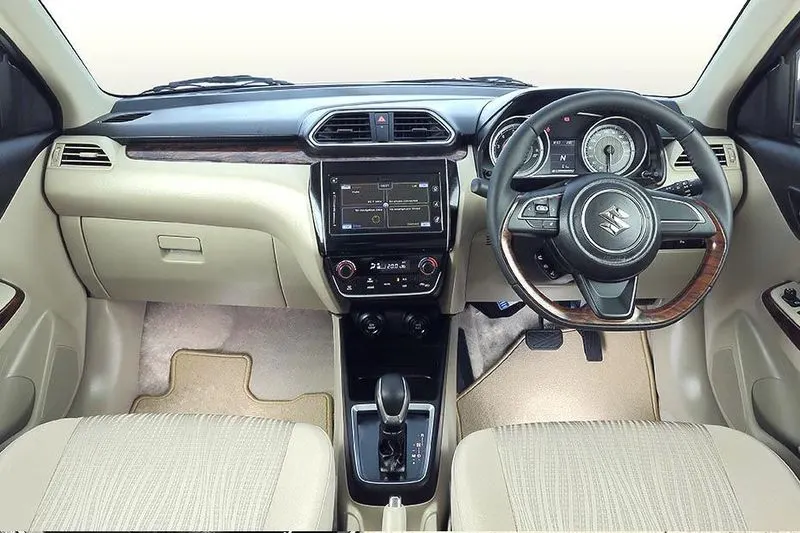
Maruti Suzuki Desire Summary
Introduction
- The Dzire was launched in 2008 and was based on the first generation Swift hatchback. It was introduced as a subcompact sedan for the Indian market in order to offer a sedan-like car in a smaller size. Later, in order to get the tax benefits offered to cars with a length below 4 meters in India, it was converted into a sub-4-meter sedan.
- The Maruti Suzuki Desire facelift could be powered by a 1.2-litre K12C DualJet petrol engine that would replace the 1.2-litre K12B petrol engine. The outgoing engine produces 82bhp and 113Nm of torque in its current state of tune. The 1.3-litre diesel motor will be discontinued due to the BS6 emission norms.
|
MODELS / SPECIFICATIONS |
MARUTI SUZUKI DESIRE |
|
ARAI Mileage |
24.12kmpl |
|
Engine Displacement (cc) |
1197 |
|
Max Torque (nm@rpm) |
113@4400rpm |
|
Transmission Type |
Automatic/Manual |
|
Fuel Type |
Petrol |
|
Fuel Tank Capacity |
37 |
|
Max Power (bhp@rpm) |
88.50bhp@4000rpm |
|
Seating Capacity |
5 |
|
Boot Space (Litres) |
378 |
|
Body Type |
Sedan |
|
Safety |
2 stars (Global NCAP rating) |
Pros:
- First major update comes with refreshed styling
- New features are added as a part of the update
- Maruti’s renowned aftersales and high resale value
Cons:
- it and finish is short of segment-leading
- The AMT automatic gearbox is jerky
- Base variants miss out on many features for its price
COMPARISON
|
MODELS / SPECIFICATIONS |
TATA NEXON |
|
ARAI Mileage |
22.4 kmpl |
|
Engine Displacement (cc) |
1497 |
|
Max Torque (nm@rpm) |
260Nm@1500-2750rpm |
|
Transmission Type |
Automatic/Manual |
|
Fuel Type |
Petrol/Diesel |
|
Fuel Tank Capacity |
44 |
|
Max Power (bhp@rpm) |
108.5bhp@4000rpm |
|
Seating Capacity |
5 |
|
Boot Space (Litres) |
350 |
|
Body Type |
SUV |
|
Safety |
5 Star (Global NCAP) |
|
MODELS / SPECIFICATIONS |
HYUNDAI VENUE |
|
ARAI Mileage |
23.4 kmpl |
|
Engine Displacement (cc) |
1493 |
|
Max Torque (nm@rpm) |
240.26Nm@1500-2750rpm |
|
Transmission Type |
Automatic/Manual |
|
Fuel Type |
Petrol/Diesel |
|
Fuel Tank Capacity |
45 |
|
Max Power (bhp@rpm) |
98.6bhp@4000rpm |
|
Seating Capacity |
5 |
|
Boot Space (Litres) |
350 |
|
Body Type |
SUV |
|
Safety |
4 stars (Australian NCAP rating) |
|
MODELS / SPECIFICATIONS |
MAHINDRA XUV300 |
|
ARAI Mileage |
20 kmpl |
|
Engine Displacement (cc) |
1497 |
|
Max Torque (nm@rpm) |
300Nm@1500-2500rpm |
|
Transmission Type |
Automatic/Manual |
|
Fuel Type |
Petrol/Diesel |
|
Fuel Tank Capacity |
42 |
|
Max Power (bhp@rpm) |
115bhp@3750rpm |
|
Seating Capacity |
5 |
|
Boot Space (Litres) |
259 |
|
Body Type |
SUV |
|
Safety |
5 stars (Global NCAP rating) |
|
MODELS / SPECIFICATIONS |
KIA SONET |
|
ARAI Mileage |
24.1 kmpl |
|
Engine Displacement (cc) |
1493 |
|
Max Torque (nm@rpm) |
240Nm@1500-2750rpm |
|
Transmission Type |
Automatic/Manual |
|
Fuel Type |
Petrol/Diesel |
|
Fuel Tank Capacity |
45 |
|
Max Power (bhp@rpm) |
98.63bhp@4000rpm |
|
Seating Capacity |
5 |
|
Boot Space (Litres) |
392 |
|
Body Type |
SUV |
|
Safety |
3 stars (Global NCAP rating) |
|
MODELS / SPECIFICATIONS |
FORD ECO SPORT |
|
ARAI Mileage |
21.7kmpl |
|
Engine Displacement (cc) |
1498 |
|
Max Torque (nm@rpm) |
215Nm@1750-2500rpm |
|
Transmission Type |
Manual |
|
Fuel Tank Capacity |
52 |
|
Max Power (bhp@rpm) |
98.63bhp@3750rpm |
|
Seating Capacity |
5 |
|
Boot Space (Litres) |
352 |
|
Body Type |
SUV |
|
Safety |
4 stars NCAP rating |
|
MODELS / SPECIFICATIONS |
HYUNDAI AURA |
|
ARAI Mileage |
25.4 kmpl |
|
Engine Displacement (cc) |
1186 |
|
Max Torque (nm@rpm) |
190.2@1750-2250rpm |
|
Transmission Type |
Automatic/Manual |
|
Fuel Type |
Petrol/Diesel |
|
Fuel Tank Capacity |
37 |
|
Max Power (bhp@rpm) |
73.97bhp@4000rpm |
|
Seating Capacity |
5 |
|
Boot Space (Litres) |
402 |
|
Body Type |
Sedan |
|
Safety |
2 stars (Global NCAP rating) |
|
MODELS / SPECIFICATIONS |
MARUTI SUZUKI DESIRE |
|
ARAI Mileage |
24.12kmpl |
|
Engine Displacement (cc) |
1197 |
|
Max Torque (nm@rpm) |
113@4400rpm |
|
Transmission Type |
Automatic/Manual |
|
Fuel Type |
Petrol |
|
Fuel Tank Capacity |
37 |
|
Max Power (bhp@rpm) |
88.50bhp@4000rpm |
|
Seating Capacity |
5 |
|
Boot Space (Litres) |
378 |
|
Body Type |
Sedan |
|
Safety |
2 stars (Global NCAP rating) |
CONCLUSION
In SUV segment I would like to suggest TATA NEXON and in Sedan it would be HYUNDAI AURA for Mr. D.S. Pughazhyendhii family. Nexon is an excellent choice as it is the safest and value for money in its segment. But AURA will be Stylish and smooth to drive with large boot space also best in its segment. Both the vehicle provides greate mileage for long distance traveling.