Benchmarking
Benchmarking:
Benchmarking in simple words can be described as the process of comparing products, services or processes of a company to similar products, services or processes of other competitor companies. Benchmarking is very much required to a company to survive, adapt and grow in this fast changing world of technology, it helps the company to asses where they are falling behind in competition and where they can improve.
There are four main types of benchmarking:
- Performance Benchmarking:Here the quantitative data such as KPIs, measure, etc are compared. It is the initially step taken by the companies to identify and understand the performance gaps.
- Practice Benchmarking:it is a collection and comparison of qualitative data such as how an activity is carried in a company through people, process and technology.
- Internal Benchmarking:as the name suggests this benchmarking is carried among the internal entities of the company which have shared metrics and/or practices. The internal entities can be based on the different units, product lines, departments, programs, geographies, etc., within the company.
- External Benchmarking:it is similar to the internal benchmarking, instead of comparing among the internal entities the comparison is carried out between different companies.
Honda Amaze
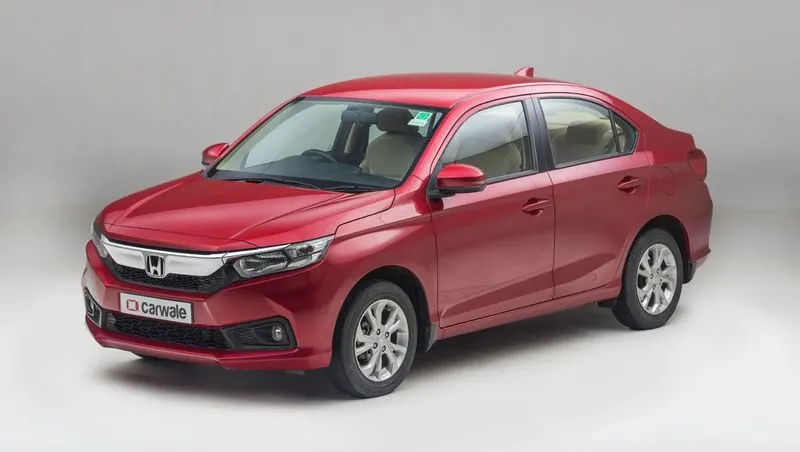
The Honda Amaze is the most economical subcompact saloon by the Japanese carmaker. It is available in four variants - E, S, V and VX. Honda offers the Amaze with one petrol and one diesel engine. Besides, there are five paint alternatives - Platinum White Pearl, Lunar Silver Metallic, Golden Brown Metallic, Modern Steel Metallic and Radiant Red.
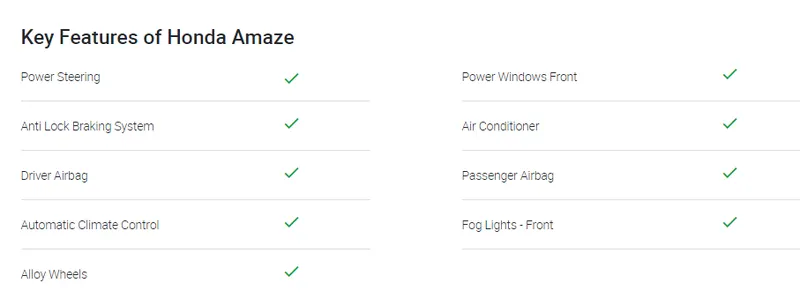
It gets halogen headlamps with LED DRLs and fog lamps. Besides, it gets LED turn signals in ORVMs, 15-inch alloy wheels, an anti-lock braking system with EBD, rear parking sensors with a camera, etc.
The cabin of the Amaze features a dual-tone colour theme. Additionally, there is a 6.9-inch infotainment touchscreen that supports Apple CarPlay and Android Auto, a multifunctional steering wheel, hands-free calling and music streaming via Bluetooth, dual airbags, cruise control, paddle shifters, a start/stop button, voice command etc.
The Amaze come with two powertrains - a 1.2-litre inline four-cylinder engine either mated to a five-speed manual or a CVT automatic while a 1.5-litre inline-four diesel engine also comes with a five-speed manual or the CVT.
Honda offers the saloon with two special variants - Exclusive Edition and Special Edition. The Exclusive Edition features suede upholstery for seats, LED scuff plate and chrome inserts around windows, fog lamps, tailgate and an Exclusive Edition badge. Meanwhile the Special Edition has a Digipad 2.0 touchscreen infotainment display, a sliding armrest, seat covers and a Special Edition badge.
Ford Ecosport
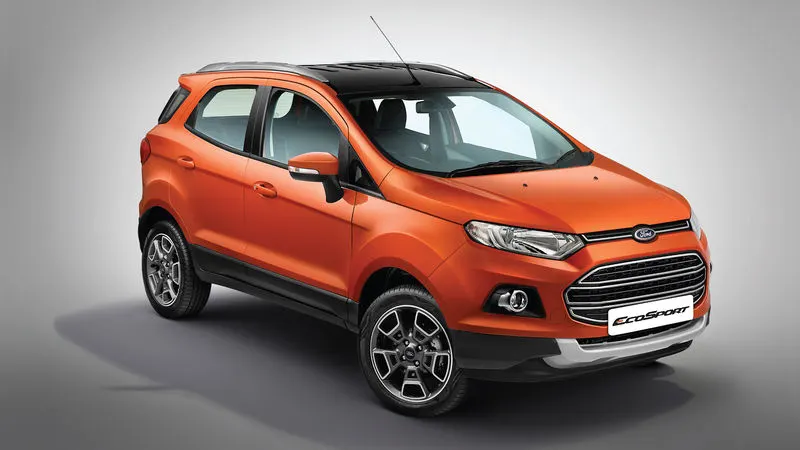
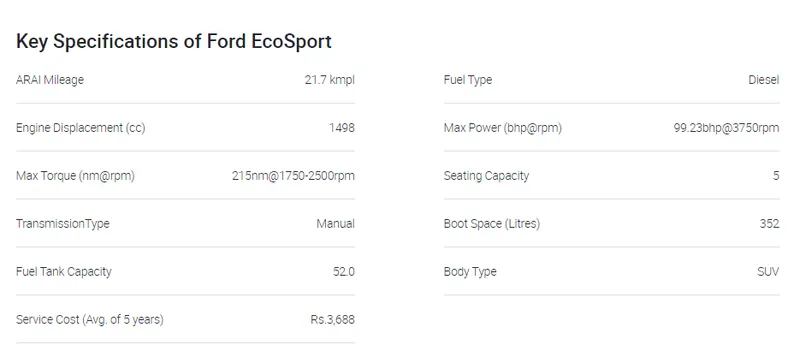
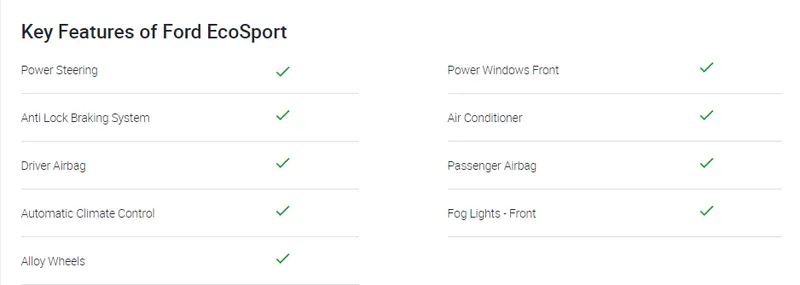
The new Ford EcoSport has been launched with more features over its predecessor. Ford EcoSport is available in six trims – Ambiente, Trend, Titanium, Titanium+, EcoSport S and the Thunder Edition. The newly introduced feature-loaded Thunder Edition is based on the Titanium variant and it replaces the Signature trim. The updated model is available in both petrol and diesel engine options.
Engine
Mechanically the new Ford EcoSport continues to be powered by the existing 1.5-litre petrol and diesel engine options. The 1.0-litre EcoBoost continues to be offered in the EcoSport S trim as well. The EcoSport range is available with a five-speed or a six-speed manual transmission along with a six-speed automatic transmission option in the petrol version.
Exterior
The updated EcoSport gets automatic HID headlamps, daytime running lights, electrochromic mirror and rain sensing wipers. The vehicle also gets distinctive highlights like dark inserts on the headlamp cluster and a prominent black treatment to the fog lamp bezel. Additionally, it gets 17-inch alloy wheels, and a dark theme throughout the exterior, which includes black-painted front grille and rear-view mirrors; dual-tone bonnet and decals on doors.
Interior
Except for the entry level variant, all other variants get a touchscreen-based infotainment system with embedded navigation. The Thunder Edition abundant use of cognac accents across multiple surfaces – from front seats to door inserts as well as centre console and instrument panel. The variant further gets a nine-inch floating touchscreen system with embedded navigation.
Maruti Suzuki Baleno
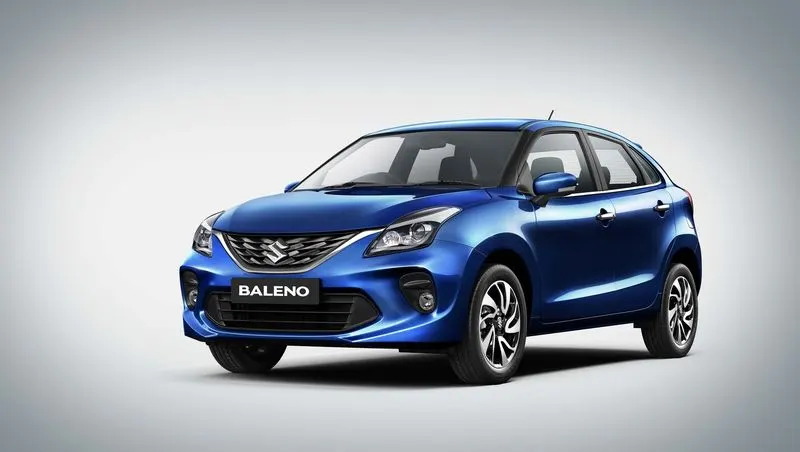
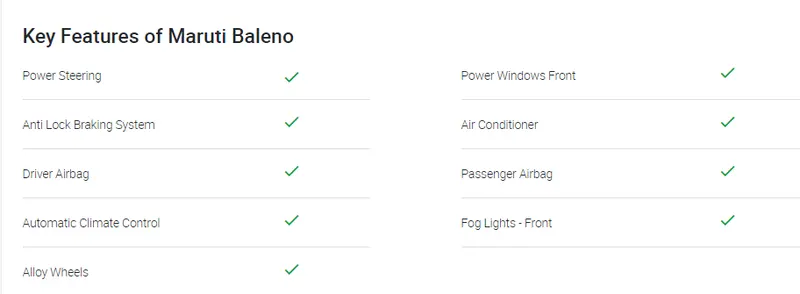
Maruti Suzuki Baleno gets a mid-life update with fresh set of cosmetic and added features inside the cabin. The vehicle is available in four trims – Sigma, Delta, Zeta and Alpha. The vehicle is available in petrol and diesel engine options. The vehicle is available in six colour options – pearl artic white, premium silver, nexa blue, autumn orange, phoenix red and magma grey.
The Baleno hatchback now features a revised bumper which sports a wider centre air-dam and air ducts on either side which are surrounded by the C-shaped profile. The new grille features a three-dimensional detailing and has been slightly tweaked to make the face look wider. The vehicle now gets precision cut two tone 16-inch alloy wheels.
For freshness, the Baleno now gets black interiors with premium blue detailing. The hatchback gets a dual tone seat fabric design and an upgraded next generation Smartplay Studio connected infotainment system with Apple CarPlay and Android Auto. The device also gives out vehicle information and alerts on low fuel, parking brake, etc. Standard safety features includes dual front airbags, ABS with EBD, ISOFIX child seat mounts and rear parking sensors are standard.
Under the hood, the Baleno is powered by a 1.2-litre petrol engine that generates 84bhp of power and 140Nm of torque. The diesel on the other hand gets a 1.3-litre engine that generates 75bhp of power and 190Nm of torque. Both the engines get a five speed manual as standard, while the petrol offers a CVT option.
Maruti Suzuki Dzire
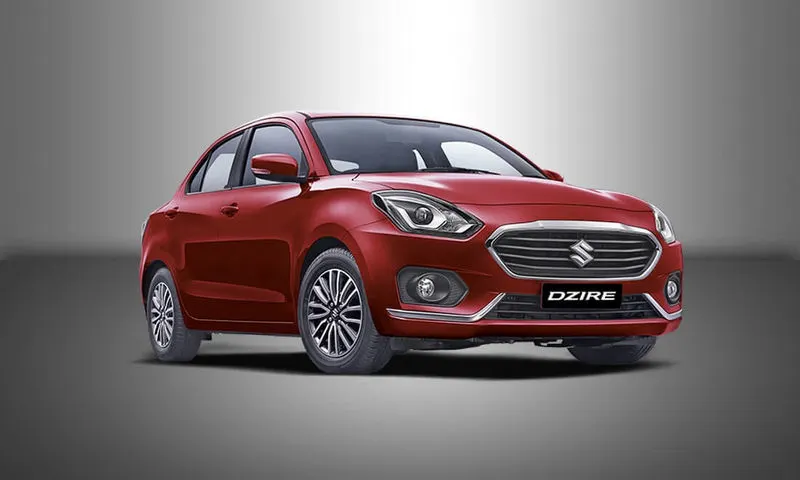
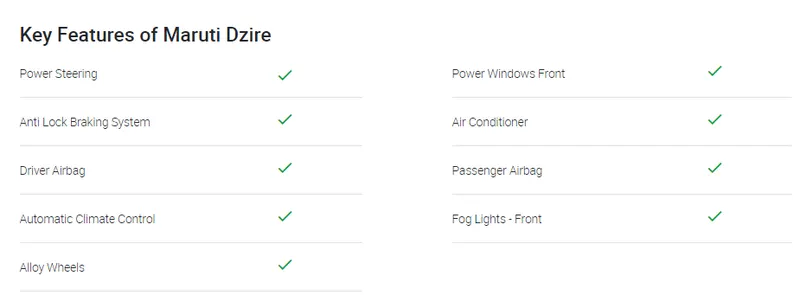
Maruti Suzuki is expected to launch the Dzire facelift in the coming weeks. The model will receive an updated fascia that includes a redesigned front bumper, new hexagon shaped grille with two slats and a chrome border and new fog lamp housings with chrome inserts. Updates to the rear profile of the model remain unknown at the moment although we can expect it to feature a reworked bumper. Also on offer might be new alloy wheels.
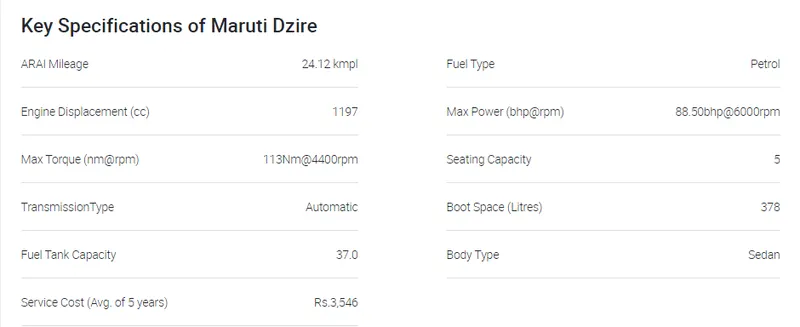
The Maruti Suzuki Dzire facelift could be powered by a 1.2-litre K12C DualJet petrol engine that would replace the 1.2-litre K12B petrol engine. The outgoing engine produces 82bhp and 113Nm of torque in its current state of tune. The 1.3-litre diesel motor will be discontinued due to the BS6 emission norms.
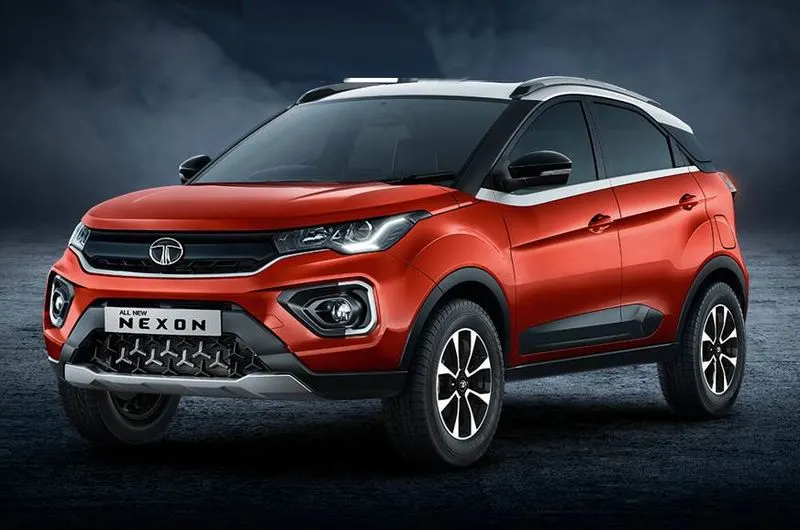
Tata Nexon
The Tata Nexon is a compact SUV from the Indian automaker. Launched, in 2017, it received a facelift in 2019 and is offered across eight trim levels with BS6 compliant powertrain and added equipment.
In terms of exterior design, you get headlamps with a sharp design combined with a much sleeker grille as compared to the pre-facelift model. Even the bumper design is revised which has now a larger intake and a contrasting skid plate. In profile and at the back, things remain more or less unchanged. Also part of the update is a new alloy wheel design.
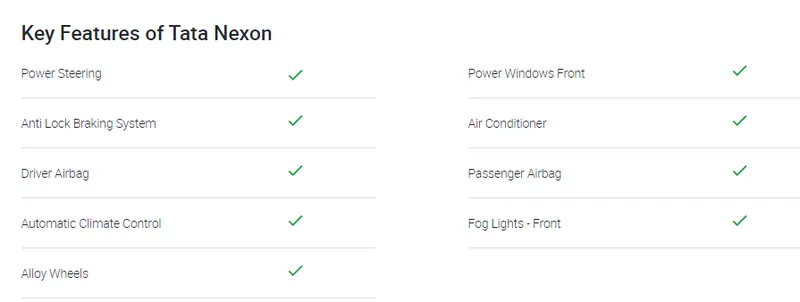
On the inside, the Nexon continues to be spacious with its well laid out cabin. You’ve got a revised instrument cluster with an all-digital readout. The floating infotainment screen gets mobile connectivity features as well. Apart from the new upholstery, the Nexon’s updated cabin also packs in new equipment to get it up to the mark with the competition. This includes a sunroof, fast mobile charger, rain-sensing wipers and cruise control to name a few.
In terms of powertrain, the Tata Nexon facelift is powered by BS6 compliant versions of the 1.2-litre turbocharged petrol engine and the 1.5-litre diesel engine. Transmission options include a six-speed manual gearbox and an automated manual transmission for both engines.
The Tata Nexon is a rival the other compact SUVs like the Maruti Suzuki Vitara Brezza, Hyundai Venue, Ford EcoSport, Honda WR-V and the Mahindra XUV300. Future rivals include the Nissan Magnite, Renault Kiger and the Kia Sonet.
Hyundai Venue
Hyundai Venue, the compact sub-4 metre SUV has arrived in India at a lucrative price tag. The vehicle is available in 13 variants across four trims, seven colours and with three engine options. The compact SUV competes against the likes of Ford EcoSport, Tata Nexon, Maruti Suzuki Vitara Brezza and the Honda WR-V in the sub-4 SUV segment.
Exterior
The newly launched Hyundai compact SUV is based on a new design language where the daytime running lamps are integrated on the top and the headlamps are mounted onto the bumper. The compact SUV comes with flared wheel arches and 17-inch wheels which give it a muscular stance. The top spec SX (O) models further get an all-black theme with faux brushed aluminium trim.
Interior
The Hyundai Venue gets a single-tone all-black interior. The vehicle is loaded with features such as electric sunroof, eight-inch touchscreen infotainment system, projector headlamps with LED DRLs, automatic climate control with rear AC vents and more. As for safety and convenience, the Venue will get six airbags, ABS with EBD, rear parking sensors with camera, electronic stability control, hill launch assist and more.
Engine
Under the hood, the Hyundai Venue is available with a choice of two petrol and one diesel engine option. The petrol version will be available in the 1.0-litre Kappa turbo GDi and 1.2-litre Kappa trims, while the diesel version will get a 1.4-litre U2 CRDi engine. Hyundai claims that the Venue will get an in-house developed seven-speed, power-packed advanced DCT technology in addition to the six-speed and five-speed manual transmissions. The Venue compact SUV will be available in five diesel and eight petrol variants.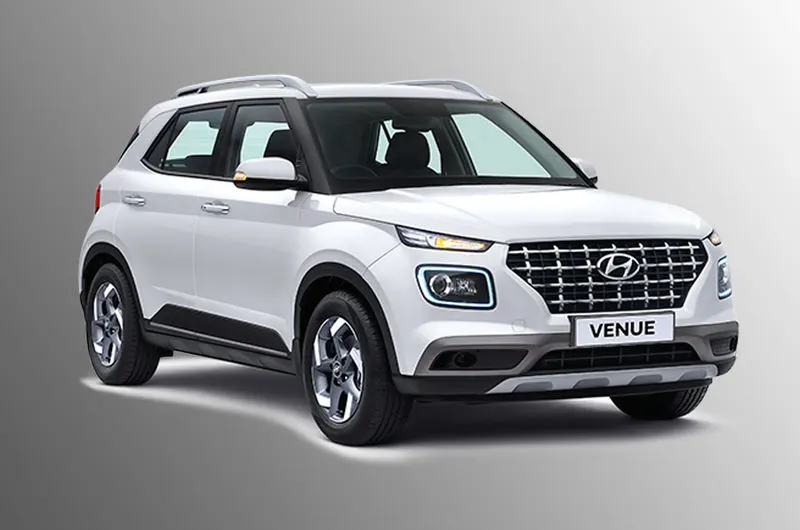
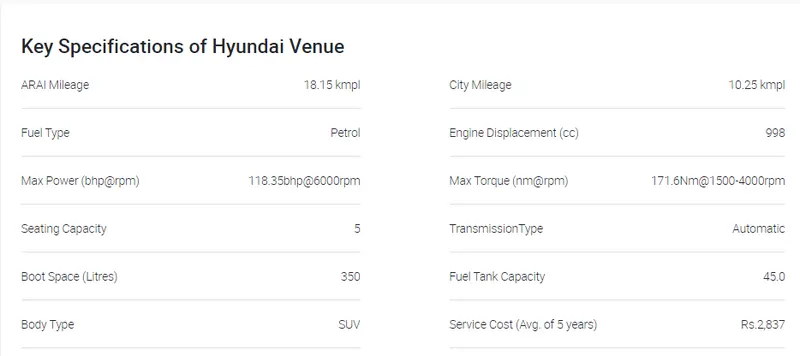
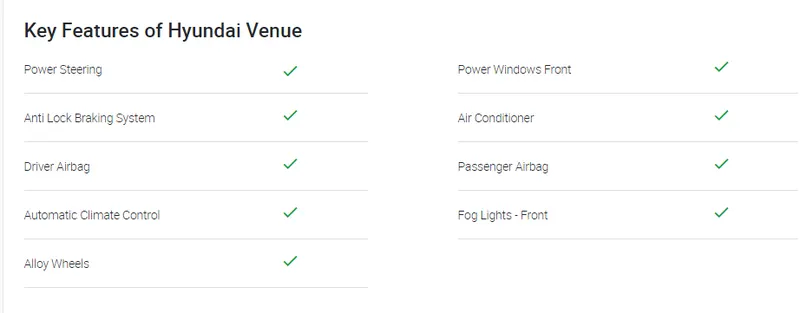
|
Vehicle Name |
ARAI Mileage |
Fuel Type |
Transmission Type |
Fuel tank Capacity |
Boot Space(Litres) |
Service cost |
Body Type |
Seats |
Cost (Rs): |
|
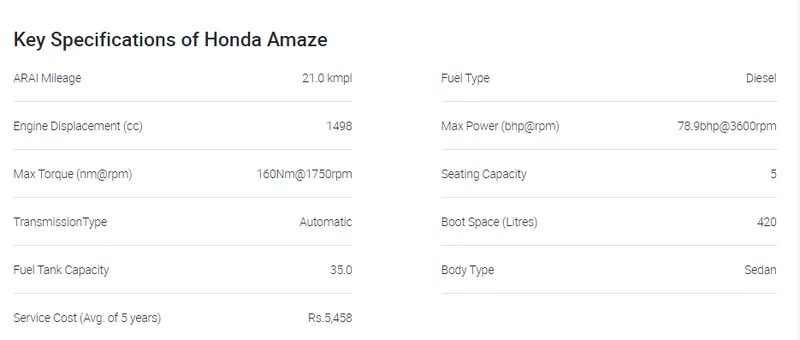
Honda Amaze |
21.0 kmpl |
Diesel |
Automatic |
35.0 |
420 |
Rs: 5,458 |
Sedan |
5 |
8.79 |
|
Ford Ecosport |
21.7 kmpl |
Diesel |
Manual |
52.0 |
352 |
Rs: 3,688 |
SUV |
5 |
9.34 L |
|
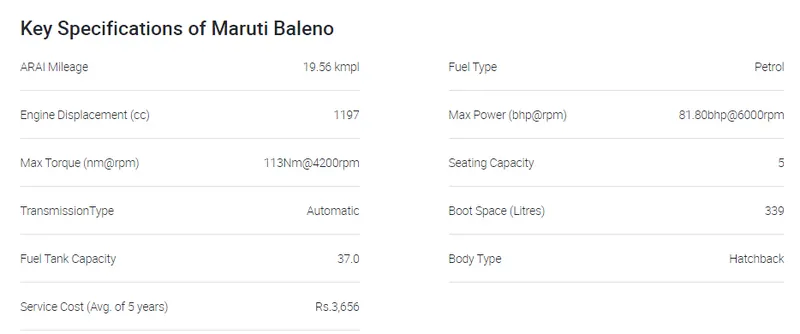
Maruti Suzuki Baleno |
19.56 kmpl |
Petrol |
Automatic |
37.0 |
339 |
Rs: 3,656 |
Hatchback |
5 |
6.89 L |
|
Maruti Suzuki Dzire |
24.12 kmpl |
Petrol |
Automatic |
37.0 |
378 |
Rs: 3,5456 |
Sedan |
5 |
6.90 L |
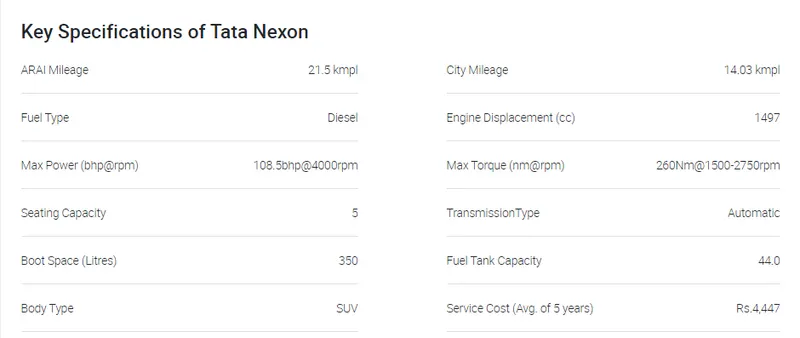
Tata Nexon |
21.5 kmpl |
Diesel |
Automatic |
44.0 |
350 |
Rs: 4,447 |
SUV |
5 |
8.38 L |
Hyundai Venue |
18.15 kmpl |
Petrol |
Automatic |
45.0 |
350 |
Rs: 2,837 |
SUV |
5 |
8.00 L |
Conclusion:
From comparing above all cars we need to suggest the best car for Mr D.S. Pughazhyendhii with options so that he will buy a good car for his family.
I recommend Ford EcoSport because of Good driving and safety beautiful design. Good mileage and sporty look and good quality strong vehicle. The car is the best in the city drive also. I suggest him because it is a diesel-powered vehicle.
The Ford EcoSport scored an overall rating of 4-star in the frontal crash tests and 5-star in the side-impact crash tests. But the compact SUV scored only 3-star in the resistance to rollover test. The 3-star rating is pretty low as most of the cars hardly get a rating of less than 4-star from NHTSA.
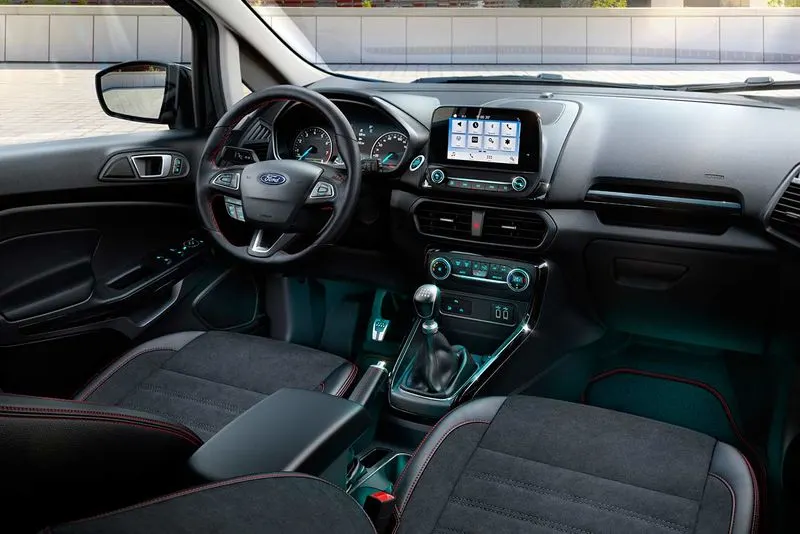
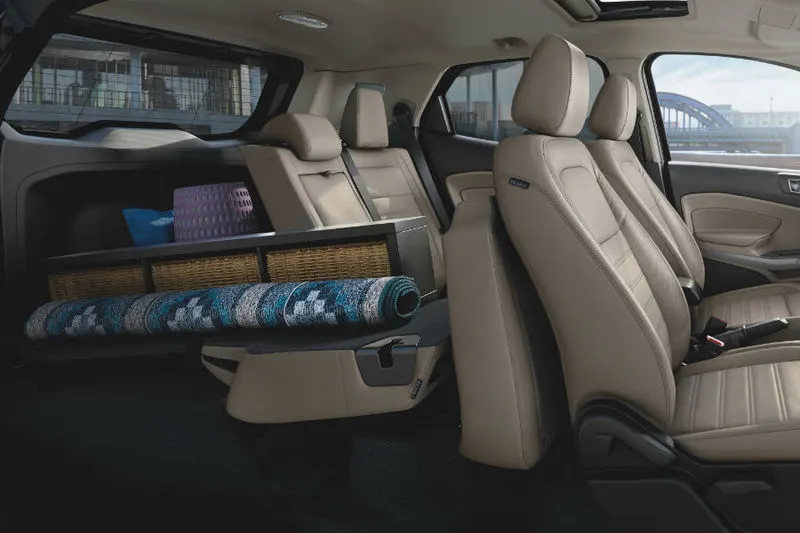
Ford Ecosport offers
- A good ride quality
- A strong build car
- Probably the best petrol and diesel engine
- The good touch screen system
- Space management is not the best
- Fun fact ford cars are best when it comes to driving in rain or where there is standing water.
- The car offers a sunroof.
As he has a child with him to carry I highly recommend Ford EcoSport. Because it scored 4 out of 5 in ASEAN NCAP Crash test for all adult occupant protection.