Benchmarking
BENCHMARKING
AIM:
To create a report by explaining about Benchmark, with the help of given case for Mr. Pughazhyendhii to provide a conclusion by suggesting a single suitable vehicle among comparisions with different vehicles.
OBJECTIVES:
- To Explain about Benchmark
- To Create a report for Benchmark with presently available cars in the market.
- To suggest a single suitable vehicle among the comparison made with 4 different vehicles available in market by considering the case.
- To provide a proper conclusion for the report.
INTRODUCTION:
BENCH-MARK:
Benchmarking is a structured comparison between similar products, services or processes on some dimensions of performance. These look at products and services and provide recommendations based on which is best or some form of ranking amongst competitors.
Bench mark can be used to compare the availability and delivery of features in a product and in this form often provides the basis of consumer tests and reviews. It is particularly useful when comparing not only performance but also practice –with different vehicles do to enable that performance to be delivered and applied in this way it is a powerful tool inprocess for innovation by studying how the ‘best’ to achieve their performance can provide powerful clues for changing the way processes operate.
DIFFERENT LEVELS AT BENCHMARK:
- Between similar processes in the same Vehicle or service branch
- Between different Vehicle or service branches
- Between different competing organizations
- Between different sectors using the same process
Benchmarking of this kind often involves a third party who can collect the data, make the comparison and provide feedback but all on a confidential basis. By comparing thoses different levels the bench mark for the vehicles are been founded on some form of ranking amongst competitors.
DIFFERENT TYPES OF BENCH MARKING:
(1). Internal benchmarking
Internal benchmarking is pretty straightforward. To compare a process or task to a similar process or task within the company. This requires the ability to track metrics for these two comparable systems or departments. This type of benchmarking is effective because it helps set and meet standards across the board, establishing consistency and ensuring that each department is as efficient as possible.
(2). External benchmarking
External Benchmarking is comparing an internal process to that of a competitor or even several other organizations. This approach can be a little trickier because it requires access to industry data or specific company data, which may not be available unless the other organization has agreed to share it with you.
(3). Competitive benchmarking
Competitive benchmarking is a type of external benchmarking that solely focuses on comparing your own processes and metrics to those of direct competitors. This form of benchmarking is significant because you can identify exactly why a competitor is succeeding or what drives customer satisfaction in your industry.
(4). Performance benchmarking
An important form of benchmarking is related to business performance. By tracking metrics and KPIs within the business, teams can continue to compare past outcomes to current standards, continuously updating the standard for improved performance. This type of benchmarking is focused on improving key business functions over time, since the idea is that benchmarks will continue to be raised and strengthened.
(5). Strategic benchmarking
Strategic benchmarking is typically external and specifically analyzes how other companies got to be successful. What kind of business strategies do they employ? For example, what is successful about their marketing campaigns?
(6). Practice benchmarking
This form of internal benchmarking relates to the practices and processes of your business. This requires you to have procedures in place to gather and analyze business data, like how employees and teams are completing their tasks or using certain technologies.
COMPARISION OF DIFFERENT VEHICLES
CASE:
- Mr. D.S. Pughazhyendhii is a married man who lives in Bangalore which is a highly crowded city.
- His Family comprises five members including his wife, a five-year-old boy, his father, and his mother.
- He visits his native place Madurai which is 500kms away from Bangalore once a month.
- Also, he will be using his car to commute to his office.
- His budget falls between 8 to 10 lakhs on road.
- Note: Pughazhyendhii is fond of big cars.
According to the case study for Mr. D.S. Pughazhyendhii the suggestable cars are,
- TATA NEXON.
- MARUTHI SUZUKI BREZZA.
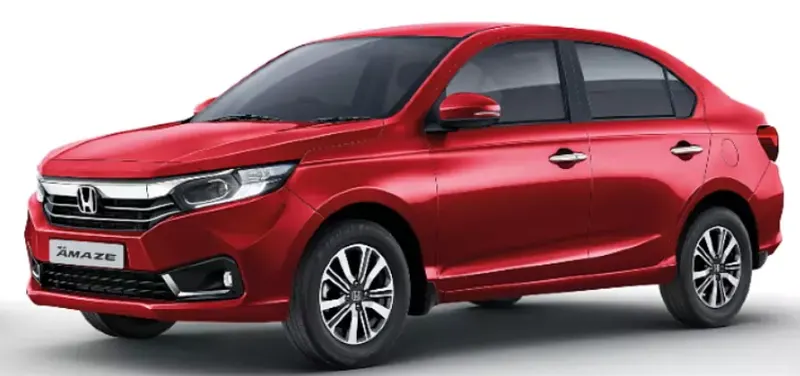
- HONDA AMAZE.
- HYUNDAI VENUUE.
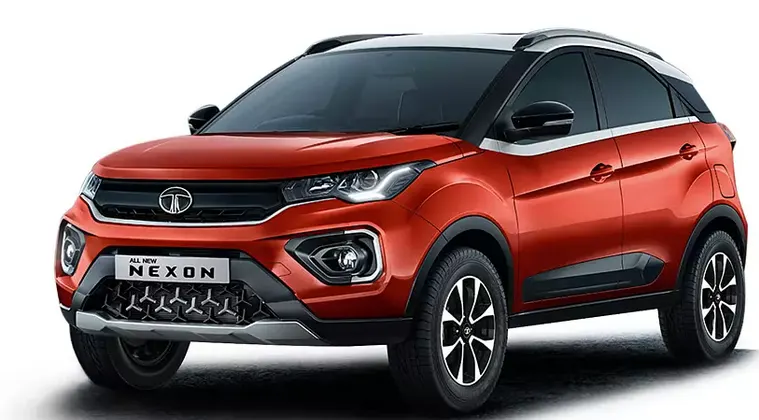
TATA NEXON:
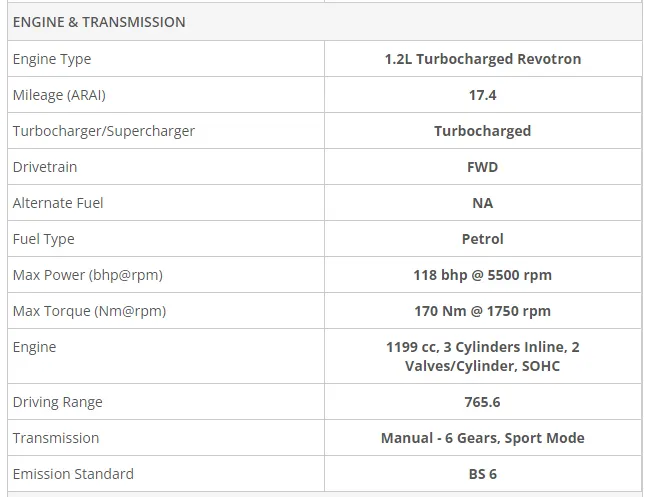
SPECIFICATIONS:
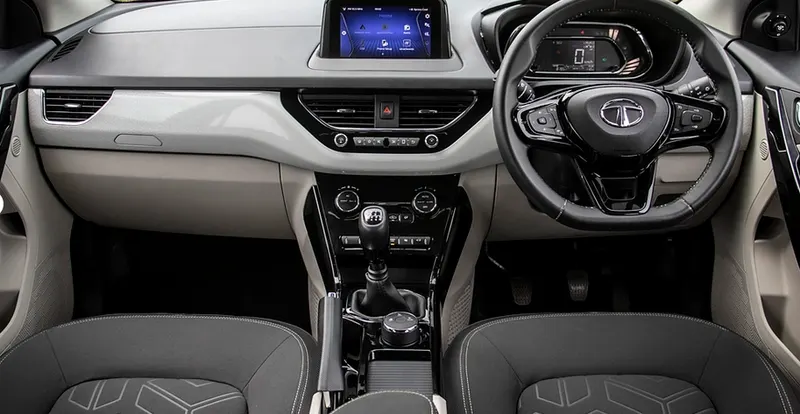
INTERIOR:
Tata Nexon is a 5 door, 5 seater SUV with 350 Litres bootspace. It has a ground clearance of 209 mm. Height of Nexon is 1606 mm. Its length is 3994 mm and width is 1811 mm. Nexon's wheelbase is 2498 mm.
SAFETY:
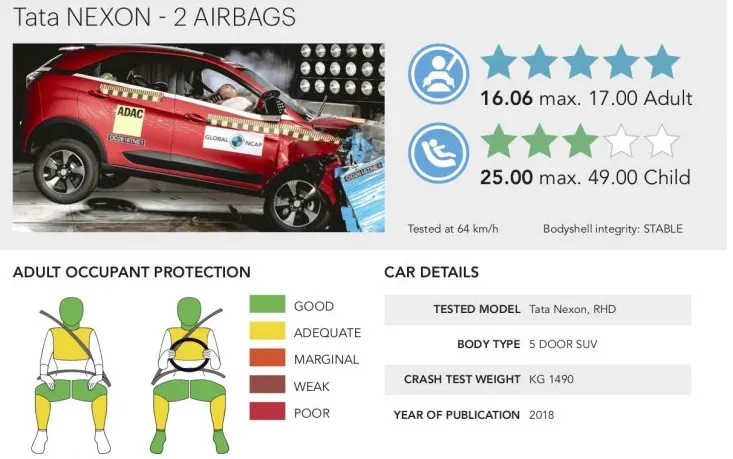
Tata Nexon was the first made in India car to achieve a full 5-star safety rating in the Global NCAP crash test. The Tata Nexon achieved a full 5-star rating for adult occupant protection and a 3-star rating for child occupant protection in the Global NCAP crash test. The Nexon scored 16.06 points out of a total of 17 points for adult occupant safety. For child occupant protection, it got 25.00 points out of a total of 49 points. The bodyshell of the Tata Nexon was rated as stable and it was capable of withstanding further loadings.
MARUTHI SUZUKI BREZZA:
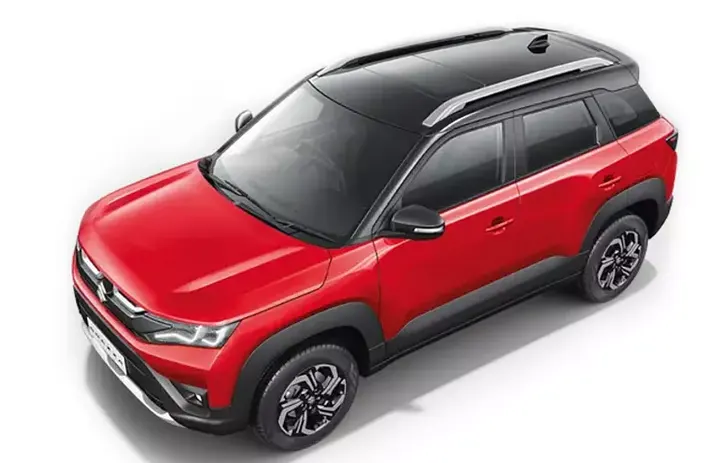
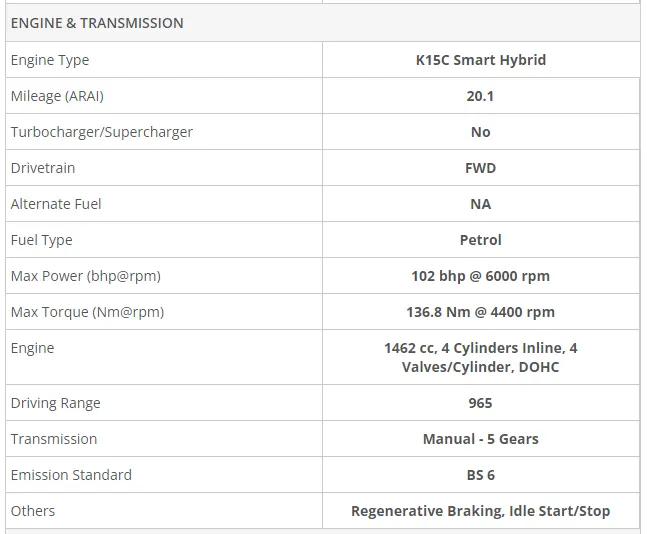
SPECIFICATIONS:
INTERIOR:
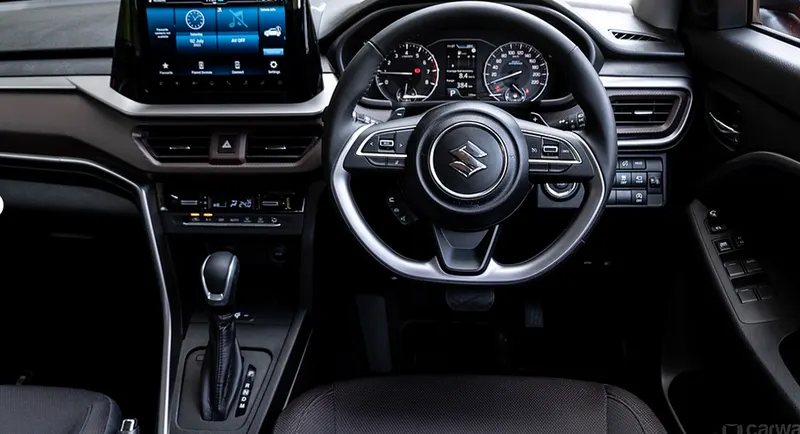
Maruti has packed the Vitara Brezza with cruise control, a height-adjustable driver's seat, auto AC, 7-inch touchscreen with 5 seater Compact SUV .
SAFETY:
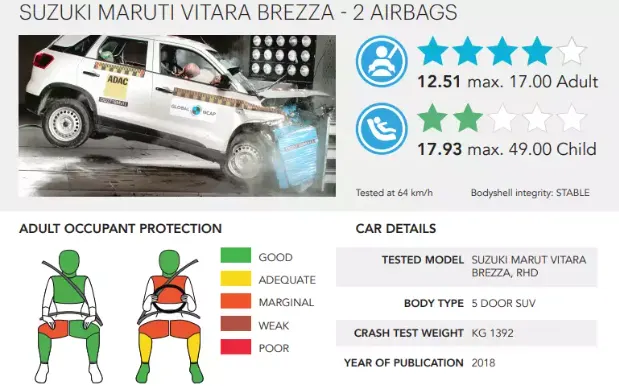
“The four star result for Maruti Suzuki’s Vitara Brezza is really impressive. It demonstrates clearly the safety engineering capabilities of India’s leading vehicle manufacturer. It also shows the beneficial effects of the Indian Government’s new crash test standards helping to raise levels of vehicle safety.
HONDA AMAZE:
SPECIFICATIONS:
INTERIOR:
SAFETY:
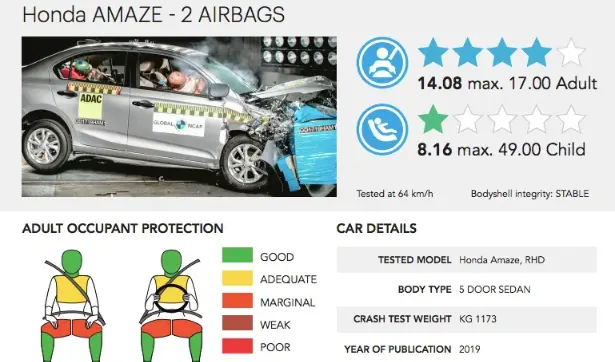
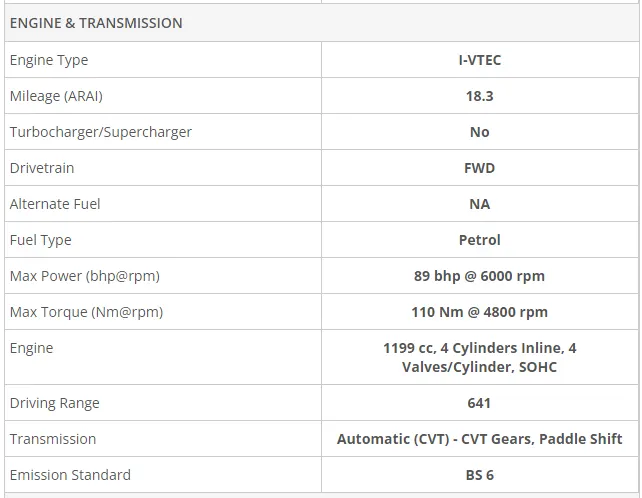
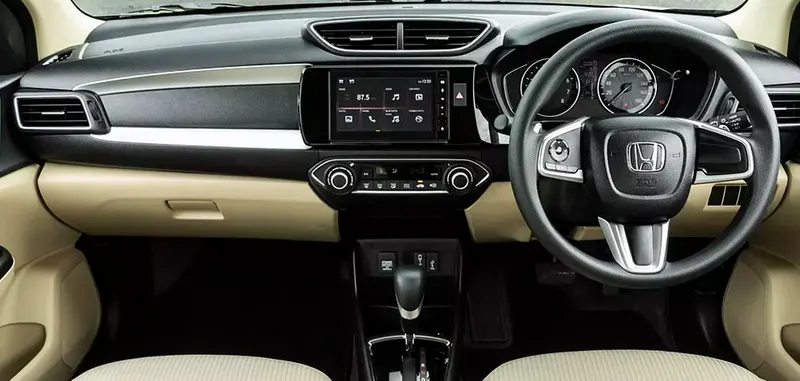
Honda’s offering to the compact sedan segment, the Amaze is currently in its second generation of production in our country. This model is not only sold in our market, but also is exported to foreign markets like Africa. Global NCAP, as part of their Safer Cars for Africa initiative, have conducted a crash test of this very, ‘Made-in-India’ model. This little Honda, managed to score a respectable 4-stars in the crash test for adult occupants, however, the car scored a mere 1-star for child occupants. The body shell integrity of the car was rated ‘STABLE’ post the crash which was conducted at 64 kmph, with a 40% offset barrier.
HYUNDAI VENUE :
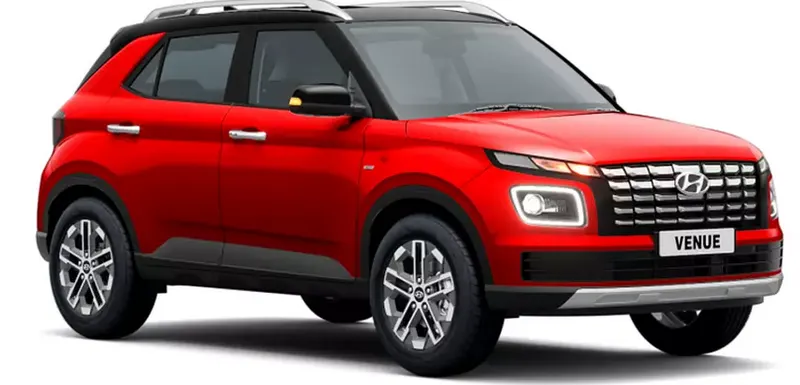
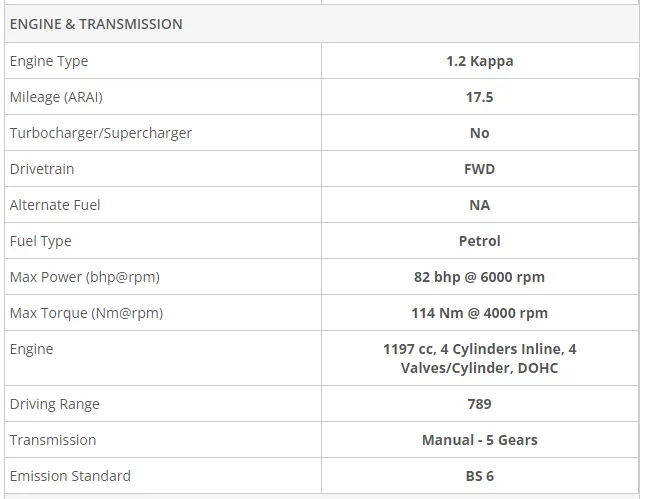
SPECIFICATIONS:
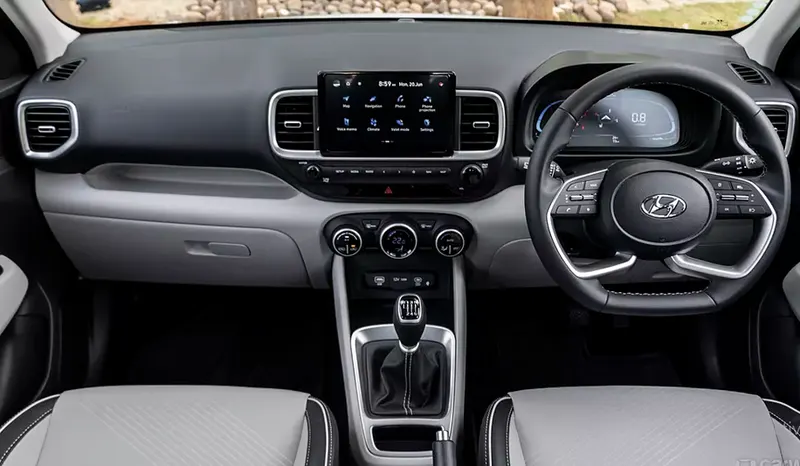
INTERIOR:
SAFETY:
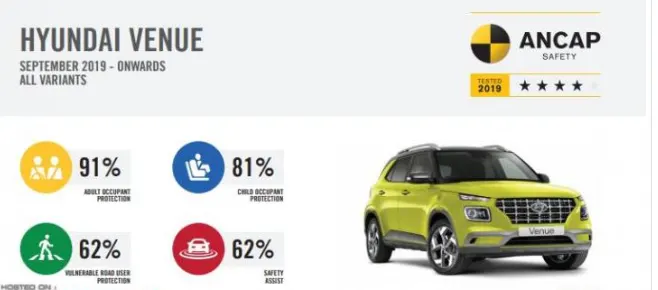
The Hyundai Venue has scored 4 stars in crash tests conducted by ANCAP. The car was awarded 34.84 points for adult occupant safety and 40 points for child occupant safety. The results showed that the driver's chest and lower legs of both front occupants were adequately protected in the frontal offset test. Protection for all other critical body areas of the driver and front passenger was rated as good. In the full width frontal test, protection for the driver was adequate for the chest and good for all other body areas.
Protection for the rear passenger's neck and chest was rated adequate and marginal respectively. The car offered good protection to all other body areas. In the side impact test, the car offered good protection to the driver's critical body areas, while the protection for the chest was adequate and good for all critical areas in the oblique pole test.
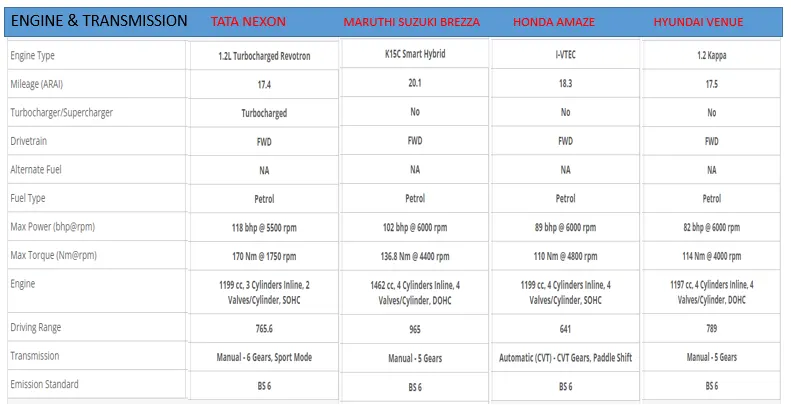
COMPARISIONS:
CONCLUSIONS:
- For the case, Mr. D.S. Pughazhyendhii, i suggested a vehicle TATA NEXON which is suitable among others with the comparisions made to each other.
- In my point of view, Mr. D.S. Pughazhyendhii, lived in a crowed city and comutate with vechile to office, for that it gives a better performence compared to others.
- Also, for the long range travelling also, it is an important fact that SAFETY place an imporatnt role, for that also NCAP approved 5 star rating standars with the TATA NEXON, pricing also fall with their fundings.
- As compared with the specifications to others, the power and perfomance in TATA NEXON has better suitable with sport modes and Turbocharged.