Benchmarking
Benchmarking
Benchmarking is a process of measuring the performance of a company's products, services, or processes against those of another business considered to be the best in the industry, aka “best in class.” The point of benchmarking is to identify internal opportunities for improvement.Benchmarking is a process where you measure your company’s success against other similar companies to discover if there is a gap in performance that can be closed by improving your performance. Studying other companies can highlight what it takes to enhance your company’s efficiency and become a bigger player in your industry.
The Benefits of Benchmarking
- Competitive Analysis
By identifying areas you wish to improve on in your business and benchmarking your existing performance against competitors, your business can strive to enhance your execution tenfold. Using benchmarking this way has allowed businesses to gain strategic advantages over competitors and grow industry averages.
- Monitor Performance
Benchmarking involves looking at current trends in data and projecting future trends depending on what you aim to achieve. In order to know you have been successful, benchmarking needs to be a continuous process. Monitoring performance is an inherent characteristic of it.
- Continuous Improvement
As well as monitor performance, continuous improvement is an essential attribute of benchmarking. This is because the aim of benchmarking is to improve acertain element of business. This improvement should not merely be something that improves once and is forgotten, but something that improves over time and is continuous.
- Planning and Goal Setting
Once benchmarking has been carried out, goals and performance metrics are set in order to improve performance. These goals are new, more competitive targets for a company but they must be achievable. If goals are unrealistic to achieve teams become demotivated and goals are destined to remain unfulfilled.
- Encourage Ownership
When companies look at their processes and metrics they need to ask hard questions to get all the answers they need. This includes talking to everyone in the business and understanding their roles. By asking these questions and gaining a better understanding of everyone’s role, ownership for processes and performance is encouraged. This pride leads to better performance and higher-quality end results.
- Understand Your Companies Advantages
Benchmarking identifies where your company is right now compared to where you want it to go. If you are looking at improving any process in your business, benchmarking is a way of looking at how you can excel and become more successful through outlining the steps needed to achieve your goal.
The which I provided are shown below,
1.Maruti Suzuki Swift
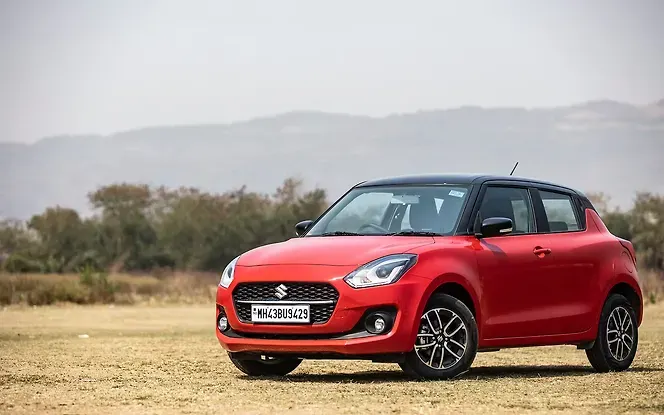
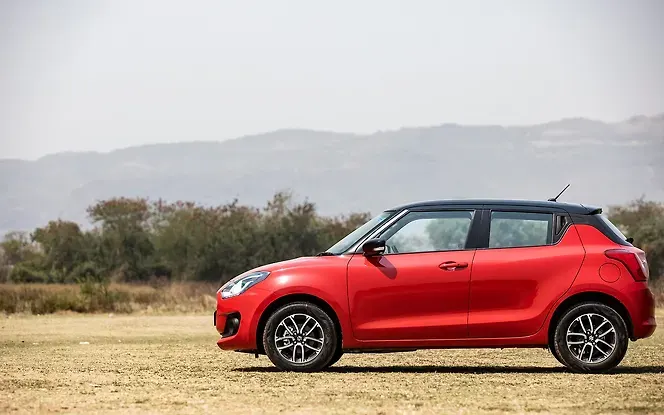
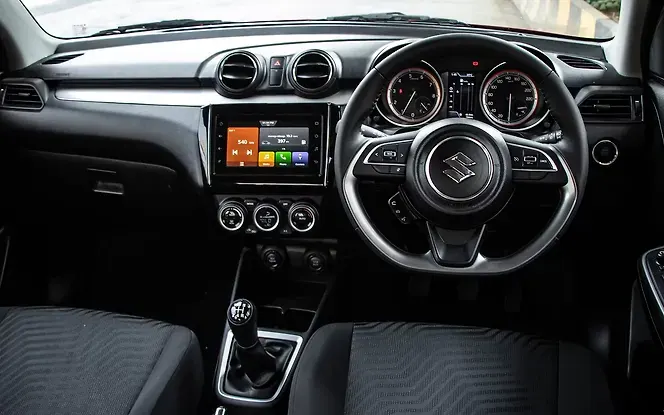
Maruti Suzuki Swift Key Specifications

Price |
₹ 5.91 - 8.84 Lakh |
|---|---|

Fuel Type |
Petrol, CNG |

Mileage |
22.38 - 30.9 km/l |

Seating Capacity |
5 People |

Safety Rating |
2 Star (Global NCAP) |

Warranty |
2 Years or 40000 km |

Engine Size |
1197 cc |

Transmission |
Manual, Automatic (AMT) |

Size |
3845 mm L X 1735 mm W X 1530 mm H |

Fuel Tank |
37L, 55L |
Launched at Rs 5.73 lakh (ex-showroom), the 2021 Maruthi Swift in this top-spec ZXI Plus Dual Tone trim can be yours for Rs 7.91 Lakh (ex-showroom). The equivalent AMT version is around Rs 50,000 dearer. With the update, the new swift is slightly more expensive than the older version, which, given the newer features and updates, is a justifiable asking. What it could have improved upon are more features especially when rivals like the Hyundai Grand i10 nios and some versions of the TATA Altroz offer better value in some way or the other. You could now also look at some sub-four metre SUVs like a similar price point. But the Swift has been a high-seller in the Indian car market for a reason. And it continues its tradition with this update now together with a newer fascia, added features on the inside, and a newer heart.
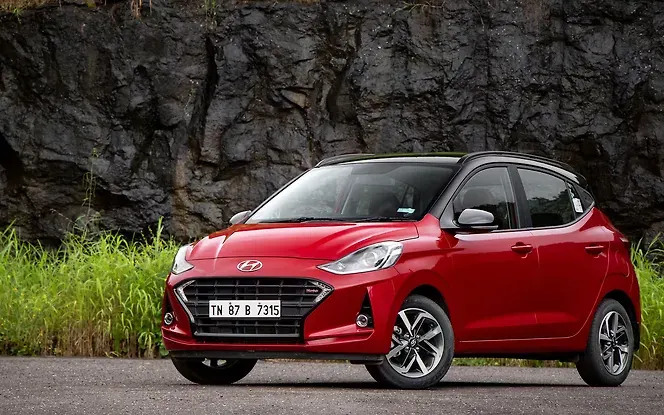
2.Hyundai Grand i10 Nios
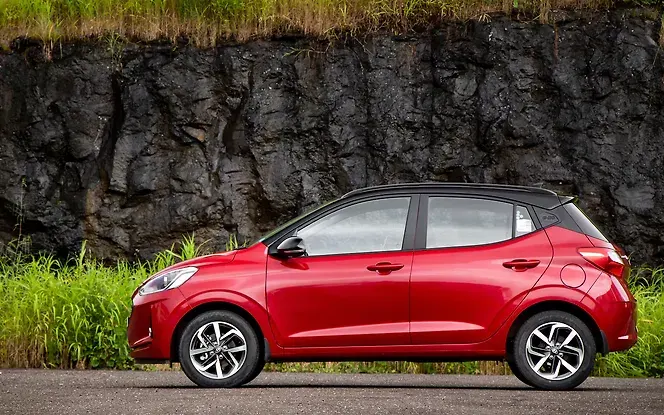
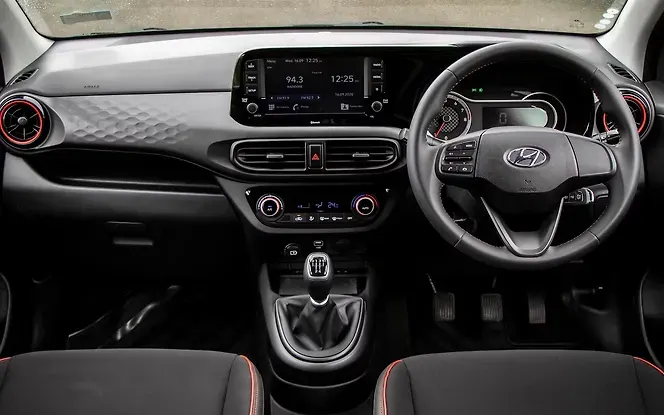
Price |
₹ 5.42 - 8.45 Lakh |
|---|---|
Fuel Type |
Petrol, CNG |
Mileage |
20 - 21 km/l |
Seating Capacity |
5 People |
Safety Rating |
2 Star (Global NCAP) |
Warranty |
3 Years or 100000 km |
Engine Size |
1197 cc, 998 cc |
Transmission |
Manual, Automatic (AMT) |
Size |
3805 mm L X 1680 mm W X 1520 mm H |
Fuel Tank |
37L, 60L |
Prices for the Hyundai Grand i10 Nios start at Rs. 4.99 lakhs and goes up to Rs 7.99 lakhs. Now these prices are at least Rs 35,000 cheaper when you compare the top end model with the Maruthi shift’s top end model. With a bucket load of features and a fantastic AMT gearbox, the Grand i10 Nios makes for very good value and is sure to attract more than just the millennials.
3.Tata Punch
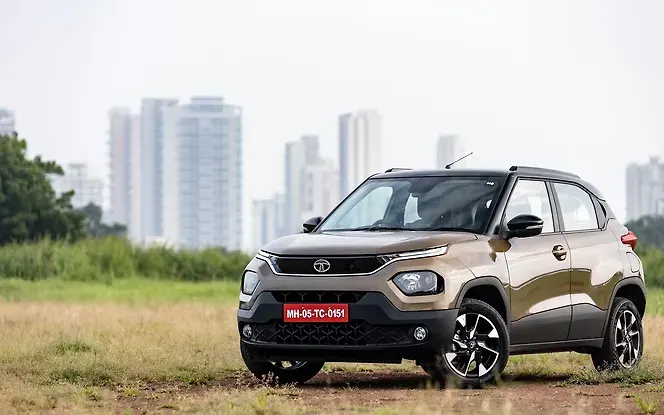
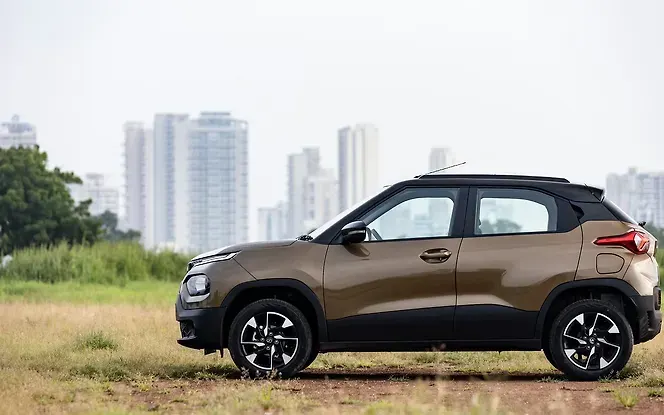
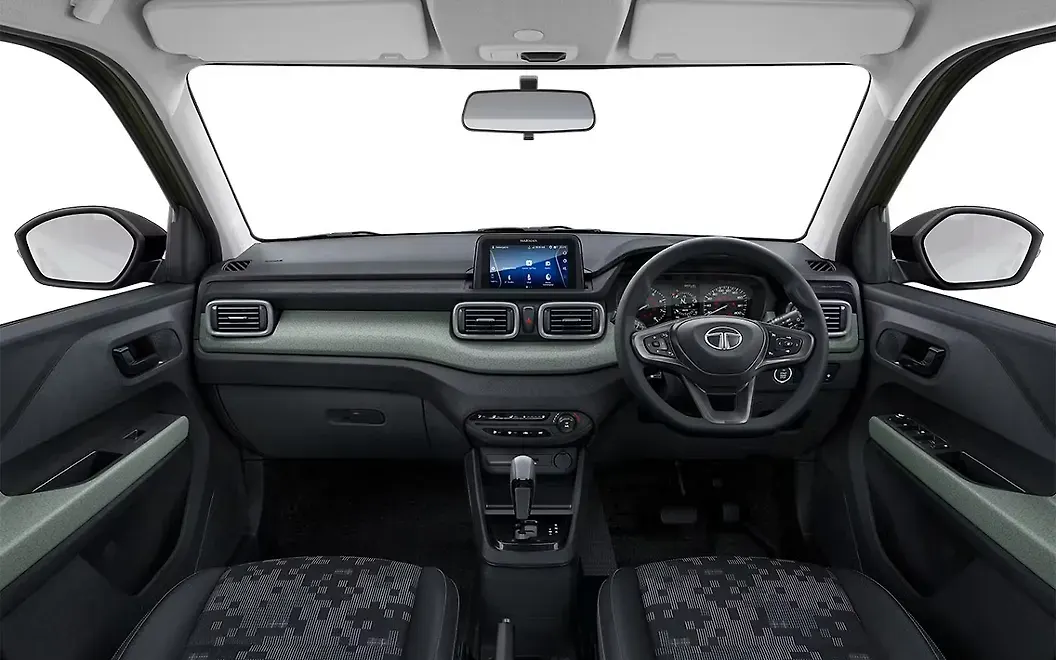
Price |
₹ 6.00 - 9.54 Lakh |
|---|---|
Fuel Type |
Petrol |
Mileage |
18.8 - 18.9 km/l |
Seating Capacity |
5 People |
Safety Rating |
5 Star (Global NCAP) |
Warranty |
2 Years or 75000 km |
Engine Size |
1199 cc |
Transmission |
Manual, Automatic (AMT) |
Size |
3827 mm L X 1742 mm W X 1615 mm H |
Fuel Tank |
37 litre |

Ground Clearance (mm) |
187 mm |
There's no doubt the sub-four metre SUV segment in India is the most crowded now. The Tata Punch will add to the various options Indian car buyers can choose from. And given the product positioning and expected aggressive pricing, we think it will cater to a large part of rural areas. So, the Punch then seems like the beginning of bringing more small SUVs in India. We would have loved it if the engine would have been a little quieter. Or maybe a turbo with a sporty engine note to dial in the fun factor. But for what it is, buyers will like it for it is capable to navigate our varied terrains. And that too, with a compact footprint, a feature-packed cabin, and a smart design.
The carmaker has started accepting bookings for the car, but variant-wise pricing will only be announced on 20 October. Our informed guess is it will overlap multiple segments and products. If we were to name a few, maybe the Maruthi Suzuki Shift, Nissan Magnite, or even the upcoming Citroen C3 crossover. More importantly, an aggressive price point should give an opportunity to first-time buyers to get an SUV with not so much money to shell out. So, we can expect a diverse set of customers in terms of geographies, classes, and even needs. As it is, the catchment area seems quite large and hopefully, the brand will be able to rake in more numbers then.
4.Mahindra XUV300
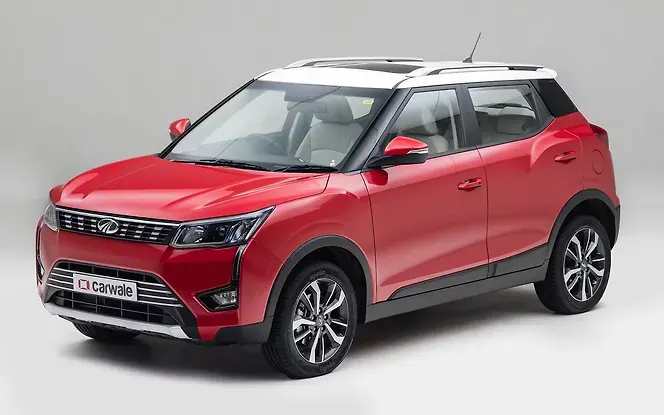
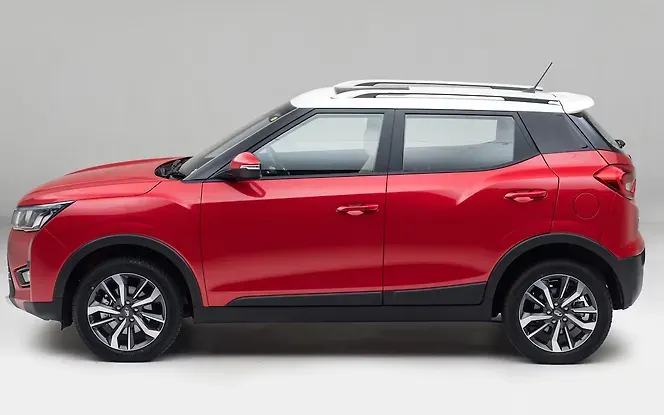
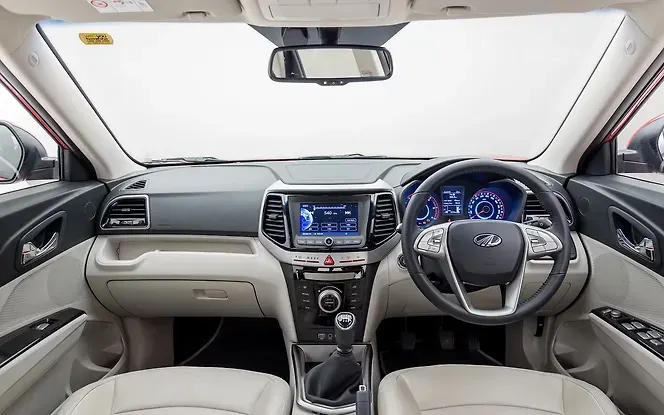
Price |
₹ 8.41 - 14.07 Lakh |
|---|---|
Fuel Type |
Petrol, Diesel |
Mileage |
17 - 20 km/l |
Seating Capacity |
5 People |
Safety Rating |
5 Star (Global NCAP) |
Warranty |
3 Years (Unlimited KMs) |
Engine Size |
1197 cc, 1497 cc |
Transmission |
Manual, Automatic (AMT) |
Size |
3995 mm L X 1821 mm W X 1627 mm H |
Fuel Tank |
42 litre |
Ground Clearance (mm) |
180 mm |
With the competition heating up persistently in the compact SUV segment, it’s better off late than never, that Mahindra ventured into the petrol-auto slice of the pie. Plus, the fact that it also throws in some connected-car tech into the brew will undoubtedly work for those folks who love owning all the latest features. The only real drawback is the restrictive space at the rear. So, will the two-pedal turbo-petrol XUV300 penetrate the market the way Mahindra sees it? Well, we certainly feel so.
Conclusion
The suggested of the best automotive car for Mr. D.S. Pughazhyendhii family is TATA PUNCH . Among all the comparison it is suitable for BANGALORE road, And to travel upto 500Km.