Benchmarking
BenchMarking
Benchmarking is a process of measuring the performance of a company's products, services, or processes against those of another business considered to be the best in the industry, "Best in class".
The point of benchmarking is to understand how and where the organization needs to change in order to improve performance and also to identify internal opportunities for improvement.
ESSENTIAL OF BENCHMARKING:
It allows you to identify areas for improvement to get the company on par with the growth and success of other businesses in your industry, by assessing what other companies are doing successfully, you can develop a plan to boost performance and take advantage of opportunities.
- Improve processes and procedures.
- Gauge the effectiveness of past performance.
- Give you a better idea of hoe the competition operates, which will help you to identify best practices to increase performance.
- Increase efficiency and lower costs, making you business more profitable.
- Improve quality and customer satisfaction.
Types of Benchmarking:
There are many different types of benchmarking that fall into three primary categories:
- Internal benchmarking.
- Competitive benchmarking.
- Strategic benchmarking.
Internal benchmarking.
It is a process in which a company or an organization looks within its own business to try and determine the best practice or methodology for conducting a particular task.
The aim of the internal benchmarking is to find the best practice available to get the job done with minimum effort or resouces.
Competitive benchmarking.
Competitve benchmarking help enterprises or organization overcome these challenges, stay a step ahead of competitors, adopt innovative and new strategies, and champion their industry.
It also provides companies with industry benchmarks, enabling them to improve their processes, systems, and business decisions.
Strategic benchmaking.
Strategic benchmarking is the process of deciding upon best practices as they relate to the strategies for reaching organizational goals.
The practice includes a study of elements such as core competencies, process capability and strategic intent and alliances.
Steps in the benchmarking process.
- Select a product to benchmark.
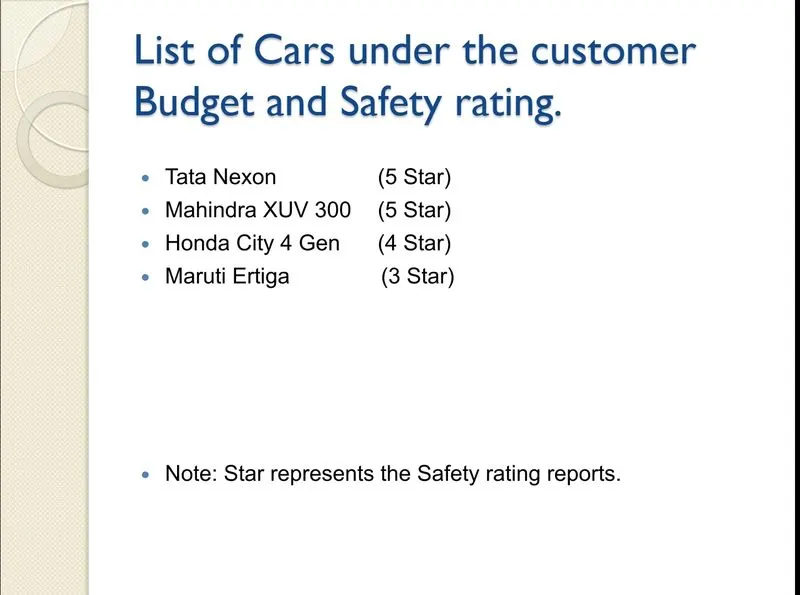
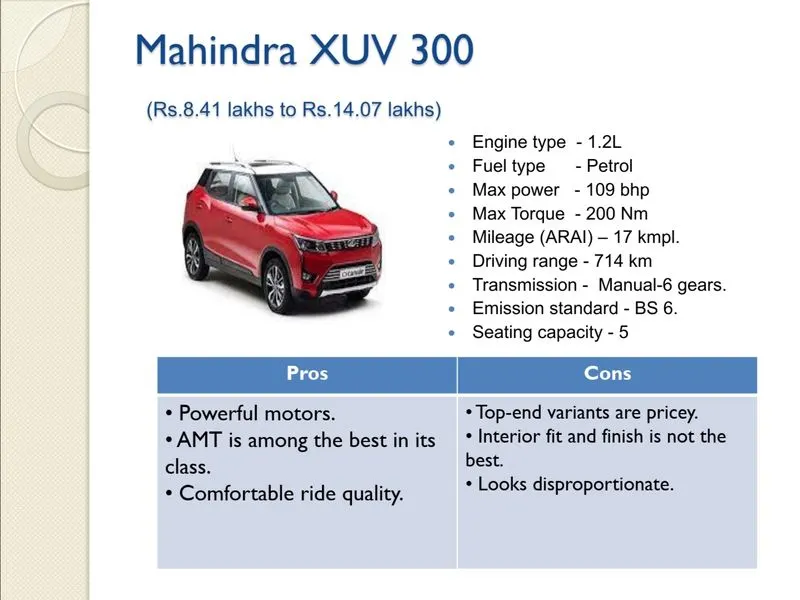
- Decide which organizations or companies or products you want to benchmark.
- Document your current processes.
- Collect amd analyze data.
- Measure your performance against the data you've collected.
- Create a plan.
- Implement the changes.
- Repeat the process.