Ahmed Body Challenge
AIM:
To
1. Describe Ahmed's body and its importance.
2. Explain the reason for the negative pressure in the wake region.
3. Explain the significance of the point of separation.
Ahmed Body:
The Ahmed body is a generic car body (a simplified vehicle model). The airflow around the Ahmed body captures the essential flow features around an automobile and was first defined and characterized in the experimental work of Ahmed. Although it has a very simple shape, Ahmed body allows us to capture characteristic features that are relevant to bodies in the automobile industry.
This model is also used to describe the turbulent flow field around a car-like geometry. Once the numerical model in validated, it is used to design new models of the car.
The Ahmed body was described originally by S. R. Ahmed in 1984.
Three main features were seen in the wake:
1. The A recirculation region that is formed as the flow separates at the top of the vertical back surface of the model
2. The B recirculation region that is formed due to the separation at the base of the model.
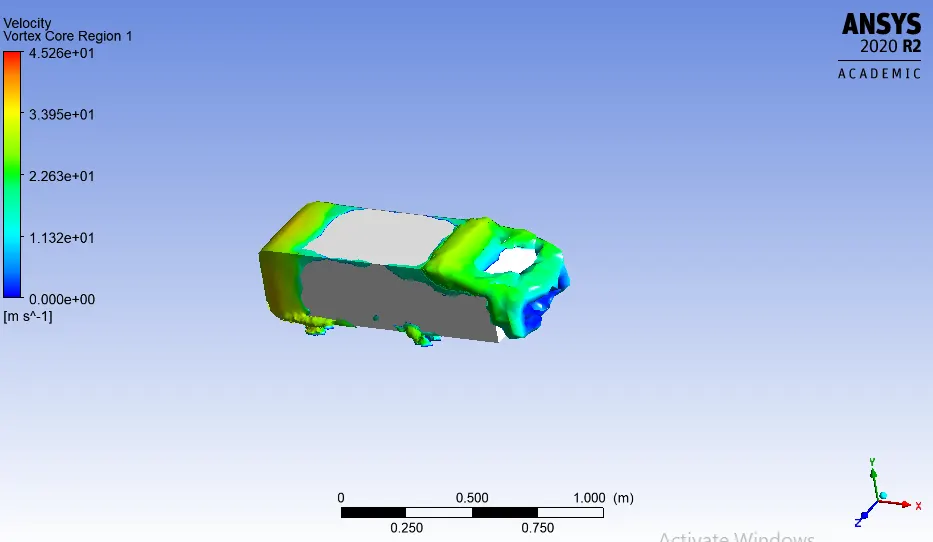
3. The c-pillar vortices that form as the vorticity in the side boundary layers roll up over the slant edges.
The wake was shown to be highly dependent on slant angle. For slant angles less than 12°, the flow remains attached over the the slant. The flow is essentially two-dimensional and has low drag. Between 12° and 30° the flow becomes much more three-dimensional as the c-pillar vortices form. These reach maximum strength at 30°. The drag increases significantly as the low pressure cores act on the rear surfaces. Past 30° the flow separates fully off the slant. This results in a sudden decrease in drag and weaker c-pillar vortices.
Part-1:
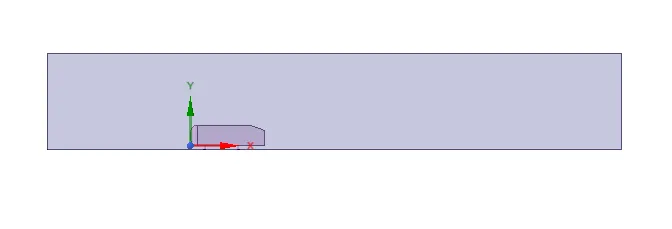
In this part, 1 enclosure is used arond ahmed body and the mesh details are shown below.
Only few modifications used in this case.
Geometry:
Mesh:
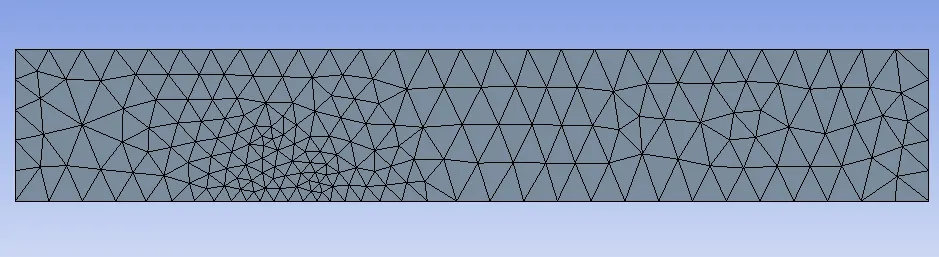
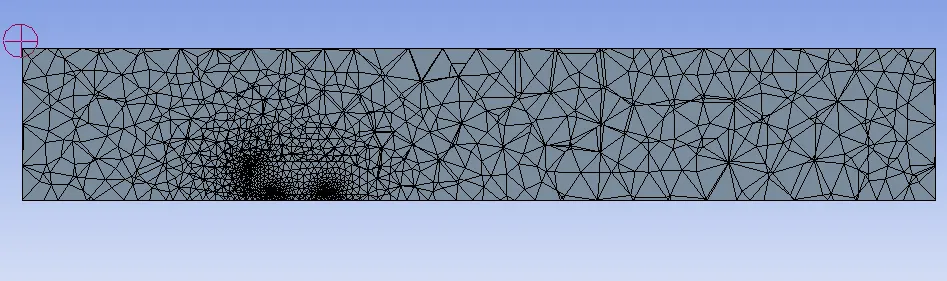
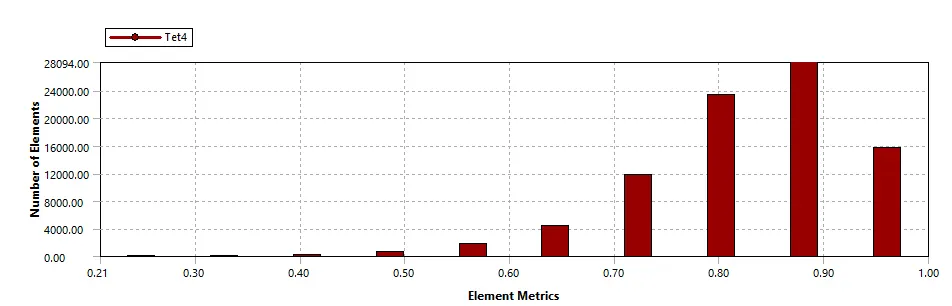
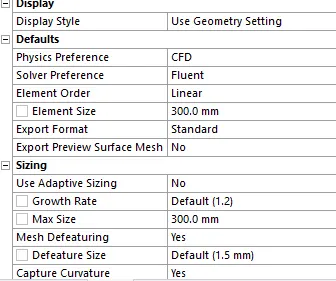
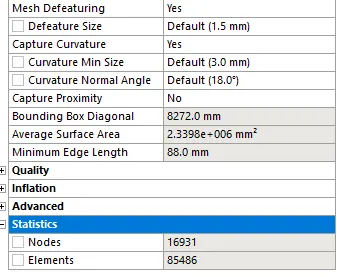
Nodes = 16931
Elements = 85456
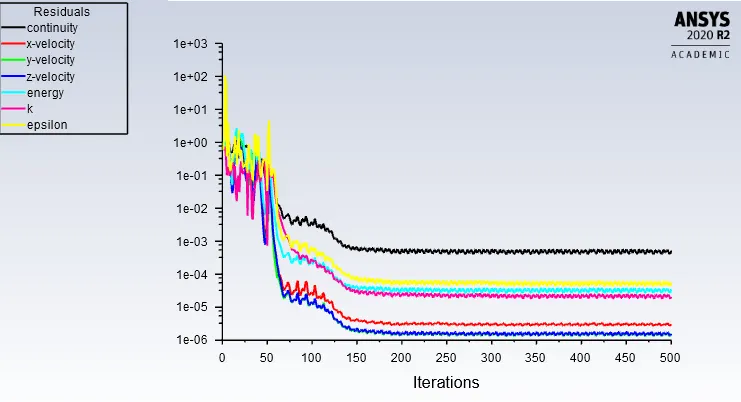
Residual Plot:
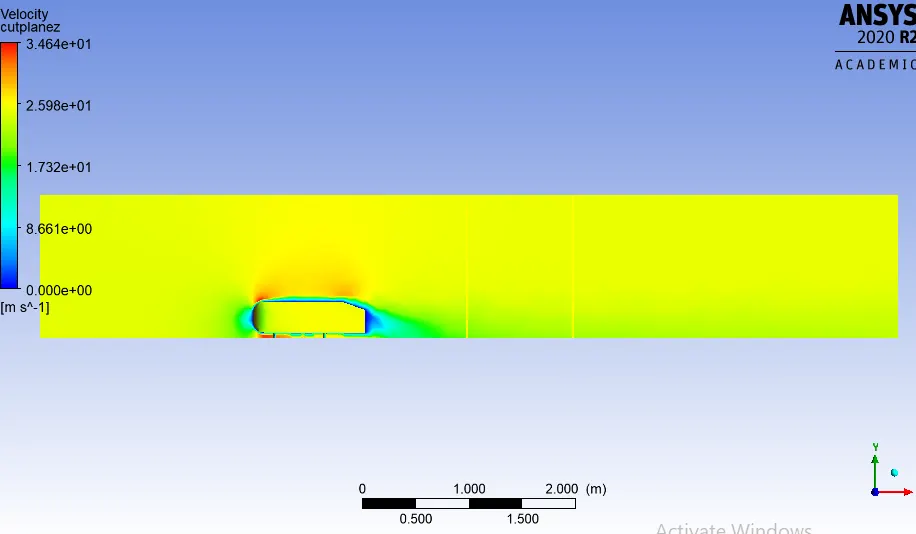
Velocity Contour:
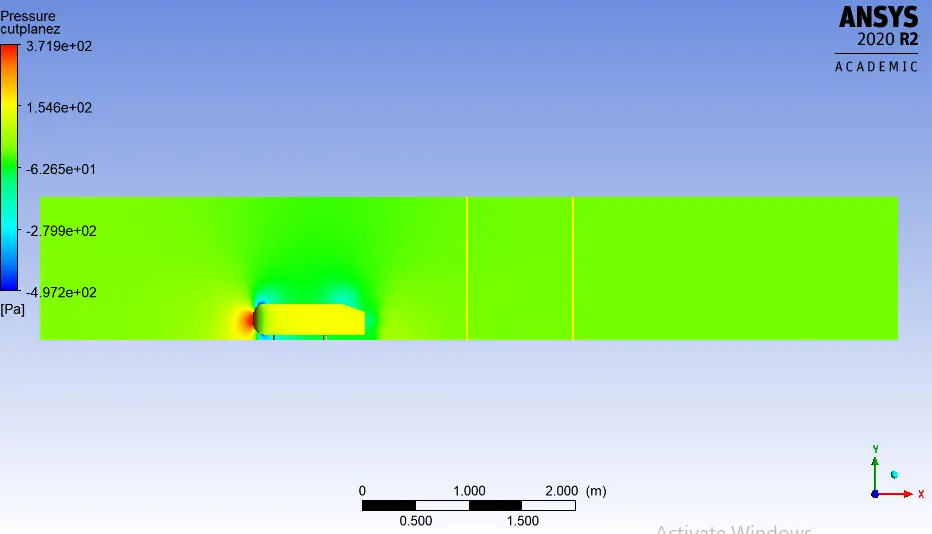
Pressure Contour:
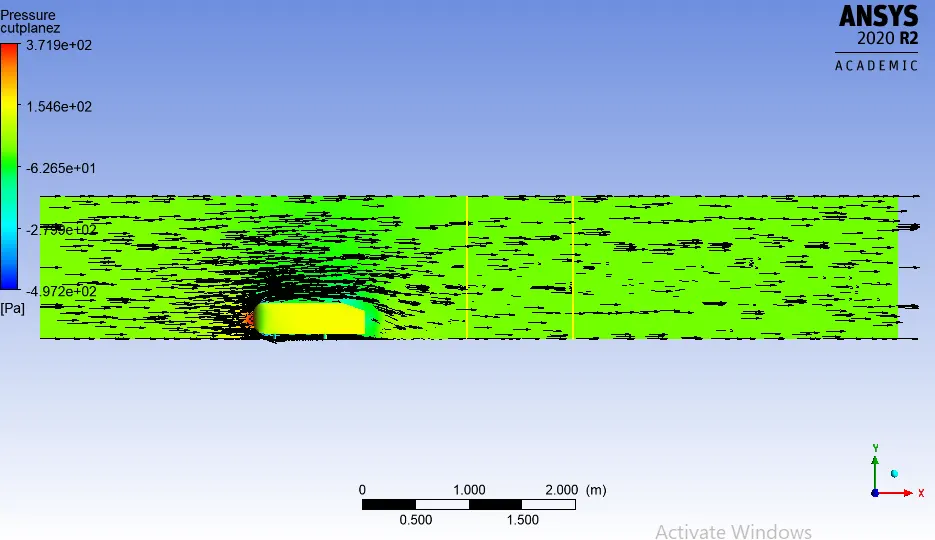
Vector Plot:
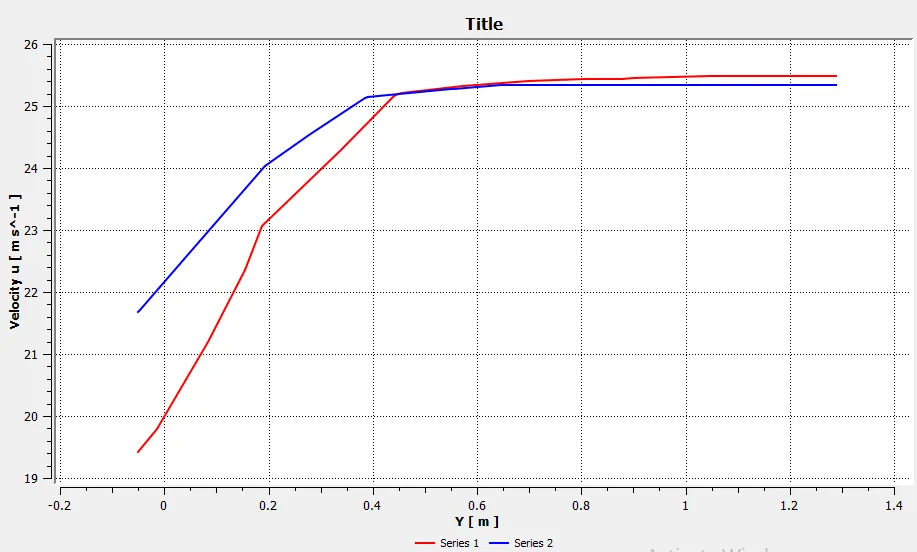
Velocity chart:
Refined Data:
CASE-I:
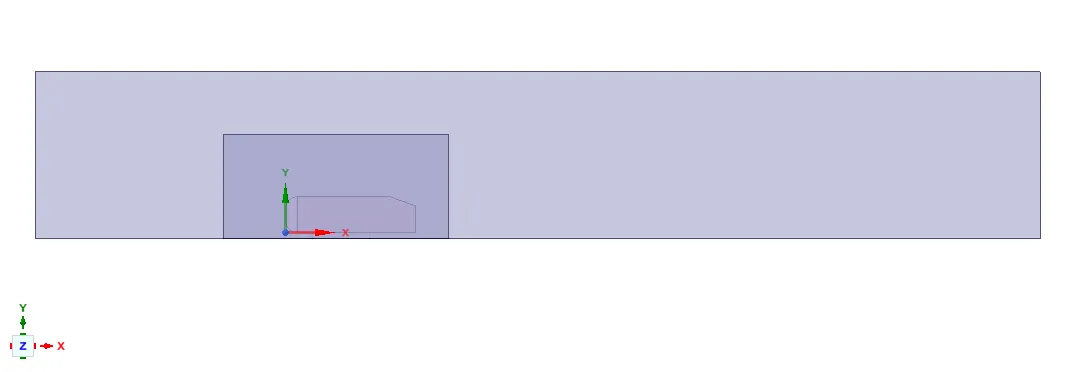
Geometry:
Mesh:
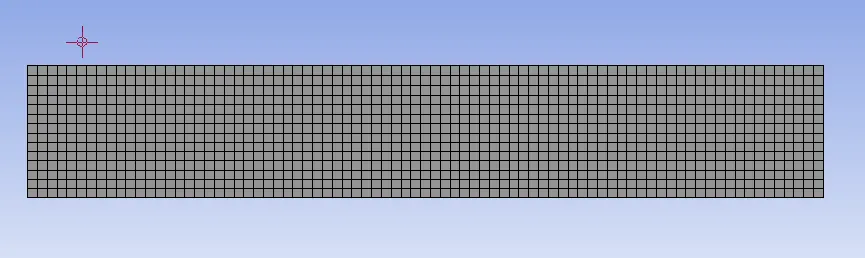
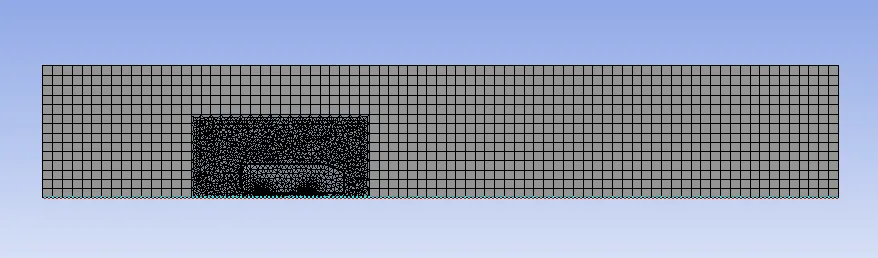
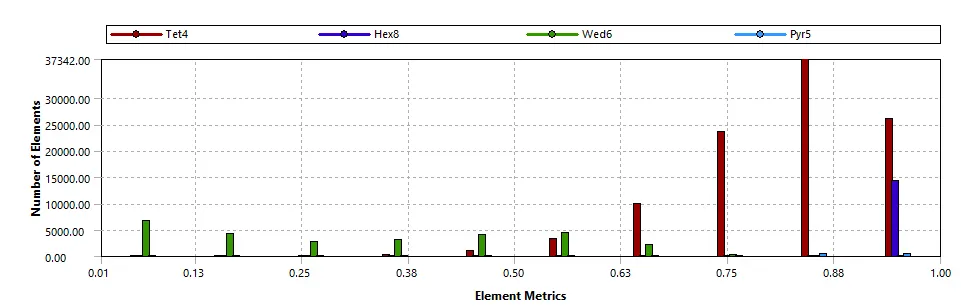
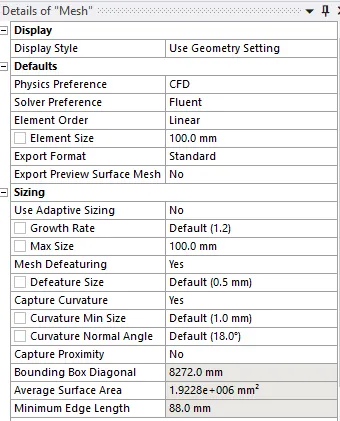
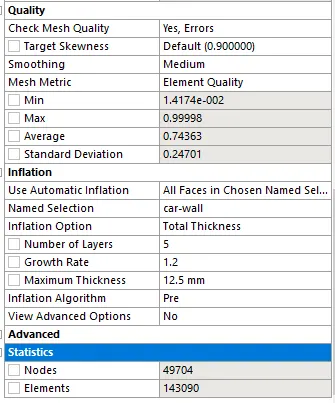
Results:
The inlet velocity is 25mls at 300K.
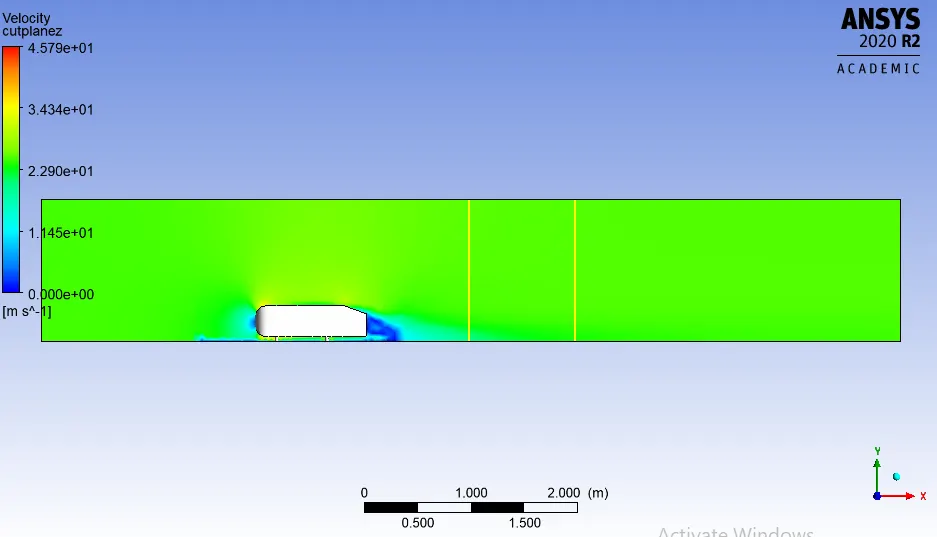
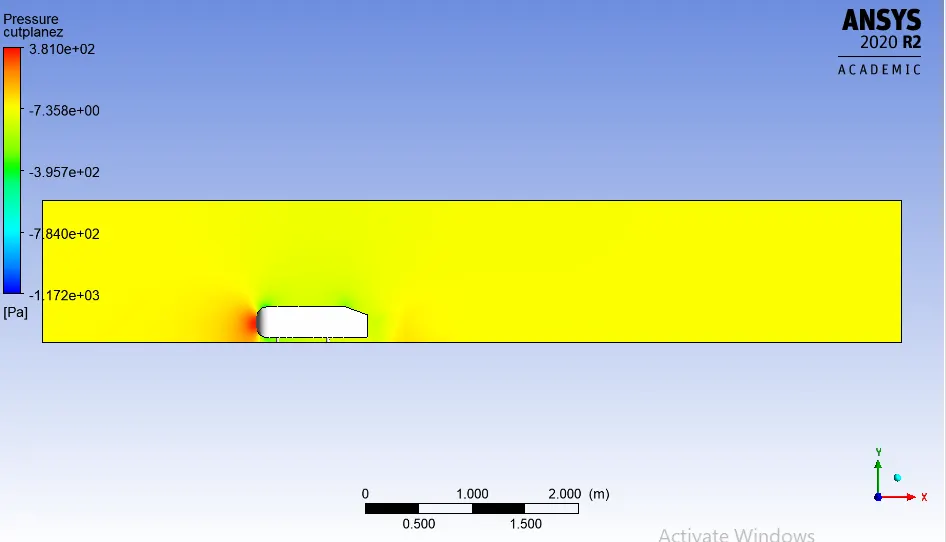
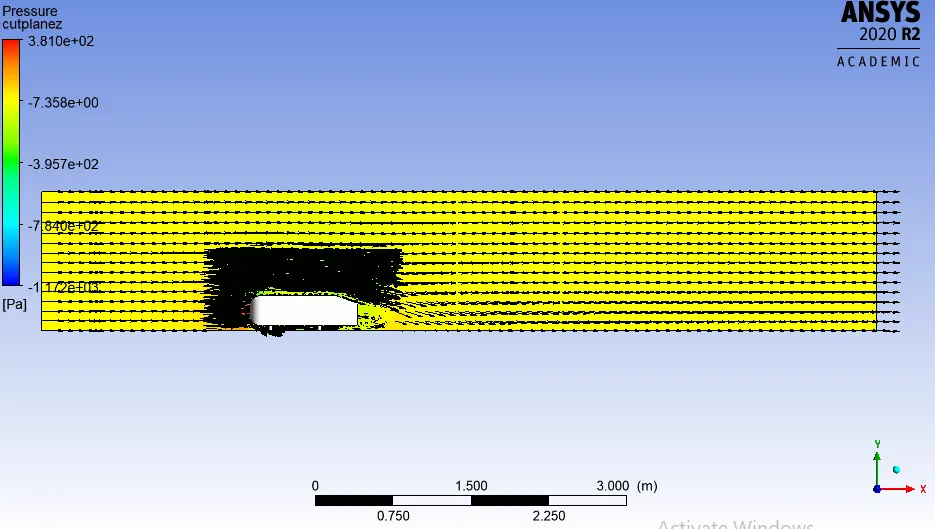
Coefficients of drag and lift, velocity and pressure contours, Vector plot are shown below.
Residual Plot:
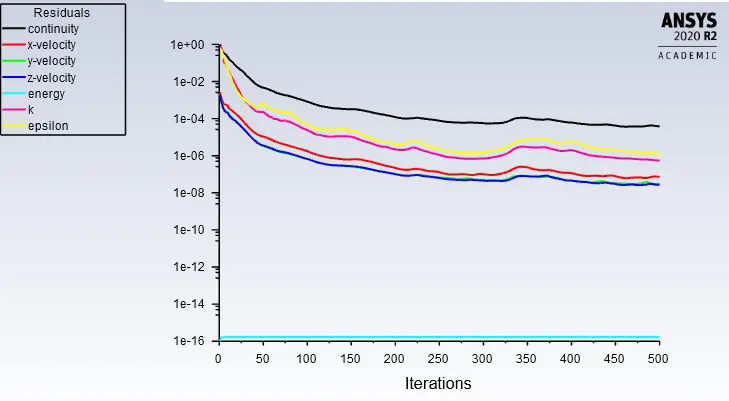
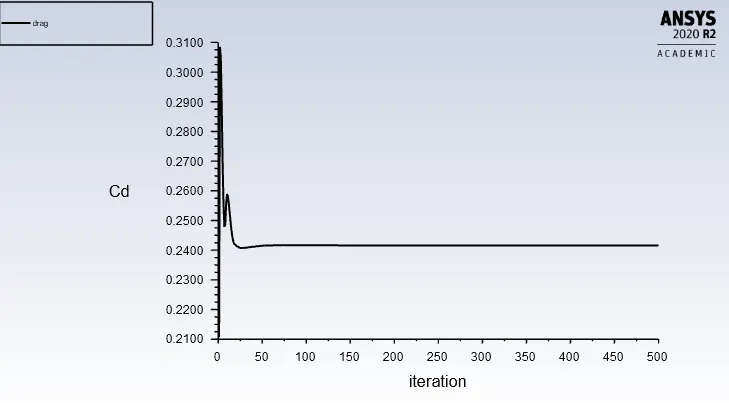
Drag Coefficient:
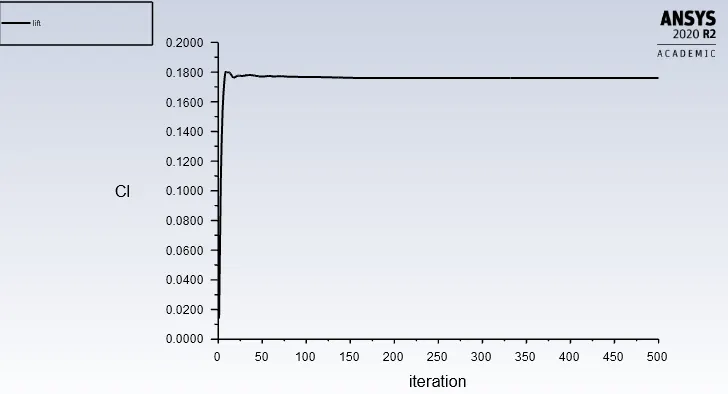
Coefficient of Lift:
Velocity-Contour:
Pressure-Contour:
Vector Plot:
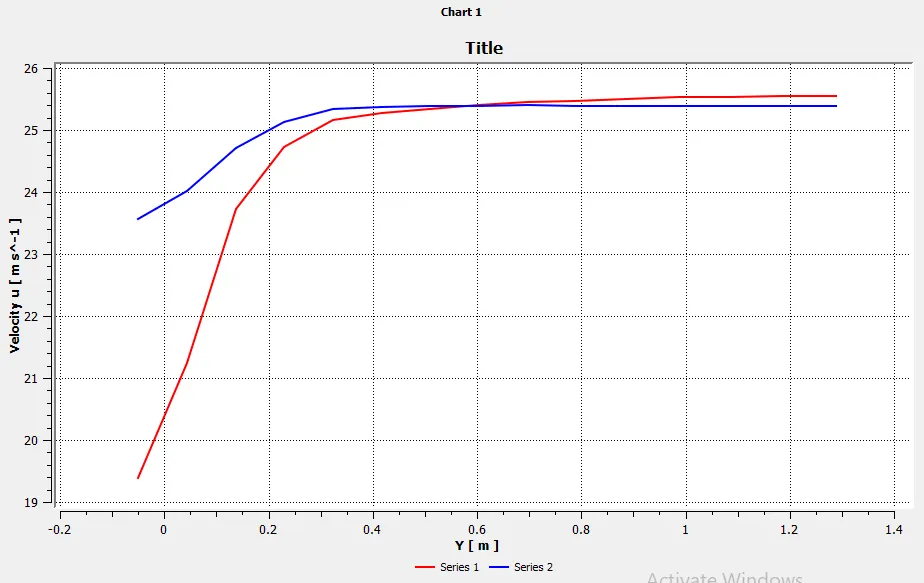
Velocity Chart:
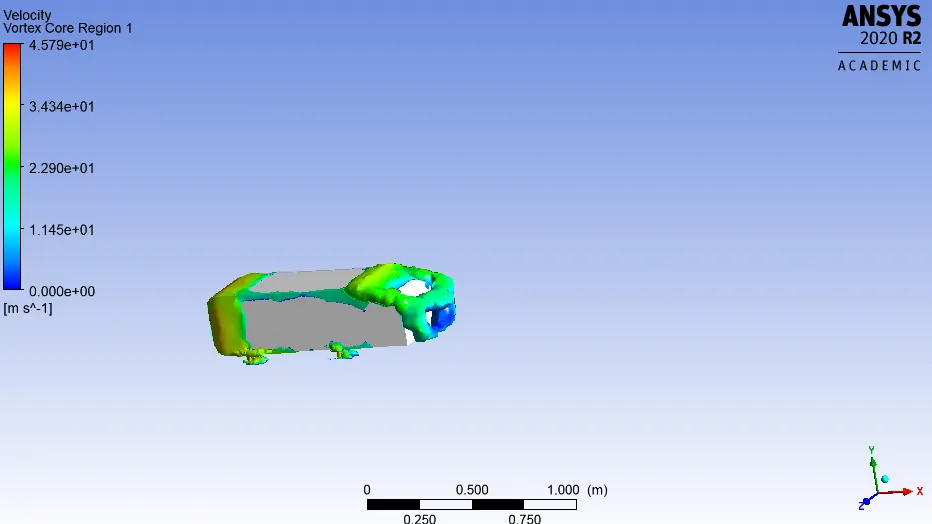
Velocity Vortex:
CASE-II:
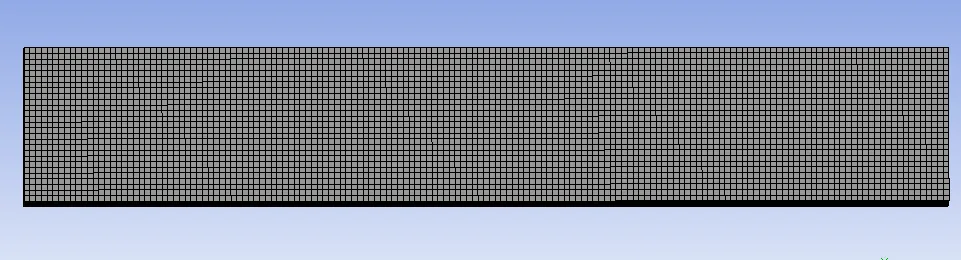
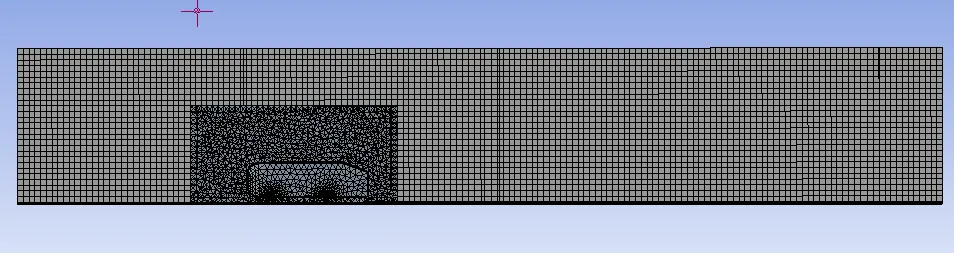
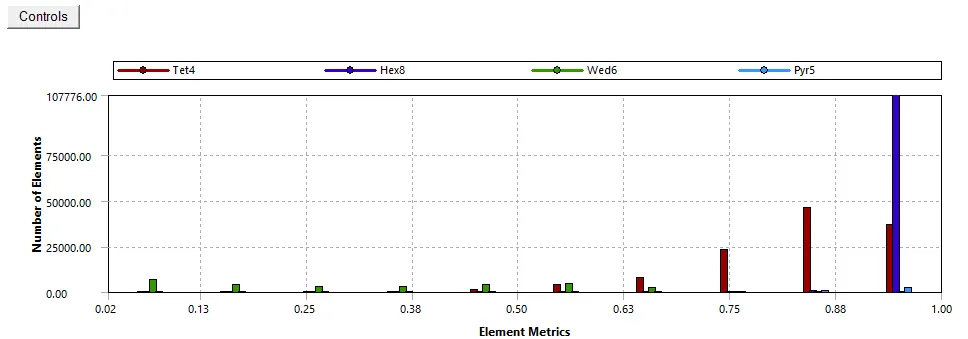
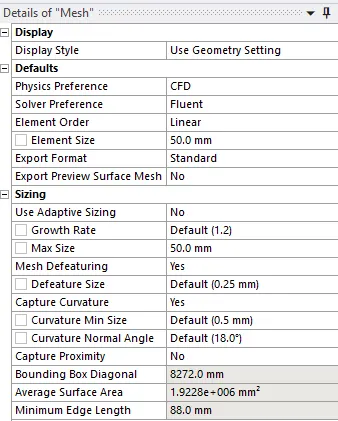
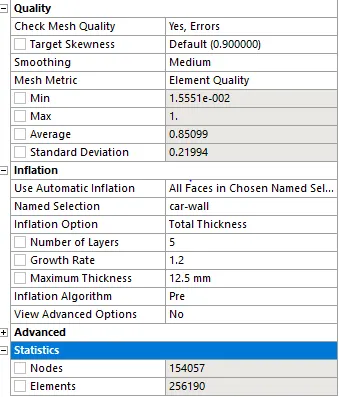
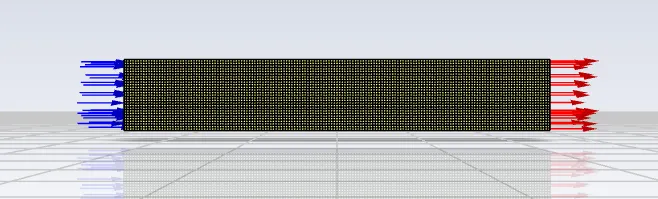
Mesh:
Results:
The inlet velocity is 25mls at 300K.
Coefficients of drag and lift, velocity and pressure contours, Vector plot are shown below.
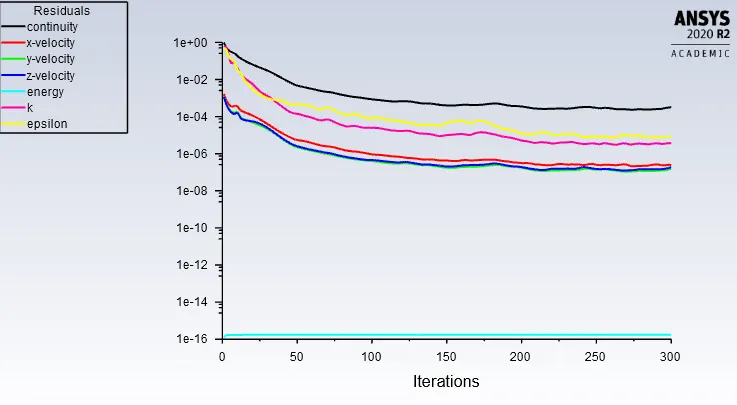
Residual Plot:
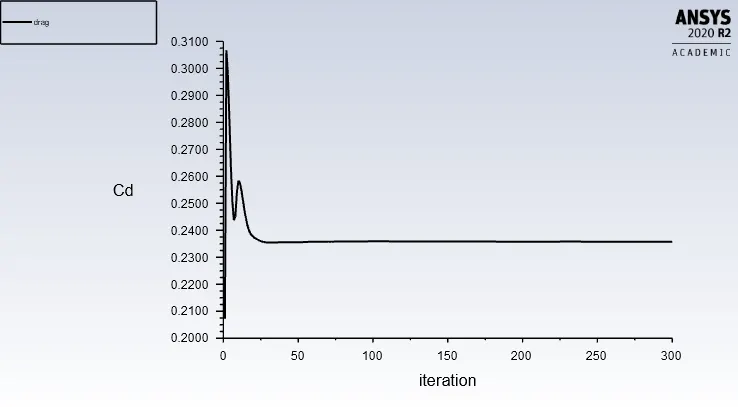
Drag Coefficient:
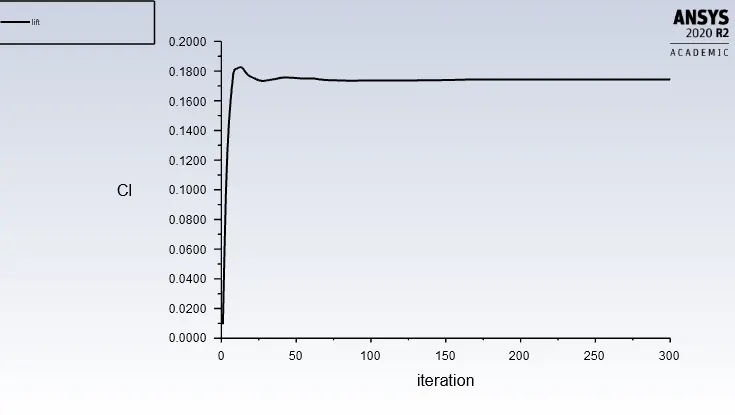
Coefficient of Lift:
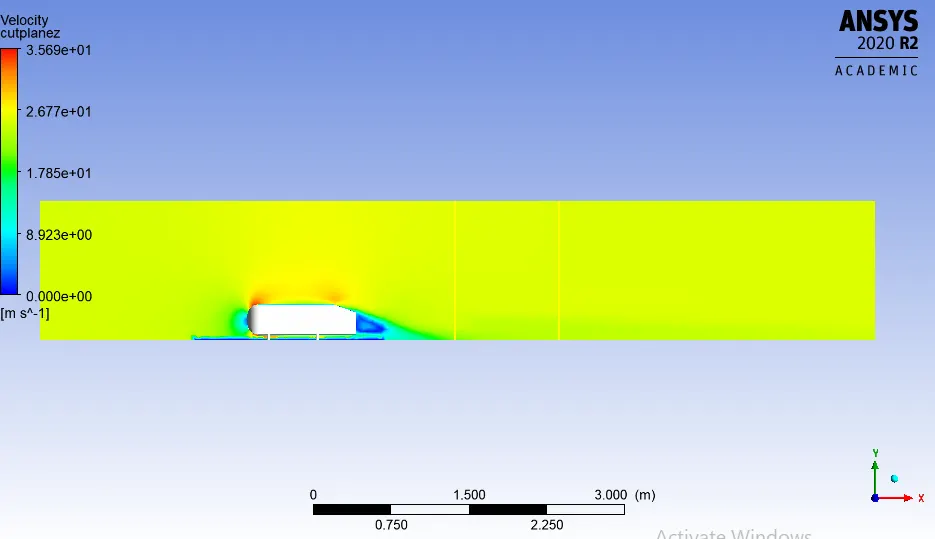
Velocity Contour:
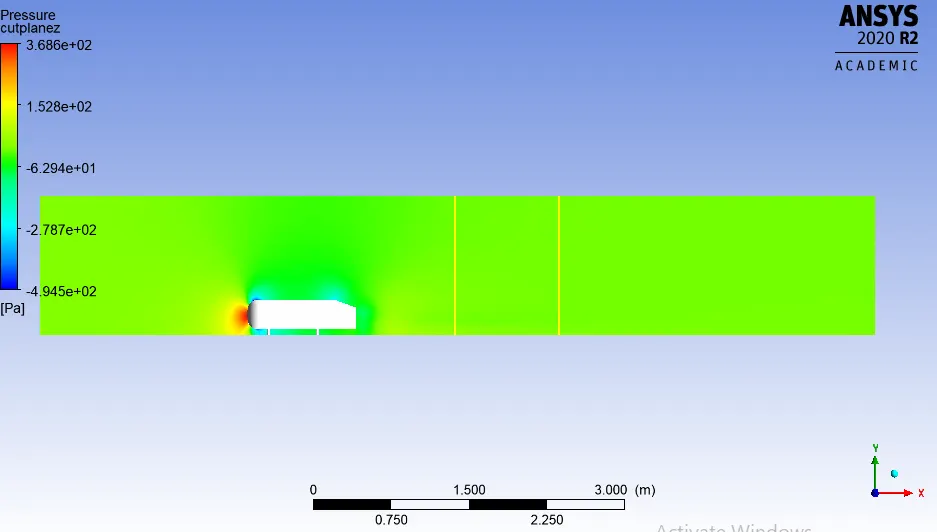
Pressure Contour:
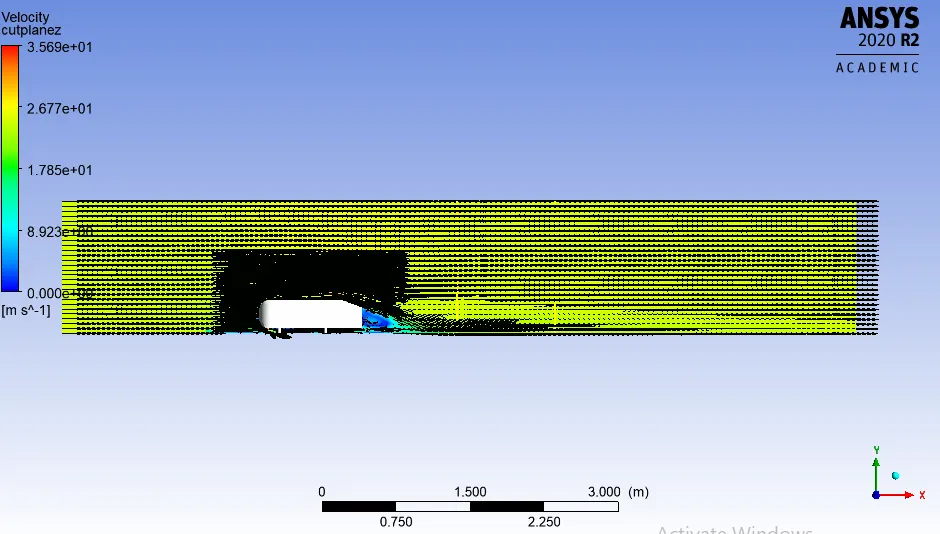
Vector Plot:
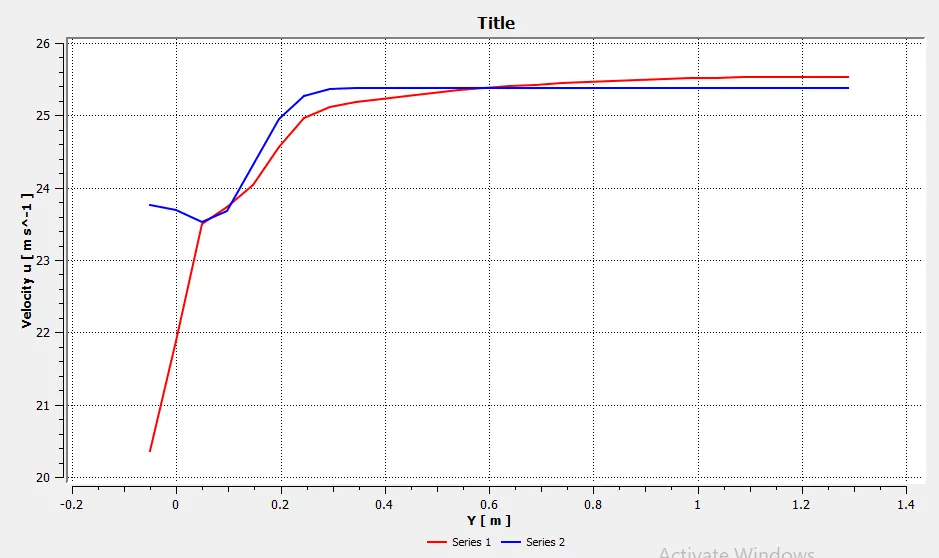
Velocity Chart:
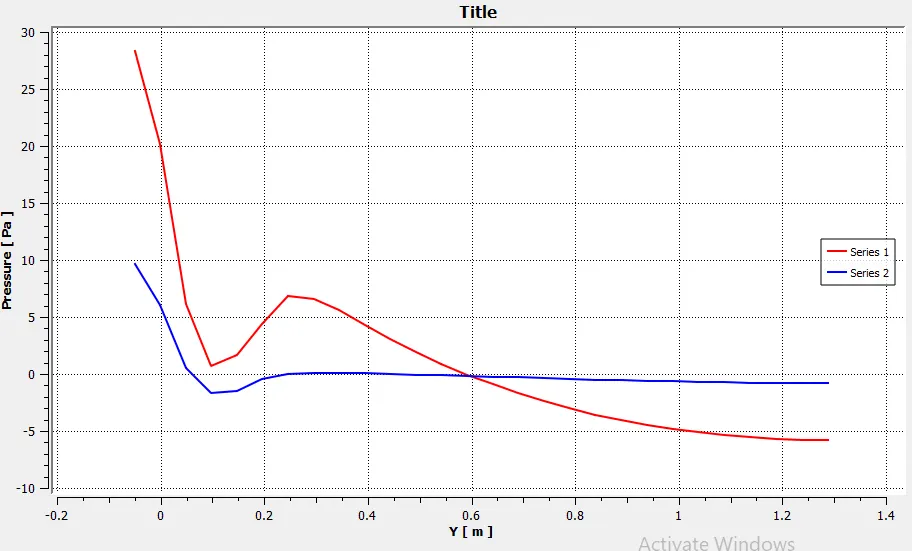
Pressure Chart:
Velocity Vortex:
Grid Dependency:
Un-Refined:

Refined:
The drag coefficient for both Case-I & Case-II is around 0.2.
CASE-I:

CASE-II

Conclusion:
1. The importance of Ahmed body explained.
2. The most negative pressure is seen in Wake-1.
The -ve pressure depends upon the gradient of pressure and vortex.
3. In both refined cases the Cd value nearly same, which is around 0.2.
4. The velocity and pressure contours shows the variations of velocity and pressure.
5. The behavior of Vector plot of Un-Refined and Refined(Case-I & Case-II) observed.