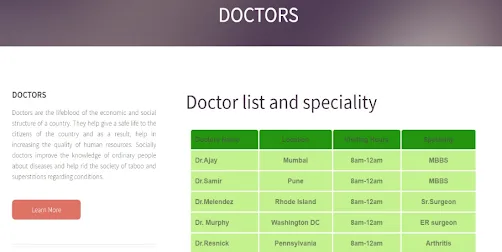
Design a Hospital Management System
In this project, learners will develop a basic Healthcare Management System (HMS) using web technologies and DB. Learners will have to do the following to complete the project: Wri…
DussehraFestive scholarship on Skill-Lync courses, this week onlyFestive scholarship is openOffer ends Wed, 21 Oct, 11:59 pm IST.
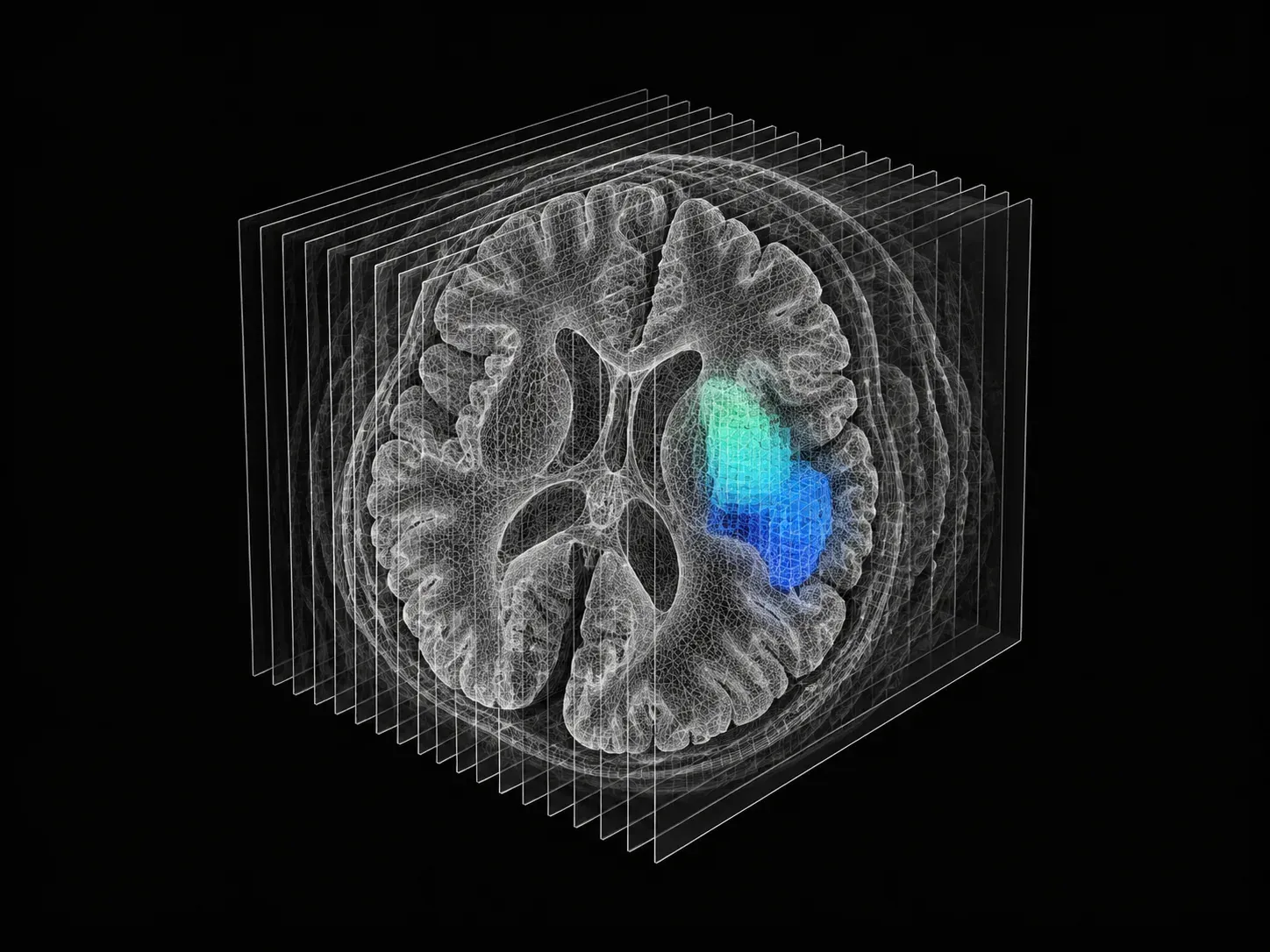
Learn the ins and outs of medical informatics in the healthcare sector according to modern trends in the industry.
Medical informatics brings together healthcare, computer science, information technology, and decision science with the intent of improving the management of data needed to optimize healthcare delivery. As data driven decisions are at the core of healthcare delivery to improve patient outcomes, research into technology facilitating medical informatics is expected to grow in upcoming years - broadening the range of opportunities for biomedical engineers with job ready and industry relevant skills.
This course will give learners a thorough understanding of concepts in the medical informatics domain according to modern trends in the industry. It will also provide an insight into systems and standards that are currently followed. By the end of this course, learners will have a hands-on understanding of how medical informatics is central to healthcare functions.
Who can enrol in this course?
Biomedical engineering graduates and working professionals can take this course.
Medical informatics improves collaboration between patients, healthcare providers, and insurance operations, as well as other key functions in the healthcare sector. It is important for learners to understand the basics of how data is acquired, stored, and transferred between primary points in the healthcare industry.
This module will cover
In the healthcare industry, medical informatics governs operations related to patient data management. It plays a vital role in maintaining hospital and healthcare data systems. It is important for learners to know about the application of medical informatics in the many systems used in hospitals.
This module will cover
Systems used to facilitate patient care delivery have a standard of safety that needs to be met. It is important for learners to be up to date with modern standards followed in the industry.
This module will cover
Healthcare professionals use a variety of medical informatics tools developed specifically to collect, manage, store, and analyze data. It is important for learners to know about the medical informatics tools that facilitate healthcare delivery in the industry.
This module will cover
There are many IoT techniques used in the field of medical informatics to transfer and analyze data, such as cloud computing and telemedicine. It is important for learners to understand the IoT technologies involved in medical informatics.
This module will cover
Artificial intelligence and machine learning algorithms underpin systems in the field of medical informatics. AI/ML automate processes, and analyze datasets to determine patterns and relationships. It is important for learners to know about AI/ML algorithms in the field of medical informatics.
This module will cover
Our projects are designed by experts in the industry to reflect industry standards. By working through our projects, Learners will gain a practical understanding of what they will take on at a larger-scale in the industry. In total, there are 1 Projects that are available in this program.
In this project, learners will develop a basic Healthcare Management System (HMS) using web technologies and DB. Learners will have to do the following to complete the project: Wri…
Become job ready with our comprehensive industry focused curriculum for freshers & early career professionals
Students, graduates, and working professionals of computer science and related streams of engineering interested in healthcare can pursue this medical technology course.
Yes, the Medical Informatics course is 100% online.
The Medical Informatics course is six weeks long and covers medical informatics software like Laboratory Information Systems, Clinical Information systems and Radiology Information Systems.
According to Ambitionbox, the average annual salary of a Healthcare Informatics Software Engineer reaches up to INR 4.6 Lakhs per annum and tends to increase with experience. However, your pay package varies with your experience and expertise.
Yes, you shall be given a course completion certificate after completing the medical technology course. The top 5% of the scorers will receive a merit certificate alongside the course completion certificate.
Yes, you can clear your doubts during coursework from our technical support team through email and forum support.
Medical Technology is a broad field that includes all services and products used to enhance a patient's healthcare. It involves applying engineering techniques from all branches and developing biomedical instruments, diagnosing equipment and medical informatics software.
Skill-Lync is among India's leading EdTech platforms dedicated to transforming engineering education. We equip young engineers with the latest skill sets and cutting-edge tools in new-age technologies.
The brainchild of two engineers from Chennai, Skill-Lync, is on a mission to bridge the skill gap between aspiring professionals and the industry's demands through job-oriented courses.
A counsellor will walk you through the syllabus, projects and fee options — and tell you honestly if another course suits you better.