What Makes Electric Vehicle Batteries Efficient, Safe, and Long-Lasting?
Discover how the Battery Management System (BMS) optimizes electric vehicle batteries for efficiency, safety, and longevity. Learn about cell balancing, thermal management, and innovations in EV battery technology shaping the future of sustainable transportation.
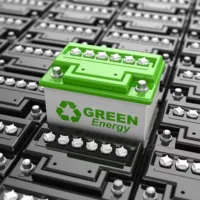
Electric vehicles (EVs) are reshaping transportation, promising sustainability and efficiency. At the core of their operation lies a critical component—the Battery Management System (BMS) — designed to optimize battery performance and ensure safety.
Have you ever wondered how an EV’s battery stays efficient and secure despite daily use?
Let’s dive into the science and mechanisms behind BMS and its indispensable role in modern EVs.
Why Do Electric Vehicles Need a Battery Management System?
Imagine overcharging your EV battery and discovering irreversible damage to the pack. Not only does this reduce battery efficiency, but it also poses significant safety risks. To mitigate such hazards, the Battery Management System oversees the rechargeable lithium-ion battery pack’s functioning. Its role includes:
- Monitoring battery temperature and environment.
- Managing coolant flow through circuits.
- Estimating and balancing State of Charge (SoC) and State of Health (SoH) of individual cells.
By managing these variables, the BMS prolongs battery life, optimizes performance, and ensures safety.
Understanding Cell Balancing: The Heart of Battery Optimization
An EV battery pack contains numerous lithium-ion cells connected in series or parallel. No two cells are exactly alike; differences in capacity and charge levels can lead to inefficiencies. A single drained cell can limit the entire battery pack’s output. This is where cell balancing comes into play.
What Is Cell Balancing?
Cell balancing redistributes energy across cells, ensuring equal charge distribution. This prevents:
- Thermal runaway: Excessive heat generation exceeding dissipation.
- Cell degradation: Reduced lifespan, efficiency, and capacity.
- Incomplete charging: Cells with unequal capacities may result in undercharged or overcharged states.
Methods of Cell Balancing
- Active Balancing: Transfers energy from higher-charged cells to lower-charged ones. This can be achieved using:
- Charge shuttling: Energy is transported between cells.
- Energy converters: Capacitors or inductors facilitate energy movement.
- Passive Balancing: Dissipates energy from higher-charged cells as heat using resistors. Though cost-effective, this method is less efficient.
State of Charge (SoC) and State of Health (SoH): Monitoring Battery Condition
1. State of Charge (SoC)
Think of your phone’s battery percentage—it represents the SoC, indicating the energy remaining in your device. EVs have a similar battery gauge, comparable to a fuel gauge in internal combustion vehicles. However, EV batteries are typically charged to slightly below their full capacity to extend lifespan and enhance performance.
2. State of Health (SoH)
Batteries age over time, much like humans. The BMS evaluates the battery’s SoH by comparing its current condition with its optimal performance. Regular SoH assessments help mitigate degradation and maintain EV performance.
Thermal Management: Keeping Batteries Cool Under Pressure
Lithium-ion batteries generate significant heat, particularly during charging and discharging cycles. Excessive temperatures can affect performance and passenger safety. The BMS plays a pivotal role in:
- Monitoring temperature fluctuations.
- Activating cooling systems during high-temperature intervals.
- Maintaining temperatures within optimal ranges for efficient battery operation.
The Future of EV Battery Management
BMS innovations are at the forefront of EV charging infrastructure, ensuring compatibility with renewable energy integration and enhancing safety through battery health monitoring. Advanced BMS designs incorporate features like:
- Smart charging solutions for longer battery life.
- Battery safety systems to prevent hazards.
- Energy storage technologies for efficient resource utilization.
Conclusion: Why Every EV Relies on a BMS
The Battery Management System is the unsung hero of electric vehicles, ensuring batteries remain efficient, safe, and long-lasting. From cell balancing to thermal management, the BMS safeguards against hazards while enhancing performance. As EV technology continues to evolve, the BMS will remain a cornerstone of innovation, driving the future of sustainable transportation.
Skill-Lync offers a wide range of industry-relevant upskilling programs to get you career-ready. Click here to sign up for a FREE course demo right away, and let's launch your career together!


