Harnessing the Power of Industry 4.0 for Modern Manufacturing
Discover how Industry 4.0 is revolutionizing manufacturing with IoT, AI, automation, and smart factories. Learn how big data, cloud computing, and robotics drive efficiency, innovation, and real-time decision-making. Explore the future of manufacturing in this Industry 4.0 era!
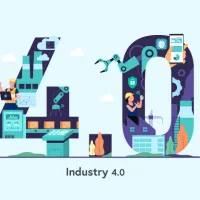
In today's rapidly evolving technological landscape, Industry 4.0 stands out as a revolutionary shift transforming the manufacturing industry. As we delve into the intricacies of this fourth industrial revolution, it's essential to understand its core components and the profound impact it has on production processes. From the integration of advanced digital technologies to the creation of smart factories, Industry 4.0 is redefining the way businesses operate and compete in the global market. In this article, we will explore the key technologies driving Industry 4.0, the benefits it brings to manufacturers, and its implications for the future of industry.
What is Industry 4.0?
To begin with, Industry 4.0 is basically the fourth industrial revolution. It’s all about integrating advanced digital technologies into manufacturing processes. We're talking automation, real-time data, interconnectivity, and machine learning—pretty cool, right?
A Brief History of Industrial Revolutions
Let’s quickly look at how we got here:
- First Revolution: We had mechanization with steam and water power.
- Second Revolution: Mass production with assembly lines and electricity.
- Third Revolution: Automation kicked in with computers and electronics.
- Fourth Revolution: Now, we’re in the age of cyber-physical systems and smart factories—and that’s what Industry 4.0 is all about.
Key Technologies Driving Industry 4.0
Industry 4.0 is driven by several key technologies. Here they are:
- Internet of Things (IoT): This is a big one. IoT connects machines, devices, and people in real-time. It helps industries be more connected, data-driven, and automated. With IoT, factories can run smarter and more efficiently, allowing businesses to innovate and create new opportunities.
- Artificial Intelligence (AI) & Machine Learning (ML): AI and ML are game-changers for manufacturing. They help analyze data and automate processes, making quick decisions, predicting equipment failures, optimizing the supply chain, and even customizing products. They take automation and efficiency to the next level!
- Big Data & Analytics: This is all about collecting data from sensors and devices across production lines and using it to fine-tune processes in real time. It helps spot trends and make things run smoother.
- Cloud Computing: With cloud computing, large amounts of data are stored and processed remotely. It’s scalable, accessible, and essential for the kind of real-time data processing needed in Industry 4.0.
- Cyber-Physical Systems (CPS): These are the brains behind smart factories. They integrate computation, networking, and physical processes, allowing machines to communicate and interact intelligently.
- Robotics & Automation: Robots and autonomous systems handle repetitive tasks, speeding up production and reducing human error.
- Augmented Reality (AR): AR is used for visualizing data in real time. It’s especially helpful for tasks like remote maintenance or training workers in an interactive way.
- 3D Printing/Additive Manufacturing: This enables rapid prototyping and flexible production, making it easier to customize products without increasing costs.
Conclusion
Industry 4.0 is transforming the manufacturing landscape with its advanced digital technologies. By embracing these innovations, businesses can achieve greater efficiency, flexibility, and competitiveness in the global market.
Skill-Lync offers a wide range of industry-relevant upskilling programs to get you career-ready. Click here to sign up for a FREE course demo right away, and let's launch your career together!


