Exploring the Science Behind Thermite Welding: A Rail Industry Marvel
Discover the science of thermite welding, a key process in the rail industry. Learn how this exothermic reaction joins thick metal components without electricity, ensuring robust, seamless rail connections even in remote locations.
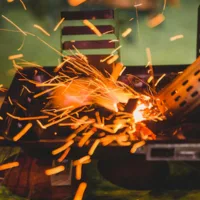
Welding, a cornerstone of engineering, manifests in a variety of forms, each tailored for specific applications. Among them, thermite welding, also known as exothermic welding, stands out for its unique ability to join thick metal components without the use of electricity. This innovative process is a vital tool in the rail industry, enabling seamless welding of train tracks even in remote locations. Let's dive into the fascinating world of thermite welding, exploring its process, applications, and benefits.
What is Thermite Welding?
Thermite welding is a specialized process that employs molten metal to join two thick bars of metal. Unlike traditional welding methods like shielded metal arc welding (stick welding) or gas tungsten inert gas welding (TIG welding), thermite welding relies on the heat generated by a chemical reaction rather than electricity.
This method is particularly effective for railroad maintenance, where transporting electrical equipment to remote tracks can be challenging.
The Chemistry Behind Thermite Welding
At the heart of thermite welding lies an exothermic chemical reaction. This reaction typically involves aluminum dust and an oxide of another metal—most commonly iron oxide (rust). Here's how it works:
- Ignition: The mixture of aluminum powder and iron oxide is ignited with heat.
- Redox Reaction: Aluminum, being highly reactive, reduces the iron oxide by taking its oxygen. This forms aluminum oxide and releases molten iron.
- Heat Generation: The reaction generates immense heat, melting the iron and allowing it to fuse the metal components.
This process not only produces the molten metal required for welding but also eliminates the need for an external power source.
The Thermite Welding Process
Thermite welding involves several precise steps to ensure a strong and durable joint. Here's a step-by-step breakdown:
1. Preparing the Rail Tracks
- A gap is identified in the rails to be welded.
- The ends of the rails are preheated using a gas torch until they glow orange. This ensures that the molten metal won't cool too quickly upon contact.
2. Setting Up the Mold
- Mold clamps are placed on either side of the rail gap.
- The mold is sealed with packing sand to prevent leakage.
- Slag basins are added to collect excess molten metal and prevent overflow.
3. Initiating the Reaction
- A crucible containing the thermite mixture is placed above the mold.
- The mixture is ignited, triggering a rapid exothermic reaction. The intense heat melts the iron, which flows into the gap and fuses the rails.
4. Finalizing the Weld
- Once the reaction settles, the mold, clamps, and packing sand are removed.
- The welded joint is cleaned and inspected for quality.
Why Choose Thermite Welding?
Thermite welding is a preferred choice for the rail industry due to its numerous advantages:
1. Remote Accessibility
The process requires no electricity, making it ideal for remote rail tracks where power sources are unavailable.
2. Simplicity and Portability
The lightweight and portable setup ensures that workers can transport the necessary equipment over long distances with ease.
3. Durability of Joints
When done correctly, the resulting welds are robust and capable of withstanding the heavy loads and stresses of railway operations.
Challenges in Thermite Welding
Despite its benefits, thermite welding does come with certain limitations:
- Heat Penetration: The heat generated may not penetrate deeply enough into the joining metals, potentially compromising the weld quality.
- Material Composition: The process uses pure iron, which may not be as strong as steel. To address this, high-carbon alloying steel pellets are often added to the thermite mixture.
Applications Beyond Railways
While thermite welding is predominantly used in railway construction and repair, its applications extend to:
- Joining pipelines and other thick-walled structures.
- Repairing industrial machinery in remote locations.
- Infrastructure maintenance, such as bridges and heavy steel frameworks.
Conclusion
Thermite welding exemplifies how innovative engineering techniques can solve real-world challenges. Its reliance on chemical reactions rather than electricity makes it a practical and efficient choice for welding in hard-to-reach locations. Whether you're traveling on a high-speed train or marveling at a towering steel bridge, thermite welding has likely played a critical role in ensuring the integrity and safety of the structures around you.
Curious about the science behind more such engineering marvels? Stay tuned for our next video and explore the cutting-edge technologies shaping our world!
Skill-Lync offers a wide range of industry-relevant upskilling programs to get you career-ready. Click hereto sign up for a FREE course demo right away, and let's launch your career together!


